Executive Overview
"The only good system is a sound system." While the exact origin of this maxim remains uncredited, it rings as loud and true as a sub-bass frequency rattling through a towering wall of hand-built speaker cabinets. The history of reggae and sound system culture is, at its core, a history of movement, migration, and sonic resilience. Originating in the sun-drenched streets of Kingston, Jamaica, in the 1940s, sound systems were initially erected on urban street corners. Powered by tight-knit collectives of entrepreneurial DJs, vinyl record collectors, and self-taught electronics technicians, these massive mobile rigs were built out of an infectious, unifying passion for reggae and its evolving precursor sounds.
As ska and rocksteady mutated into roots reggae and dub, the Windrush generation carried this vibrant sonic architecture across the Atlantic to Great Britain. Here, the culture embedded itself deeply into the fabric of Black British life and the burgeoning underground music scene. By the late 1970s, reggae and punk had forged a uniquely symbiotic relationship, flourishing inside independent record shops, DIY squats, and cooperative labels where countercultural factions could unite far outside the gaze of the mainstream media.
This alternative British landscape laid the foundational stone for Rough Trade’s earliest days. When the original shop opened its doors on Kensington Park Road in West London in 1976, it sat squarely within the multicultural counterculture of Notting Hill and Ladbroke Grove. In this volatile yet creatively rich crucible, Caribbean communities, reggae sound systems, and punk musicians shared local streets, social spaces, and stages.
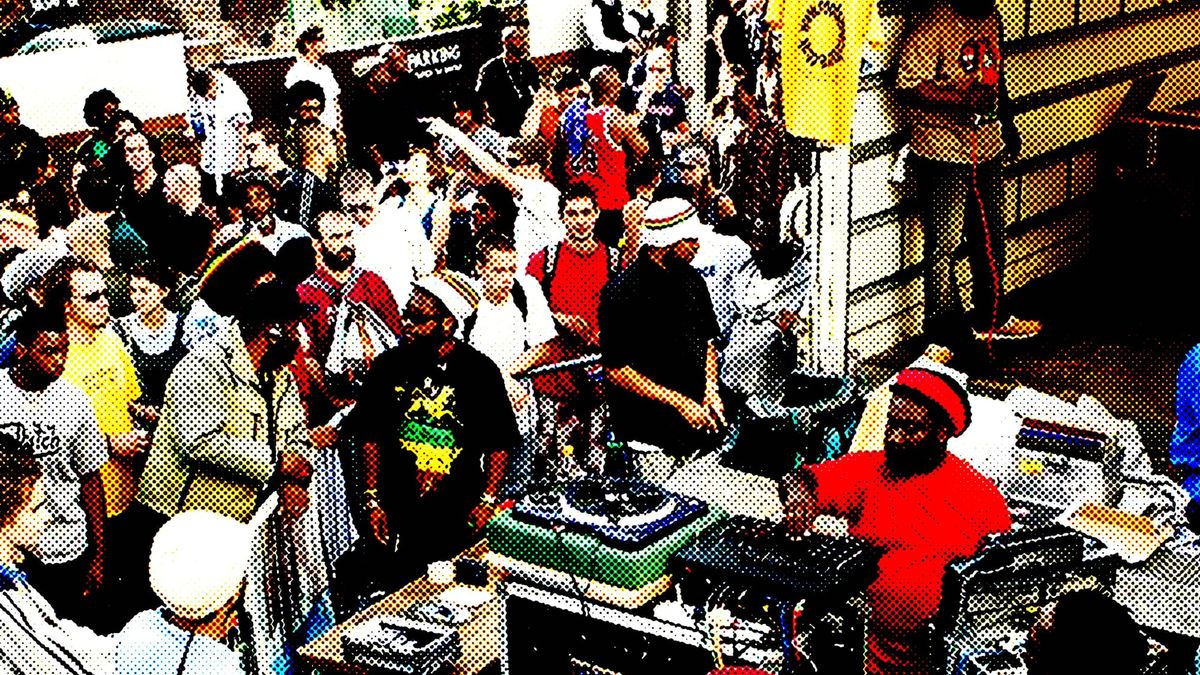
The annual Notting Hill Carnival remains deeply rooted in both celebratory pageantry and political resistance—an ongoing pushback against the systemic racial tensions that plagued post-war Britain, tensions that tragically boiled over following the racially motivated murder of Antiguan carpenter Kelso Cochrane in Notting Hill in 1959. As we observe six decades of Notting Hill Carnival, we honor 60 years of towering sound system towers passed down through generations. These rigs serve as an enduring, physical reminder of how Caribbean culture and its revolutionary music have fundamentally shaped, challenged, and enriched modern British life.
Detailed Chronology: Ten Essential Reggae and Dub Masterpieces
From the hazy romanticism of lovers rock to rocksteady, foundational dancehall, and ubiquitous viral samples, this chronological exploration traces ten essential reggae and dub albums whose bass-heavy shockwaves continue to reverberate globally.
1. Jimmy Cliff – The Harder They Come (1972)
Far more than a conventional film companion, The Harder They Come served as the cinematic and sonic manifesto for Perry Henzell’s legendary feature film. Structurally, the album functions like a miniature, curated sound-system session where vocalists, harmony groups, and DJs alternate dominance. Alongside Cliff’s defiant title track and "You Can Get It If You Really Want," the record features Toots and the Maytals’ visceral "Pressure Drop," The Melodians’ deeply spiritual Rastafarian standard "Rivers of Babylon," and Desmond Dekker’s evocative "Shanty Town."
When Island Records issued the soundtrack in the UK, followed by its Mango imprint in North America, it effectively repackaged music engineered explicitly for Jamaican dances and neighborhood jukeboxes into a cohesive international art form. Music historians frequently argue that the commercial success of this compilation laid the groundwork for Island’s subsequent, highly lucrative partnerships with Bob Marley and the Wailers.
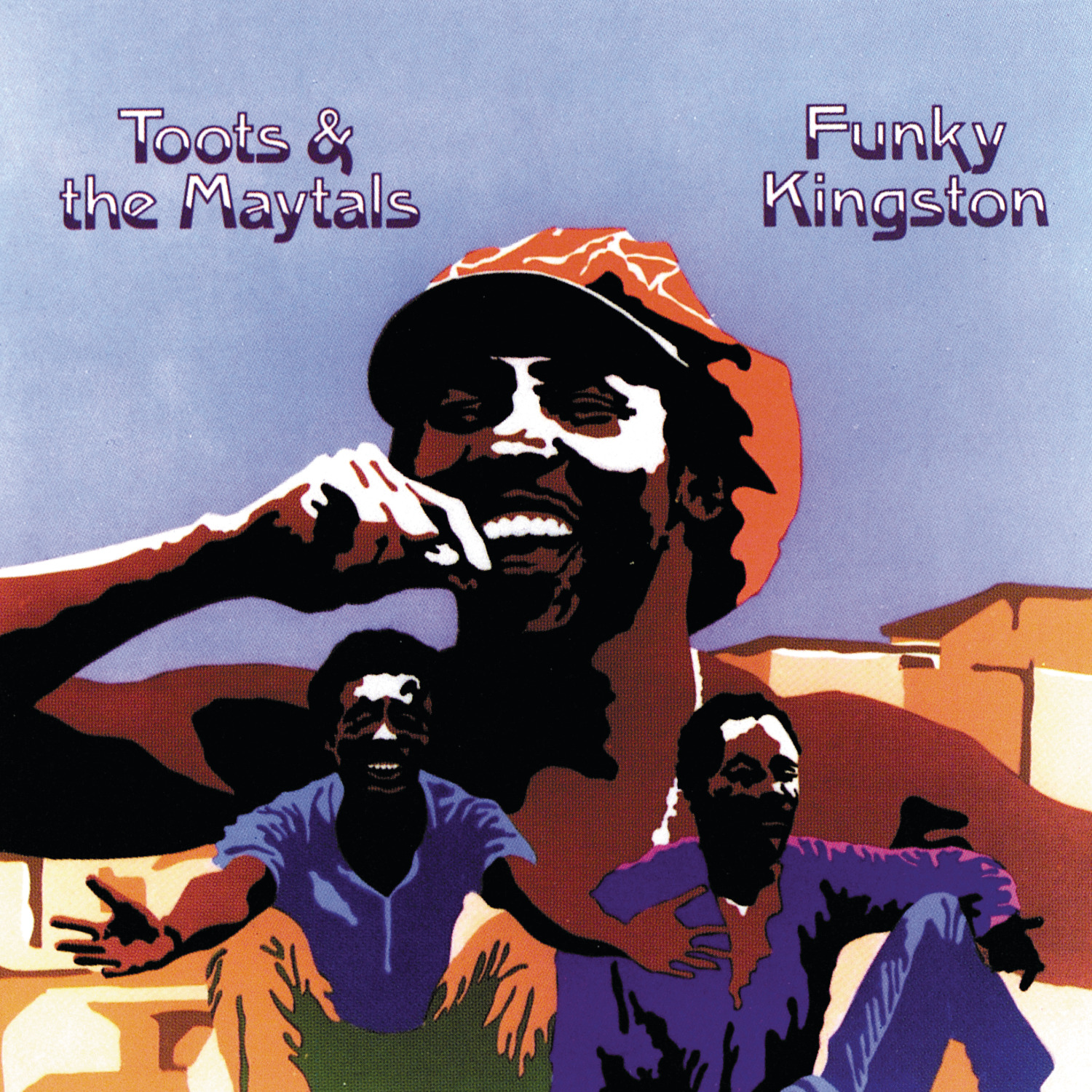
2. Toots and the Maytals – Funky Kingston (1973)
“Almost heaven, West Jamaica / True ridge mountains, shining down the river…”
Funky Kingston stands as a definitive long-form artistic statement from Toots Hibbert, Raleigh Gordon, and Jerry Matthias. Recorded primarily at Dynamic Sounds in Kingston and co-produced by Warwick Lyn, Dave Bloxham, and Island founder Chris Blackwell, the album tapped into the deep institutional history of the trio. Long before this release, The Maytals were veterans of Clement “Coxsone” Dodd’s Studio One—Jamaica’s first Black-owned recording studio, established in Kingston in 1963. They helped steer the evolution of ska and rocksteady before permanently christening the new genre with their seminal track, "Do the Reggay."
Anchored by Toots’ church-trained, soul-soaked vocals and a tightly disciplined rhythm section, Funky Kingston incorporated subtle nods to American soul, funk, rock, and country music, famously proving that the world was more than ready for a definitive reggae reimagining of John Denver’s "Take Me Home, Country Roads."
3. Marcia Griffiths – Sweet and Nice (1974)
Originally released in Jamaica under the title Play Me Sweet and Nice, Marcia Griffiths’ 1974 solo debut occupies an essential transitional space between rocksteady, soul-infused reggae, and the nascent language of lovers rock. The album’s true significance to sound system culture lies in its mood: lush, romantic vocal performances engineered to cool down dancehall floors after the aggressive, high-stakes barrage of roots and dub records.
Griffiths’ early career was forged within the hailed halls of Coxsone Dodd’s Studio One. She subsequently formed the duo Bob and Marcia alongside Bob Andy, scoring international success via Trojan Records with a reggae adaptation of Nina Simone’s "Young, Gifted and Black." The same year her debut dropped, Griffiths joined Rita Marley and Judy Mowatt to form the I-Threes—reggae’s most celebrated all-female vocal harmony trio. In a genre historically dominated by male artists, Griffiths remains a living pillar of Jamaican music history.

4. King Tubby – Dub From The Roots (1975)
Osbourne Ruddock, universally celebrated as King Tubby, fundamentally revolutionized the mixing desk, transforming it from a passive recording tool into an active, primary instrument of composition. Tubby stripped foundational reggae multi-track recordings down to their bare rhythmic bones, then reconstructed them in real-time utilizing heavy reverb, tape delay, spatial echo, and dramatic frequency dropouts.
Dub from the Roots captures this radical methodology, offering a studio mix that feels perpetually live, unstable, and open to sonic abstraction. Dub versions originated directly from the "version" B-sides of 7-inch singles, providing local selectors with exclusive instrumental material and giving early MCs the acoustic space required to toast. Tubby’s pioneering studio techniques forever altered sound system performance and laid the technical groundwork for modern remix culture across hip-hop, post-punk, and electronic dance music.
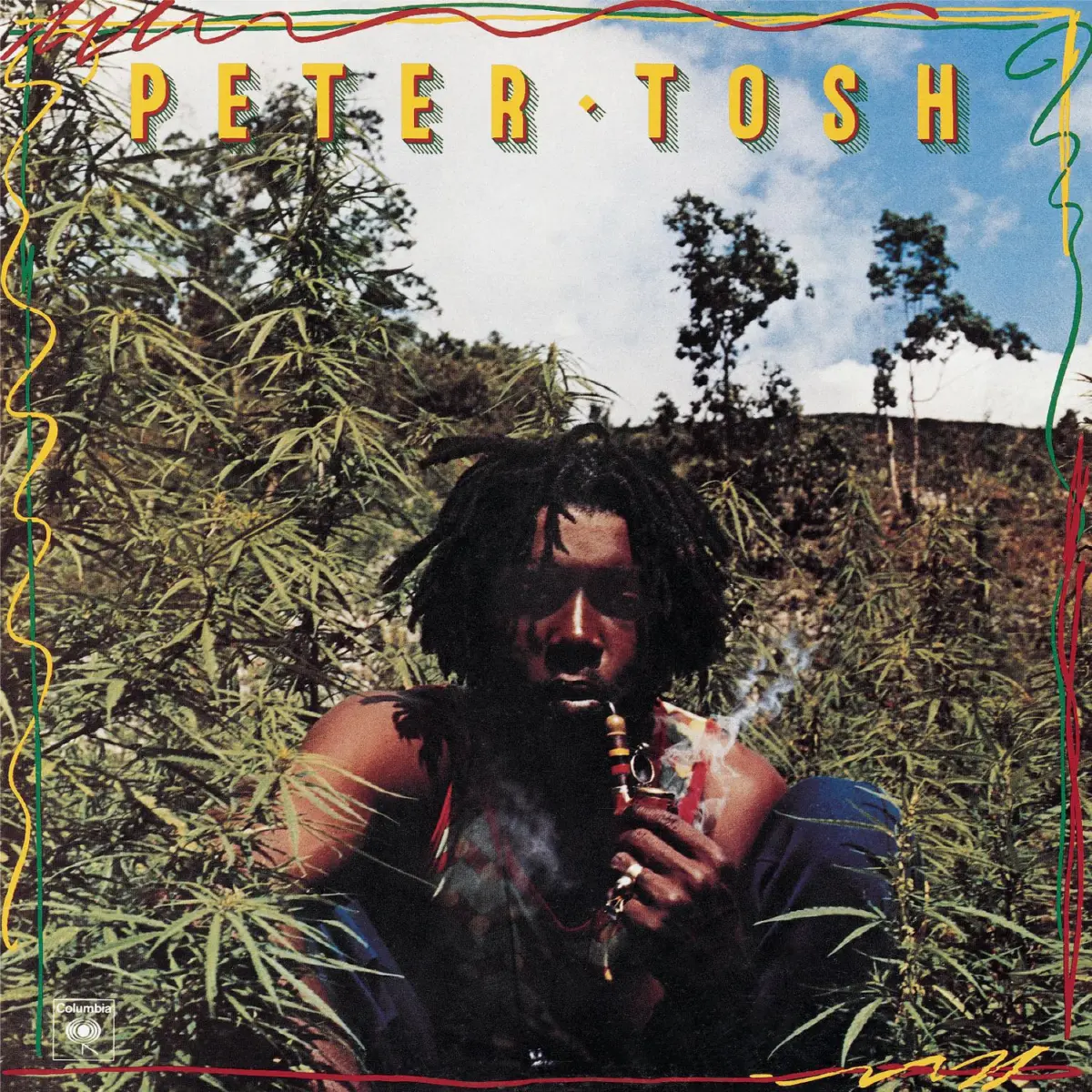
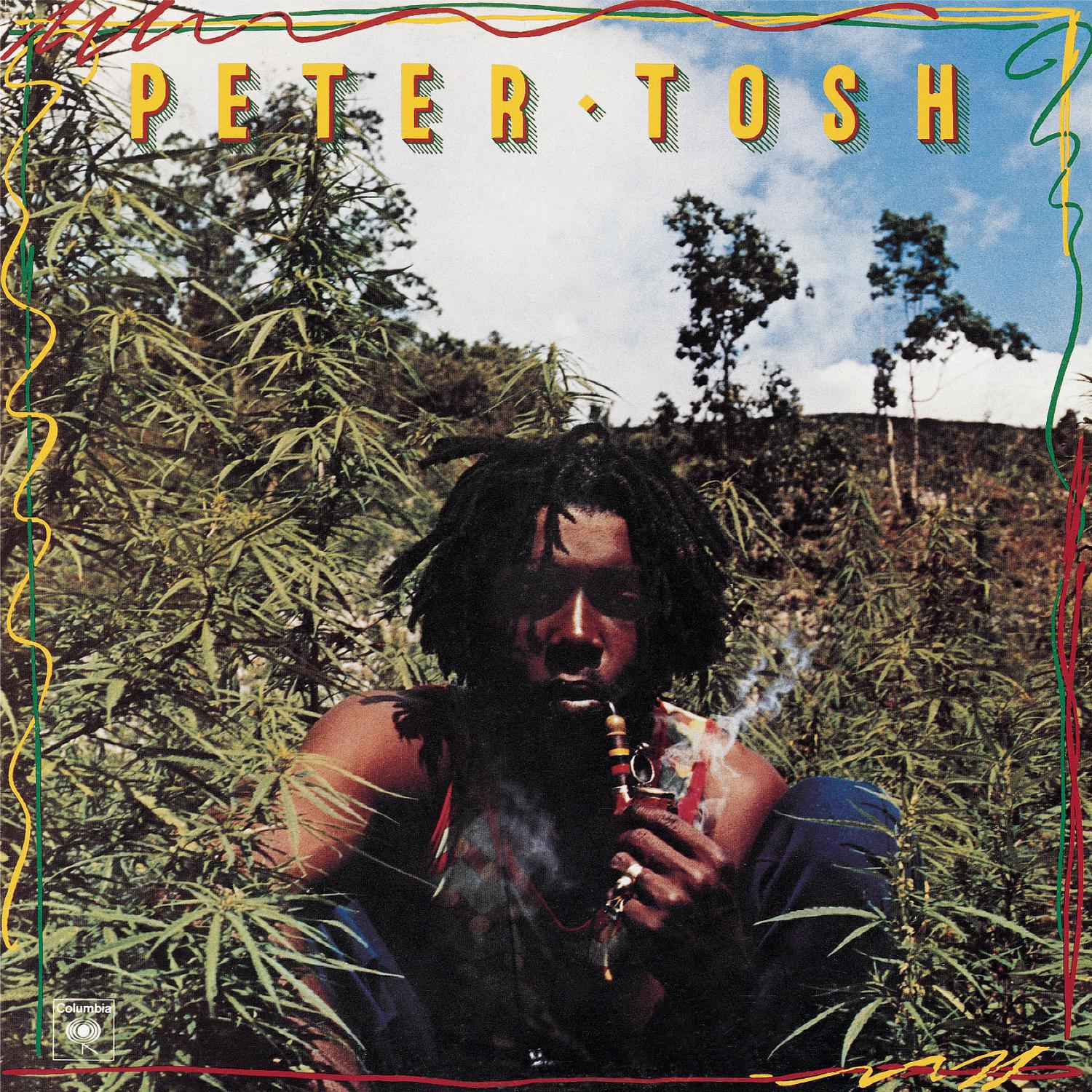
5. Peter Tosh – Legalize It (1976)
Peter Tosh honed his extraordinary vocal harmonies alongside Bob Marley and Bunny Wailer within the original incarnation of The Wailers, cutting teeth at Studio One before recording with Lee “Scratch” Perry and Island Records. When that legendary trio eventually fractured, Tosh launched a confrontational solo career.
Legalize It was custom-built for sound-system circulation due to its unapologetically defiant political stance, targeting cannabis prohibition laws, systemic state injustice, and political corruption. Earning the moniker the "Stepping Razor" for his razor-sharp lyricism and unyielding activism against police brutality, Tosh’s outspoken nature unfortunately drew severe institutional backlash. Tragically, he was later murdered by intruders in his Kingston home. Upon release, Legalize It was paradoxically banned in Jamaica, yet this state censorship only amplified its subversive power, transforming it into a global anthem for individual liberty.
6. Lee “Scratch” Perry and the Upsetters – Super Ape (1976)
Lee “Scratch” Perry possessed an uncanny, almost supernatural ability to make a recording studio behave like a living, breathing sound system. Crafted inside his legendary, eccentric Black Ark studio, Super Ape is a masterclass in spatial bass manipulation, heavy percussion, fragmented vocals, and surreal sonic sampling. Tracks like "Croaking Lizard" ingeniously rework his previous production work for Max Romeo—specifically the seminal "Chase the Devil," a rhythm later famously sampled by The Prodigy on their breakthrough 1992 rave anthem "Out Of Space."
Perry performed his mixes live at the mixing board, dropping instruments in and out with the spontaneous precision of a master selector manipulating versions and microphone effects during a dancehall session. Perry’s pioneering use of tape saturation, analog delays, and recycled rhythms directly anticipated the birth of hip-hop, post-punk production, trip-hop, jungle, and dubstep.

7. Bob Marley and the Wailers – Exodus (1977)
Recorded in the immediate aftermath of a politically motivated assassination attempt on Bob Marley’s life in Kingston, Exodus is an album deeply concerned with displacement, exile, and spiritual redemption, yet balanced by moments of transcendent joy.
The album successfully propelled roots reggae into massive international rock arenas and mainstream radio rotation. The title track remains a cornerstone of global dance culture, driven by a hypnotic, bass-led physical momentum. Meanwhile, "Jamming" serves as a communal celebration of music-making, and cuts like "Waiting in Vain," "Three Little Birds," and "One Love/People Get Ready" proved the ensemble’s unmatched dexterity across roots, romance, and global pop. Augmented by the gospel-infused harmonies of the I-Threes, Exodus stands as Marley’s global masterpiece, cementing his status as reggae’s ultimate international ambassador.
8. Dr Alimantado – Best Dressed Chicken in Town (1978)
Born Winston Thompson, Dr Alimantado operated as a deejay rather than a traditional melodic singer, constructing his performances through boasts, sharp social commentary, deadpan humor, and syncopated rhythmic speech. Best Dressed Chicken in Town compiles essential singles recorded between 1972 and 1978 across Jamaica’s most prestigious studios—including Black Ark, Channel One, Randy’s, and King Tubby’s.

Featuring vocal contributions and foundational dubs touching artists like Horace Andy, John Holt, and Gregory Isaacs, the title track brilliantly reimagines Andy’s take on Bill Withers’ "Ain’t No Sunshine." The album holds the historical distinction of being the first full-length LP issued by Greensleeves Records, the legendary West London record shop-turned-label that would subsequently distribute crucial releases by Yellowman, Eek-A-Mouse, Barrington Levy, and Scientist. Admired intensely by figures like Johnny Rotten and the British punk underground, Alimantado frequently visited Rough Trade West to hand-deliver his own records for retail distribution.
9. The Slits – Cut (1979)
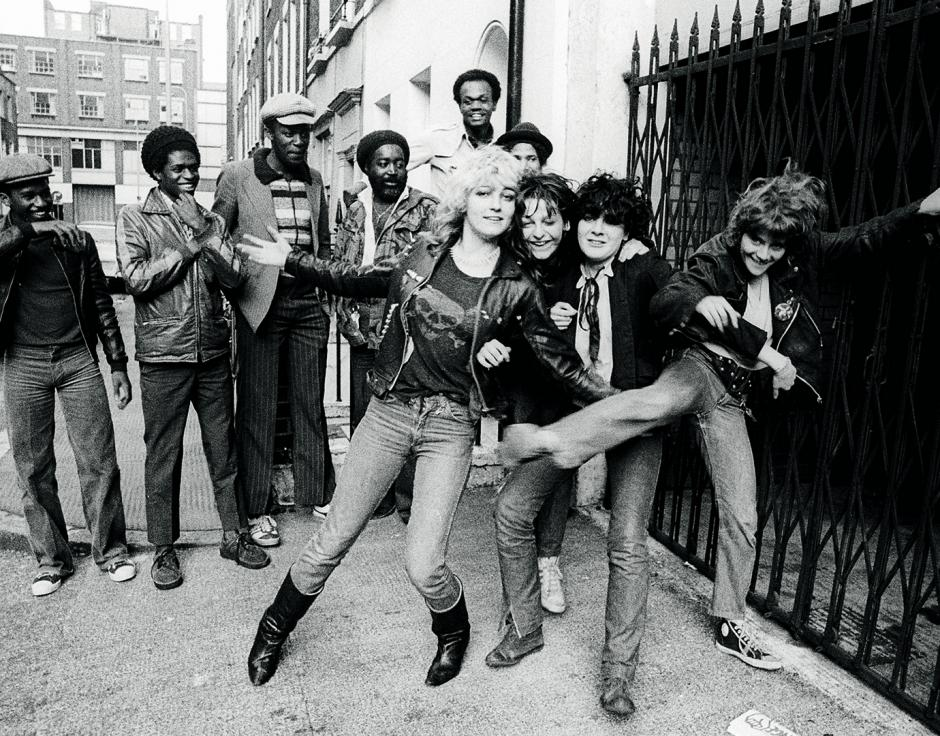
While Cut is not strictly a Jamaican reggae album, it remains one of the most brilliant examples of sound-system culture radically reshaping British post-punk. Comprising Ari Up, Viv Albertine, and Tessa Pollitt—bolstered in the studio by drummer Budgie—The Slits emerged directly from the London punk ecosystem surrounding The Clash, the Sex Pistols, and the 1977 White Riot tour.
By the time of their debut album, however, the band had pivoted toward the complex syncopations and subterranean bass frequencies of reggae. Cut would simply not exist without Dennis Bovell—the producer, master dub engineer, Matumbi member, and primary architect of British lovers rock through his work with Janet Kay. Bovell applied authentic Jamaican studio methodologies to the band’s punk sensibilities, resulting in a sound where the bass guitar dictates the melody while drums and percussion float in deep aquatic echo.
10. Sister Nancy – One Two (1982)
“I’m a lady, I’m not a man / MC is my ambition.”
Recorded at Channel One Studios in Kingston—the legendary facility that directly inspired the naming of the famed UK sound system Channel One, established in London in 1979 by brothers Mikey Dread and Jah T—One Two captures the critical transition from roots reggae to early dancehall. Sister Nancy (Ophlin Russell) learned her craft performing live alongside her brother, Brigadier Jerry, a towering figure on the microphone associated with Jah Love Muzik. Breaking into a fiercely male-dominated environment, Sister Nancy proved that a woman could command a sound system’s riddim-and-microphone arena with absolute authority. The album’s definitive track, "Bam Bam," birthed a legendary riddim that has since underpinned hundreds of international recordings, cementing its status as one of the most heavily sampled reggae compositions in modern music history.
Supporting Context & Metrics
To fully comprehend the depth of this cultural exchange, one must examine the socio-economic and geographical vectors that allowed Caribbean sound systems to take root in British urban centers:

- Chronological Span: Over 80 years of continuous sonic evolution, originating in Kingston in the 1940s and proliferating across the UK via the Windrush generation from the late 1950s onward.
- Geographical Hubs: Kingston (Downtown dancehalls, Studio One, Black Ark, Channel One) and West London (Notting Hill, Ladbroke Grove, Kensington Park Road, home of the original Rough Trade shop established in 1976).
- Demographic Milestones: The 60th anniversary of the Notting Hill Carnival marks decades of resilience against institutional racism, tracing back to the 1959 murder of Kelso Cochrane and the subsequent birth of a unified multicultural resistance movement.
- Cross-Genre Influence: Direct lineage from ska, rocksteady, and roots reggae into UK punk (The Clash, The Slits), post-punk, lovers rock, trip-hop (Massive Attack, Horace Andy collaborations), jungle, and dubstep.
Official Statements & Reflections
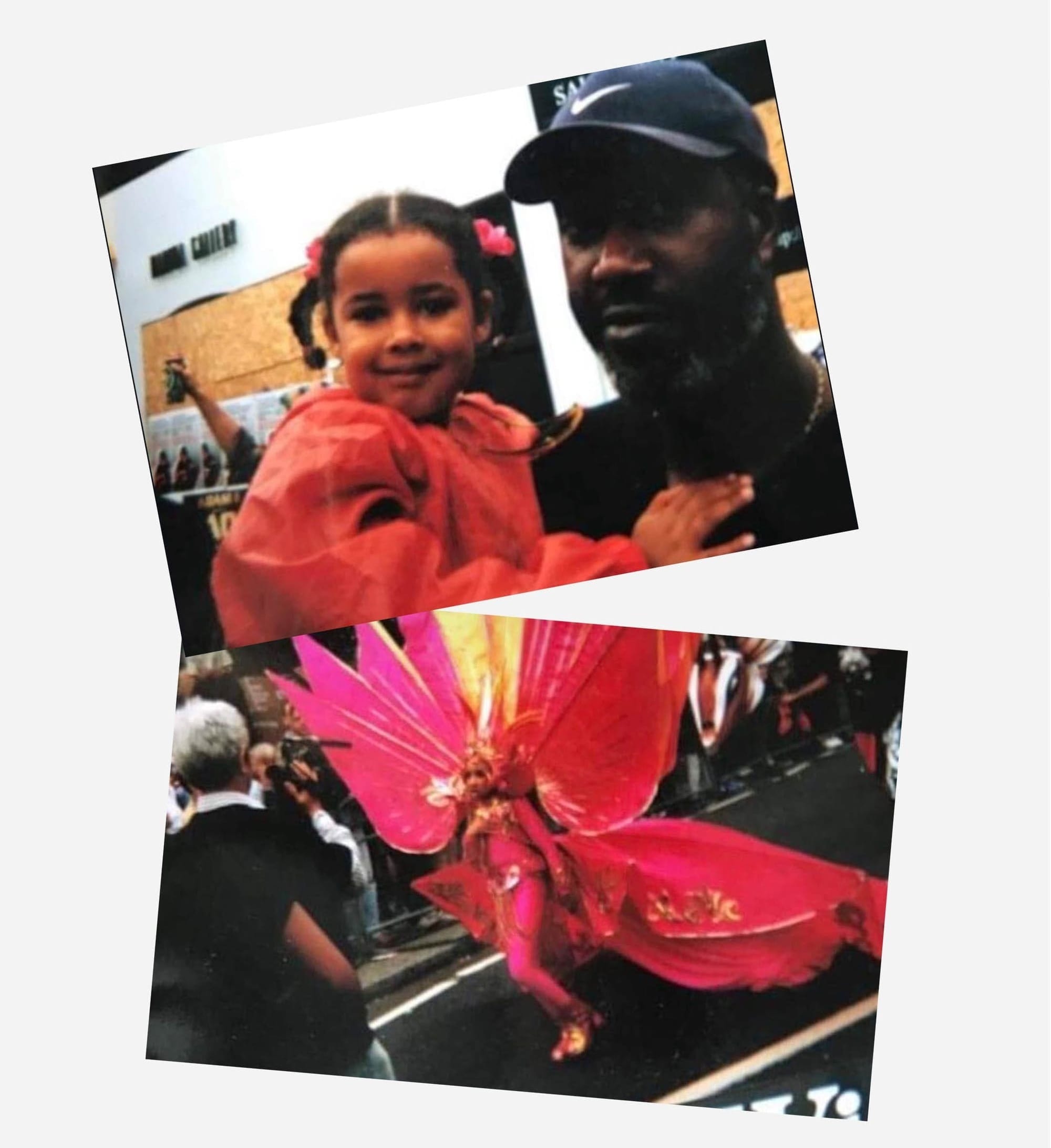
Reflecting on personal and cultural proximity to this monumental heritage, Rough Trade Marketing and Content Manager Georgia Mulraine shares her enduring connection to Notting Hill Carnival:
"I have hazy memories of going to my first carnival aged 5, tooting on whistles with coloured straps and being carried around to avoid being trampled on by the crowds as a small person. I was amazed by the parades, the bright, colour-themed crews with people in satin, feathers and headdresses… Over two decades on, I am still heading to Carnival… usually settling in at East Row to see British reggae and dub icon Aba Shanti-I operate his legendary sound system, which has been a resident of Notting Hill Carnival since 1993. The volume is not for the fainthearted, but I truly believe there’s not much better feeling than physical bass so heavy it moves through your entire body rather than just your ears."
Furthermore, the late 1970s cross-pollination between punk rock and reggae was immortalized by guitarist Viv Albertine regarding producer Dennis Bovell’s work on The Slits’ Cut:

“Dennis (Bovell) corralled us into shape and tidied up all the ends, but without trampling on creativity. It was so rare for a man in the 1970s to put himself inside the heads and hearts of four crazy young women.” — Viv Albertine (in an interview with The Guardian, 2013)
Future Outlook
As sound system culture looks toward the next half-century, its core ethos remains entirely uncompromised: physical weight, community-driven space, and uncompromising sonic exploration. The towering speaker stacks first erected on the dusty streets of Kingston have successfully transcended their geographical origins, becoming a universal architectural blueprint for underground dance music worldwide.
With younger generations inheriting the weighty responsibility of operating these legacy rigs, the sound system continues to act as a living archive and a forward-looking vehicle for social cohesion. Whether vibrating through the asphalt at Notting Hill Carnival or rattling the floorboards of independent record shops like Rough Trade, the foundational message of dub and reggae culture remains as potent as ever: The only good system is a sound system.