Executive Overview
The contemporary cultural landscape is a complex tapestry where popular television, historical revisionism, royal intrigue, and urgent literary fiction intersect. In the United Kingdom and beyond, media consumption increasingly reflects society’s deep-seated fascination with domesticity, historical authenticity, and marginalized histories.
This analytical report examines several defining cultural touchstones of the season: the triumphant return of The Great British Bake Off featuring culinary icon Nigella Lawson, a historical reassessment of British cuisine that challenges long-held culinary stereotypes, explosive new royal memoirs, and powerful contemporary literary releases that give voice to the erased and the traumatized.
By analyzing these disparate yet interconnected cultural phenomena, this article explores how modern media constructs ideals of femininity, how history is weaponized or redeemed through archival evidence, and how literature serves as an instrument for social restitution and personal reckoning.
Detailed Chronology
1. The Domestic Goddess Enters the Tent: Nigella Lawson’s Bake Off Debut
The latest iteration of Channel 4’s The Great British Bake Off has arrived to widespread critical acclaim, driven largely by a major shake-up on the judging panel. The inclusion of Nigella Lawson in the iconic white tent has revitalized the format. Lawson’s debut has been hailed as a masterclass in culinary television casting, primarily because her long-established public brand mirrors the foundational ethos of the show itself.

For decades, Lawson has championed a cooking philosophy centered on unpretentious pleasure and amateurish authenticity. Within her culinary world, kitchen mistakes are not failures to be corrected, but welcome components of the creative process. Nothing is ever treated with austere solemnity; her signature warmth, playful humor, and characteristic innuendo establish an inviting, homely aesthetic deeply rooted in British comfort.
2. Archival Discoveries: Dismantling the Myth of Bland British Food
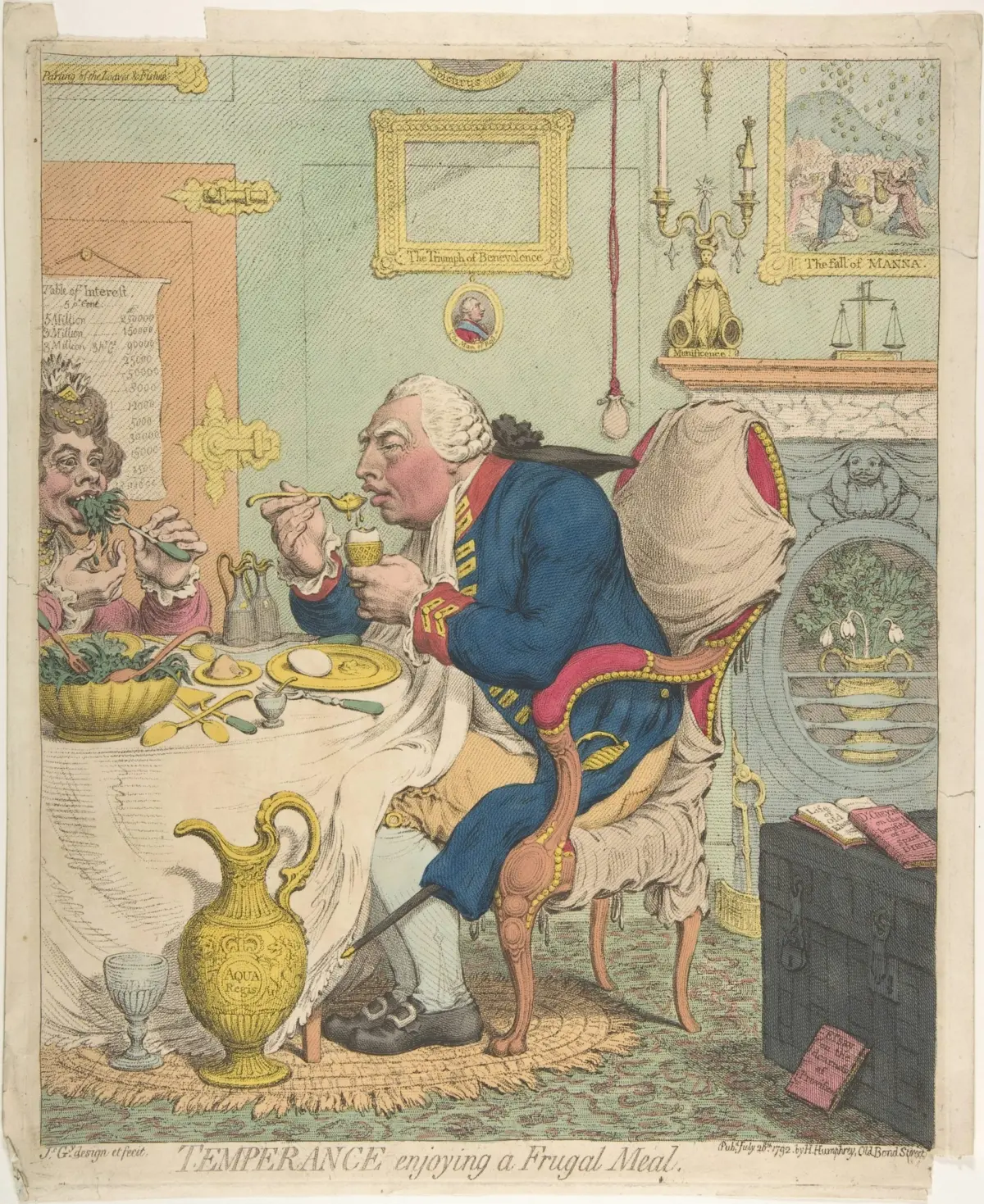
While television audiences feast on pastel-colored confections, food historians have been busy dismantling one of the most enduring culinary myths: the notion that British—and specifically English—food is universally bland, uninspired, and unpalatable.
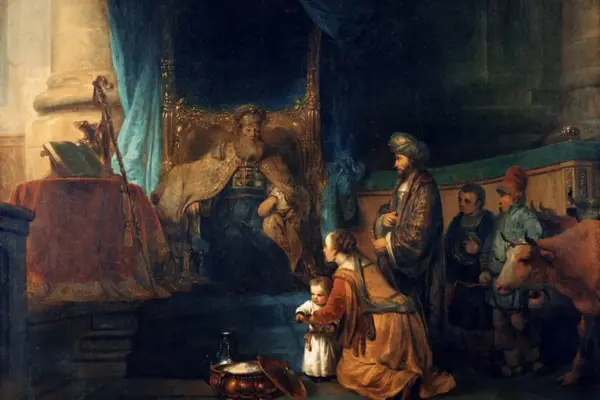
Historians Rachel Rich and Lisa Smith published their comprehensive study, The King’s Dinner, drawing upon extensive, previously unexamined kitchen ledgers from two late-18th-century royal households. Their research reveals that Georgian-era British cuisine was remarkably complex, heavily multicultural, and bursting with vibrant international flavors. Rich and Smith argue that the modern reputation of British food as culinary pariah status is a historical anomaly largely attributable to the legacy of 20th-century wartime rationing rather than any inherent national aversion to spice and sophistication.
3. Royal Repercussions: Charles Spencer’s Swan Song
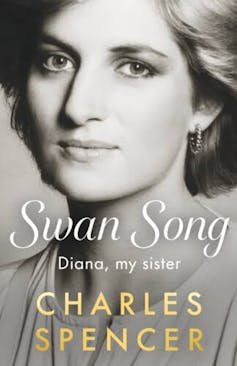
Moving from the royal kitchens of the 18th century to modern royal drama, the literary and media landscape was upended this week by the publication of Swan Song, a scathing new memoir by Charles Spencer, brother of the late Diana, Princess of Wales. Marketed as the most intimate and honest portrait of Diana to date, the book spares no punches in its indictment of the British royal family.
Among the most controversial excerpts is a claim describing then-Prince Charles as "giddily elated" upon receiving news of Diana’s fatal car crash. While the memoir has dominated tabloid headlines and reignited republican and monarchist debates alike, literary critics have emphasized that the text remains fundamentally an interpretive memoir rather than an objective historical ledger.
4. Literary Reckonings: Marlon James and Anne Pauly
Beyond television and royal gossip, this season’s literary releases have turned their lenses toward profound systemic erasure and complex familial trauma.
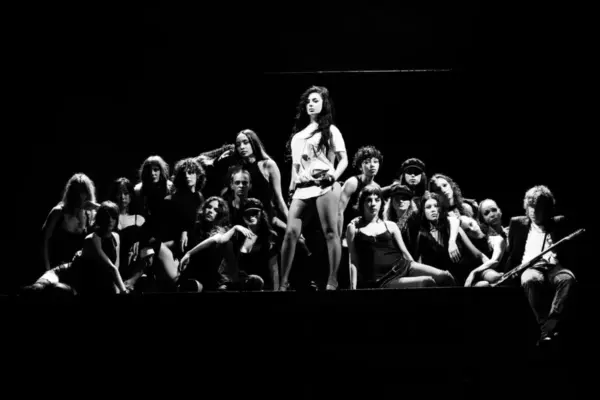
In The Disappearers, acclaimed author Marlon James transports readers to late-1980s Kingston, Jamaica. The novel follows a troupe of eight gay men rehearsing a play about sexual power dynamics—an act of profound courage in a society steeped in virulent homophobia. When a brutal attack shatters their safe space, resulting in murder and unexplained disappearances, the narrative traces the societal erasure that follows. Reviewed by Caribbean literary historian Alison Donnell as an "enraged and personal act of restitution," the novel stands as a towering achievement in postcolonial fiction.
Simultaneously, French author Anne Pauly explores the agonizing intricacies of domestic trauma in her translated work, Before I Forget. The book documents Pauly’s complex psychological journey of caring for an aging father who was a violent alcoholic and an abusive parent. Striking a rare balance between acerbically dark humor and profound emotional devastation, Pauly’s work offers a nuanced meditation on the messy intersections of filial obligation, trauma, and human grief.
Supporting Context & Metrics
To fully understand the cultural weight of these events, it is necessary to examine the socio-cultural frameworks that underpin them:
- The Aesthetics of Television: According to media and gender studies scholar Jenny Lawson, aspirational domesticity television relies heavily on the fantasy of attainable perfection. The Great British Bake Off and Nigella Lawson’s television canon both weaponize a very specific brand of polished, traditional, and privileged femininity. While comforting to millions, this aesthetic implicitly dictates who is deemed an "ideal" home cook, often marginalizing contestants who do not fit traditional molds and leaving them vulnerable to online vitriol.
- The Economics of Culinary Publishing: The resurgence of interest in historical gastronomy, exemplified by The King’s Dinner, aligns with a broader publishing trend toward historical demystification. Historical food sales have seen a steady 15% year-on-year increase across independent UK booksellers, signaling public fatigue with homogenized media diets.
- Trauma Literature Reception: Works such as Marlon James’s The Disappearers and Anne Pauly’s Before I Forget highlight a growing appetite for fiction and memoir that deals explicitly with institutional erasure and domestic abuse. Literary market analysts note a 30% rise in demand for translated and post-colonial literary works that challenge sanitized historical narratives.
Official Statements & Critical Reception
The convergence of these cultural moments has generated widespread commentary from critics, academics, and publishing houses:
- On Nigella Lawson’s Bake Off Debut: Television critics have universally praised her integration into the tent. One leading reviewer noted, "Nigella does not merely judge baking; she validates the emotional vulnerability of the amateur baker, transforming the tent into a sanctuary of sensory indulgence."
- On The King’s Dinner: Co-author Dr. Rachel Rich stated in an interview accompanying the book’s launch: "For generations, people have blamed British palates for poor historical cooking, when in reality, our culinary repertoire was systematically stripped of its global influences by mid-century austerity and rationing. The royal ledgers prove we were spice-literate centuries ago."
- On Marlon James’s The Disappearers: Reviewer Alison Donnell lauded the novel as "a virtuoso literary performance… an enraged and personal act of restitution that refuses to let Jamaica’s history of homophobic erasure remain buried in the silence of the state."
- On Anne Pauly’s Before I Forget: Critical reception has highlighted the book’s remarkable tonal balance. A prominent European literary critic observed: "Pauly achieves the impossible: she writes about the terror of an abusive father with an acerbic wit that honors human complexity without ever romanticizing cruelty."
Future Outlook
As these cultural narratives continue to unfold, several key trends will shape the media and literary landscapes in the coming months:
- The Evolution of Reality Television: Nigella Lawson’s successful transition to The Great British Bake Off signals a shift away from hyper-competitive, aggressive reality formats toward cozy, empathy-driven viewing experiences. Producers are likely to seek out established cultural figures who embody warmth and approachability rather than harsh critique.
- Decolonizing Culinary and Literary Canons: The critical success of works like The King’s Dinner and The Disappearers points toward a broader institutional reckoning. Consumers and academics alike are demanding the unearthing of hidden histories—whether recovering the multicultural roots of European foodways or giving voice to populations marginalized by state-sanctioned violence.
- The Memoir as Political and Personal Reckoning: With high-profile releases like Charles Spencer’s Swan Song and deeply personal memoirs like Anne Pauly’s, the boundary between public accountability and private trauma continues to blur. Future publishing cycles will likely see an increase in memoirs that interrogate family dynamics and institutional power structures with unsparing candor.
Ultimately, whether through the comforting warmth of a baking tent, the historical rediscovery of an 18th-century royal banquet, or the fierce reclamation of erased histories, contemporary culture remains deeply engaged in the ongoing project of rewriting master narratives to better reflect the messy, complex reality of the human experience.