Executive Overview
London’s classical music calendar received a significant boost as the London Opera Company officially announced its return to Smith Square Hall on Sunday, October 18, 2026. Following a triumphant trajectory of critically acclaimed and sold-out performances exploring Richard Wagner’s monumental canon—including Götterdämmerung, Die Walküre, and Siegfried—the company is set to tackle one of the most emotionally and technically demanding scores in the operatic repertoire: Tristan und Isolde.
This upcoming production promises to uphold the London Opera Company’s distinctive artistic ethos, which bridges the gap between professional operatic excellence and community engagement. At the helm of the musical forces is celebrated conductor Peter Selwyn, who will direct a stellar, seasoned cast of Wagnerian specialists. The principal lineup features tenor Neal Cooper as Tristan and soprano Cara McHardy as Isolde, supported by an impressive roster of vocalists including Simon Thorpe as King Marke, Harriet Williams as Brangäne, and Ronald Samm as Melot.
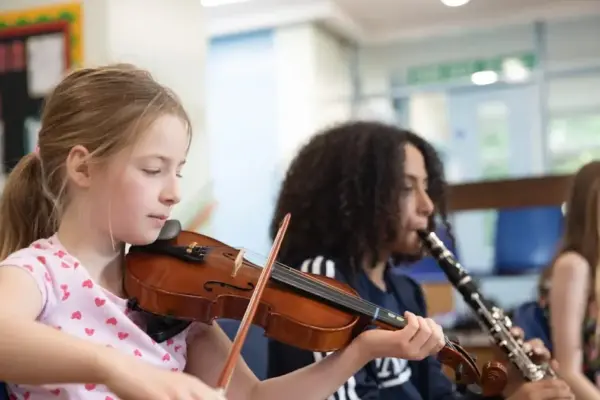
Beyond the principal cast, the production’s structural integrity relies on an innovative collaborative orchestra. Led by concertmaster Katherine Shave, the ensemble comprises a rigorous core of professional instrumentalists joined by top-tier post-graduate students from London’s premier music conservatoires, alongside dedicated, auditioned amateur musicians drawn from the city’s finest regional orchestras. This egalitarian yet exacting approach extends to the 25-strong chorus, directed by Lindsay Bramley, creating a communal synergy that has become a hallmark of the company’s identity.
As tickets go on sale via the Sinfonia Smith Square platform, anticipation is mounting across the classical music community. This performance marks not merely another night at the opera, but the continuation of a grass-roots, high-art movement that is redefining how Wagnerian opera is produced, consumed, and celebrated in the twenty-first century.
Detailed Chronology: The Road to Tristan und Isolde
To understand the weight and significance of the upcoming 2026 production of Tristan und Isolde, one must trace the deliberate, highly ambitious artistic trajectory the London Opera Company has forged over recent years. The company has systematically carved out a niche for itself as a champion of large-scale Wagnerian performance, tackling works that even major international houses often approach with hesitation due to their immense financial, logistical, and vocal demands.
The Foundation of a Wagnerian Empire
The modern iteration of the London Opera Company’s success did not happen overnight; it is the culmination of years of targeted casting, orchestral development, and uncompromising artistic vision. In August 2022, the classical world took notice when the Grimeborn Festival staged a production of Wagner’s Siegfried. That staging proved to be a critical watershed. Reviewers lauded the production as a "stupendous achievement," singling out tenor Neal Cooper for his powerhouse portrayal of the title role. Cooper’s ability to navigate the punishing vocal architecture of Siegfried established him as a premier Heldentenor of his generation, setting a high-water mark for subsequent company collaborations.
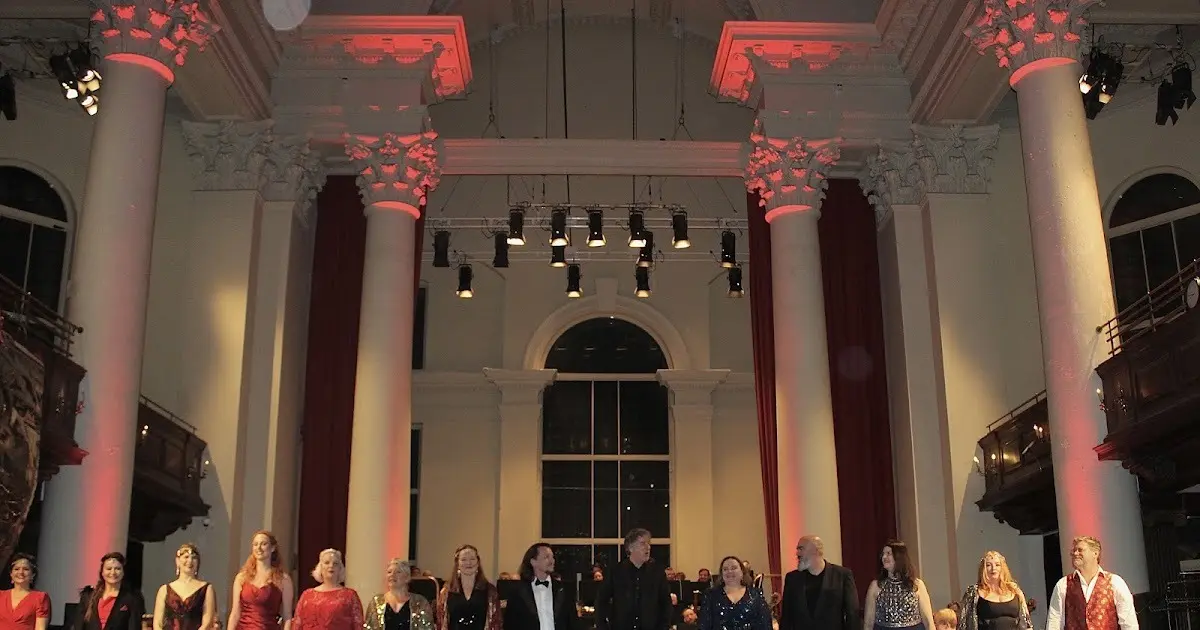
Building on the momentum of Grimeborn’s Ring sequence, the London Opera Company transitioned its focus to Smith Square Hall (formerly St John’s Smith Square), a venue celebrated for its crystalline acoustic properties—an essential asset when dealing with the dense, chromatic orchestrations of mature Wagner.
Recent Milestones at Smith Square Hall
Over the subsequent seasons, the company systematically worked its way through key installments of the Germanic canon:
- The Siegfried Revival: Building upon his prior success, Cooper continued to refine his interpretation of the young hero, anchoring the company’s concert and semi-staged explorations with peerless stamina and lyrical nuance.
- Die Walküre: Praised by critics for its "remarkable sense of energy and engagement," this production showcased the company’s knack for stripping away superfluous theatrical clutter to reveal the raw, psychological architecture of Wagner’s score. The production underscored the company’s growing reputation for maintaining white-hot theatrical tension throughout multi-hour epics.
- Götterdämmerung: The shattering conclusion to the Ring cycle played to packed houses, cementing Smith Square Hall as an unlikely but triumphant temple for London’s Wagnerians. These sold-out runs demonstrated that an eager, dedicated audience existed for intimate yet monumental presentations of these masterworks.
The Bridge to 2026: Opera Holland Park and Beyond
The interconnectivity of London’s operatic ecosystem is vividly illustrated through the artistic partnerships feeding into this upcoming Tristan. Last year, conductor Peter Selwyn helmed a critically acclaimed production of Der fliegende Holländer at Opera Holland Park. That production featured Neal Cooper—the London Opera Company’s upcoming Tristan—in the role of Erik, drawing widespread praise for its psychological depth and vocal security.
Furthermore, soprano Cara McHardy, who steps into the role of Isolde for the 2026 production, brings a deep familiarity with the company’s high standards, having previously triumphed in major Wagnerian roles such as Brünnhilde and earlier explorations of Isolde under the London Opera Company banner.
Thus, the October 18, 2026 performance of Tristan und Isolde is not a disconnected event; it is the logical, evolutionary apex of a multi-year creative campaign.
Supporting Context & Metrics: The Anatomy of a Grassroots Wagnerian Colossus
Staging Tristan und Isolde—an opera famous for its suspended resolutions, harmonic innovations, and brutal vocal requirements—is a monumental undertaking for any organization. Doing so within the independent, semi-professional framework of the London Opera Company requires a unique structural model that balances institutional rigor with grassroots passion.
The Hybrid Orchestral and Choral Model
At the heart of the London Opera Company’s sustainability and artistic vitality is its distinctive workforce model. Traditional major opera houses rely exclusively on permanent, salaried orchestras and choruses. While this ensures consistency, it also incurs staggering overheads that often restrict programming to safe, mainstream titles.

The London Opera Company circumvents this limitation through a curated hybrid model:
- The Professional Core: The instrumental ensemble is anchored by a backbone of seasoned professional players. Led by concertmaster Katherine Shave, these section leaders and principal players provide the technical polish, stylistic authority, and leadership required to navigate Wagner’s notoriously complex writing.
- The Conservatoire Elite: Flanking the professionals are the finest post-graduate instrumentalists drawn from London’s world-renowned music colleges (such as the Royal Academy of Music, the Royal College of Music, and Guildhall School of Music & Drama). For these young musicians, performing in a complete Wagner opera serves as a vital bridge into the professional world, offering invaluable orchestral experience under master conductors like Peter Selwyn.
- Amateur Enthusiasm: The ecosystem is rounded out by passionate, highly proficient amateur players culled from London’s top-tier amateur symphony orchestras. Driven by a deep love for the repertoire, these musicians bring an infectious enthusiasm and stamina to the pit.
- The Choral Synthesis: A similar democratic philosophy underpins the 25-strong chorus. Under the direction of Lindsay Bramley, professional singers work side-by-side with dedicated choral aficionados. The resulting sound is surprisingly rich, balanced, and driven by a shared devotional intensity toward the material.
The Acoustic and Spatial Advantages of Smith Square Hall
The choice of venue is far from incidental. Smith Square Hall offers an acoustic environment fundamentally different from traditional, cavernous opera houses. While the pit-and-proscenium setup of a major national house can sometimes swallow vocal nuances behind a wall of brass and heavy strings, Smith Square Hall allows the audience to experience the textural transparency of Wagner’s orchestration.
For Tristan und Isolde—a work where the harmonic language relies on the famous "Tristan chord" to constantly defer resolution, mirroring the yearning of the title characters—acoustic clarity is paramount. Every shift in inner woodwind counterpoint and every subtle cello line will be laid bare in this environment, making the performance an intimate yet overwhelming auditory experience.
Official Statements and Artistic Vision
The creative team behind the 2026 production has emphasized that this Tristan und Isolde will prioritize dramatic truth and vocal integrity over elaborate, distracting staging concepts. In a landscape where regieoper (director’s opera) frequently imposes heavy-handed modern conceits onto classical texts, the London Opera Company remains committed to letting the emotional core of Wagner’s score speak directly to the audience.
Conductor Peter Selwyn on the Musical Architecture
Reflecting on his upcoming collaboration with the company, conductor Peter Selwyn has noted the profound psychological demands the score places on both pit and stage. Having recently commanded critical acclaim at Opera Holland Park for Der fliegende Holländer, Selwyn brings a deep sensitivity to Wagnerian pacing.
"Tristan is not merely an opera of loud volume; it is an opera of infinite nuance, extreme pacing, and sustained emotional arc," notes production insight materials. Selwyn’s approach focuses on the architecture of longing. By carefully managing the ebb and flow of the hybrid orchestra—balancing the youthful energy of conservatoire players with the ironclad discipline of the professional core—Selwyn aims to achieve a seamless, breathing canvas over which the vocal soloists can cast their lines.
Cast Profiles: A Dream Team of Wagnerians
The assembly of this specific cast is viewed by industry insiders as a masterstroke of casting curation:
- Neal Cooper (Tristan): Recognized as one of the most reliable and commanding dramatic tenors working within the British Isles, Cooper’s past triumphs in Siegfried and Der fliegende Holländer have proven his vocal stamina. Tackling Tristan is widely considered the ultimate mountaintop for a Heldentenor; Cooper’s prior institutional history with the company ensures a deep trust and stylistic synergy with Selwyn’s baton.
- Cara McHardy (Isolde): Having previously commanded the stage in demanding roles such as Brünnhilde and earlier explorations of Isolde for the company, McHardy possesses the gleaming upper register, dramatic gravitas, and endurance required for the iconic "Liebestod." Her ongoing artistic partnership with the company ensures a deeply integrated dramatic dialogue with Cooper’s Tristan.
- Simon Thorpe (King Marke): Bringing gravitas, vocal resonance, and deep interpretive maturity, Thorpe steps into the tragic role of the betrayed monarch, anchoring the emotional fallout of Act II with authoritative presence.
- Harriet Williams (Brangäne): As the loyal confidante who attempts to alter the tragic course of events with the fateful potion swap, Williams provides rich mezzo-soprano warmth and dramatic counterweight to McHardy’s Isolde.
- Ronald Samm (Melot): Rounding out the principal cast, Samm brings theatrical edge and vocal power to the role of Tristan’s treacherous former friend.
Future Outlook: The Legacy of London’s Independent Opera Movement
As the classical music industry navigates a complex economic climate characterized by fluctuating public subsidies, corporate sponsorship shifts, and changing audience demographics, the model pioneered by the London Opera Company offers a compelling blueprint for the future.
Redefining the Boundaries of Independent Opera
For decades, the staging of late-Romantic monumental works like those of Richard Wagner was thought to be the exclusive domain of state-subsidized national institutions or international destination festivals like Bayreuth. The London Opera Company has successfully shattered this paradigm. By harnessing a flexible, project-based workforce that unites elite professionals, ambitious students, and dedicated community players, the company has demonstrated that artistic scale is not strictly a function of institutional budget, but rather of vision, passion, and precise logistical curation.
What Lies Beyond 2026?
With Tristan und Isolde set to unfold on Sunday, October 18, 2026, theatre critics and opera lovers are already speculating on the company’s next moves. Having conquered major pillars of the Wagnerian canon—from the Ring excerpts to the psychological depths of Tristan—the London Opera Company has established itself as London’s de facto home for serious Wagnerian performance.
Industry watchers suggest that the company’s success could pave the way for expanded multi-venue residencies, deeper educational partnerships with London’s music colleges, and wider regional touring initiatives. For now, however, all eyes—and ears—are fixed on Smith Square Hall.
Tickets and comprehensive logistical details for the October 18, 2026 performance are currently available via the Sinfonia Smith Square website. Given the rapid sell-out rates of the company’s previous outings with Götterdämmerung, Die Walküre, and Siegfried, patrons are strongly advised to secure their seats well in advance for what promises to be one of the definitive operatic events of the decade.