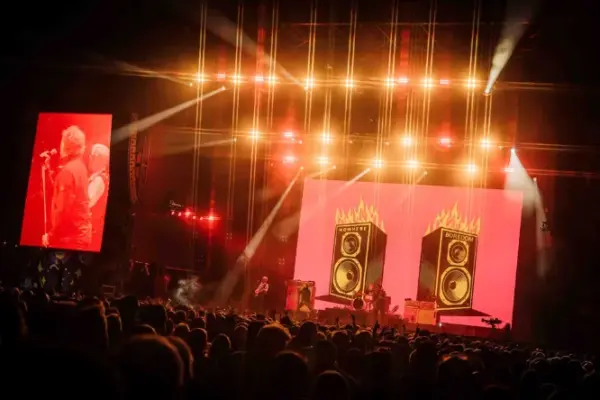
"To me, rock music was never meant to be safe. I think there needs to be an element of intrigue, mystery, subversiveness. Your parents should hate it." — Trent Reznor
From its foundational synthesis of blues, country, and gospel, rock and roll has steadfastly refused to stand still. The most enduring and groundbreaking rock albums in modern music history have continually stretched the boundaries of the genre, giving rise to a sprawling ecosystem of subgenres shaped by shifting cultural landscapes, distinct local scenes, and technological leaps in audio production. Reinvention remains the heartbeat of rock’s identity.
Fundamentally, being "rock and roll" has always been less about a rigid sonic blueprint and more about a restless spirit. It is an instinctual drive to challenge convention, borrow freely across musical traditions, and push soundscapes into unexpected territories. This visceral energy continues to pulse through modern alternative music, where traditional genre boundaries dissolve and innovation frequently flourishes far from the polished glow of the mainstream.
Today, this defiant ethos manifests in pockets across the globe. London’s influential Windmill scene is actively rewriting the possibilities of guitar music through a dizzying cross-pollination of post-punk, jazz, and art rock. In Ireland, artists such as Fontaines D.C., The Murder Capital, SPRINTS, and Just Mustard have pushed Irish guitar music back to the forefront of the global conversation. Meanwhile, Australia’s ferocious punk underground—spearheaded by outfits like Amyl and the Sniffers, The Chats, and CIVIC—continues to churn out some of the most exhilarating, high-octane records of the decade. Concurrently, the heavier end of the spectrum is experiencing a massive resurgence, introducing aggressive hardcore bands like Turnstile, Speed, and Basement to massive audiences well beyond traditional subcultural walls.
The cultural exchange has also become entirely cyclical. Contemporary pop icons are deeply indebted to alternative rock’s rich tapestry; Olivia Rodrigo frequently channels 1990s touchstones like No Doubt and The Smashing Pumpkins, while tracks like You Seem Pretty Sad For A Girl So In Love nod directly to the angular New Wave stylings of New Order, Devo, and The B-52s.
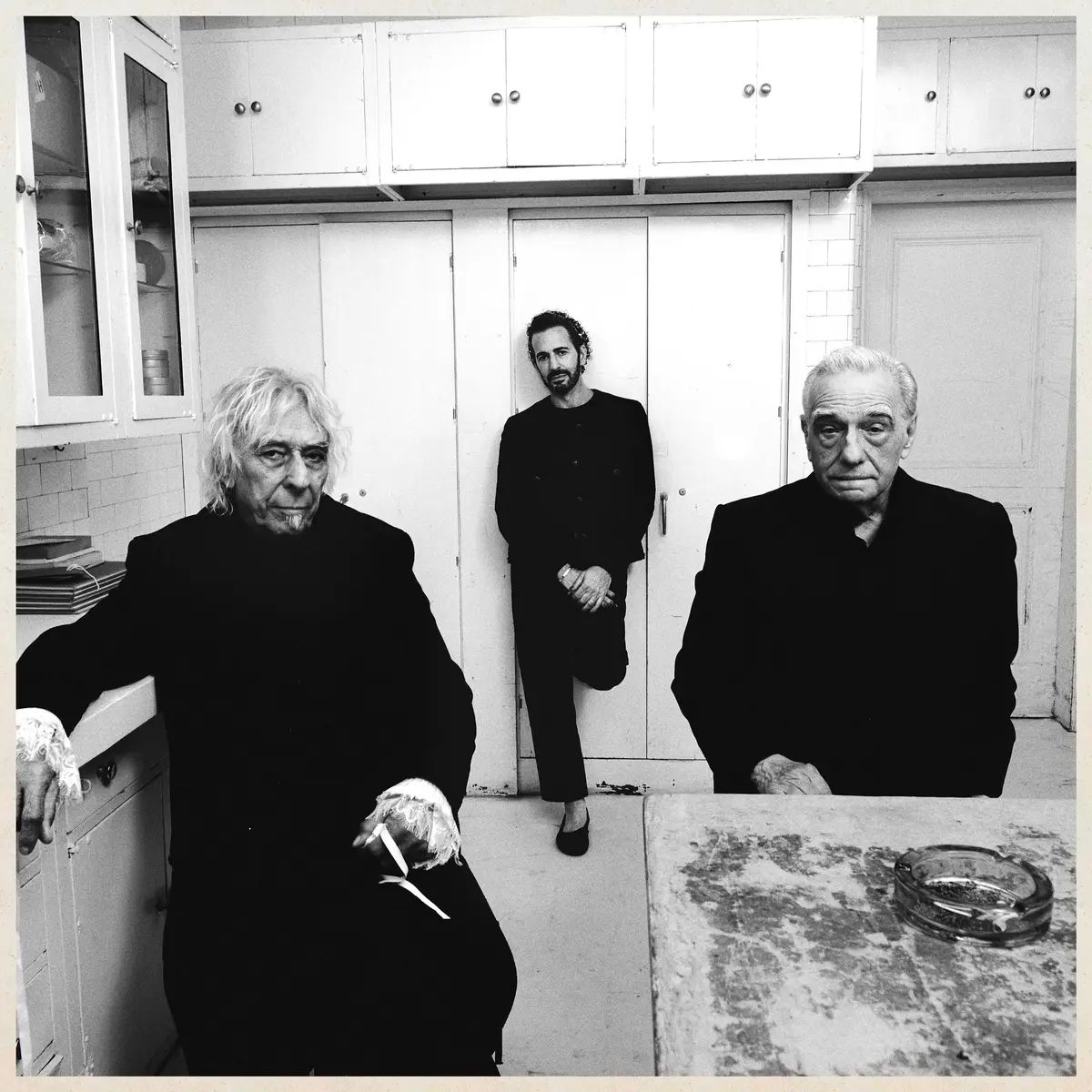
Following the winding down of her cultural phenomenon Brat, Charli xcx perhaps encapsulated rock’s latest cross-pollinated evolution best: "I think the dancefloor is dead, so now we’re making rock music." While her project Music, Fashion, Film is not a rock record in the classical sense, its gritty, guitar-forward lead single highlights rock’s lingering gravitational pull over contemporary production. That influence extends straight to the album’s visual identity, where Charli’s longstanding fascination with The Velvet Underground informed the artwork, culminating in John Cale himself appearing on the cover.
This is precisely where rock finds itself in the modern era: less obsessed with preserving a museum-piece sound and more dedicated to carrying forward a specific way of thinking. Its future may not always arrive wearing a leather jacket or brandishing a battered Fender, but its subversive spirit remains entirely unmistakable.
Detailed Chronology: Essential Pillars of Rock Innovation
An endless journey of innovation defines the genre. Below is a deep dive into the vast umbrella of rock and its most essential, boundary-shattering albums.
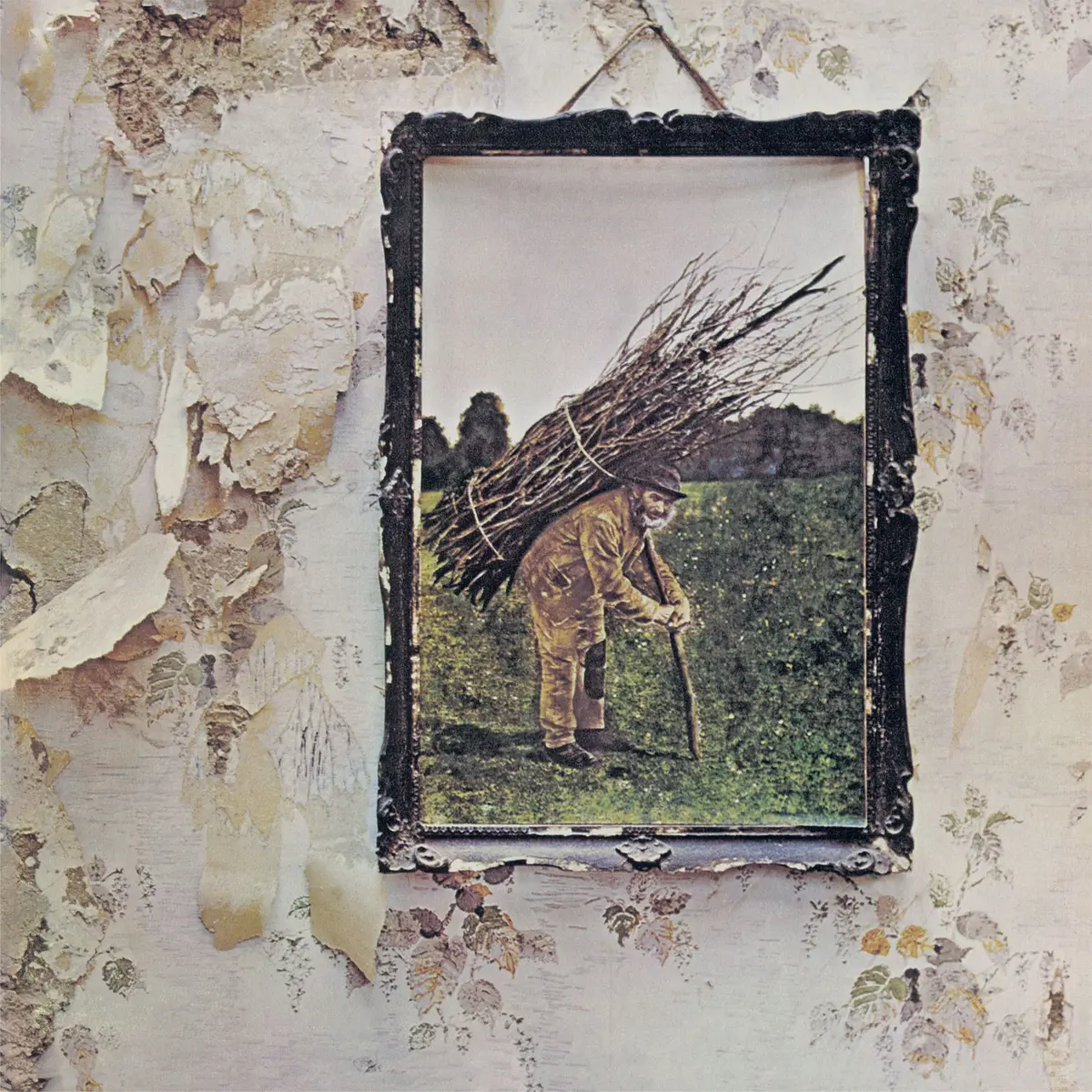
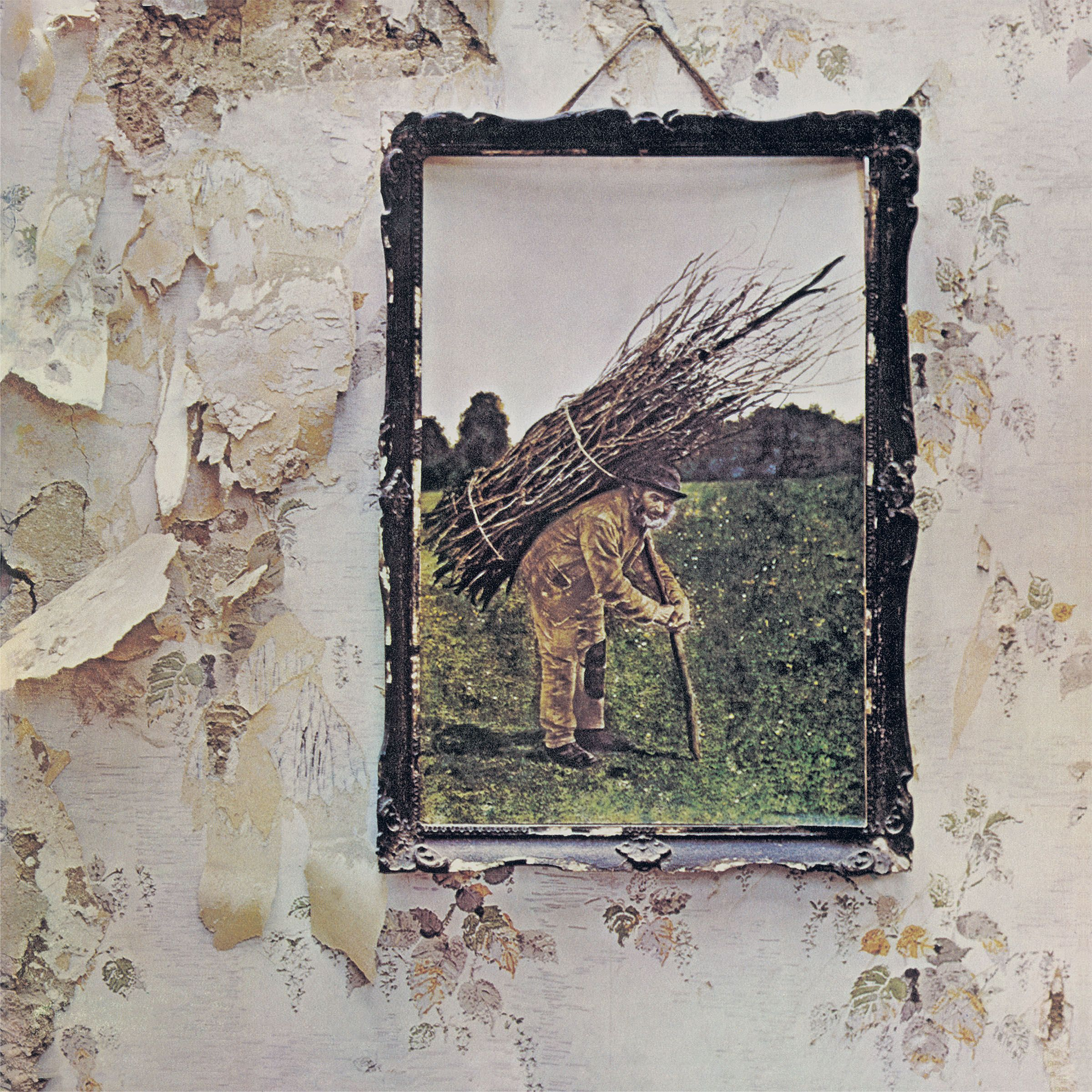
Led Zeppelin – IV (1971)
Led Zeppelin IV expanded hard rock beyond straightforward riffing, serving as a foundational blueprint for both heavy metal and arena rock. Balancing their crushing electric prowess with traditional acoustic folk, the album successfully married the thunderous hard rock of their second LP with the pastoral wanderings of their third. The bedrock of Led Zeppelin‘s sound, however, remained American blues, with guitarist Jimmy Page drawing immense inspiration from both the Mississippi Delta and the Chicago blues circuit.
Stairway To Heaven remains one of rock’s most celebrated anthems, transitioning seamlessly from a delicate acoustic folk ballad into a roaring electric hard rock crescendo—a definitive template for classic rock and progressive compositions. File under: Hard rock, alongside AC/DC, Aerosmith, and Guns N’ Roses.
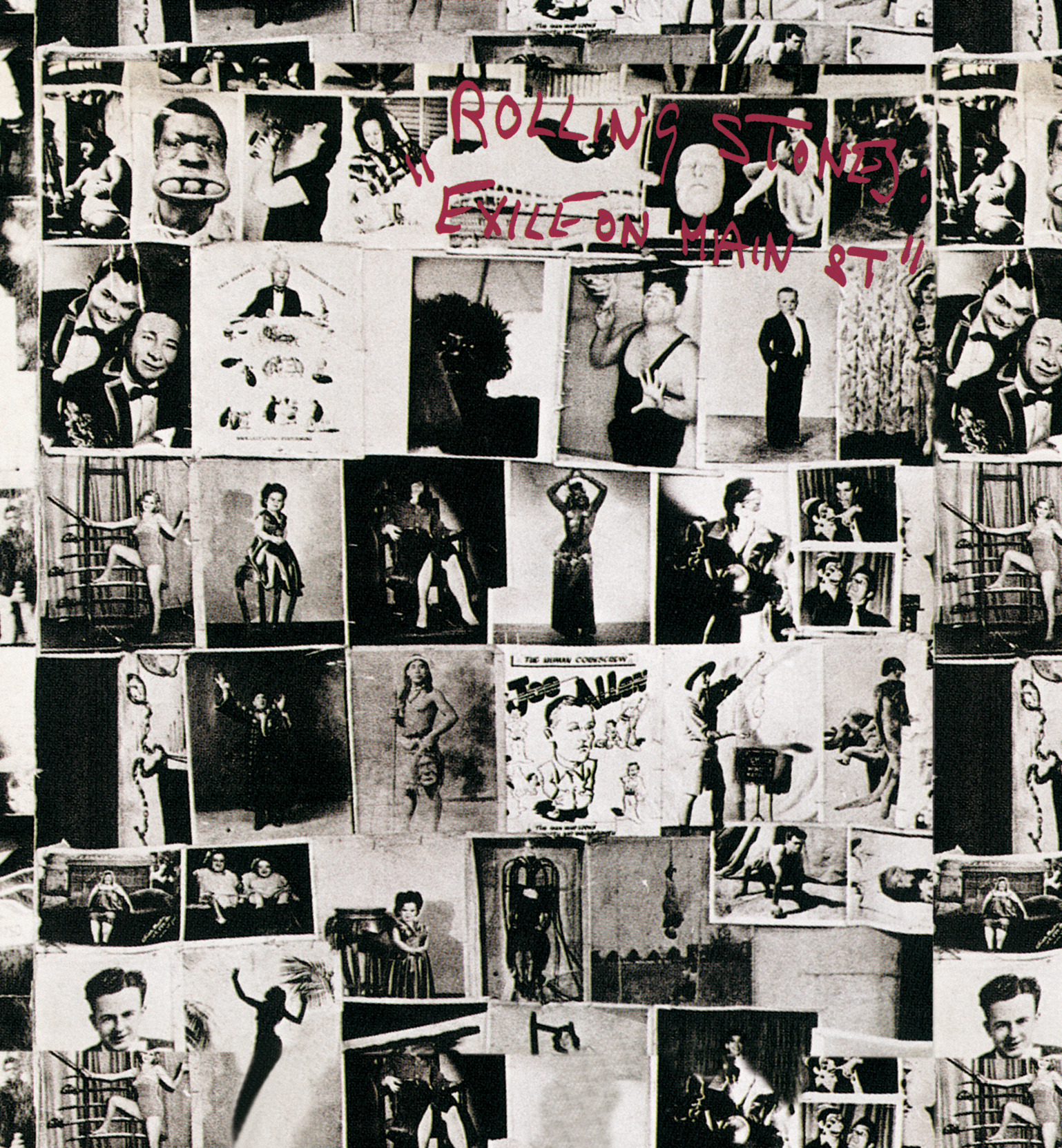
The Rolling Stones – Exile on Main St. (1972)
Exile on Main St. represents the absolute apotheosis of blues-rock and roots rock. Recorded during fragmented, hedonistic sessions in a French villa, its loose, murky atmosphere fused blues, gospel, country, and R&B into a sprawling double-album statement that actively rejected polished studio perfection. Tracks like Tumbling Dice and Rocks Off proved that rock music could deeply embrace American roots traditions without sacrificing an ounce of rebellious swagger. Its influence stretches everywhere from alternative country to modern indie rock.
The Stones have fundamentally shaped nearly every branch of classic rock. Bruce Springsteen famously integrated their blend of rock and soul into the E Street Band sound, The Verve drew heavily from their psych-blues explorations, and The White Stripes built an entire career on a fierce devotion to the same blues traditions. File under: Classic rock, alongside The Beatles, The Who, Bruce Springsteen, Big Star, and Jethro Tull.
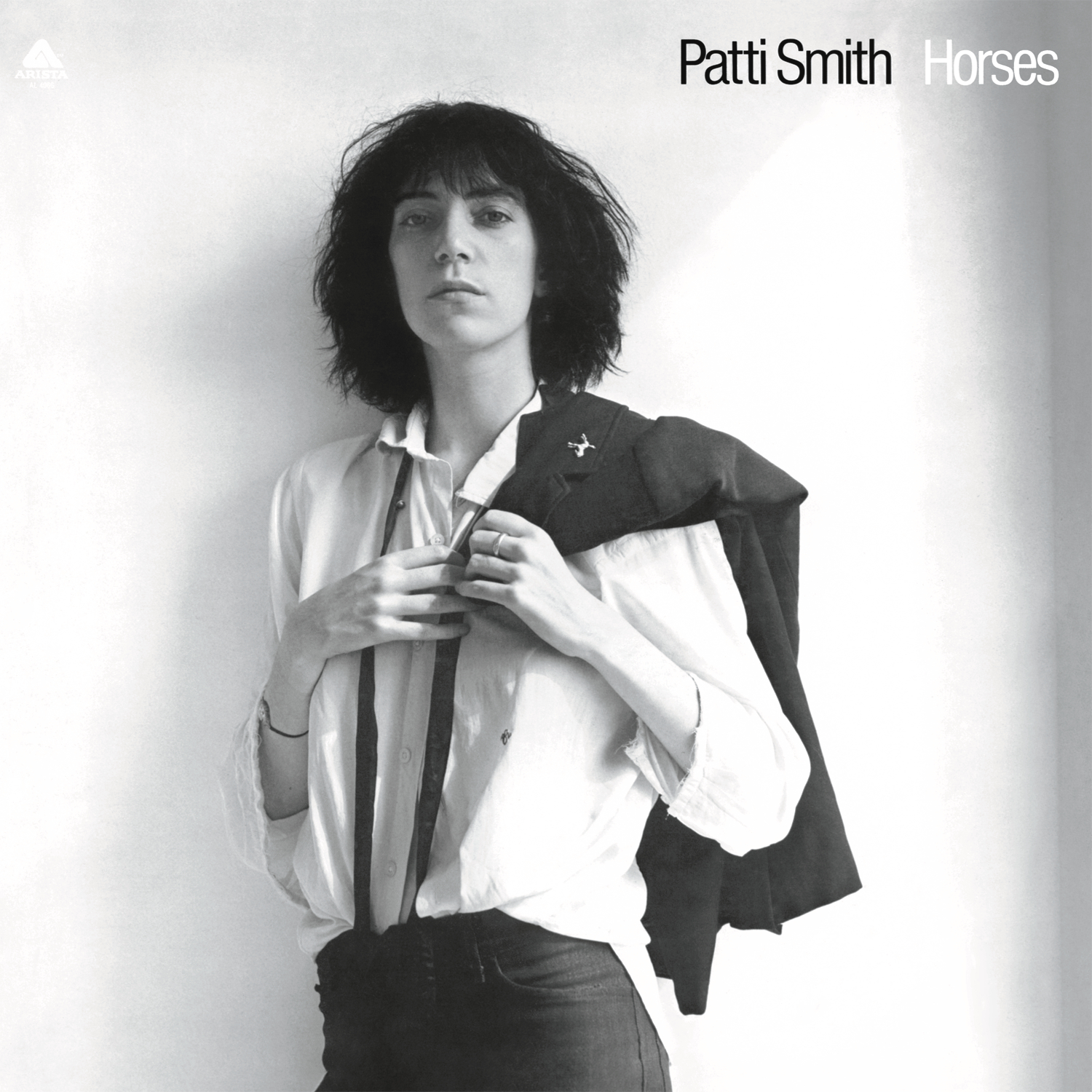
Patti Smith – Horses (1975)
Horses bridged the gap between avant-garde poetry and rock and roll, laying the crucial conceptual foundation for punk. Patti Smith’s free-form vocal delivery and heavy literary references challenged conventional mid-70s ideas about femininity, identity, and stage performance. Producer John Cale deeply respected Smith’s sonic primitivism, allowing her loose, improvisatory song structures and free-verse poetry to merge into something closely resembling spoken-word art.
Patti’s footprint spans across post-punk, alternative rock, and indie music; it is no exaggeration to label her one of modern music’s most vital punk progenitors. File under: Early punk rock, alongside Television, Lou Reed, and The Velvet Underground, while heavily informing the dark, atmospheric songwriting of Siouxsie and the Banshees and the literary sensibilities of Nick Cave & The Bad Seeds.
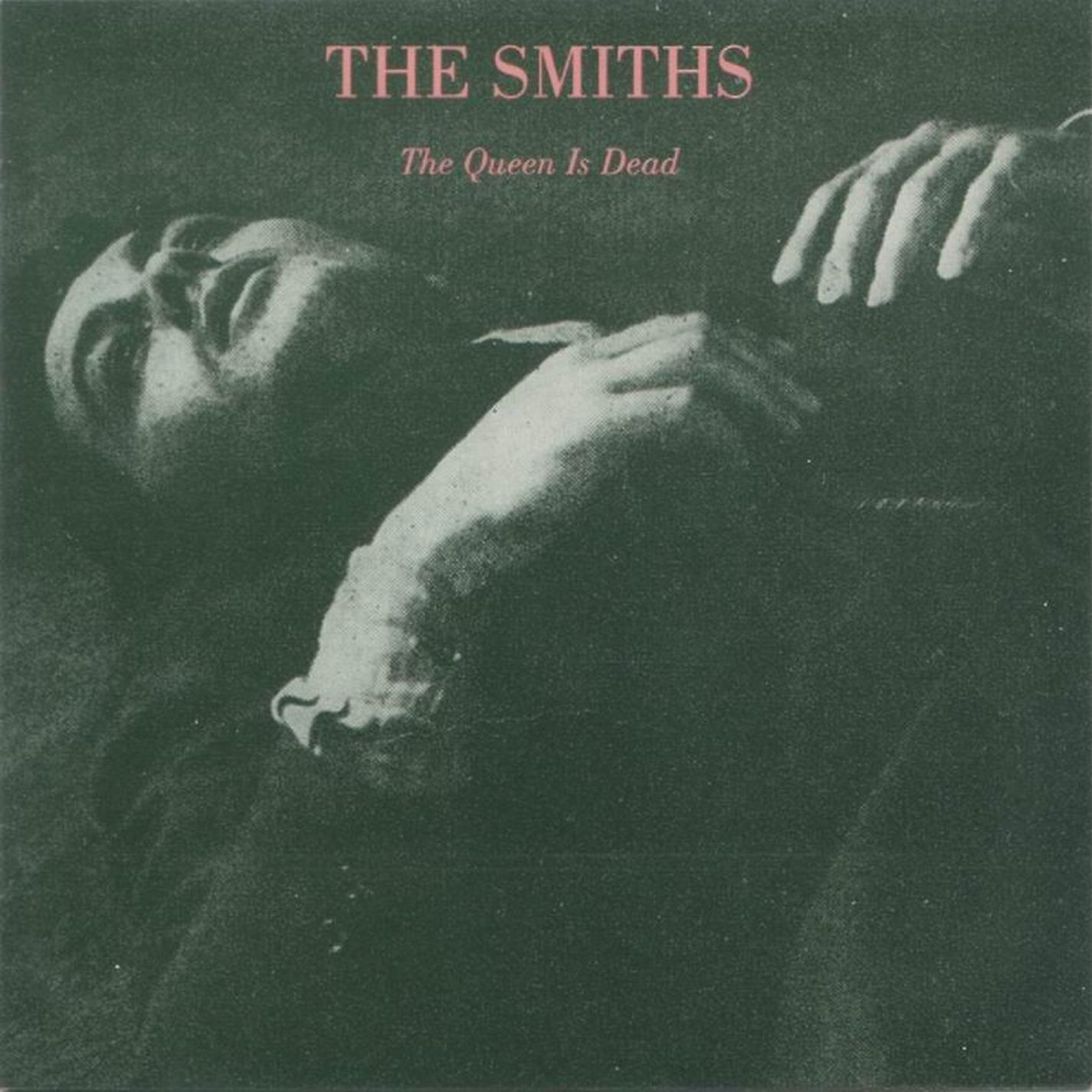
The Smiths – The Queen Is Dead (1986)
Widely regarded as the pinnacle of British indie rock, The Queen Is Dead evolved jangly guitar pop into a vehicle capable of holding deep post-punk anxieties. Morrissey’s melancholic lyrics delivered some of the most literate songwriting of the decade, balancing beauty, irony, vulnerability, social observation, and biting wit.
The Smiths will forever be remembered for architecting the ultimate "outsider anthems." Tracks like There Is a Light That Never Goes Out and Cemetary Gates thrum with hopeless romanticism, resonating deeply with generations of dreamers and misfits. The band’s legacy remains ubiquitous: Radiohead’s Knives Out is widely understood to be a direct tribute to Johnny Marr’s intricate guitar style, while contemporary acts like Brigitte Calls Me Baby lean heavily on a swooning, theatrical vocal delivery directly indebted to Morrissey. File under: 80s indie rock and angsty punk, alongside Echo and the Bunnymen, R.E.M., The Wedding Present, and The Go-Betweens.
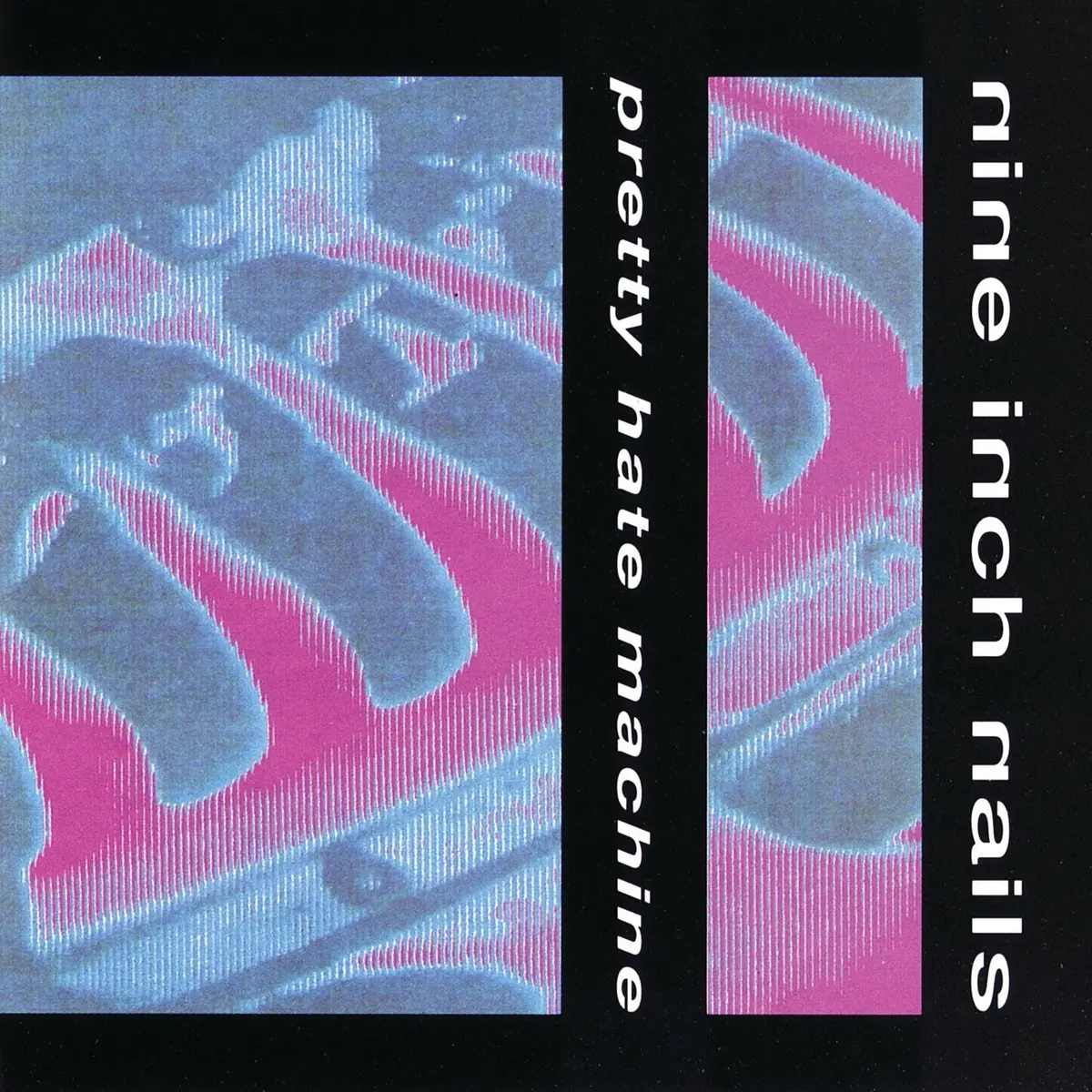
Nine Inch Nails – Pretty Hate Machine (1989)
Nine Inch Nails straddle a wide range of rock subgenres while constantly flirting with electronic music, successfully melding industrial noise with sharp pop sensibilities. Despite the band and genre purists frequently rejecting the "industrial" label, Pretty Hate Machine stands as a masterclass in synth-pop brutality and abrasive industrial design. Taking clear cues from Throbbing Gristle, Cabaret Voltaire, and Skinny Puppy, Trent Reznor made dark, underground industrial music accessible to a massive mainstream audience without diluting its venom. File under: Industrial metal, ambient rock, and synth-pop, alongside Killing Joke, David Bowie‘s Low, Model Actriz, and Depeche Mode.
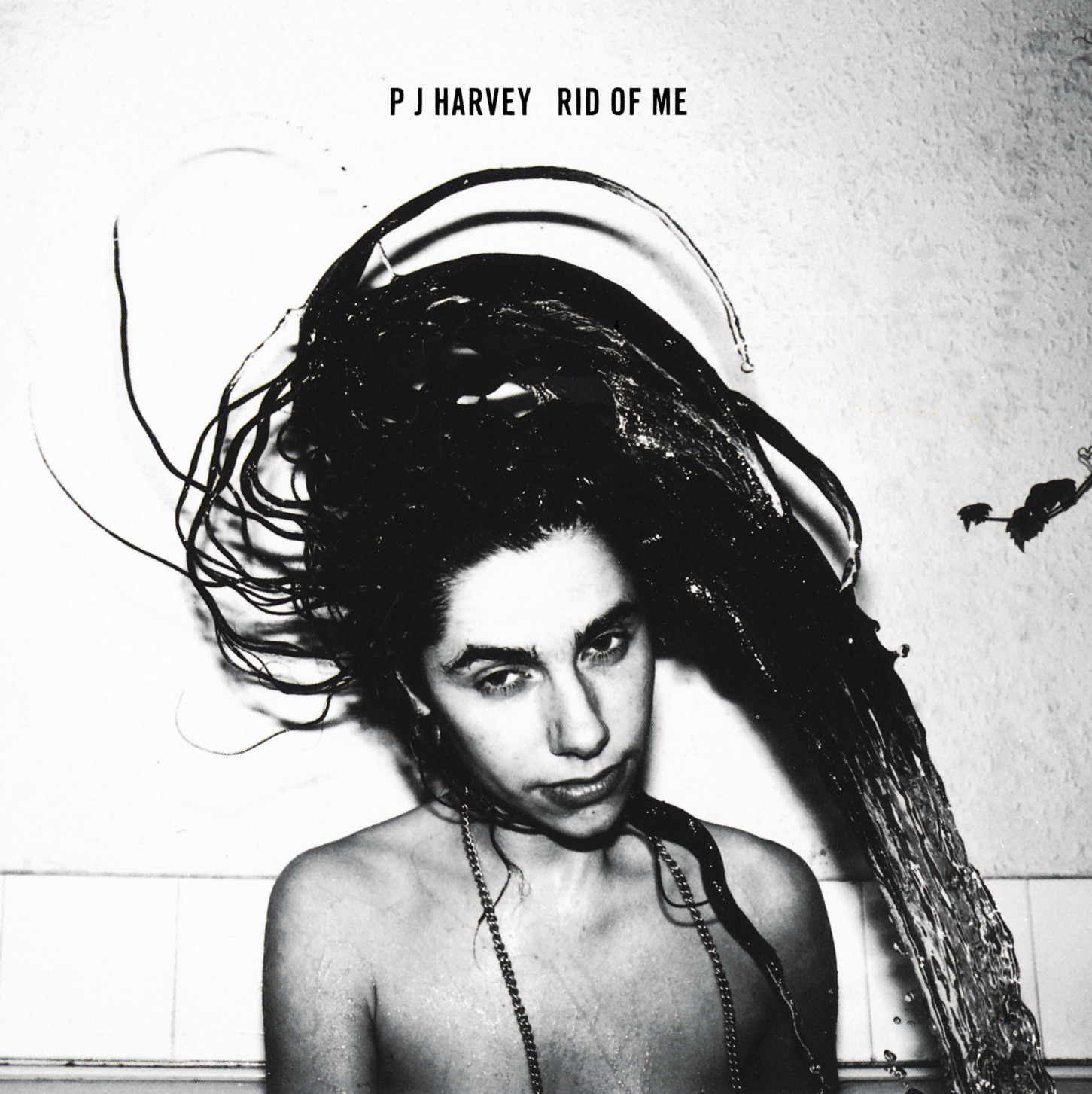
PJ Harvey – Rid of Me (1993)
Rid of Me pushed alternative rock to unprecedented extremes of emotional intensity. Polly Jean Harvey’s visceral songwriting is psychologically complex, dissecting themes of obsession, sexuality, and power with an unsettling honesty that smashed prevailing expectations of women in rock.
Harvey’s music spans blues, noise rock, post-punk, and garage rock. The dramatic sonic contrast between delicate, whispered passages and explosive, distorted guitar outbursts has since inspired generations of indie and grunge artists to adopt a similar emotional directness. Modern artists like Sharon Van Etten, Phoebe Bridgers, and Blondshell routinely cite PJ Harvey as a foundational influence. File under: Alternative rock and experimental boundary-pushers, alongside Radiohead, The Breeders, Pixies, and The Smashing Pumpkins.
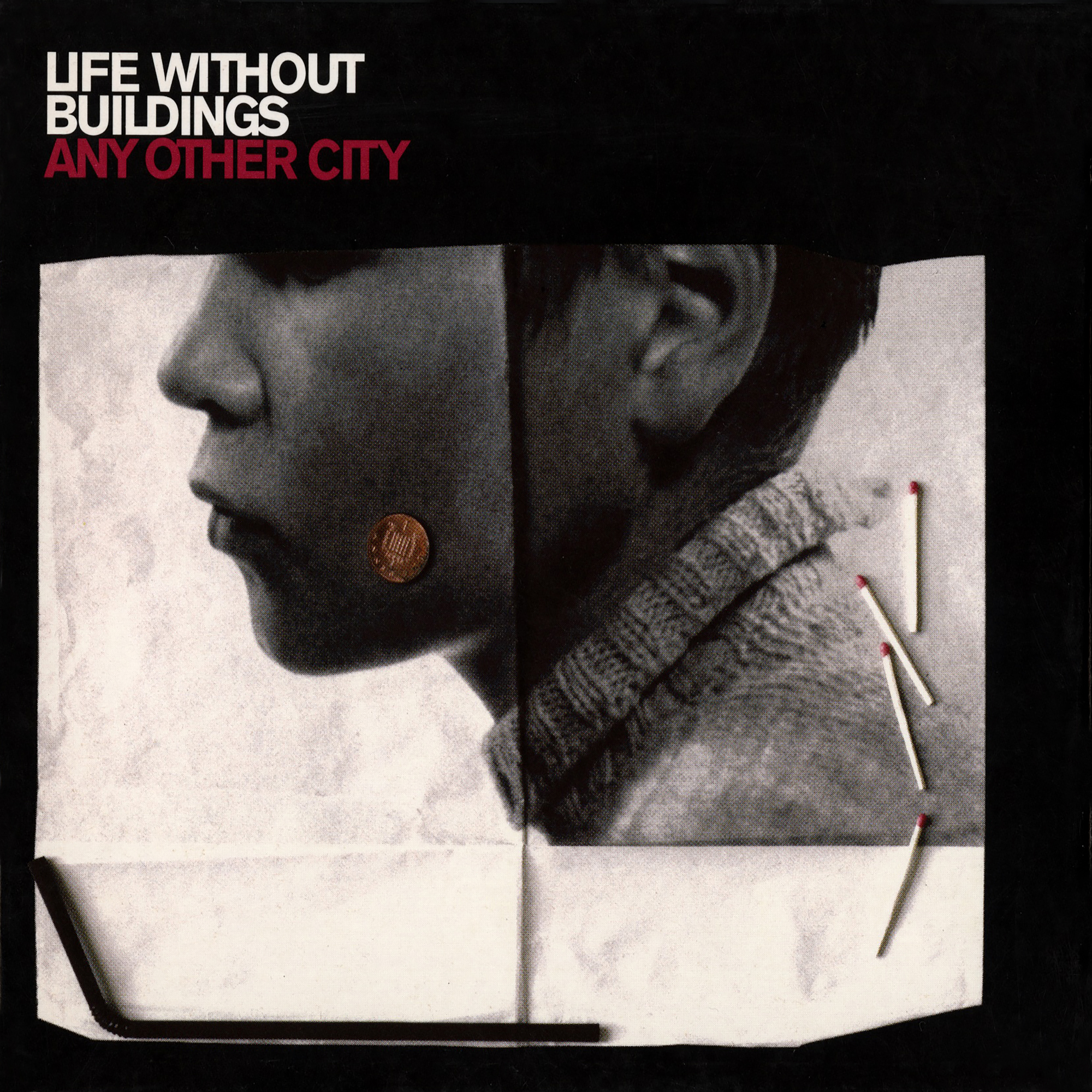
Life Without Buildings – Any Other City (2001)
Any Other City—and its iconic lead track The Leanover—stands as one of the defining moments of the post-punk revival. Sue Tompkins’s idiosyncratic, staccato vocal style transformed everyday phrases into pure rhythmic percussion, while the band’s wiry guitars and restless grooves echoed the jittery experimentation of late-1970s post-punk. This unconventional framework paved the way for modern art-rock and indie outfits favoring rhythmic repetition and spontaneity.
Though their existence was tragically brief, Life Without Buildings sounded utterly singular in the 2000s, and their distinct blend of spoken-word delivery and jagged art-rock echoes clearly through contemporary acts like Dry Cleaning, Yard Act, and Black Country, New Road, as well as the broader Windmill scene in South London. File under: Art rock and post-punk, utilizing the ‘Sprechgesang’ speak-sung delivery over angular guitars, mirroring 80s pioneers like The Fall and Joy Division.
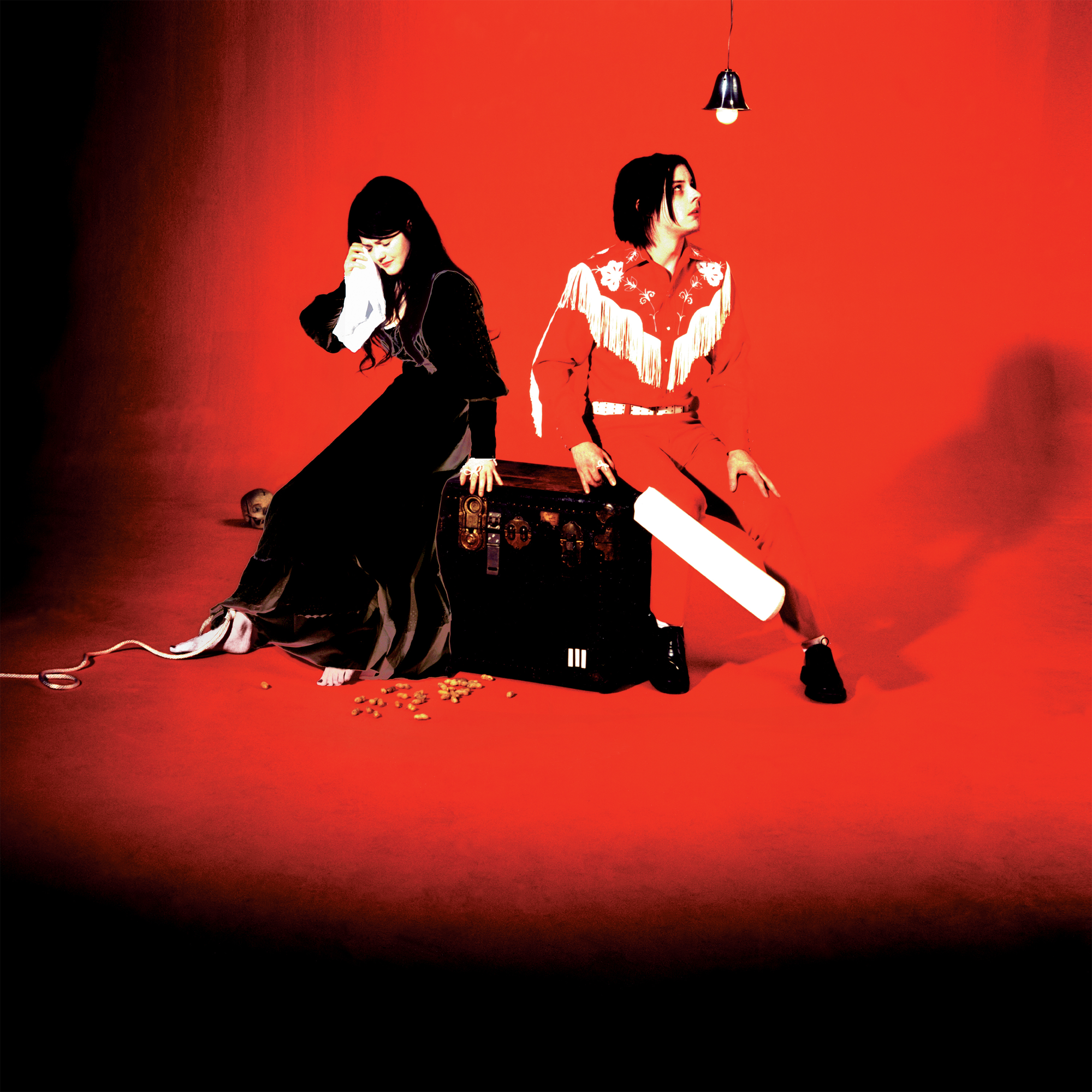
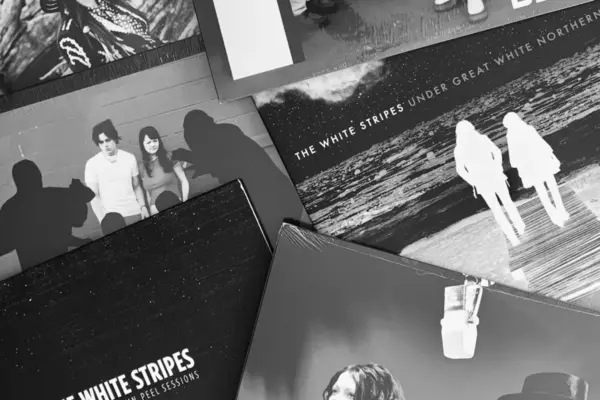
The White Stripes – Elephant (2003)
Elephant single-handedly revitalized garage rock at a cultural moment when mainstream rock music felt increasingly overproduced and sterile. Stripping their methodology to the bone, Jack and Meg White embraced radical simplicity, recording almost entirely with vintage analogue equipment and relying on primal, heavy-blues riffs.
Seven Nation Army remains one of the 21st century’s most instantly recognizable compositions—a stadium-scale football chant that proved garage rock could conquer massive venues without losing its raw, blues-soaked soul. Alongside bands like The Strokes, Elephant reconnected a digital generation with the foundational roots of blues, punk, and classic rock. File under: Garage rock, alongside MC5, The Stooges, The Black Keys, and The Sonics.
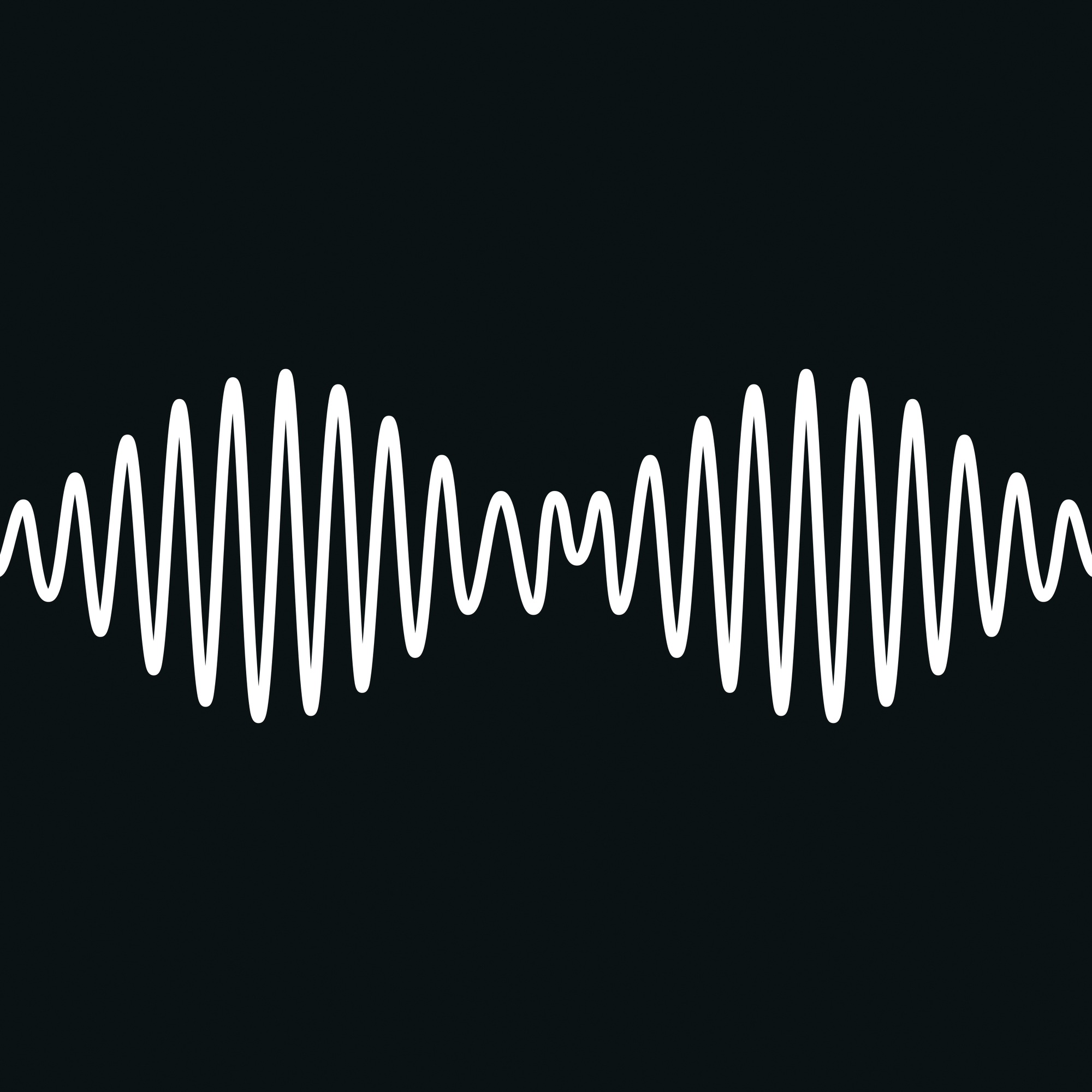
Arctic Monkeys – AM (2013)
AM brilliantly reinvented indie rock for the streaming era, injecting traditional British guitar structures with heavy hip-hop swing, swagger, and R&B rhythmic undertones. While Arctic Monkeys maintained their trademark sharp lyricism and razor-sharp guitar lines, AM was noticeably slower, heavier, and far more sensual than the frantic indie-punk that preceded it.
Ultimately, AM broadened indie rock’s global commercial appeal while keeping one foot firmly planted in classic blues-rock and heavy-groove mechanics. File under: 2000s indie rock, alongside The Klaxons, The Kooks, Two Door Cinema Club, Franz Ferdinand, and The Vaccines.
Michael Kiwanuka – Kiwanuka (2019)
"I’m not going to have an alter ego, or become Sasha Fierce or Ziggy Stardust… I can just be Michael Kiwanuka." — Michael Kiwanuka (The Independent, 2019)
A defiant masterpiece, Michael Kiwanuka’s third studio album reunited him with production masterminds Danger Mouse and Inflo. While undeniably soulful, Kiwanuka cannot be neatly boxed into standard genre parameters. It pivots effortlessly from intimate, folky acoustic instrumentation into soaring, psych-soul orchestration. Layered with fuzzy, distorted guitar lines that lend political and emotional weight to the arrangements, its cinematic production evokes the 1970s prog-rock and neo-soul blend cherished by classic audiophiles.
Taking home the 2020 Mercury Prize and landing a Grammy nomination for Best Rock Album, Kiwanuka proved that contemporary rock thrives in psychedelic experimentation and sweeping cinematic movements rather than rigid, traditional pop-song formulas. File under: Psychedelic rock, alongside Jimi Hendrix, Pink Floyd, Funkadelic‘s Maggot Brain, and Talk Talk.
Fontaines D.C. – Dogrel (2019)
Fiercely poetic straight out of the gate, Dogrel introduced a band inextricably linked to the literate traditions of post-punk masters like Joy Division and The Fall. Drawing deep inspiration from Dublin’s urban grit and rich literary history, Fontaines D.C. galvanized a thrilling new wave of Irish musicians who embraced volume, urgency, and unvarnished honesty. The album weaves deep musical and lyrical nods to folk-punk legends The Pogues, literary icons W.B. Yeats and James Joyce, and uninhibited noise-rockers Gilla Band.
Fast forward a few years later, and the band has cemented massive global status, pushing the boundaries of alt-rock further with records like Romance, seamlessly blending shoegaze, trip-hop, grunge, goth-rock, and nu-metal to reflect modern anxieties. File under: Alt-rock risers, alongside Blondshell, Geese, Wunderhorse, and The Murder Capital.
Supporting Context & Metrics: Essential Subgenres to Explore
Ready to expand your record collection? Beyond the mainstream milestones, rock’s vast underground continues to branch out into vital stylistic subgenres:
New Wave: A renaissance for pop, rock, and punk, New Wave is characterized by a bold, progressive, and unconventional attitude. It is best understood as a stylistic umbrella rather than a singular sound—ranging from dark, melody-driven gloom (Depeche Mode, New Order, Psychedelic Furs) to spirited, synth-inflected pop structures (Blondie, The Human League, Tears for Fears).
Slacker Rock: Thriving continuously since its emergence in the early 1990s, the laid-back, lo-fi slacker rock sound is a raw, guitar-driven strain of alt-rock spearheaded by Courtney Barnett, Pavement, Mac DeMarco, and The Lemonheads.
Britpop: Defined by regional British accents, upbeat tempos, and massive commercial sales, Britpop remains a monumental cultural movement characterized by catchy guitar hooks and swagger, championed by Oasis, Blur, Lush, and Suede.
Grunge: Alternative rock’s grittiest subgenre, grunge was born in 1990s Seattle, evolving punk’s anti-establishment fury into something darker, heavier, and more visceral via Pearl Jam, Soundgarden, Nirvana, and Hole.
Shoegaze: One of indie rock’s most atmospheric subgenres, defined by warm, enveloping walls of distortion, limitless guitar textures, and ethereal, buried vocals.
Hardcore: An aggressive, faster, and more intense offshoot of punk rock that emerged across the United States in the early 1980s, prioritizing raw speed, social critique, and high-energy communal spaces.
Official Statements & Industry Perspectives
The enduring viability of rock music is routinely validated by its primary architects. As Trent Reznor succinctly noted, the genre’s lifeblood is rooted in its refusal to comfort the status quo:
"To me, rock music was never meant to be safe. I think there needs to be an element of intrigue, mystery, subversiveness. Your parents should hate it."
This sentiment is echoed across generations of boundary-pushers, whether it is Michael Kiwanuka stripping away pop alter-egos to embrace raw, organic instrumentation, or Charli xcx declaring the death of traditional club spaces in favor of gritty, guitar-led experimentation. Rock’s continued survival does not rely on strict adherence to the past, but on the relentless, generational urge to reinvent the tools of expression.
Future Outlook: The Unmistakable Spirit of Tomorrow
As we look toward the future of the genre, the traditional markers of rock—battered leather jackets, distorted valve amplifiers, and traditional four-piece line-ups—are increasingly secondary to the underlying ethos.
The modern musical landscape proves that rock is an attitude, a lens through which contemporary artists process a chaotic world. Whether manifested in the jazz-infused post-punk of London’s underground, the sprawling psychedelic orchestrations of Mercury-winning visionaries, or pop auteurs utilizing guitar feedback to puncture the polished sheen of the charts, rock music remains as vital, mysterious, and subversive as ever. Its physical form may mutate, but its restless, rule-breaking spirit is here to stay.