In the lexicon of modern music journalism, few phrases carry as much psychological weight—or commercial dread—as "the difficult second album." Commonly referred to across the Atlantic as the "sophomore slump," this critical milestone represents the ultimate crucible for recording artists. It is the juncture where raw, untamed potential must reconcile with sudden expectation, shifting industry dynamics, and the acute scrutiny of both hardened critics and burgeoning fanbases.
For many, the debut album is a collection born of a lifetime: accumulated ideas, local gigs, and unburdened creative instinct. The second album, by contrast, is typically written under contract, under the microscope, and on a relentless tour bus schedule. Complex marketing strategies gatekeep an artist’s next creative statement, while the global apparatus of streaming platforms, social media algorithms, and hyper-vocal music critics stand ready to dissect every note.
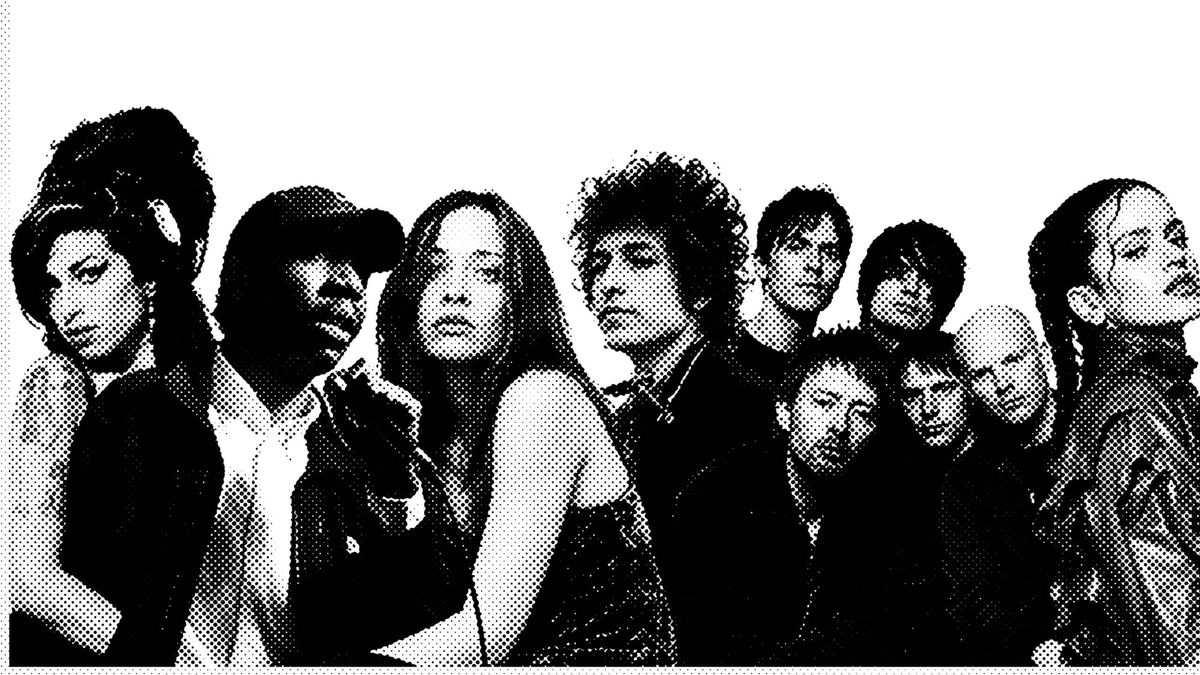
Yet, history demonstrates that this narrative of inevitable failure is frequently upended. Across seven decades of popular music, generation-defining acts have not only defied the second-album curse—they have transformed their sophomore records into definitive masterpieces. From Bob Dylan’s acoustic pivot in 1963 to Black Country, New Road’s orchestral devastation in 2022, artists have proven that the sophomore record can be a launching pad rather than a stumbling block. Examining ten foundational releases from the Rough Trade Essential collection reveals the diverse, often unpredictable formulas behind successful second acts.
Detailed Chronology: Ten Masterclasses in Sophomore Survival
1. Bob Dylan – The Freewheelin’ Bob Dylan (1963)
Following the underwhelming commercial reception of his 1962 self-titled debut—which largely comprised traditional blues covers—a young Bob Dylan retreated inward and picked up his pen. The Freewheelin’ Bob Dylan marked a monumental shift, introducing the world to his signature modern acoustic style. Balancing scathing, politically charged protest anthems like "Blowin’ in the Wind" with tender, whimsical love songs and profound lyrical poetry, the record reshaped the DNA of American songwriting. It laid the foundation for the singer-songwriter movement, permanently altering the trajectories of folk, rock, and lyricism.
2. Radiohead – The Bends (1995)
Radiohead entered the mid-1990s Britpop landscape as an unlikely anomaly. Their unexpected breakout hit, "Creep," had turned their grunge-indebted debut, Pablo Honey, into a commercial success, yet the band felt entirely detached from the scene’s celebratory tropes. The Bends—named after the perilous scuba-diving condition caused by surfacing too quickly—served as a direct metaphor for their dizzying, disorienting rise to fame.
Refusing to repeat themselves, Radiohead executed an ambitious artistic leap. Thom Yorke’s piercing falsetto soared over a dynamic wall of acoustic and electric guitars, balancing abstract sonic textures with concise, powerful production. Reflecting on the period in a 1996 interview with Addicted To Noise, guitarist Jonny Greenwood noted:

"It’s weird. It’s been kind of a reversal from Pablo Honey. We had an album that sold a lot but wasn’t taken much notice of and now we’ve become that horrible thing of a band’s band, or a critic’s band."
That critical darling status endured. Producing alternative radio staples like "Fake Plastic Trees," "High and Dry," and "Street Spirit (Fade Out)," The Bends cemented Radiohead’s enduring status as rock innovators.

3. Fugees – The Score (1996)
Before internal tensions brought a premature halt to their career, Lauryn Hill, Wyclef Jean, and Pras delivered an undisputed pillar of 1990s hip-hop. The Score was a massive sonic evolution from their debut, Blunted on Reality, offering a lush, cinematic blend of conscious hip-hop, reggae-inflected grooves, warm soul samples, and Hill’s commanding vocal presence. Anchored by their transcendent, Grammy-winning cover of Roberta Flack’s "Killing Me Softly," the album swept the industry, winning the Grammy Award for Best Rap Album and establishing the trio as alternative hip-hop pioneers. Though it tragically served as their final full-length studio release, its cultural footprint remains indelible.
4. Fiona Apple – When the Pawn… (1999)
Arriving just shy of her 19th year, Fiona Apple’s debut, Tidal, announced a striking new voice in alternative pop. However, it was her sophomore masterpiece, When the Pawn Hits the Conflicts He Thinks Like a King What He Knows Throws the Blow When He Goes to Fight He Best Win Anyway…, that introduced the world to her fierce, uncompromising interiority. A thrilling, jazz-inflected collision of complex piano arrangements and raw, unflinching lyricism, the album refused to soften emotional blows. Lines like "Hunger hurts, but starving works when it costs too much to love" captured a devastating vulnerability. This record solidified Apple’s devoted cult following, forging a profound connection with listeners through its unfiltered explorations of mental health, power dynamics, and womanhood.

5. Amy Winehouse – Back to Black (2006)
Amy Winehouse did not merely beat the sophomore slump; she redefined 21st-century soul. Building upon the loose, smoky jazz textures of her debut, Frank, Back to Black channeled the raw emotional wreckage of Winehouse’s personal life into pure sonic gold. Drawing heavily on themes of heartbreak, guilt, grief, and addiction, songs like "Rehab" and the title track felt both timeless and entirely anchored in their moment. Becoming the UK’s best-selling album of 2007, Back to Black cemented Winehouse’s legacy as a once-in-a-generation vocal powerhouse.
6. Big Thief – Capacity (2017)
Barely a year after dropping their acclaimed debut, Masterpiece, Adrianne Lenker and her bandmates returned with Capacity, a record that matched its predecessor’s potency while introducing a quiet, devastating emotional depth. Moving fluidly between rustic folk storytelling, understated indie rock, and harrowing vulnerability, tracks like "Mary" and "Mythological Beauty" showcased Lenker’s rare gift for translating intensely personal family trauma into universal truths. Capacity proved that Big Thief’s well of creativity ran deep, opening up an emotional world that would soon propel them to the forefront of modern indie rock.

7. Rosalía – El Mal Querer (2018)
Structured as a conceptual, medieval flamenco-inflected tragedy exploring themes of love, jealousy, and control, Spanish powerhouse Rosalía’s second album was nothing short of a seismic cultural shift. Seamlessly blending traditional Andalusian flamenco with contemporary pop, R&B, and avant-garde electronic production, El Mal Querer completely rewrote the parameters for Spanish-language music on the global stage. Daring, meticulously produced, and fiercely original, it remains a defining modern classic.
8. Phoebe Bridgers – Punisher (2020)
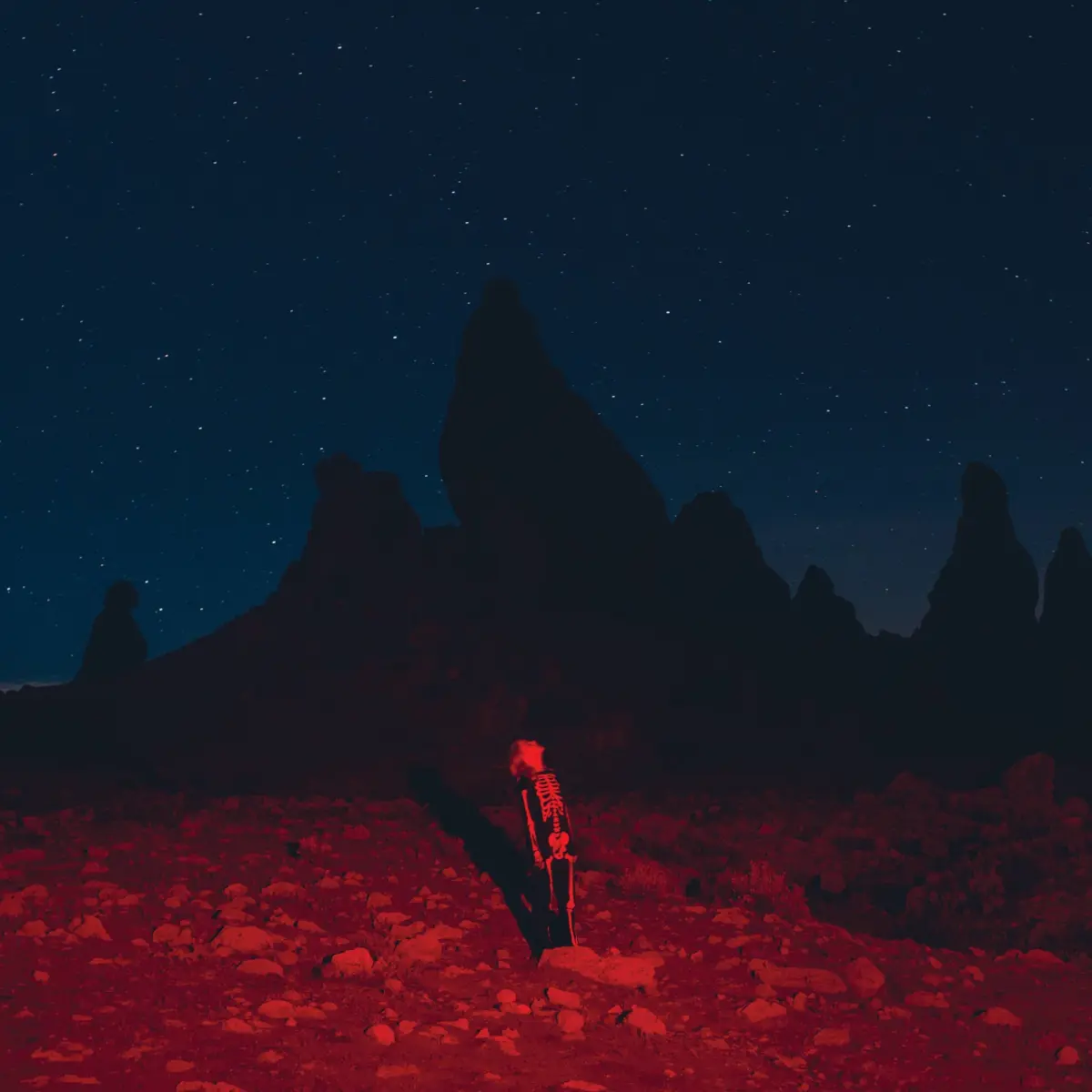
Expanding outward from the delicate, acoustic confessionals of her 2017 debut, Stranger in the Alps, Phoebe Bridgers’ Punisher introduced a lush, cinematic sonic palette. Propelled by eerie, cascading harmonies, rich string arrangements, and self-deprecating lyricism that found dark humor in everyday despair, the album captured the anxiety of a changing world. Having hosted Bridgers for intimate in-store performances back in 2017, the Rough Trade community watched proudly as Punisher cemented her status as a generational songwriting icon.

9. Dean Blunt – Black Metal (2014)
The enigmatic Dean Blunt has always thrived on ambiguity. Blending hazy R&B, experimental electronics, dub soundscapes, folk, and fractured pop, Black Metal represented a massive leap in scope from his debut, Redeemer. Guided by the haunting, compelling vocals of frequent collaborator Joanne Robertson, the record drifted into strange, beautiful, and occasionally unsettling sonic territories. Released via Rough Trade Records—a rare wide release outside of his own World Music imprint—Black Metal gradually cultivated the legendary, elusive cult status that Blunt commands today.
10. Black Country, New Road – Ants From Up There (2022)
Ants From Up There transformed Black Country, New Road from an underground buzz band into one of the most ambitious and emotionally devastating groups in contemporary music. Swirling strings, dramatic crescendos, piano-led ballads, and moments of unbridled post-rock chaos characterized a record that served as the final release featuring original vocalist Isaac Wood. Described by the band themselves as their true, "grown-up" debut, member Lewis explained to Rough Trade in 2022:

"The music has got its own sound world and, production-wise, has its own sound world too. It feels like the first album we have done. A grown-up album."
Supporting Context & Metrics: Defying the Curse Across Decades
While industry pundits love to fixate on the failures, music history is richly populated by sophomore masterpieces that expanded fanbases and dominated charts. Looking across the decades reveals that the second-album hurdle has consistently been cleared by visionaries willing to evolve:

- The 1960s: Led Zeppelin returned with Led Zeppelin II (1969), amplifying the blues-rock thunder of their debut into stadium-shaking heavy metal blueprints. Concurrently, The Beatles (With the Beatles, 1963), The Beach Boys (Surfin’ U.S.A., 1963), and Simon & Garfunkel (Sounds of Silence, 1965) redefined their respective local scenes into global phenomena.
- The 1970s: Iggy Pop discarded convention with Lust for Life (1977); Black Sabbath solidified heavy metal with Paranoid (1970); and Lou Reed crafted glam-rock history with Transformer (1972).
- The 1980s: Tears for Fears achieved global pop dominance with Songs from the Big Chair (1985), while Public Enemy dropped It Takes a Nation of Millions to Hold Us Back (1988), widely regarded as one of the greatest and most politically explosive hip-hop records ever conceived.
- The 1990s: Beyond Nirvana’s generation-defining Nevermind (1991) and Radiohead’s The Bends, the decade hosted an embarrassment of sophomore riches: My Bloody Valentine’s Loveless (1991), PJ Harvey’s Rid of Me (1993), Oasis’s (What’s the Story) Morning Glory? (1995), and Neutral Milk Hotel’s In the Aeroplane Over the Sea (1998).
- The 2000s: Daft Punk revolutionized electronic music with Discovery (2001); The Strokes proved they were no fluke with Room on Fire (2003); and Gorillaz expanded their animated universe with Demon Days (2005).
- The 2010s: Adele shattered global sales records with 21 (2011); Frank Ocean redefined R&B structure with Blonde (2016); and Kendrick Lamar delivered a West Coast cinematic triumph with good kid, m.A.A.d city (2012).
- The 2020s: Olivia Rodrigo (GUTS, 2023), SZA (SOS, 2022), Sam Fender (Seventeen Going Under, 2021), and Caroline Polachek (Desire, I Want to Turn Into You, 2023) have all proven that the modern streaming era cannot stifle ambitious, deeply personal second statements.
Official Statements: The Artist’s Perspective
The anxiety surrounding the sophomore release is not merely an invention of the press; it is an internal psychological hurdle openly acknowledged by creators. When musicians step back into the studio after an unexpected commercial breakthrough, the creative calculus fundamentally shifts.
As Jonny Greenwood articulated regarding Radiohead’s transition from Pablo Honey to The Bends, the pressure often stems from a sudden reclassification by the industry: shifting from an accessible pop act to a scrutinized "band’s band." Similarly, when Black Country, New Road approached Ants From Up There, they viewed the project not as a follow-up, but as an absolute resetting of the baseline—a deliberate maturation away from youthful experimentation toward structured, emotionally resonant orchestration.

These statements reflect a common thread: successful artists do not attempt to recreate the exact conditions of their debut. Instead, they weaponize their newfound resources, technical proficiency, and emotional scars to push past initial boundaries.
Future Outlook: The Evolution of the Sophomore Milestone
As the music industry continues to accelerate in the streaming era, the landscape of the "difficult second album" is undergoing a profound transformation. In an environment where debut singles can achieve viral ubiquity overnight via TikTok and algorithmic playlisting, artists are often thrust into the international spotlight before they have even learned how to navigate a professional recording studio.

Consequently, the pressure of the sophomore slump has intensified in velocity, but decentralized digital communities have also given artists more leeway to experiment. Cult fanbases cultivated online are increasingly eager for artistic evolution rather than carbon-copy repetitions. As evidenced by recent critical triumphs from artists like SZA, Olivia Rodrigo, and Arlo Parks, the modern audience rewards reinvention.
Ultimately, the second album remains the ultimate test of artistic endurance. Whether an artist chooses to double down on an established formula—as Bob Dylan and Adele did with staggering results—or tear down their entire sonic architecture like Radiohead and Rosalía, the sophomore record stands as the definitive proof of an artist’s long-term viability. History shows that those who embrace the difficulty of the transition are the ones who ultimately etch their names into the canon of popular music.