In an era dominated by hyper-exposed algorithms, personal branding matrices, and real-time social media saturation, contemporary popular music often feels aggressively terrestrial. Mainstream charts are engineered for immediate dopamine loops, prioritizing frictionless consumption and predictable hooks. Yet, parallel to this polished hyper-commercialism, a resilient counter-current thrives. Driven by radical anonymity, world-building, and high-concept experimentalism, a distinct lineage of artists operates as if they have arrived from entirely different dimensions.
From the unexpected 2026 breakout of masked math-rock disruptors Angine de Poitrine to the lingering, liminal lore of electronic pioneers Boards of Canada, the appetite for the uncanny has never been more potent. This deep dive examines the phenomenon of otherworldly music culture. By analyzing the psychological mechanisms of anonymity, the deliberate weaponization of myth-making, and the mechanics of cult appeal across icons like Sun Ra, Aphex Twin, Björk, Arca, and Yves Tumor, we explore why these auditory emissaries continue to reshape modern listening habits.
Detailed Chronology: The Evolution of the Extraterrestrial Persona
The lineage of the otherworldly artist is not a modern aberration; it is a meticulously evolved tradition spanning nearly a century of radical sound design and visual performance art.
The Cosmic Vanguard (1950s–1990s)
Sun Ra and the Arkestra: Emerging in the mid-20th century, Herman Poole Blount abandoned his earthly identity to become Sun Ra—an emissary from Saturn. Merging free jazz, ancient Egyptian iconography, and early synthesizer experiments, Sun Ra established the foundational framework of Afrofuturism. His performances were not mere concerts, but sci-fi rituals designed to liberate Black consciousness through cosmic displacement.
The Resident Inhabitants & The KLF: As pop culture commercialized in the latter half of the 20th century, groups like The Residents and later The KLF weaponized total anonymity. By donning giant eyeball masks and burning cash, they shifted focus entirely away from ego and onto the transgressive conceptual art of their output.
The Digital Enigmas and Electronic Architects (1990s–2010s)
Aphex Twin (Richard D. James): Emerging from the Cornish underground, Richard D. James crystallized the archetype of the elusive electronic genius. His rare interviews, distorted self-portraits, and complex, un-earthly compositions reinforced the myth that there was no man behind the machine, but rather an alien intelligence operating at a higher frequency.
Boards of Canada: In the late 1990s and 2000s, the Scottish electronic duo cultivated an austere, deeply atmospheric hauntology. Utilizing analog warmth, decaying VHS fragments, and public service broadcasting samples, they invited listeners into liminal psychological spaces that felt detached from the present tense.
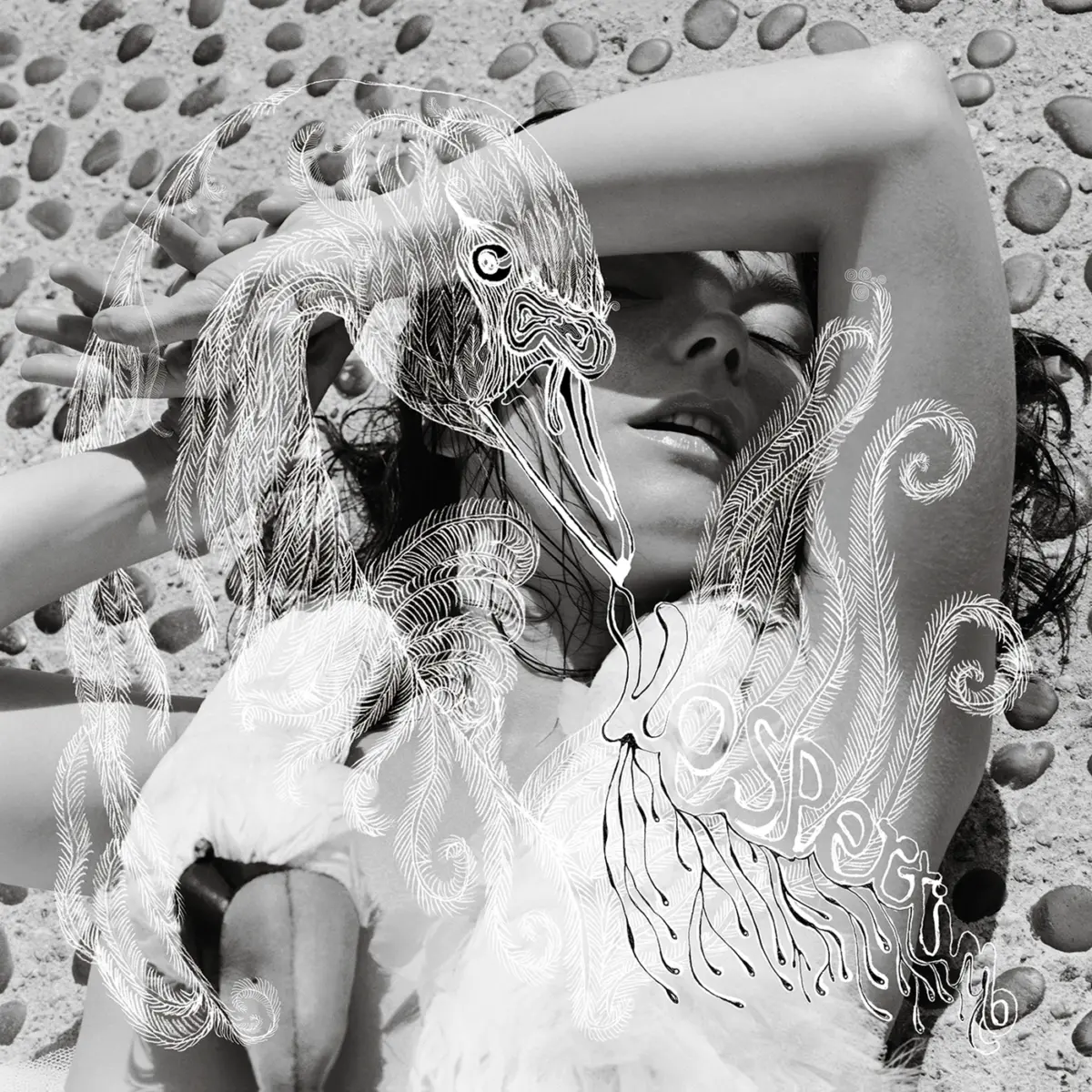
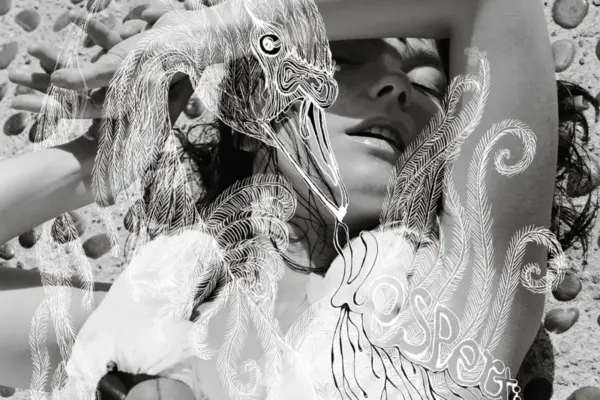
Björk and Cocteau Twins: Through the ethereal glossolalia of Elizabeth Fraser and the multi-sensory, biomechanical mythologies of Björk, these artists proved that language itself could be mutated. By prioritizing non-lexical sounds, breaths, and guttural textures, they created alternate emotional dimensions that transcended linguistic barriers.
The Hyper-Modern Mutants (2020s and Beyond)
Arca and Yves Tumor: Modern icons like Arca and Yves Tumor have redefined genre fluidity through radical bodily and sonic mutation. Arca’s multi-part KiCk cycle and subsequent avant-garde explorations represent a spiritual journey transcending the self, while Yves Tumor channels the androgynous, theatrical punk sensuality of Bowie and Prince into industrial noise and psychedelic rock.
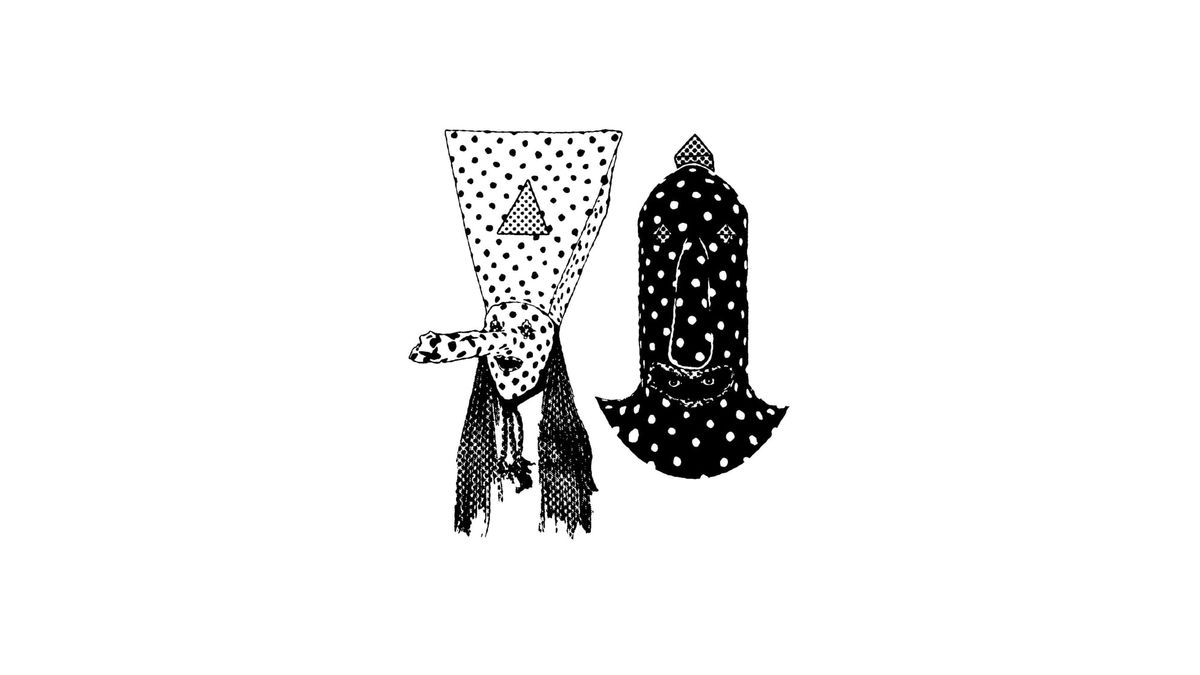
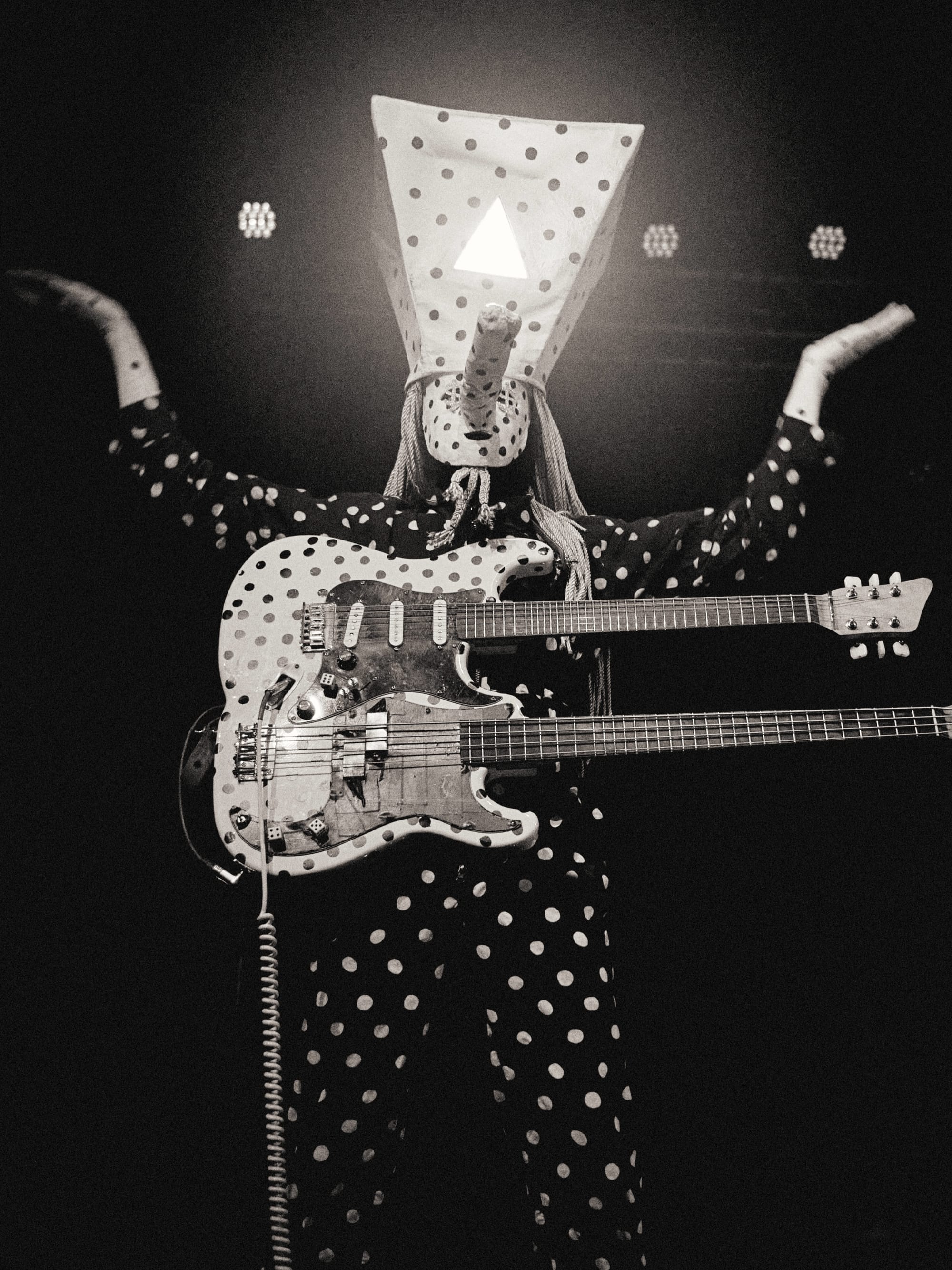
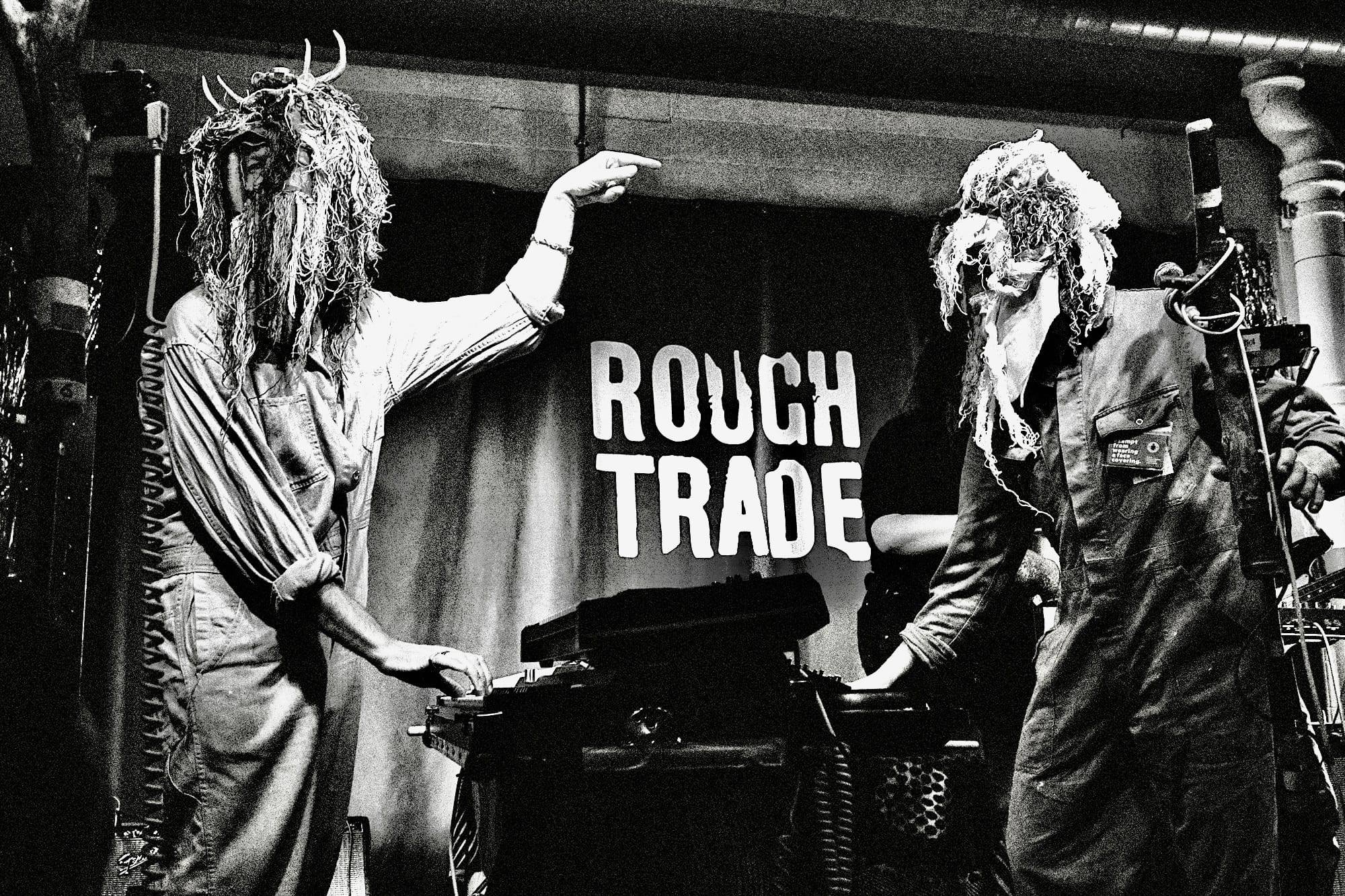
Angine de Poitrine (2026): Marking a modern viral inflection point, the French-Canadian math-rock duo Angine de Poitrine captured the global imagination with their polka-dotted costumes, home-made microtonal instruments, and refusal to break from an alien dialect. Their rise signals a contemporary hunger for physical, anti-AI authenticity wrapped in total absurdity.
Supporting Context & Metrics: The Psychology of the Cult Following
To understand why these otherworldly artists command such ferocious, borderline-fanatical loyalty, one must analyze the socio-cultural mechanics underpinning their success.
1. The Antidote to Algorithmic Over-Exposure
In a streaming economy where artists are pressured to post daily content, maintain approachable online personas, and break down their creative processes on TikTok, the mystique has vanished from popular culture. Artists who shroud themselves in secrecy—such as Burial, MF DOOM, or Daft Punk—create a psychological vacuum. Listeners are forced to project their own imaginations into that space, turning passive consumption into active, investigative participation.
2. The Rise of Liminal Spaces and Reddit Lore
The modern cult following is heavily digitized. For acts like Boards of Canada, dedicated subreddits function as digital archaeological sites. Fans comb through obscure vinyl pressings, hidden audio watermarks, and cryptic ARG (Alternate Reality Game) clues. This communal detective work transforms listening into a participatory subculture. As seen when director Kane Parsons utilized Boards of Canada’s The World Becomes Flesh for the A24 hit Backrooms, this aesthetic directly mirrors our collective cultural anxiety—a yearning for spaces that feel detached from contemporary digital capitalism.
3. Authenticity vs. The AI Threat
As generative artificial intelligence floods the market with frictionless, derivative pop products, human audiences are actively seeking out the aggressively idiosyncratic, the flawed, and the unquantifiable. Microtonal instruments wielded by masked performers, chaotic metallic percussion, and raw, visceral noise cannot be replicated by prompt engineering. These otherworldly acts serve as a firewall for human authenticity.
Official Statements and Artist Philosophies
The intentionality behind these alien personas is rarely accidental. The architects of this sound have frequently articulated their desire to look beyond human limitations.
Reflecting on his creative philosophy in a rare 2014 interview, electronic visionary Aphex Twin (Richard D. James) famously diagnosed the ultimate goal of the adventurous listener:
"The holy grail for a music fan, I think, is to hear music from another planet, which has not been influenced by us whatsoever. Or, even better, from lots of different planets."
This sentiment is echoed in the visual and sonic mythologies of modern trailblazers. Arca, discussing her expansive KiCk cycle and her transition as a trans artist, framed her sonic mutations not merely as musical experimentation, but as a spiritual resistance against oppressive societal frameworks—a kinetic force pushing outward into the universe.
Similarly, the performance ethos of Angine de Poitrine and industrial shapeshifter Yves Tumor relies on the complete suspension of disbelief. Whether whispering lines like "I can be your baby in real life… sugar / I can live in your dreams" or conversing in an unearthly tongue, these artists construct safe houses for the alienated, proving that pop music can be a vehicle for transcendental escapism.
Future Outlook: The Next Generation of World-Builders
As we navigate the mid-2020s, the blueprint laid down by Sun Ra, Aphex Twin, and Björk has been inherited by a fearless new class of genre-fluid mutants. The appetite for immersive, high-concept world-building continues to expand.
The horizon of experimental music belongs to boundary-pushing projects like Magdalena Bay, yeule, Jawnino, KAVARI, Jane Remover, horsegiirL, Two Shell, Model/Actriz, and Pollyfromthedirt. These artists blur the boundaries between internet subcultures, hyperpop, IDM, and raw performance art, proving that the lineage of the musical extraterrestrial is stronger than ever.
Ultimately, these artists remind us why we fell in love with music in the first place: not to see ourselves reflected in a polished, algorithmic mirror, but to be entirely unmoored. Whether through the forest-dwelling motorik rhythms of Snapped Ankles, the cosmic jazz rituals of the Sun Ra Arkestra, or the neon-drenched cyberpunk dreamscapes of Grimes, these sonic voyagers invite us to step outside of reality. They prove that true art does not belong to the mundane world—it belongs to the cosmos.