By the mid-2000s, the global music landscape was not merely evolving; it was accelerating at an unprecedented, dizzying velocity. Traditional barriers of geography, distribution, and gatekeeping began to crumble under the weight of an emerging digital infrastructure. What had once started as a disruptive, speculative force transformed into the beating heart of music culture.
The digital revolution fundamentally redesigned how society consumed, discovered, discussed, and obsessed over records. This comprehensive report examines the pivotal decade spanning from 2006 to 2015—an era defined by the democratization of music discovery, the rise of the blogosphere, the transition from physical piracy to legal streaming models, and a golden age of boundary-pushing independent artistry.
Detailed Chronology: The Evolution of Digital Discovery and Sonic Experimentation
1. The Blogosphere and the Democratization of A&R (2006–2008)
The mid-2000s marked a profound shift in Artist and Repertoire (A&R) functions. Tastemaker websites and indie blogs—such as Pitchfork, Stereogum, and Hype Machine—created an entirely new, decentralized ecosystem of music discovery. In this era, a glowing review or a curated ZIP file of MP3s could propel an entirely unknown bedroom band onto international festival stages virtually overnight.
Simultaneously, social media platforms began to redefine artist-audience relationships. MySpace effectively transformed musicians into their own publicists, allowing underground acts to bypass traditional label structures. Soon after, Facebook and Twitter changed how artists communicated with their fan bases in real time, while platforms like Instagram eventually introduced a vital visual dimension to live performance culture.
As the chaotic peer-to-peer sharing era of LimeWire and Napster slowly gave way to legal, streamlined paradigms—culminating in Spotify’s market-shifting model—fans found themselves carrying a near-limitless record collection in their pockets. Independent artists enjoyed historically low barriers to entry, even as the industry grappled with plummeting physical CD sales and widespread internet piracy.
2. The Golden Age of Indie Rock and Genre-Blurring (2007–2010)
Guitar-driven music entered a fiercely creative renaissance. Acts felt equally at home headlining massive European festival fields and commanding high praise on indie blogs.
The Arctic Monkeys completely rewrote the rulebook for breaking a band through organic, internet-fueled hype.
Foals, The National, Warpaint, Metronomy, and Vampire Weekend each imbued indie rock with distinct regional accents and rhythmic complexities.
Concurrently, acts like LCD Soundsystem, Hot Chip, Digitalism, and Justice systematically dissolved the invisible barrier dividing underground club culture and guitar-driven indie. They filled sweaty dancefloors with sharp hooks, driving electronics, and a youthful optimism that came to define the decade’s online zeitgeist.
Beyond the indie-dance crossover, artists pulled independent music in adventurous, deeply personal directions:
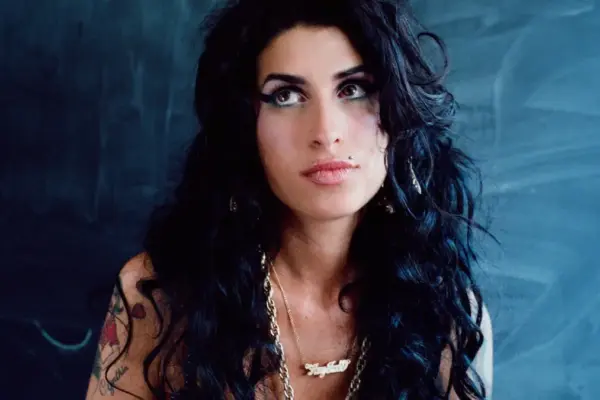
Amy Winehouse delivered Back to Black, a monumental record marrying timeless soul with fearless, devastating lyrical honesty.
PJ Harvey continued her relentless, ambitious reinventions.
Laura Marling and Bon Iver proved that hushed, intimate songwriting could command devoted, stadium-scale audiences.
Burial encapsulated the rainy, haunted emotional textures of modern urban alienation with his foundational dubstep productions.
Later in the cycle, boundary-pushing auteurs like Frank Ocean, Lana Del Rey, and FKA twigs expanded the linguistic and sonic boundaries of contemporary alternative pop and R&B.
3. The Hip-Hop Paradigm Shift and Underground Resurgence (2008–2015)
The internet proved equally transformative for hip-hop and electronic sub-genres. Online forums and specialized blogs became vital pipelines for underground mixtapes, regional producer showcases, and independent releases. Cultural influence now traveled at fiber-optic speeds, entirely bypassing traditional terrestrial radio gatekeepers.
The revolutionary, chopped-sample aesthetic pioneered by the late J Dilla continued to shape an entire generation of producers, while MF DOOM cemented his status as independent rap’s most revered, enigmatic cult figure. By the close of the decade, artists like Kendrick Lamar fundamentally redefined the cultural ceiling of hip-hop. Landmark releases such as To Pimp a Butterfly proved that fiercely political, profoundly personal, and jazz-inflected records could simultaneously function as generation-defining cultural touchstones.
Supporting Context & Metrics: The 50-Year Milestone and Essential Releases
Amid the rise of algorithmic playlists and compressed streaming files, the human desire to connect with music in a tangible, physical format remained steadfast. Independent institutions—most notably Rough Trade—continued to champion artists pushing culture forward, providing physical brick-and-mortar sanctuaries for discovery far away from portable, glowing screens.
To mark five decades of cultural curation, Rough Trade’s commemorative 50 Records for 50 Years initiative highlights several definitive masterpieces released during this crucial digital decade:
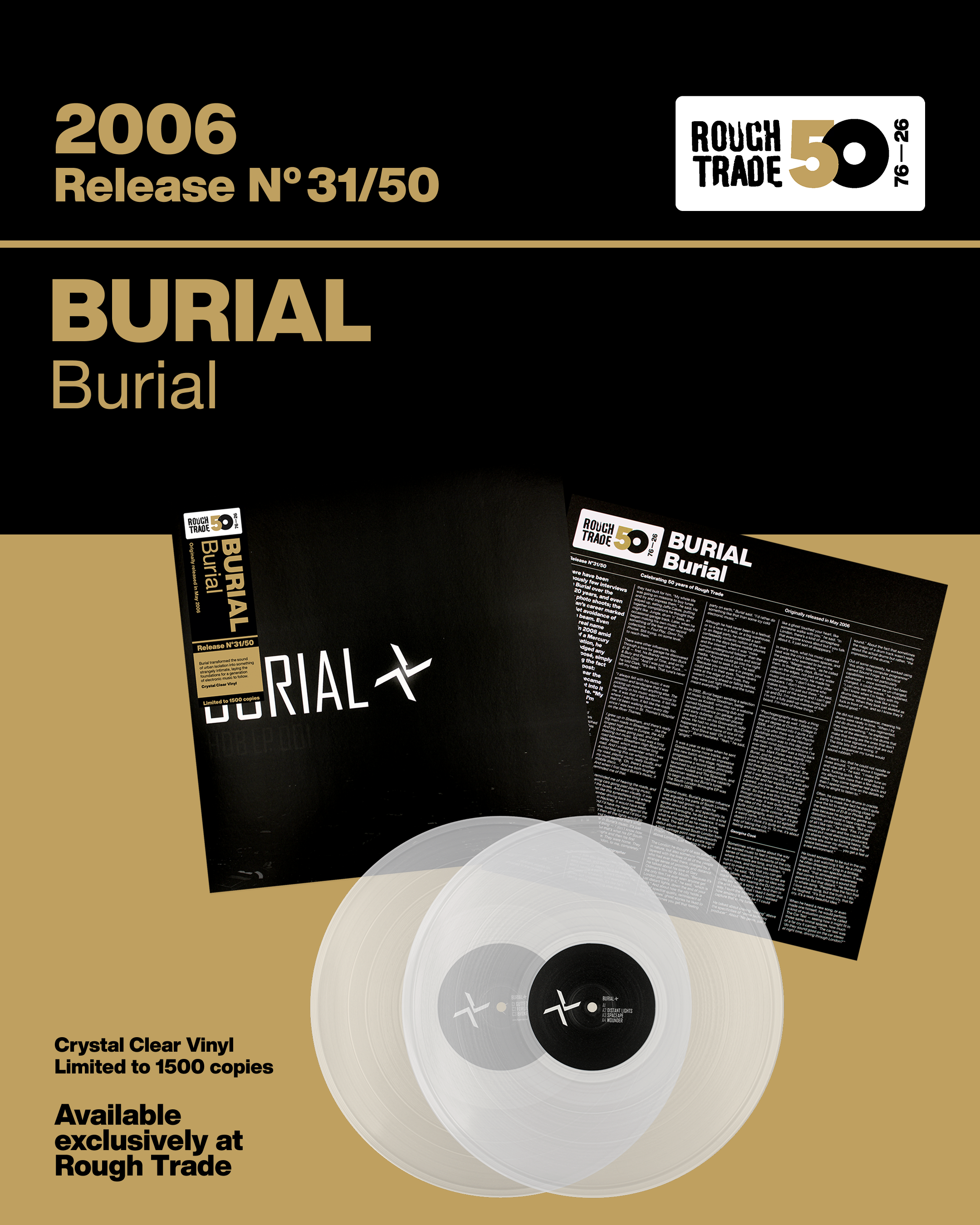
2006: Burial – Burial (Hyperdub)
Released on May 15, 2006, this self-titled masterpiece remains a towering monument of the mid-2000s dubstep scene. As cultural theorist Mark Fisher famously observed, “This album is London after the rave and still sounds just as modern as it did two decades ago.”
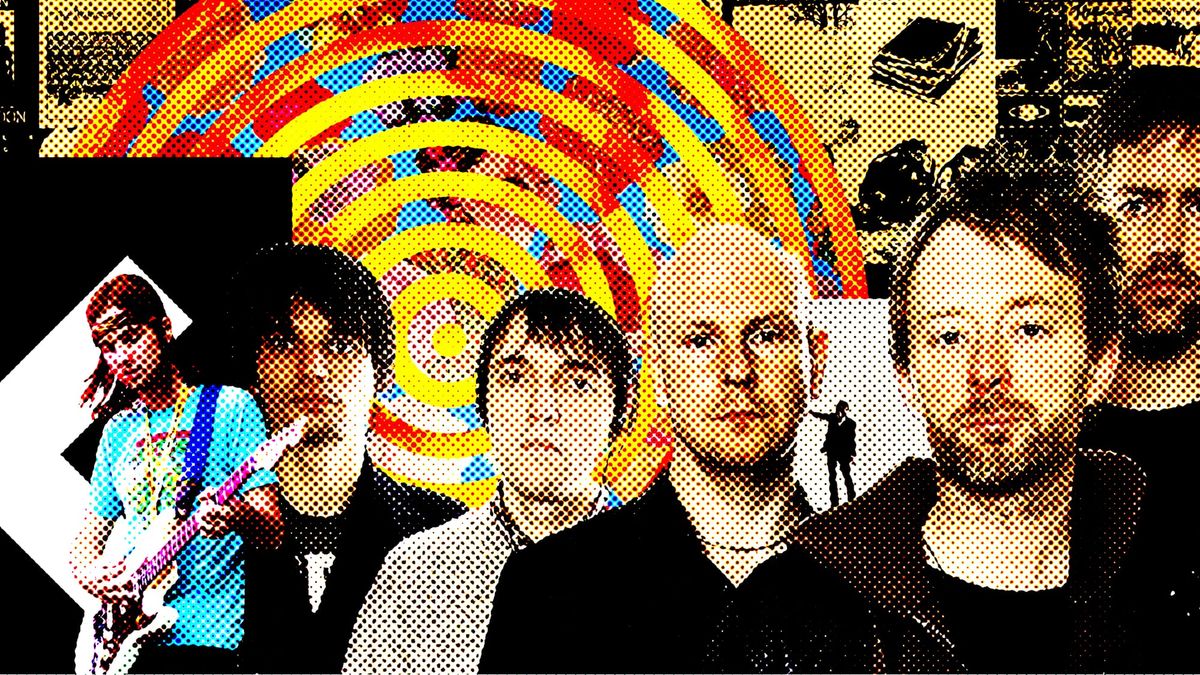
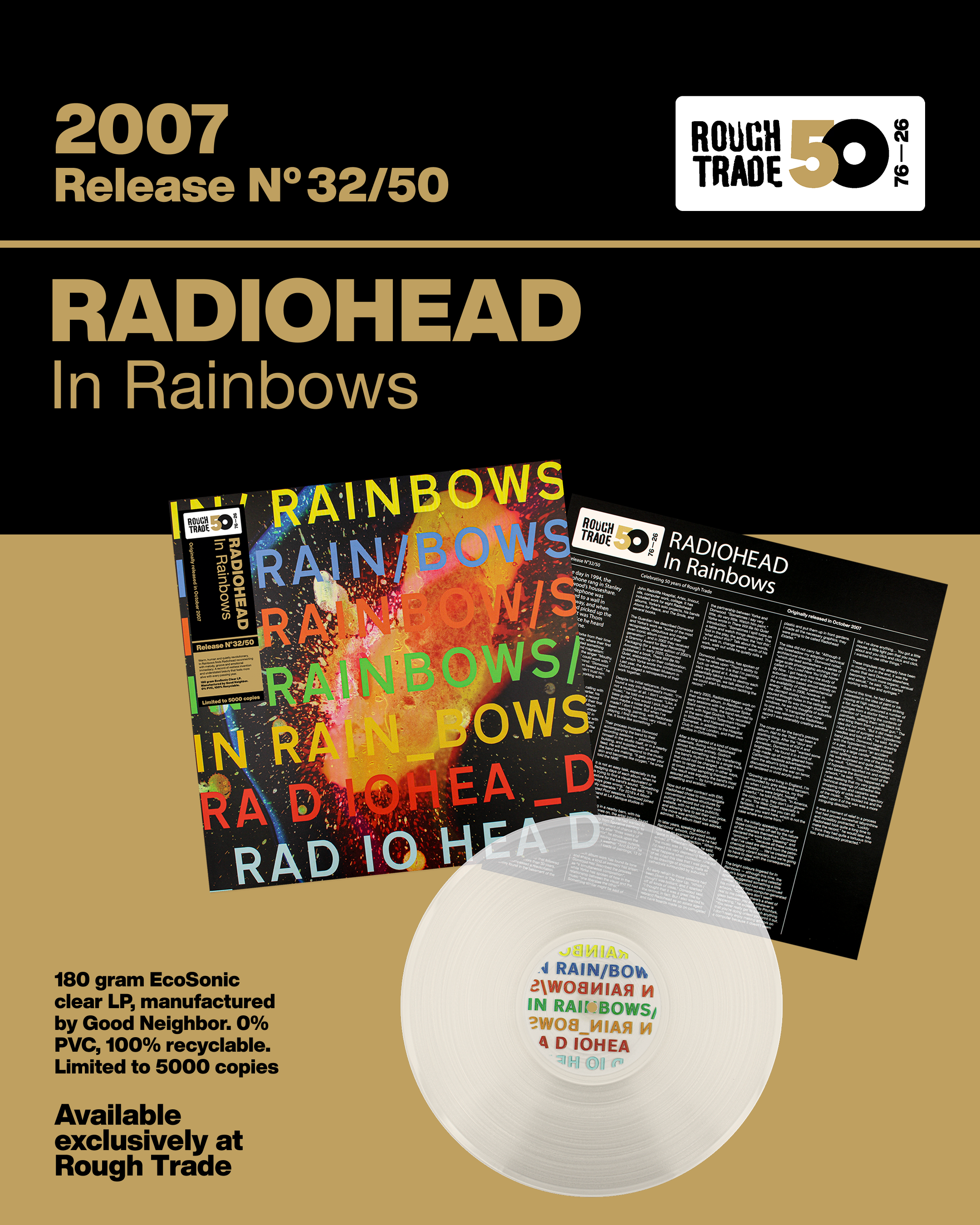
2007: Radiohead – In Rainbows (Self-Released / XL)
Conceived at the height of industry panic over CD sales and internet piracy, Radiohead’s seventh studio album deployed a revolutionary ‘pay-what-you-want’ digital release model. While polarizing industry observers—some praising the direct fan connection, others warning of economic dangers for emerging talent—In Rainbows endures as a sonic holy grail of modern alternative music.
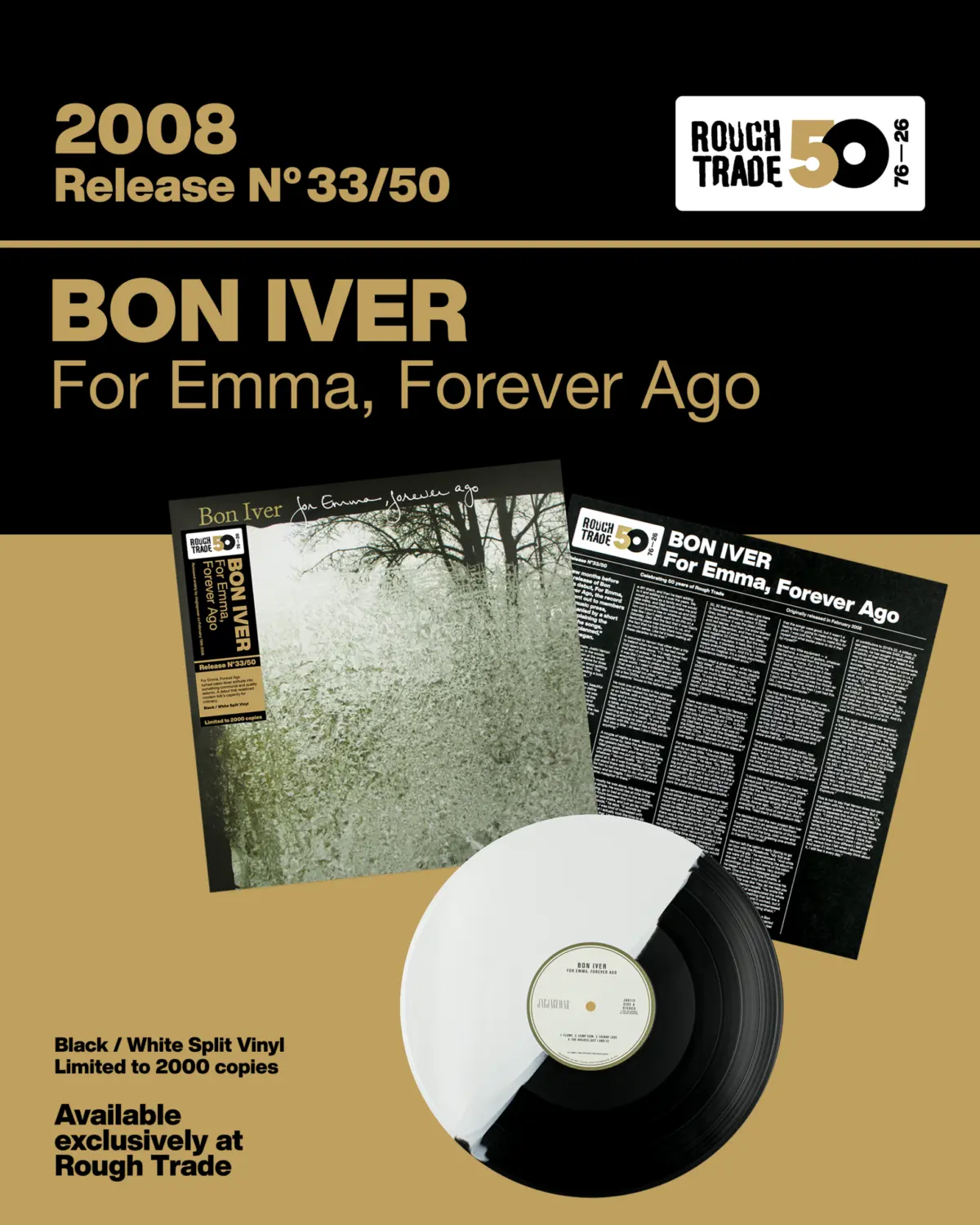
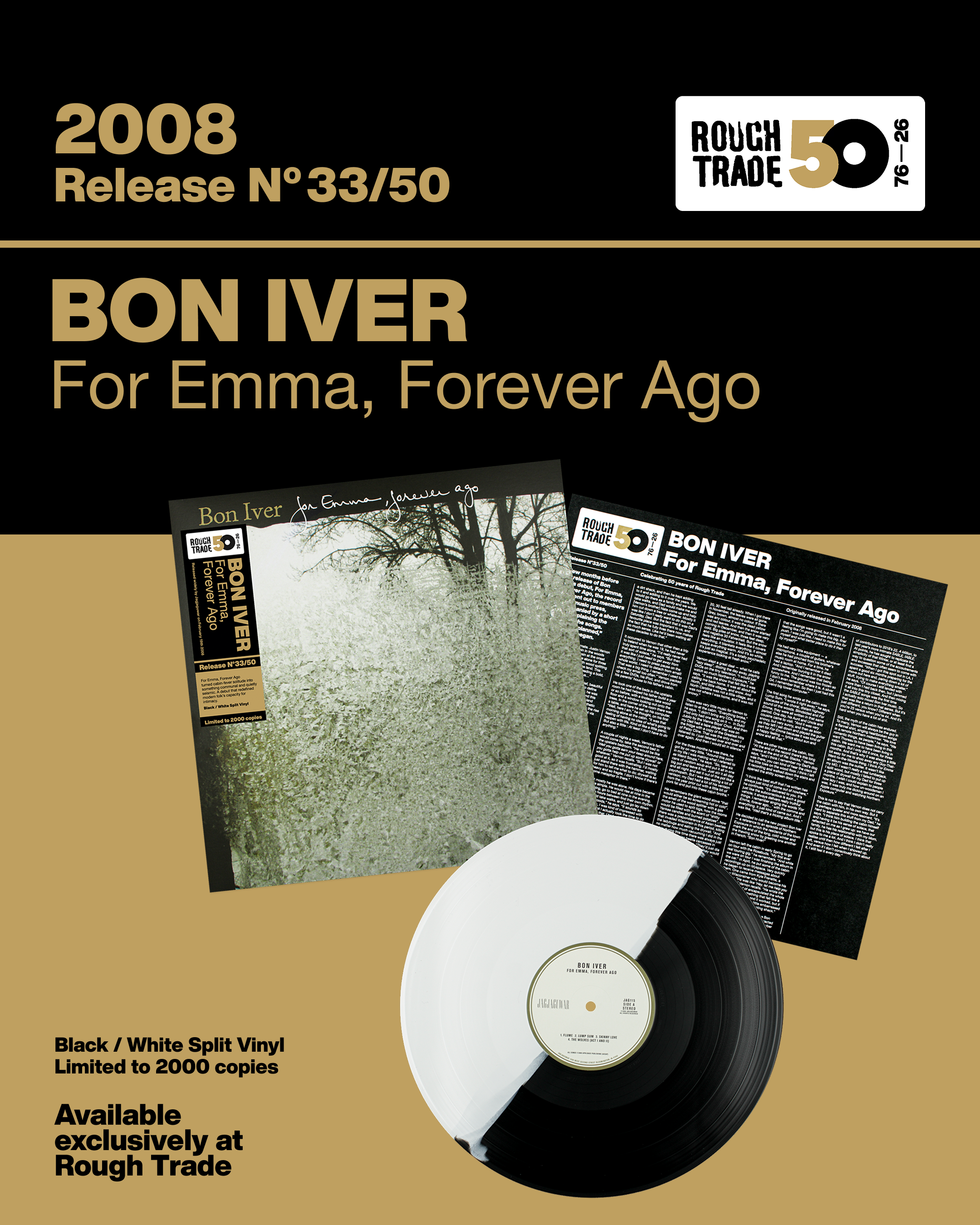
2008: Bon Iver – For Emma, Forever Ago (Jagjaguwar)
Recorded across three months of profound illness, isolation, and heartbreak inside a remote Wisconsin hunting cabin, Justin Vernon’s self-released triumph transformed winter melancholy into permanent art.
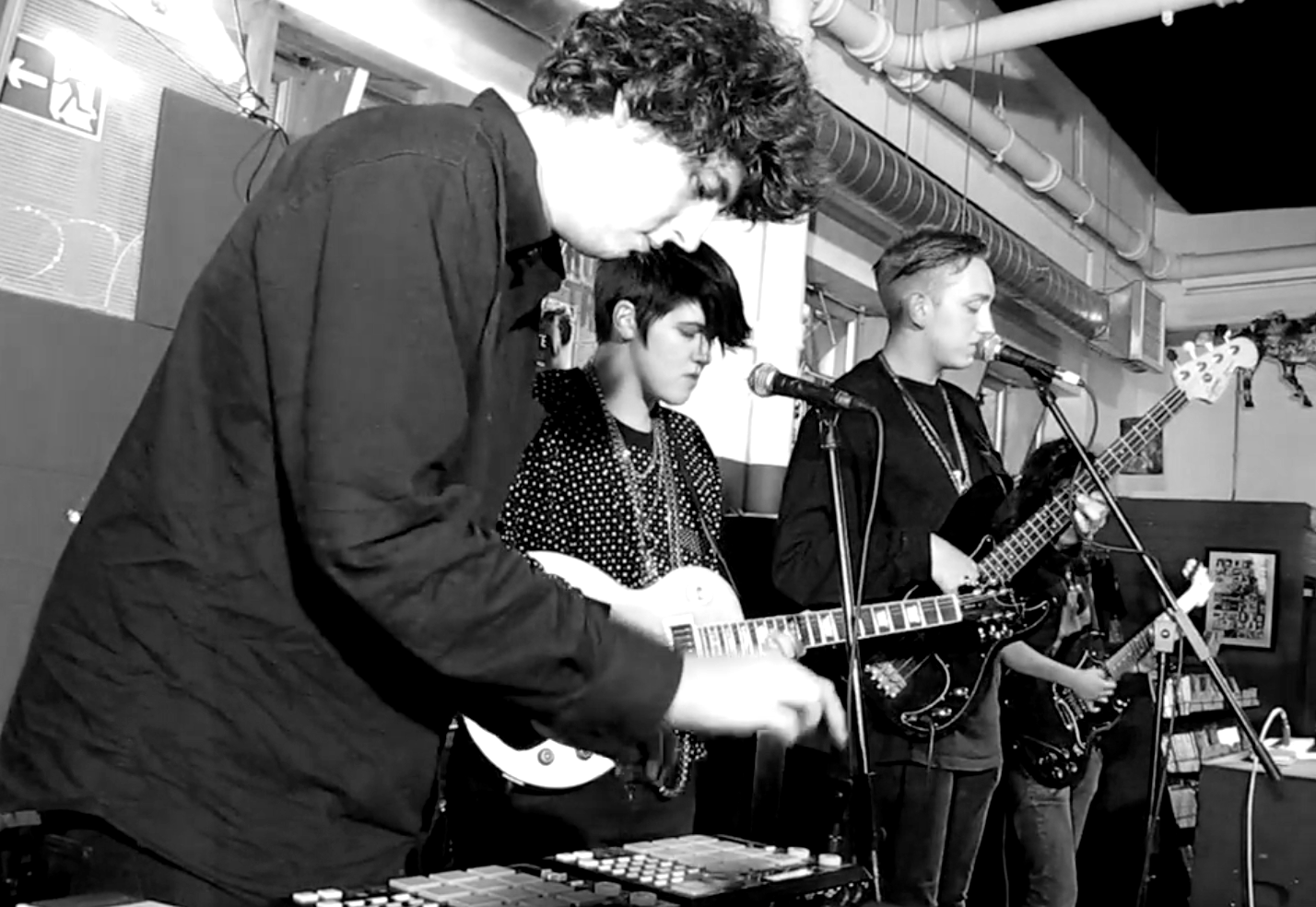
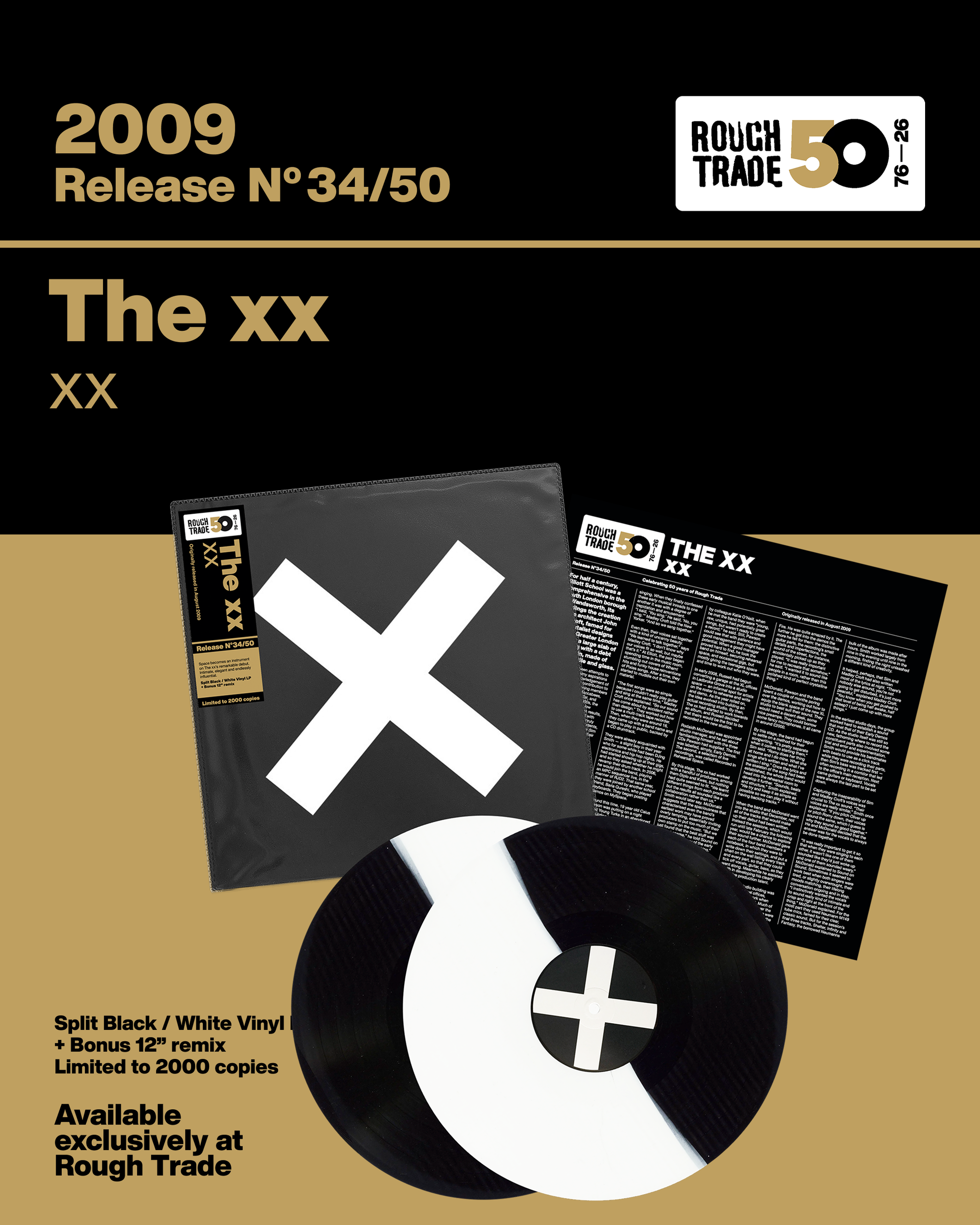
2009: The xx – xx (Young Turks)
At a time when commercial pop and rock were aggressively increasing in volume, The xx did the inverse. By leaving vast, cavernous spaces within their arrangements, songs like "Crystalised" and the ubiquitous instrumental "Intro" achieved immense emotional resonance, making it one of the decade’s highest-selling independent releases.
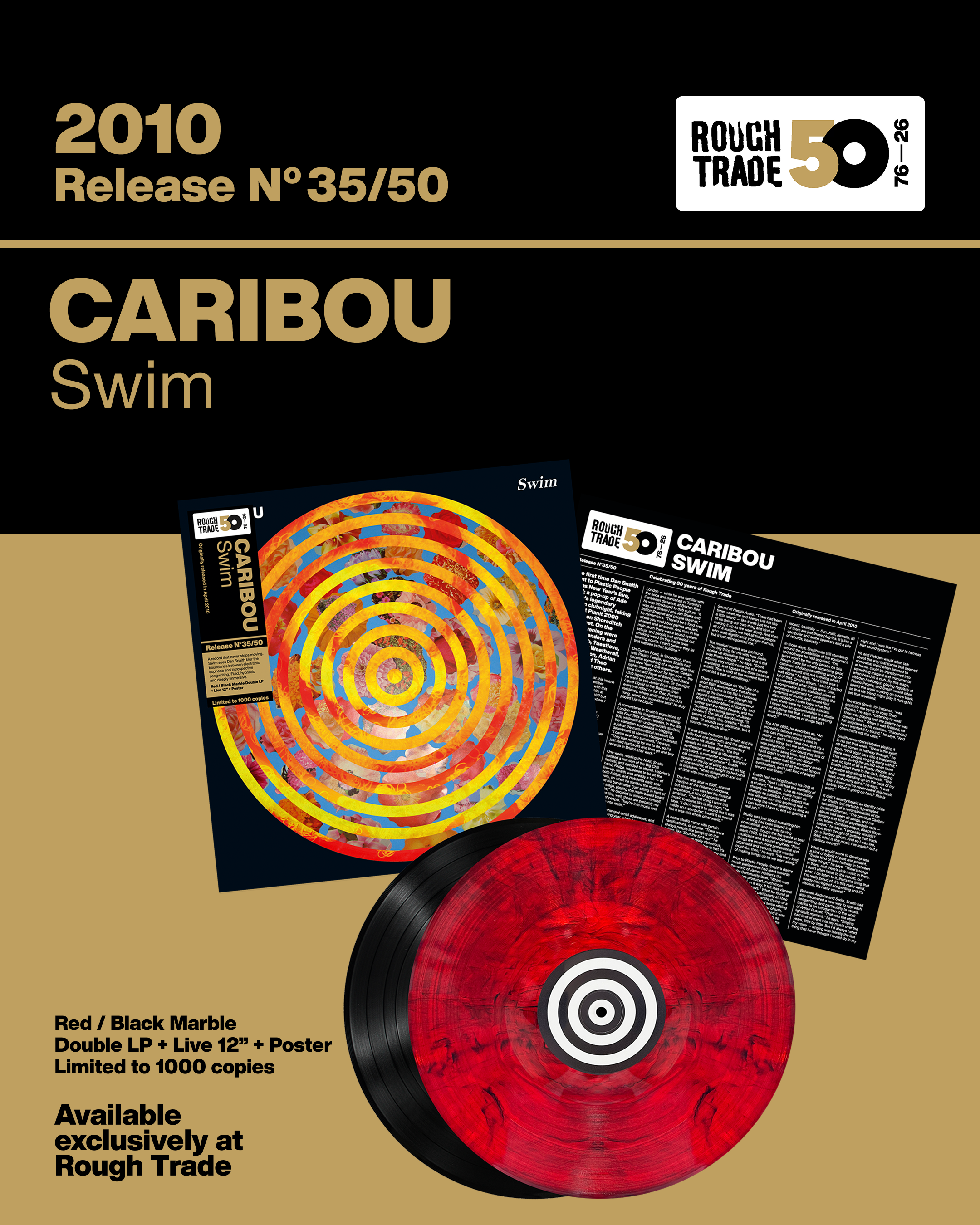
2010: Caribou – Swim (Merge / City Slang)
Dan Snaith successfully dragged electronic music out of the dark, subterranean clubs of the 2000s into sunlit open spaces. Hypnotic rhythms and multi-dimensional mixing earned Swim the top spot on Rough Trade’s Albums of the Year list in 2010.
2011: Baxter Dury – Happy Soup (Rough Trade)
A masterclass in infectious electro-pop paired with dry, deadpan, and playful lyricism, offering a whimsical brand of "seaside psychedelia."
2012: Tame Impala – Lonerism (Modular)
Kevin Parker stretched West Australian psych-rock into something instantly anthemic. From the punchy stomp of "Elephant" to the dream-laden hooks of "Feels Like We Only Go Backwards," Lonerism captured an inner world expanding outward onto global stages.
2013: Nick Cave & The Bad Seeds – Push The Sky Away (Bad Seed Ltd)
Positioned neatly between raucous garage rock and modern spoken-word minimalism, this record offers existential lyricism paired with an airy, metaphysical spirituality.
2014: Mac DeMarco – Salad Days (Captured Tracks)
The quintessential slacker-pop masterwork. Written in the exhausted aftermath of relentless touring schedules, Salad Days captures the bittersweet ache of late-night adolescent reflection.
2015: Father John Misty – I Love You, Honeybear (Sub Pop)
A brilliantly chaotic modern masterpiece pairing biting cultural sarcasm, grand orchestral arrangements, and a desperate plea to disconnect from screens and rediscover genuine human intimacy.
Official Statements and Industry Insights
Reflecting on the era’s transformation, music retail veterans emphasize the delicate balance between digital expansion and physical preservation.
"Across every corner of independent music during this period, experimentation became the norm rather than the exception. Boundaries were fundamentally treated as obstacles meant to be dismantled," notes the curatorial team at Rough Trade.
Furthermore, industry analysts point out that while the internet eliminated geographical gatekeepers, the concurrent evolution of destination music festivals provided a vital antidote to isolation. “As scenes grew increasingly interconnected online, weekend festivals offered something algorithms simply could not replicate: shared, spontaneous, in-person human community.”
Future Outlook
Looking back at the decade spanning 2006 to 2015 reveals the foundational architecture of the modern music business. The lessons learned during the painful transition from physical retail to digital distribution forged a resilient independent sector.
As streaming platforms continue to refine their discovery algorithms and vinyl maintains its remarkable physical renaissance, the tension between the infinite digital archive and the tangible record collection remains central to music culture. The digital revolution did not kill the physical music experience; rather, it forced the industry to evolve, proving that true artistic innovation and human connection will always find a way to manifest—whether through a glowing browser window or the grooves of a newly pressed 12-inch vinyl record.