Executive Overview
For nearly two decades, SoundCloud has held a unique, culturally vital position in the global audio ecosystem. It has served as the subterranean incubator for underground subcultures, the launchpad for SoundCloud rap, and the digital alleyway where electronic music producers, bedroom beatmakers, and avant-garde creators share unpolished, boundary-pushing art. Yet, a persistent irony has defined the platform’s history: while it has been arguably the world’s most effective engine for music discovery, it has notoriously struggled to function as a primary engine for direct music commerce.
Artists who cultivated massive, deeply engaged followings on SoundCloud have historically been forced to shepherd their listeners away from the platform—directing them toward external storefronts like Bandcamp, Apple Music, or specialized web shops—whenever they wanted to monetize their catalogs through high-margin digital downloads.
That paradigm is about to shift permanently.
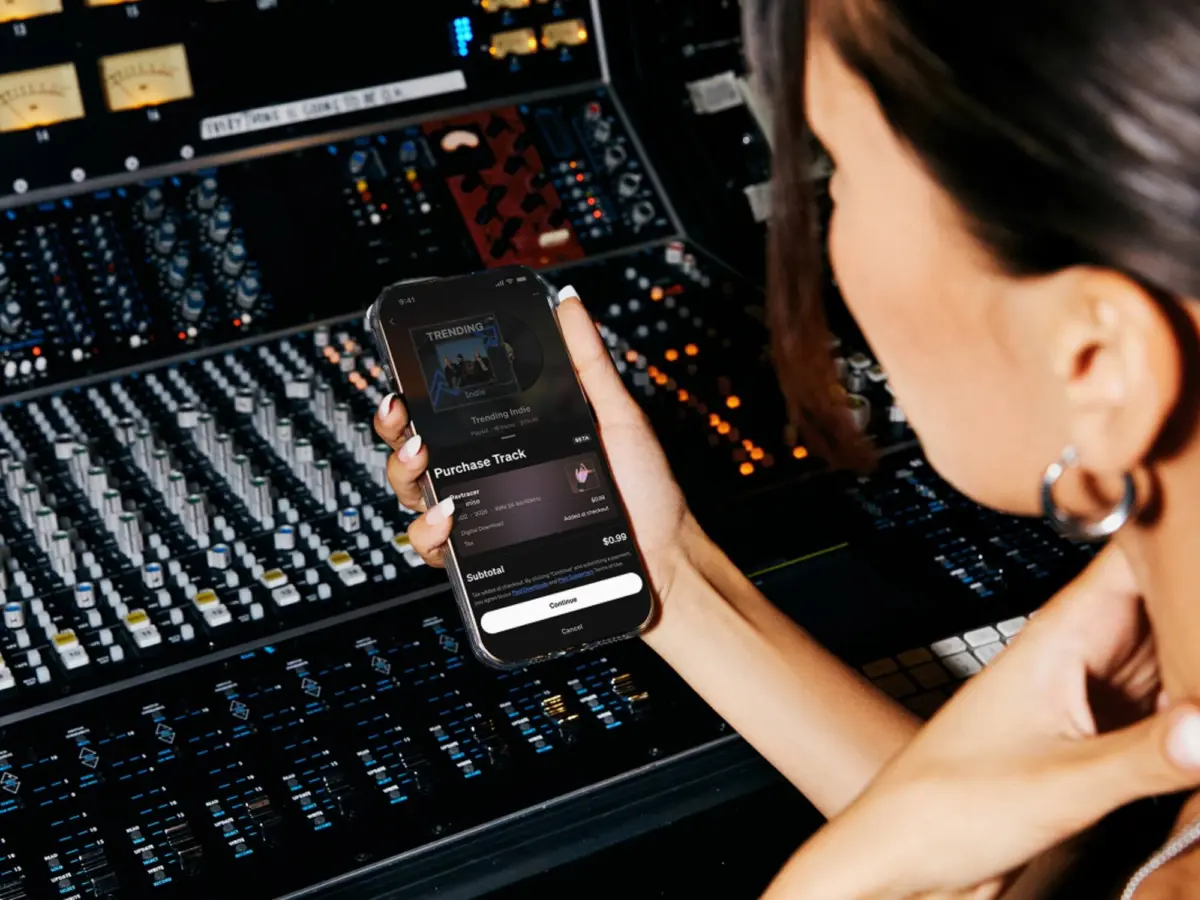
In a major strategic pivot, SoundCloud is currently piloting a direct-to-fan music sales feature that allows creators to sell downloadable tracks directly from their profiles. Most strikingly, the platform is adopting a revolutionary zero-commission model: once standard payment processing fees and statutory taxes are settled, participating artists keep 100% of the revenue generated from their sales.
By bridging the gap between discovery and ownership without imposing a platform tax, SoundCloud is directly challenging established industry giants and positioning itself as an all-in-one career hub. This initiative—reminiscent of Bandcamp’s beloved artist-first ethos—marks a critical turning point in how independent creators sustain themselves in an increasingly saturated and economically hostile digital streaming economy.
Detailed Chronology: From Discovery Engine to Comprehensive Commerce Hub
To understand the weight of SoundCloud’s new direct-sales initiative, it is necessary to examine how the platform has evolved its monetization framework over the years.
The Early Era: Discovery Without Dollars
Founded in 2007 by Alexander Ljung and Eric Wahlforss, SoundCloud was originally conceived as a platform for musicians to share recordings with collaborators. It quickly morphed into an open ecosystem where anyone could upload audio. Its defining characteristics were friction-free sharing, the iconic timestamped waveform comment section, and a distinct lack of heavy-handed paywalls or corporate gatekeeping.
However, this democratization of audio came at a financial cost. For years, SoundCloud struggled to build a viable business model. While users could stream billions of tracks, monetization options for creators were virtually non-existent outside of ad-revenue sharing programs that rolled out years later, often plagued by low payout rates relative to the platform’s massive engagement. Artists viewed SoundCloud as the place to break an act, but turned to other platforms—or traditional distribution services—to actually make a living.
The Shift Toward Creator Empowerment
Over the last half-decade, SoundCloud’s leadership has aggressively steered the company toward comprehensive creator monetization. Recognizing that modern independent artists require diverse income streams to survive, the platform introduced a series of progressive tools:

- Fan-Powered Royalties (FPR): A user-centric payment system where a subscriber’s monthly fee goes directly to the specific artists they actually listen to, rather than being pooled globally and distributed by total stream share.
- Fan Support: A direct tipping mechanism allowing superfans to send monetary contributions directly to their favorite creators.
- Expanded Services: Partnerships and integrations facilitating physical merchandise sales, on-demand vinyl pressings, and integrated ticketing solutions.
Despite these additions, a glaring omission remained: the inability to execute direct digital transactions (such as high-fidelity WAV or MP3 purchases) natively within the app or desktop site. Artists still had to rely on fragmented workarounds.
The Beta Rollout (Fall 2026)
The current phase marks the realization of long-held internal ambitions. SoundCloud has initiated a targeted beta test involving 200 US-based creators operating under the Artist Pro tier. These creators are currently testing the end-to-end functionality of setting custom prices, uploading master-quality files, and fulfilling direct downloads seamlessly.
Following this initial testing phase, performance data, user feedback, and infrastructure stress-testing will guide a broader rollout slated for later this autumn, opening the feature up to all eligible creators across the platform.
Supporting Context & Metrics: The Economic Case for Direct-to-Fan Sales
SoundCloud’s decision to launch native music sales is not merely an aesthetic or ideological choice; it is backed by profound behavioral data within its own user base. The platform’s internal research reveals a massive, previously untapped market for direct-to-fan digital commerce hiding in plain sight.
The Numbers Behind the Move
According to SoundCloud’s internal metrics:
- 250,000+: The number of independent artists on SoundCloud who actively direct their fanbases to external platforms to purchase their music.
- 2.4 Million: The volume of individual tracks on the platform currently linked to external purchase pages.
- 500,000+: The annual count of user sessions where SoundCloud redirects listeners away from its ecosystem to complete a transaction elsewhere.
- 28%: The proportion of surveyed SoundCloud artists who either already sell downloadable music files or express an active, immediate desire to start doing so.
These metrics paint a clear picture of user behavior: SoundCloud audiences want to financially support the artists they discover on the platform, and artists want a seamless way to sell their work. By forcing users to navigate to third-party sites, SoundCloud was losing valuable conversion opportunities and fracturing the user experience. Keeping the transaction native changes the game entirely.
The Zero-Commission Advantage
In the broader landscape of digital distribution and streaming, platforms routinely take a cut ranging from 15% to 30% (and historically much higher in traditional physical retail). SoundCloud’s decision to take zero commission on direct sales is a bold strategic disruption.
By letting artists keep 100% of the profits (minus baseline transaction processing fees and applicable taxes), SoundCloud is offering terms that outcompete major digital service providers and match or exceed the artist-friendly policies championed by independent institutions like Bandcamp. In an era where streaming platforms pay fractions of a cent per play, a single digital album or high-res track sale at a fan-set or artist-set price can equal hundreds of streams’ worth of revenue.
Official Statements and Industry Alignment
The introduction of direct-to-fan music sales places SoundCloud in direct ideological alignment with the modern independent music ethos, while also scaling up what made platforms like Bandcamp legendary.

The Vision from Leadership
SoundCloud CEO Eliah Seton emphasized that the new feature is designed to solve the fragmentation that plagues modern artist careers, keeping the community-building and commercial aspects under one roof.
"Artists should be able to build their audience in one place, on one platform," says SoundCloud CEO Eliah Seton. "SoundCloud has always been where artists find their first fans and build real communities. We’re continuing to bring more of what they need to grow their careers into that same experience, while letting fans directly support the music they love."
This sentiment echoes the philosophy behind Bandcamp Fridays—the famous initiative launched in 2020 where Bandcamp waived its revenue shares to support artists during the economic turbulence of the pandemic. By adopting a permanent zero-commission stance on direct sales, SoundCloud is signaling that it views creator sustainability not as a promotional gimmick, but as foundational infrastructure.
Integration with Artist Studio
Participating creators will not have to manage these sales in the dark. The direct-sales feature is deeply integrated into Artist Studio and the Fan Support Dashboard. This ensures that creators can track sales analytics, monitor consumer trends, and manage digital fulfillment (offering formats ranging from compressed MP3s to uncompressed, audiophile-grade WAV files) alongside their existing monetization streams like Fan-Powered Royalties and ticketing.
Future Outlook: What This Means for the Future of Independent Music
As SoundCloud prepares to scale this feature beyond the initial 200-artist US beta and roll it out globally to all eligible creators, the ripple effects across the music technology landscape will be substantial.
1. Redefining the Role of Streaming Platforms
For over a decade, streaming platforms have trained consumers to view music as an infinite, rented utility rather than a collectible commodity. By integrating direct ownership alongside streaming, SoundCloud is bridging the gap between passive listening and active patronage. Fans can stream a track on repeat to build algorithm metrics, and then pull out their digital wallets to purchase the uncompressed WAV file to support the artist directly.
2. Pressure on Competitors
SoundCloud’s zero-commission policy puts competitive pressure on other distribution and streaming platforms. While platforms like Spotify have flirted with fan-funding models and merchandise integrations, none have successfully executed a seamless, zero-commission native digital download model at scale. If SoundCloud proves that direct sales can coexist harmoniously with a massive ad-supported and subscription-backed streaming model, competitors may be forced to rethink their own revenue-sharing models.
3. Empowering the Underground
Historically, the artists who benefit most from direct-to-fan models are those with hyper-engaged, niche fanbases—electronic producers, experimental sound designers, underground hip-hop collectives, and punk bands. For these creators, selling 100 copies of an exclusive EP directly to superfans at $10 a pop can generate more immediate, tangible revenue than millions of mainstream streams. By embedding this capability directly into the soil where these genres naturally grow, SoundCloud is handing creators the financial keys to their own independence.
As the autumn rollout approaches, the industry will be watching closely. If SoundCloud successfully executes this vision, it may finally fulfill its ultimate promise: remaining the world’s greatest place to discover music, while finally becoming the place where artists actually make a living off of it.