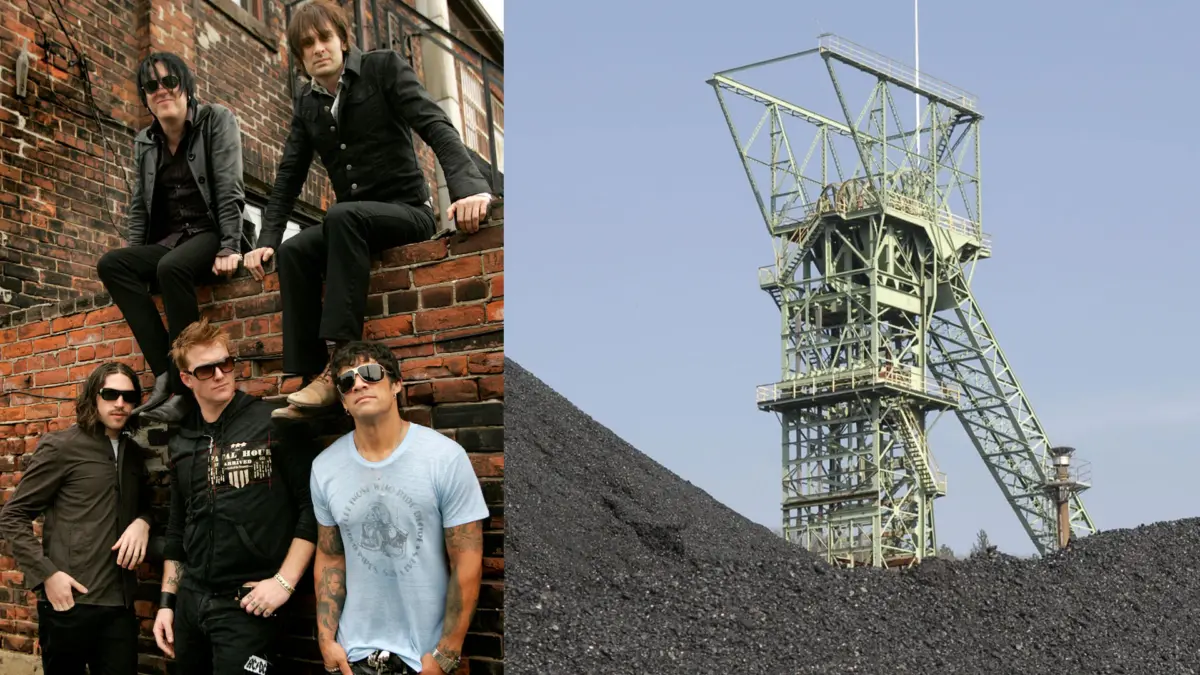
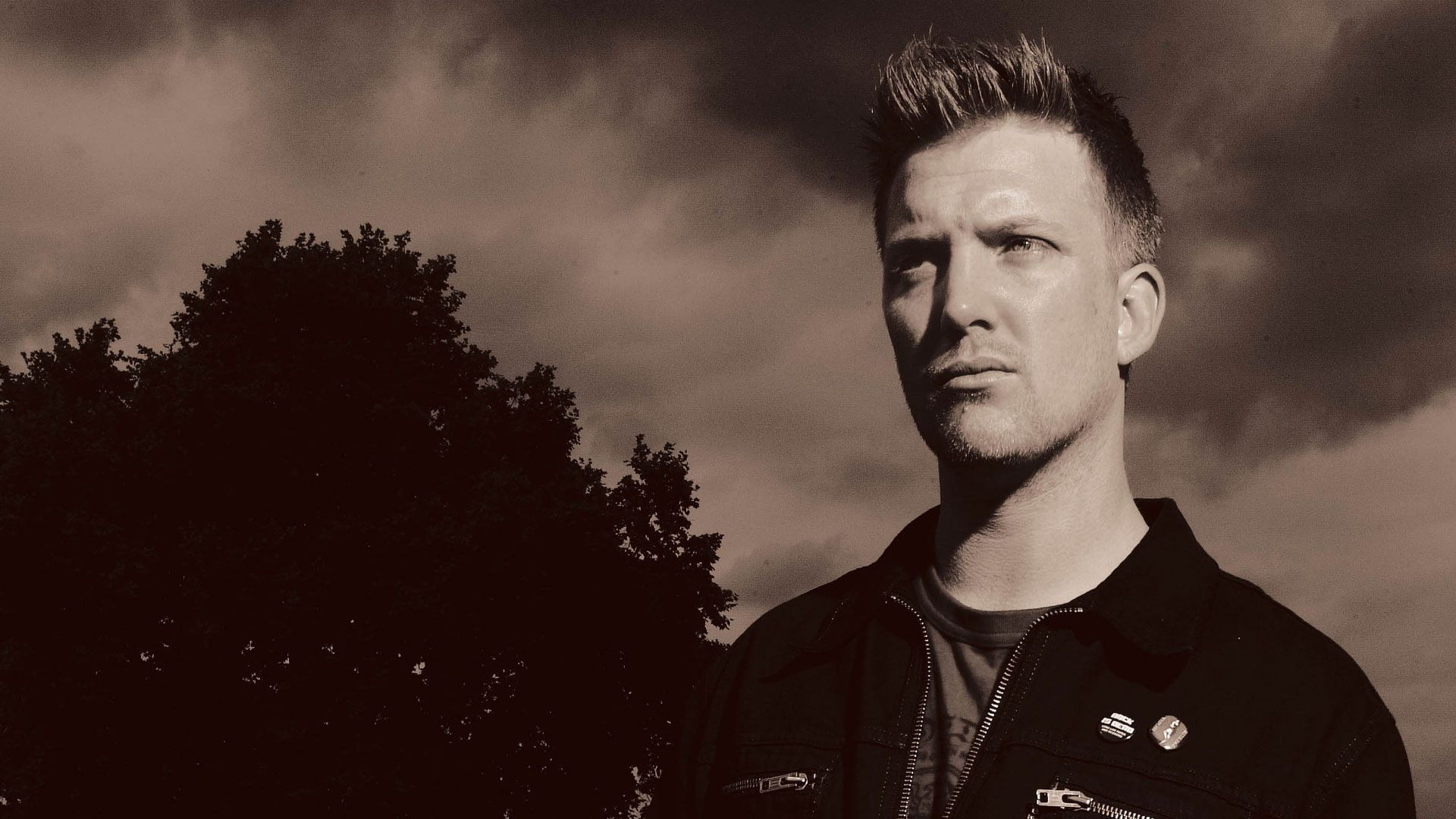
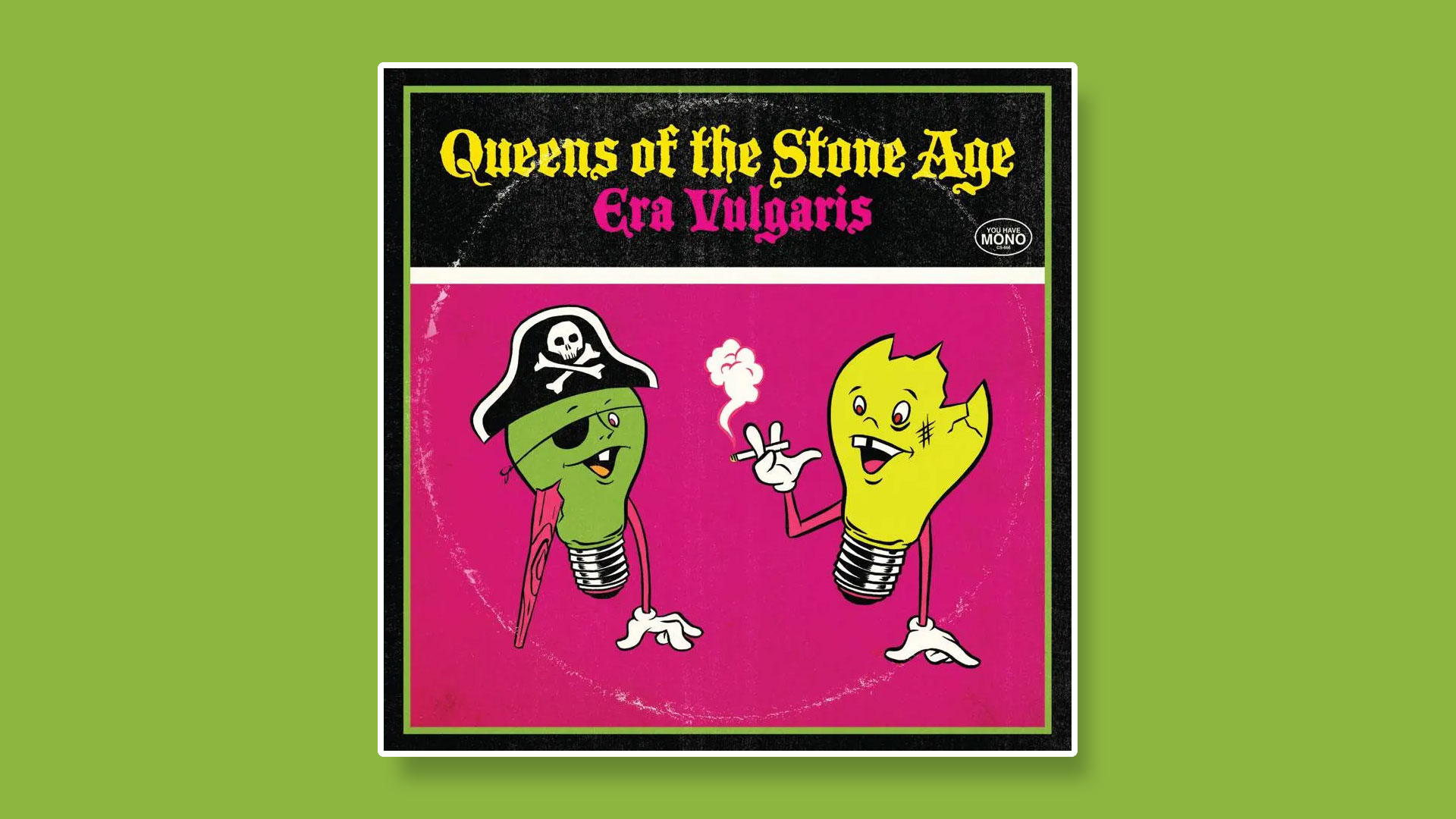
In the winter of 2007, American rock band Queens of the Stone Age (QOTSA) pulled off one of the most logistically daunting and artistically eccentric live performances in modern rock history. At the height of their grueling 115-date world tour supporting their fifth studio album, Era Vulgaris, the Palm Desert ensemble traded standard arenas and festival stages for a cavernous salt mine located 2,300 feet (approximately 700 meters) beneath the Earth’s surface.
Held at the historic Erlebnisbergwerk Glückauf in Sondershausen, Germany, the clandestine concert brought a handpicked audience of 300 contest winners deep into the planet’s crust. What was initially conceived as an intimate, semi-acoustic performance quickly evolved into an unbridled, full-throttle rock show that challenged both subterranean acoustics and structural physics.
While site-specific performances have long been used as promotional vehicles in the music industry, QOTSA’s subterranean gig stands out for its extreme technical constraints, geological audacity, and lasting mythos. Despite being professionally filmed, the full concert recording remains hidden in corporate vaults, adding an enigmatic chapter to the band’s legacy—a trajectory that recently culminated in their historic 2024 performance within the Catacombs of Paris.
Detailed Chronology
[June 2007] ----------- Release of 'Era Vulgaris' & Kickoff of 115-Date World Tour
[Nov 19, 2007] ---------- Standard Electric Show at Löwensaal, Nuremberg (Cap: ~1,500)
[Nov 20, 2007 - 06:00] -- Technical Crews Begin Gear Descent into Sondershausen Salt Mine
[Nov 20, 2007 - 14:00] -- 300 Contest Winners Gear Up with Helmets & Hi-Vis Vests
[Nov 20, 2007 - Evening] - QOTSA Performs 14-Song Set 2,300 Feet Underground
[Early 2008] ---------- Teaser Trailer & "Make It Wit Chu" Clip Released; Full Footage Vaulted
[July 8, 2024] --------- QOTSA Makes History Again in the Paris Catacombs
The Touring Context
By late 2007, Queens of the Stone Age—fronted by founder Josh Homme—were pushed to their operational limits. The promotional cycle for Era Vulgaris was relentless. Seeking to break the monotony of the standard venue circuit, the band’s management began scouting unconventional locations across Europe, securing bookings at medieval castles, historic churches, repurposed slaughterhouses, and ultimately, an operational salt mine in central Germany.
The Run-Up: November 19, 2007
On November 19, the band performed a standard venue show at the Löwensaal in Nuremberg—a traditional 1,500-capacity hall requiring standard staging and zero specialized personal protective equipment (PPE). Immediately following the performance, road crews and technical staff departed for Thuringia to begin the complex logistics required for the following night’s subterranean experiment.
The Main Event: November 20, 2007
Early Morning (Gear Logistics): Over a 24-hour window, sound equipment, instruments, lighting rigs, and power generators were lowered down the primary shaft of the Sondershausen mine. Equipment was staged deep underground to allow sensitive electronics and instruments to acclimate to subterranean atmospheric conditions.
Afternoon (Audience Descent): Interscope Records shuttled 300 contest winners to the facility. Fans were outfitted with yellow hard hats, miner gear, and high-visibility vests before taking high-speed elevators down to the lower chambers.
Evening (The Performance): Band members took the stage in a carved salt chamber. Designed as a soft, semi-acoustic session, the raw energy of the venue shifted the performance into a heavy, amplified set featuring revised arrangements, rare album tracks, and unscripted covers.
Operating half a mile underground posed unique audio engineering challenges. Former long-time QOTSA front-of-house engineer Patrick "Hutch" Hutchinson noted that the solid rock-salt walls, complete with spiral patterns left behind by massive excavation machinery, presented unusual acoustic reflections.
Unlike standard concrete or dry-walled halls, dense rock salt behaves like a hard acoustic mirror. Sound waves bounce unpredictably across uneven surfaces, risking intense standing waves and extreme harshness in the upper-mid frequencies.
To mitigate these issues, the band used tailored microphone setups and brought down specialized gear designed to cope with dry, particulate-heavy air.
[Amplifier Output] ---> [Dense Rock Salt Wall] ---> [Complex Reflections / Standing Waves]
                                                            |
                                                            v
[Adjusted Acoustic Mix] <--- [Dynamic Mic Positioning] <----+
Furthermore, the mechanical logistics required that all equipment be downsized or adapted to fit into narrow mine elevators. Gear had to sit in the subterranean environment for hours before power-up to avoid moisture condensation inside high-voltage amplifier circuits.
Setlist Construction and Musical Adaptation
The band adjusted their set to match the surroundings, crafting custom arrangements and medleys.
14-SONG SETLIST HIGHLIGHTS:
├── "Make It Wit Chu" (Re-arranged rhythm structure)
├── "Into the Hollow" (Subdued acoustic-to-heavy transition)
├── "Burn the Witch"
├── "White Wedding" (Billy Idol cover)
└── "Goin' Out West" (Tom Waits cover)
Homme described the set’s structure as reminiscent of classic Elvis Presley medleys, blending distinct compositions into seamless, high-energy medleys—minus, as Homme joked, "the jumpsuit."
Official Statements & Primary Testimonies
The underground environment evoked strong reactions from both the band and their technical crew, blending professional curiosity with psychological tension.
Josh Homme on the Drive for Novelty and Respect for Labor
Reflecting on the motivation behind the show, frontman Josh Homme highlighted the band’s desire to break away from traditional rock venue formats:
"I play rock ‘n’ roll to have that classic moment, and you never know when something like that is coming. But this had classic written all over it from the word ‘go.’ We were looking for something good to do that was off-kilter and bizarre, somewhere to play that would be very special.
"What I like is that there’s so much hard work done in here. This place exists from hard work. It’s nice to throw a bit of a party here too, celebrating miners… and I don’t mean young kids."
Patrick "Hutch" Hutchinson on Audio Engineering and Cave-In Fears
Sound engineer Patrick Hutchinson recalled the psychological weight of mixing audio half a mile beneath the surface:
"We were tired of the same old concert experience, so management got us some interesting ones—a castle, a church, and an old slaughterhouse. We played an old salt mine in Germany…
"This place was so psychedelic. The excavation machines left spiral patterns everywhere. The idea was to play a semi-acoustic set—it quickly turned a lot heavier with everyone getting excited.
"My mind got the better of me after being a half-mile closer to the center of the Earth. Maybe we shouldn’t be rocking out. What if we cause some seismic destruction? An epic rock ‘n’ roll death—what a way to go.
"Looking around, we saw the giant machines and quickly realized these things eat rock and spit it out. We weren’t going to cause a cave-in making rock; these machines ate rock, and they were bigger than all of us and our gear combined."
Historical Context and Legacy
SUBTERRANEAN ROCK MILESTONES:
┌────────────────────────────────────────────────────────────────────────┐
│ 2007 (Early): AGONIZER                                                 │
│ Plays Pyhäsalmi Mine, Finland (4,169 ft / 1,270 m underground)         │
├────────────────────────────────────────────────────────────────────────┤
│ NOV 2007: QUEENS OF THE STONE AGE                                      │
│ Plays Erlebnisbergwerk Glückauf, Germany (2,300 ft / 700 m underground)│
├────────────────────────────────────────────────────────────────────────┤
│ JULY 2024: QUEENS OF THE STONE AGE                                     │
│ Becomes first rock band to perform in the Catacombs of Paris           │
└────────────────────────────────────────────────────────────────────────┘
The Finnish Precedent
While QOTSA’s performance was widely covered, they were not technically the deepest band underground. Months prior, Finnish metal group Agonizer performed at a depth of 4,169 feet (1,270 meters) in the Pyhäsalmi Mine in Pyhäjärvi, Finland, setting an officially recognized Guinness World Record. Nevertheless, QOTSA’s show remains one of the most famous examples of an A-list rock band performing deep beneath the Earth’s surface.
The Lost Tapes
Despite high-definition cameras recording the entire performance, official media releases were surprisingly scarce:
[2007 Event Filmed] ──> [Early 2008 Trailer] ──> ["Make It Wit Chu" Clip] ──> [Rest of Footage Vaulted]
A promotional teaser surfaced in early 2008 alongside band interviews and a live performance video of "Make It Wit Chu." However, the full multi-camera master tapes were archived shortly thereafter. They remain unreleased in corporate media vaults in Germany, cementing the show’s status as a legendary "lost" performance among fans.
Future Outlook: The Paris Catacombs and Beyond
The salt mine gig proved to be a stepping stone in Queens of the Stone Age’s interest in unusual venue spaces. Nearly seventeen years after their descent into the German mine, the band made music history again on July 8, 2024, by becoming the first band officially permitted to perform inside the historic Catacombs of Paris.
At the time of the 2007 salt mine show, Homme joked about their next steps:
"Our next record is going to be called Hot Lava, so we feel we need to play a volcano. I think we’re officially the most underground rock band in the world."
While the volcano gig has yet to materialize, QOTSA’s history of pushing live performances into extreme, historic, and geologically challenging environments remains unmatched in modern rock music.