Executive Overview
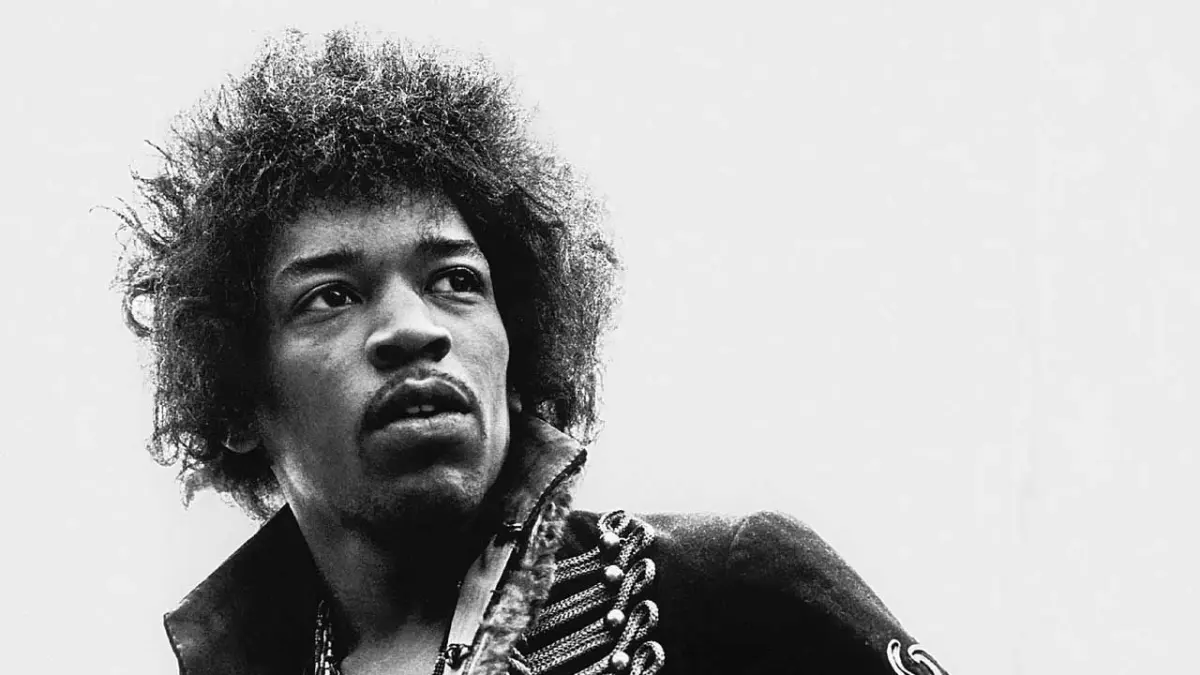
In the vast pantheon of modern rock music, few compositions carry the sonic weight, technical innovation, and tragic historical significance of Jimi Hendrix’s "Voodoo Child (Slight Return)." Released on the seminal 1968 double album Electric Ladyland by The Jimi Hendrix Experience, the track stands as a watershed moment in the evolution of the electric guitar. At its core, the song transformed a relatively primitive audio effect—the wah-wah pedal—into an expressive voice capable of shifting seamlessly between primal blues expressionism and otherworldly psychedelic rock.
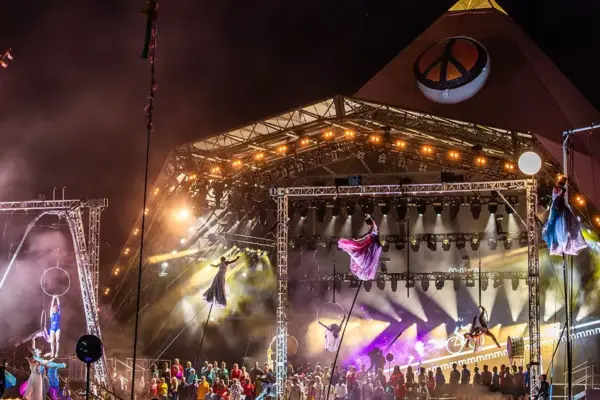
Engineered by long-time collaborator Eddie Kramer, "Voodoo Child (Slight Return)" captured a peak performance from Hendrix alongside bassist Noel Redding and drummer Mitch Mitchell. Beyond its technical brilliance, the song occupies a singular place in music history as the final composition Hendrix ever performed live on stage—at the Love + Peace Festival on the Baltic island of Fehmarn, Germany, on September 6, 1970—mere days before his untimely death.
This comprehensive analysis examines the origins, production methodologies, structural metrics, cross-genre legacy, and historical trajectory of a track that redefined what was musically possible with six strings and a vacuum-tube amplifier.
Detailed Chronology
+-----------------------------------------------------------------------------------+
| CHRONOLOGY: THE EVOLUTION OF "VOODOO CHILD (SLIGHT RETURN)"                       |
+-----------------------------------------------------------------------------------+
| Early 1967   | Vox introduces the commercial wah-wah pedal (Clyde McCoy model).   |
| May 2, 1968  | Record Plant, NYC: Hendrix cuts 15-minute jam "Voodoo Chile" with  |
|              | Steve Winwood (organ) and Jack Casady (bass).                      |
| May 3, 1968  | ABC Television crew films Hendrix Experience; band jams on themes |
|              | from previous night, spawning "Voodoo Child (Slight Return)."      |
| Oct 16, 1968 | "Electric Ladyland" released, featuring both "Voodoo" variations.  |
| Sept 6, 1970 | Isle of Fehmarn, Germany: Final live performance of Hendrix's      |
|              | career closes with "Voodoo Child (Slight Return)."                 |
| Sept 18, 1970| Jimi Hendrix passes away in London at age 27.                      |
| Oct 23, 1970 | Posthumous single released in UK as "Voodoo Chile", becoming       |
|              | Hendrix’s first and only UK #1 hit single.                        |
+-----------------------------------------------------------------------------------+
The Studio Origins (May 1968)
The genesis of "Voodoo Child (Slight Return)" occurred over a remarkably brief 24-hour window at the newly opened Record Plant studios in New York City. On May 2, 1968, Hendrix hosted an late-night, late-session jam that yielded "Voodoo Chile"—a sprawling, 15-minute, slow-tempo blues workout featuring organist Steve Winwood (of Traffic) and bassist Jack Casady (of Jefferson Airplane).
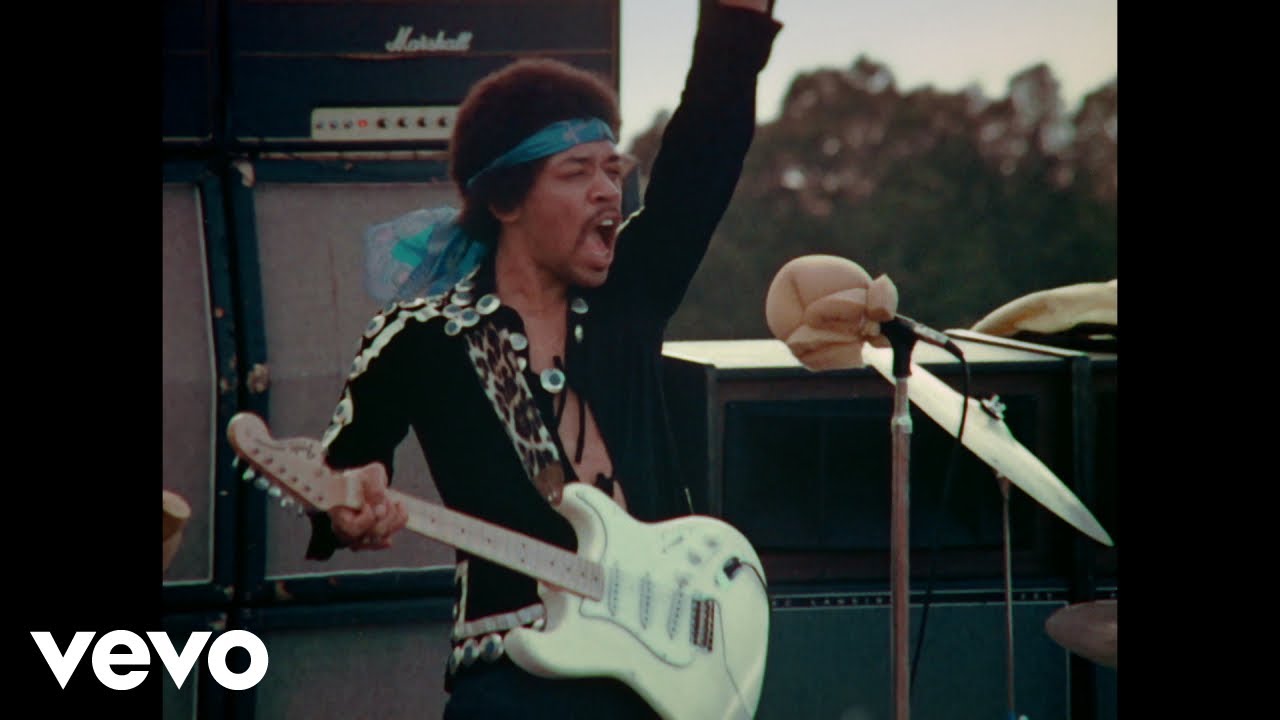
The following day, May 3, an ABC Television documentary crew arrived at the studio to film Hendrix and the Experience working. Wanting a tighter, more energetic piece for the camera crew, Hendrix took the structural themes, lyrics, and guitar figures developed during the previous night’s long blues session and condensed them. He plugged his left-handed Fender Stratocaster into a Vox wah-wah pedal and cranked his Marshall stacks, leading Mitch Mitchell and Noel Redding through a reinvented, fast-tempo arrangement. Within just a few takes, the core master recording of "Voodoo Child (Slight Return)" was captured.
Album Release and Posthumous Chart Triumph
When Electric Ladyland hit store shelves in October 1968, both tracks were included: "Voodoo Chile" as a long-form side-one blues epic, and "Voodoo Child (Slight Return)" as the explosive final track of the double LP.
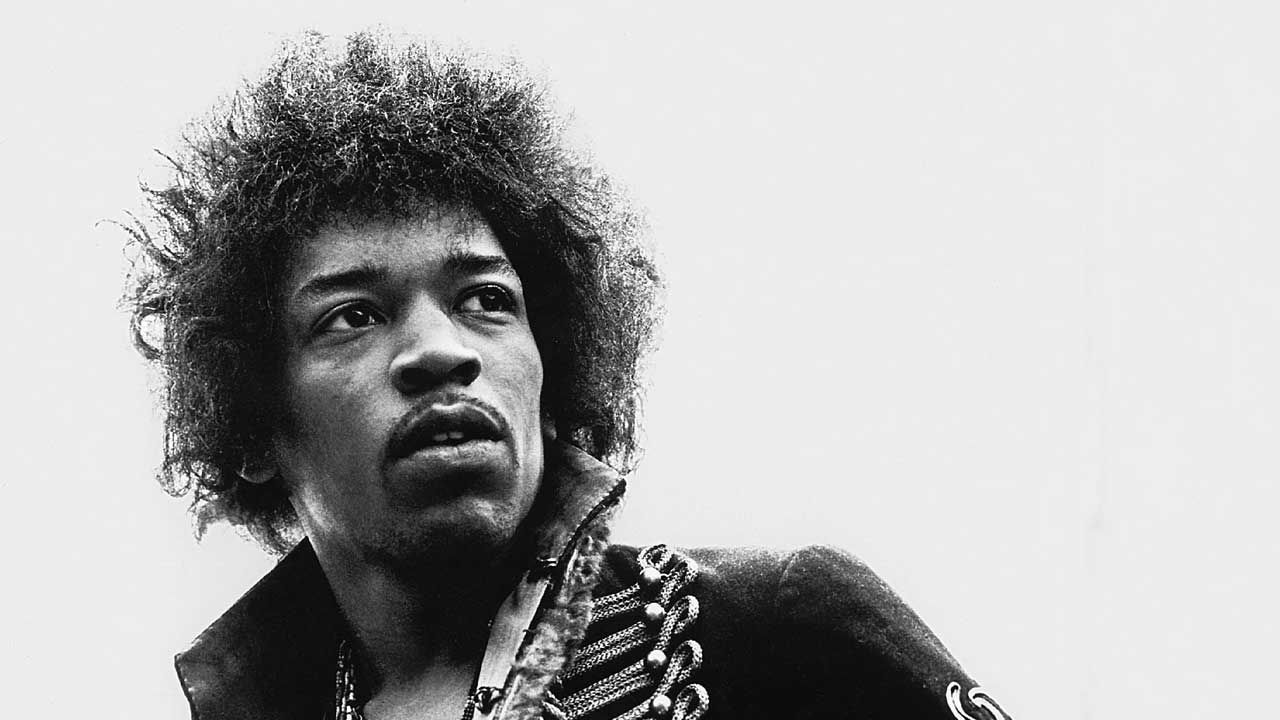
Following Hendrix’s death on September 18, 1970, Track Record released a three-track single in the United Kingdom designed as a tribute and commercial release. The single paired "Voodoo Child (Slight Return)" with "Hey Joe" and Hendrix’s acclaimed cover of Bob Dylan’s "All Along the Watchtower." Due to a labeling decision by the record company, the lead track was titled simply "Voodoo Chile," omitting the crucial "(Slight Return)" appendage and creating decades of catalog confusion for casual fans. Despite the title discrepancy, the release swept up the UK Singles Chart, rising to the #1 position in November 1970—marking Hendrix’s first and only number-one single on the British charts.
The Final Bow at Fehmarn
On September 6, 1970, under unfavorable weather conditions and amidst chaotic logistics at the Isle of Fehmarn’s Love + Peace Festival in Northern Germany, The Jimi Hendrix Experience performed what would be their final concert. Hendrix concluded the set with "Voodoo Child (Slight Return)." In a chilling twist of historical irony, the performance concluded with Hendrix singing the track’s closing lyrics:
"If I don’t see you no more in this world / I’ll meet you in the next one and don’t be late, don’t be late."
Twelve days later, Hendrix was dead, etching those lyrics into rock folklore as his official concert farewell.
Supporting Context & Metrics
Studio Innovation & Technical Architecture
The sonic signature of "Voodoo Child (Slight Return)" relies heavily on innovative studio techniques and groundbreaking signal-chain manipulation. In 1968, the wah-wah pedal—developed by Thomas Organ Company and manufactured by Vox—was a brand-new tool on the commercial market. While early users applied the pedal for subtle "talking guitar" filtering, Hendrix approached the device as a dynamic vocal extension of his instrument.
[Fender Stratocaster] ---> [Vox 846 Wah-Wah] ---> [Marshall 100W Super Lead]
                                                              |
                                                     [Live Studio Room]
                                                              |
                                         [Eddie Kramer Multi-Mic Array (Stereo Pan)]
Key technical characteristics of the recording include:
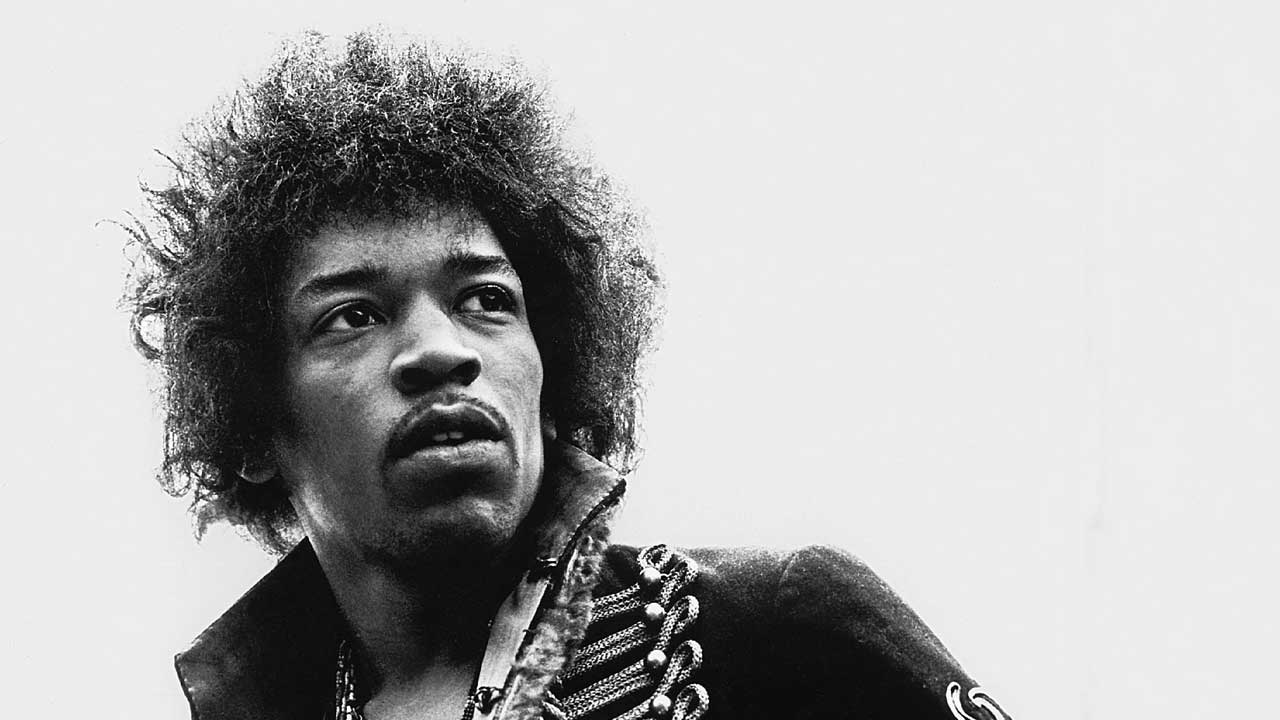
- Pervasive Room Resonance: Rather than isolating the instruments behind baffles, engineer Eddie Kramer utilized an expansive multi-microphone arrangement throughout the live tracking room. The acoustic spill of Hendrix’s amplified Stratocaster bled into the drum and vocal microphones, creating a massive, three-dimensional acoustic presence.
- Dynamic Stereo Panning: During post-production mixing, Kramer actively panned Hendrix’s guitar leads and rhythmic flourishes across the left and right stereo channels. This motion, combined with Hendrix’s natural switching between rhythm fills and rapid lead runs, produced a mesmerizing, swirling psychoacoustic effect.
- Rhythmic Anchoring: Mitch Mitchell’s jazz-influenced, highly syncopated drumming and Noel Redding’s steady root-note basswork provided an essential rhythmic bedrock. This stability allowed Hendrix total freedom to alter dynamics on the fly—dropping from thunderous full-band riffs to quiet, feather-light wah-wah rhythmic scratches.
The Cross-Genre Odyssey: Covers, Homages, and Hip-Hop Sampling
The cultural footprint of "Voodoo Child (Slight Return)" extends far beyond classic rock circles. The song has become a quintessential test of skill for guitarists across various genres, while its hypnotic riffs have provided fertile ground for modern hip-hop producers.
Notable Guitar Cover Versions
- Stevie Ray Vaughan and Double Trouble: Vaughan made the track a centerpiece of his live shows and recorded a celebrated studio cover for his 1984 album Couldn’t Stand the Weather. During a notoriously chaotic set at the Reading Festival in 1982, Vaughan unleashed an aggressive, virtuoso performance of the song to quiet a hostile, bottle-throwing crowd.
- Hard Rock & Heavy Metal: Guitarists including Yngwie Malmsteen, Mick Mars (Mötley Crüe), Tom Morello (Rage Against the Machine / Audioslave), Neal Schon (Journey), and Zakk Wylde (with Pride & Glory) have regularly incorporated the track’s riffs or full covers into their repertoires.
- Alternative & Eclectic Interpretations: Jam and alternative rock giants such as Pearl Jam and Extreme have used the song during live sets, while funk/R&B legends Earth, Wind & Fire delivered an improbable, horn-heavy reimagining of the track.
Hip-Hop Sampling Metrics
The iconic opening wah-wah motif and raw drum breaks have been sampled across multiple eras of hip-hop music, illustrating the song’s fundamental groove:
+-----------------------------------------------------------------------------------+
| MAJOR HIP-HOP SAMPLES OF "VOODOO CHILD (SLIGHT RETURN)"                           |
+-----------------------------------------------------------------------------------+
| Artist                     | Track Title                  | Release Year          |
+----------------------------+------------------------------+-----------------------+
| Beastie Boys               | "Jimmy James"                | 1992                  |
| 2 Live Crew                | "Coolin'"                    | 1989                  |
| Ice-T                      | "Gotta Lotta Love"           | 1993                  |
| Schoolly D                 | "Where's It At"              | 1989                  |
| Mos Def                    | "Carolina" (Live/Unreleased) | 2000s                 |
| Del the Funky Homosapien   | "Town To Town"               | 1993                  |
+-----------------------------------------------------------------------------------+
Official Statements & Historical Reflections
The technical execution and artistic philosophy behind "Voodoo Child (Slight Return)" have been widely documented by those who witnessed its creation, as well as by subsequent generations of master musicians.
The Producer’s Perspective
In an interview published in The Recording Engineer’s Handbook, legendary engineer Eddie Kramer reflected on the raw, uninhibited recording process at the Record Plant in May 1968:
"If you listen to ‘Voodoo Child’, you can hear the way the room just resonates. That’s because I had mics everywhere, and the fact that Jimi was singing live too! I wasn’t afraid of recording an artist in the room live as he was cutting. To me, anything that was in the room was fair game to be recorded. Don’t forget that I had an artist who was an absolute genius, so it made life a lot simpler."
The Guitar Virtuoso Consensus
Shedding light on the track’s status among instrument masters, guitar legend Joe Satriani has frequently cited "Voodoo Child (Slight Return)" as a benchmark for creative achievement on the electric guitar:
"It is simply the peak of guitar creativity. Everything about it—the tone, the phrasing, the use of the wah-wah pedal, the complete control over feedback and dynamics—represents a musician expressing his soul without any technical boundaries."
Critics and historians similarly point out that Hendrix did not view his inverted, left-hand-strung Fender Stratocaster as merely an instrument, but rather as an organic physical medium through which he translated raw emotion directly into soundwaves.
Future Outlook & Lasting Legacy
Over five decades after its recording, "Voodoo Child (Slight Return)" remains a vital, living cornerstone of contemporary music culture. Its enduring relevance is preserved through several ongoing avenues:
- Archival Preservation & Remastering: Audio initiatives led by Experience Hendrix LLC (the estate overseen by the Hendrix family) continue to issue high-resolution remasters and live historical releases. Notably, projects like Live In Maui (2020) showcase previously unreleased video and audio footage of Hendrix delivering blistering late-career performances of the track, introducing his craft to new generations of listeners.
- Pedagogy and Technical Influence: The opening riff of "Voodoo Child (Slight Return)" remains a foundational right of passage for students of modern guitar. It is universally cited in music conservatories and guitar instructional literature as the definitive masterclass in combining rhythm, lead, and vocal-style expression into a single performance.
- Hardware & Effect Evolution: The song defined the operational standard for the wah-wah pedal. Gear manufacturers to this day use the frequency response and sweep range of Hendrix’s 1968 Vox pedal on "Voodoo Child" as the ideal metric when designing signature analog equipment and digital modeling algorithms.
Ultimately, "Voodoo Child (Slight Return)" transcends its origins as an impromptu studio session. It stands as an indelible artifact of artistic freedom—a piece of music that captured an extraordinary artist at the absolute peak of his creative power, leaving an imprint on the history of sound that continues to resonate across genres, generations, and cultures.