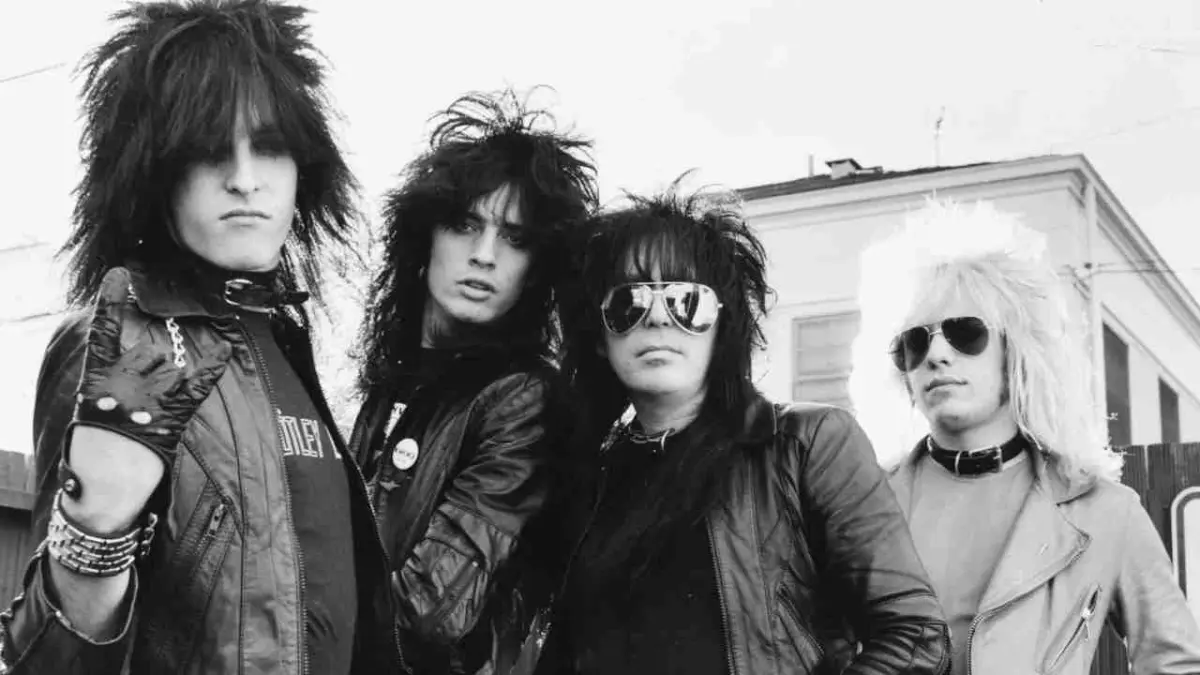
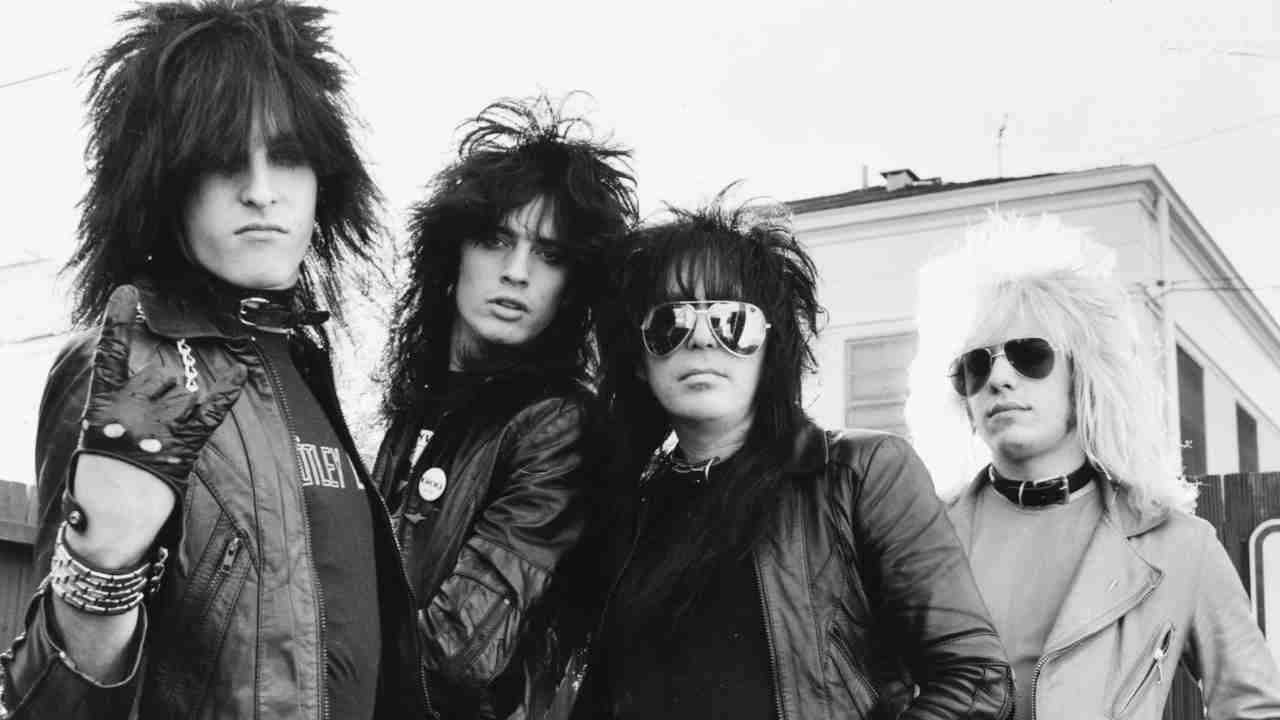
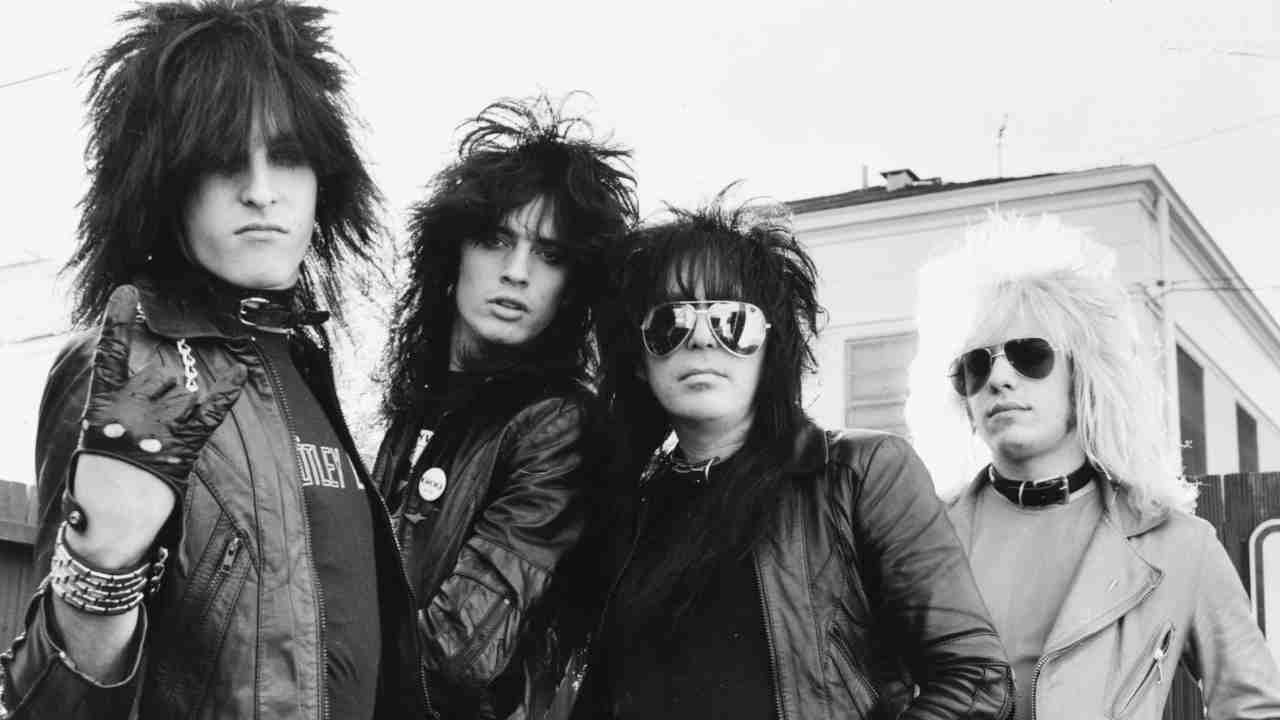
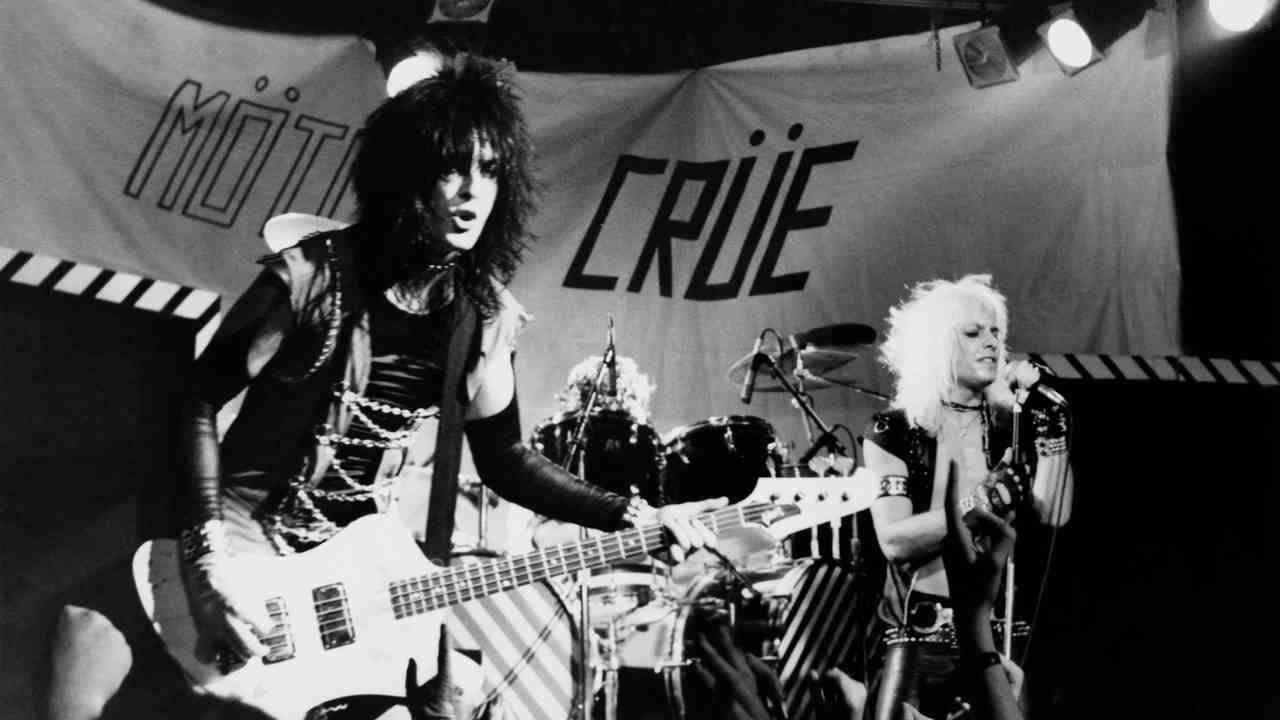
In November 1981, an unheralded four-piece hard rock band from Los Angeles released an independent record that would radically alter the landscape of modern popular music. Recorded for a meager budget of $2,500 and pressed on their own makeshift label, Mötley Crüe’s debut album, Too Fast For Love, served as the opening salvo of the 1980s glam metal explosion.
At a time when the Los Angeles music scene was caught between the waning embers of 1970s arena rock, the decline of punk, and the rise of new wave, Mötley Crüe—comprising vocalist Vince Neil, bassist Nikki Sixx, drummer Tommy Lee, and guitarist Mick Mars—forged a volatile hybrid of theatricality, street-level punk aggression, and heavy metal thunder.
The story of Too Fast For Love is not merely one of musical innovation; it is a masterclass in guerrilla marketing, rock ‘n’ roll desperation, and raw ambition. Operating out of a squalid, shared apartment off the Sunset Strip, the band leveraged unorthodox tactics, desperate barters, and sheer force of will to transition from impoverished castaways paying themselves $20 a week to global icons signed to Elektra Records.
This comprehensive analysis examines the chaotic birth of Too Fast For Love, detailing its production history, financial metrics, sonic legacy, and enduring impact on hard rock history.
Detailed Chronology
[Late 1980 – Early 1981] --------------------------------------------------
  • Mötley Crüe forms on the Sunset Strip.
  • Lineup finalized: Nikki Sixx, Tommy Lee, Mick Mars, Vince Neil.
  • Band takes up residence in a squalid L.A. apartment (the "Mötley House").

[May 1981] -----------------------------------------------------------------
  • Debut 7-inch single "Stick To Your Guns" / "Toast Of The Town" pressed.
  • 100 copies distributed for free at local club dates.

[Late Spring / Summer 1981] -----------------------------------------------
  • Band hires Allan Coffman (ex-construction worker) as manager.
  • Secure studio time at Hit City West via unconventional bartering.
  • Principal tracking completed in just three days for $2,500.

[November 10, 1981] -------------------------------------------------------
  • 'Too Fast For Love' officially released on Leathür Records.
  • Initial pressing limited to 20,000 copies; sold via local L.A. record stores.

[Early 1982] --------------------------------------------------------------
  • Elektra Records A&R executive Tom Zutaut signs the band.
  • Legendary producer Roy Thomas Baker brought in to remix the tracks.

[August 20, 1982] ---------------------------------------------------------
  • Major-label reissue of 'Too Fast For Love' hits global markets via Elektra.
Phase I: The Crucible of the Sunset Strip (1980–1981)
Mötley Crüe emerged from the wreckage of several failed late-1970s L.A. outfits. Bassist and primary songwriter Nikki Sixx (formerly of London) teamed up with teenage drummer Tommy Lee, eventually recruiting veteran guitarist Mick Mars. Mars introduced the moniker "Mötley Crüe"—a variation on a description once applied to his former band as a "motley-looking crew." The lineup was completed when they persuaded Vince Neil, then singing for local cover band Rock Candy, to assume lead vocal duties.
Living together in a filthy apartment on Clark Street, steps away from the Whisky a Go Go, the band cultivated an infamous reputation long before securing a record deal. Their home was a notorious hub of excess, devoid of basic amenities. Lacking both financial backing and industry interest, hard rock was widely considered commercial suicide in an era dominated by pop and synth-driven new wave.
Phase II: The DIY Blueprint & "Stick To Your Guns" (May 1981)
Realizing that traditional record labels were unwilling to take a chance on their aggressive, sleaze-laden aesthetic, Mötley Crüe adopted an independent, punk-inspired strategy. In May 1981, they recorded their first single, "Stick To Your Guns" backed with "Toast Of The Town."
Pressed in a limited run of roughly 1,000 copies—the first 100 of which were handed out for free to attendees at their early concerts—the single functioned as a calling card. It demonstrated that there was a hungry, untapped audience for aggressive, visual hard rock in Southern California.
Phase III: The $2,500 Recording Sessions (Summer 1981)
To manage their affairs, the band recruited Allan Coffman, a former construction worker and the brother-in-law of a friend of Mick Mars. With virtually no music industry expertise, Coffman and his wife set up Coffman & Coffman Productions. They paid the band members a paltry allowance of $20 per week.
With funds severely limited, the band turned to Hit City West, a local recording facility. Lacking the capital to buy standard studio rates, the band relied on drummer Tommy Lee, the only unattached member of the group, to charm the studio’s female manager in exchange for free tracking time.
Self-produced by the band and engineered by Avis Howard, the primary tracking for Too Fast For Love was completed in a whirlwind three-day period. The tracks were later taken to Cherokee Studios in Hollywood for mixing, bringing the total production cost to approximately $2,500—an astonishingly low figure even by early 1980s indie standards.
Phase IV: The Leathür Records Run & Major-Label Elevation (1981–1982)
On November 10, 1981, the album was released on the band’s own imprint, Leathür Records (co-founded with manager Coffman). Featuring a provocative cover paying homage to the cover art of The Rolling Stones’ Sticky Fingers, the initial 20,000-copy vinyl pressing sold rapidly through local distribution channels and independent record shops across Los Angeles.
The groundswell of underground noise attracted the attention of Elektra Records A&R scout Tom Zutaut. Upon signing the band to a major deal in 1982, Elektra immediately commissioned high-profile producer Roy Thomas Baker (renowned for his landmark work with Queen and The Cars) to remix the record and re-sequence the track listing for a commercial re-release.
Supporting Context & Metrics
Production & Business Breakdown
Metric / Parameter
Independent Release (Leathür)
Major Label Reissue (Elektra)
Release Date
November 10, 1981
August 20, 1982
Production Budget
$2,500
Estimated $15,000–$20,000 (Remix/Re-sequence)
Tracking Duration
3 Days
N/A (Remixed at Studio 55)
Primary Producer
Self-produced (Mötley Crüe)
Roy Thomas Baker
Initial Pressing / Sales
20,000 units (Vinyl)
Platinum (1,000,000+ US copies sold over time)
Key Missing Track(s)
Includes "Stick To Your Guns"
Excludes "Stick To Your Guns" (Original Pressing)
    [ 1981 Independent Album Budget Breakdown ($2,500 Total) ]
    ├── Tracking Time at Hit City West : $0  (Bartered/Secured via Studio Management)
    ├── Studio Mix at Cherokee Studios  : ~$1,500
    └── Initial Mastering & Pressing   : ~$1,000
Sonic Evolution: The Producer Dynamic
Before landing Roy Thomas Baker, Mötley Crüe actively pursued established rock producers to helm their debut. They initially approached Andy Scott, guitarist for British glam-rock pioneers The Sweet, whose classic 1975 album Desolation Boulevard served as a core blueprint for Mötley’s sound. Scott declined the offer.
The group then attempted to recruit Herman Rarebell, drummer for German hard rock titans Scorpions, offering him both production duties and a financial stake in the band’s management. Rarebell passed on the opportunity, a decision Neil still humorously reminds him of to this day.
                         [PRODUCER SEARCH - 1981]
                                    │
         ┌──────────────────────────┼──────────────────────────┐
         ▼                          ▼                          ▼
    Andy Scott                 Herman Rarebell         Roy Thomas Baker
  (The Sweet Guitarist)     (Scorpions Drummer)        (Queen Producer)
         │                          │                          │
  [DECLINED OFFER]           [DECLINED OFFER]          [HIRED BY ELEKTRA]
         │                          │                          │
         └──────────────────────────┴──────────────────────────┘
                                    │
                                    ▼
                      [1982 Major Label Remix Created]
When Roy Thomas Baker eventually remixed the album for Elektra in 1982, he introduced vocal echoes, polished guitar tones, and trimmed sound cues to make the record palatable for American rock radio.
However, purists—and the band members themselves—have long debated the merits of the original mix versus the Elektra version:
The Leathür Records Mix (1981): Features a raw, aggressive soundstage characterized by sharp guitar tones, unvarnished drum tracks, and an unpolished punk energy. Tracks like "Live Wire" and "Take Me to the Top" cut through with primitive, garage-band urgency.
The Elektra Records Mix (1982): Polished for arena playback, adding reverb, re-equalized bass frequencies, and dropping the original track "Stick To Your Guns" from the sequence (though it was later restored on CD remasters).
Retrospective Statements & Vocalist Perspectives
Looking back on the turbulent era surrounding their debut, lead vocalist Vince Neil has frequently reflected on the sheer velocity and unpolished desperation that birthed the record.
"Too Fast For Love was a demo tape, man," Neil recalled. "A lot of people say Roy [Thomas Baker] screwed up the album, and I agree. I prefer the rawness of the version that we did ourselves."
Neil points out that while the band was relentlessly ambitious, they were also self-aware regarding their early songwriting limitations:
"You’ve gotta remember that in the 1980s, music was still recovering from the punk rock movement," Neil explained. "We were one of the first bands to take punk and mix it with glam and metal. We started a whole new trend."
Reflecting on the album’s material decades later, Neil acknowledged both the innocence and the enduring quality of their early compositions:
"You have your whole life to write your first album, and then a year before the sophomore curse kicks in," Neil reasoned. "To me, Too Fast For Love has some great material. We still do most of those songs on stage. Some are pretty juvenile—’Come On And Dance’ makes me want to cringe a little—but we were a young band back then, and for the time that it came out, we were so far ahead of the game."
The original press release issued alongside the 1981 Leathür Records release famously described the band’s style as "A return to the hard-driving sound of The Beatles re-energised for the 80s." While that Beatles comparison raised eyebrows among rock critics, it highlighted the band’s sharp focus on verse-chorus pop sensibilities hidden beneath layers of distorted guitars and outrageous leather attire.
Future Outlook & Historical Legacy
The Blueprint for Glam Metal
Too Fast For Love served as the ground zero for an entire decade of popular culture. Prior to its release, hard rock in North America was largely confined to Midwestern arenas and European imports. Mötley Crüe proved that a local, self-financed band could leverage theatrical visuals, aggressive imagery, and DIY recording techniques to command major label interest.
Within two years of the album’s re-release, the Sunset Strip became the epicenter of the global music industry. Bands such as Quiet Riot, Ratt, Dokken, W.A.S.P., Poison, and eventually Guns N’ Roses walked through the doors that Mötley Crüe kicked open in late 1981.
       [ Too Fast For Love (1981) ] ──► Sparked L.A. Glam/Sleaze Metal Boom
                    │
                    ├──► Direct Influence on: Ratt, Quiet Riot, W.A.S.P.
                    ├──► Paved the way for: Poison, Guns N' Roses, Skid Row
                    └──► Evolved into Mötley Crüe's Multi-Platinum Era:
                         • Shout at the Devil (1983)
                         • Theatre of Pain (1985)
                         • Dr. Feelgood (1989)
Critical Reappraisal and Enduring Relevance
While the band’s 1989 multi-platinum masterpiece Dr. Feelgood represented their commercial zenith, Too Fast For Love remains the definitive artistic statement for hard-rock purists. Its tracks—most notably the speed-metal anthem "Live Wire," the brooding "Piece of Your Action," and the anthem-like title track—remain staples of Mötley Crüe’s stadium setlists over four decades later.
The album stands as a testament to what can be achieved when raw artistic vision meets uncompromising ambition. Produced for a modest $2,500 in a three-day session, Too Fast For Love didn’t just launch Mötley Crüe into the Rock and Roll Hall of Fame conversation—it permanently redefined the sound, look, and attitude of 1980s rock music.