Executive Overview
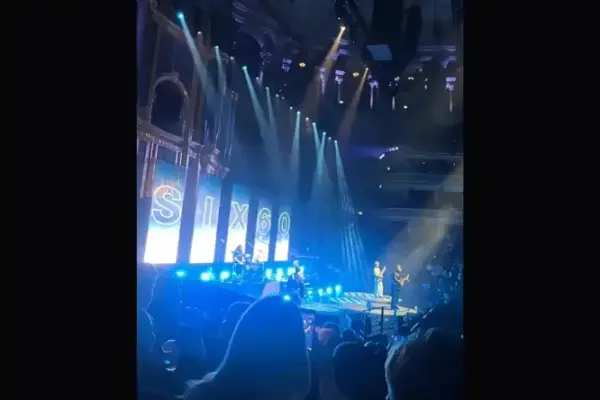
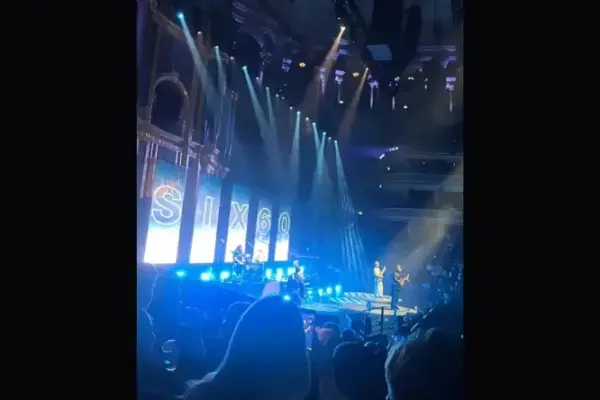
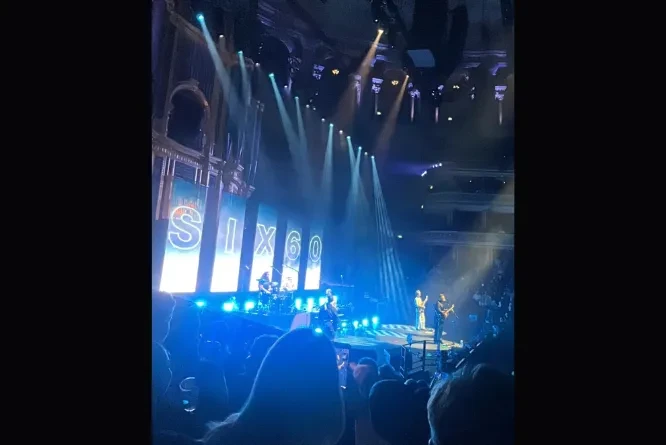
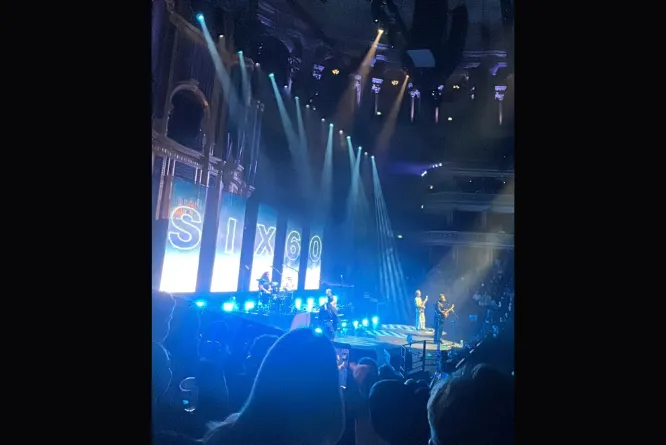
Nearly 12,000 miles away from their modest beginnings in the student flats of Dunedin, New Zealand, multi-platinum heavyweights SIX60 transformed the hallowed, historic expanse of London’s Royal Albert Hall into an intimate, high-energy local gig. On Wednesday, October 7, 2026, the group delivered a career-defining performance as part of their ongoing Don’t Forget Your Roots tour, cementing their status as cultural ambassadors on the global stage.
Playing to a capacity crowd packed to the rafters with displaced New Zealanders—including prominent sporting figures such as Black Ferns icon Ruby Tui—the group delivered more than just a concert. They provided a masterclass in cultural preservation, communal healing, and genre-bending musicality.
In doing so, SIX60 etched their names permanently into the storied architectural history of the London venue, becoming only the third New Zealand band ever to headline the prestigious hall, following in the illustrious footsteps of Crowded House and The Finn Brothers. Blending the warmth of Pacific heritage with stadium-sized production, the concert served as a definitive milestone in the band’s international trajectory as they look ahead to remaining dates across Europe, Asia, and the Americas.
Detailed Chronology: Anatomy of a Historic Evening
Setting the Scene: Anticipation in South Kensington
The autumn air outside London’s Royal Albert Hall was thick with anticipation hours before doors opened. Queues snaked around the Grade I listed building, dominated by silver-fern flags, traditional Māori garments, and an unmistakable hum of transatlantic camaraderie. For the thousands of expatriates gathered in South Kensington, this was not merely a Wednesday night out; it was a pilgrimage home.
Inside the auditorium, the atmosphere shifted from reverent architectural awe to electric expectancy as the house lights dimmed. Long before the band emerged from the wings, the sonic landscape was established. Bob Marley’s timeless anthem Could You Be Loved rang out across the amphitheater, bridging the gap between global reggae royalty and the roots-reggae inspirations of the headliners. As the final notes of Marley faded, a lone organ player took center stage, building a dramatic, atmospheric tension that culminated in the individual band members stepping out into the blinding warmth of the spotlight to an eruption of noise.
The Opening salvo and Narrative Flow
The evening’s proceedings were set into motion with the appropriately titled We Made It. From the opening chords, the lyrical hook "All of my people here with me" functioned less as a song lyric and more as an objective statement of fact. The capacity crowd roared back every word, creating a symbiotic energy loop between stage and stalls that persisted for the duration of the set.
Frontman Matiu Walters navigated the evening with the easy charm of a seasoned storyteller. Between numbers, Walters spun yarns detailing the humble origins of SIX60 in Dunedin, reflecting on the arduous road from basement jams to international stages. Rather than rushing through a rigid setlist, the band allowed the concert to breathe, weaving personal anecdotes into the fabric of the live performance.
Bassist Chris Mac anchored the rhythm section with a buoyant energy—often spotted with a glass in hand to match the celebratory mood of the audience—while the intricate guitar work navigated seamlessly between the syncopated rhythms of ska, the off-beat chops of reggae, and the deep, rich grooves of soul and funk.
The Cultural Pinnacle: Don’t Forget Your Roots
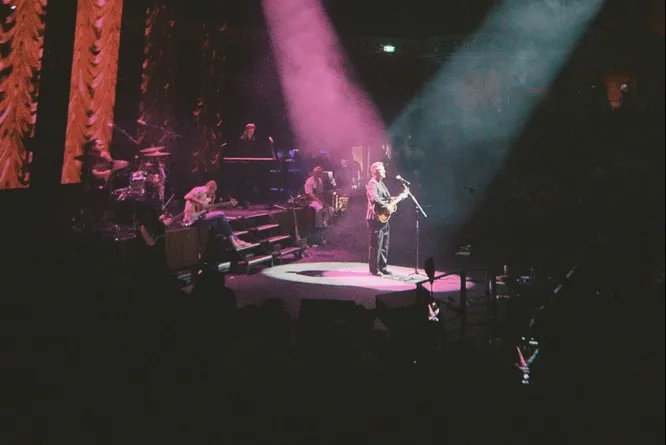
The emotional epicenter of the evening arrived when the band launched into their signature anthem, Don’t Forget Your Roots. The performance transcended standard concert arrangements through a powerful, unexpected collaboration. Members of the Ngāi Tānui London Māori Club joined SIX60 on stage, filling the historic English hall with the undeniable power of indigenous performance, storytelling, and dance.
The collaboration served as a poignant manifestation of the tour’s namesake. It was a visceral reminder to every expatriate in the room of the importance of culture, family, and heritage—a message that anchors identity regardless of geographic coordinates. Tears flowed freely throughout the stalls and boxes, transforming a grand London auditorium into a sacred space of collective belonging.
Following this spiritual peak, the set shifted dynamics deftly. Tracks like Someone To Be Around showcased the band’s signature up-down reggae strumming patterns, while Right Here Right Now deliberately dialed back the tempo. This temporary reprieve allowed the emotionally charged audience to catch their breath and absorb the reality that a genuine piece of home was soundtracking their midweek evening in the British capital.
The Grand Finale
As the night hurtled toward its curfew, SIX60 unleashed a final trifecta of fan favorites. Up There, Ghosts, and White Lines brought the arena to a fever pitch. The final notes reverberated through the iconic dome, leaving no doubt that SIX60 had delivered a masterclass in live performance. They didn’t just play the Royal Albert Hall; they conquered it, securing their place alongside New Zealand musical royalty in the venue’s permanent archives.
Supporting Context & Metrics
The Royal Albert Hall: A Rare Kiwi Footprint
To understand the magnitude of SIX60’s achievement, one must examine the historical exclusivity of the Royal Albert Hall. Opened in 1871 by Queen Victoria, the South Kensington venue has hosted virtually every major icon in the history of modern music, from Led Zeppelin and Jimi Hendrix to Adele and Beyoncé.
However, for artists hailing from Aotearoa New Zealand, the stage has remained remarkably elusive. SIX60’s milestone appearance marks only the third time in the venue’s 155-year history that a New Zealand band has headlined the space, following legendary outings by Crowded House and The Finn Brothers.
Genre Fluidity and Musical Architecture
SIX60’s critical and commercial longevity stems from their refusal to be confined by a single genre. Formed in Dunedin in 2008, the band—comprising Matiu Walters, Chris Mac, Ji Fraser, Marlon Gerbes, and Eli Paewai—built their reputation by fusing disparate sonic elements.
| Musical Element | Influence & Application in SIX60’s Catalog |
|---|---|
| Reggae | Utilized via characteristic off-beat guitar skanks and rolling basslines (evident in Someone To Be Around). |
| Soul & R&B | Anchored by Matiu Walters’ emotive, velvet vocal delivery and introspective lyricism. |
| Funk & Rock | Driven by robust rhythm sections, infectious percussion, and stadium-ready guitar solos. |
| Indo-Pacific Roots | Integrated through traditional Māori performance arts and cultural collaborations live on stage. |
This eclectic foundation has allowed them to break records at home—including selling out Eden Park stadium in Auckland—and gradually build an intensely loyal international following without losing their distinct cultural identity.
Official Statements & Cultural Impact
The cultural resonance of the evening extended far beyond music critics and casual concert-goers. The presence of high-profile New Zealand figures in the crowd, such as Black Ferns rugby star Ruby Tui, underscored the night’s significance as a gathering of national pride.
Reflecting on the tour and the philosophy driving their international expansion, frontman Matiu Walters frequently emphasizes the necessity of carrying one’s roots outward rather than leaving them behind:
"When you travel 12,000 miles away, you realize how small the world is, but also how heavy home weighs on your heart. We don’t just play these songs for ourselves; we play them to anchor everyone in the room who misses the smell of the salt air and the sound of home."
Cultural analysts noted that collaborations like the one with the Ngāi Tānui London Māori Club represent a vital shift in how indigenous Pacific music is received on elite global stages. Rather than tokenistic inclusions, these moments form the beating heart of the performance, proving that contemporary pop-rock and traditional cultural practices can co-exist at the highest levels of global entertainment.
Future Outlook: A Global Footprint in 2026
With the London chapter of the Don’t Forget Your Roots tour successfully etched into music history, SIX60 shows no signs of slowing down. The band’s itinerary for the remainder of 2026 spans multiple continents, carrying the momentum from South Kensington directly into forthcoming dates across Europe, Asia, and North America.
Upcoming Tour Milestones:
- Hawaii, USA: The band is slated to bring their high-energy blend of roots-reggae and soul to island audiences in the coming weeks, where the cultural messaging embedded in their music is expected to resonate profoundly.
- Asian & European Dates: Further international festival and headline slots will occupy the band through the winter months.
- New Music Teasers: Throughout the London set, Walters dropped subtle hints regarding newly penned material developed during recent studio sessions, suggesting that a follow-up to their multi-platinum catalog may not be far away.
For fans in the United Kingdom and across the globe, the lingering question is simple: how long until the boys from Dunedin return? Until that announcement is made, tickets for remaining international dates on the Don’t Forget Your Roots tour remain available via official ticketing platforms, ensuring that audiences worldwide have the opportunity to witness a band at the absolute zenith of their powers.