Executive Overview
For decades, the romantic comedy—affectionately dubbed the "rom-com"—has occupied a unique space in popular culture. It is a genre that promises an emotional sanctuary, a cinematic space where human connection triumphs over awkward misunderstandings, societal pressures, and personal neuroses. Yet, despite its ubiquity on streaming platforms and in literary circles, the exact boundaries of what constitutes a true rom-com remain surprisingly elusive.
When does a drama featuring a budding romance cross the threshold into a romantic comedy? Does a movie packed with rapid-fire jokes and a courtship plot automatically earn the designation, or must the humor and love story be structurally inseparable? These questions have sparked vigorous debates among cinephiles, screenwriters, and online communities like Reddit’s r/romancemovies.
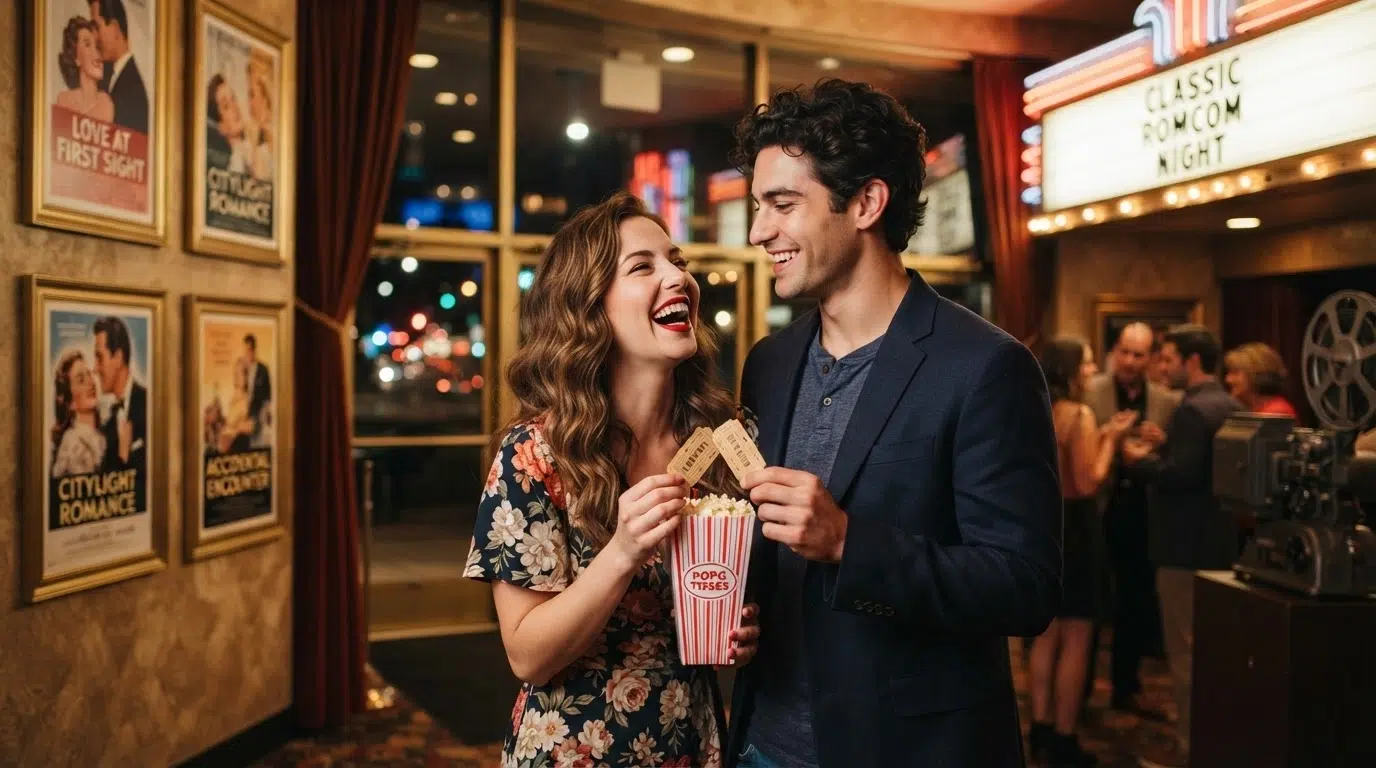
At its core, a romantic comedy is defined by a delicate equilibrium: a developing romantic relationship and comedy must both serve as the driving forces of the narrative. However, as the film industry evolves, crossing boundaries with workplace dramas, dark comedies, and coming-of-age stories, the genre’s traditional formulas are constantly tested. This comprehensive analysis explores the mechanics, tropes, gray areas, and cultural staying power of the rom-com, providing a definitive framework to understand why some love stories endure while others fade away.
Detailed Chronology: The Evolution of the Rom-Com Genre
To understand how we define the modern rom-com, it is necessary to examine how the genre developed from classical theatrical traditions into today’s cross-genre streaming landscape.

- The Classical Roots (Early 20th Century): Long before the invention of the multiplex, the DNA of the romantic comedy was forged in the fires of Shakespearean romantic farce and Restoration comedies. Plays relied heavily on mistaken identities, witty banter, and societal barriers keeping lovers apart.
- The Golden Age of Screwball (1930s–1940s): The Great Depression birthed the "screwball comedy," a subgenre characterized by fast-paced dialogue, gender-role reversals, and fierce antagonism between leads. Films like It Happened One Night (1934) and Bringing Up Baby (1938) established the "enemies-to-lovers" template, proving that high tension and sharp humor could successfully anchor a love story.
- The Mid-Century Lull and Melodrama Shift (1950s–1960s): While romantic melodramas flourished, the overt comedy elements shifted. However, films featuring Rock Hudson and Doris Day, such as Pillow Talk (1959), kept the sophisticated battle-of-the-sexes dynamic alive, relying on elaborate misunderstandings and forced proximity.
- The Modern Renaissance (1980s–1990s): The genre experienced a massive revitalization with the advent of Nora Ephron and Richard Curtis scripts. Classics like When Harry Met Sally… (1989), Sleepless in Seattle (1993), and Notting Hill (1999) codified the modern cinematic rom-com. These films paired accessible, relatable leads with signature "meet-cutes" and high-stakes emotional payoffs.
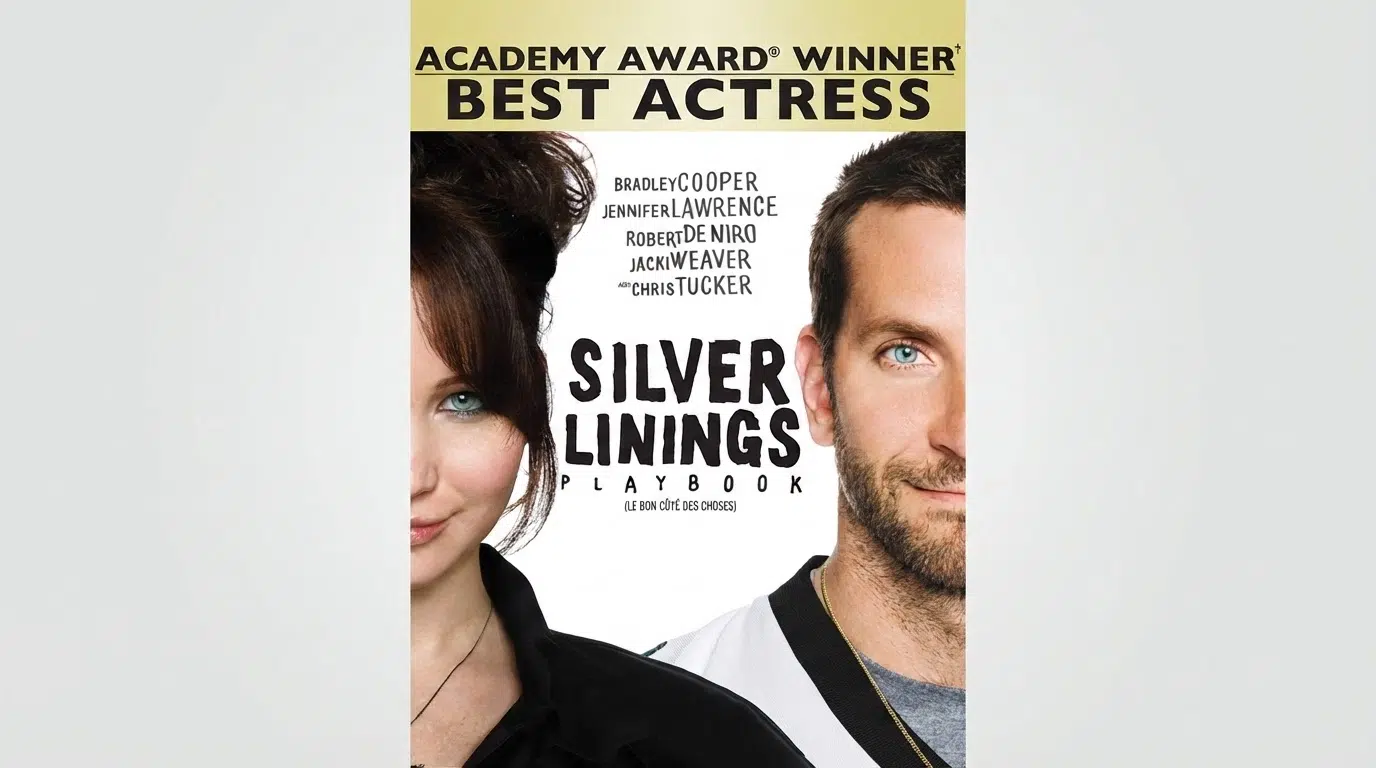
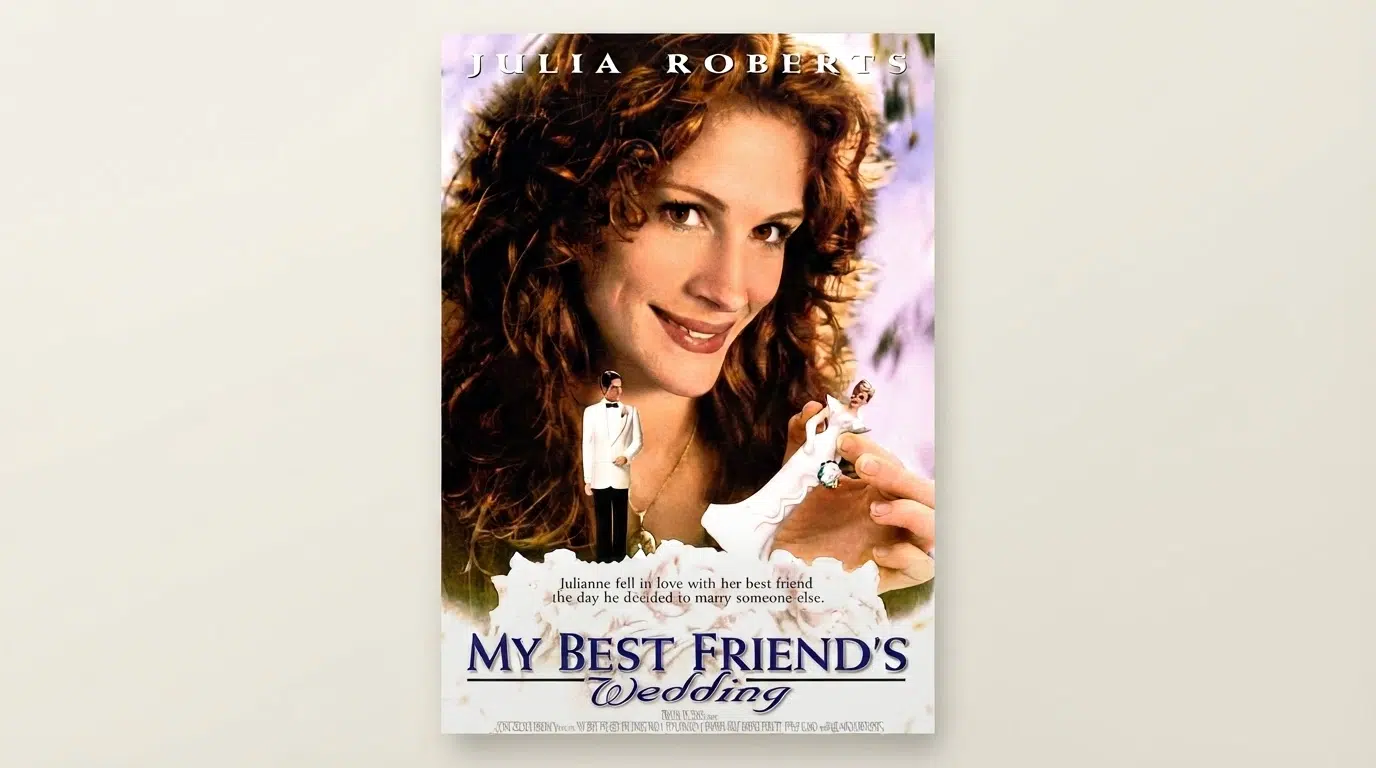
- The Deconstruction and Hybrid Era (2000s–Present): As audiences grew weary of predictable formulas, filmmakers began subverting expectations. Movies like My Best Friend’s Wedding (1997) rejected the tidy happy ending, while others—such as Silver Linings Playbook (2012)—infused the genre with heavy psychological drama, proving that the rom-com label is remarkably flexible.
Supporting Context & Metrics: Defining the Mechanics of Love and Laughter
What actually separates a rom-com from a standard comedy or a sweeping romance drama? According to industry consensus, literary definitions (via Merriam-Webster and the Cambridge Dictionary), and audience parsing, the distinction lies in structural weight.
The Four Pillars of a True Rom-Com
- Romance Drives the Plot: The central relationship must dictate character motivations and narrative turning points. If the romantic storyline were excised and the plot remained fundamentally intact, the film belongs to another genre (such as a career drama or an action-adventure).
- Comedy Develops Chemistry: Humor cannot exist merely as isolated gags delivered by side characters. Effective rom-com humor stems directly from the relationship—originating in awkward dates, personality clashes, misunderstandings, and escalating tension between the leads.
- Conflict Fueling the Narrative: Without obstacles, a story ends prematurely. Rom-coms rely on internal and external hurdles—ranging from social divide and professional rivalries to personal insecurities and bad timing—to generate both dramatic stakes and comedic relief.
- The Emotional Payoff: Traditionally culminating in a grand gesture or a heartfelt confession, the resolution of the central relationship carries the bulk of the film’s emotional weight, even in stories with unconventional or bittersweet endings.
Genre Comparison Matrix
| Feature | Rom-Com | Romance | Comedy With Romance |
|---|---|---|---|
| Main Focus | Love and humor | Romantic relationship | Comedy or another storyline |
| Romance Role | Central | Central | Usually secondary |
| Comedy Role | Essential | Optional | Usually central |
| Main Conflict | Tied directly to the couple | Primarily emotional/romantic | May have little to do with romance |
| Romantic Payoff | Crucial | Crucial | Not always necessary |
Official Industry and Fan Perspectives
Because cinema resists rigid categorization, film critics, screenwriters, and audiences frequently debate the boundaries of the genre.
The Gray Areas: When Labels Blur
Industry analysts often point to cross-genre films to highlight the fluidity of the rom-com label:
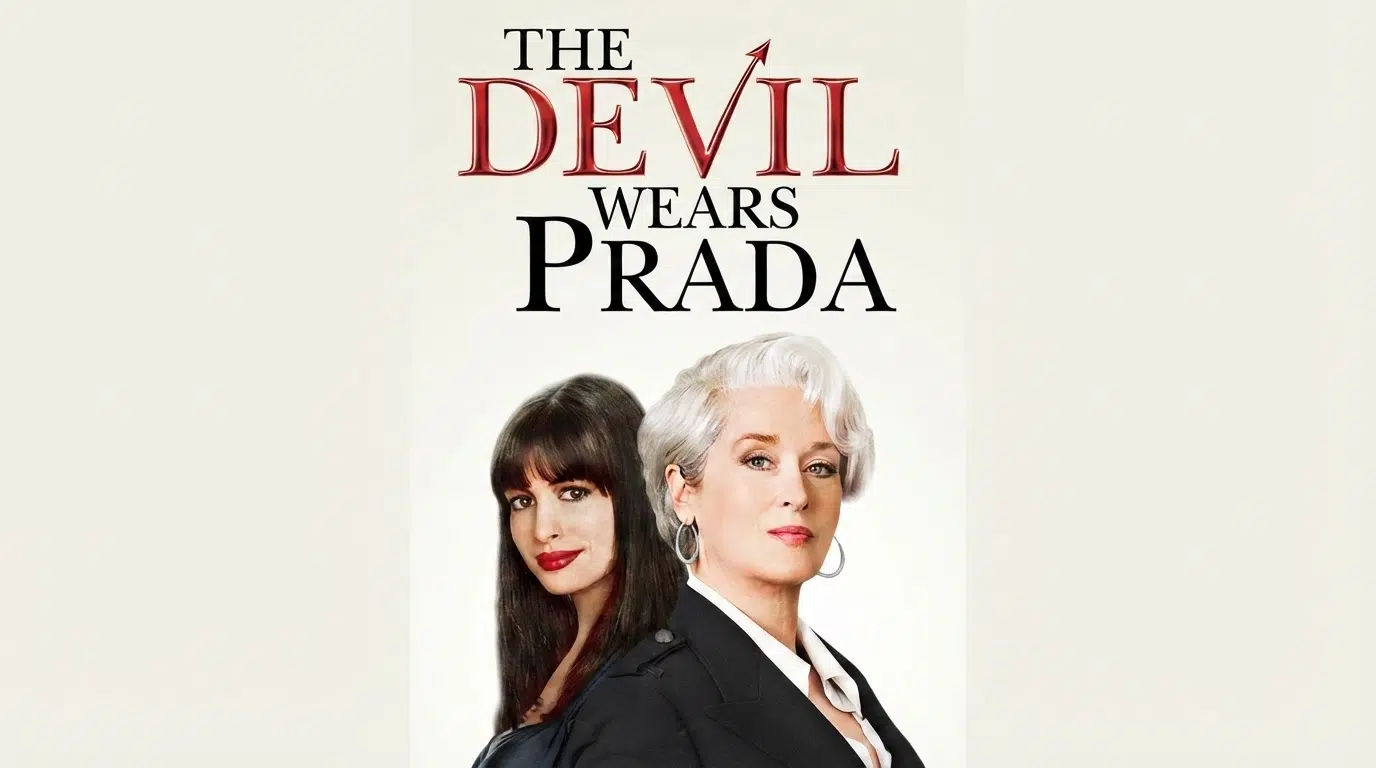
- The Devil Wears Prada (2006): While Andy’s personal relationships suffer under the weight of a demanding career, the narrative is fundamentally about self-actualization and professional identity. Romance is a supporting thread, not the core engine.
- There’s Something About Mary (1998): This film leans heavily into outrageous, boundary-pushing comedy. Yet, because Ted’s dogged pursuit of Mary dictates the entire progression of the narrative, it retains its structural anchor as a romantic comedy.
- Silver Linings Playbook (2012): Bridging the gap between comedy and intense psychological drama, this film demonstrates how heavy thematic material can coexist with a central romantic arc, often pushing the film into "romantic dramedy" territory.
Fan Discourse and the "Vibe" Test
Online forums, particularly communities like Reddit’s r/romancemovies, reveal that general audiences often rely on subjective "vibes" rather than rigid structural tests. Heated debates frequently erupt over films like Legally Blonde, Miss Congeniality, and Confessions of a Shopaholic. While these movies feature prominent romantic subplots, their primary narrative arcs deal with personal growth, career triumph, and overcoming societal prejudice.

This divergence between structural analysis and audience perception proves that tone alone is a misleading metric. A movie can feel romantic and funny while remaining fundamentally rooted in another genre.
Tropes vs. Genre Rules
A common misconception among viewers is that a film must hit specific narrative checkpoints to qualify as a rom-com. In reality, tropes are merely narrative tools—convenient shorthand for writers—rather than strict requirements.
| Trope | Common Myth | What It Actually Means |
|---|---|---|
| Meet-Cute | Every rom-com requires an adorable first encounter. | A popular way to introduce leads, but entirely optional. |
| Enemies to Lovers | It is the defining hallmark of the genre. | One of many methods to manufacture high-tension chemistry. |
| Fake Dating | Modern rom-coms cannot exist without it. | A specific setup generating built-in comic and emotional complications. |
| Grand Gesture | Every movie must end with a public declaration of love. | A staple of traditional studio rom-coms, but frequently subverted today. |
A story can completely omit meet-cutes, fake dating, and love triangles and still qualify as a romantic comedy as long as love and humor remain the foundational drivers of the plot.
Future Outlook: The Resurgence and Evolution of the Rom-Com
As we look toward the future of filmmaking and media consumption, the romantic comedy is undergoing a major renaissance. Streaming platforms have democratized content creation, allowing for mid-budget rom-coms to find targeted, highly engaged global audiences that traditional theatrical studios largely abandoned in the 2010s.
Emerging Trends in the Genre
- Intersectionality and Diverse Representation: The modern rom-com is increasingly reflective of diverse cultural backgrounds, LGBTQ+ narratives, and varied socioeconomic perspectives, breathing new life into tired formulas.
- Deconstruction and Meta-Narratives: Modern audiences are media-literate. Future rom-coms are leaning into self-aware humor, actively acknowledging the absurdity of traditional tropes while still delivering genuine emotional resonance.
- The Hybrid Experiment: Expect further blurring of lines between horror-comms, sci-fi romances, and high-stakes workplace satires, proving that the human desire to see love mixed with laughter is an evergreen cinematic instinct.
Ultimately, whether you are analyzing a classical Hollywood screwball masterpiece or a modern streaming phenomenon, the test of a true rom-com remains simple: look at what drives the plot, fuels the conflict, and delivers the emotional resolution. When love and laughter are inextricably bound together, you have found the heart of the romantic comedy.