Executive Overview
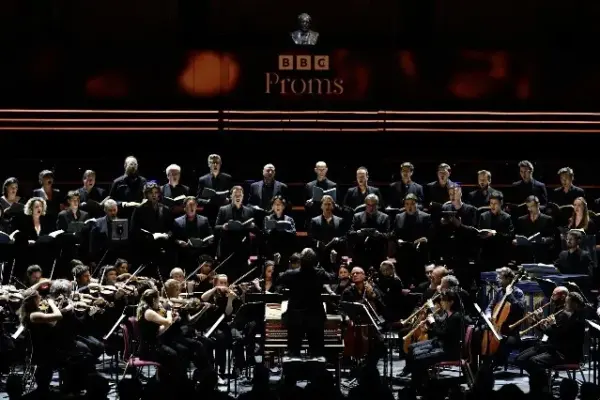
For over a millennium, the cultural architecture of England has rested upon a foundational premise: that it is a "green and pleasant land." From William Blake’s 1804 visionary poem Jerusalem—later immortalized as an unofficial national anthem sung with fervent nostalgia at the Last Night of the Proms—to the sports stadiums where rugby and cricket players wear the emblem of the rose, the national identity has been inextricably bound to a verdant, temperate landscape.
However, this pastoral self-image is colliding with an unforgiving geological reality. Scorching summers have turned manicured fields and ancient meadows into parched expanses of amber and dust; erratic weather patterns have disrupted ecosystems; and iconic wildlife species, such as the cuckoo, slip closer to extinction.
As global heating alters the very physical fabric of the British Isles, a profound existential question emerges: What happens to a nation when its foundational myth goes up in flames? This feature explores how over 1,300 years of literary tradition constructed England’s green identity, examines the stark scientific disruptions threatening that legacy, and asks whether our cultural stories can evolve quickly enough to meet the environmental precipice of the 21st century.
Detailed Chronology: 1,300 Years of Pastoral Mythmaking
The association between England’s character and its natural landscape is not a modern political invention. It is the product of a 1,300-year lineage of poetry and prose that has continuously mapped national identity onto the topography of the island.
The Eighth Century: The Venerable Bede and the Island Eden
The tradition begins at least as early as the eighth century with the English monk and scholar, the Venerable Bede. In his historical writings, Bede described Britain not merely as a territory, but as an "island of the ocean" blessed by nature—abundant with trees, fertile crops, rich pastures, and filigreed with life-sustaining rivers and springs. This early depiction planted the ideological seed that England was a naturally favored, bountiful sanctuary.
The Medieval Awakening: Sumer Is Icumen In and Chaucer
By the 13th century, the sensory experience of seasonal renewal became a cornerstone of vernacular verse. The famous round-song Sumer Is Icumen In captured the collective joy of spring returning to the meadows:
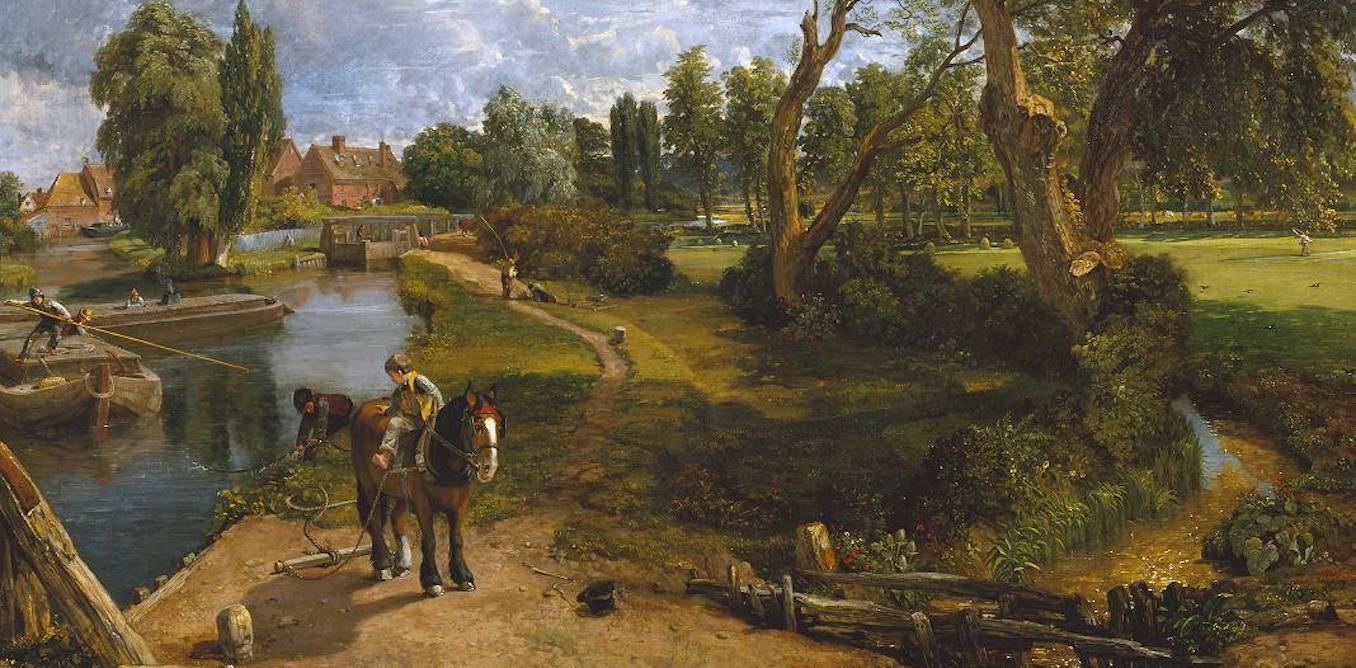
The seed grows / and the meadow blossoms / and the wood springs (into leaf) now
Echoed by the characteristic, two-tone call of the cuckoo, these early texts reveal a shared societal rhythm tied directly to the predictable greening of the landscape. This motif reached high art in the 14th century. In The Canterbury Tales, Geoffrey Chaucer set his pilgrims on the road to Canterbury against the backdrop of "April, with its sweet showers," framing travel, discovery, and spiritual journey as natural reactions to a flourishing springtime.
Simultaneously, the anonymous author of the 14th-century elegy Pearl placed a grieving father—likely mourning a child lost to the plague—within a flower-carpeted arbour "shaded with plants bright and beautiful." The contrast between human tragedy and an immutable, flourishing nature underscored a deep-seated belief in the enduring resilience of the English summer.
The Renaissance and the Warning of Loss
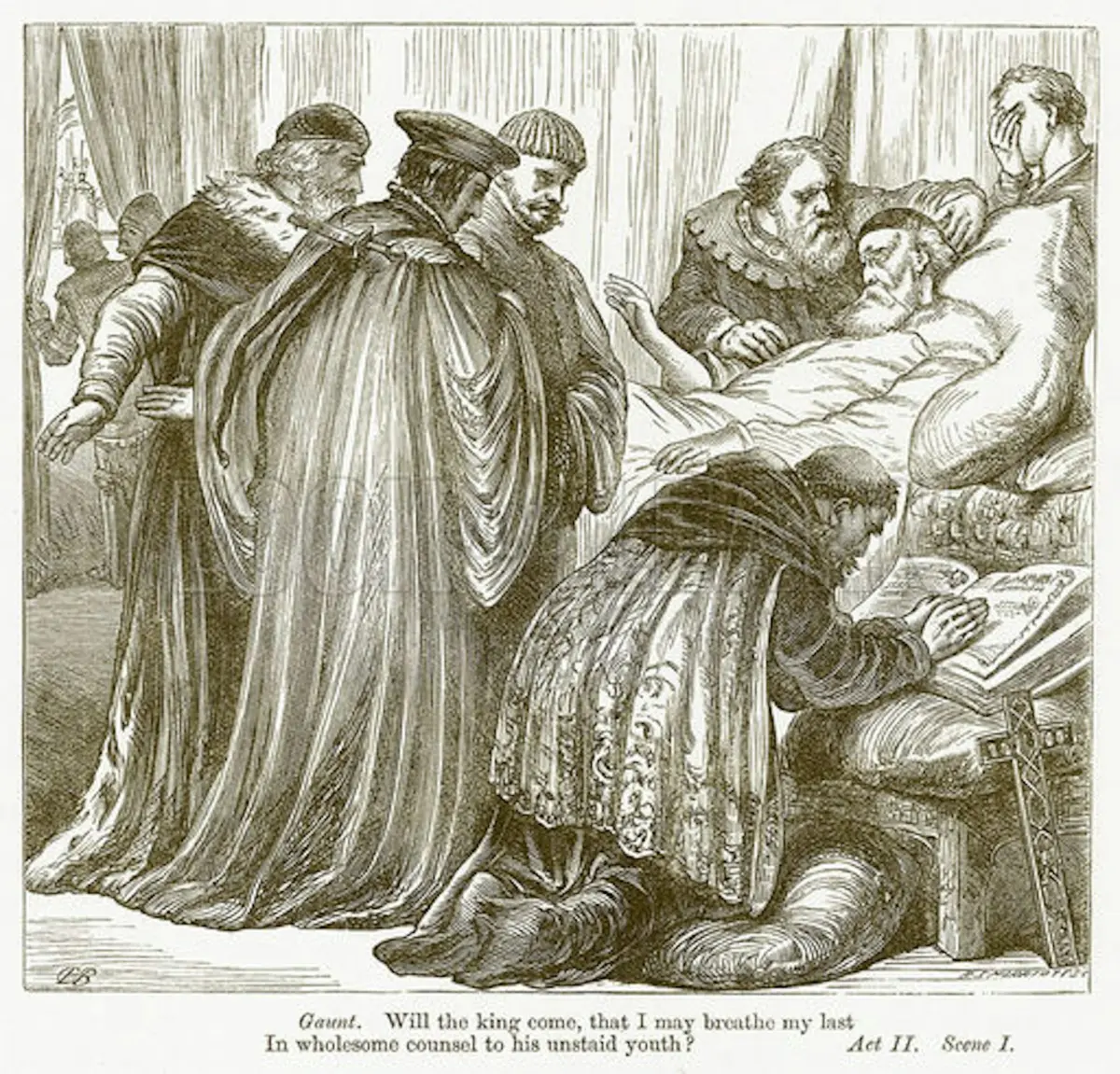
In the late 16th century, William Shakespeare elevated this imagery into overt political and nationalistic discourse. In Richard II, the dying John of Gaunt famously describes England as a "blessed plot," a "earth of majesty," and an "other Eden, demi-paradise."
Yet, modern cultural memory often overlooks the cautionary core of Gaunt’s speech. He was not merely praising a garden; he was issuing a grim warning that this "dear, dear land" was being compromised and risked falling into rot and ruin through misrule and neglect.
The Country House and the Industrial Shift
As centuries passed, the pastoral ideal adapted. In 1611, Ben Jonson published To Penshurst, establishing the "country house poem" genre. This literary form idealised great estates as microcosms of a harmonious England, where fertile woods, garden flowers, and contented inhabitants coexisted under a benevolent order.

Even as the Industrial Revolution paved over acres of countryside with brick and iron, poets like William Wordsworth and John Clare fought to preserve the spiritual primacy of the green landscape. Later, on the eve of the First World War, Edward Thomas sought the soul of England in "the little things"—the birdsong, the mist, and the quiet railway halts of Oxfordshire and Gloucestershire—solidifying the idea that Englishness resided in quiet, rural sanctuaries.
Contemporary Echoes: England’s Green
This literary conversation continues into the 21st century. In his 2022 collection, England’s Green, contemporary poet Zaffar Kunial positions his speaker at the overgrown boundary of a cricket pitch in The Groundsman, where grasses and wildflowers tangle in the summer heat. Kunial’s work self-consciously converses with Wordsworth, Clare, and Spenser, demonstrating that the vocabulary of the green and pleasant land remains deeply embedded in the contemporary poetic consciousness.
Supporting Context & Metrics: The Scientific Reality of a Changing Climate
While poets have spent centuries cataloging the resilience of English flora, modern environmental science paints a radically different, urgent picture. The Met Office and ecological research bodies have documented systemic shifts across the British countryside that signal an accelerating climate breakdown.
- Phenological Shifts: Due to rising global temperatures, plants and trees in the UK are now flowering approximately one month earlier than they did historically. This mismatch disrupts delicate ecological synchronies, such as the timing of insect emergence and bird nesting.
- The Drying of the Land: Extended, intense heatwaves have transformed once-emerald pastures into cracked, yellow expanses. Soil moisture levels during summer months have plummeted to historic lows, placing unprecedented stress on agriculture, forestry, and native plant life.
- Faunal Collapse: The cuckoo—whose iconic call has echoed through English verse for over 800 years—is now categorized on the UK’s red conservation list. Its populations have suffered catastrophic declines due to habitat loss and climate-driven disruptions to its migration and food sources.
- Ecosystem Stress: Plant pathologists and agricultural scientists warn that native British flora is unequipped for the frequency of extreme weather events. The "new normal" features prolonged droughts punctuated by flash floods that wash away topsoil, eroding the physical foundations of the rural landscape.
Official Statements and Cultural Discourse
The collision between national mythology and ecological reality has triggered urgent debate among climatologists, historians, cultural critics, and policymakers.
"The climate crisis has a communications problem. How do we tell stories that move people—not just to fear the future, but to imagine and build a better one?"
— Literary Scholars and Climate Storytelling Initiatives
Environmental historians argue that the danger lies not just in the physical loss of biodiversity and green spaces, but in the psychological disorientation of a populace wedded to a false sense of climatic exceptionalism.
"We have long viewed ourselves as a temperate, moderate people, untouched by the extreme environmental convulsions seen elsewhere in the world," notes a leading environmental humanities researcher. "When our fields turn brown, our water supplies face rationing, and our forests catch fire, it forces a direct confrontation with our national self-image. If our land is no longer green and pleasant, do we still know who we are?"
Political figures across the spectrum have historically weaponized Blake’s verses to evoke unity and stability. However, modern environmental activists and conservationists are urging a shift in rhetoric. They argue that nostalgia for a static, idealized past must be replaced by active engagement with a dynamic, wounded ecosystem that requires urgent restoration rather than passive romanticization.
Future Outlook: Rewriting the Map for a New Era
As the UK stands at a critical environmental turning point, the narrative surrounding the English landscape must adapt. The traditional trope of the unchanging pastoral retreat is no longer a sustainable blueprint for cultural identity or ecological survival.
- Transforming Cultural Narratives: Writers, poets, and artists are increasingly tasked with forging a new vocabulary—one that moves beyond mourning a lost paradise to inspiring resilience, adaptation, and regenerative action. Storytelling must encompass fire-resistant landscapes, urban rewilding, and sustainable coexistence with a warmer climate.
- Policy and Conservation Integration: Governments and environmental agencies must bridge the gap between scientific metrics and public sentiment. Protecting the remaining green spaces requires treating ecological preservation not as a matter of aesthetic nostalgia, but as an absolute prerequisite for societal survival.
- Intergenerational Stewardship: The ultimate goal is not to abandon the love of the land embodied by Bede, Blake, and Thomas, but to redirect it. Ensuring that future generations can hear birdsong in spring woodlands requires acknowledging that the "green and pleasant land" is no longer an inherited guarantee, but an endangered achievement that demands our immediate, collective protection.
Ultimately, the future of England’s national story will not be written by preserving a static postcard from the past, but by how courageously the nation confronts the realities of the present to safeguard the living earth of tomorrow.