Executive Overview
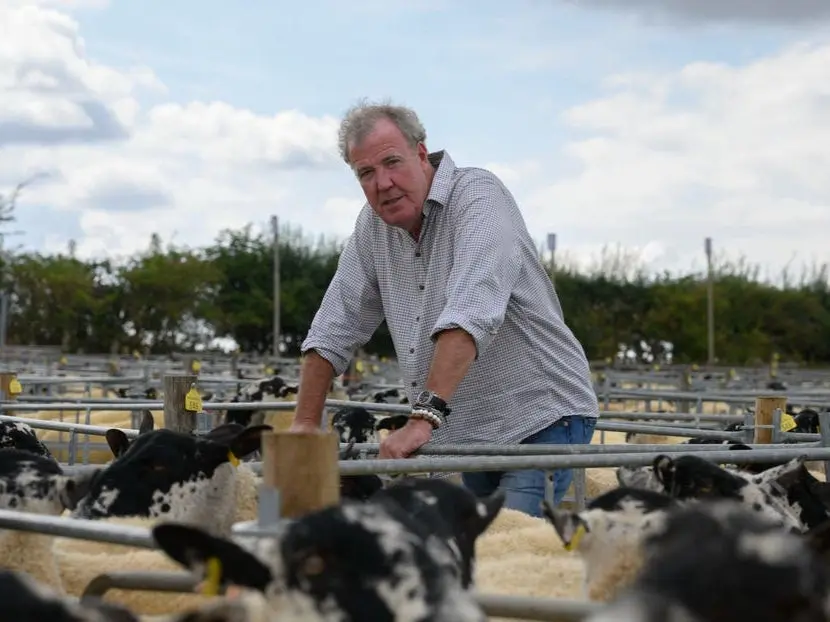
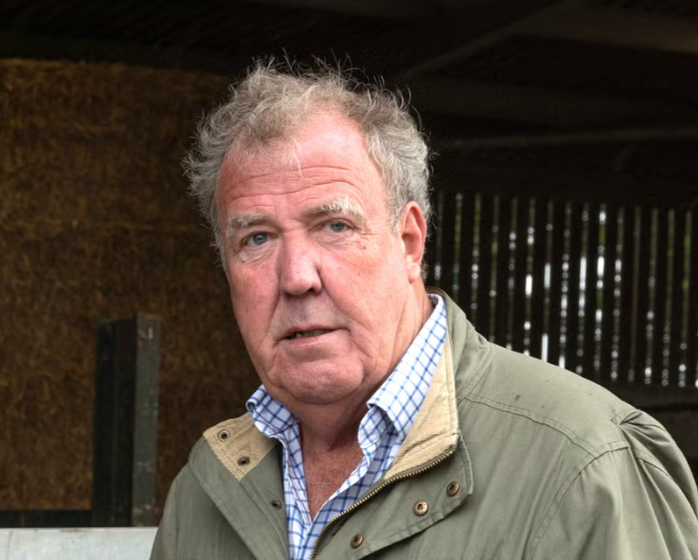
In the sprawling, undulating hills of Chadlington, Oxfordshire, the idyllic facade of Diddly Squat Farm has been pierced by rural crime. Jeremy Clarkson, the irrepressible former Top Gear presenter turned television farmer, has confirmed that eleven prized sheep—valued at upwards of £2,000 at market—have been stolen from his property. The missing livestock, identified as the resilient British "Easycare" breed, were discovered absent during a routine flock count conducted by Clarkson alongside his breakout co-star, Kaleb Cooper.
While rural thefts are far from an uncommon plague across the British countryside, the incident at Diddly Squat has amplified anxieties regarding the vulnerability of modern farms. Spanning 1,000 acres of diverse terrain, the farm presents a logistical nightmare for security, even with constant camera surveillance and the frequent hum of Prime Video production drones overhead. Thames Valley Police have been formally notified of the incident, with the investigation currently navigating the challenges inherent to policing vast expanses of agricultural land.
Beyond the immediate financial loss and the logistical hurdles of securing a massive estate, this event underscores a wider cultural and economic issue facing contemporary British agriculture: the escalating threat of rural crime. Furthermore, the incident coincides with a period of profound transition and personal resilience for Clarkson, who recently navigated a private health scare involving aggressive prostate cancer, all while stepping away from his legendary motoring tenure on The Grand Tour. This in-depth report examines the chronology of the Diddly Squat heist, the systemic vulnerabilities facing modern farms, the response from local law enforcement, and the broader context surrounding Clarkson’s evolving media empire.
Detailed Chronology: Counting the Flock at Diddly Squat
The realization that livestock was missing did not come through high-tech security alerts or dramatic nighttime motion sensors, but rather through the traditional, time-honored method of agricultural husbandry: counting the flock.
According to accounts shared by Clarkson in an exclusive interview with The Sun, the discovery was made while he and Kaleb Cooper were conducting a regular inventory of the farm’s animals in Chadlington. Standing among the rolling pastures of Oxfordshire, the pair quickly realized that eleven Easycare sheep were unaccounted for.
The Window of Opportunity
Reconstructing the timeline of the theft presents a significant puzzle for both the farm management and investigating authorities. Clarkson noted that the opportunistic crime likely occurred under the cover of darkness or during specific intervals when production for Amazon Prime Video’s hit series Clarkson’s Farm was temporarily paused.
Under normal operational circumstances, the farm is far from isolated. Clarkson remarked that maintaining secrecy or committing covert acts is generally difficult given the constant presence of a television film crew and aerial drones surveying the landscape. However, the sheer size of the 1,000-acre estate creates natural blind spots.
"This is 1,000 acres, it’s a big farm," Clarkson explained when assessing the feasibility of the crime. "Anyone could be anywhere and you wouldn’t know. How can you [stop it] if someone’s determined to steal your livestock?"
Escalating to Authorities
Following the discovery, land manager Charlie Ireland and Kaleb Cooper took immediate administrative steps, formally raising the theft with Thames Valley Police. Clarkson recounted his experience calling the constabulary with characteristic dry wit, describing the bureaucratic hurdle of navigating automated phone trees.
"The police have been very good, actually," Clarkson noted. "Once you go through 700 hours of recorded messages, I got through to a girl."
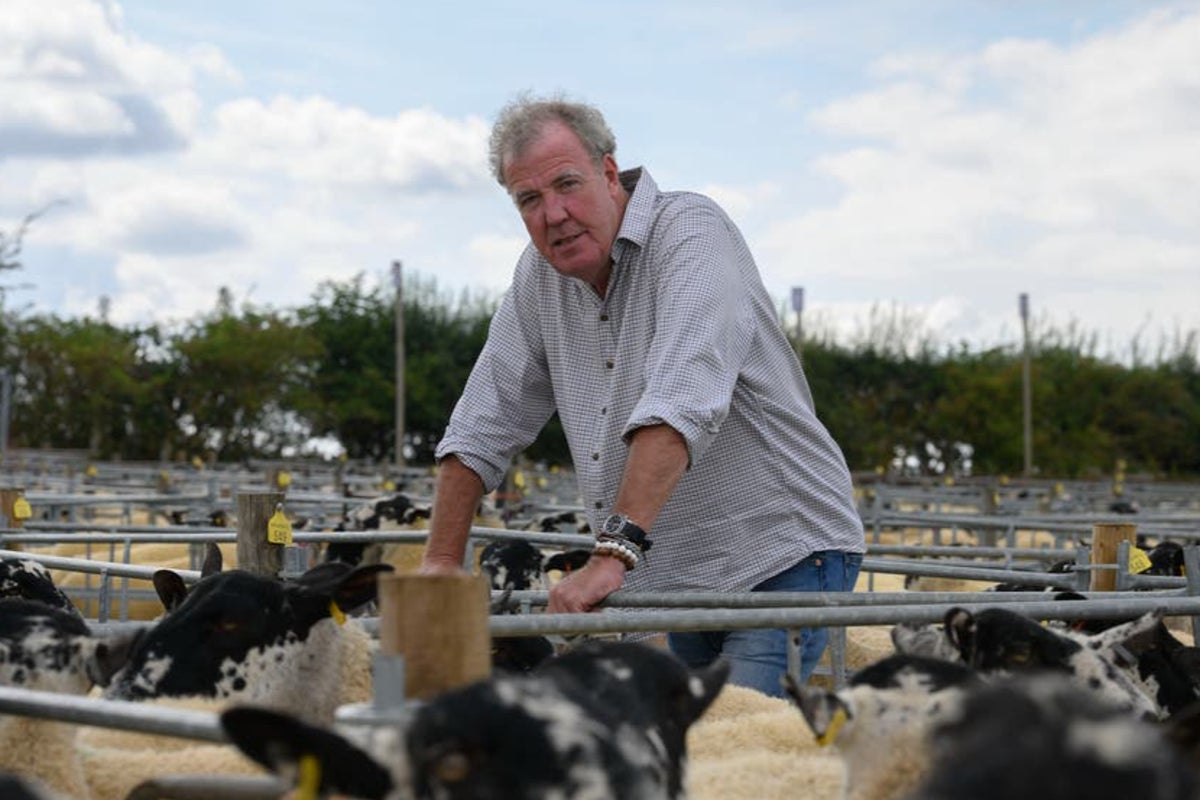
Upon establishing contact, the conversational tone shifted as the dispatcher recognized the specific agricultural details of the complaint. "I said, ‘I know it’s going to sound like I’m from 1856, but I’ve had some sheep stolen,’" Clarkson recalled. "She went through the name and address and then she said, ‘Oh, not your Easycares.’ She’s obviously been watching the show, but it is the Easycares."
Despite the lighthearted nature of the exchange with the call handler, the underlying frustration remains palpable. Voicing his anger over the audacity of the thieves, Clarkson issued a blunt message to the perpetrators—demanding they "put them back"—while issuing a sharp, albeit colloquial, warning regarding the security measures on the estate: "It’s a farm. We’re armed. Just so they know. It p me off. Honestly, it just p me off."
Supporting Context & Metrics: The Epidemic of Rural Crime in Britain
While the theft of eleven Easycare sheep valued at £2,000 might seem modest compared to industrial-scale corporate crimes, it represents a devastating blow for traditional agricultural enterprises and highlights a pervasive crisis across rural Britain.
The Financial and Emotional Toll on Farmers
Livestock theft—often referred to in agricultural circles as rustling—is an increasingly sophisticated enterprise. Modern rustlers do not merely lead a stray lamb through a gate; operations frequently involve organized gangs equipped with large livestock trailers, night-vision equipment, and coordinated transport routes designed to bypass main arterial roads.
According to data compiled by rural insurers such as NFU Mutual, rural crime costs the UK economy tens of millions of pounds annually. In recent years, the black-market trade in meat has flourished due to fluctuating food prices and supply chain pressures, making sheep and cattle prime targets for illicit butchery and resale rings.
- Market Valuation: The Easycare breed, prized by farmers for its low-maintenance shedding coat and strong maternal instincts, commands a healthy market price. Losing eleven breeding stock directly disrupts the farm’s long-term flock genetics and breeding programs.
- Psychological Impact: Beyond the immediate balance sheet deficit, rustling inflicts a heavy psychological toll on farmers. The realization that strangers have trespassed onto private land—often close to homesteads—violates the fundamental security of the rural workspace.
Diddly Squat as a High-Profile Target
The unique status of Diddly Squat Farm complicates its security profile. As the setting for one of Prime Video’s most-watched unscripted series, the farm attracts hundreds of thousands of tourists, fans, and curious onlookers annually.
When asked whether the global visibility of the television show turns the property into an inevitable target, Clarkson acknowledged the double-edged sword of fame. "It’s more likely to make you a target than less, but I still don’t think they’ve been stolen because they’re on Diddly Squat," he reflected.
The vast geography of the Cotswolds estate ensures that perimeter security is exceptionally difficult to maintain. Fencing thousands of acres against determined criminals requires capital investments that often outstrip the margins of independent farming. Consequently, the farm relies heavily on community vigilance, local law enforcement cooperation, and the deterrent effect of continuous production activity—a deterrent that failed during this specific window of opportunity.
Official Statements & Investigative Developments
As of press time, formal statements from Thames Valley Police regarding specific leads or suspect identifications remain pending, though local agricultural liaison officers are actively reviewing the case brought forward by Charlie Ireland and Kaleb Cooper.
The Response from Law Enforcement
Thames Valley Police have historically emphasized the importance of rural crime reporting, encouraging landowners to log suspicious vehicles, unusual nighttime lighting, and unverified livestock movements immediately. Combating rural crime in Oxfordshire requires bridging the gap between urban policing metrics and the realities of remote, sprawling countryside logistics.
Agricultural crime specialists point out several key investigative challenges in cases like the Diddly Squat theft:
- Lack of Immediate CCTV: While production cameras cover many areas during filming blocks, remote pastures often lack permanent, high-definition optical surveillance or infrared perimeter alarms.
- Traceability Gaps: Once livestock is moved across county lines or introduced into unmonitored holding pens, individual ear tags can be illegally removed or altered, making physical identification exceedingly difficult once the animals enter the illicit supply chain.
- Jurisdictional Spread: The expansive nature of rural lanes allows transport vehicles to traverse multiple county boundaries within minutes of committing a theft, complicating rapid interception by local patrols.
Despite these hurdles, Clarkson expressed satisfaction with the ultimate responsiveness of the authorities once the bureaucratic intake system was cleared, highlighting the unexpected cultural fluency of the police dispatcher who immediately identified his flock of Easycares.
Future Outlook: Transition, Resilience, and the Road Ahead
The sheep theft at Diddly Squat occurs against a backdrop of sweeping professional and personal transitions for Jeremy Clarkson, marking a turbulent yet resilient chapter in the broadcaster’s life.
Navigating Health and Mortality
The resilience being tested on the farm mirrors the battles Clarkson has fought off-screen over the past year. Earlier this year, Clarkson revealed a private health crisis: a diagnosis of "aggressive" prostate cancer, which was providentially discovered early during the production of Clarkson’s Farm.
In subsequent interviews with The Sunday Times, Clarkson shared positive news regarding his recovery, confirming that follow-up PSA tests conducted in April showed no further indication of cancer and that he is currently in remission. This brush with mortality has added a reflective gravity to his public persona, even as he maintains his characteristic blunt humor regarding rural frustrations like the recent livestock theft.
The End of an Era on The Grand Tour
Compounding the agricultural and health milestones, Clarkson recently marked the definitive end of his legendary motoring television career. On Wednesday, he attended the premiere of the final chapter of Prime Video’s The Grand Tour.
The iconic motoring format—which began with Clarkson, Richard Hammond, and James May on the BBC’s Top Gear before moving to Amazon—is undergoing a generational handoff. A fresh trio of presenters, comprising Francis Bourgeois, Thomas Holland, and James Englesman, are set to take the wheel for future iterations. For Clarkson, the pivot from global automotive broadcasting to full-time agrarian stewardship in Oxfordshire is now absolute.
What Lies Ahead for Diddly Squat
With Clarkson’s Farm continuing to draw massive audiences and drive intense public interest in British agriculture, Diddly Squat remains both a commercial enterprise and a lightning rod for rural debates. The theft of the eleven Easycare sheep serves as a stark reminder of the vulnerabilities inherent in farming life—reminding the public that beneath the glossy production values of television entertainment lies the raw, unpredictable, and sometimes harsh reality of managing the land.
As Thames Valley Police continue their inquiries and Clarkson, Cooper, and Ireland tighten security across the estate’s sprawling acreage, the message from Chadlington is clear: while the farming community may face modern criminal challenges, their resolve to protect their livelihoods remains as stubborn as ever.