Sun is in the sky, oh why, oh why, Would I wanna be anywhere else?
— Lily Allen, "LDN" (2006)
Few global metropolises have exerted as profound and enduring an influence on modern music as London. For generations, the British capital has served as an expansive musical petri dish—a dynamic ecosystem where disparate cultures, immigrant communities, and localized subcultures collide, merge, and continually redefine the parameters of sound.
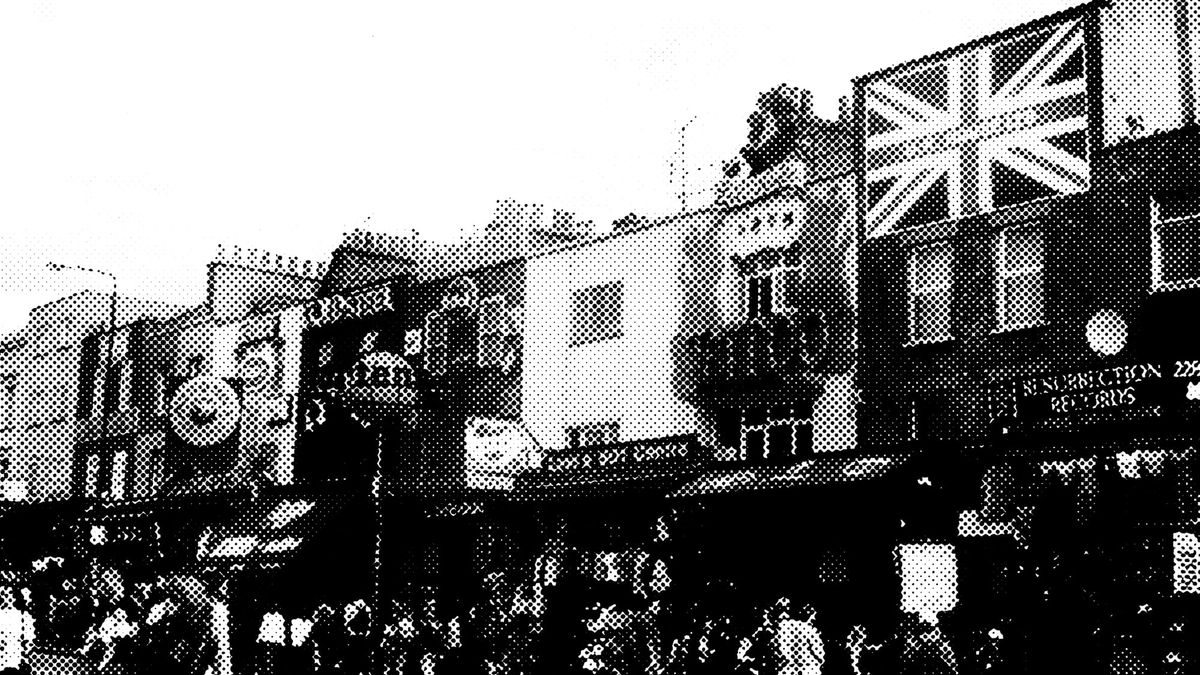
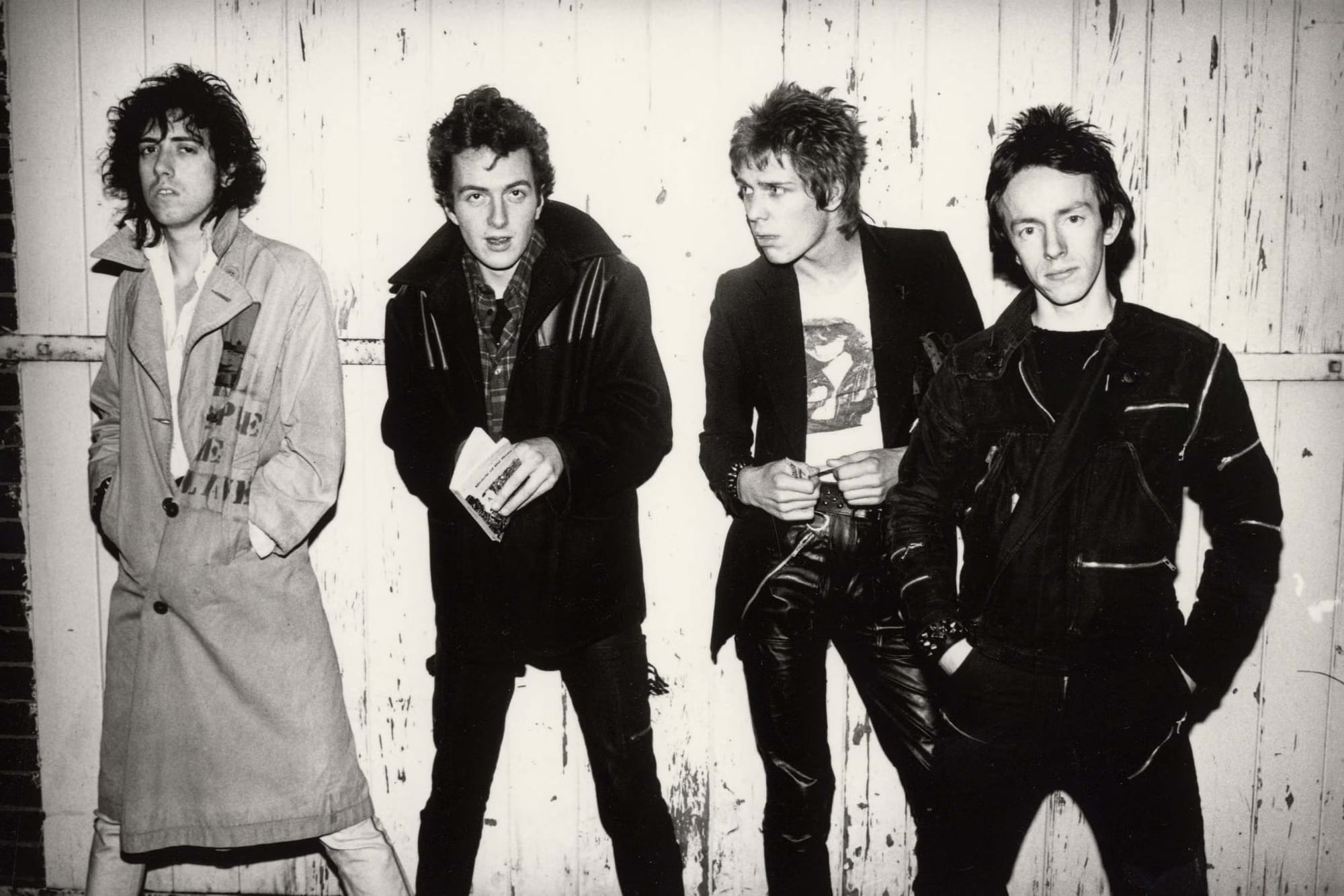
From the foundational roots of reggae and soundsystem culture brought to British shores by the Windrush generation—championed by pioneers like Sir Coxsone Outernational, Dr Alimantado, Jah Shaka, and Dennis Bovell—to the ferocious punk explosion of the 1970s spearheaded by the Sex Pistols, The Clash, The Damned, The Slits, X-Ray Spex, and Siouxsie and the Banshees, the city’s musical DNA is defined by perpetual reinvention. Independent record stores, illicit pirate radio transmissions, subterranean clubs, and storied live venues have provided the essential infrastructure required for these infinite scenes to take root and flourish.
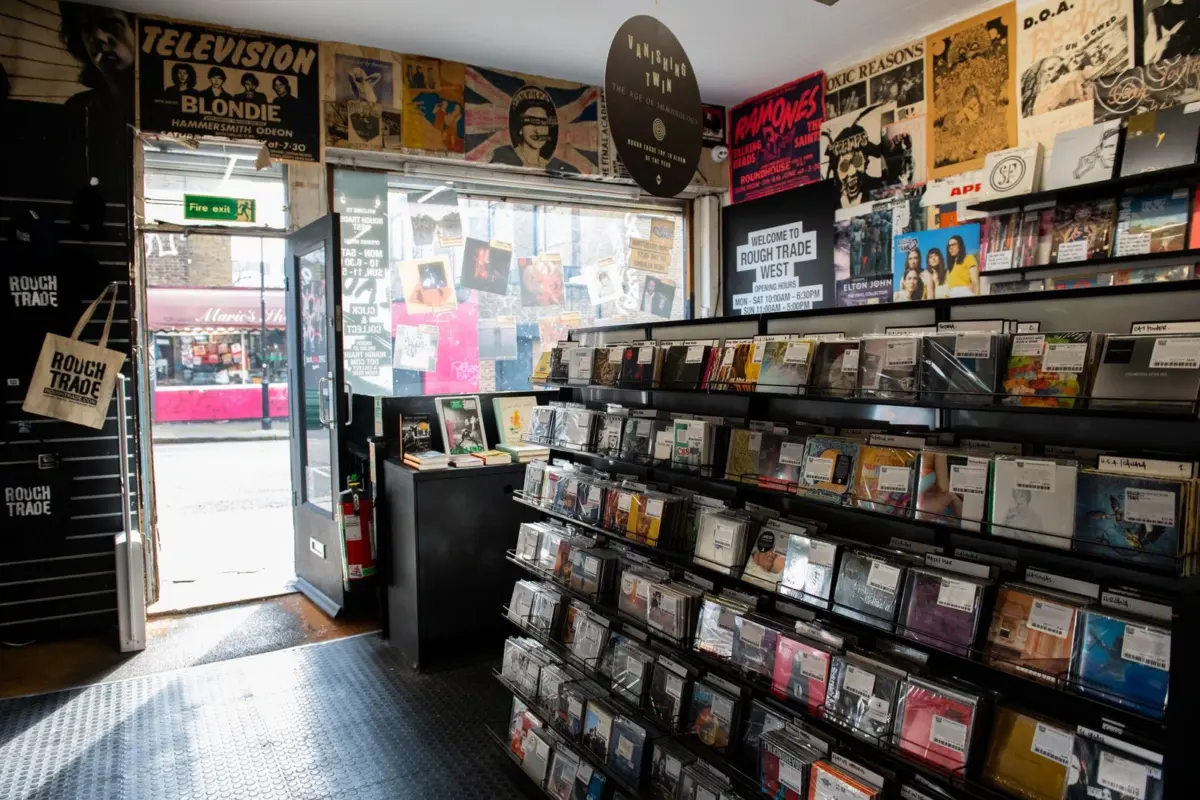
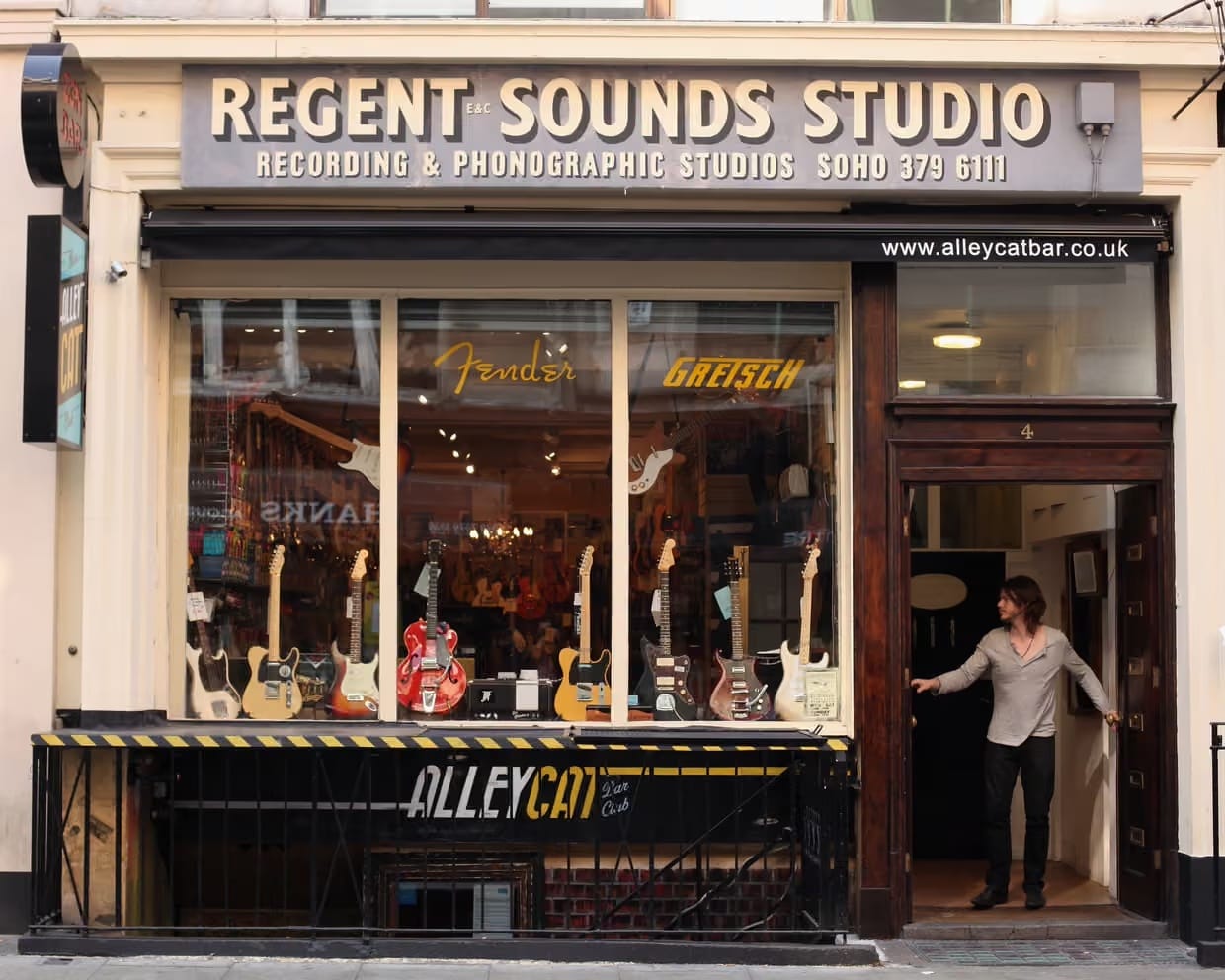
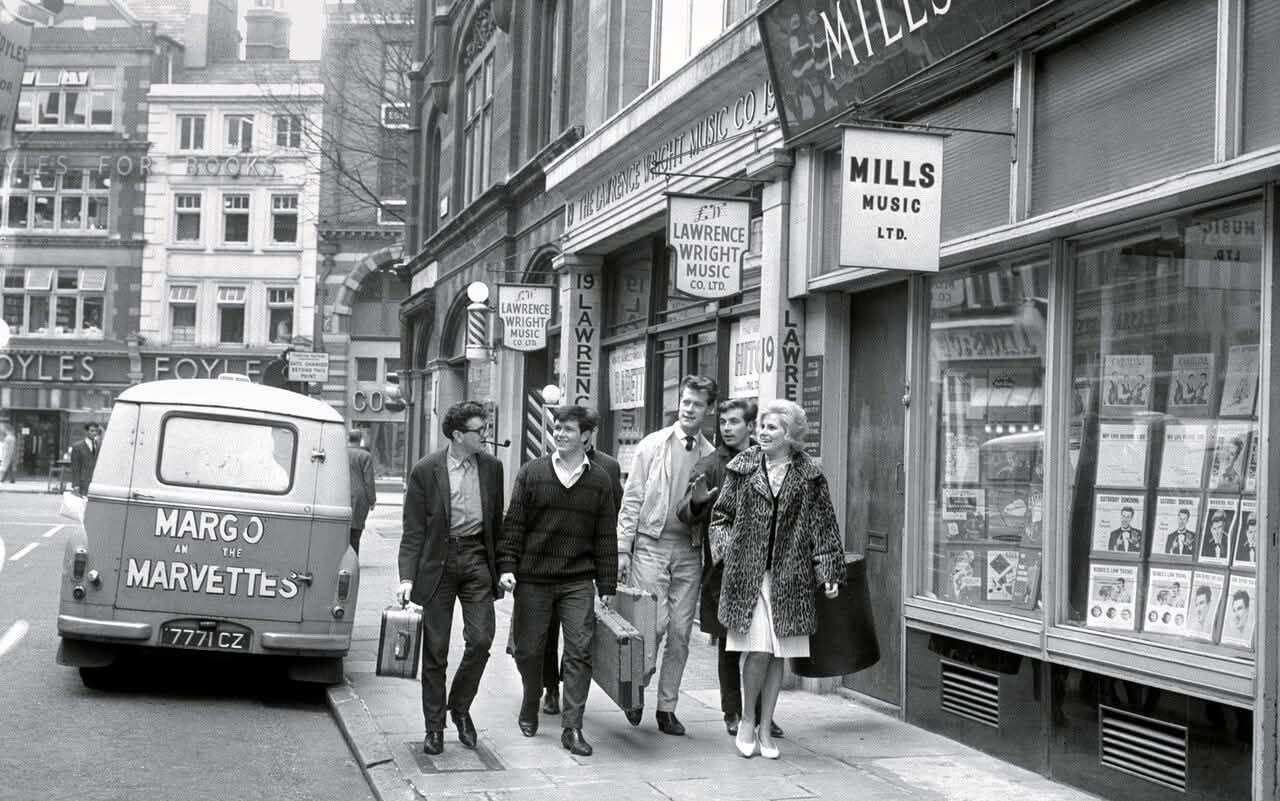
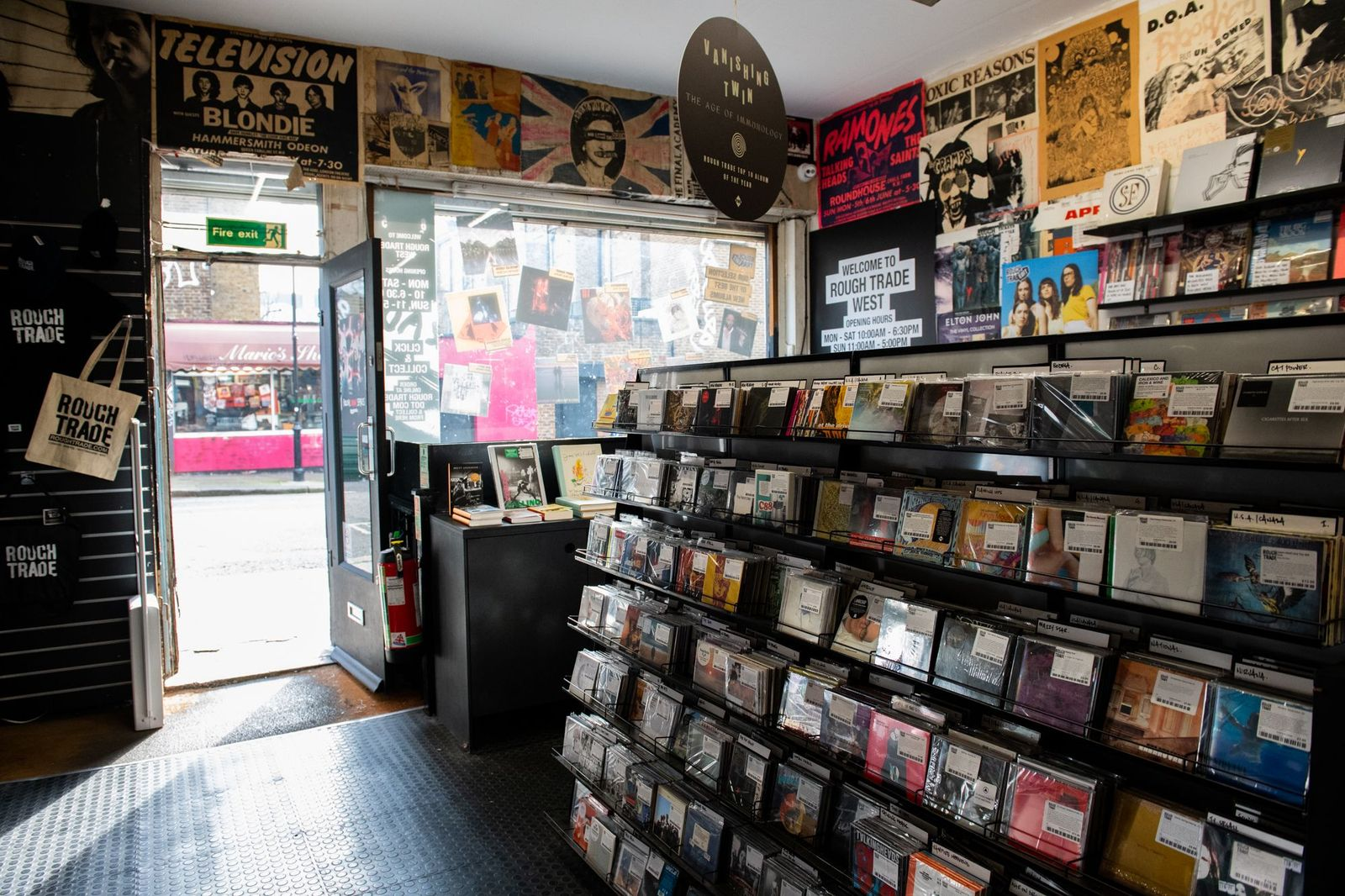
It was precisely within this fiercely independent landscape that Rough Trade first opened its doors in West London in 1976, right at the white-hot epicenter of the punk movement. What began as a modest, idiosyncratic record shop on Kensington Park Road rapidly metastasized into a sprawling network of artists, independent labels, and dedicated listeners—forging a global community of music-lovers that spans continents. This legacy found a fitting modern continuation in 2024 when Rough Trade established a presence on Soho’s historic Denmark Street. Widely known as ‘Tin Pan Alley,’ the street has spent generations functioning as the spiritual hearth of British guitar culture, playing host to everyone from rock legends to pop visionaries and punk provocateurs.
To honor this rich lineage, the staff at Rough Trade have meticulously curated a chronological list of 100 songs about London, spanning an astonishing century of recorded music from 1924 to 2026. Captured across multiple eras and genres—encompassing war-era laments, wind-swept folk, dub-infused dancehall, garage, grime, and hyperpop—this comprehensive collection is available to stream in full via Qobuz and Spotify.
Executive Overview: A Century of Sonic Architecture
London’s relationship with songcraft is deeply topographical. The city does not merely inspire lyrics; it dictates tempos, shapes production styles, and acts as a central character in the daily narratives of its inhabitants. To trace the history of London through music is to trace the shifting fortunes of its working-class communities, the waves of global migration that transformed its boroughs, and the persistent tension between corporate gentrification and underground resilience.
The curated 100-track archive serves as a sociological and cultural ledger. It bridges the gap between the music-hall vaudeville of the 1920s and the hyper-digital hyperpop of the mid-2020s, proving that while the skyline of the capital may be altered by glass-and-steel skyscrapers, the soul of its sonic identity remains rooted in the pavement, the tube lines, and the council estates.
Detailed Chronology: A Century in Sound
The Interwar Years & Post-War Optimism (1924–1959)
Stanley Holloway – London Town (You Haunt Me) (1924): A staggering historical artifact from a music-hall performer whose career spanned from pre-WWI stages to a 1980 Royal Variety performance alongside Sheena Easton and Rowan Atkinson. The track was later immortalized via a haunting sample by The Caretaker in 2008.
Vera Lynn – A Nightingale Sang in Berkeley Square (1940): An achingly beautiful standard capturing an illusory romance set against the stately backdrop of Mayfair during wartime.
Lord Kitchener – London Is the Place for Me (1948): The definitive anthem of the Windrush arrival, encapsulating the grand ambitions and complex realities faced by Caribbean immigrants arriving in the imperial core.
Flanders and Swann – A Transport of Delight (1956): A breathless, whimsical tribute to the iconic London red double-decker bus, lifted from their celebrated theatrical revue At the Drop of a Hat.
The Swinging Sixties & The Birth of Modern Pop (1960–1969)
Max Bygraves – Fings Ain’t Wot They Used t’Be (1960): A satirical rock-and-roll number from Lionel Bart’s groundbreaking Cockney musical, lamenting the rapid commercialization and changing tastes of early-60s London ("Once our beer was froffy / But now it’s froffy coffee").
Petula Clark – A Foggy Day (1965): A swinging, mod-infused interpretation of the classic Gershwin standard set at the British Museum.
Donovan – Sunny Goodge Street (1965): A vivid lyrical tapestry capturing the precarious duality of bohemian urban life, moving effortlessly between moments of sublime beauty and underlying street-level violence.
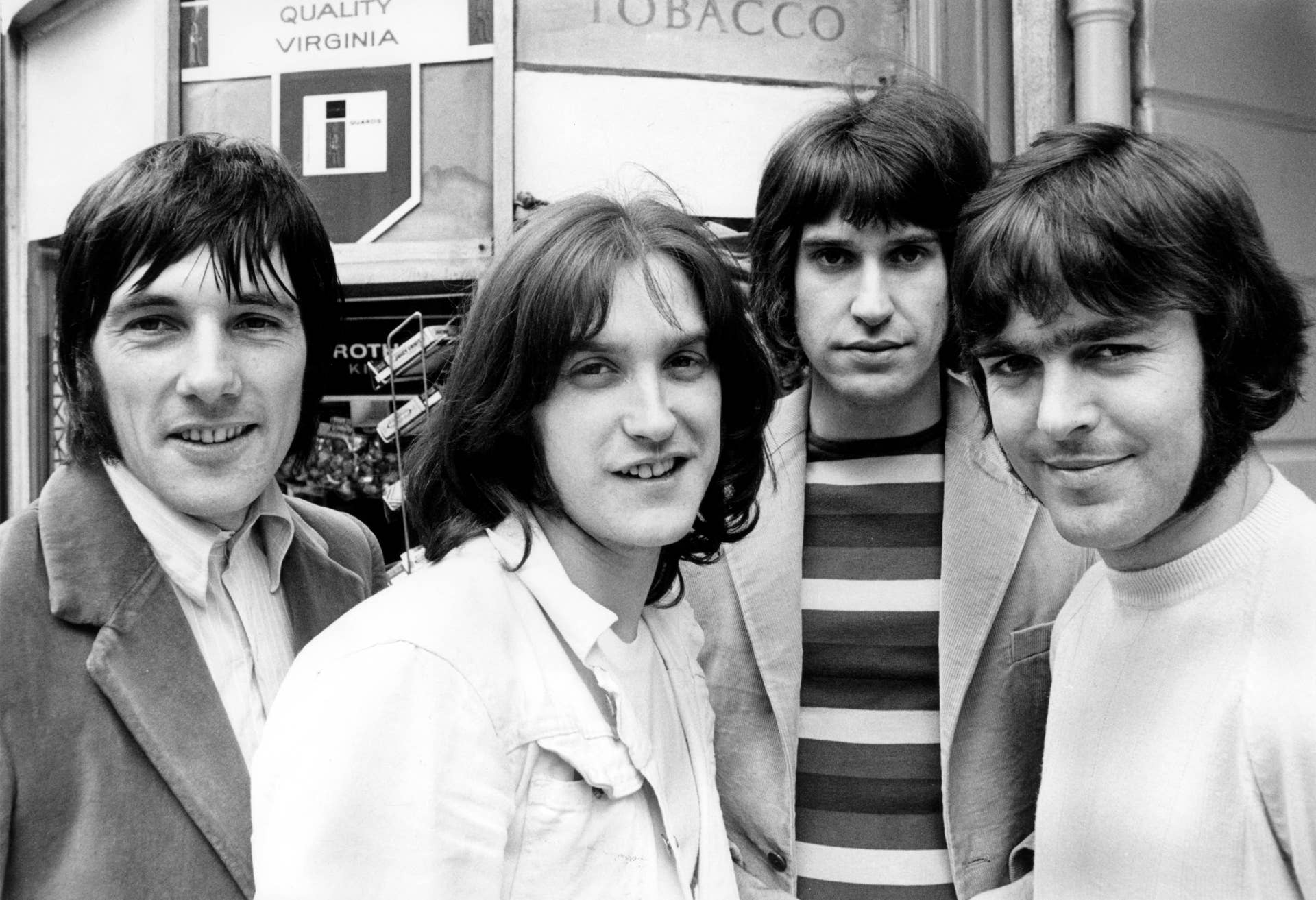
The Kinks – Waterloo Sunset (1967): Arguably the most quintessentially London song ever committed to tape. Ray Davies drew upon childhood memories convalescing at St Thomas’ Hospital overlooking Waterloo Station to craft what many consider one of the greatest melodies in the English language.
Small Faces – Itchycoo Park (1967): Though never explicitly mentioning London, Steve Marriott’s psychedelic masterpiece was deeply rooted in the East London green spaces of his youth, specifically Little Ilford Park and Wanstead Flats.
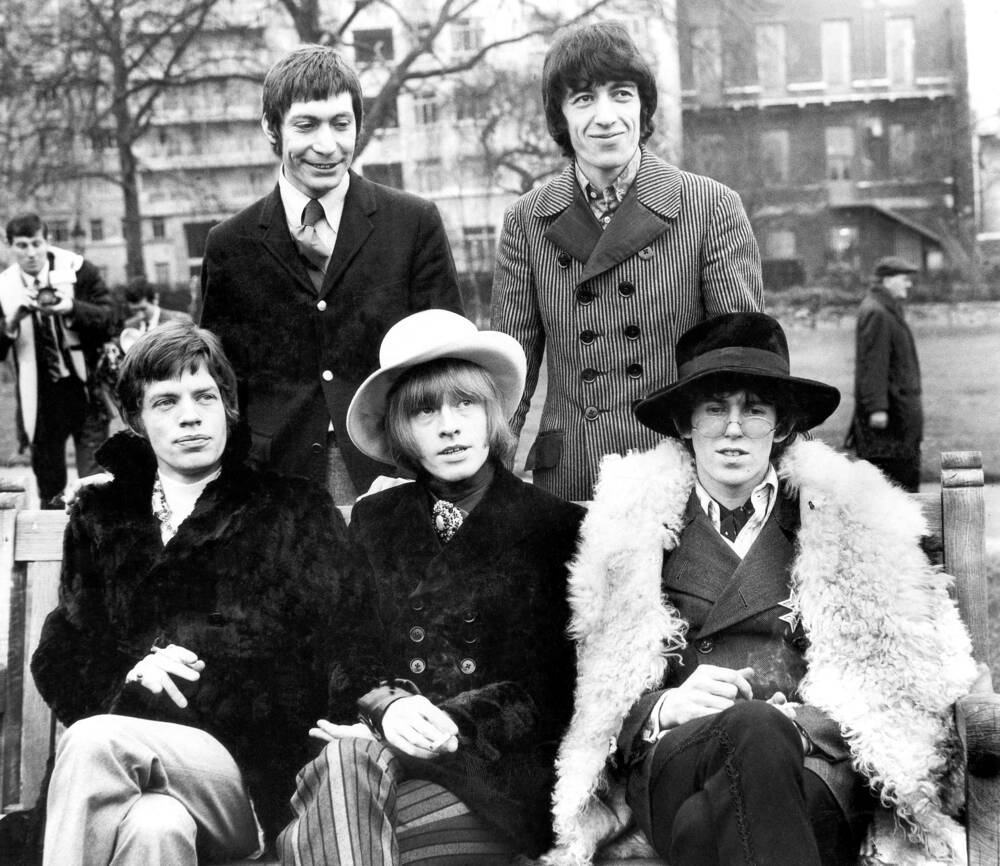
The Rolling Stones – You Can’t Always Get What You Want (1969): Features the famous immortal line referencing the King’s Road Chelsea Drugstore—a legendary three-story countercultural hub that later served as a filming location for Stanley Kubrick’s A Clockwork Orange.
Turmoil, Punk, and the Concrete Jungle (1970–1989)
Caetano Veloso – London, London (1971): Written and recorded while Veloso and Gilberto Gil were living in political exile in the UK, having fled the authoritarian Brazilian military dictatorship.
Junior Murvin – Police and Thieves (1976): A roots-reggae masterwork that directly chronicled the escalating racial tensions and heavy-handed policing that boiled over at the 1976 Notting Hill Carnival—a historic flashpoint commemorated as it reaches its 50th anniversary.
The Clash – (White Man) In Hammersmith Palais (1978): Joe Strummer’s razor-sharp critique of the music industry’s co-optation of punk and the shifting racial dynamics of the late-70s gig circuit.
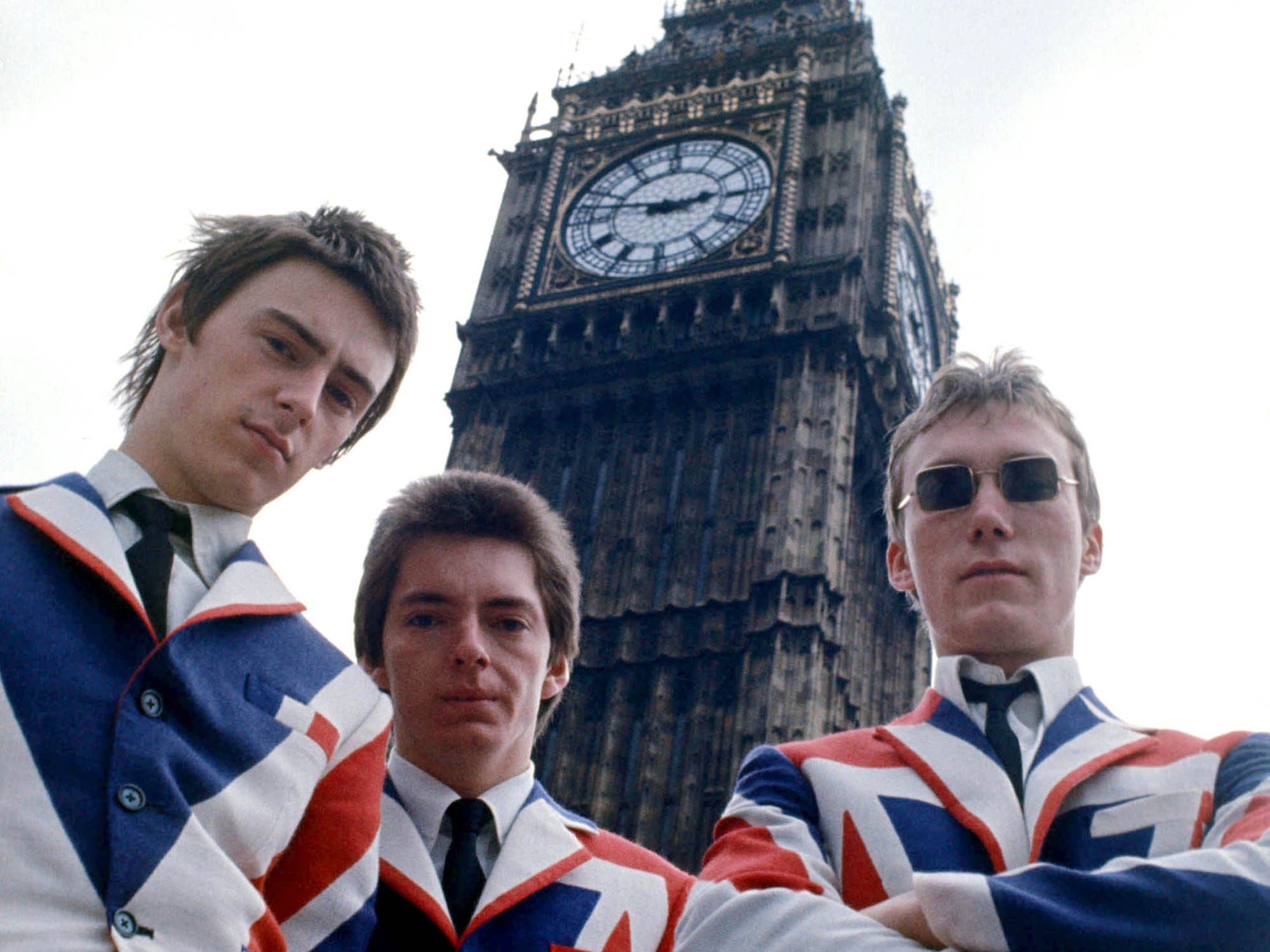
The Jam – Down in the Tube Station at Midnight (1978): Paul Weller’s cinematic, claustrophobic narrative of underground violence, brilliantly translating urban paranoia into a tense, driving pop single.
Janet Kay – Silly Games (1979): Produced by Dennis Bovell, this landmark track made history when Willesden-born Janet Kay became the first British-born Black female reggae artist to break into the UK Top 10, cementing the foundational blueprint for Lovers Rock.
Pet Shop Boys – West End Girls (1984): A nocturnal synth-pop masterpiece juxtaposing urban alienation, class divide, and the magnetic pull of the capital’s flashing neon lights.
Rave Culture, Britpop, and the Millennium Shift (1990–2005)
Sinéad O’Connor – Black Boys on Mopeds (1990): A devastating protest lament stripping away the glossy PR veneer of ‘Cool Britannia’ to expose the sobering, systemic realities of police brutality on British streets.
Flowered Up – Weekender (1992): An epic, 17-minute ecstasy-soaked indie-dance crossover anthem that serves as the undisputed soundtrack to an unhinged, hedonistic London weekend.
Double 99 – Ripgroove (1997): Crafted in a North London kitchen, this foundational track birthed the speed garage genre, echoing out of the stereos of souped-up Fords tearing down high streets across the capital.
The Streets – Has It Come to This? (2001): Mike Skinner’s conversational, 2-step infused dispatch from the Ealing-to-Mile End underground, offering an unflinching look at urban weekend rituals.
Dizzee Rascal – Sittin’ Here (2003): An essential cut from Boy in da Corner, capturing the anxious, hyper-localized realities of growing up amidst East London’s housing estates at the dawn of the grime era.
Modern Metopolis: Grime, Hyperpop, and Neo-Jazz (2006–2026)
Lily Allen – LDN (2006): A deceptively breezy ska-pop track masking biting social commentary beneath a deceptively sunny disposition regarding the capital’s paradoxes.
Adele – Hometown Glory (2007): Written when Adele was just 16 years old, this piano-driven ballad remains a deeply moving, timeless homage to the boroughs that shaped her.
Kano – T-Shirt Weather in the Manor (2016): A sun-drenched, nostalgic celebration of East London heatwaves, referencing local institutions, classic ice creams, and the foundational sounds of pirate radio.
Yussef Dayes – Crystal Palace Park (2023): A masterclass in modern UK jazz, blending ambient synths, dub delays, and cascading keyboard runs to honor South London roots.
RAYE – Nightingale Lane (2026): A recent addition to the London songbook, chronicling profound personal heartbreak tied directly to a South London pub now commemorated with an official blue plaque.
Supporting Context & Metrics
The longevity of London’s music scene relies on a complex institutional ecosystem. According to recent data from UK Music and the Greater London Authority:
Venue Density: Despite ongoing gentrification, London houses over 300 grassroots music venues, though approximately 35% have faced severe financial precarity or closure threats over the last decade.
Economic Impact: The capital’s live music and creative industries contribute billions of pounds annually to the national economy, sustaining hundreds of thousands of creative jobs spanning production, retail, and hospitality.
Format Resilience: Independent record store networks—anchored by historical hubs like Rough Trade West, East, and Denmark Street—continue to report steady physical sales growth, driven by a resurgence in vinyl and cassette consumption among younger demographics.
Official Statements
Reflecting on the cultural weight of this milestone, Rough Trade staff noted the unifying thread connecting a century of songwriting:
"London has never had just one voice. It is a chorus of opposing accents, immigrant histories, working-class frustrations, and fleeting romantic ideals. Whether you’re listening to Stanley Holloway in 1924 or Ninajirachi in 2025, these songs prove that the city’s greatest asset is its relentless, restless capacity to reinvent itself."
— Rough Trade Editorial Team
Future Outlook
As London navigates the challenges of housing inflation, post-industrial redevelopment, and digital transformation, its musical output shows no signs of slowing down. The proliferation of hyperpop, jazz-fusion crossover movements, and boundary-pushing electronic subgenres ensures that the next century of London songcraft will be just as fiercely independent and culturally diverse as the last.
Through playlists on Qobuz and Spotify, and physical flagships spanning from Ladbroke Grove to Denmark Street, Rough Trade’s 100-song archive stands as both a museum of past struggles and a living manual for future sonic explorers.