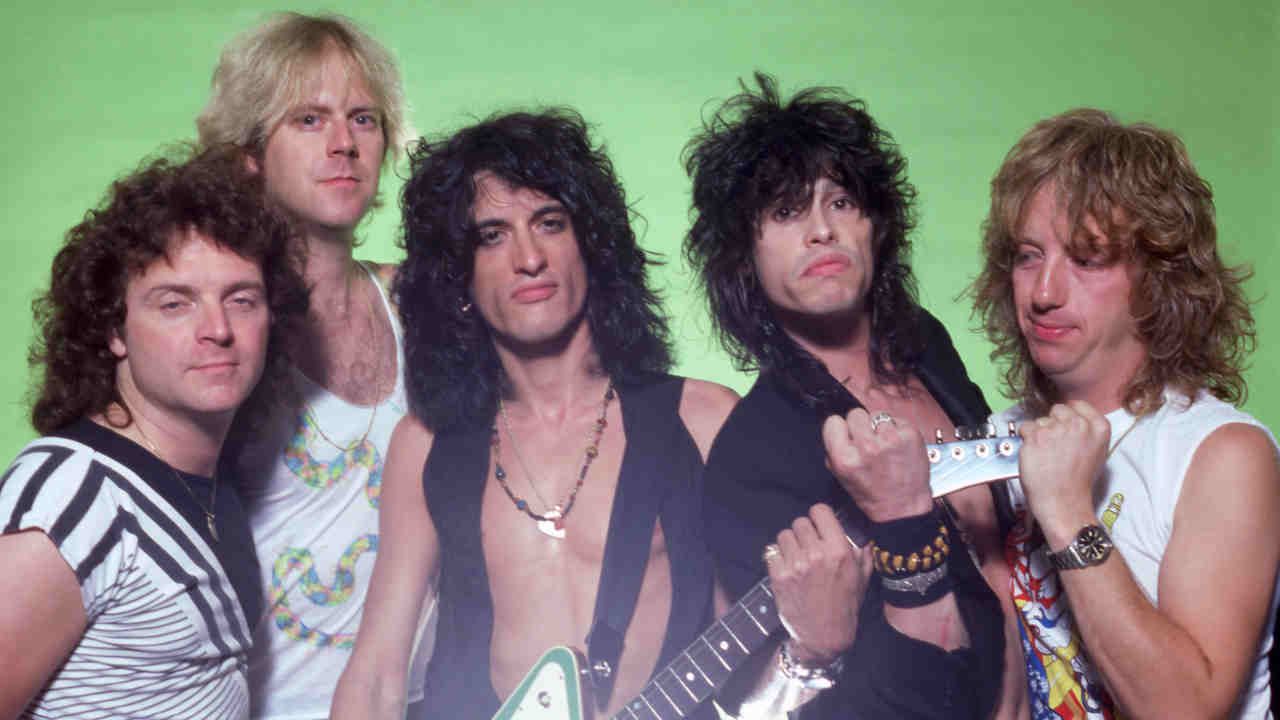
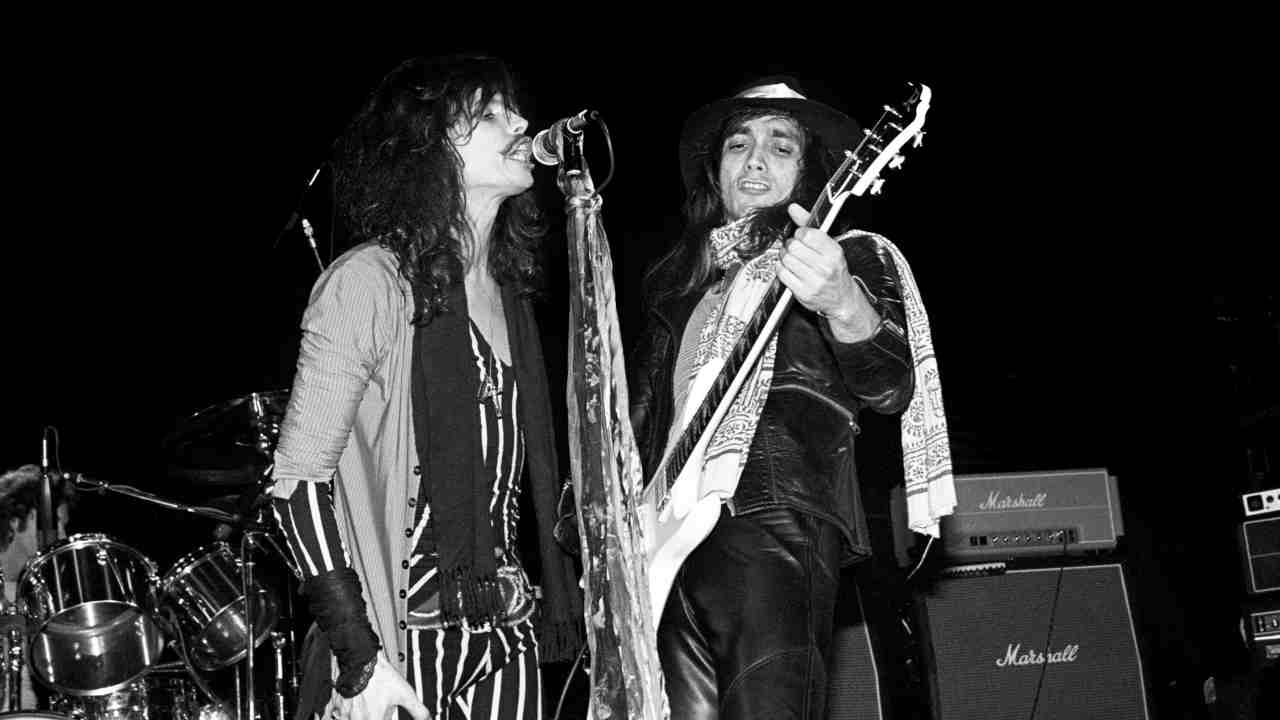
By the dawn of the 1980s, Aerosmith—once hailed as America’s premier hard rock band—was collapsing under the weight of catastrophic substance abuse, crippling financial mismanagement, internal violence, and creative paralysis. Following the commercial and critical peaks of 1975’s Toys in the Attic and 1976’s Rocks, the Boston quintet descended into a rapid spiral.
Lead guitarist Joe Perry’s bitter departure during the 1979 sessions for Night in the Ruts exposed deep fractures within the group. By early 1980, lead singer Steven Tyler was faking medical emergencies on stage to hide extreme intoxication, while rhythm guitarist Brad Whitford soon followed Perry out the door. Left with a depleted lineup, mountaintops of debt, and dwindling record sales, the remaining original members faced complete financial ruin.
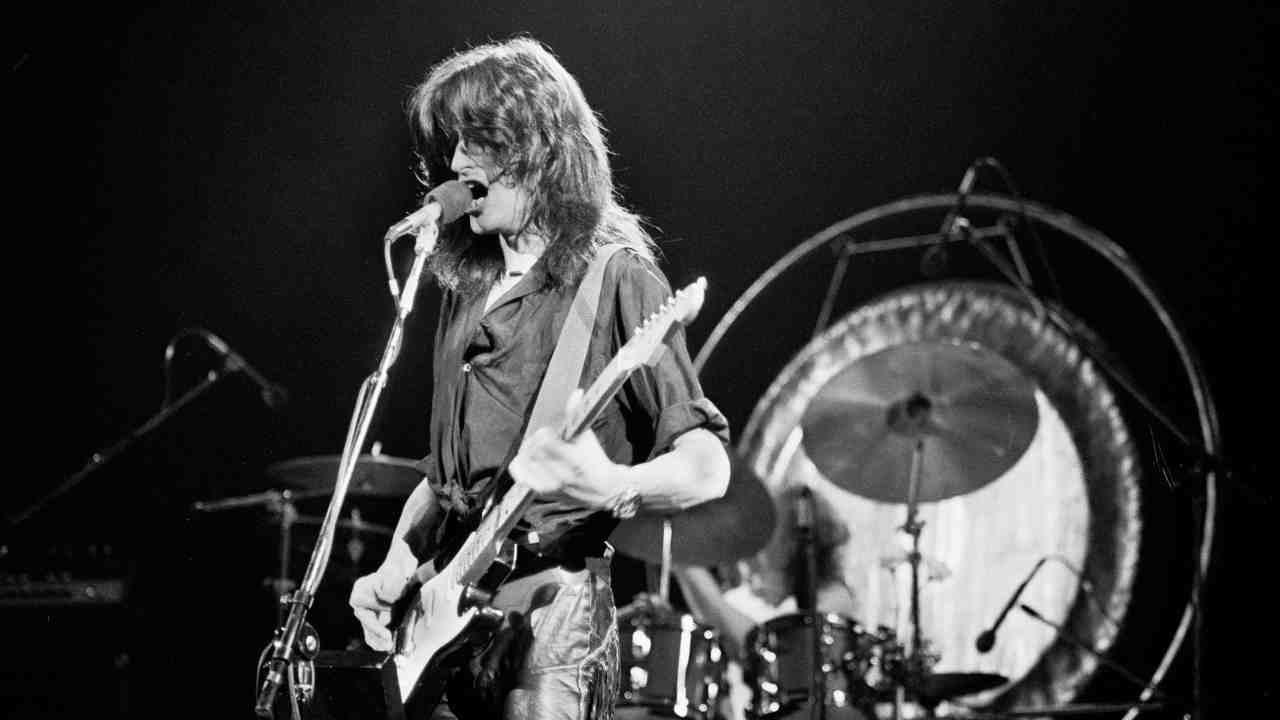
Between 1980 and 1984, the band’s story split into two struggling camps: Perry’s solo venture, The Joe Perry Project, and a fragmented Aerosmith limping through disastrous tours and delayed studio sessions.
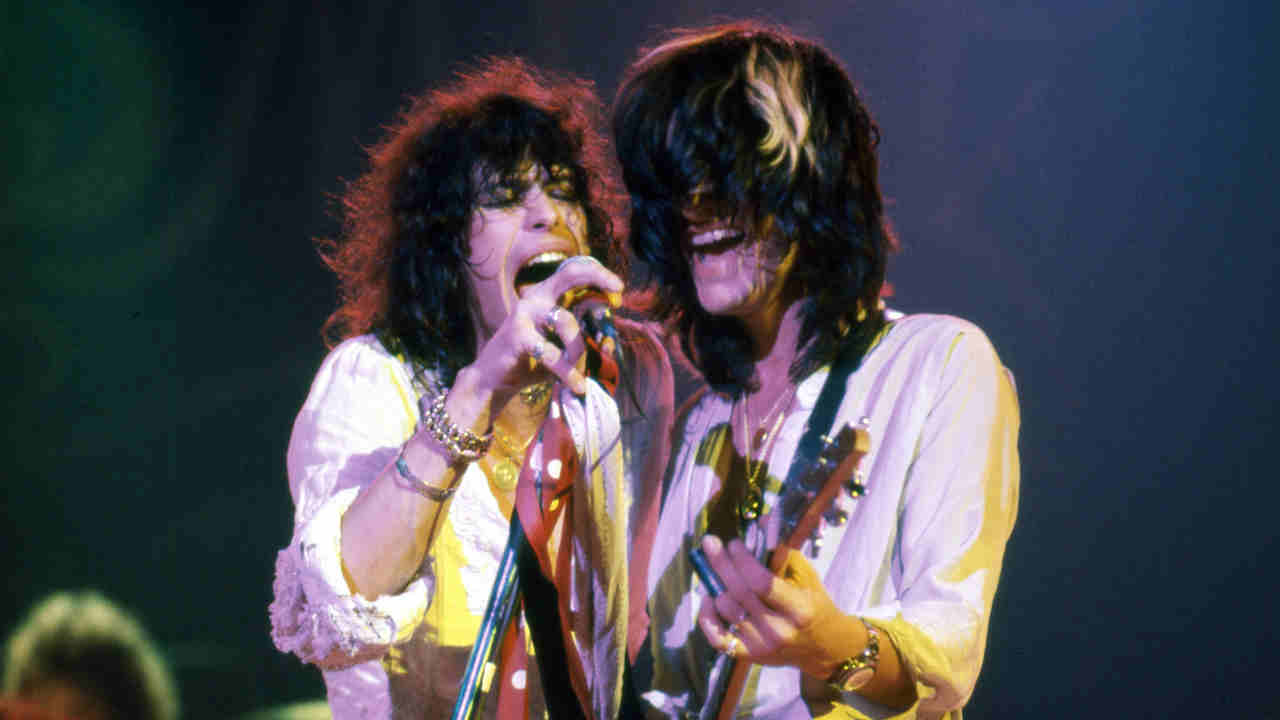
This retrospective details the sequence of events that brought the "Toxic Twins" (Tyler and Perry) to rock bottom, the financial and personal dynamics that fueled their fallout, and the unlikely series of interventions—including a fateful offer from Alice Cooper’s camp—that paved the way for their historic 1984 reunion.
Detailed Chronology of the Crisis
January 1980: The Maine Incident and Faked Seizures
In January 1980, Aerosmith performed at the Civic Center in Portland, Maine, supporting their newly released album Night in the Ruts. Despite selling out the arena, the band was a shell of its former self. Joe Perry was gone, replaced by guitar mimic Jimmy Crespo.
During a performance of the blues cover "Reefer Head Woman," Steven Tyler hit a chemical wall. Deficit of cocaine to counter the massive volume of alcohol he had consumed since waking—capped off by two double martinis moments before walking on stage—Tyler panicked.
Unwilling to perform noticeably drunk, Tyler threw himself onto the stage floor and faked a violent seizure, twitching his leg to mimic a medical crisis. The music stopped, and stagehands carried the singer off. While the band canceled a week of tour dates, the incident signaled a growing reality: Aerosmith could no longer function under the weight of its addictions.
[1975–1976] Multi-Platinum Peak (Toys In The Attic, Rocks)
       │
[1979] Joe Perry Departs Mid-Recording (Night In The Ruts)
       │
[Jan 1980] Steven Tyler Stage Collapse in Maine; Dates Canceled
       │
[1981] Brad Whitford Exits; Aerosmith Reduced to 3 Original Members
       │
[1982] Rock In A Hard Place Released (Peaks at No. 32, Gold Only)
       │
[1983–1984] Perry & Tyler Hit Rock Bottom; Tim Collins Steps In
       │
[Feb 1984] Reunion Meeting at Tom Hamilton's House; Leber-Krebs Fired
1980–1981: Fractured Paths and Solo Missteps
As Aerosmith limped across the country, Joe Perry was struggling on the road with his new outfit, The Joe Perry Project. Though the debut album Let the Music Do the Talking earned respect from critics, Columbia Records gave it minimal promotional support.
Perry, suffering from a severe heroin addiction and chronic alcoholism, found himself playing modest venues while carrying immense financial debts. Tensions flared within his new group; during one 1980 tour stop, Perry physically knocked out his own lead singer, Ralph Morman, following an intoxicated pre-show altercation.
Back in the Aerosmith camp, rhythm guitarist Brad Whitford grew exhausted by the endless delays, lack of income, and Tyler’s erratic behavior. In 1981, Whitford officially resigned. He partnered with former Ted Nugent vocalist Derek St. Holmes to form Whitford-St. Holmes, releasing an eponymous album that failed to gain commercial traction.
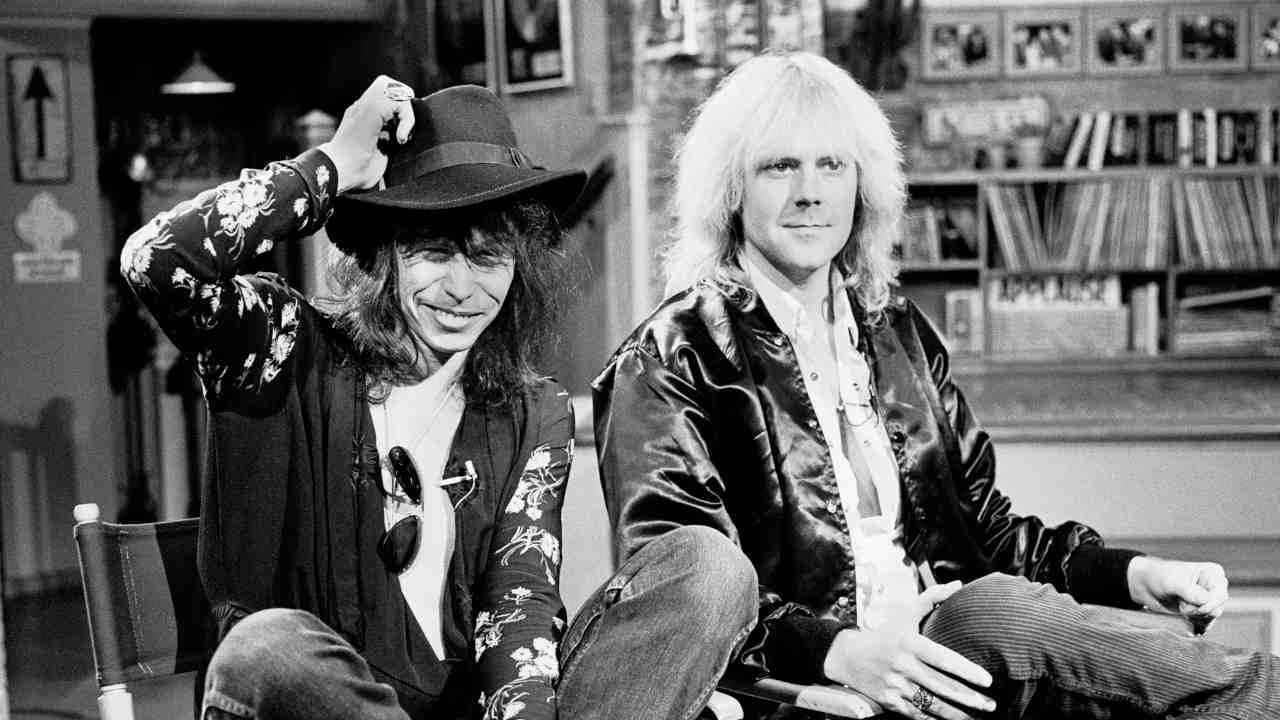
To fill Whitford’s slot, Aerosmith hired Rick Dufay on the recommendation of producer Jack Douglas. Dufay was an eccentric personality who openly admitted to Tyler that he had previously escaped a mental institution by jumping out a window.
                               ┌───> The Joe Perry Project (1980–1983)
                               │     ├─ Let The Music Do The Talking (1980)
                               │     ├─ I've Got The Rock 'N' Rolls Again (1981)
┌──────────────────────────┐   │     └─ Once A Rocker, Always A Rocker (1983)
│ Aerosmith Split (1979)   ├───┤
└──────────────────────────┘   │───> Whitford-St. Holmes (1981)
                               │
                               └───> Aerosmith (1981–1983)
                                     ├─ Lineup: Tyler, Hamilton, Kramer, Crespo, Dufay
                                     └─ Releases: Rock In A Hard Place (1982)
1982: The Cost of Rock in a Hard Place
By late 1981, Aerosmith was down to three original members: Tyler, bassist Tom Hamilton, and drummer Joey Kramer. Recording sessions for their seventh studio album, Rock in a Hard Place, stretched past two agonizing years at Compass Point Studios in the Bahamas and Power Station in New York.
Progress ground to a halt when Tyler suffered severe injuries in a motorcycle accident, requiring months of rehabilitation. During this time, Tyler spent his days scoring heroin alongside songwriter Richie Supa, with whom he had previously co-written the 1978 single "Chip Away the Stone."
When Rock in a Hard Place finally hit store shelves in August 1982, it marked a stark commercial downturn. The record broke Aerosmith’s multi-platinum streak, stalling at No. 32 on the Billboard 200 and achieving only Gold certification. The supporting tour was plagued by low attendance, technical mistakes, and unpredictable performances.
+-------------------------------------------------------------------------+
|                    AEROSMITH ALBUM PERFORMANCE (1975–1982)              |
+-------------------------------------+-----------------+-----------------+
| Album Title                         | Billboard Peak  | RIAA Status     |
+-------------------------------------+-----------------+-----------------+
| Toys in the Attic (1975)            | No. 11          | 9x Platinum     |
| Rocks (1976)                        | No. 3           | 4x Platinum     |
| Draw the Line (1977)                | No. 2           | 2x Platinum     |
| Night in the Ruts (1979)            | No. 14          | Platinum        |
| Rock in a Hard Place (1982)         | No. 32          | Gold            |
+-------------------------------------+-----------------+-----------------+
1983: Personal and Financial Rock Bottom
By 1983, both Tyler and Perry were essentially broke. Despite grossing tens of millions of dollars during their 1970s heyday, extravagant spending, poor accounting, tax liabilities, and relentless drug habits wiped out their fortunes.
Tom Hamilton & Joey Kramer: Hamilton and his wife were forced to sell their family home and move into a small condominium. Kramer exhausted his entire savings reserve, reaching total insolvency.
Brad Whitford: Whitford sold off his vintage guitar collection and primary residence to pay ongoing mortgages and alimony payments.
Joe Perry: Perry faced foreclosure on his home, owed $180,000 in unpaid hotel and room-service charges accumulated during his Aerosmith years, and received IRS demand notices alongside unsigned threat letters. His turbulent marriage to his first wife, Elyssa, ended in a costly divorce that restricted access to his infant son, Adrian.
Steven Tyler: Living out of hotel rooms on a strict $20-a-day cash stipend managed by associates, Tyler estimated he had squandered nearly $20 million on drugs and lifestyle expenses. Domestic disputes with his wife Cyrinda turned violent, culminating in an incident where Tyler jumped onto her moving car and smashed the windshield. In a desperate attempt to clean up, Tyler checked into Good Samaritan Hospital in New York, later confessing he chose the facility partly hoping to participate in experimental heroin drug trials.
Supporting Context & Metrics
The collapse of Aerosmith’s core operations between 1979 and 1983 can be measured across several financial and administrative areas:
Personnel Rotations (1979–1984)
        Lead Vocals  : Steven Tyler
        Bass         : Tom Hamilton
        Drums        : Joey Kramer
        Lead Guitar  : Joe Perry (Left '79) ──> Jimmy Crespo ('79-'84)
        Rhythm Guitar: Brad Whitford (Left '81) ─> Rick Dufay ('81-'84)
Financial Discrepancies & Management Conflict
During the band’s initial run, Aerosmith was managed by Leber-Krebs Management (led by David Krebs and Steve Leber). As revenues dropped, the band members realized their liquid assets were virtually gone. Perry later noted that while the group spent vast amounts on drugs, their habit alone could not account for millions in missing capital.
The members lacked proper tax planning and corporate oversight, leaving them vulnerable to financial exploitation. When Perry requested an accounting audit, co-manager David Krebs countered by pointing out Perry’s $180,000 personal room-service tab, suggesting a solo record contract was the only way to settle the balance.
Official Statements and Primary Quotations
On Financial Ruin and Desperation
"For two years, the album we were working on—Rock in a Hard Place—was always two months away. It was hard times; we sold our house and moved into a condo…"
— Tom Hamilton, Bassist
"It was rough. There was no money. I was on the balls of my ass. I spent everything I had… until, finally, nothing."
— Joey Kramer, Drummer
"No money, no income, all my savings going to alimony and mortgages. Sold my guitars… sold my house…"
— Brad Whitford, Guitarist
"By 1983 I had no money and no future except getting further into the pit. Back in 1976, when I read stories about guys who lost everything and blew a million bucks snorting all they had, I used to say: ‘That’ll never happen to me.’ But in the end, I blew $20 million."
— Steven Tyler, Lead Singer(from "Does The Noise In My Head Bother You?")
On Internal Friction and Addiction
"One night he [vocalist Ralph Morman] showed up in a wild state of inebriation. I hauled off and decked him."
— Joe Perry, Guitarist(from his autobiography "Rocks")
"I was on the verge of losing my house. I was fucked up from drinking. I thought I was at the bottom, but every day that bottom kept getting deeper and darker."
— Joe Perry, Guitarist
"During the years that Joe and I were broken up, I realized I wasn’t half the musician I thought I was without him."
— Steven Tyler, Lead Singer
The Catalyst for Reunion: 1983–1984
The turning point for both factions arrived through a combination of new management, personal stability, and an unexpected offer from another rock icon.
                             REUNION CATALYSTS
                                     │
         ┌───────────────────────────┼───────────────────────────┐
         ▼                           ▼                           ▼
   TIM COLLINS                 BILLIE MONTGOMERY           ALICE COOPER OFFER
Manages Joe Perry;         Meets Perry on video shoot;     Shep Gordon offers Perry
clears IRS debt out of     provides personal stability     guitarist slot; triggers
a grocery bag of bills.    and emotional reset.            Tyler's urgent callback.
Tim Collins and Billie Montgomery
In 1983, Joe Perry connected with Boston-based manager Tim Collins. Collins proved his loyalty during their first meeting: Perry handed him a grocery bag packed with unopened IRS demand notices, foreclosure letters, dealer threats, and misplaced royalty checks.
A week later, Collins returned, offering to clear a significant portion of Perry’s debts out of his own pocket to build trust. Under Collins’ guidance, Perry parted ways with Columbia Records, signed a deal with MCA, and reorganized the Joe Perry Project to release 1983’s Once a Rocker, Always a Rocker.
During a music video audition for the Project’s single "Black Velvet Pants," Perry met model Billie Montgomery. The two fell in love, providing Perry with the personal stability needed to distance himself from his past lifestyle. They have remained married ever since.
The Worcester Incident and the Alice Cooper Offer
Reunion signals grew stronger throughout 1983. Joe Perry attended an Aerosmith concert at the Worcester Centrum in Massachusetts. In the dressing room before the show, Perry and Tyler snorted heroin together for "old times’ sake."
The drug caused Tyler to pass out on stage in front of 14,000 fans. An angry Tom Hamilton confronted Perry backstage, shouting: "It’s just like the old days, Joe. You’re no good for this band. Look what you did! Why don’t you just stay the fuck away from us?"
Despite the setback, the professional ice was breaking. Early in 1984, Alice Cooper’s manager, Shep Gordon, contacted Tim Collins to see if Perry would join Cooper’s touring band as lead guitarist. Perry traveled to Gordon’s estate, jammed with Cooper, and landed the job.
The next day, while Cooper was playing golf, Perry called Tyler to casually brag about the opportunity. Tyler responded with outrage and disbelief:
"Are you seriously going to be his guitar player? What the fuck? That’s the dumbest thing I ever heard! Just stop. The shit’s over. Why don’t you just come back with Aerosmith?"
The Meeting at Tom Hamilton’s House
In February 1984, the five original members of Aerosmith met at Tom Hamilton’s house—the only member who still owned a home—alongside manager Tim Collins. Perry made his return contingent on two major demands:
Aerosmith had to cut all management ties with Leber-Krebs.
The band had to hire Tim Collins as their sole manager.
The group unanimously agreed, using David Krebs as a scapegoat for their financial collapse. While Perry acknowledged their own naivety and reckless spending, he maintained that the management firm had failed in its fiduciary duties.
With the original lineup reinstated, Dufay and Crespo gracefully stepped aside, clearing the way for one of the greatest comebacks in rock history.
Future Outlook and Legacy
The 1984 reunion of Aerosmith’s original lineup set off a remarkable career turnaround. Although their 1985 comeback album Done with Mirrors achieved modest sales, it re-established their working chemistry and laid the ground for full medical rehab interventions organized by Tim Collins in 1986.
       [Feb 1984] Original Lineup Reunites
            │
       [1985] Done With Mirrors Released (Re-establishes chemistry)
            │
       [1986] Group Sobriety / Run-DMC "Walk This Way" Collaboration
            │
       [1987–1989] Multi-Platinum Resurgence (Permanent Vacation, Pump)
Sober and re-energized, Aerosmith achieved mainstream dominance through three major milestones:
The Run-DMC Collaboration (1986): Producer Rick Rubin paired Tyler and Perry with hip-hop group Run-DMC for a remake of "Walk This Way." The track bridged rock and hip-hop, peaked at No. 4 on the Billboard Hot 100, and put Aerosmith back in high rotation on MTV.
Blockbuster Albums: Teaming up with producer Bruce Fairbairn and outside songwriters, Aerosmith released Permanent Vacation (1987) and Pump (1989). The records went multi-platinum, generating classic hit singles like "Dude (Looks Like a Lady)," "Rag Doll," "Love in an Elevator," and the Grammy-winning "Janie’s Got a Gun."
Industry Precedent: Aerosmith became a prime example of how a 1970s classic rock band could rebuild its career in the modern video era. Their recovery model—combining band-wide sobriety, professional management, and creative adaptation—became a blueprint for legacy acts struggling with internal crises.