Executive Overview
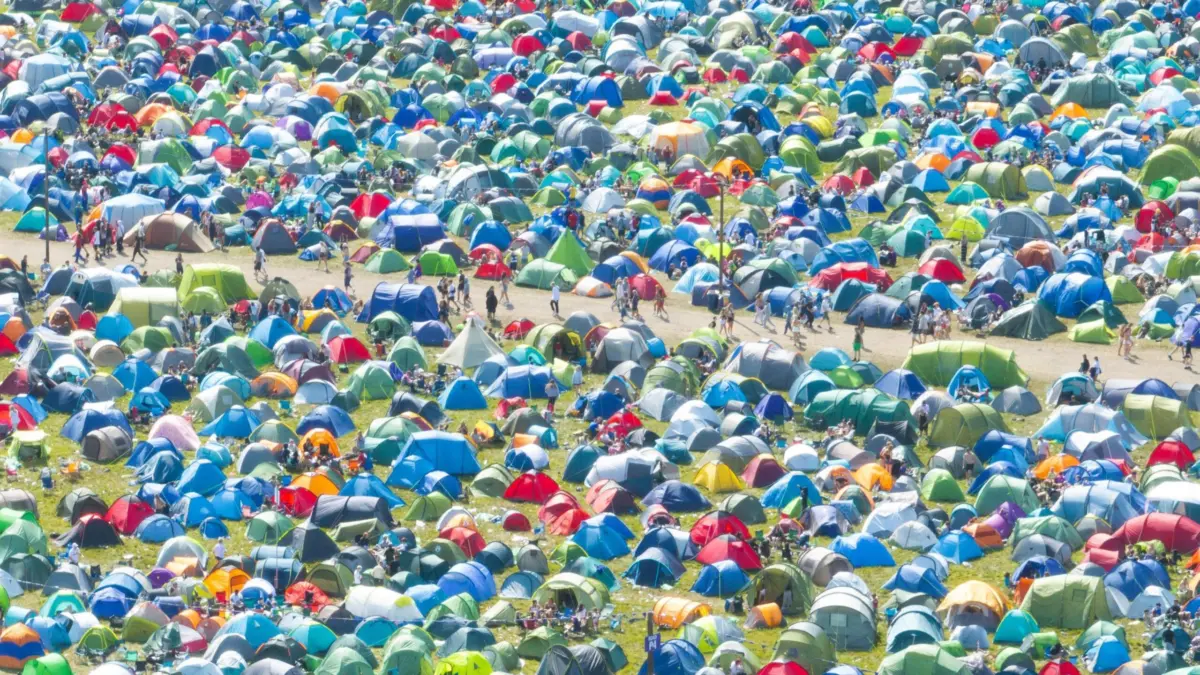
As August draws to a close, the historic town of Reading is once again preparing to transform into one of the most vibrant cultural epicenters in the United Kingdom. The annual Reading Festival—a cornerstone of the British summer music calendar—is set to welcome an estimated 100,000 attendees to the Richfield Avenue site from Thursday, August 27, to Sunday, August 30. While anticipation among music lovers reaches a fever pitch, local authorities, transport providers, and community leaders have issued urgent calls for both residents and festivalgoers to plan ahead.
The convergence of tens of thousands of campers, day-ticket holders, artists, and production crews inevitably places a monumental logistical strain on local infrastructure. From localized road closures and strict traffic management schemes to heightened retail demand and environmental monitoring, the successful execution of an event of this scale requires precision coordination. Reading Borough Council, working in tandem with festival promoters, has rolled out a comprehensive framework designed to mitigate disruption, safeguard local amenities, and ensure that the multi-day celebration runs smoothly for all stakeholders involved.
Detailed Chronology and Operational Timeline
Managing the mammoth logistical puzzle of the Reading Festival requires a carefully choreographed schedule that spans nearly a week. Understanding this timeline is critical for anyone navigating the town centre or attending the events.
Pre-Festival Setup and Sound Testing (Tuesday, August 25 – Wednesday, August 26)
Operations on the ground begin days before the first chords are struck. Production crews work around the clock to erect stages, camping zones, and security perimeters.
- August 26 (09:00): The dedicated resident hotline officially goes live, serving as an immediate point of contact for local queries and feedback.
- Sound Checks: Rigorous acoustic testing commences on Thursday and continues daily prior to the commencement of live performances. These tests are conducted under the direct supervision of Reading Borough Council environmental officers to ensure sound bleed remains within permissible legal limits.
Arrival and Peak Influx (Thursday, August 27)
The festival gates open, marking the arrival of the first major wave of campers.

- Traffic and Travel: Thursday is traditionally one of the most congested days on Reading’s road network. Long delays are expected across the town centre as cars, coaches, and pedestrians converge on Richfield Avenue.
- Path Closures: To manage pedestrian flow and ensure security, the Thames Path will be officially closed between Scours Lane and the far end of the Thameside Promenade starting Thursday evening, remaining restricted from 19:00 to 06:00 nightly through Monday morning.
- Hotline Escalation: The special resident hotline transitions to a 24-hour operation starting at 09:00 on Thursday morning.
The Peak Weekend (Friday, August 28 – Saturday, August 29)
As the full festival lineup hits the stages, the immediate vicinity of Richfield Avenue becomes a self-contained community of music enthusiasts.
- Local Commerce: While large numbers of attendees settle into the campsites by Saturday and Sunday, local shops, supermarkets, and hospitality venues experience an unprecedented surge in foot traffic. Shelves are stocked higher than usual, but queues are expected to be lengthy.
- Round-the-Clock Support: Council officers and festival liaison teams continue to monitor noise levels, waste management, and traffic flow continuously.
Exodus and De-Rigging (Sunday, August 30 – Monday, August 31)
The final headliners close out the festival late Sunday night, setting the stage for one of the largest mass departures of the year in the Thames Valley.
- The Monday Morning Rush: Monday, August 31, sees tens of thousands of tired festivalgoers breaking camp and heading home via rail, road, and organized coach services. Traffic bottlenecks around major junctions and Reading Station are anticipated to peak between early morning and mid-afternoon.
- Hotline Closure: The special resident support hotline officially winds down at 15:00 on Monday afternoon.
Supporting Context & Logistics: Travel, Transport, and Infrastructure
Moving 100,000 people into and out of a localized floodplain site requires a multi-layered transport strategy. Reading Borough Council and festival organizers have established strict protocols to keep the town moving.
Road Restrictions and Drop-Off Zones
To prevent gridlock on residential streets surrounding the venue, stringent parking and stopping restrictions will be strictly enforced. No-stopping zones for pick-ups and drop-offs will be actively monitored around Richfield Avenue.
For motorists dropping off or collecting friends and family, a dedicated facility has been established at Hills Meadow Car Park. From here, attendees can either enjoy a manageable walk to the festival site or take advantage of the free, high-frequency shuttle buses operating throughout the weekend.

Alternative Parking and Water Transit
To diversify access routes and ease pressure on primary road corridors, secondary parking facilities have been designated:
- Kings Meadow: Offers official festival parking alongside a unique, complimentary festival boat service that transports attendees directly toward the Richfield Avenue site via the waterway.
- Mapledurham: Functions as an additional primary parking hub. To facilitate safe pedestrian transit from this location, a temporary pedestrian bridge has been purpose-built, ensuring festivalgoers can bypass major vehicular bottlenecks entirely.
Official Statements and Community Engagement
Balancing the economic and cultural benefits of hosting a world-class music festival with the day-to-day peace of local residents is a perennial challenge for municipal leaders. Reading Borough Council has emphasized open communication channels to address community concerns proactively.
"We want everyone visiting Reading next week—whether they are coming for the incredible music lineup or they are lifelong residents—to have a positive experience. Planning ahead is vital. By understanding the travel restrictions, utilizing designated drop-off points like Hills Meadow, and taking note of our alternative transport options, we can keep Reading moving smoothly," noted a council spokesperson.
Dedicated Resident Support Channels
To ensure local voices are heard and issues are resolved swiftly during the event window, the council has established a comprehensive communication network:
- Telephone Hotline: 020 8080 1518
- Operational Hours: Tuesday, August 26 (09:00 – 17:00); 24-hour coverage from Thursday, August 27 (09:00) through Monday, August 31 (15:00).
- Dedicated Email Address: [email protected] (Monitored actively by council officials throughout the duration of the event).
- Online Resources: Official, real-time travel updates, gate opening times, and site maps are hosted directly on the Reading Festival Travel Information Portal.
Future Outlook: Evolution of the Festival and Long-Term Planning
The 2025 iteration of the Reading Festival arrives against a backdrop of exciting forward momentum for the event’s organizers and the town itself. Just days before the gates open, significant regulatory milestones were achieved.

In a landmark decision announced on Tuesday, festival organizers were formally granted permission by local licensing authorities to expand regulated music programming onto the main stage on Thursdays, effective from 2027. This upcoming structural shift reflects the evolving nature of the modern music festival calendar, which increasingly demands multi-day immersive experiences from the moment gates open.
Furthermore, star-studded headliners—such as global pop phenomenon Charli XCX, alongside an eclectic mix of rock, indie, and electronic heavyweights—underscore the festival’s ongoing cultural relevance. As Reading prepares to welcome top-tier global talent alongside 100,000 passionate fans, the cooperative efforts between municipal authorities, local businesses, and festival promoters highlight a mature blueprint for managing major cultural events.
By prioritizing advanced preparation, robust public transit alternatives, and open dialogue with residents, Reading continues to proudly uphold its status as a premier destination on the global festival map while preserving the community fabric that anchors the town year-round.