Executive Overview
The debate surrounding the integration of artificial intelligence (AI) into the music industry has reached a fever pitch, polarizing artists, producers, and executives alike. While vocal industry leaders like SZA and Jack Antonoff have openly condemned generative AI technologies—labeling proponents with severe designations and decrying the encroachment of algorithms into human art—a contrasting faction of legendary industry pioneers is enthusiastically welcoming the wave of innovation.
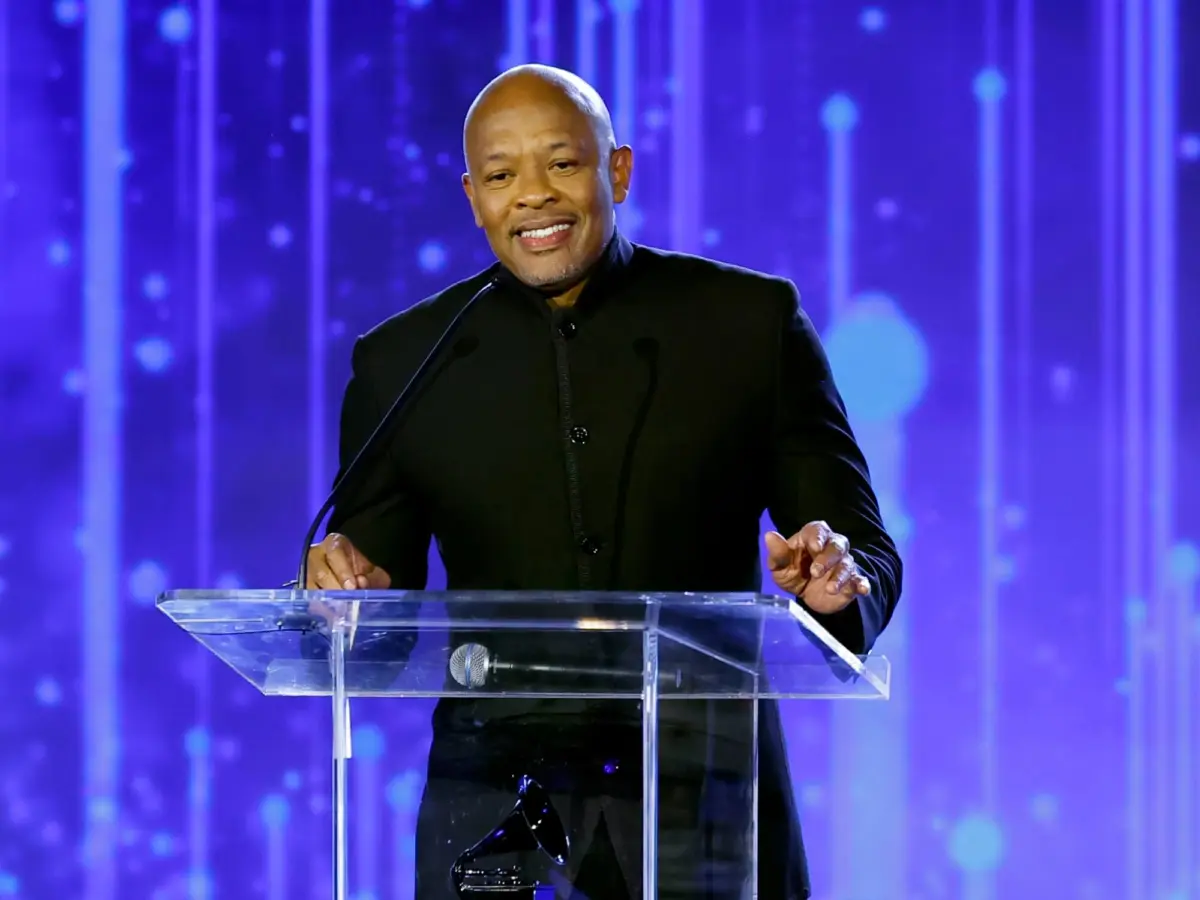
Chief among these forward-thinking proponents are iconic hip-hop producer Dr. Dre and veteran music executive Jimmy Iovine. In a recent, wide-ranging interview with The New York Times, the powerhouse duo dismissed industry-wide panic, drawing direct parallels between the current backlash against AI and the historic resistance faced by synthesizers and drum machines decades ago. According to Dr. Dre, artificial intelligence is not an existential threat to human creativity, but rather a sophisticated new instrument designed to push the boundaries of modern music production.
This comprehensive report examines the mounting ideological split within the global music community, analyzes the technical and philosophical arguments put forward by Dr. Dre and Jimmy Iovine, and explores what this technological revolution means for the future of songwriting, commercial production, and the safeguarding of human artistry.
Detailed Chronology: The Evolution of the AI Music Debate
To understand the weight of Dr. Dre and Jimmy Iovine’s recent endorsement, it is essential to trace the rapid escalation of the AI debate within the contemporary music landscape.
- Late 2023: Industry veteran Jimmy Iovine outlines his initial predictions regarding generative technology in an interview with Consequence of Sound. He notes that while the technology will inevitably change the landscape, it will serve primarily as an advanced tool to help songwriters overcome creative blocks, cautioning against a broader cultural trend of crafting music exclusively for short-form social media platforms like TikTok.
- Throughout 2024–2025: As text-to-audio and neural voice-cloning technologies improve exponentially, public apprehension surges. Independent artists and major record labels wage legal and ideological battles over unauthorized likenesses, copyright infringement, and the ethics of training machine learning models on copyrighted sound recordings.
- Early 2026: Prominent mainstream artists intensify their public rhetoric against AI. Performers such as SZA and Jack Antonoff openly lambest tech advocates, characterizing the embrace of algorithmic music tools as an affront to authentic human expression.
- August 2026: Dr. Dre and Jimmy Iovine sit down with The New York Times to discuss their broader business ventures, including educational initiatives at USC and their historical partnership with Beats. During the conversation, Dr. Dre breaks his silence on artificial intelligence, offering a robust defense of the technology and firmly aligning himself with the pro-AI faction of music creators.
Supporting Context & Metrics: Historical Parallels and Industry Divide
The polarization surrounding generative AI highlights a recurring historical phenomenon: whenever a paradigm-shifting tool emerges in music production, it is met with fierce skepticism by traditionalists before eventually becoming an indispensable standard.
The Syntax of Skepticism: Synths and Samplers Revisited
When electronic synthesizers, MIDI controllers, and programmable drum machines (such as the Roland TR-808) were first introduced in the late 20th century, critics and purists argued that they would strip soul and genuine musicianship out of popular music. Traditional instrumentalists viewed them as lifeless substitutes for real performance.
Dr. Dre’s defense of AI relies heavily on this historical context. Having pioneered the use of innovative hardware throughout his storied career—shaping the sonic landscape of West Coast hip-hop through meticulous sampling and electronic manipulation—he views the current anti-AI sentiment as a predictable manifestation of technological anxiety. For producers of his caliber, AI represents the logical continuation of a centuries-long evolution where technology expands, rather than replaces, human capability.
The Great Industry Divide
Today, the music ecosystem is sharply divided into two distinct camps:
- The Protectionist Coalition: Comprising many contemporary songwriters, performers, and advocacy groups, this faction emphasizes the existential threat of deepfakes, copyright laundering, and the devaluation of labor. Figures like SZA and Jack Antonoff argue that the commercial rush toward automated creation devalues the emotional and lived experiences embedded in genuine human art.
- The Innovation Coalition: Led by veteran producers, tech entrepreneurs, and forward-looking executives like Dr. Dre and Jimmy Iovine, this group views AI through a pragmatic lens. They argue that fear of the technology stems from a lack of creative confidence, maintaining that elite creators will simply use AI to achieve unprecedented levels of sonic sophistication.
Official Statements and Perspectives
The conversation between Dr. Dre, Jimmy Iovine, and The New York Times yielded several revealing quotes that underscore their unshakeable confidence in the future of AI-assisted production.
Dr. Dre on Creativity and Fear
Addressing the vocal opposition among his peers, Dr. Dre did not mince words regarding the psychological underpinnings of the anti-AI movement:

"I had a discussion with a few people a few days ago, and they were against AI. I’m like, ‘OK, you sound like the person that would have been against the drum machine when it came out, or synthesizers.’"
Emphasizing that the technology is simply an extension of a creator’s toolkit, he added:
"I can’t wait to see what’s going to happen with [AI]… I think the only people that see it as a threat are the people who have trouble creating."
Dr. Dre also revealed that he has already begun experimenting with neural tools within the controlled environment of his private studio, utilizing them to explore alternative directions and permutations of his own newly recorded ideas.
Jimmy Iovine on Quality Control and Songwriting
Backing his long-time creative and business partner, Jimmy Iovine offered an equally bullish assessment of AI’s commercial viability and artistic utility:
"I don’t see the downside at all. There will be some crappy music. There’s crappy music now. In the studio, when gifted people have AI, they’re going to make better records."
Expanding upon thoughts originally shared in his 2003 interview with Consequence of Sound, Iovine reiterated that generative algorithms hold immense promise for overcoming writer’s block and conceptual stagnation:
"I’m not saying it’s good or bad, but I think AI is going to be massive in songwriting on many levels. One, on a very basic level, if somebody is stuck and you want to experiment and get an idea. Two, is that not everyone, but too many people today are making records for TikTok."
Future Outlook: Navigating the Algorithmic Frontier
As the dust settles on the initial wave of cultural panic, the trajectory of artificial intelligence in the music industry points toward a complex hybrid future. While legal frameworks surrounding copyright, data scraping, and artist compensation continue to be debated in legislative halls and courtrooms, the practical application of AI inside professional recording studios appears inevitable.
What Lies Ahead for Producers and Songwriters
- Enhanced Workflows: Producers will increasingly rely on machine learning plugins for audio separation, automated mixing assistance, dynamic arrangement structuring, and real-time tonal experimentation.
- The Premium on Human Authenticity: As low-effort, algorithmically generated tracks flood streaming platforms—contributing to the sea of "crappy music" referenced by Iovine—truly gifted artists and producers who infuse deep personal narrative and exceptional craftsmanship into their work will likely see their value soar.
- Educational Integration: Institutions championed by industry leaders, such as the USC Jimmy Iovine and Andre Young Academy, will undoubtedly begin preparing the next generation of creatives to wield these tools responsibly, bridging the gap between computer science and sonic art.
Ultimately, Dr. Dre’s perspective serves as a challenge to the modern creative community. Rather than retreating behind defensive barriers, the industry’s most visionary minds are choosing to engage with the technology head-on, ensuring that human imagination remains firmly at the steering wheel of the future of music.