In August 1997, as Britpop reached its decadent, champagne-soaked apex in London, a starkly different musical narrative was forged in the Cynon Valley of South Wales. Word Gets Around, the debut studio album by Stereophonics, arrived not as an exercise in mid-90s escapism, but as a unflinching, highly poetic document of post-industrial working-class life. Set against the backdrop of Cwmaman—a former coal-mining village left economically adrift following decades of industrial closure and political neglect—the album transformed localized small-town anxieties into a universally resonant rock landmark.
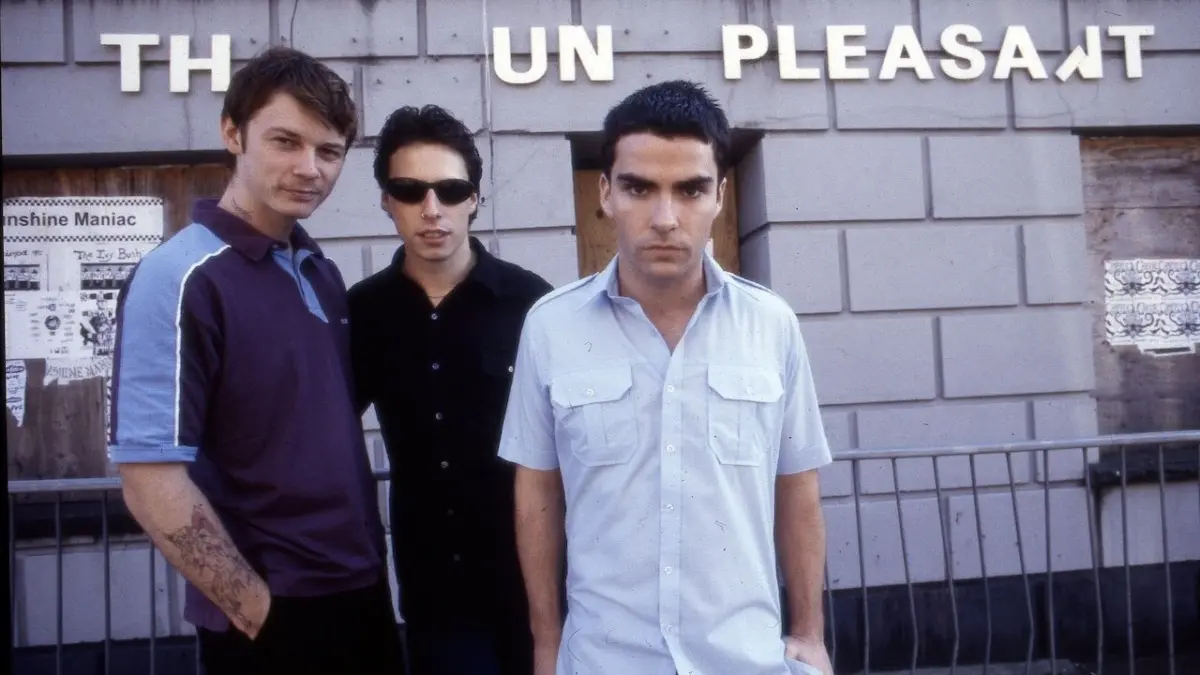
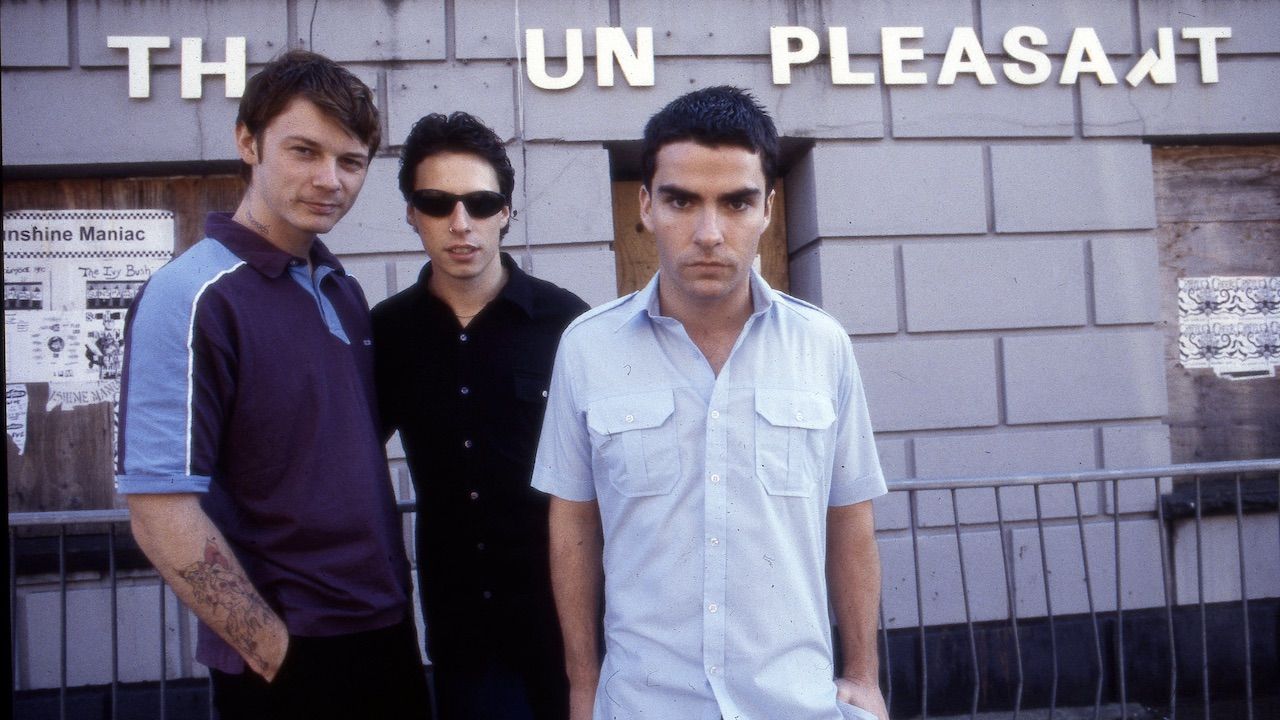
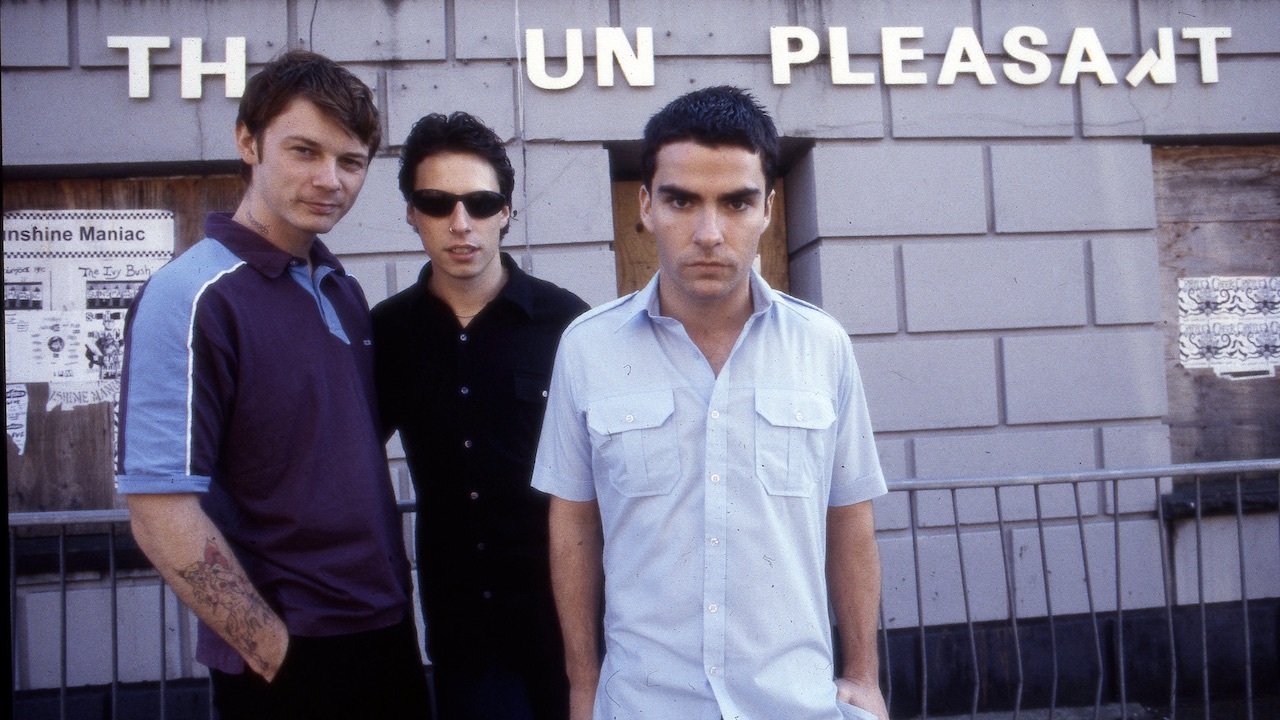
Formed by childhood friends Kelly Jones, Richard Jones, and the late Stuart Cable, Stereophonics captured the friction between fierce local pride and suffocating regional isolation. Produced by the production duo Bird & Bush (Marshall Bird and Steve Bush), the record combined economic power-trio instrumentation with cinematic, character-driven lyrical vignettes. Rather than leaning on broader political slogans, frontman Kelly Jones utilized journalistic observational detail, populating his songs with market traders, pub regulars, restless teenagers, and tragic local figures.
The record’s rise marked a critical turning point for late-1990s British rock. As the flagship release for Sir Richard Branson’s newly launched V2 Records, Word Gets Around established Stereophonics as premier storytellers, laying the groundwork for a career that would encompass multiple UK number-one albums and stadium-headlining tours. Decades after its release, the record remains an essential cultural text, documenting a specific era of British social history with rare poignancy and enduring emotional force.
Detailed Chronology
Stereophonics: Path to 'Word Gets Around' (1986–1998)

 [1986–1995] -----------------------------------------------------> [Summer 1996] ------------------------> [Autumn 1996] --------------> [August 1997] -----------> [March 1998]
 Early origins in Cwmaman; years on local dive bar/cover circuit   Tour support with Manic Street Preachers   Flagship signing to V2 Records  Debut album release       BRIT Award win & Top 15 re-chart
Formative Years and the Cwmaman Circuit (1986–1995)
The roots of Stereophonics trace back to the working-class terraces of Cwmaman. Frontman Kelly Jones and drummer Stuart Cable grew up on the same street, forging a musical bond early in childhood. Enlisting bassist Richard Jones (no relation to Kelly), the trio spent nearly a decade honing their craft under various monikers, including Tragic Love Company.
During these formative years, the band worked the demanding South Wales dive-bar and club circuit. Playing long sets of classic covers alongside nascent original material, Kelly Jones—a former junior boxer who also worked on market stalls and studied film—developed a distinct songwriting voice rooted in keen social observation and vivid narrative sketching.
The Breakthrough and the V2 Bidding War (1996)
The band’s trajectory shifted permanently in the summer of 1996. Fellow Welsh outfit Manic Street Preachers, then riding a wave of national acclaim following the release of their masterpiece Everything Must Go, invited the young trio to support them on tour. The high-profile support slot exposed Stereophonics to major record labels and national music journalists during a period often dubbed "Cool Cymru"—a surge of mainstream attention toward Welsh arts and culture.
A fierce industry bidding war ensued, with a reported 35 record labels competing for the group’s signatures. Ultimately, Stereophonics opted to become the inaugural signing for V2 Records, the newly formed label established by Virgin mogul Sir Richard Branson. The signing provided both significant financial backing and high industry visibility, setting the stage for their debut recording sessions.
Studio Production and Initial Impact (1997)
Working alongside producers Marshall Bird and Steve Bush at various studios across the UK, the band set out to translate their energetic live sound into a polished studio debut. The production strategy prioritized clarity and momentum, pairing Kelly Jones’ raspy, soul-infused vocals and driving guitar riffs with a tight, muscular rhythm section provided by Richard Jones and Stuart Cable.
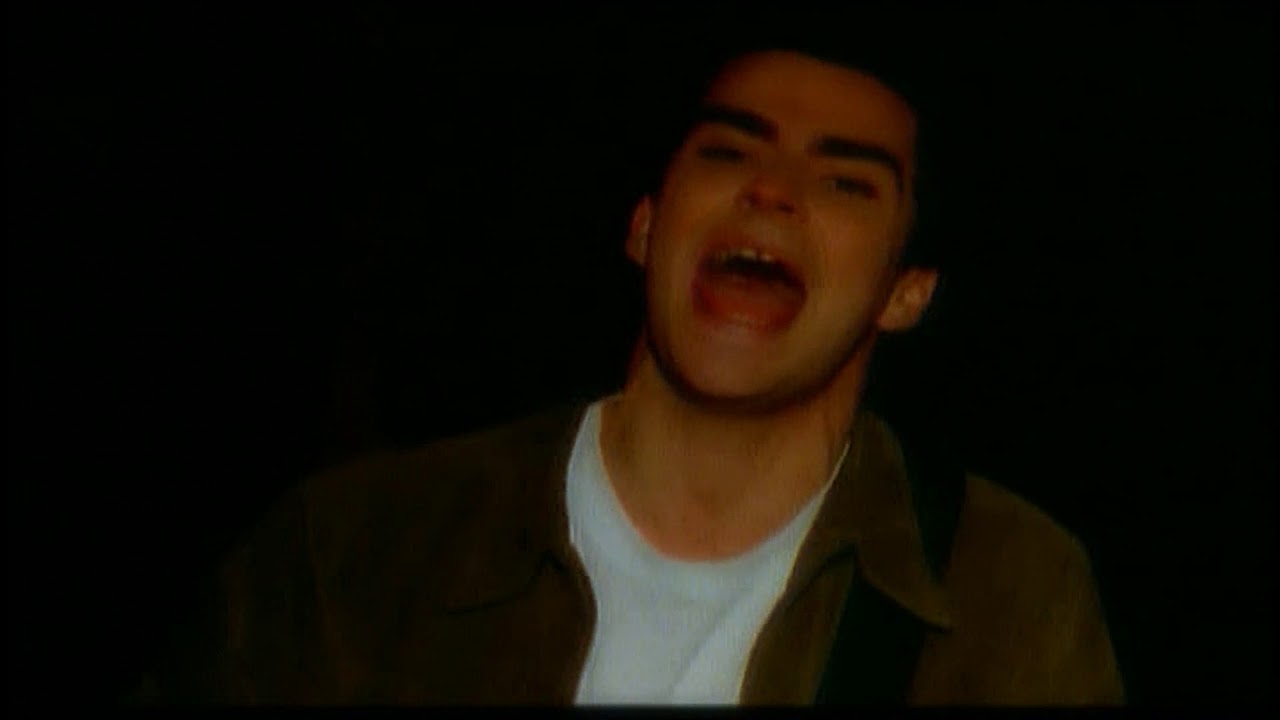
Released on August 25, 1997, Word Gets Around entered the UK Albums Chart at Number 6. Early singles like "More Life in a Tramp’s Vest," "A Thousand Trees," and "Traffic" established the band on national radio playlists, while relentless touring built a devoted grassroots fanbase across the UK.
Critical Recognition and Commercial Success (1998)
By early 1998, the album’s steady sales momentum culminated in major industry accolades. In February 1998, Stereophonics received the BRIT Award for Best British Breakthrough Act. Capitalizing on this visibility, V2 Records re-released the album’s standout track, "Local Boy in the Photograph," in March 1998. The single climbed to Number 14 on the UK Singles Chart, propelling the album past Gold sales certification (over 100,000 copies) and cementing Stereophonics as a front-rank British rock act.
Supporting Context & Metrics
Socio-Economic Backdrop
To understand the weight of Word Gets Around, one must examine the economic landscape of the South Wales Valleys during the late 20th century. Following the systematic dismantling of the UK coal industry throughout the 1980s and early 1990s, communities like Cwmaman lost their primary economic foundations and shared industrial purpose.
Rather than writing explicitly ideological protest songs, Kelly Jones captured the human consequence of this decay: economic stagnation, boredom, pervasive gossip, alcohol dependency, and youth disenfranchisement. The lyrics chronicle a claustrophobic environment where private lives were lived in public view across pool halls, chip shops, working men’s clubs, and bus stops.
"More Life in a Tramp’s Vest": A high-energy opening track that reflects on routine, dead-end employment, and consumerist mundanity from the perspective of a market stall worker.
"A Thousand Trees": Built around the central hook—"It only takes one tree to make a thousand matches, only takes one match to burn a thousand trees"—this track explores how a lifetime of personal reputation can be destroyed instantly by small-town rumors and moral hypocrisy.
"Local Boy in the Photograph": A poignant, propulsive anthem based on the true story of Paul Castle, a local youth who died tragically on the railway line in Aberdare. The song contrasts the vibrant vitality of youth with the sudden silence of loss and communal grief.
"Traffic": A reflective, acoustic-driven narrative observing stuck commuters, subtly exposing the hidden anxieties, broken marriages, and quiet desperation existing behind closed car doors.
"Goldfish Bowl": An unsparing examination of small-town claustrophobia and self-destructive habits, featuring the candid line: "I’m drinking, sinking, swimming… thieving, cheating, beating… I’m deep in a goldfish bowl."
"Billy Davey’s Daughter": A stark acoustic ballad detailing the tragedy of a local girl who jumped from a bridge linking neighboring villages, serving as a dark, emotional culmination to the album’s thematic arcs.
Commercial and Performance Metrics
Metric
Detail / Figure
Release Date
August 25, 1997
Peak UK Album Chart Position
#6
Lead Singles
"Looks Like Chaplin", "More Life in a Tramp’s Vest", "A Thousand Trees", "Traffic", "Local Boy in the Photograph"
Breakthrough Award
BRIT Award for Best British Breakthrough Act (1998)
UK Sales Certifications
Certified Gold (1998); Platinum status trajectory
Long-Term Commercial Sales
Approaching 1,000,000 units in the UK
Label
V2 Records (Catalogue debut signature)
Official Statements
The enduring reputation of Word Gets Around rests on its authenticity—a quality acknowledged both by music critics and the band members themselves in subsequent decades.
Reflecting on the album’s legacy during a retrospective catalog review in 2013, frontman Kelly Jones emphasized the unique cultural position the debut occupies in the band’s history:
"It’s the album that defines who we are, where we came from, the one die-hard Stereophonics fans will probably say we’ll never beat. It’s that record. I’m still very, very proud of [it], because I still can’t believe that an 18-year-old kid wrote some of that."
— Kelly Jones, Songwriter and Frontman
Industry observers have similarly noted how the album captured a specific, unrepeatable moment in time. Speaking on the band’s origins, contemporary music journalism has frequently highlighted that while Stereophonics subsequently evolved into a mainstream arena-rock power, their debut remains grounded in an unvarnished social realism:
"The songs on Word Gets Around weren’t written for festival main stages or stadium singalongs; they were written from the passenger seat of a delivery van and behind market stalls. That fundamental honesty is why the songs still resonate decades later."
Future Outlook & Legacy
As Word Gets Around continues its march toward classic status, its relevance within the landscape of modern rock music remains secure. The album served as an essential bridge between the British indie-rock boom of the 1990s and the storytelling-driven post-Britpop movement of the early 2000s, influencing a generation of songwriters seeking to articulate regional working-class experiences.
       Stereophonics: Evolution of Impact
 [Word Gets Around (1997)]  ──> Small-town narrative realism & critical acclaim
            │
            ▼
 [Performance & Cocktails (1999)] ──> UK #1 status & arena-scale rock anthems
            │
            ▼
 [Decades of Arena Success] ──> Multi-platinum catalog with "Local Boy" retained as a live climax
The album’s key tracks—most notably "Local Boy in the Photograph," "A Thousand Trees," and "More Life in a Tramp’s Vest"—remain permanent fixtures in Stereophonics’ live sets, frequently serving as emotional highlights during their stadium and festival appearances worldwide. The enduring appeal of these tracks lies in their dual nature: while deeply specific to the Valleys of South Wales, their themes of escape, loss, resilience, and identity are universal.
Nearing the milestone of one million UK sales, Word Gets Around stands as far more than a successful debut record. It remains a vital document of post-industrial British social history—a collection of songcraft that elevated everyday regional lives into timeless rock art.