Executive Overview
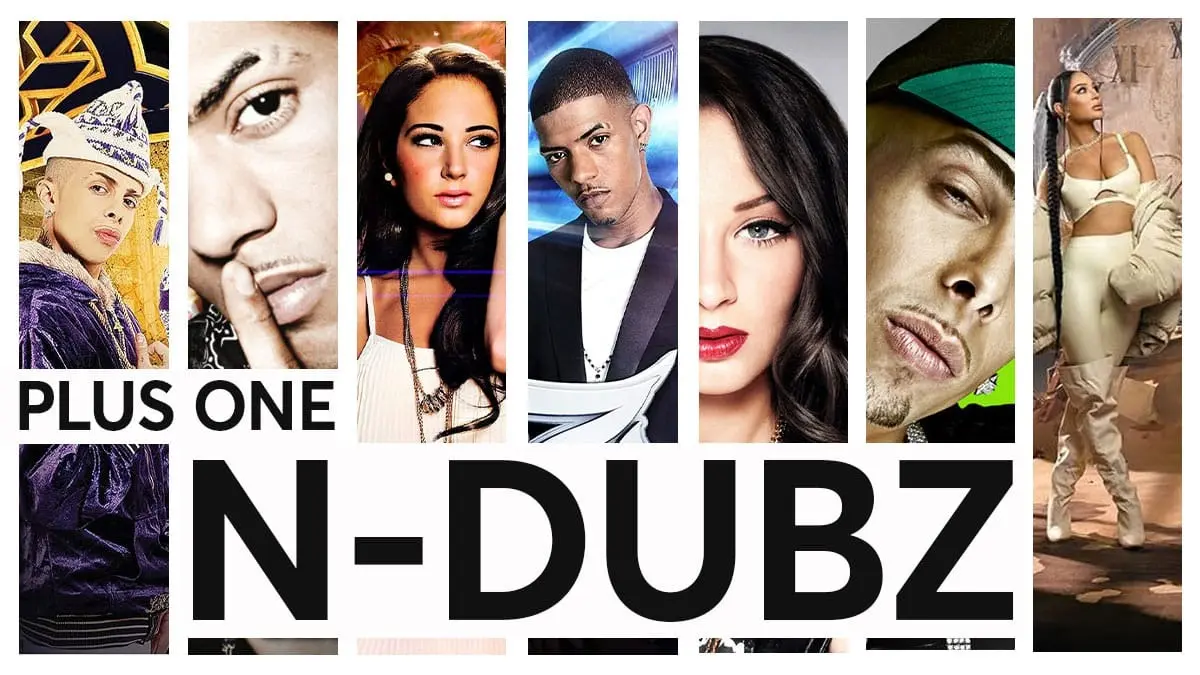
Two decades have evaporated since the distinct, unapologetic cadence of the Camden-born trio N-Dubz first pierced through the underground pirate radio circuits of London, ultimately reshaping the trajectory of British urban pop music. Comprising Tulisa Contostavlos, Dappy (Costas Dino Contostavlos), and Fazer (Richard Rawson), the group synthesized disparate threads of American hip-hop, rhythm and blues, UK grime, and high-energy pop into an unmistakable cultural phenomenon. Their sonic footprint defined the late 2000s and early 2010s, earning them multiple MOBO Awards, chart-topping albums, and a fiercely loyal fan base that has spanned generations.
Now, as the music industry looks ahead to 2027, the trio is preparing for a monumental cultural reclamation: The Legacy Tour. Spanning eight major UK arenas—and marking the group’s inaugural foray into performing "in the round"—this upcoming run has sparked widespread nostalgia and intense critical reassessment. To mark this milestone, a comprehensive retrospective of their definitive catalog reveals not only the enduring appeal of N-Dubz as a collective, but also the formidable weight of their respective solo ventures. From groundbreaking chart milestones to deeply personal anthems, the evolution of N-Dubz remains one of the most compelling narratives in modern British music history.
Detailed Chronology: From Underground Pioneers to Arena Titans
To understand the magnitude of The Legacy Tour, one must retrace the meticulous, arduous journey of a group that refused to be confined by genre boundaries or industry gatekeepers.
Phase I: The Grassroots Emergence (2006–2007)
Long before streaming algorithms dictated popular taste, N-Dubz cut their teeth on London’s underground satellite television networks—most notably Channel U—and the gritty frequencies of pirate radio. Their initial breakthrough materialized via self-funded digital downloads and grassroots hustle. Their 2006 debut single, "You Better Not Waste My Time," served as an early manifesto of urban ambition. When it received a physical retail distribution via Polydor Records a year later, it shattered expectations by securing a coveted spot in the UK top 40. This foundational era cemented their reputation as authentic voices of youth culture, culminating in their victory at the MOBO Awards for Best Newcomer.
Phase II: Mainstream Domination and Chart Supremacy (2008–2010)
The release of their debut studio album, Uncle B (2008), propelled N-Dubz from cult favorites to bona fide household names. Driven by provocative, narrative-driven singles like "Ouch" (which introduced the immortal cultural catchphrase "Shaniqua and what?") and the emotionally crushing tribute "Papa Can You Hear Me?", the album captured the volatile intersection of teenage bravado and profound vulnerability.
The momentum accelerated exponentially with their sophomore effort, Against All Odds (2009), which peaked at Number 6 on the UK Albums Chart. This era birthed some of their most enduring monuments, including the lavishly budgeted "I Need You" and the emotionally charged, Mr Hudson-assisted collaboration "Playing With Fire," which secured the group their fourth MOBO Award.
Concurrently, their collaborative reach extended outward. Their feature on Tinchy Stryder’s 2009 smash "Number 1" achieved double-platinum certification and carved its name into chart history as the first single featuring the word "Number 1" in its title to actually top the UK Singles Chart.
Phase III: Solo Explorations, Hiatus, and Solo Triumphs (2011–2014)
Following an exhaustive arena tour in 2011, the trio announced a planned three-year hiatus to pursue individual artistic ambitions. This period proved that the components of N-Dubz were formidable forces in their own right:
- Dappy soared to solo success with the chart-topping "No Regrets" and his debut album Bad Intentions, which notably featured an unexpected, genre-bridging collaboration with Queen legendary guitarist Brian May on the rock-infused anthem "Rockstar."
- Tulisa transitioned into mainstream television royalty as a judge on The X Factor, famously mentoring the history-making girl group Little Mix to victory. Simultaneously, she launched a successful solo pop career, claiming the UK Number 1 spot with her blistering EDM-infused single "Young" ahead of her debut album, The Female Boss.
- Fazer expanded his production and recording footprint with stellar solo releases such as the underground-leaning throwback "Killer."
Supporting Context & Metrics: The Definitive 11-Song Countdown
As anticipation builds for The Legacy Tour, a critical ranking of the group’s finest musical moments—inclusive of essential solo trajectories—underscores the sheer breadth and durability of their catalog.
-
"Number 1" (Tinchy Stryder feat. N-Dubz, 2009)
A watershed moment in British chart history. Sampling the iconic Andrew Oldham Orchestra arrangement previously utilized for The Verve’s "Bittersweet Symphony," this double-platinum anthem remains the pinnacle of late-2000s UK crossover pop. -
"Playing With Fire" (feat. Mr Hudson, 2009)
Anchored by Tulisa’s instantly recognizable "uh-oh uh-oh" and Dappy’s signature vocal flourishes, this emotional tug-of-war earned a well-deserved MOBO Award for Best Song and stands as their most-streamed track across digital platforms. -
"Papa Can You Hear Me?" (2008)
A profound display of emotional depth, penned by Dappy in memory of his late father and manager, Byron "B" Contostavlos. The emotional gravity of this track inspired the title of their debut landmark album, Uncle B. -
"No Regrets" (Dappy solo single, 2011)
Originally conceptualized during the group’s abortive American studio sessions with Def Jam, this reflective ballad became Dappy’s defining solo statement, topping the UK Singles Chart upon its release. -
"Young" (Tulisa solo single, 2012)
A high-octane celebration of youth and resilience that capitalized on Tulisa’s massive cultural ubiquity during her X Factor tenure, securing a dominant week-one Number 1 position. -
"I Need You" (2009)
Beyond its infectious EDM-tinged production, this track is forever cemented in pop culture lore by its opulent, £50,000 music video featuring a personalized helicopter, a Ducati motorcycle, and a silver Lamborghini. -
"I Swear" (2006)
The foundational track that served as the bridge between their pirate radio origins and their eventual mainstream dominance.
-
"Ouch" (2008)
A masterclass in narrative pop songwriting that turned relationship infidelity into a viral YouTube sensation, cementing their permanent place in British pop culture. -
"Rockstar" (Dappy feat. Brian May, 2012)
An audacious collision of contemporary rap-pop and classic stadium rock, elevated by Brian May’s blistering, unmistakable guitar work. -
"You Better Not Waste My Time" (2006)
The self-funded genesis of a movement, proving that grassroots determination could successfully crack the mainstream consciousness. -
"Killer" (Fazer solo single, 2012)
A sleek, rhythm-forward showcase of Fazer’s production prowess and distinct vocal delivery away from the primary trio.
Official Statements and Industry Reception
The announcement of The Legacy Tour has elicited an overwhelming wave of validation from both industry peers and cultural commentators. Speaking on the motivations behind the upcoming arena run, representatives for the group have emphasized that this is not merely a nostalgia-driven victory lap, but a deliberate celebration of artistic survival and evolution.
Music critics have noted that while many acts of the 2000s era have struggled to transition into mature legacy acts, N-Dubz occupies a unique space. Their fusion of gritty street realism with glossy, high-production pop melodies anticipated the modern era of genre-fluid chart music by nearly a decade. Promoters and venue operators have similarly reported unprecedented demand, reflecting a market starved for the unbridled, high-octane energy that only Tulisa, Dappy, and Fazer can collectively deliver.
Future Outlook: The Legacy Tour and Beyond
As tickets prepare for general release, The Legacy Tour stands as the definitive cultural event of the early 2027 concert calendar. Scheduled to hit UK stages across February and March 2027—utilizing an innovative "in the round" staging format designed to maximize spatial intimacy within cavernous arenas—the tour represents the ultimate vindication for a group that built its empire against all odds.
Whether the reunion signals a permanent return to the recording studio or remains a definitive celebration of past glories, one reality remains indisputable: N-Dubz carved out a permanent, irreplaceable niche in the architectural history of British popular music. Their forthcoming return will not simply rehash the past; it will serve as a roaring reminder of why they dominated the landscape in the first place.