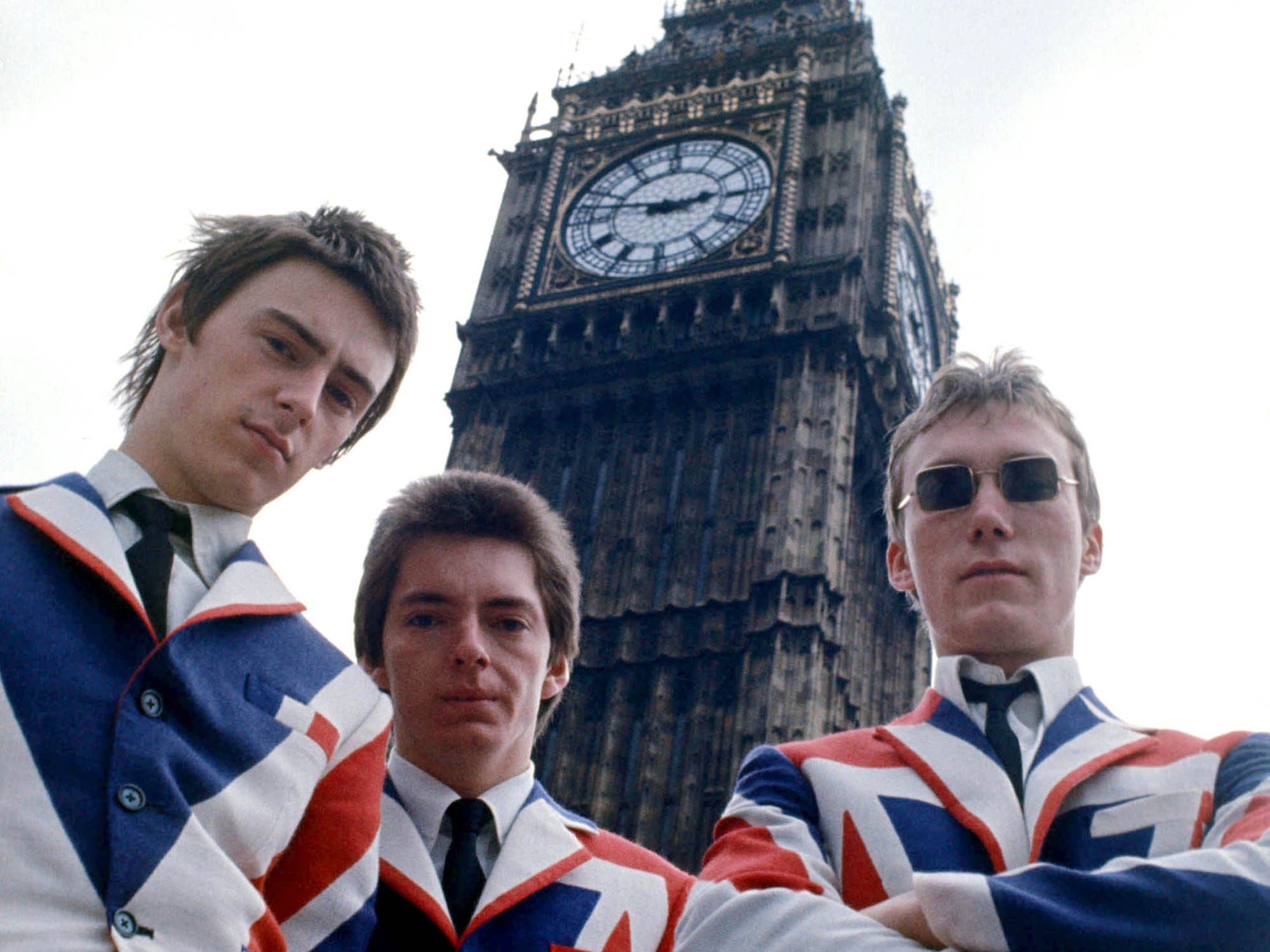
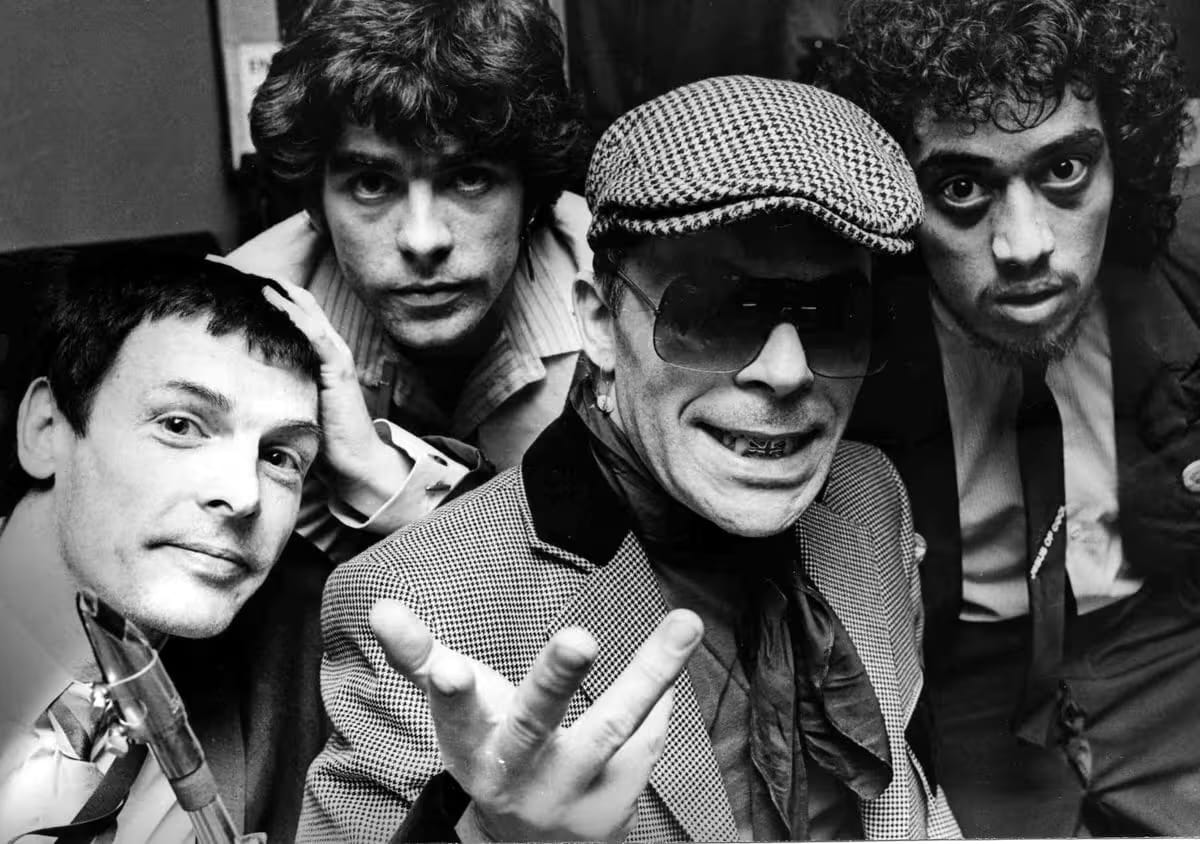
Few global urban centers have exercised a gravitational pull on modern music quite like London. For generations, the British capital has operated as a vast cultural petri dish—a dynamic ecosystem where disparate communities, immigrant cultures, and working-class narratives cross-pollinate, weave their roots together, and mutate into groundbreaking sonic movements.
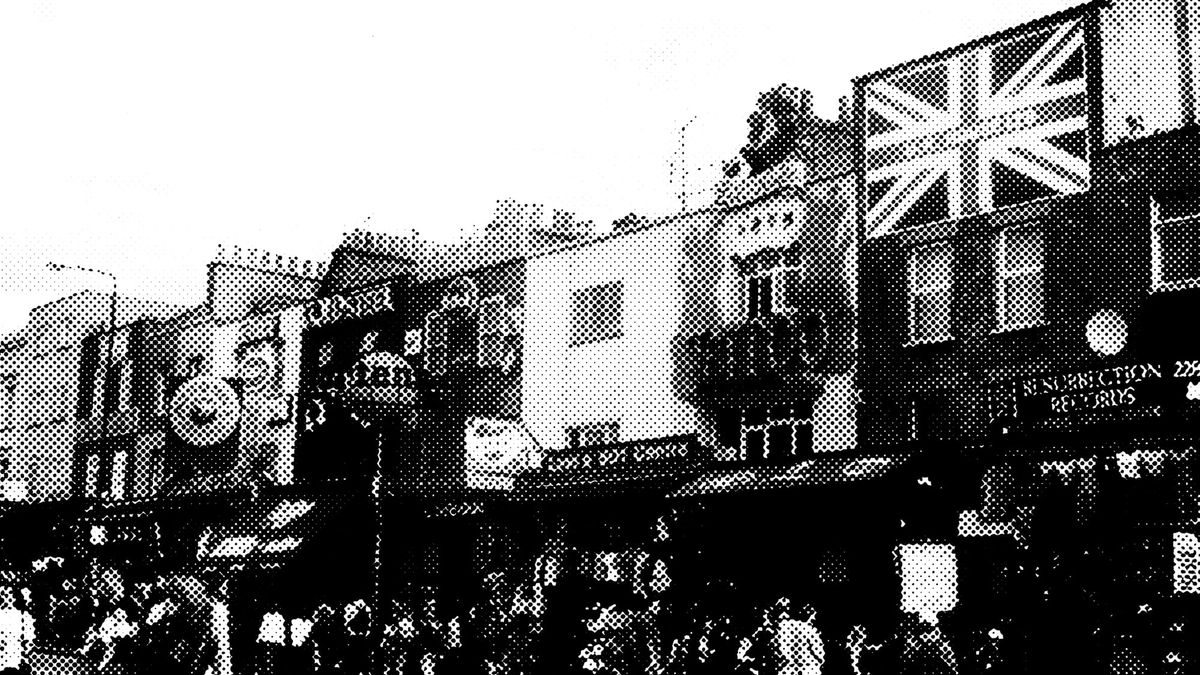
From the foundational reggae and sound-system cultures transported across the Atlantic by the Windrush generation to the explosive, anti-establishment fury of 1970s punk; through the nocturnal club revolutions of jungle, garage, and dubstep; to the modern, genre-fluid dominance of grime, drill, and jazz fusion, London’s musical DNA is in a state of perpetual evolution. Independent record stores, legendary underground pirate radio stations, sweaty basement clubs, and historic rehearsal spaces have long provided the essential physical and spiritual infrastructure required for these counter-cultural scenes to thrive.
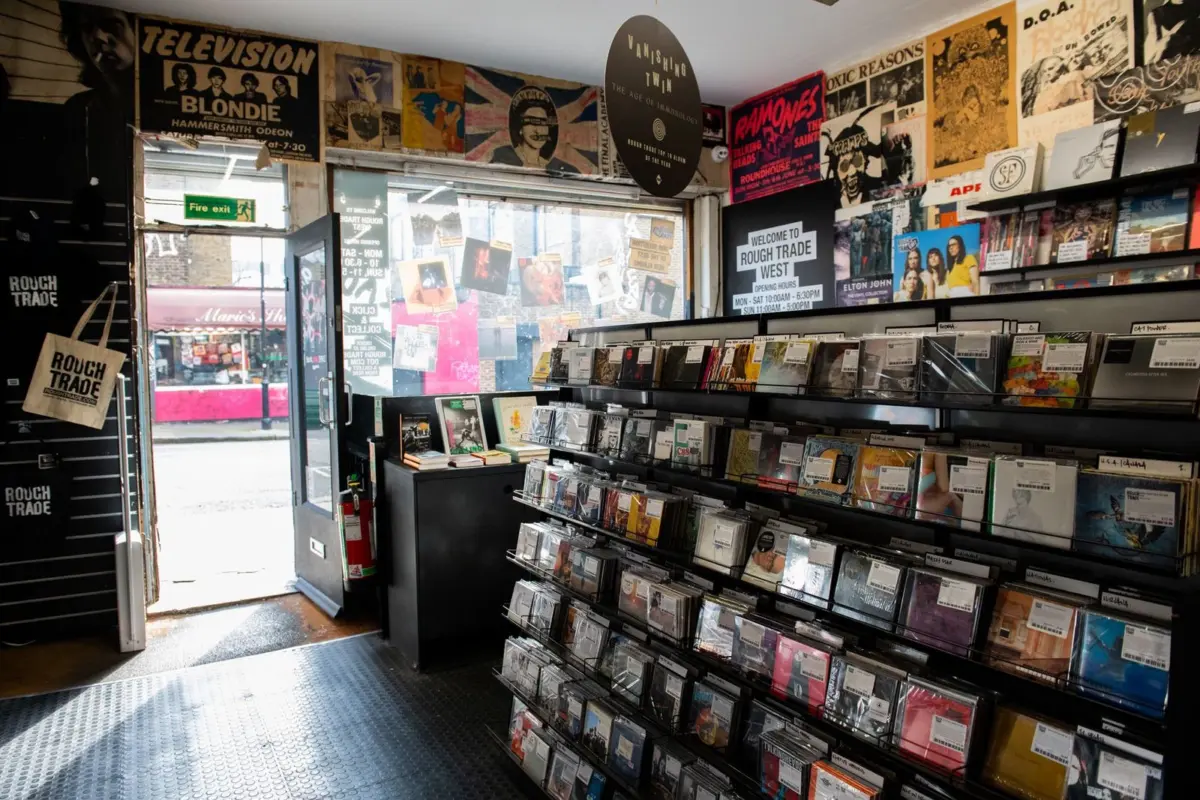
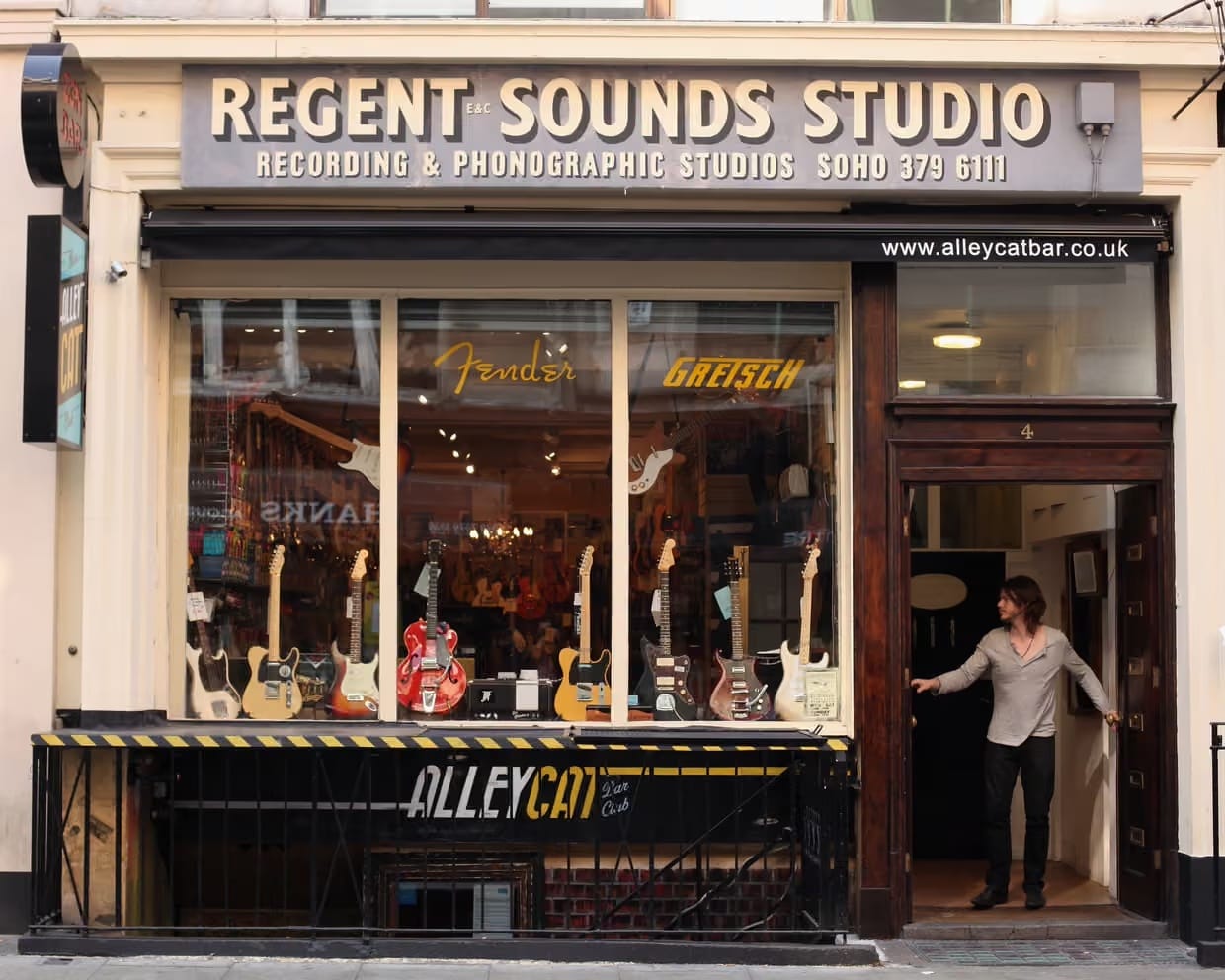
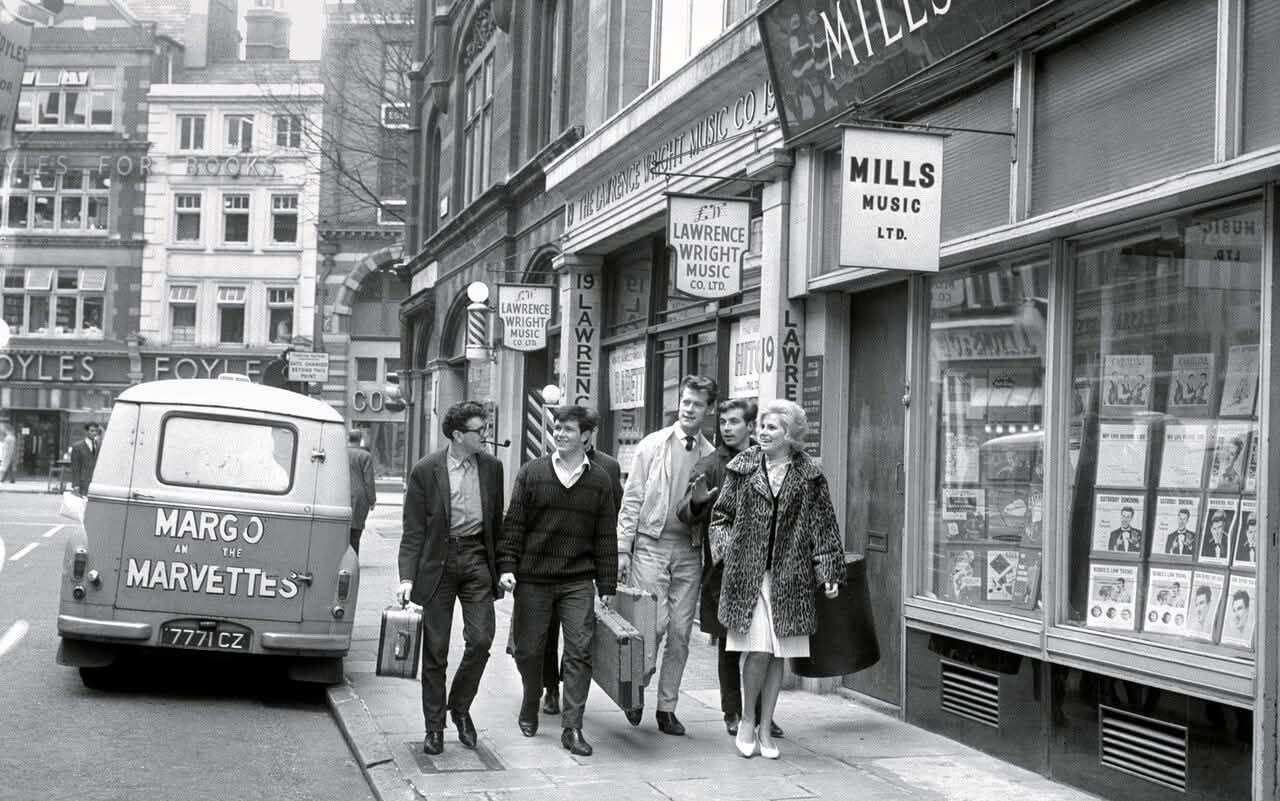
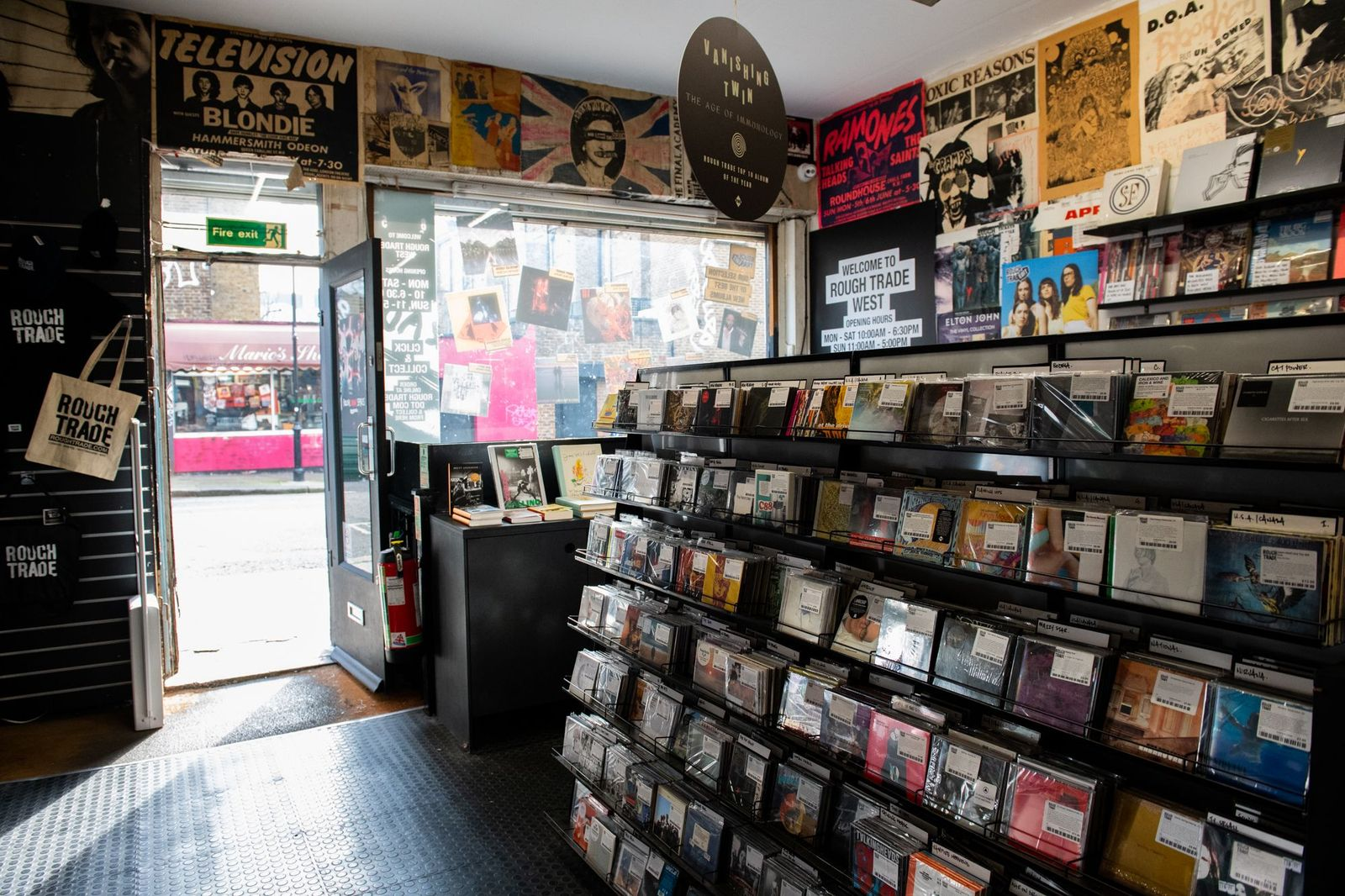
It was precisely within this rich, turbulent cultural landscape that Rough Trade first opened its doors in West London in 1976, riding the vanguard of the punk explosion. What began as a modest independent record shop on Kensington Park Road organically expanded into an international network of artists, labels, and avid listeners, building a global community of music enthusiasts. Decades later, this commitment to the city’s heritage remains physically anchored in spaces like Soho’s historic Denmark Street—affectionately known as "Tin Pan Alley"—where Rough Trade opened its doors in 2024, joining a storied thoroughfare whose musical lineage stretches from early rock-and-roll to pop and punk.
To celebrate this enduring relationship between geography and melody, the staff at Rough Trade has meticulously curated a chronological compendium of 100 songs about London, spanning an astonishing century of recorded history from 1924 to 2026. Captured across streaming platforms via Qobuz and Spotify, this playlist functions as an auditory museum, preserving the shifting socio-political climates, underground triumphs, and everyday heartbreaks of the capital.
Detailed Chronology: A Century of London in Sound
The sprawling 100-track timeline assembled by Rough Trade’s archival and retail teams maps out the changing physical and emotional geography of the city, broken down across landmark eras.
The Interwar Years and Post-War Optimism (1924–1959)
The earliest entries in the chronicle transport listeners to a vastly different London. Stanley Holloway’s evocative 1924 performance of London Town (You Haunt Me) established an early template for theatrical, music-hall reflections on urban melancholy—a recording so resonant it was later sampled by The Caretaker in 2008.
As the mid-century approached, Vera Lynn’s 1940 standard A Nightingale Sang in Berkeley Square offered a bittersweet romanticism against the ominous backdrop of wartime Mayfair. Following the conclusion of the Second World War, Lord Kitchener’s seminal 1948 recording London Is the Place for Me heralded the arrival of the Windrush generation, capturing the vibrant Caribbean diaspora’s complex relationship with the mother country. This era of civic transition was further documented by Flanders and Swann’s breathless 1956 tribute to public transit, A Transport of Delight, and Lionel Bart’s 1960 satirical Cockney musical number Fings Ain’t Wot They Used t’Be.
Swinging Sixties and Psychedelic Dreams (1960–1969)
The 1960s transformed London into the cultural capital of the Western world, a shift reflected in its burgeoning pop and folk songwriting. Petula Clark’s swinging, mod-infused 1965 version of A Foggy Day captured the brooding atmosphere of the British Museum before parting into a triumphant chorus. Concurrently, Donovan’s Sunny Goodge Street juxtaposed the serene bohemianism of the era with the underlying violence of metropolitan life.
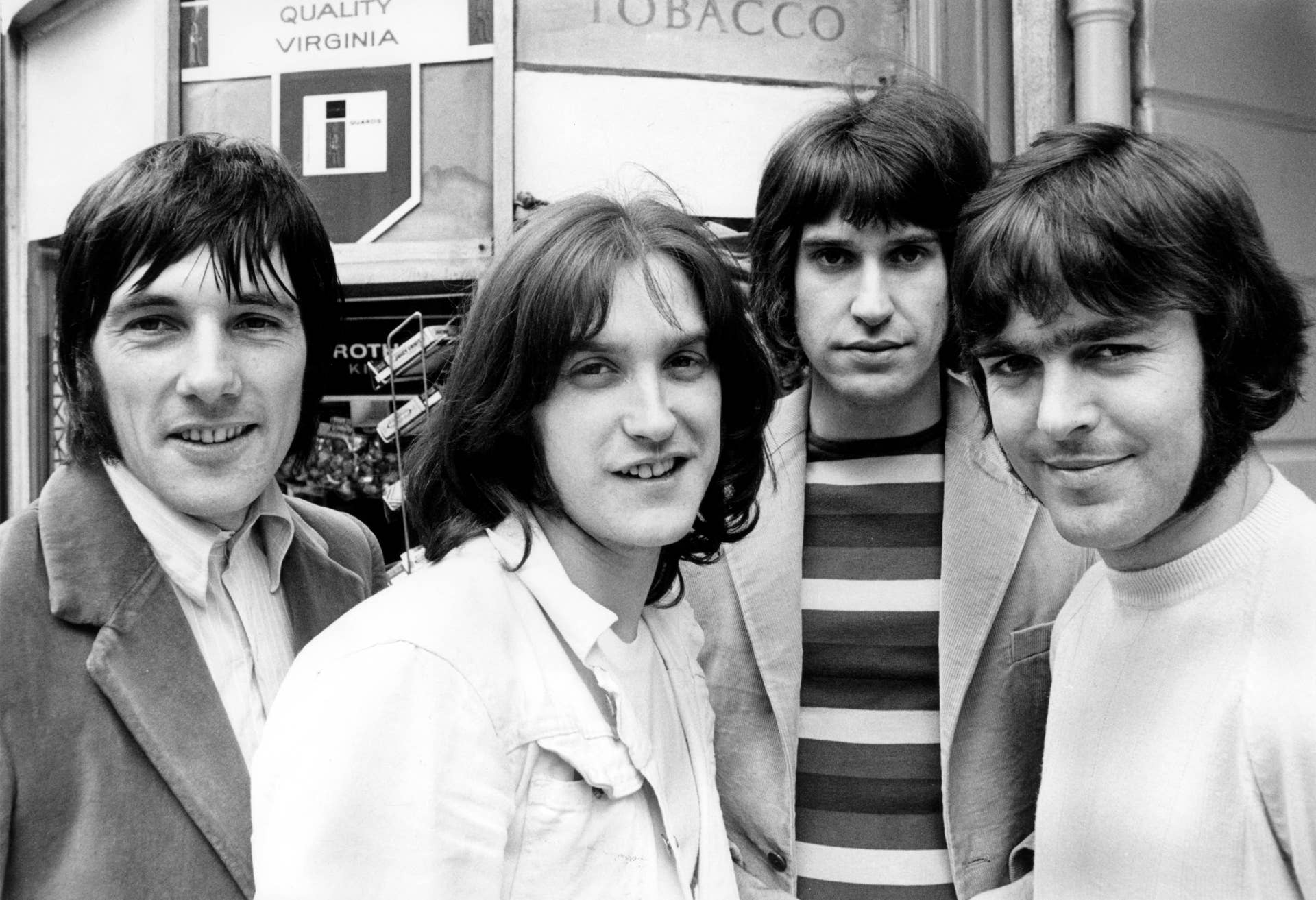
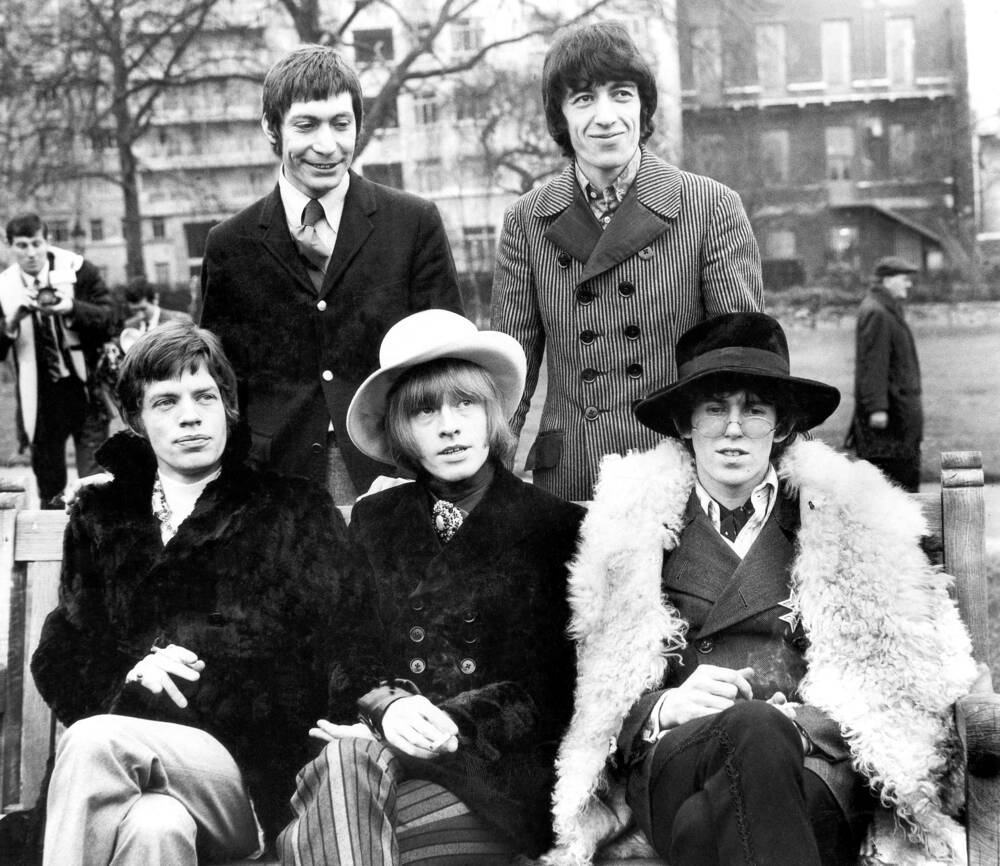
No discussion of 1960s London songwriting is complete without Ray Davies and The Kinks. Released in 1967, Waterloo Sunset—born from Davies’ childhood recovery views from St Thomas’ Hospital overlooking Waterloo—remains widely cited as one of the most exquisite compositions in the English language. This era of sensory experimentation also yielded Small Faces’ Itchycoo Park (steeped in East London’s park culture) and Marianne Faithfull’s baroque-psychedelic In the Night Time. The decade closed out with seismic cultural shifts: the Rolling Stones immortalized the countercultural grandeur of the 3-story Chelsea Drugstore on the King’s Road in You Can’t Always Get What You Want (1969), while exiled Brazilian tropicalistas Caetano Veloso and Gilberto Gil penned poignant odes like London, London while fleeing their homeland’s military dictatorship.
Punk, Protest, and the Concrete Jungle (1970–1989)
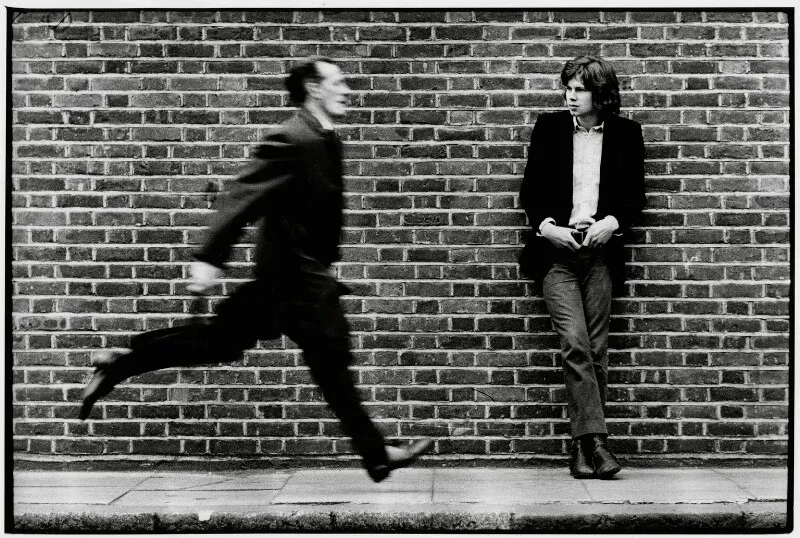
As the economic malaise of the 1970s set in, the romantic haze of the sixties gave way to the gritty, urgent realities of urban survival. Nick Drake captured the desolate isolation of the Northern Line in 1972’s Parasite, while Junior Murvin’s Police and Thieves (1976)—later famously covered by The Clash—directly chronicled the simmering racial tensions that boiled over at the Notting Hill Carnival.
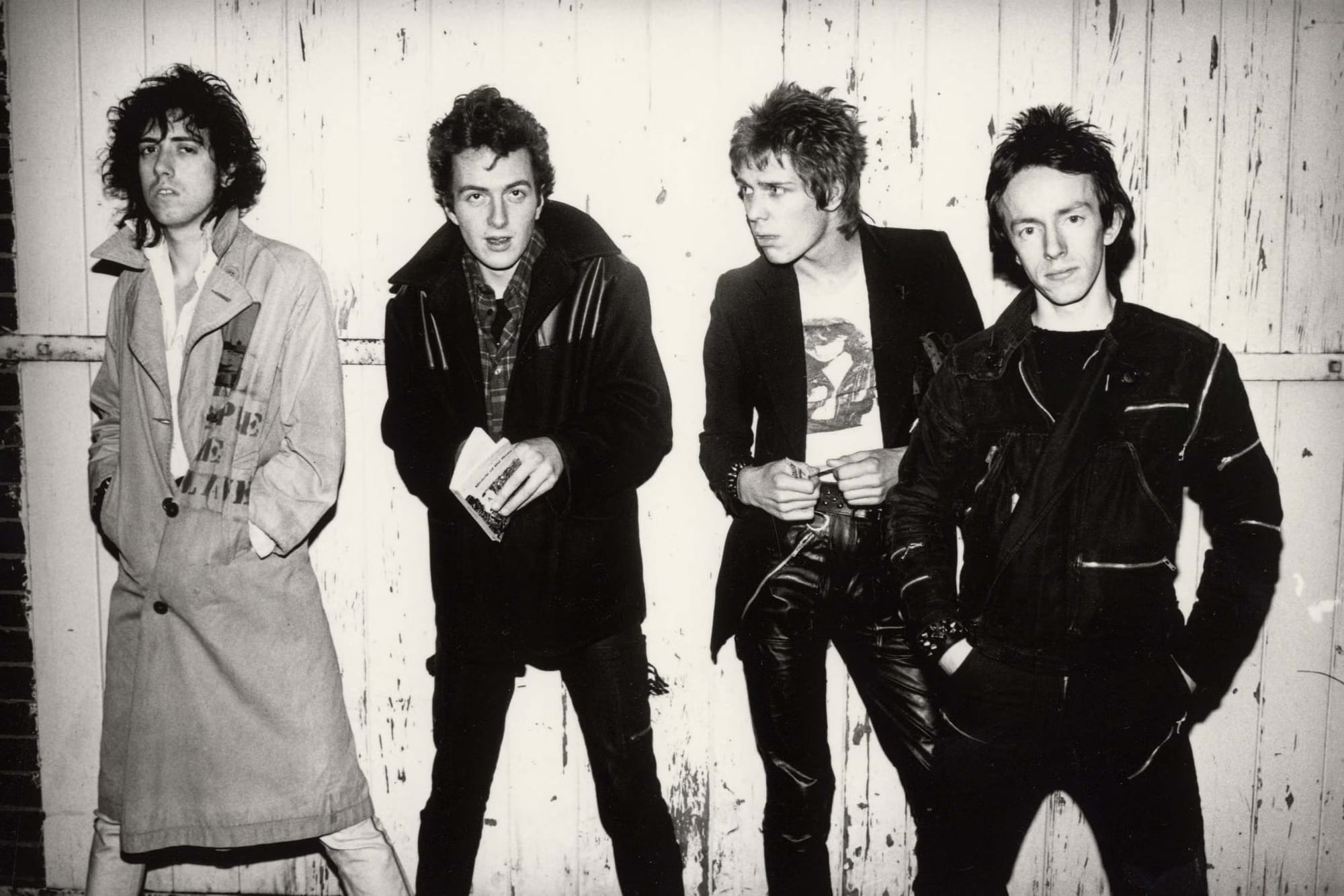
Punk and its immediate aftermath galvanized the city’s artistic output. The Clash dominated the late seventies with anthems of urban alienation, including (White Man) In Hammersmith Palais, The Guns of Brixton, and the titular London Calling (1979), a track that invokes the city’s name fourteen times over jagged post-punk guitar lines. Simultaneously, The Jam documented the claustrophobia of working-class transit in Down in the Tube Station at Midnight (1978), and Janet Kay made British chart history in 1979 with Silly Games, produced by Dennis Bovell. Kay became the first British-born Black female reggae artist to crack the top ten, anchoring the foundational Lovers Rock movement.
The early 1980s continued this socio-political commentary. Eddy Grant delivered the upbeat working-class survival anthem Electric Avenue in 1982, while Smiley Culture bridged Jamaican patois and Cockney dialect in 1984’s Cockney Translator, dissecting the multi-ethnic realities of Thatcher-era London.
Cool Britannia and the Club Underground (1990–1999)
The dawning of the 1990s introduced stark socio-economic contrasts. Sinéad O’Connor’s sobering 1990 protest ballad Black Boys on Mopeds stripped away the cheerful veneer of "Cool Britannia" to confront the grim realities of institutional racism and police brutality.
As the decade progressed, electronic music and club culture colonized the capital’s consciousness. Flowered Up’s 17-minute opus Weekender (1992) became the definitive acid house soundtrack for hedonistic weekenders across Camden Town. Concurrently, the burgeoning UK garage scene birthed tracks like Double 99’s Ripgroove (1997), blasting out of the modified boots of Vauxhall Novas across East London high streets. Cinematic depictions of the city also left indelible marks: Pulp captured the kitchen-sink grimness of the Trainspotting era in 1996’s Mile End, while Godspeed You Black Emperor’s 18-minute crescendo East Hastings provided the haunting, desolate soundscape for Jim’s wanderings through an abandoned London in Danny Boyle’s 28 Days Later (2002).
Noughties Indie Sleaze and the Grime Revolution (2000–2010)
The turn of the millennium witnessed an explosion of indie-rock mythology and underground grime infrastructure. The Libertines romanticized the volatile, poetic squalor of youth in 2002’s Time for Heroes, while The Streets mapped out the suburban-urban transit network in Has It Come to This? (2001).
Simultaneously, the pirate radio waves of East London birthed Grime. Dizzee Rascal’s Sittin’ Here (2003) and Skepta’s Postcode Wars (2007) offered raw, unvarnished dispatches from council estates navigating gang culture and structural poverty. This gritty realism coexisted with pop royalty: Amy Winehouse cemented her legendary status in 2006 with You Know I’m No Good, an anthem for messy nights out ending in late-night kebab shops, and Adele penned her heartfelt acoustic tribute Hometown Glory at the tender age of 16.
Contemporary Soundscapes and Modern Nostalgia (2011–2026)
In recent years, London’s musical output has embraced genre fluidity, blending jazz, spoken word, hyperpop, and contemporary R&B. Joshua Idehen & LV used the architectural rhythm of the Northern Line in 2011 to examine city movement, while Kano’s 2016 masterpiece T-Shirt Weather in the Manor celebrated the communal euphoria of a London heatwave against the backdrop of rising global temperatures.
Recent additions to the Rough Trade canon highlight the city’s continuing capacity for reinvention. Little Simz’s 101 FM (2018) pays homage to the pirate radio legends of her youth; Dave’s Streatham (2019) provides an introspective look at South London adolescence; Yussef Dayes’ Crystal Palace Park (2023) channels ambient synths and cascading jazz keys into a tribute to his roots; and Ninajirachi’s digital hyperpop exploration London Song (2025) captures the contemporary internet-era perception of the British capital as a mythical cultural hub.
Supporting Context & Metrics
The comprehensive nature of the Rough Trade curation demonstrates several vital metrics regarding how London’s musical geography has shifted over the past century:
Geographic Spread: While early 20th-century music focused heavily on central hubs (Mayfair, Soho, the West End), the latter half of the century saw a distinct decentralization toward the boroughs—highlighting Brixton, Hackney, Tottenham, Camden, Camberwell, and Streatham as autonomous creative incubators.
Genre Representation Across Decades:
1920s–1950s: Music Hall, Traditional Pop, Calypso.
1960s–1970s: British Invasion Rock, Baroque Pop, Punk, Early Reggae/Ska.
1980s–1990s: Synth-pop, Indie Rock, Acid House, UK Garage, Jungle.
2000s–Present: Indie Sleaze, Grime, Drill, Jazz Fusion, Hyperpop.
Infrastructure Impact: The listing underscores the vital role played by physical venues, record shops (such as the original Rough Trade West on Talbot Road), pirate radio frequencies, and subterranean tube networks in directly inspiring lyrical content and musical structures.
Official Statements
Reflecting on the cultural significance of this expansive project, contributors from across Rough Trade’s retail and warehouse network emphasized the emotional resonance of the capital:
"Few cities have shaped modern music in the way that London has. For generations, the capital has been a musical petri dish, where different cultures, communities and sounds grow together, their roots and identities interweaving… Decades of music in one London playlist capture the capital’s culture across 100 tracks."
— Rough Trade Editorial Team
"Whether it’s the stark reality of the northern line, the frantic energy of Soho Square, or the collective warmth of a London heatwave in the manor, these songs don’t just describe a city—they preserve its changing soul."
— Rough Trade Staff Contributors
Future Outlook
As London continues to grapple with the pressures of gentrification, economic shifts, and the ongoing modernization of its urban landscape, its position as a global sonic crucible remains secure. The opening of Rough Trade’s Denmark Street store in 2024 serves as a physical manifestation of this continuity—bridging the pioneering punk ethos of 1976 with the digital-native hyperpop and jazz-fusion movements of the mid-2020s.
As evidenced by the 100 songs curated in this landmark playlist—available now in full across Qobuz and Spotify—London will forever inspire artists to document its grit, its beauty, its melancholy, and its joy. No matter how the skyline changes, the sound of the capital will continue to echo across the globe, ensuring that anyone caught in its orbit will perpetually ask the timeless question posed by Lily Allen: “Sun is in the sky, oh why, oh why, would I wanna be anywhere else?”