Executive Overview
London’s live music landscape has suffered a significant, albeit hopefully temporary, setback following the sudden cancellation of a high-profile December concert series at West London’s historic Olympia complex. The events were meant to mark a triumphant return to live music for the venue’s iconic Grand Hall, hosting performances by major alternative and rock acts including Royal Blood, Interpol, Bloc Party, and Jamie T. These shows would have been the first concerts held in the Grand Hall since 2022, serving as a cultural showcase for the newly modernized, £1.3 billion-redevelopment site that reopened to the public in June.
However, a stringent "planning and operational review," compounded by unexpected regulatory hurdles and tight scheduling timetables, forced venue operators to pull the plug on the December slate. The cancellation has left a noticeable void in London’s winter gig calendar, particularly given the acute shortage of mid-sized music venues in the British capital.
While Jamie T successfully navigated the logistical nightmare by relocating his performance to the much larger Wembley Arena, bands like Royal Blood and the co-headlining duo of Interpol and Bloc Party found themselves entirely out of options. With no appropriately sized alternative venues available on their scheduled dates, these acts were forced to cancel their appearances outright, leaving thousands of ticket holders disappointed right before the busy Christmas holiday period.
This deep dive examines the anatomy of the Olympia cancellation, exploring the regulatory roadblocks behind the decision, the severe crunch in London’s mid-tier venue market, the official responses from disgruntled artists and venue operators, and what this means for the future of the newly revitalized £1.3 billion Olympia cultural hub.
Detailed Chronology: From Grand Reopening to December Disappointment
To fully understand how a major, multi-artist December concert series fell apart just weeks before doors were set to open, one must trace the timeline of the Olympia complex’s massive revitalization project and the rapid rollout of its musical ambitions.
The £1.3 Billion Transformation
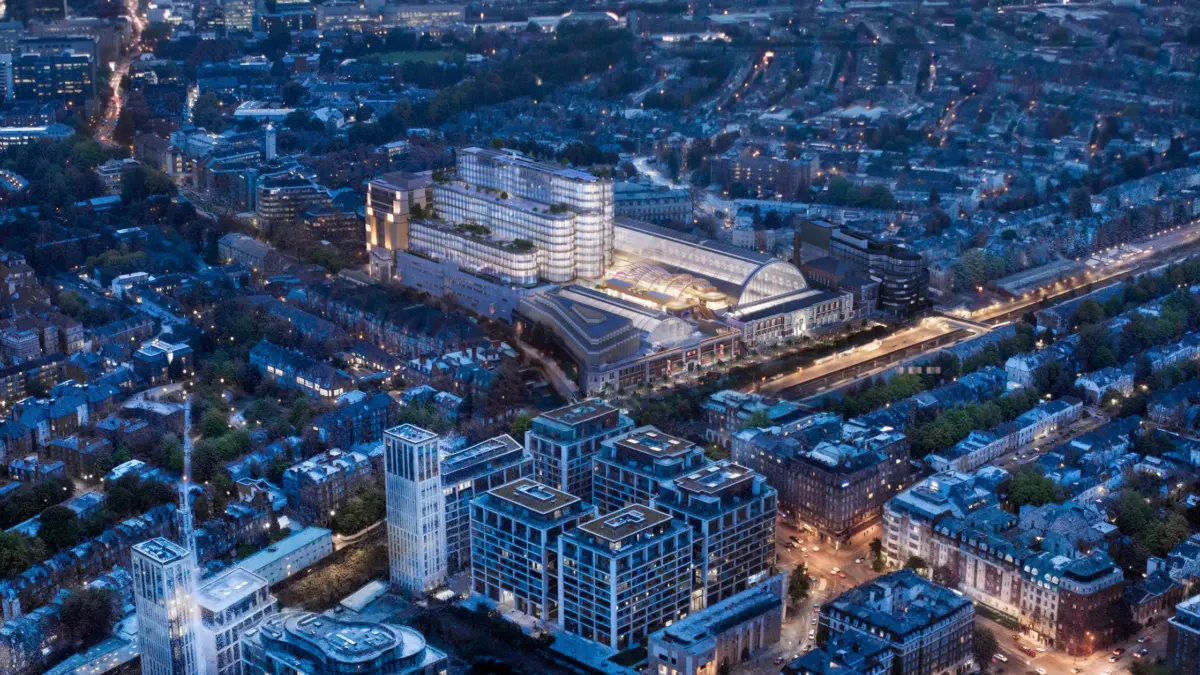
For years, the sprawling Olympia exhibition center in West London stood as a treasured yet aging Victorian relic, desperately in need of modernization to compete on the global stage. The site embarked on a staggering £1.3 billion redevelopment project aimed at transforming the historic exhibition grounds into an integrated, world-class destination for arts, entertainment, exhibitions, and leisure.
As part of this colossal urban renewal effort, the wider Olympia site officially reopened its doors in June to widespread acclaim. The centerpiece of the entire development remained the architectural masterpiece that is the Grand Hall—a cavernous, glass-roofed Victorian space with an impressive 7,000-person capacity. Venue operators envisioned the Grand Hall not just as a trade-show floor, but as a premier, high-capacity destination for world-class rock and pop concerts.
The Winter Music Series Announcement
Capitalizing on the excitement of the summer reopening, venue operators Legends Global—who manage the core Olympia venues—partnered with premier promoters SJM Concerts last year to announce a blockbuster Winter Music Series. Set for December, the series was designed to herald the return of live music to the Grand Hall for the first time since 2022.
The initial lineup read like a festival poster for modern British alternative rock:
- Royal Blood
- Interpol
- Bloc Party
- Jamie T
Fans eagerly snapped up tickets, viewing the December concerts as the ultimate kickoff for London’s winter indoor gig season.
The Sudden U-Turn
Behind the scenes, however, tensions were brewing regarding the complex interplay between local authority planning permissions, licensing regulations, and the operational realities of staging massive rock concerts in a newly re-engineered heritage building.
According to official statements, a late-stage "planning and operational review" flagged compliance issues tied to the regulatory process and the timetable required to safely and legally execute the December events. Rather than push forward prematurely and risk regulatory breaches or operational chaos, the venue made the abrupt decision to call off the concerts entirely.
While Bloc Party’s public statements pointed directly to "problems with their planning application—something completely unforeseen and beyond our control," the venue’s cautious posture reflects a broader, highly regulated landscape in contemporary London, where noise abatement, crowd dispersal, and local council stipulations are intensely scrutinized.
Supporting Context & Metrics: The Mid-Sized Venue Crisis in London
The cancellation of the Olympia Grand Hall concerts is not merely a localized scheduling hiccup; it highlights a severe structural vulnerability in London’s live music ecosystem: the acute shortage of venues in the 5,000-to-9,000 capacity bracket.
The Capacity Crunch
When analyzing why acts like Royal Blood and Interpol were unable to relocate their shows, the numbers tell the story. London is home to plenty of intimate 1,000-to-2,000 capacity academy venues (such as the O2 Academy Brixton or the O2 Forum Kentish Town), and it boasts massive arena and stadium monoliths like the 12,500-capacity Wembley Arena and the 20,000-capacity O2 Arena.
However, venues that sit comfortably in the middle—holding roughly 5,000 to 8,000 people—are exceedingly rare. This exact niche made Olympia’s Grand Hall (7,000 capacity) a uniquely vital piece of real estate for touring rock acts who have outgrown standard theaters but cannot yet fill a massive suburban arena.
When the Olympia dates evaporated, bands searched frantically for lateral moves. Jamie T managed to pivot to Wembley Arena, but doing so required absorbing a massive jump in capacity to 12,500. For bands whose production scales specifically to a 7,000-seat room, or whose ticket sales sit comfortably in that bracket, scaling up to an arena overnight is rarely a simple logistical or financial feat.
Furthermore, scheduling availability made lateral moves mathematically impossible. As Royal Blood noted in their social media statement, they exhaustively explored alternative venues for December 3, only to find that every viable option in the capital was entirely booked. Even if Wembley Arena had been an option for them on that specific night, it was already booked by EsDeeKid, leaving Royal Blood with zero alternatives.
The British Airways ARC Exception
Interestingly, not all music at the newly redeveloped Olympia has been silenced. Alongside the Grand Hall, the £1.3 billion redevelopment also birthed a dedicated, purpose-built smaller music venue: the British Airways ARC, which boasts a 3,800-person capacity and is operated by AEG Presents.
Crucially, industry insiders confirm that the British Airways ARC is completely unaffected by the planning and regulatory issues plaguing the Grand Hall. Because it operates under a distinct operational framework and received its entertainment licensing through a separate pathway during the master-planning phase, its upcoming events will proceed as scheduled. This creates a stark dichotomy within the same complex: while the smaller ARC hums with live music, the grand Victorian crown jewel remains temporarily silenced.
Official Statements and Reactions
The fallout from the cancellations has prompted transparent, often frustrated responses from both the artists left stranded and the corporate entities managing the venue.
Artist Responses: Grief and Frustration
For the bands involved, the eleventh-hour cancellation threw months of tour planning into disarray.
Royal Blood, who were scheduled to headline on December 3, released a deeply apologetic statement to their fans:
"We are absolutely gutted that we cannot perform at Olympia as planned and know that this will be disappointing to our fans who’ve bought tickets and made arrangements to see us… Despite exploring every option, there are no viable alternative venues in London on that day."
Faced with the choice of scrambling into an inadequate space or cancelling outright, the rock duo opted for the latter to minimize consumer frustration:
"We decided it was better to cancel than to cause further disruption to people’s plans over the Christmas period."
Similarly, Bloc Party—who were slated to co-headline with Interpol—expressed utter bewilderment at the administrative breakdown. In a joint message, the band stated they had tried everything to salvage the dates:
"Despite our very best efforts, we have been unable to reschedule our shows… Olympia’s owners have run into problems with their planning application, something completely unforeseen and beyond our control."
Venue and Promoter Silence vs. Earlier Optimism
The contrast between the current operational paralysis and the unbridled corporate optimism expressed during the summer opening is striking.
When the Winter Music Series was first unveiled, James Harrison, Vice President of Programming (UK/EU) at Legends Global, spoke glowingly about the venue’s musical future:
"Whilst the full site is being completely transformed, the iconic Grand Hall remains the centerpiece of the new destination, and one that Legends Global are very proud to operate. We’re focused on delivering some unforgettable nights here and I look forward to continuing to work with our friends at SJM to deliver more huge gigs in this incredible venue."
In the wake of the cancellations, the venue’s official statement took a far more bureaucratic and measured tone, citing the complexities of the "regulatory process and timetable involved" in navigating the planning review. Promoters SJM Concerts have largely deferred to the venue’s management regarding the administrative hurdles, focusing their immediate energy on processing automatic ticket refunds for bewildered fans.
Future Outlook: A Temporary Stumble or a Sign of Deeper Hurdles?
As London’s live music community digests the news, attention naturally shifts to what lies ahead for the Olympia Grand Hall.
The core question on the minds of promoters, artists, and fans is simple: When will the Grand Hall officially host its first post-redevelopment concert?
Industry analysts suggest that the issues are purely administrative and procedural rather than structural. Converting a historic Victorian exhibition hall into a modern, high-decibel live music arena involves navigating a complex web of local council licensing sub-committees, acoustic testing mandates, fire safety clearances, and neighborhood consultation periods. When a massive site undergoes a £1.3 billion physical overhaul, minor bureaucratic friction during the transition from construction to commercial entertainment licensing is not entirely unheard of—though catching it so close to a major concert series is undeniably damaging to public relations.
Once the tedious "regulatory process" is fully cleared and all planning boxes are ticked by the local authority, there is little doubt that Legends Global and SJM Concerts will attempt to resurrect their ambitious concert programming. The demand for a 7,000-capacity venue in West London remains astronomically high, and the financial incentives for staging major rock acts in a newly modernized architectural landmark are too lucrative to abandon.
For now, however, ticket holders for Royal Blood, Interpol, and Bloc Party must settle for refunds and memories of what could have been. The Grand Hall’s grand musical revival will have to wait for 2026 or beyond, serving as a cautionary tale of how administrative red tape can halt even the most glittering multi-billion-dollar urban regeneration projects in their tracks.