Executive Overview
In an era where streaming platforms continuously push the boundaries of unscripted entertainment to capture cultural zeitgeists, Netflix has announced its most psychologically nuanced dating experiment to date. Titled Weight to Date, the upcoming unscripted series shifts away from the manufactured luxury and superficial flash of standard reality dating formats—such as Too Hot to Handle or Perfect Match—to explore an intimately vulnerable human experience: navigating romantic connection, self-worth, and personal identity after undergoing a drastic physical transformation.
The streamer formally announced the open casting call, inviting courageous singles who have experienced profound weight loss or body alterations to step into the spotlight. According to industry reports and preliminary press materials, the show will lean heavily into a documentary-style format rather than a traditional elimination-based competition. Featuring a cohort of roughly 10 to 12 participants, the series aims to capture the raw emotional turbulence of entering the dating pool with a completely redefined physical vessel.
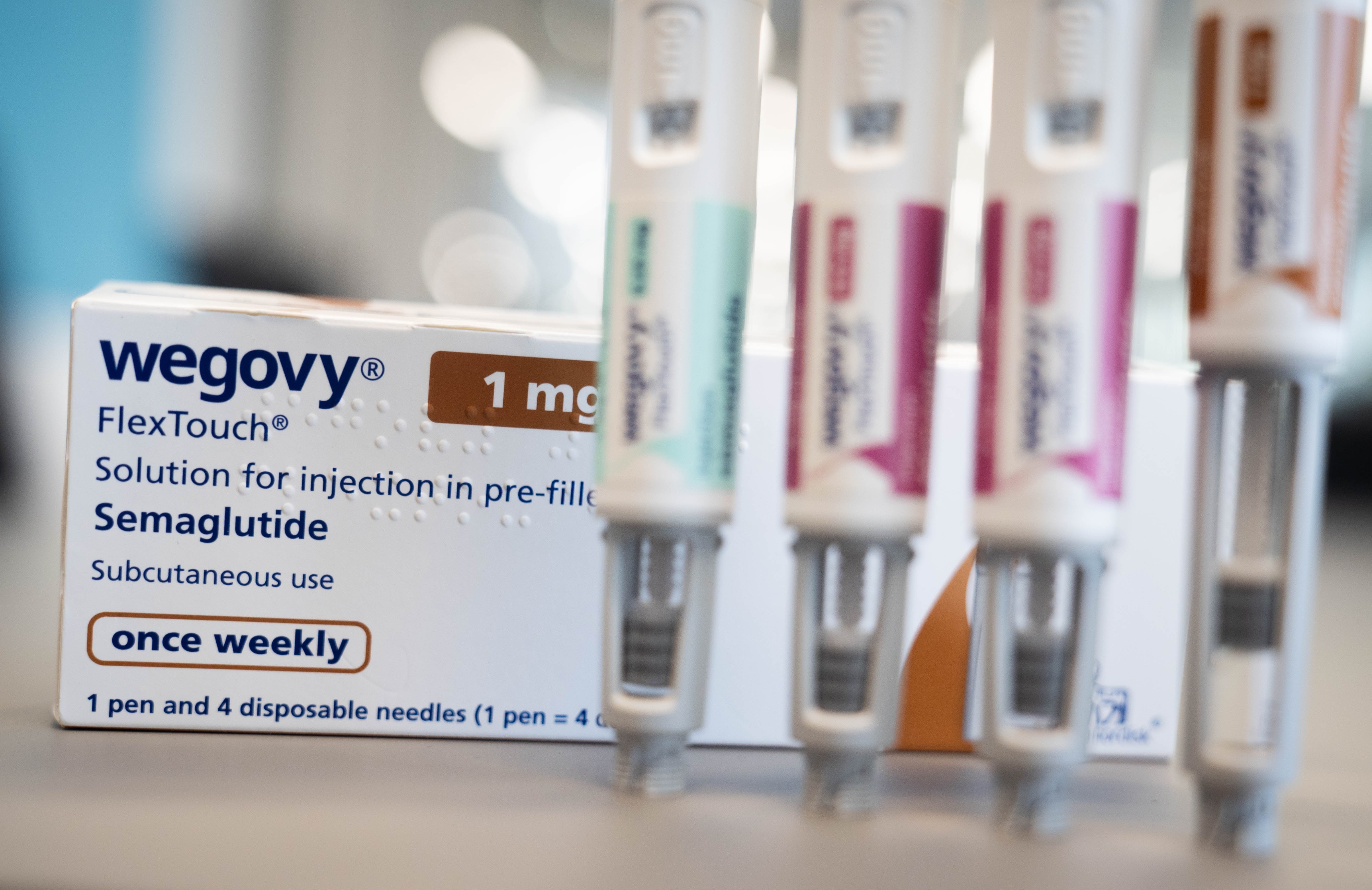
This announcement arrives at a fascinating cultural crossroads. Society is currently experiencing a historic paradigm shift in how weight loss is achieved, perceived, and discussed, largely fueled by the explosive popularity of GLP-1 receptor agonists like Ozempic and Wegovy. Gallup data illustrates a staggering trajectory, noting that U.S. usage of GLP-1 medications has nearly quadrupled since 2024, surging from 3 percent to 11 percent by mid-2026. Against this backdrop of widespread medical and lifestyle transformations, Weight to Date promises to investigate whether changing one’s body truly changes one’s heart, or if old insecurities simply follow individuals into their newly shaped lives.
Detailed Chronology: The Genesis of Weight to Date
The path toward Weight to Date reflects a broader evolution in Netflix’s unscripted content strategy, which has gradually pivoted away from simple matchmaking toward high-concept sociological experiments.
The Casting Rollout
The project broke cover when Netflix released an official casting directive, pointing prospective applicants to a dedicated portal: www.WeightToDateCasting.com. The application greeting immediately sets the tone for the show’s introspective nature, posing the direct question: "Are you ready to find love after a significant body change?"
Further clarifying the mission statement, the casting brief notes that the inspiring project will spotlight the journeys of selected individuals learning to decode the modern dating landscape from an entirely new perspective. Eligibility requirements for the debut season remain straightforward: applicants must be legal United States residents and at least 18 years of age.
Production Structure and Format
Industry publication Deadline was first to report the logistical details of the production, revealing that Weight to Date is being developed in partnership with production banner IPC. Eschewing the fast-paced, high-drama editing suites typical of standard dating shows, the series is adopting a documentary-leaning framework.
By centering on a tight-knit group of 10 to 12 individuals, the show intends to give ample narrative space to each participant’s psychological evolution. These individuals—having shed significant amounts of weight through various means—are stepping back onto the romantic battlefield. For many, a drastic physical transformation introduces a complex paradox: while society often treats thinness as a universal cure for insecurity, individuals frequently discover that changing their exterior does not instantly rewrite their internal self-image or heal past emotional wounds.
Supporting Context & Metrics: The GLP-1 Boom and Cultural Shifts
To fully understand the cultural relevance of Weight to Date, one must examine the unprecedented medical and social landscape surrounding weight management in the mid-2020s. The show does not exist in a vacuum; it drops directly into a society transformed by modern pharmacology and evolving conversations around body image.
The Rise of GLP-1 Agonists
Originally developed to manage Type 2 diabetes—with Ozempic securing FDA approval for that purpose in 2017—drugs mimicking the glucagon-like peptide-1 (GLP-1) hormone have completely revolutionized modern medicine and pop culture. By 2021, these medications had transcended their clinical origins, becoming sought-after tools among celebrities, influencers, and everyday consumers seeking effective appetite suppression and rapid weight reduction. The subsequent introduction of Wegovy specifically for chronic weight management accelerated this trend.
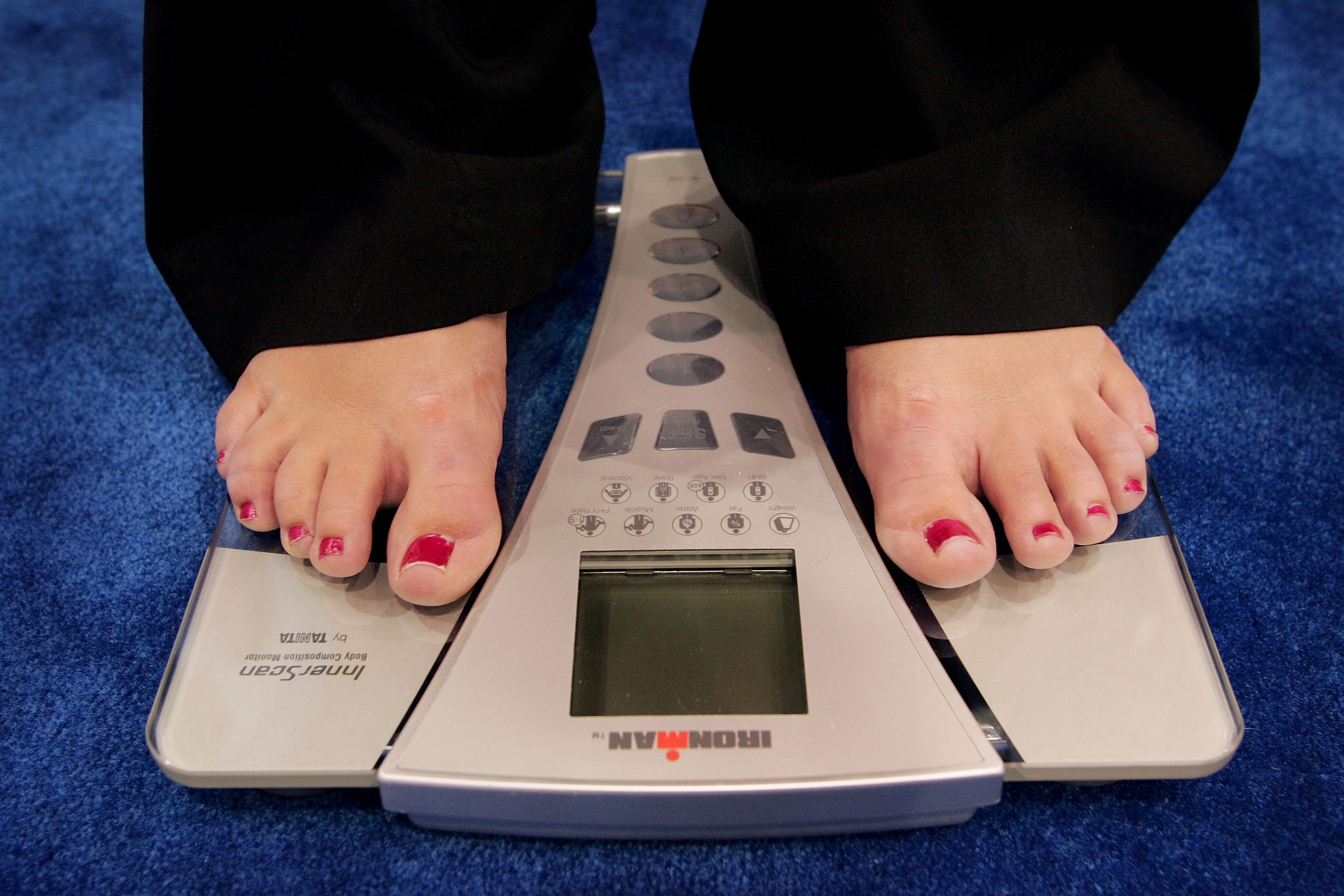
Statistical tracking underscores the velocity of this shift. According to recent data compiled by Gallup, the percentage of American adults utilizing GLP-1 medications has skyrocketed. In just two years, usage rates leaped from 3 percent to an unprecedented 11 percent. This normalization of medical weight loss has altered public perceptions of obesity, health, and physical agency.
Celebrity Transparency and Telehealth Endorsements
As the stigma surrounding weight-loss interventions continues to dissolve, high-profile figures have increasingly stepped forward to share their personal journeys. Tennis icon Serena Williams and acclaimed This Is Us actor Chrissy Metz have both opened up about their experiences, even partnering as brand ambassadors for telehealth platforms like Ro to normalize conversations around medical weight management.
In an interview with People magazine regarding her decision to start a GLP-1 regimen, Chrissy Metz offered candid insight into the exhaustion of trying traditional methods:
"I’m not getting any younger. I’m in perimenopause, and there were obesity issues within my family and with my father, and I felt like I’ve tried so many modalities, whether it was diets or therapy, and none of it really worked for me."
Metz’s sentiment echoes a widespread exhaustion with one-size-fits-all wellness culture. It is precisely this emotional exhaustion and quest for authenticity that Weight to Date aims to capture, translating individual medical and lifestyle milestones into a shared public narrative.
Official Statements and Industry Placement
Netflix’s unscripted division has built a formidable empire on the back of social experiments designed to test human connection. Weight to Date joins a diverse, highly scrutinized roster of streaming hits that challenge conventional dating norms.
Netflix’s Unscripted Portfolio
The platform’s unscripted dominance is anchored by franchises like Love Is Blind, where participants forge deep emotional bonds through acoustic partition walls before ever laying eyes on each other—ultimately testing the adage that beauty is skin-deep. More recently, the streamer launched Age of Attraction, a series bringing together 40 singles ranging from ages 22 to 60 to interrogate generational dating dynamics. Other notable entries in Netflix’s catalog include the tropical psychological test Temptation Island and the critically acclaimed, seven-time Emmy-winning docuseries Love on the Spectrum.
By positioning Weight to Date alongside these titles, Netflix is signaling that the new series is not intended as mere voyeurism, but as an empathetic exploration of modern vulnerability. While network executives have yet to confirm an official release date, the open casting call suggests that pre-production is moving at a rapid pace, with a potential premiere targeted for late next year.
Future Outlook: What Weight to Date Means for the Future of Reality TV
As Weight to Date prepares to bring its cast of transformed singles to screens worldwide, the show faces both exciting opportunities and critical responsibilities.
On one hand, the series fills a glaring representation gap in reality television. Rarely are individuals who have navigated massive body changes depicted as complex romantic leads rather than punchlines, makeover subjects, or cautionary tales. By allowing these singles to speak candidly about "phantom fat syndrome"—the psychological phenomenon where individuals still perceive themselves as overweight long after losing weight—the show has the potential to foster genuine empathy among viewers.
On the other hand, the series will need to navigate its premise with immense care. Reality television has a historically fraught relationship with body image, frequently sensationalizing weight loss or reinforcing toxic diet culture standards under the guise of self-improvement. Critics and mental health advocates will undoubtedly watch closely to see whether Weight to Date prioritizes sensationalized drama over psychological safety, or if it succeeds in delivering a nuanced, respectful portrayal of self-discovery.
Ultimately, Weight to Date arrives at the intersection of modern medicine, changing social norms, and our relentless, universal search for affection. Whether the participants find their happily-ever-afters or simply discover a deeper understanding of themselves, Netflix’s latest experiment ensures that the conversation surrounding identity, body image, and romance will remain front and center in the cultural conversation for seasons to come.