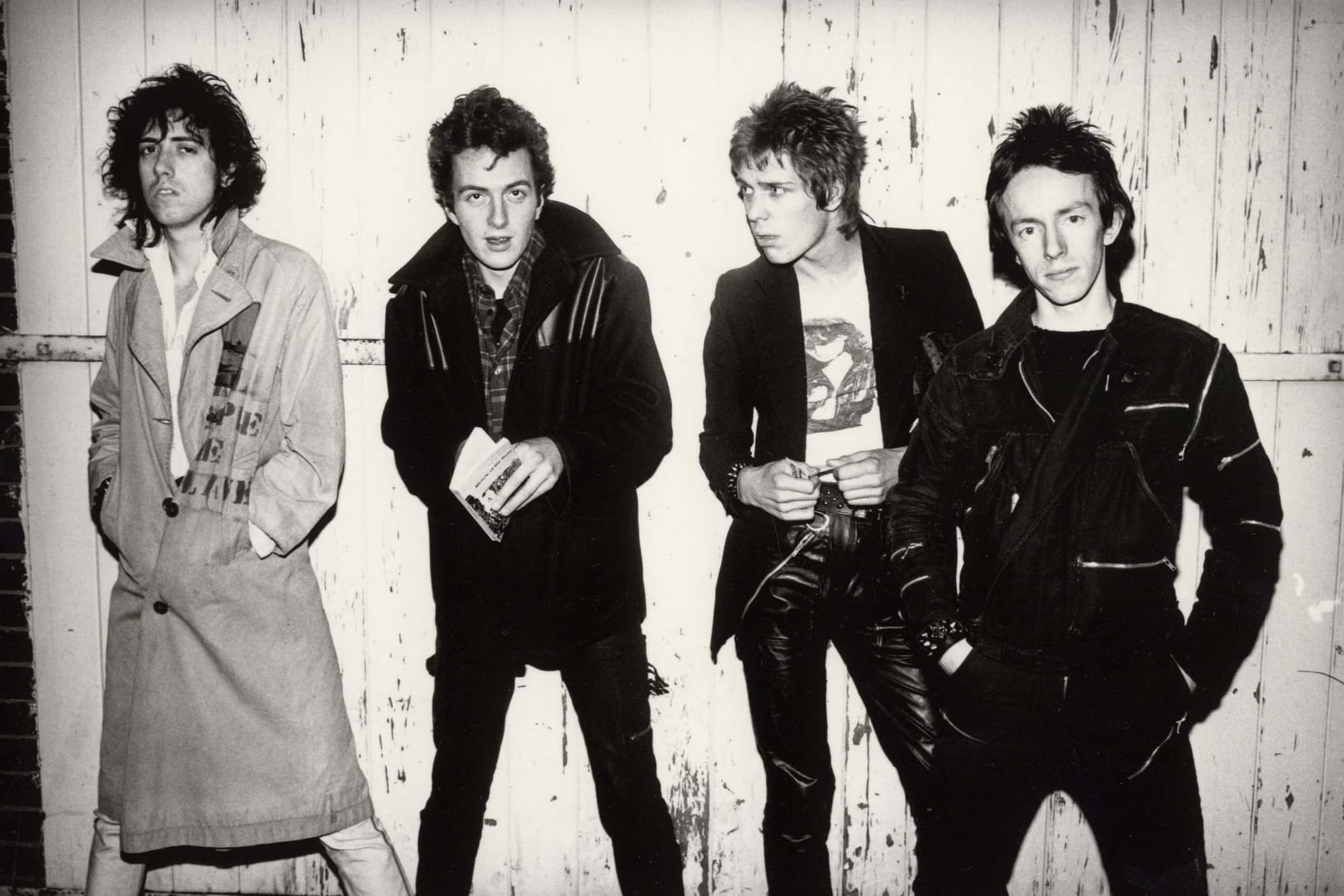
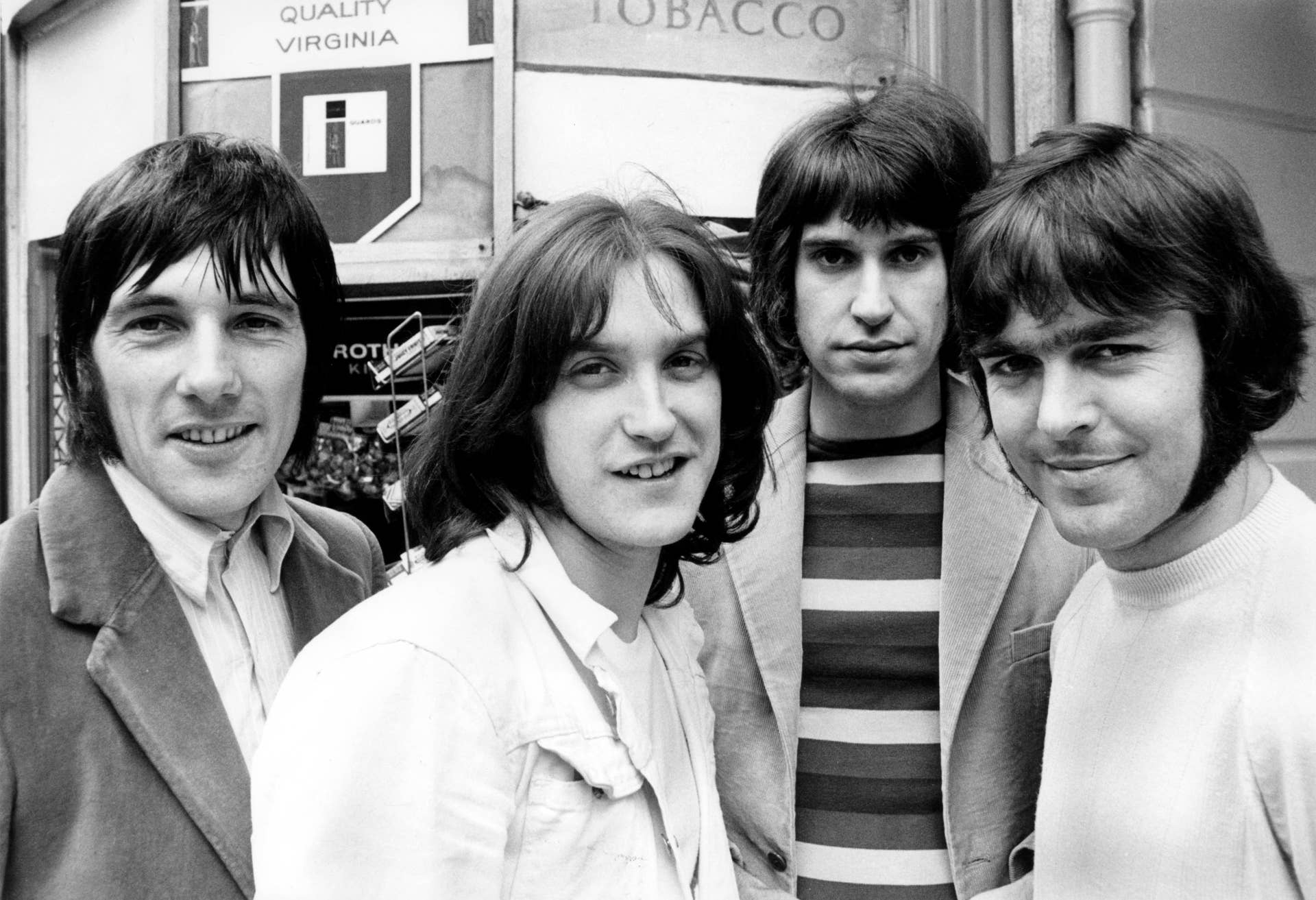
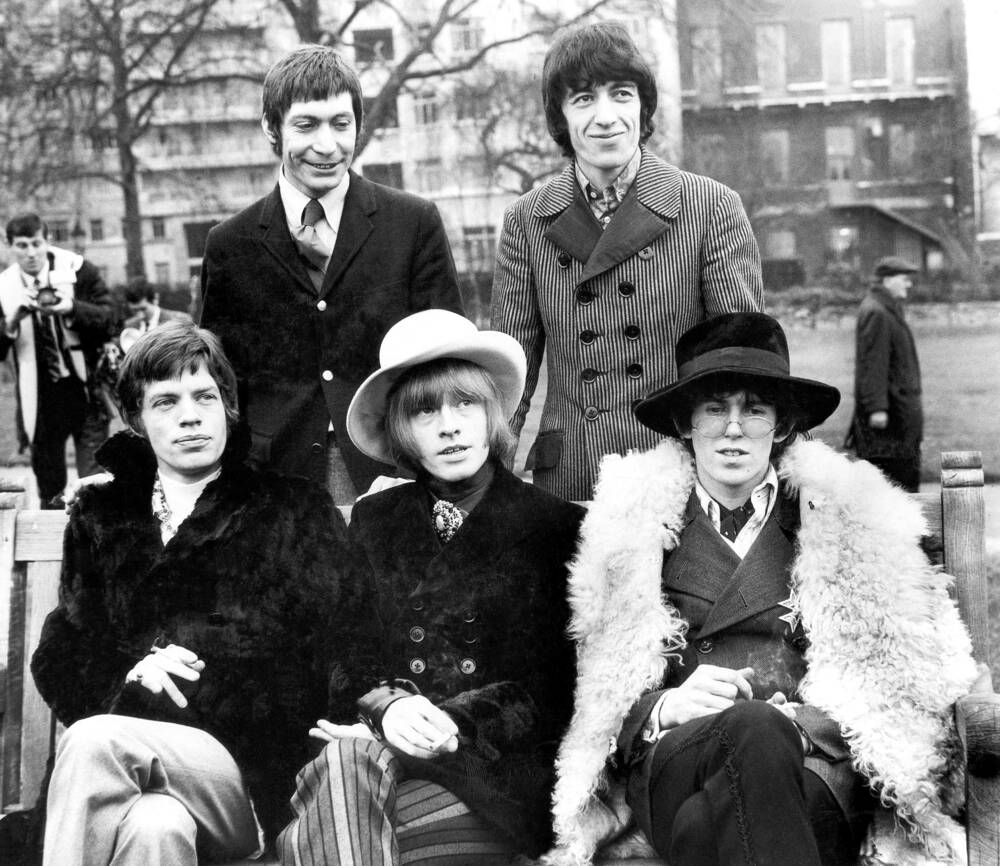
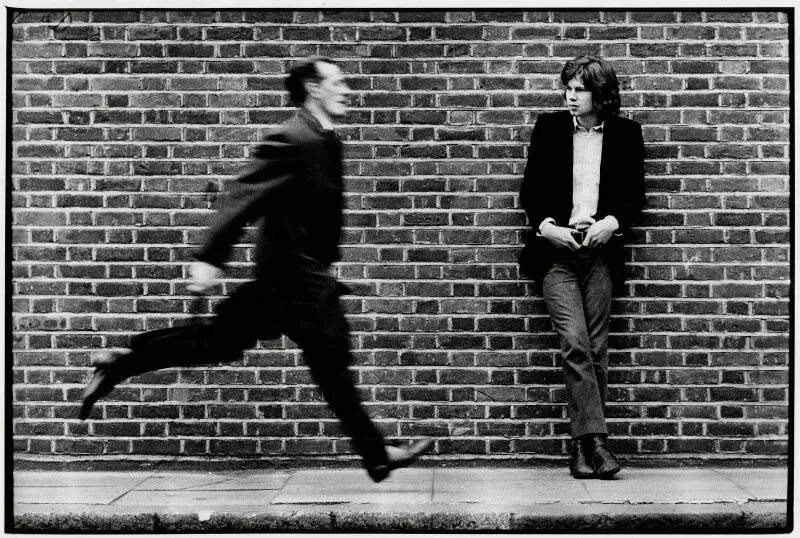
Few urban environments on Earth have shaped modern music with the relentless fertility and cultural cross-pollination of London. For generations, the British capital has operated as a grand musical petri dish—a dense, multi-ethnic ecosystem where disparate cultures, immigrant communities, and working-class struggles collide, interweave, and give birth to entirely new sonic vocabularies. From the foundational reggae and sound-system culture brought to Britain by the Windrush generation to the raw, DIY fury of the 1970s punk explosion, and onward through the digital landscapes of jungle, garage, grime, and modern hyperpop, London’s musical DNA is defined by perpetual, restless evolution.
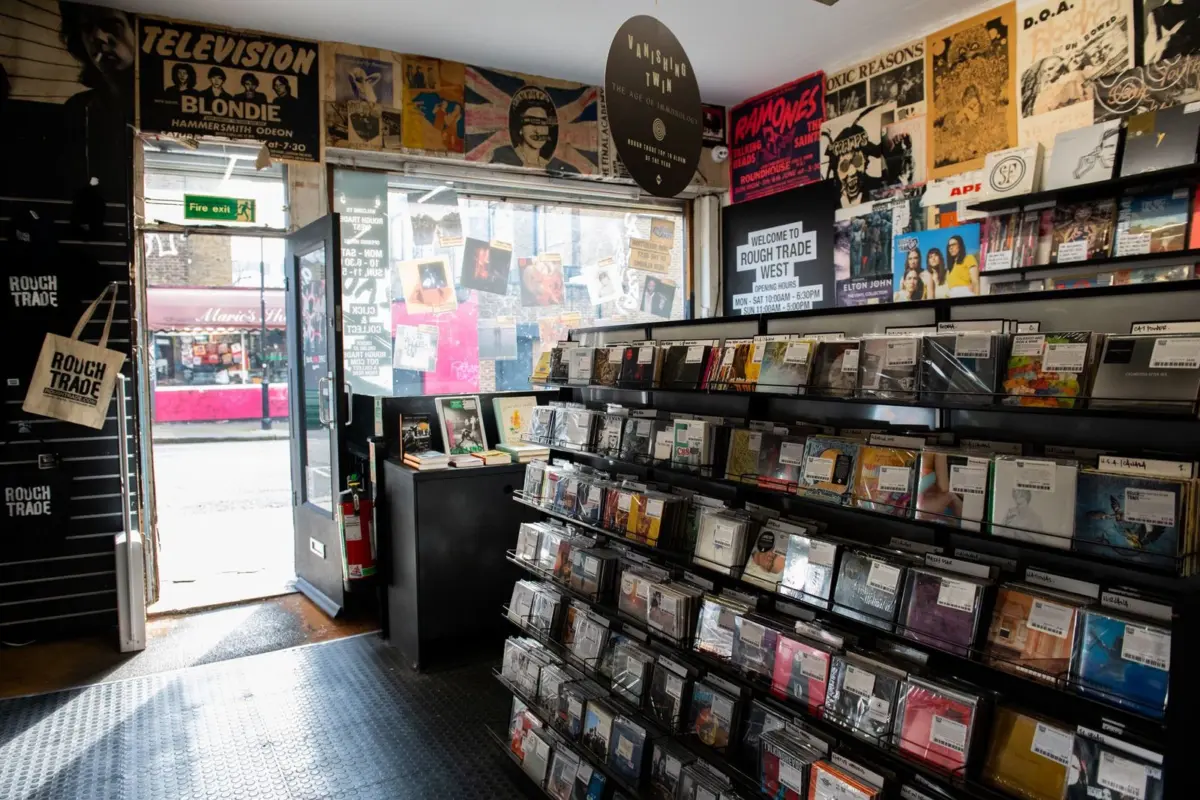
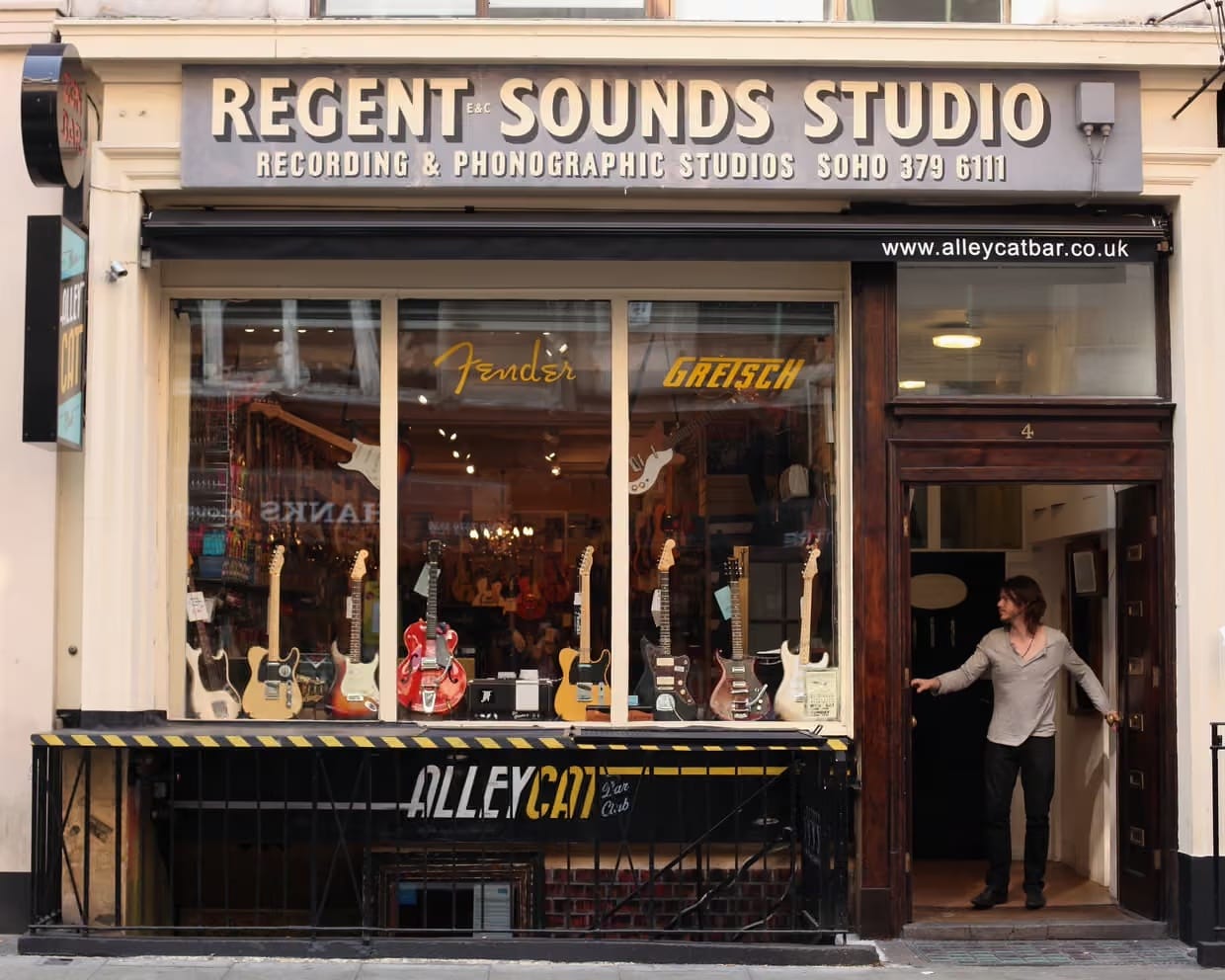
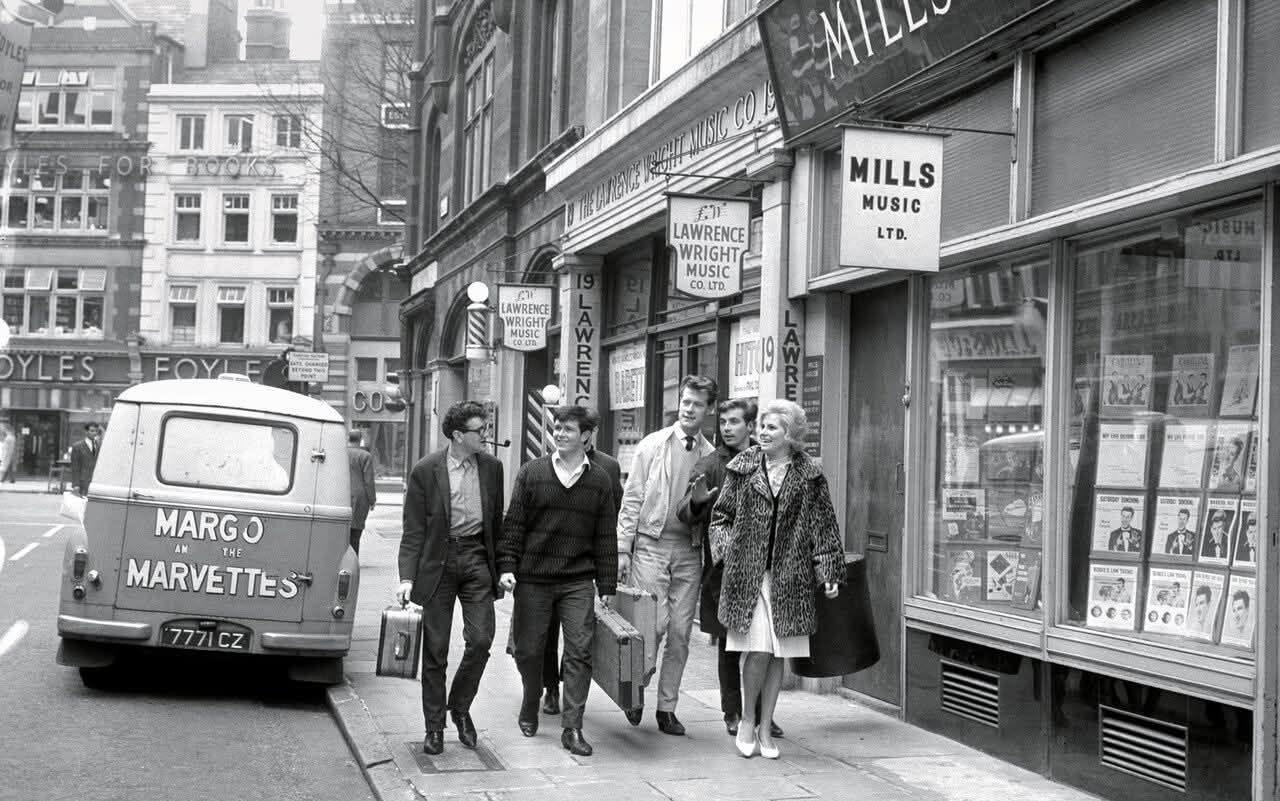
It was within this charged atmosphere that independent institution Rough Trade first opened its doors in West London in 1976, riding the seismic wave of the punk movement. What began as a humble record shop on Kensington Park Road burgeoned into an international network of artists, labels, and obsessives. Nearly half a century later, expanding its physical footprint to historic hubs like Soho’s Denmark Street—affectionately known as "Tin Pan Alley"—the retailer remains inextricably linked to the capital’s beating heart.
To celebrate this enduring relationship, Rough Trade’s staff has curated an exhaustive, century-spanning chronicle: 100 Songs About London, in Chronological Order. Spanning from 1924 to 2026, this landmark list captures the sociopolitical, romantic, and nocturnal realities of the city across wartime anthems, classic ska, post-punk, dubstep, and contemporary jazz. Compiled by staff members across Rough Trade’s flagships and warehouses, this survey acts as a sonic map of a city constantly redefining itself.
Detailed Chronology: A Century of London in Sound
1924–1969: Music Halls, Post-War Dreams, and Swinging Countercultures
The earliest entries in London’s sonic history reflect a city transitioning from post-World War I melancholy into swinging modernity.
Stanley Holloway – London Town (You Haunt Me) (1924): A staggering artifact from a veteran music hall performer whose career bridged pre-WWI variety bills and 1980s television. Its haunting cadence later found new life when sampled by The Caretaker in 2008.
Vera Lynn – A Nightingale Sang in Berkeley Square (1940): A breathtaking evocation of romance surviving amidst the blackout restrictions of Mayfair during the Blitz.
Lord Kitchener – London Is the Place for Me (1948): Arriving with the Windrush generation, this calypso classic encapsulates the monumental cultural shift of mid-century immigration, declaring the capital as a land of opportunity.
The Kinks – Waterloo Sunset (1967): Written by Ray Davies after childhood recuperation periods overlooking Waterloo Station, this track stands universally as one of the most sublime compositions in the English language, capturing the melancholic beauty of urban isolation.
The Rolling Stones – You Can’t Always Get What You Want (1969): Immortalizing the legendary three-story Chelsea Drugstore on King’s Road—a countercultural pharmacy, record shop, and soda fountain that later caught Stanley Kubrick’s eye for A Clockwork Orange.
[1924: Music Hall & Early Ballads] ➔ [1948: Windrush Calypso] ➔ [1967: Baroque Psych & Mod Pop] ➔ [1977: Punk & Dub]
1970–1989: Social Unrest, Dub, and Thatcherite Britain
As the economic realities of the 1970s and 1980s set in, London music hardened, pivoting from psychedelic idealism toward political urgency, class friction, and Caribbean-British integration.
Junior Murvin – Police and Thieves (1976): Deeply intertwined with the tensions of the 1976 Notting Hill Carnival, this roots-reggae masterwork was soon famously weaponized by The Clash, cementing an enduring cross-cultural alliance between London’s punk and reggae scenes.
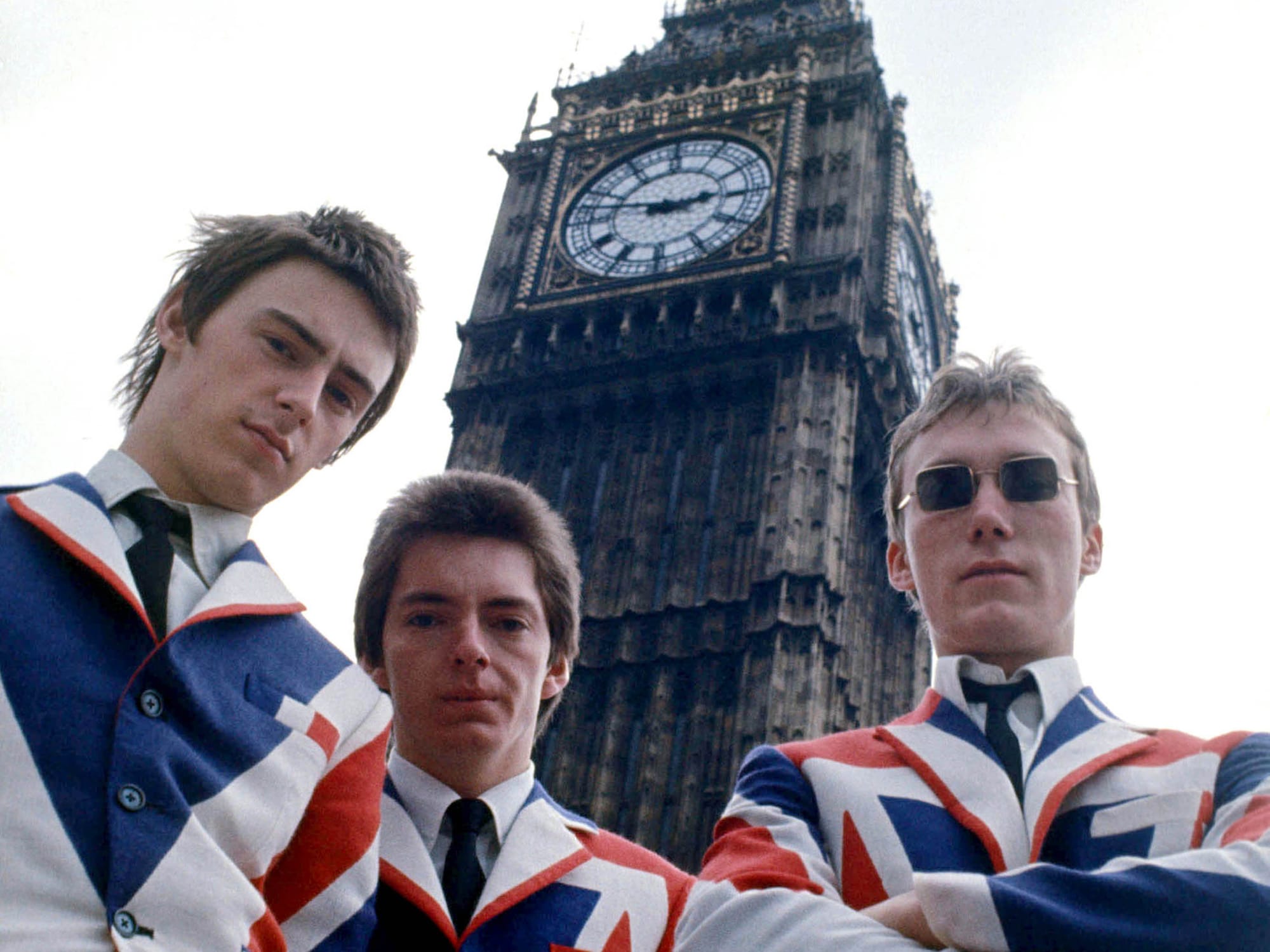
The Jam – Down in the Tube Station at Midnight (1978): Paul Weller’s claustrophobic narrative transformed an ordinary subterranean transit journey into a terrifying, cinematic reflection of escalating urban violence and social paranoia.
Janet Kay – Silly Games (1979): Produced by Dennis Bovell, this foundational Lovers Rock anthem made chart history when Willesden-born Kay became the first British-born Black female reggae artist to reach the UK top ten.
Pet Shop Boys – West End Girls (1984): A dark, synth-heavy nocturnal dispatch contrasting the bleakness of working-class survival against the glittering opulence of the capital’s center.
Smiley Culture – Cockney Translator (1984): A dazzling dancehall crossover bridging Jamaican patois and traditional Cockney slang, celebrating the multicultural fabric of London’s youth.
1990–2009: Cool Britannia, Pirate Radio, and Urban Realism
The final decade of the 20th century and the dawn of the 2000s saw London fractured into hyper-localized micro-genres—from jungle and garage to early grime and indie sleaze.
Sinéad O’Connor – Black Boys on Mopeds (1990): A searing acoustic protest song stripping away the sanitized veneer of "Cool Britannia" to expose uncomfortable truths regarding state violence and institutional racism.
Flowered Up – Weekender (1992): An epic, 17-minute milestone of indie-dance crossover hedonism that soundtracks the ultimate Camden-fueled weekend bender.
The Streets – Has It Come to This? (2001): Mike Skinner’s conversational, 2-step-inflected blueprint mapped out the mundane, pill-popping realities of millennial life traversing from Mile End to Ealing.
Dizzee Rascal – Sittin’ Here (2003): Pulled from the Mercury-winning Boy in da Corner, this track stands as the definitive, anxious audio snapshot of growing up in East London housing estates.
Amy Winehouse – You Know I’m No Good (2006): A smoky, jazz-soaked anthem of self-sabotage that captures the messy, romantic underbelly of Camden nights ending with a late-night kebab.
2010–2026: Modern Grime, Jazz Resurgences, and Hyperpop
In contemporary London, traditional instrumentation merges seamlessly with electronic experimentation, addressing gentrification, climate anxiety, and internet-era displacement.
Kano – T-Shirt Weather in the Manor (2016): A prophetic rumination on heatwaves, gentrification, and the ghosts of East London sound systems, celebrating community survival beneath rising temperatures.
Little Simz – 101 FM (2018): A nostalgic, razor-sharp homage to pirate radio culture and the formative years that birthed one of modern hip-hop’s most vital voices.
Yussef Dayes – Crystal Palace Park (2023): Rooted in South London jazz, this cinematic piece utilizes ambient synths and cascading keys to honor Dayes’ upbringing—a legacy celebrated annually at his Crystal Palace Bowl festival.
Ninajirachi – London Song (2025): An overseas digital hyperpop dispatch examining the internet-fueled mythos of London as a magical metropolis through pummeling EDM sonics.
RAYE – Nightingale Lane (2026): A devastatingly raw heartbreak ballad tied directly to the physical geography of South London pub culture and historic blue plaques.
Supporting Context & Metrics
To fully understand the scope of this cultural compendium, it is necessary to examine the demographic, geographic, and institutional metrics that have sustained London’s creative output over the last century:
Chronological Span: 102 years of recorded music (1924–2026).
Curatorial Footprint: Contributions gathered from staff spanning Rough Trade’s key retail flagships—Rough Trade East (Brick Lane), Rough Trade West (Ladbroke Grove), Rough Trade Denmark Street (Soho), alongside outposts in Nottingham, Bristol, Liverpool, and the central warehousing network.
Institutional Longevity: Founded in 1976 during the initial crest of punk rock, Rough Trade has operated continuously through four distinct decades of format shifts (vinyl, cassette, CD, streaming) while maintaining its headquarters within the capital’s shifting zoning landscape.
Sub-Genre Representation: Spanning over 15 distinct stylistic categories, including Music Hall, Calypso, British Blues, Baroque Pop, Punk Rock, 2-Step Garage, Dubstep, Grime, Lovers Rock, Jungle, Hyperpop, and Modern UK Jazz.
Official Perspectives: The Staff Behind the Sound
The curation of the 100 Songs About London playlist is fundamentally a collaborative labor of love by those who spend their days handling physical music formats across the city.
"From the reggae and soundsystem culture brought to Britain by the Windrush generation through the punk explosion, grime, garage, jungle and electronic scenes, the city’s musical DNA has always been constantly evolving. Record stores, pirate radio stations, clubs and independent venues have provided essential infrastructure for countless scenes to flourish." — Rough Trade Editorial Team
Reflecting on specific generational anchors within the playlist, staff members frequently highlight how physical locations in the city dictate personal creative development. Commenting on the inclusion of The Jam’s 1978 classic, staff noted:
"Paul Weller’s vivid storytelling reflects the city’s social tensions at the time, transforming an everyday London experience into something cinematic and claustrophobic." — Paddy, Rough Trade Office
Similarly, discussing the contemporary jazz landscape of South London, contributions emphasize the unbroken lineage connecting past immigrant communities to modern instrumental virtuosity:
"London seeps through born and bred Londoner Yussef Dayes’ music… an intimate album pulling on influences both musical and familial, paying homage to his South London roots." — Georgia, Rough Trade Office
Future Outlook: The Next Century of Capital Soundscapes
As London marches toward the middle of the 21st century, the pressures of hyper-gentrification, commercial real estate inflation, and post-Brexit economic shifts threaten many of the grassroots venues, pubs, and community spaces that birthed the city’s legendary scenes. Independent record stores like Rough Trade, however, continue to act as vital community anchors—bridging the gap between historical preservation and forward-looking discovery.
The inclusion of cutting-edge hyperpop, modern jazz compositions from 2023, and brand-new 2026 releases from artists like RAYE and Wolf Alice proves that London’s musical narrative is far from finished. As long as new communities arrive on its shores, underground radio signals broadcast across housing estates, and young artists grapple with the bleakness and beauty of urban life, the metropolis will continue to generate the vital soundtracks of modern human experience.
Listeners can explore the complete, chronological 100-track journey through the capital’s history via streaming platforms on both Qobuz and Spotify, ensuring that the sonic heritage of Tin Pan Alley, Ladbroke Grove, Brixton, and beyond remains alive for generations to come.