Executive Overview
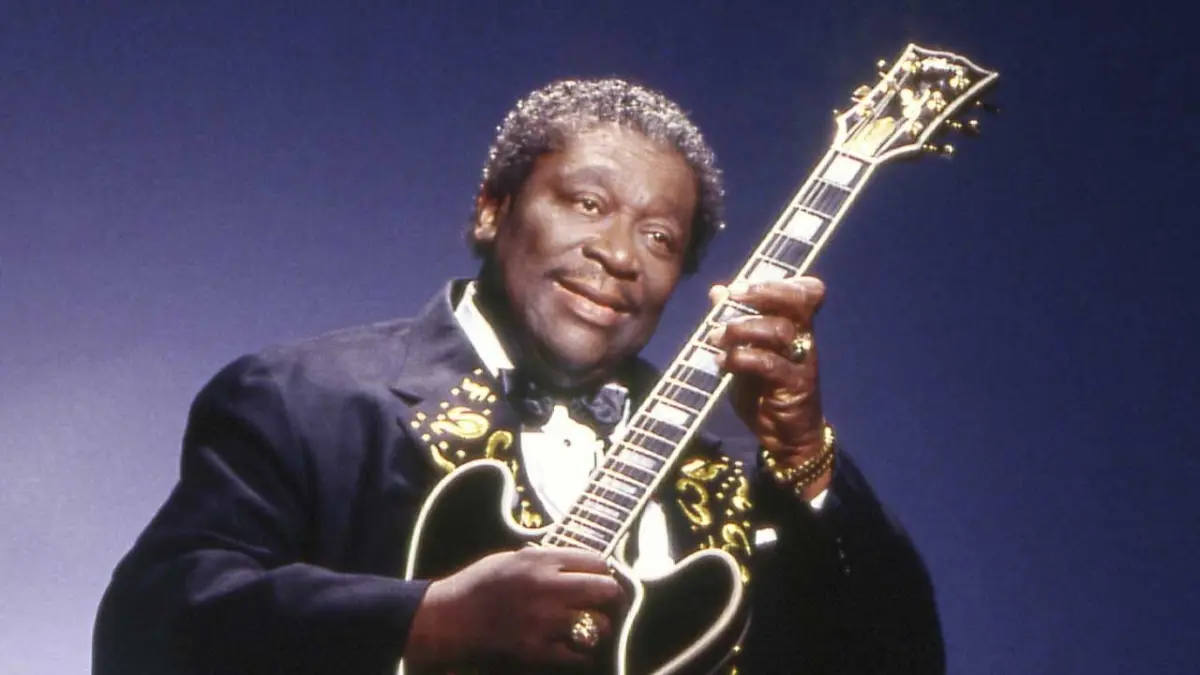
When Riley B. King passed away in May 2015 at the age of 89, the international music community lost its most definitive ambassador: the undisputed "King of the Blues." Rising from the oppressive poverty and severe segregation of the 1920s Mississippi Delta, the musician known universally as B.B. King transformed a localized, acoustic folk tradition into a sophisticated, urbanized electric art form. Over a recording and performing career that spanned more than six decades, King bridged cultural, racial, and generational divides, establishing a template for electric guitar phrasing that permanently altered the trajectory of modern rock, soul, and jazz.
Unlike many of his rural contemporaries who were elevated by the mid-20th-century folk revival through nostalgic retrospectives, King continually pushed his artistic boundaries forward. He refused to stagnate or indulge in commercial gimmicks, maintaining an uncompromising dedication to musical refinement. By fusing the electric single-note bending techniques of T-Bone Walker with gospel emotion, horn-section orchestration, and jazz-inflected harmonics, King created a timeless sonic signature. His work ethic—forged in the cotton fields of Itta Bena, Mississippi—drove him to play upwards of 300 shows annually well into his eighties, solidifying his stature as a singular cultural icon whose influence remains foundational to popular music.
Detailed Chronology: From Delta Mud to International Arenas
+-----------------------------------------------------------------------------------+
|                                 B.B. KING CHRONOLOGY                              |
+-----------------------------------------------------------------------------------+
| 1925       | Born Riley B. King in Itta Bena, Mississippi.                        |
| 1948       | Relocates to Memphis; becomes the "Beale Street Blues Boy."          |
| 1951       | Scores first #1 R&B hit with "3 December Hours."                      |
| 1965       | Releases 'Live at the Regal', defining modern live blues performance. |
| June 1968  | Landmark performance at San Francisco's Fillmore Auditorium.        |
| 1969       | Releases 'Completely Well', featuring "The Thrill Is Gone."           |
| 1987       | Inducted into the Rock and Roll Hall of Fame; Grammy Lifetime Award.  |
| 1988       | Collaborates with U2 on "When Love Comes to Town."                    |
| 2000       | Partners with Eric Clapton for the multi-platinum 'Riding with the King'|
| May 2015   | Passes away in Las Vegas, Nevada, at age 89.                         |
+-----------------------------------------------------------------------------------+
The Mississippi Delta and Beale Street Beginnings (1925–1959)
Born on a cotton plantation in Itta Bena, Mississippi, on September 16, 1925, Riley B. King grew up under the heavy weight of Jim Crow segregation and economic disenfranchisement. Raised by his maternal grandmother after his parents separated, young King sang in gospel groups and taught himself the basics of guitar.
In 1946, seeking to escape life as a tractor driver, King hitchhiked to Memphis, Tennessee, a burgeoning epicenter for Black American music. Mentored by his cousin, the revered country blues guitarist Bukka White, King absorbed the urban rhythms of Beale Street. By 1948, he secured a position as a disc jockey and performer on Memphis radio station WDIA. It was here that he adopted the moniker "Beale Street Blues Boy," which was later shortened to "Blues Boy," and eventually, simply "B.B."
King signed his first recording contract with RPM Records in the late 1940s. In late 1951, he scored his first national R&B hit with "3 O’Clock Blues," which held the top spot on the Billboard R&B charts for five weeks. Throughout the 1950s, King toured relentlessly across the Chitlin’ Circuit, playing small clubs, dance halls, and theaters catered to African American audiences, steadily sharpening his stagecraft and establishing a tight, horn-driven ensemble sound.
‘Live at the Regal’ and Mastery of the Form (1960–1967)
By the early 1960s, King had moved beyond the stylistic shadow of his primary idol, T-Bone Walker, to forge an unmistakable voice. On November 21, 1964, King and his band recorded a performance at Chicago’s Regal Theater. Released in early 1965 as Live at the Regal, the album captured an artist in absolute command of his instrument, his band, and his audience.
Live at the Regal showcased King’s singular ability to navigate dynamic extremes—shifting from subtle, whispered guitar figures to explosive, impassioned vocal climaxes. The record became a masterclass for a generation of young British musicians who were discovering American blues through imported vinyl. Guitarists like Eric Clapton, Peter Green, Mick Taylor, and Jeff Beck studied King’s economy of notes, fluid string bending, and expressive, rapid wrist vibrato.
Crossover Triumph: The Fillmore and ‘The Thrill Is Gone’ (1968–1975)
As the late 1960s brought a massive wave of young, white audiences to blues-based rock, record labels attempted to adapt traditional blues artists to current trends. While contemporaries such as Muddy Waters and Howlin’ Wolf were nudged into experimental, psychedelic blues productions—resulting in controversial releases like Electric Mud (1968) and The Howlin’ Wolf Album (1969)—B.B. King maintained his artistic autonomy.
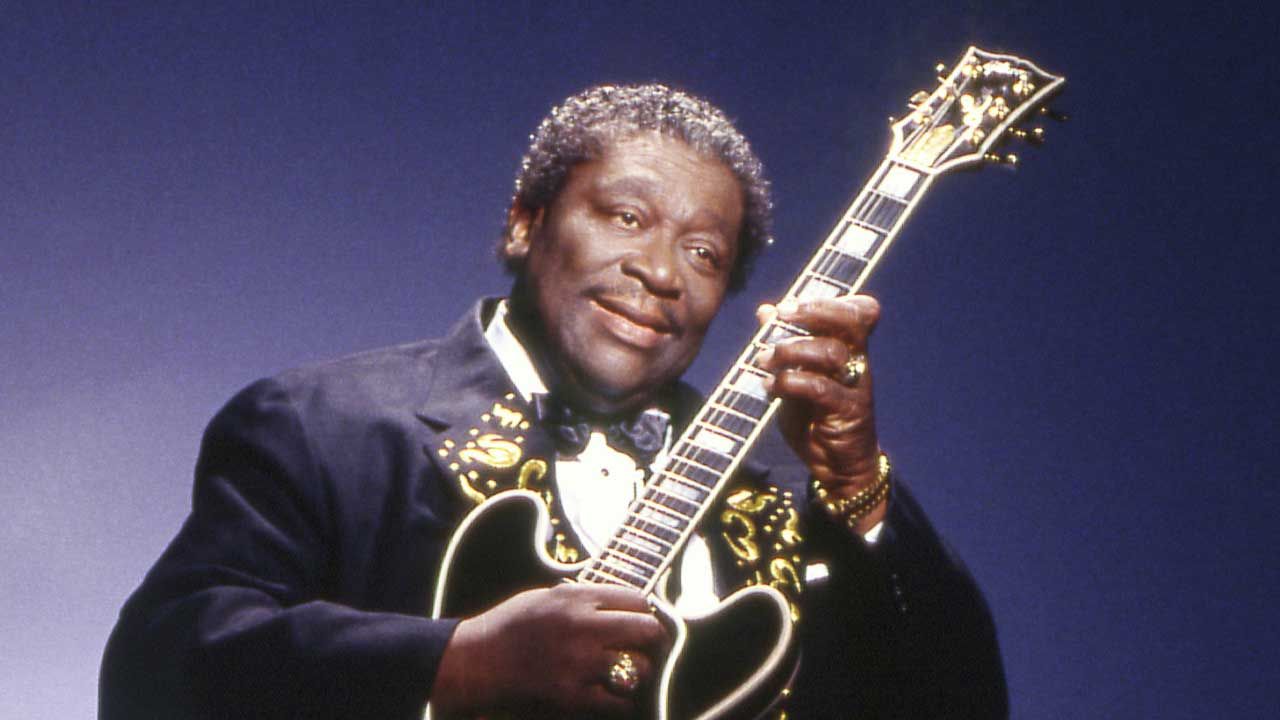
On June 6, 1968, promoter Bill Graham booked King to play San Francisco’s Fillmore Auditorium. Standing before a predominantly young, white hippie audience, King initially feared rejection. Instead, he received a standing ovation before playing a single note.
Rather than chasing psychedelic trends, King refined his sound with high-end production and sophisticated arrangements. In late 1969, he released Completely Well, an album featuring a polished production strategy that added lush string arrangements to an understated, minor-key blues structure: "The Thrill Is Gone." The track became a massive crossover smash, reaching No. 15 on the Billboard Hot 100 and No. 3 on the R&B chart, earned King a Grammy Award in 1970, and established him as an international superstar.
       +-------------------------------------------------------------+
       |             CROSSOVER APPROACH COMPARISON (1968-1969)        |
       +-------------------------------------------------------------+
       | Artist       | Album / Track             | Approach         |
       +--------------+---------------------------+------------------+
       | Muddy Waters | Electric Mud (1968)       | Psychedelic Rock |
       | Howlin' Wolf | The Howlin' Wolf Album ('69)| Psychedelic Fuzz|
       | B.B. King    | Completely Well (1969)    | Orchestral Soul  |
       +-------------------------------------------------------------+
Global Ambassador and Late Era (1976–2015)
Through the 1970s, 1980s, and 1990s, King operated as an elder statesman of American music. He performed in over 90 countries, played at prison facilities (yielding acclaimed live albums such as Live in Cook County Jail), and made television appearances worldwide.
In 1988, King introduced himself to a new generation of listeners through a high-profile collaboration with Irish rock band U2 on the single "When Love Comes to Town," featured on their blockbuster Rattle and Hum album and film. A decade later, in 2000, he teamed up with his longtime disciple Eric Clapton for the studio album Riding with the King. The record achieved double-platinum status and won a Grammy Award for Best Traditional Blues Album, proving the enduring commercial viability of authentic blues music in the 21st century.
Supporting Context & Metrics: Analyzing King’s Sonic Legacy
The Anatomy of "Lucille" and Technical Innovation
Central to B.B. King’s artistic identity was his custom Gibson guitar, affectionately dubbed "Lucille." The name originated in the winter of 1949 during a performance in Twist, Arkansas, when a fight broke out over a woman named Lucille, knocking over a kerosene stove and setting the hall ablaze. King risked his life to retrieve his $30 acoustic guitar from the flames, naming it Lucille as a perpetual reminder never to do something so foolish again.
Technically, King’s playing revolutionized electric guitar methodology:
- The "B.B. Box" Phrasing: King isolated a specific pentatonic scale position (typically spanning four frets on the top three strings) that allowed maximum flexibility for string bending and vocal-like phrasing.
- Integrated Wrist Vibrato: Unlike slide guitarists or players using modern tremolo arms, King developed a fast, trilling vibrato executed entirely by shaking his left wrist. This technique mimicked the human singing voice.
- Economic Space: King famously eschewed rapid-fire chordal playing or excessive runs, prioritizing tone, phrasing, and dynamic space. As King often noted, he rarely played chords, preferring single-note vocal responses to his own singing lines.
                  +-----------------------------------+
                  |   THE ANATOMY OF THE "B.B. BOX"   |
                  +-----------------------------------+
                  | • Location: Root note on 2nd      |
                  |   string (index finger home).     |
                  | • Reach: Covers major/minor       |
                  |   3rds, 5ths, 6ths, & 9ths.       |
                  | • Technique: Precise pitch bends  |
                  |   with left-wrist vibrato.        |
                  | • Philosophy: Minimal notes,      |
                  |   maximum emotional resonance.    |
                  +-----------------------------------+
Commercial Milestones and Industry Recognition
Over his six-decade career, King accumulated commercial metrics and critical honors that are unmatched in the blues genre:
- Discography Scale: Released 43 studio albums, 16 live albums, and over 130 singles.
- Grammy Awards: Won 15 competitive Grammy Awards between 1970 and 2009, alongside the Recording Academy’s Lifetime Achievement Award in 1987.
- Hall of Fame Inductions: Inducted into the Blues Hall of Fame (1980) and the Rock and Roll Hall of Fame (1987).
- Touring Output: Maintained a grueling schedule, averaging 200 to 300 concerts per year well into his late seventies. In 1956 alone, King and his band played an astonishing 342 shows.
Official Statements & Critical Commentary
Reflections from Key Peers and Disciples
Eric Clapton
Reflecting on King’s fundamental contribution to guitar history, Eric Clapton consistently directed aspiring guitarists back to King’s mid-60s landmark work:
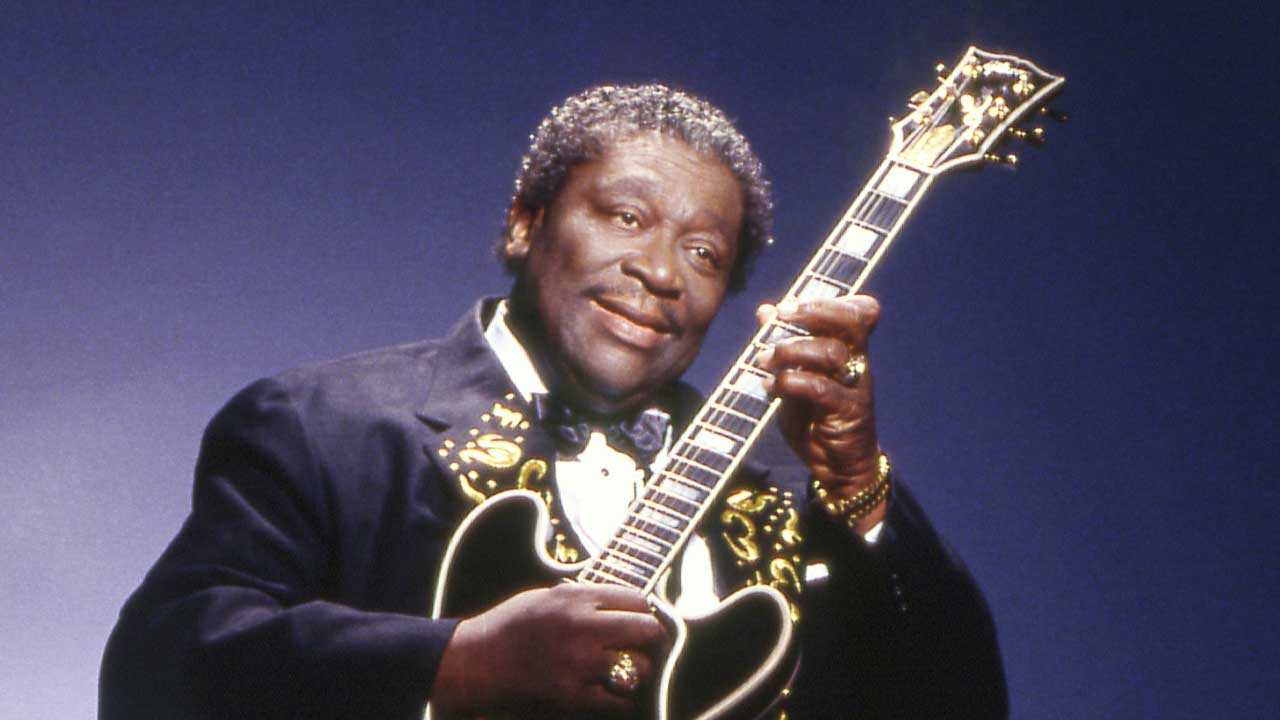
"If you’re not familiar with his work, I would encourage you to go out and find an album called ‘Live At The Regal’, which is where it all really started for me as a young player. B.B. was a beacon for all of us who tried to play the electric guitar."
B.B. King
When asked about his ceaseless touring schedule and unwillingness to retire despite his personal wealth and advancing age, King repeatedly pointed back to his childhood roots in the poverty of the rural South:
"If we don’t work, how we gonna eat? I have a family to take care of, and I have people who depend on me. Plus, Lucille demands to be played… When I sing, I play in my mind; the minute I stop singing orally, I start to sing by playing Lucille."
Ed Mitchell (Music Journalist and Blues Historian)
Writing on King’s refusal to sacrifice his identity during the late-1960s rock boom:
"While many blues performers were backtracking on their careers to satisfy a new white Delta blues-obsessed audience, King gave his followers progression. His music took on elements of jazz, funk, and soul while never obscuring his first love, the blues."
Future Outlook: The Enduring Royalty of the Blues
In the years following B.B. King’s passing, his legacy is preserved through both traditional institutions and digital platforms. The B.B. King Museum and Delta Interpretive Center in Indianola, Mississippi, serves as an educational hub, documenting not only King’s musical output but also the broader socio-economic history of the Mississippi Delta and the Civil Rights Era.
                       +-------------------------------+
                       |   PILLARS OF KING'S LEGACY    |
                       +-------------------------------+
                                       |
       +-------------------------------+-------------------------------+
       |                               |                               |
+--------------+               +---------------+               +---------------+
|  Institutional|               | Digital Era   |               | Stylistic     |
|  Preservation|               | Streaming     |               | Influence     |
+--------------+               +---------------+               +---------------+
| B.B. King    |               | Millions of   |               | Modern Rock,  |
| Museum in    |               | monthly listeners|            | Soul, and     |
| Indianola, MS|               | introducing   |               | Blues Guitar  |
| acts as a    |               | classic tracks|               | Techniques    |
| cultural hub.|               | to new generations.|         | Worldwide.    |
+--------------+               +---------------+               +---------------+
Digital Era Resurgence
In the digital music environment, King’s catalog continues to introduce new generations to traditional blues:
- Catalog Streaming: Track views and streams for classics like "The Thrill Is Gone," "Every Day I Have the Blues," and "Lucille" maintain millions of monthly plays across global streaming services.
- Algorithmic Discovery: King’s extensive catalog serves as an entry point for algorithmic playlists focused on classic rock, soul, and guitar blues, keeping his music accessible to younger listeners worldwide.
- Instructional Archetype: The "B.B. Box" and King’s distinct vibrato technique remain essential components of modern guitar pedagogy. Thousands of instructional tutorials and music conservatory curricula treat his phrasing as foundational material.
Cultural Continuity
B.B. King’s legacy demonstrates that authentic artistic expression can transcend demographic boundaries without sacrificing its core identity. By taking the blues from rural plantations to world-renowned concert halls—all while refining his craft and maintaining a legendary work ethic—King ensured that the genre would not remain a relic of the past, but an active, living foundation for modern music.