Seán McLoughlin, globally recognized by his 31 million YouTube subscribers as Jacksepticeye, has witnessed the digital landscape transform fundamentally since he began uploading gaming content in 2012. Heralded by many as the "golden age" of YouTube—an era defined by unpolished vlogs, comedic game playthroughs, and pure escapism—the modern web has evolved into a hyper-monetized, highly polarized ecosystem.
Rather than resting on his laurels as a legacy creator, McLoughlin has aggressively diversified his career. He has transitioned from behind a microphone in a home setup to professional voice-acting roles in AAA video games like Hitman and Dispatch, alongside stepping into film production as a producer for an upcoming animated adaptation of the acclaimed PlayStation classic, Bloodborne.
In a wide-ranging interview with BBC Newsbeat, McLoughlin reflected on this industry-wide evolution. He discussed the anxieties surrounding the decline of physical media, the encroachment of generative artificial intelligence (GenAI) in game development, and the toxic rise of online "anti-communities." Amidst an increasingly cynical digital world, McLoughlin remains committed to carving out spaces for positivity, preparing for the return of his charity fundraiser Thankmas while learning to navigate the burden of public commentary in the age of viral outrage.
Detailed Chronology: From 2012 Pioneer to Cross-Medium Powerhouse
The 2012 Genesis: The Golden Age of Let’s Plays
When Seán McLoughlin uploaded his first videos under the moniker Jacksepticeye in 2012, the video game content creation landscape bore little resemblance to today’s corporate-backed creator economy. YouTube was a frontier characterized by raw, long-form playthroughs and genuine community interactions. McLoughlin quickly carved out a niche through high-energy, comedic Let’s Plays, rapid-fire commentary, and an infectious personality that resonated with millions of viewers. Over the next decade, he ascended to become one of the platform’s most enduring and beloved fixtures, crossing the milestone of 31 million subscribers.
Entering the Studio: Voice Acting and Cameos
As the gaming industry grew closer to Hollywood production values, developers increasingly turned to prominent content creators for organic marketing and authentic performances. McLoughlin’s foray into voice acting began to accelerate notably in the mid-2020s.
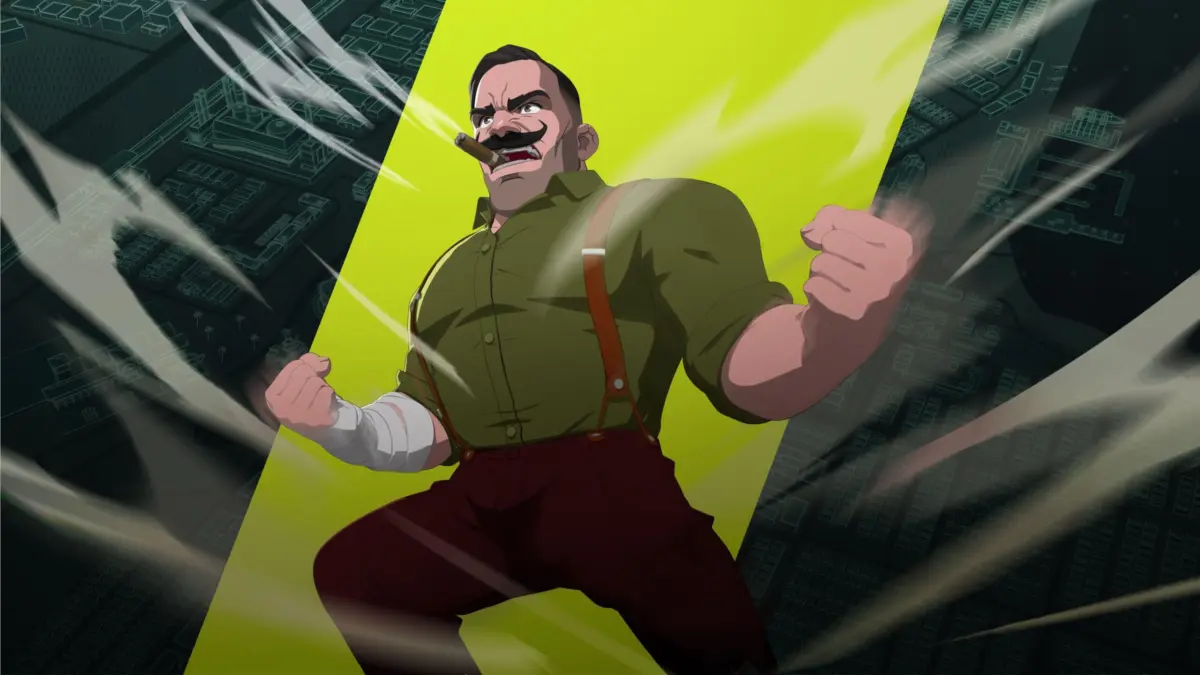
Following a brief appearance in IO Interactive’s upcoming James Bond title, 007: First Light, earlier this year—a cameo so subtle that many of his peer creators missed it—McLoughlin secured a prominent antagonist/target role in IO Interactive’s live-service stealth juggernaut, Hitman. In this mission, he portrays a fictional, controversial "manosphere-adjacent influencer" named Finn Colton, operating under the moniker Finnvictus.
Further expanding his dramatic range, McLoughlin also secured a role as the reformed villain Punch Up in AdHoc Studio’s 2025 superhero narrative adventure, Dispatch. These roles mark a deliberate pivot from playing games on camera to stepping inside the virtual worlds he once only interacted with as a player.
Taking the Reins: Producing Bloodborne
Perhaps McLoughlin’s most ambitious diversification to date occurred earlier this year when he was officially announced as a producer on an upcoming animated film adaptation of FromSoftware’s critically acclaimed PlayStation 4 masterpiece, Bloodborne.
The announcement was met with mixed reactions from a fiercely protective fan base, some of whom questioned whether a YouTube creator possessed the credentials to helm an adaptation of a cult-classic gothic title. McLoughlin quickly addressed these concerns, pointing to his genuine, long-standing fandom—highlighted by a physical tattoo of the game’s iconic Hunter’s Mark. Positioning himself as a "vibe-checker," McLoughlin has taken on the mantle of guardian of the source material, ensuring the film’s atmosphere honors the bleak, gothic intricacies that fans hold dear.
Supporting Context & Metrics: The Shifting Video Game Industry
McLoughlin’s professional pivot arrives during a period of profound structural disruption within the video game and technology sectors. The industry is grappling with tectonic shifts in how games are distributed, built, and discussed.
The Death of Physical Media
The release of IO Interactive’s latest Hitman content arrives just weeks before the launch of Rockstar Games’ juggernaut, Grand Theft Auto 6. Notably, GTA 6‘s rollout highlights a broader, controversial industry trend: the accelerating abandonment of physical disc formats at launch in favor of digital-only storefronts.
For McLoughlin, who retains fond childhood memories of browsing shelves for PlayStation cases and unwrapping physical games on Christmas morning, this transition represents a loss of tangible human connection. "It would suck to see physical games disappear completely," he told BBC Newsbeat. "Just in terms of the humanity behind it all, I think it would be a shame to see that stuff disappear because it’s a magical experience."
The Artificial Intelligence Battleground
Simultaneously, the industry faces an existential debate over the integration of generative artificial intelligence (GenAI). Earlier this month, Fortnite developer Epic Games announced a controversial "pivot" toward utilizing AI as a primary tool in game development.
The move has drawn swift backlash from industry unions, artists, and prominent creators alike. McLoughlin has positioned himself firmly against the unchecked use of GenAI. When asked if fans could ever expect to see a "Jacksepticeye" skin integrated into Fortnite under these new paradigms, McLoughlin responded bluntly: "I think the chances of that happening were already zero before anything related to that even happened. But now it’s definitely, definitely unlikely."
Official Statements and Industry Insights
Reflecting on his journey, McLoughlin offered sharp insights into the psychological toll of modern internet culture and the responsibilities borne by public figures.
On Playing Against Type in Hitman
Addressing his role as the controversial influencer Finnvictus in Hitman, McLoughlin clarified that the character—despite sharing his physical likeness and voice—is not a self-insert. Instead, developers designed the character as a satirical take on toxic internet personalities.
Because Hitman is an assassination simulator, players are given absolute freedom in how they deal with elusive targets. McLoughlin leaned into the humor of the dynamic:
"If you love me it’ll be funny to play and you’ll get to kill me in different ways. If you hate me maybe that’s even more fun to play."
On Guarding the Integrity of Bloodborne
Regarding his production role on the Bloodborne animated film, McLoughlin emphasized that his primary value to the project is his deep, visceral understanding of what makes the original game special:
"If it feels off, especially with something like Bloodborne, people can feel it immediately, even if they don’t know what they’re pointing towards. They know the game so well that if the atmosphere, or the world, or the vibe feels off, they’ll pick up on it pretty fast."
He added: "I feel like I have good instincts on what works and what doesn’t and what I like and what I don’t like. So the producing side of it fits a lot more naturally for me right now."
On the Rise of Online Hostility
Perhaps the most striking commentary from McLoughlin centered on the degradation of online discourse. Reflecting on the differences between the web of 2012 and today, he diagnosed a systemic cultural shift toward immediate outrage:
"I’m just sad that the internet is such an angry place these days. It’s just zero to a thousand immediately. I think we’re just not there in terms of having nuanced discussions about anything. But I think that’s just endemic of the internet in general."
McLoughlin connects this digital toxicity to broader socio-economic anxieties affecting people in the physical world:
"Right now, it’s just people are angry in general, just at the world. So it’s harder to interact with stuff online these days. It’s a less whimsical space. But hopefully that’s something that can change."
Future Outlook: Philanthropy and Retaining Perspective
Despite the prevailing headwinds of cynicism and toxic discourse online, McLoughlin continues to invest energy in initiatives designed to foster genuine community cohesion.
This December marks the triumphant return of Thankmas, McLoughlin’s flagship annual charity livestream event. After taking a brief hiatus last year, Thankmas is returning to raise critical funds for the Make-A-Wish Foundation. For McLoughlin, the event serves as an essential counterweight to the negativity dominating contemporary feeds:
"I think it’s a nice little pinprick of light in the middle of everything else going on."
Furthermore, McLoughlin is intentionally altering his own relationship with the digital megaphone he has spent over a decade building. Recognizing the saturation of hot takes and instant commentary across social media platforms, he is consciously stepping back from commenting on every trending controversy:
"I’m trying to get better about not giving an opinion about absolutely everything any more. Because I think there’s too much of that in the world."
As Jacksepticeye steers his career away from simple YouTube playthroughs and deeper into the realms of narrative production, voice acting, and large-scale philanthropy, his journey serves as a microcosm of the modern creator economy—navigating the loss of early internet innocence while striving to preserve a sense of wonder in an increasingly fractured world.