Executive Overview
In an era where the live music landscape is frequently dominated by mega-festivals with homogeneous lineups and commercial consolidation, pop sensation Olivia Rodrigo has charted an entirely different course. Over the weekend, the historic Great Park in Irvine, California, served as the backdrop for the inaugural Daisy Chain Fields festival—a groundbreaking, woman-led musical celebration curated to champion female representation in the arts and direct vital financial resources toward advocacy organizations supporting women and girls.
The event transcended standard concert-going experiences, morphing into a cultural movement and a masterclass in artist-led philanthropy. Featuring an elite, generation-spanning roster of powerhouse performers—including Chappell Roan, Doechii, Mitski, Sarah McLachlan, and Stevie Nicks—the festival successfully merged high-octane live performances with historic charitable contributions. Highlights included a staggering $20 million donation announced live on stage alongside philanthropist Melinda French Gates, with an additional $10 million matching pledge.
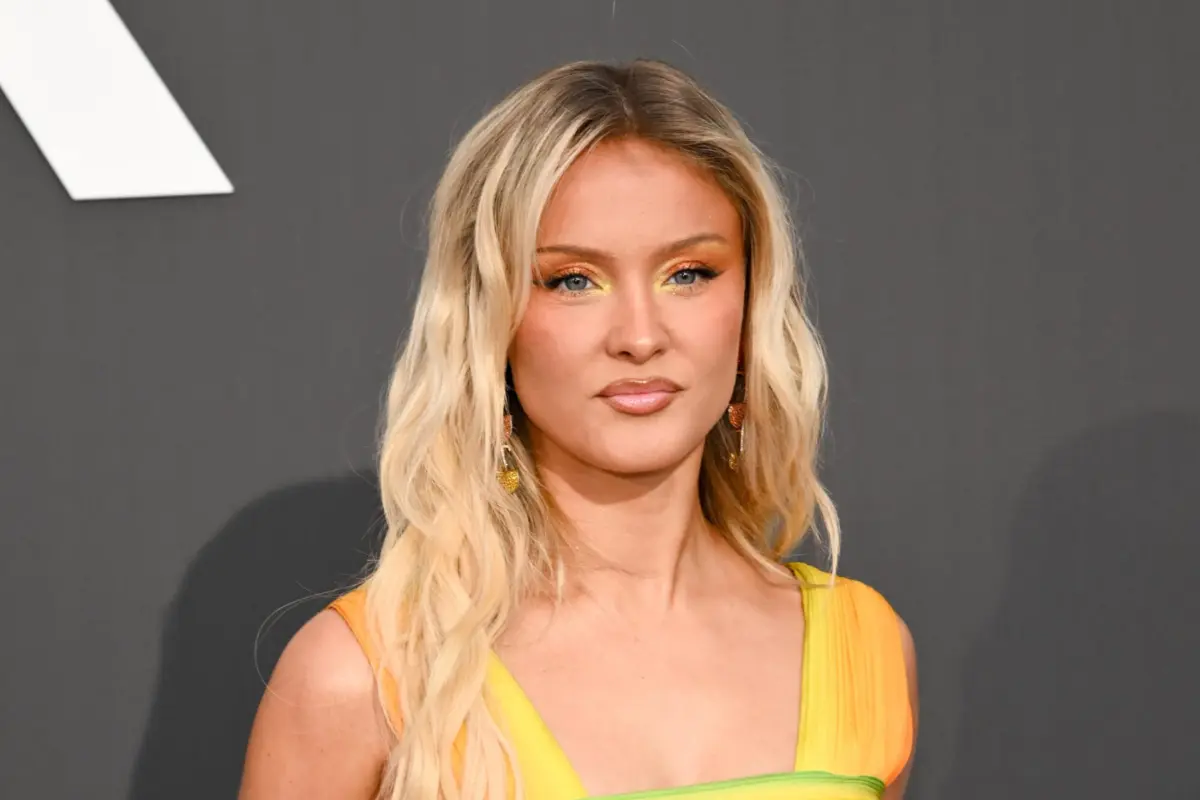
The ripples of this triumphant weekend have extended far beyond the borders of Irvine, captivating the international music community. Swedish pop icon Zara Larsson took to social media to publicly commend Rodrigo, praising her vision, tenacity, and unwavering commitment to her values. As both artists ride unprecedented waves of chart-topping success—Rodrigo with her third consecutive Billboard 200 No. 1 album, You Seem Pretty Sad for a Girl So in Love, and Larsson with her historic back-to-back Pop Airplay chart triumphs—the mutual admiration highlights a broader industry shift toward solidarity, empowerment, and structural change. This report examines the inception, execution, philanthropic footprint, and global industry response to the landmark Daisy Chain Fields festival.
Detailed Chronology: The Genesis and Execution of Daisy Chain Fields
Setting the Stage at Great Park
The conceptualization of Daisy Chain Fields did not happen overnight. For months, rumors swirled within industry circles that Olivia Rodrigo was quietly planning a live music experience that would disrupt the traditional festival blueprint. When formal announcements dropped, they confirmed an ambitious mandate: an all-female-led lineup designed to reclaim festival spaces historically dominated by male headliners and corporate curation.
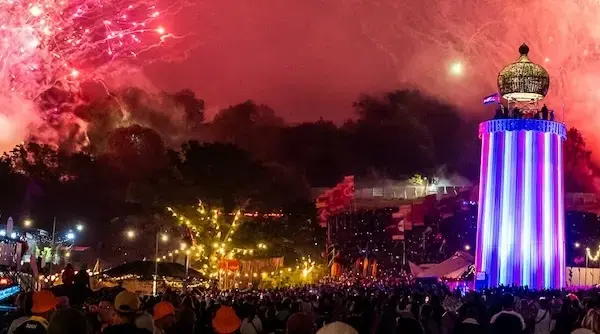
Choosing Great Park in Irvine, California, as the host site provided a sprawling canvas capable of accommodating tens of thousands of dedicated fans, art installations, interactive advocacy booths, and top-tier production stages. From the moment gates opened over the weekend, the atmosphere was defined by a sense of community and shared purpose rather than mere commercial spectacle.
A Curated Lineup for the Ages
Rodrigo’s curatorial vision relied on juxtaposition and generational synergy, bringing together foundational icons and cutting-edge contemporary voices.
- The Pioneers: Rock royalty Stevie Nicks brought a spellbinding theatricality and timeless songcraft to the grounds, while Canadian singer-songwriter Sarah McLachlan—whose own legacy with the groundbreaking Lilith Fair festival heavily inspired modern iterations of women-centric spaces—delivered an emotional, piano-driven set that resonated deeply across the multi-generational crowd.
- The Modern Vanguard: Critical darlings and commercial powerhouses like Mitski brought avant-garde intensity and poetic lyricism to the afternoon slots, while Doechii commanded the stage with razor-sharp rap flows and magnetic stage presence, proving herself to be one of the most dynamic live acts in contemporary hip-hop and pop.
- The Breakout Sensations: Chappell Roan, whose meteoric rise mirrors the pop-culture ubiquity of Rodrigo herself, delivered a flamboyant, theatrical performance that stood as one of the weekend’s defining cultural moments.
- The Host and Visionary: Culminating the weekend, Olivia Rodrigo delivered a tour-de-force headlining set that blended her emotionally raw, pop-rock anthems with messages of unity, empowerment, and systemic change.
Supporting Context & Metrics: Philanthropy Meets Commercial Dominance
The $30 Million Philanthropic Milestone
While the music alone would have cemented Daisy Chain Fields as a triumph, the festival’s most enduring legacy will likely be its financial and social impact. In a historic moment during the weekend’s programming, Olivia Rodrigo invited prominent philanthropist Melinda French Gates to the stage to announce a sweeping philanthropic initiative.
A collective $20 million was committed for immediate distribution across 10 carefully selected nonprofit organizations dedicated to advancing women’s rights, healthcare, education, and legal protections. Demonstrating her commitment to amplifying these efforts, Melinda French Gates announced an additional $10 million matching pledge, bringing the total immediate economic injection for these causes to an astonishing $30 million.
Industry analysts have noted that this level of direct, festival-generated philanthropy is unprecedented for an artist of Rodrigo’s generation, signaling a paradigm shift in how modern pop stars leverage their platform for tangible, real-world impact.
Charting New Territories: Rodrigo and Larsson’s Historic Runs
The success of Daisy Chain Fields arrives during an exceptionally fertile professional period for its creator. Rodrigo’s latest studio album, You Seem Pretty Sad for a Girl So in Love, captured the No. 1 spot on the Billboard 200, marking her third consecutive chart-topping debut. The record has been lauded by critics for its razor-sharp lyricism, stylistic versatility, and refusal to pander to commercial safety.
Simultaneously, the praise directed at Rodrigo by Zara Larsson underscores a mutual respect rooted in current chart dominance. Larsson, a powerhouse vocalist and established international hitmaker, recently etched her name into the history books of the Billboard Pop Airplay chart. In June, her single "Midnight Sun" ascended to No. 1, marking her second career leader on the chart. This feat occurred just one week after "Stateside"—her collaborative track with PinkPantheress—reached the summit.
With this achievement, Larsson became the first artist in the history of the Pop Airplay chart (dating back to its inception in October 1992) to secure two initial No. 1 tracks in consecutive weeks. This concurrent wave of historic career highs for both artists frames their public camaraderie not merely as polite industry pleasantries, but as a meeting of two creative forces reshaping the modern pop landscape.
Official Statements and Industry Reception
Zara Larsson’s Public Tribute
The most vocal endorsement of the weekend came via Zara Larsson’s official Instagram Story on Monday morning. The Swedish singer, who has long been an outspoken advocate for gender equality and artist rights within the music industry, did not mince words when expressing her admiration for Rodrigo’s achievement.
"So in awe of this young woman," Larsson wrote to her millions of followers. "What an amazing person! I’m such a fan of everything she is and stands for. Inspiring! Fantastic! A brilliant talent with a beautiful heart! Olivia, the world LOVES you."
The post quickly circulated across fan communities and media outlets, amplifying the narrative of inter-artist support and mutual empowerment that defined the weekend.
Cultural Critics and Industry Insiders Weigh In
Music journalists and festival promoters have universally praised the logistical and conceptual execution of Daisy Chain Fields. Unlike previous iterations of female-focused music gatherings—which critics historically marginalized as novelty circuits—Daisy Chain Fields operated with the production scale, financial backing, and cultural gravity of a tier-one global festival like Coachella or Glastonbury.
Promoters point out that the event disproved the long-standing, misogynistic myth held by legacy booking agents that festival lineups featuring women at the top cannot draw multi-generational crowds or secure massive corporate and philanthropic backing. By partnering with heavyweights like Melinda French Gates and drawing endorsements from international stars like Larsson, Rodrigo has effectively drafted a new blueprint for how festivals can be both commercially viable and socially transformative.
Future Outlook: The Blueprint for a Movement
Will Daisy Chain Fields Return?
As the dust settles on Great Park, the primary question circulating through the music industry is whether Daisy Chain Fields was a one-time cultural milestone or the inception of an annual franchise. While official representatives for Olivia Rodrigo have remained tight-lipped regarding future dates, industry insiders suggest that the overwhelming commercial success, combined with the massive philanthropic yield, makes a recurring festival highly probable.
The operational framework established in Irvine—combining world-class curation, massive philanthropic matching funds, and an explicit ethos of female empowerment—has created a high-demand template that fans and artists alike are eager to see expanded. Cities across North America and Europe are already rumored to be positioning themselves as potential hosts for future installments.
A New Era of Artist-Led Activism
Ultimately, the success of Daisy Chain Fields and the enthusiastic chorus of approval from peers like Zara Larsson point toward a larger, permanent shift in popular music culture. Gen-Z and millennial artists are increasingly refusing to separate their commercial output from their social values.
By demonstrating that advocacy and massive commercial success can coexist on the same festival grounds, Olivia Rodrigo has not only cemented her status as a generational songwriting talent, but has also proven herself to be a transformative cultural leader. As Larsson aptly noted, the world is watching—and if the events of this past weekend are any indication, the future of live music is brighter, more equitable, and deeply empowered.