Executive Overview
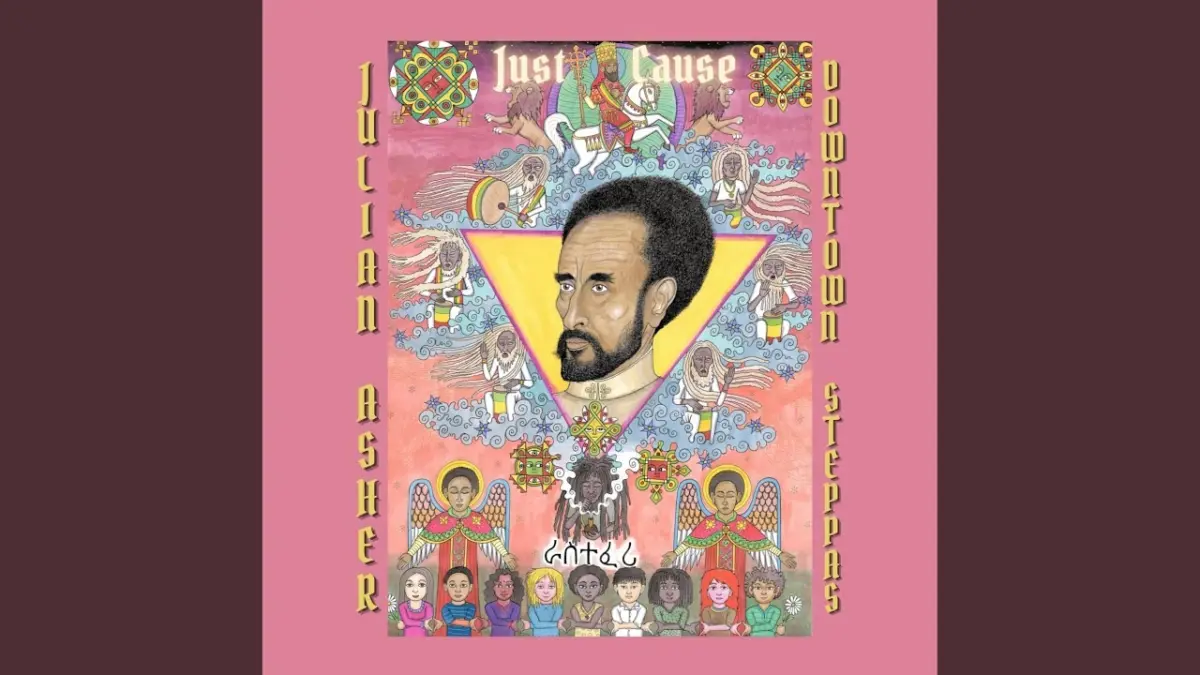
In an era where modern popular music is increasingly atomized into fleeting digital micro-trends and algorithm-driven singles, the collaborative union of Cape Town-born, Berlin-based reggae artist Julian Asher and the esteemed German production collective Downtown Steppas stands as a testament to the enduring power of roots music, deep collaboration, and spiritual conviction. Their debut full-length collaborative album, Just Cause, represents the culmination of years of live performance, shared artistic vision, and rigorous sonic craftsmanship.
At the center of this cultural and musical convergence is the standout track "Elohim"—a hypnotic, bass-heavy meditation on biblical prophecy, Rastafarian heritage, and modern spiritual reclamation. Drawing inspiration from Psalm 68 (“Ethiopia shall soon stretch out her hands unto God”), Asher weaves ancient geopolitical and theological history into contemporary dub-infused reality. The track, underpinned by Downtown Steppas’ heavyweight production style, encapsulates the transatlantic dialogue happening within Europe’s underground reggae capitals, particularly Berlin, where a vibrant community of Caribbean-rooted rhythm makers and global roots travelers continues to reinvent the genre.
This feature-length investigative review explores the genesis of Just Cause, examining the trajectory of Julian Asher from his South African roots to the European underground, the sonic architecture provided by Downtown Steppas, the profound historical and theological weight of "Elohim," and the broader implications of this release for the global roots and steppas community.
Detailed Chronology: From Cape Town Roots to Berlin’s Dub Basements
The South African Foundation
To understand the resonant depth of Julian Asher’s vocal delivery and his lyrical preoccupations with liberation, faith, and identity, one must trace his journey far from the damp, creative basements of the German capital. Growing up in Cape Town, South Africa, Asher was immersed in a culturally diverse landscape where music served historically as a primary vehicle for political resistance, community cohesion, and spiritual expression.
South Africa possesses a rich, under-documented history with reggae music. Dating back to the anti-apartheid struggles of the 1980s, when artists like Lucky Dube and a host of local sound systems used the syncopated rhythms of Jamaica to voice the pain and resilience of the oppressed, the Cape Flats and surrounding townships nurtured an enduring love for roots reggae and dub. For Asher, this environment instilled an organic understanding of the music not merely as entertainment, but as a lifestyle, a philosophy, and a weapon against mental and physical enslavement.
The Migration to Berlin
As the local scene shifted and global opportunities beckoned, Asher made the pivotal decision to relocate to Berlin, a city renowned for its eclectic musical topography, openness to international artists, and thriving alternative subcultures. Berlin has long functioned as a European crucible for Jamaican musical styles, hosting legendary sound systems, vintage vinyl collectors, and modern producers dedicated to the art of the 140-BPM steppas sound.
However, breaking into the European roots circuit as an outsider requires more than geographical proximity; it demands authenticity, undeniable vocal talent, and an understanding of the intricate sonic codes that govern the genre. Asher spent his initial years in Berlin forging connections within the local community, sharpening his stagecraft, and developing the conceptual framework for what would eventually become his breakout debut EP, Haile Abeba Sound.
The Encounter with Downtown Steppas
The turning point in Asher’s European career arrived when he crossed paths with Downtown Steppas, a formidable Berlin-based backing band and production outfit celebrated for engineering their own authentic riddims. Known within the underground European circuit for their uncompromising devotion to the heavyweight sound system tradition—fusing classic analog warmth with contemporary digital precision—Downtown Steppas provided the ideal sonic canvas for Asher’s spiritually charged lyricism.
The creative chemistry was immediate. Their partnership formally materialized in 2022 with the release of the single "Perilous," a track that signaled to the European dub community that a significant new alliance had been forged. Building on this momentum, Asher subsequently voiced "Just Cause" over the band’s devastating Fantasia riddim.
Rather than resting on the laurels of isolated single releases, Asher and Downtown Steppas spent the subsequent winter months locked in the studio. They systematically recorded and refined material that they had road-tested together in live environments over years of collaboration. The resulting body of work—appropriately titled Just Cause after their collaborative breakthrough—stands as a masterclass in modern roots and culture production.
Supporting Context & Metrics: The Anatomy of Just Cause and "Elohim"
Theological Foundations and the Legacy of Psalm 68
To fully appreciate the artistic ambitions driving Just Cause, one must examine the profound theological architecture underpinning tracks like "Elohim." The song’s thematic cornerstone is drawn directly from Psalm 68:31, which reads in the King James Bible: "Princes shall come out of Egypt; Ethiopia shall soon stretch out her hands unto God."
Within the Rastafari movement, this specific scriptural verse has historically been interpreted as a direct prophecy foretelling the coronation of Ras Tafari Makonnen as Emperor Haile Selassie I of Ethiopia on November 2, 1930. For millions of adherents worldwide, Selassie’s ascension marked the physical manifestation of divine sovereignty on earth—an event that shattered Eurocentric notions of divinity and restored a sense of royal African heritage to the diaspora.
In the liner notes for his debut EP, Haile Abeba Sound, Julian Asher paraphrases this monumental history, setting the stage for the auditory journey of Just Cause. On "Elohim," he translates these high-stakes geopolitical and theological concepts into visceral poetry. He sings of a divine masculine (He) and feminine (She) arriving at the height of their power to reclaim an ancient throne from those who mislead humanity.
Throughout the verses, Asher calls upon "Abba" (the Father) and "Selassie I" by name, anchoring his contemporary anxieties regarding modern corruption, moral decay, and spiritual disorientation within a timeless pan-African framework.
The Sonic Blueprint: Downtown Steppas’ Production Methodology
While Asher’s lyrics supply the spiritual and intellectual weight, the sonic architecture of Just Cause is engineered by Downtown Steppas to maximize sound system impact. In the lexicon of reggae and dub, a "steppas" rhythm is characterized by a relentless, driving four-on-the-floor kick drum pattern that mimics a marching cadence, engineered specifically to propel dancers forward in a trance-like state.
Downtown Steppas approach their riddim construction with an artisanal reverence for vintage analog gear coupled with the clarity of modern digital mixing. On tracks like "Elohim" (and its accompanying dub versions), listeners are treated to:
- Deep, Sub-Bass Foundation: Frequencies optimized to test the limits of high-end sound system cabinets, vibrating the chest cavity while maintaining harmonic clarity.
- Intricate Percussion: Crisp snare hits, rolling hi-hats, and rhythmic wooden percussion elements that weave around the central kick pattern, creating a dense rhythmic tapestry.
- Dub Spatialization: Strategic deployment of tape delays, spring reverbs, and analog filter sweeps that dissolve vocal phrases and instrumental lines into vast, cavernous sonic spaces before abruptly pulling them back into sharp focus.
This meticulous approach ensures that Just Cause functions equally well as headphone music for the contemplative listener and as a devastating weapon for sound system operators across the European festival circuit and beyond.
Official Statements & Artistic Perspectives
Julian Asher on the Transatlantic Dialogue
Reflecting on his journey from Cape Town to the heart of Europe’s reggae capital, Julian Asher emphasizes that his music is designed to transcend borders, languages, and physical distance.
"When you write roots music, you are tapping into a frequency that has no passport," Asher notes when discussing the conceptualization of his work. "Coming from South Africa, the struggles we faced under apartheid resonated deeply with the messages coming out of Jamaica, out of the UK, and across the African diaspora. When I arrived in Berlin, I found a community of musicians who understood that reggae is not just a genre you play on the weekend—it is a discipline, a form of spiritual journalism, and a medium for truth-telling."
Discussing the creation of "Elohim" specifically, Asher highlights the urgency of invoking divine intervention in a world dominated by materialism and spiritual confusion:
"The song speaks to the arrival of forces—both divine and human—that come to right the wrongs of a world led astray. We live in times where people are searching for anchors. By calling upon the ancient names, by remembering the prophecies that sustained our elders through generations of oppression, we realign ourselves with a righteous cause. That is why the album is called Just Cause."
Downtown Steppas on the Studio Partnership
The members of Downtown Steppas have consistently championed the collaborative ethos that defined the recording sessions for the album last winter. Operating out of their Berlin studio hub, the production collective views their role not merely as a backing band, but as co-creators who must breathe life into a vocalist’s conceptual vision.
"Working with Julian is an intense, rewarding experience because he brings a global perspective and an uncompromising lyrical standard to the table," a representative for Downtown Steppas explains. "When we built the riddims for this project, we wanted to ensure we weren’t just mimicking old Jamaican templates. We wanted to create a modern European steppas sound that respects the originators while pushing the envelope in terms of mix clarity and dynamic range. Tracks like ‘Elohim’ demanded a musical bed that felt massive, spiritual, and driving all at once."
Future Outlook: The Global Trajectory of Just Cause
As Just Cause makes its way into the hands of music critics, vinyl collectors, and sound system operators worldwide, the release marks a definitive milestone for both Julian Asher and Downtown Steppas. In a broader industry landscape where independent roots artists face immense structural hurdles to gaining visibility, this transatlantic partnership demonstrates that uncompromising, spiritually grounded music can cut through the noise.
Expanding the Live Circuit
With the album now fully released and streaming across major platforms—with vinyl and digital collector editions driving engagement on Bandcamp—the immediate future for Asher and Downtown Steppas involves translating the studio wizardry of Just Cause to the live stage. Plans are currently underway for a comprehensive European tour, bringing their high-energy steppas sound to festival stages, underground dub clubs, and community-focused sound system sessions.
For Asher, performing these songs live in front of diverse European audiences represents the ultimate realization of the music’s unifying potential. Whether performing in Berlin, Amsterdam, London, or planning future return dates to the African continent, his mission remains singular: to deliver a message of redemption, historical consciousness, and spiritual fortitude.
The Evolution of the European Steppas Scene
Furthermore, the success of Just Cause highlights the growing maturity of the Berlin roots and dub community. No longer viewed merely as a secondary market for Jamaican imports, Europe—and Berlin in particular—has established itself as an autonomous production hub where international artists can collaborate, innovate, and export world-class reggae music back to the global stage.
As listeners stream "Elohim" and immerse themselves in the deep-frequency landscapes of Just Cause, they are invited to participate in an ongoing, living tradition. It is a tradition that stretches from the ancient poetry of the Hebrew Bible and the historical resilience of Ethiopia, through the townships of South Africa, to the pulsating bass bins of modern Berlin. Through their dedication to craft, message, and community, Julian Asher and Downtown Steppas have ensured that the voice of roots reggae remains as vital, urgent, and transcendent as ever.