Executive Overview
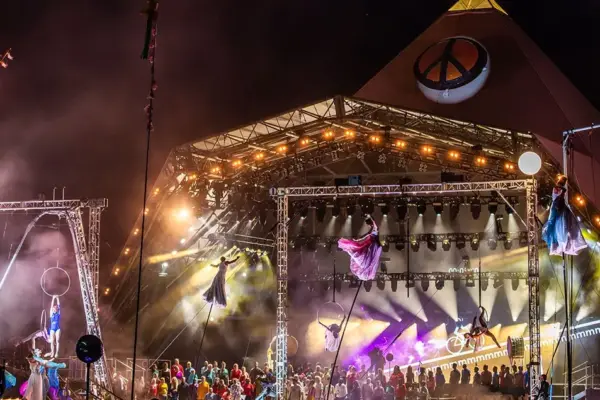
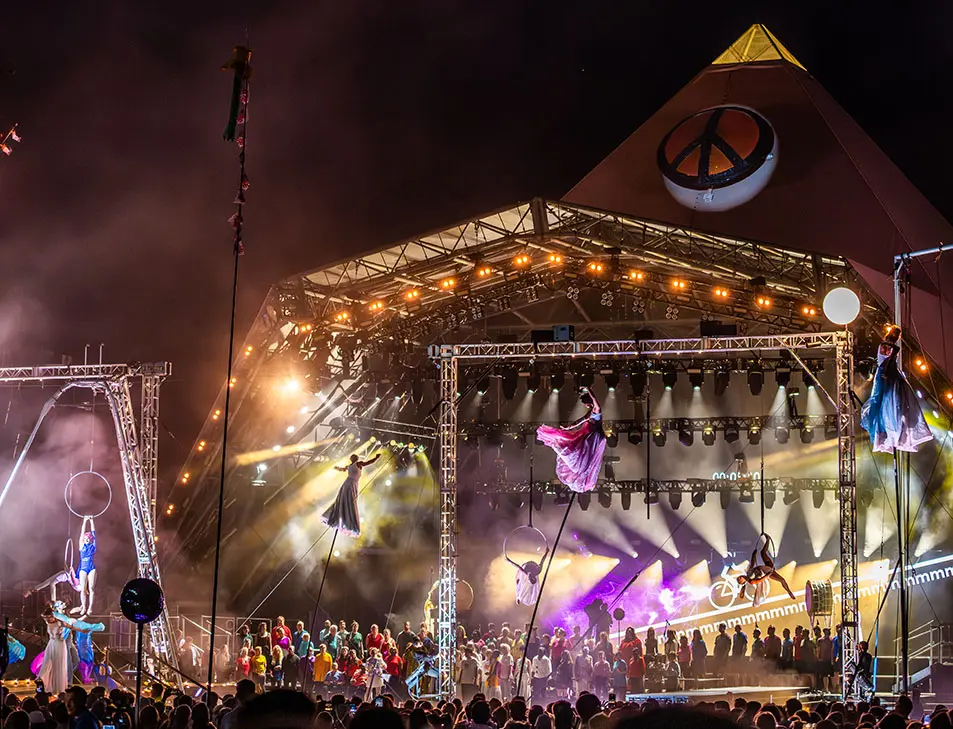
For decades, the culturally resonant fields of Worthy Farm have stood for more than just music, counterculture, and performance art. Beneath the iconic Pyramid Stage and the sprawling tent cities lies a deeply entrenched ethos of philanthropy, activism, and social responsibility. On December 12, 2025, Glastonbury Festival released its comprehensive annual charitable impact report, detailing a monumental year of giving. By the close of 2025, the festival will have distributed over £4.2 million to more than 300 charitable organisations spanning local, national, and international spheres.
This financial milestone represents a continuation—and escalation—of Glastonbury’s long-standing commitment to leveraging its global platform for social good. Amid a backdrop of compounding global crises, escalating climate pressures, and deepening economic challenges at home, the festival’s funding model has served as a lifeline for humanitarian efforts, healthcare initiatives, environmental restoration projects, and community-building programs.
Complementing the £4.2 million in direct funding, creative fundraising initiatives—most notably the 2027 ticket Crowdfunder Prize Draw—generated an additional £929,480, bringing the total financial injection driven by the festival community to well over £5.1 million in 2025 alone. This report provides an in-depth examination of where these funds were allocated, the operational mechanics of the festival’s charity partnerships, and the profound ripple effects felt by communities from rural Somerset to active conflict zones across the globe.
Detailed Chronology and Phased Allocation of Funds
Glastonbury’s funding distribution is not a passive, once-a-year lump sum; rather, it is a meticulously managed, phased approach executed throughout the calendar year. While the headline figures are tallied toward the end of December, the allocation of resources operates as an ongoing ecosystem of humanitarian relief, environmental stewardship, and local community investment.
Q1–Q2: Sustaining Core Partnerships and Emergency Humanitarian Response
The opening months of 2025 saw the reaffirmation of Glastonbury’s foundational partnerships. Over £2 million was committed directly to the festival’s three long-standing Joint Charity partners: Oxfam, WaterAid, and Greenpeace. These funds are a mix of direct donations and essential payments made in exchange for the vast volunteer infrastructure these organizations provide during the festival gates’ operation.
Simultaneously, as geopolitical landscapes shifted and humanitarian emergencies escalated, the festival’s rapid-response philanthropic mechanisms activated. Recognizing unprecedented conflicts across multiple continents, festival organizers channeled targeted resources into emergency appeals. This included backing health-focused initiatives by Child.org and Plan International’s Sudan Emergency Appeal, as well as a direct £100,000 grant to Médecins Sans Frontières / Doctors Without Borders (MSF UK). This specific donation fortified MSF’s emergency medical interventions in Sudan and supported their specialized surgical hospital in Amman, Jordan, which provides critical, life-saving care to trauma patients from across the Middle East.
Q2–Q3: Festival Operations, Crowdfunding Triumphs, and Local Mobilisation
As summer approached, attention turned toward operational readiness and community engagement. Beyond the physical gates of Worthy Farm, the festival launched its highly anticipated Crowdfunder Prize Draw, offering the first 25 pairs of tickets for the 2027 festival. The response from the global festival community was staggering, raising £929,480. In alignment with the festival’s immediate humanitarian priorities, these funds were earmarked entirely for MSF’s medical missions in Gaza and Sudan, demonstrating how festival-goers directly participate in frontline relief efforts.
Concurrently, the spring and summer months marked the disbursement of grants to over 40 local Somerset causes. Recognising the unique socioeconomic fabric of the region, funding was funnelled into primary school enrichment programs, pioneering food security initiatives like The Food Forest Project, and vital rural infrastructure such as Mendip Community Transport, which ensures isolated residents remain connected to essential services and community activities.
Q4: Year-End Environmental Investments and Healthcare Initiatives
As the year drew to a close, the festival finalized its allocations to environmental conservation and major healthcare institutions. True to its green mandate, December saw the distribution of funds to 25 distinct environmental projects, ranging from domestic rewilding pioneers like Heal Rewilding to international legal defense funds such as ClientEarth.
The final phase of 2025 giving also reinforced ties with regional healthcare networks in Bristol and Somerset, cementing a multi-year strategy to support national health infrastructure through targeted grants to the British Heart Foundation, the Teenage Cancer Trust, and the Royal College of Nursing Foundation.
Supporting Context, Strategic Pillars, and Financial Metrics
To fully comprehend the scale of Glastonbury’s 2025 philanthropic output, it is necessary to examine the four strategic pillars that govern its distribution model: Global Humanitarian Aid, Environmental Stewardship, Regional Community Investment, and The Volunteer Engine.
1. Global Humanitarian Aid & Crisis Response
Glastonbury’s international reach expanded significantly in 2025, driven by an acute awareness of global displacement and medical emergencies. The allocation of funds to MSF, Plan International, and Child.org highlights a strategic focus on vulnerable populations caught in systemic conflict.
- The MSF Partnership: Beyond the initial £100,000 grant, the nearly £1M raised via the Crowdfunder initiative highlights an evolution in festival fundraising. By gamifying access to future events through a charitable vehicle, Glastonbury has created a high-yield funding stream that bypasses traditional corporate philanthropy models, engaging fans directly in global aid.
- Health and Child Welfare: Charities working in maternal and child health received renewed backing, addressing preventable diseases and nutritional crises in under-resourced regions.
2. Environmental Action and Climate Advocacy
Operating a temporary city of over 200,000 people naturally carries an environmental footprint. Glastonbury counters this not only through strict on-site green policies (such as the ban on single-use plastics and comprehensive recycling schemes) but through robust off-site environmental financing.
In 2025, support was extended to 25 environmental projects. These included:
- Marine and Freshwater Conservation: Grants to The Rivers Trust and Project Seagrass to protect vital aquatic and marine ecosystems.
- Rewilding and Biodiversity: Partnerships with the Somerset Wildlife Trust, Shepton Mallet Community Woodland, and Heal Rewilding to restore natural habitats and boost native biodiversity.
- Systemic Climate Action: Contributions to Onboard:Earth (addressing the carbon footprint of travel and transport in the live events industry) and ClientEarth (utilizing the power of the law to protect the planet and hold polluters accountable).
3. Regional and Urban Community Investment
While Worthy Farm is rooted in rural Somerset, the festival’s operational heartbeat is deeply intertwined with nearby Bristol, where a vast proportion of its crew, artists, and creative community reside.
The 2025 funding cycle saw substantial investments in Bristol-based organisations:
- Cultural Preservation and Youth Engagement: Donations to St Paul’s Carnival, Bristol Refugee Rights, and Young Bristol ensured that marginalised families, refugees, and urban youths received continuous support, creative outlets, and social services.
- Healthcare and Pediatric Education: A unique collaboration with the Bristol & Weston Hospitals Charity funded creative education programs for children receiving hospital treatment. Furthermore, patients contributed directly to the design of the official Glastonbury 2025 tote bag, bridging the gap between hospital wards and the festival’s creative outputs.
- Social Infrastructure: Support for the Somerset Community Foundation—which distributes funds to over 400 local charities annually—ensured that grassroots initiatives across the county remained financially viable.
4. The Volunteer Engine and Medical Infrastructure
Money is only one metric of Glastonbury’s impact; human capital is equally vital. More than 200 charities rely on volunteers who provide essential services at the festival, such as stewarding and operating the Property Lock Ups, in exchange for donations made directly to their respective causes by the festival.
Furthermore, the festival continued its indispensable partnership with Festival Medical Services (FMS). Operating as a volunteer-run charity, FMS medical professionals staff the festival’s fully equipped Medical Centre during June, while simultaneously generating surplus funds that support health-related causes globally throughout the rest of the year.
Official Statements and Community Reflection
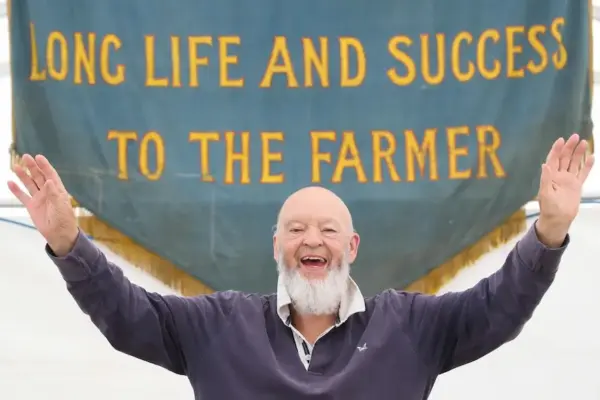
The release of the 2025 impact figures serves as an annual moment of reflection for both the festival organisers and the beneficiary organisations. Emily Eavis, co-organiser of Glastonbury Festival, has consistently emphasised that the event’s cultural legitimacy is inextricably linked to its social output.
"Supporting causes close to our heart has always been intrinsic to Glastonbury," festival organisers noted in the official year-end statement. "And thanks to your support for the Festival, we’re thrilled to have been able to provide funding this year to a host of charitable organisations working with those facing challenges across the world."
The sentiment is echoed by partner organisations who rely on the festival not merely for financial injections, but for the unparalleled public awareness platform it provides. Representatives from Médecins Sans Frontières highlighted that funds raised through initiatives like the Crowdfunder Prize Draw directly translate into surgical equipment, therapeutic foods, and mobile clinics deployed in active conflict zones where traditional aid agencies struggle to maintain access.
Locally, grassroots leaders in Somerset and Bristol have underscored that Glastonbury’s funding often represents the difference between continuity and closure for community transport schemes, food forests, and youth mental health initiatives. By decentralising its philanthropy—balancing multi-million-pound international appeals with modest, high-impact grants for local primary schools and wildlife trusts—the festival ensures that its economic footprint is felt at every level of society.
Future Outlook and the Road to 2027
As Glastonbury Festival looks ahead, the financial framework established in 2025 provides a robust blueprint for future editions. With the 2027 ticket registration and ticketing cycles already beginning to take shape—evidenced by the early success of the Crowdfunder Prize Draw—the festival is proving that large-scale commercial live entertainment can successfully merge massive public engagement with rigorous, transparent philanthropy.
The challenges of the coming years—marked by escalating climate disruption, global health disparities, and economic pressures on the arts and voluntary sectors—mean that events like Glastonbury will face even greater demands to step into the funding gaps left by retreating state support.
However, by maintaining its foundational commitment to its three primary charity partners (Oxfam, WaterAid, and Greenpeace), expanding its environmental grant-making portfolio, and fiercely protecting its local Somerset and Bristol roots, Glastonbury Festival has cemented its status not just as a titan of the global music calendar, but as a blueprint for modern, ethically conscious mass culture.
The £4.2 million distributed in 2025 is more than a financial tally; it is a testament to the collective power of hundreds of thousands of music fans coming together in a Somerset field with the shared understanding that celebration and social solidarity can—and must—go hand in hand.