To survive half a century as an independent enterprise is an extraordinary feat; for an independent record store, it borders on the miraculous. Since flinging open its doors in 1976 on Kensington Park Road, Rough Trade has witnessed the complete transformation of the recorded music landscape. Formats have been discarded and resurrected; digital streaming has fundamentally altered the mechanics of listening; entire genres have emerged from underground squats, dominated global consciousness, faded, and evolved into something entirely unrecognizable.
Yet, through every paradigm shift, industry crash, and technological revolution, the gravitational pull of Rough Trade has held firm.
From its humble London beginnings beneath a skate shop in Covent Garden to international outposts spanning Bristol, Nottingham, Berlin, and New York, Rough Trade has transcended the traditional retail model. It is not merely a purveyor of vinyl; it is an institution, a cultural archive, and a vital sanctuary for the misfits, creators, and obsessives who make up the independent music community. As the brand marks its milestone 50th anniversary with a year-long programme of exclusive releases, live performances, and community retrospectives, this feature examines the half-century journey of a cultural touchstone that proved commerce and counterculture could not only coexist, but thrive together.
Detailed Chronology: Five Decades in the Grooves
The 1970s: Punk, Portobello Road, and the Birth of an Ethos
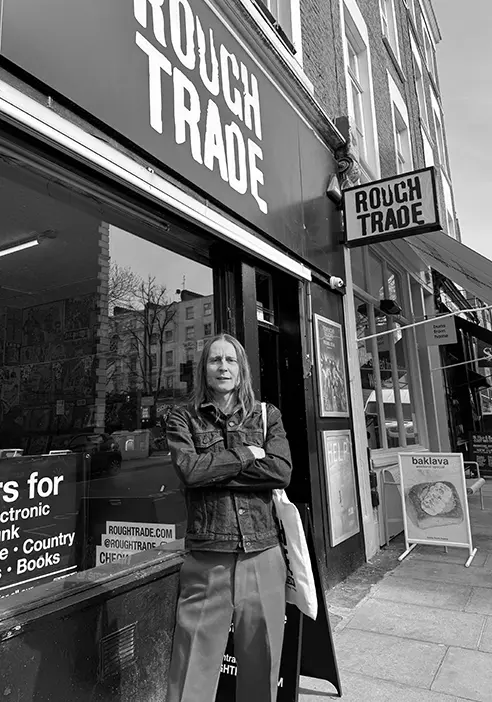
The genesis of Rough Trade in 1976 coincided precisely with the detonation of punk rock. Founded by Geoff Travis in West London, the original shop on Kensington Park Road was conceived as a reaction against the sterile, corporate hegemony of major-label music distribution. It was an era defined by DIY ethics, photocopied fanzines, and three-chord fury.
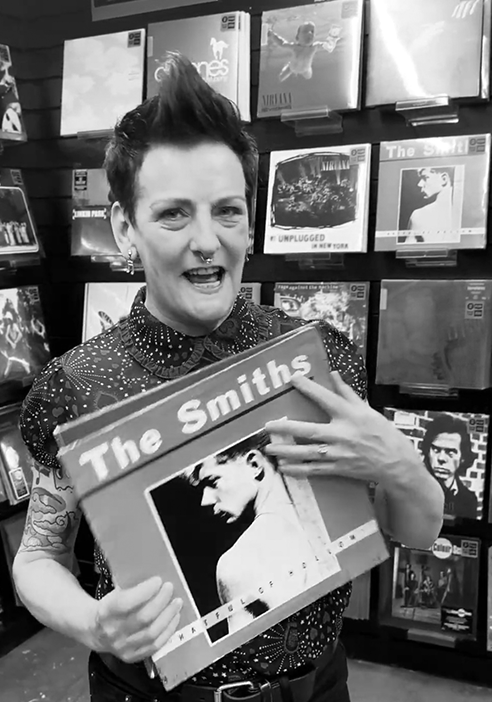
Almost immediately, Rough Trade became the epicenter of the UK punk and post-punk explosions. It wasn’t just a place to buy imported US hardcore records or scarce local 7-inches; it was a physical network. By 1978, the retail operation birthed the Rough Trade Distribution network, followed swiftly by the record label arm, which would go on to release seminal works by The Smiths, The Raincoats, Stiff Little Fingers, and Young Marble Giants. The shop was a sorting house for a new ideology, proving that music could be made, distributed, and consumed entirely outside the corporate machine.
The 1980s and 1990s: Expansion, Exile, and Resilience
As the dust settled on the initial punk wave, the 1980s brought both triumphs and structural turbulence. The Rough Trade record label became synonymous with indie-pop royalty, most notably shepherding The Smiths through their imperial phase. However, the economics of independent distribution in a consolidating music market proved volatile.
Despite financial restructuring and the eventual separation of the label and retail arms, the physical shops remained beacons for subculture. Moving through locations such as the legendary basement under Slam City Skates in Neal’s Yard, Covent Garden, the stores acted as subterranean clubhouses for generations of music lovers. Through the CD boom and the lean years of the 1990s—when vinyl was prematurely declared a dead format by industry accountants—Rough Trade kept the analogue faith alive, anchoring its identity in physical curation and face-to-face expertise.
The 2000s and 2010s: The East End Renaissance and Global Footprint
The turn of the millennium heralded a massive resurgence in vinyl culture, and Rough Trade was perfectly positioned to lead the charge. In 2007, the brand made a landmark move into East London, opening Rough Trade East within the historic Old Truman Brewery complex on Brick Lane. Injecting new life into the post-industrial space, the massive store redefined what a record shop could be, incorporating a performance stage, a bookshop, a cafe, and a community hub.
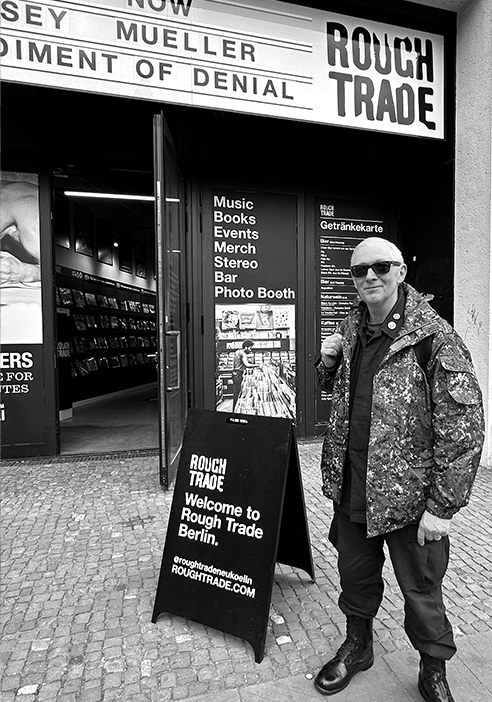
This modern blueprint paved the way for further domestic expansion into Bristol (2014) and Nottingham (2015), as well as ambitious international forays. Rough Trade NYC established a trans-Atlantic outpost in Brooklyn, while Rough Trade Berlin planted a flag in Neukölln, cementing the brand’s status as a global beacon for independent music.
The 2020s and Beyond: The 50th Anniversary Milestone
Entering its fifth decade, Rough Trade faces a world where algorithms dictate playlists and physical interaction is increasingly mediated by screens. Yet, the stores are busier than ever. The 50th-anniversary celebrations mark not a nostalgic look backward, but an active reaffirmation of the store’s contemporary relevance. With a rolling calendar of rare releases, localized community events, and continued advocacy for grassroots venues and emerging artists, Rough Trade enters its next half-century with its foundational ethos entirely intact.
Supporting Context & Metrics: The Anatomy of a Community
To understand the longevity of Rough Trade is to examine the intimate relationship between staff, space, and supporter. The statistics of devotion associated with the stores tell a compelling story of modern fandom.
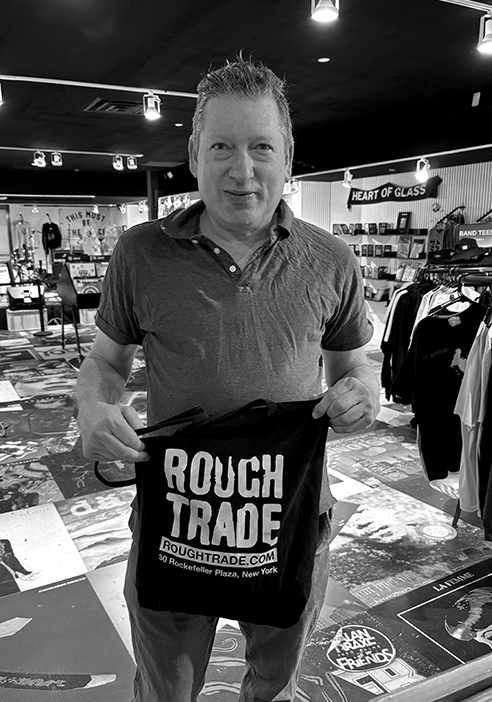
Consider the testimony of Brian, a fixture at Rough Trade NYC, whose relationship with the store exemplifies the hyper-engaged collector culture that keeps brick-and-mortar retail alive. As an avid vinyl enthusiast boasting a collection of over 11,000 records, and a dedicated gig-goer who has attended nearly 4,000 concerts, Brian treats Rough Trade not as a shop, but as a second home. Since 2014 alone, he has attended 229 live performances at the NYC branch, alongside dozens of artist signings, culminating in the purchase of nearly 1,600 vinyl records from the location.
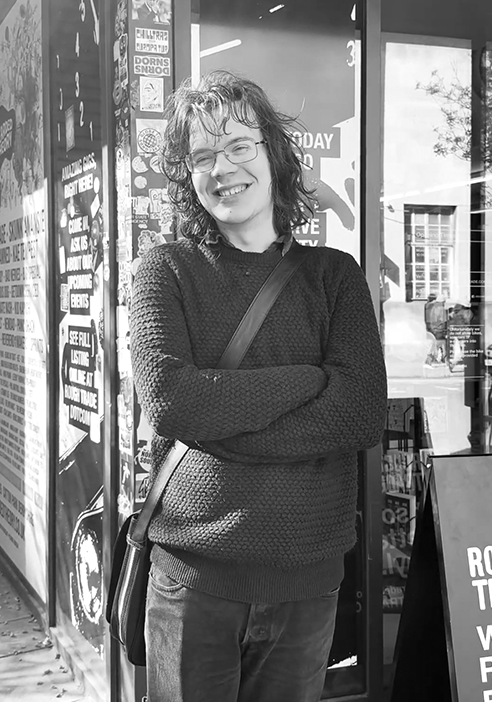
This level of patronage is mirrored across generations. For Tony, a veteran regular of Rough Trade East, the shop has been a lifelong companion spanning over four decades—from the Ladbroke Grove days to Neal’s Yard, and finally to Brick Lane. Crucially, that passion was handed down organically; Tony’s daughter, Sylvie, was brought into the East store in a pram in 2008. Growing up amidst the record racks, she evolved from a shop baby into a musician, DJ, and dedicated crate-digger. Her journey encapsulates the intergenerational transmission of music culture that Rough Trade facilitates better than almost any other institution.
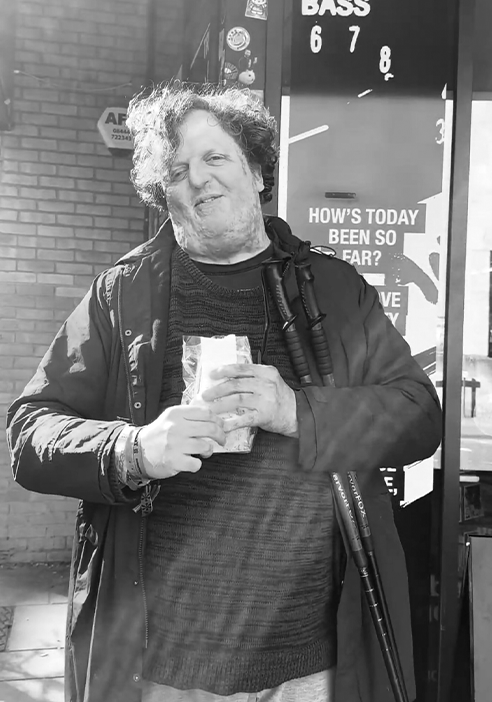
Furthermore, the stores have proven to be vital infrastructural pillars for underrepresented communities in music. For disabled artists like Zach and Jeff of the Bristol-based band The Outlines, finding spaces that offer genuine creative validation is rare.
"Rough Trade Bristol was the first place my brain was like ‘oh I’m a musician here’ and the first place I was treated as such," Zach reflects. "It’s not particularly easy as a disabled artist finding spaces like that. Yeah, it was home."
Official Statements and Voices from the Floor
The soul of Rough Trade lives in the anecdotes of those who work behind the counters and those who obsess over the bins. Here, in their own words, are snapshots of the global community that defines the brand today.
Tony & Sylvie: A Family Legacy at Rough Trade East
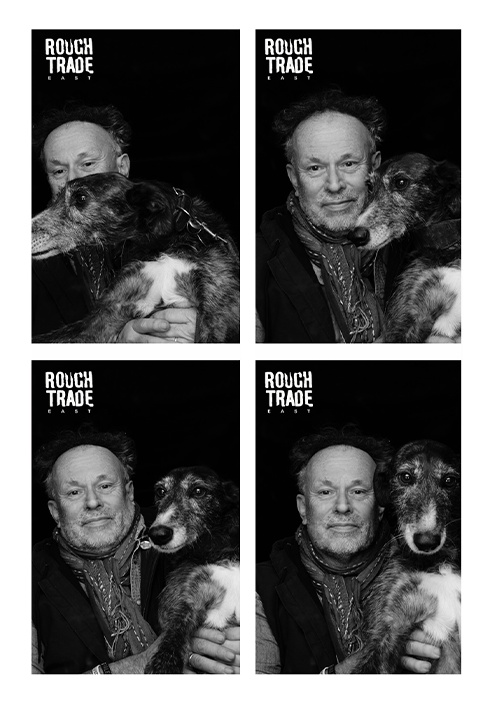
Tony:"The most special thing about ‘our’ local, our Rough Trade East, is the staff: their knowledge and their bucketloads of kindness. Between them, they all know so much and have so many great music recommendations to make. Gigs at the East shop are great too. Experiencing many, with my now 18-year-old daughter, has helped make her who she is today: a bass and guitar player, and a DJ with tons of musical influences."
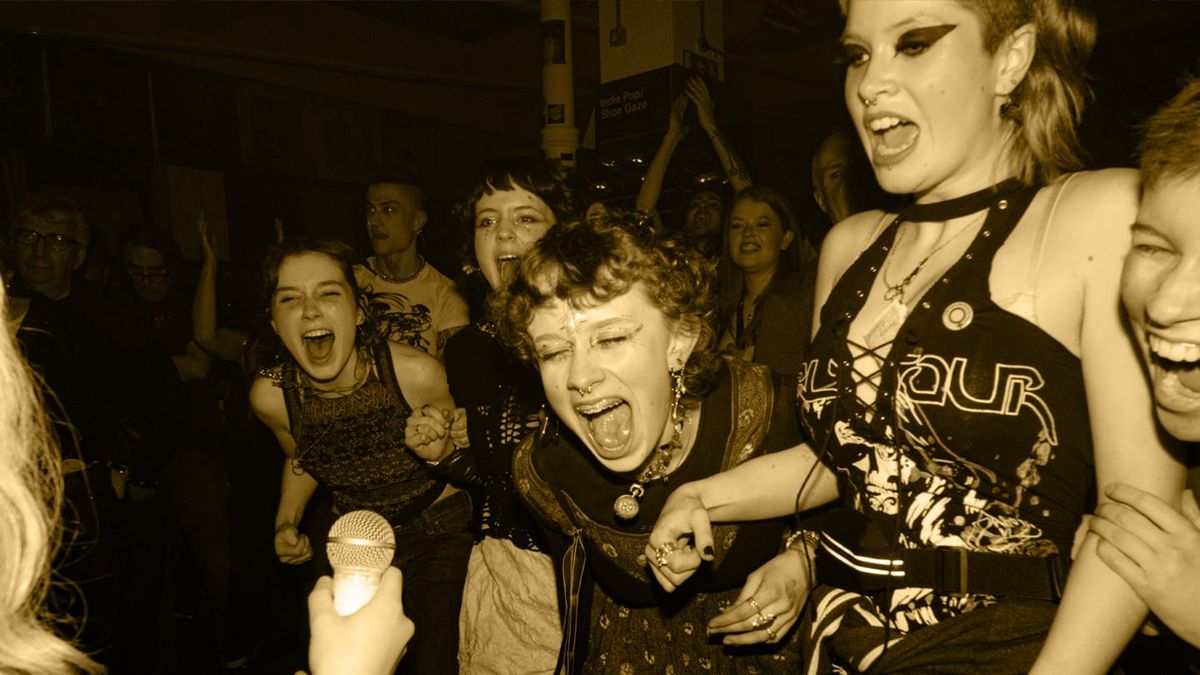
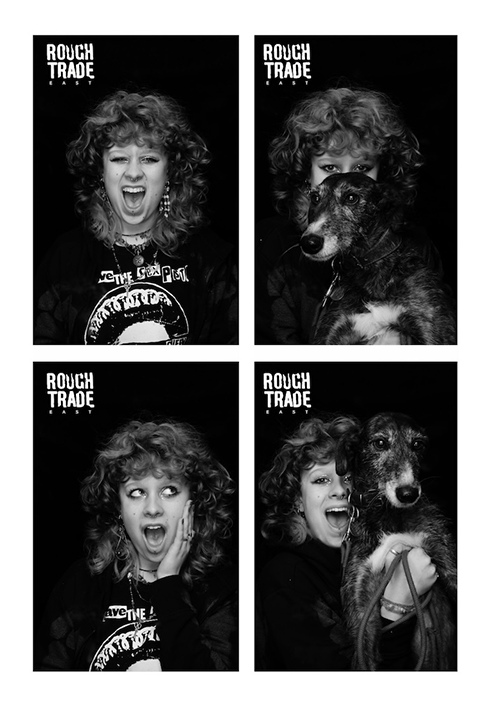
Sylvie:"Rough Trade has and always will be the schooling ground for my love of music… I’ve met some of my best friends today at the International Women’s Day show with Pussy Liquor and Gina Birch from The Raincoats, I got to hear Wet Leg’s debut album on release day and see Bob Vylan start their set with a guided meditation before launching into full-on mosh pits. I will always keep coming back to Rough Trade… because it’s a place that truly understands just how important music is."
Mark Reeder: An International Perspective from Berlin
"I wish you a very Happy 50th Birthday, Rough Trade! Undoubtedly, you have been the most important distributor for all kinds of independent music over the past five decades. Not only have you supplied and supported a craving indie scene, you have also been a great inspiration for others around the globe, who have followed in your grooves. Without you, the musical landscape would sound very different today."
Sonia (AKA Stiff Kittens): Nottingham’s Local Color
"I keep coming back to Rough Trade because you can get any kind of music you want. I don’t even come in here with an idea; I just come in and have a root around and see what’s about. I’ve never walked out of Rough Trade without buying at least two or three albums… I went to see Matt Berry interview Sleaford Mods at Rough Trade Nottingham. The interview was fantastic, but afterwards… Stuart Lee was still at the bar having a beer on his own, and I just ended up having a beer with him at the bar talking about this haunted table in my house. It’s just not your normal experience of a music venue."
Future Outlook: The Next Fifty Years
As the music industry hurtles toward an increasingly automated, frictionless, and placeless future, the physical existence of Rough Trade feels more radical than ever. In an era where music can be accessed instantly via a smartphone screen, the deliberate act of traveling to a physical storefront, flipping through cardboard sleeves, smelling the print of imported fanzines, and arguing passionately with a blue-haired teenager behind the counter about the merits of a B-side has evolved from a routine transaction into a vital act of cultural preservation.
The challenges facing independent record stores over the next fifty years will be distinct from those of the past. Rising commercial rents, supply chain vulnerabilities for vinyl pressing plants, and the economic pressures bearing down on grassroots touring artists present constant hurdles. Yet, Rough Trade’s enduring survival strategy has never been about passive adaptation; it has been about active community creation.
By rolling out a comprehensive, year-long programme of commemorative releases, curated events, and deep artist partnerships, Rough Trade is signaling that its role as a cultural incubator is far from finished. Whether launching the career of an emerging punk outfit on an in-store stage in Bristol, hosting intimate conversations in Nottingham, or serving as a Sunday afternoon sanctuary for veteran crate-diggers in Brooklyn and Berlin, the store remains what it has always been: a place where music matters above all else.
Fifty years of people walking through the door and leaving with something they didn’t expect—be it a rare piece of vinyl, a lifelong friend, or a newfound sense of artistic identity—proves that Rough Trade is, and always will be, so much more than a record store.