For fifty years, independent music has served as the cultural barometer of modern society—a gritty, unpredictable, and fiercely autonomous counterweight to the sanitised machinery of mainstream commercialism. As the iconic institution Rough Trade marks half a century of championing the avant-garde, the grassroots, and the brilliant outsiders of the global music landscape, it offers a profound vantage point from which to review an extraordinary era of transformation.
The decade spanning from 2016 to 2025 has been nothing short of kaleidoscopic. It opened with the heartbreaking departure of David Bowie, whose final masterpiece, Blackstar, redefined the intersection of mortality and artistic reinvention. From that sobering moment forward, the contemporary musical ecosystem fractured into a dazzling array of micro-genres, cross-continental collaborations, and paradigm shifts. Across this ten-year horizon, underground venues birthed post-punk renaissances, hyperpop dismantled pop-music borders, independent rap reached breathtaking literary and sonic peaks, and legendary icons staged some of the most improbable, triumphant comebacks in recording history.
This retrospective explores that vital decade—a period framed by Rough Trade’s monumental "50 Records for 50 Years" anniversary campaign—to examine how physical music has staged a remarkable renaissance in the digital age, how grassroots communities continue to defy corporate homogenization, and how the timeless ritual of a record store recommendation across a counter remains as revolutionary as ever.
Detailed Chronology: Defining Records of the Decade (2016–2025)
To understand the trajectory of modern independent music, one must trace the milestones that defined its aesthetic shifts. Rough Trade’s curated selections for the 2016–2025 chapter of its half-century celebration capture an era of ferocious urgency, emotional vulnerability, and unbridled experimentation.
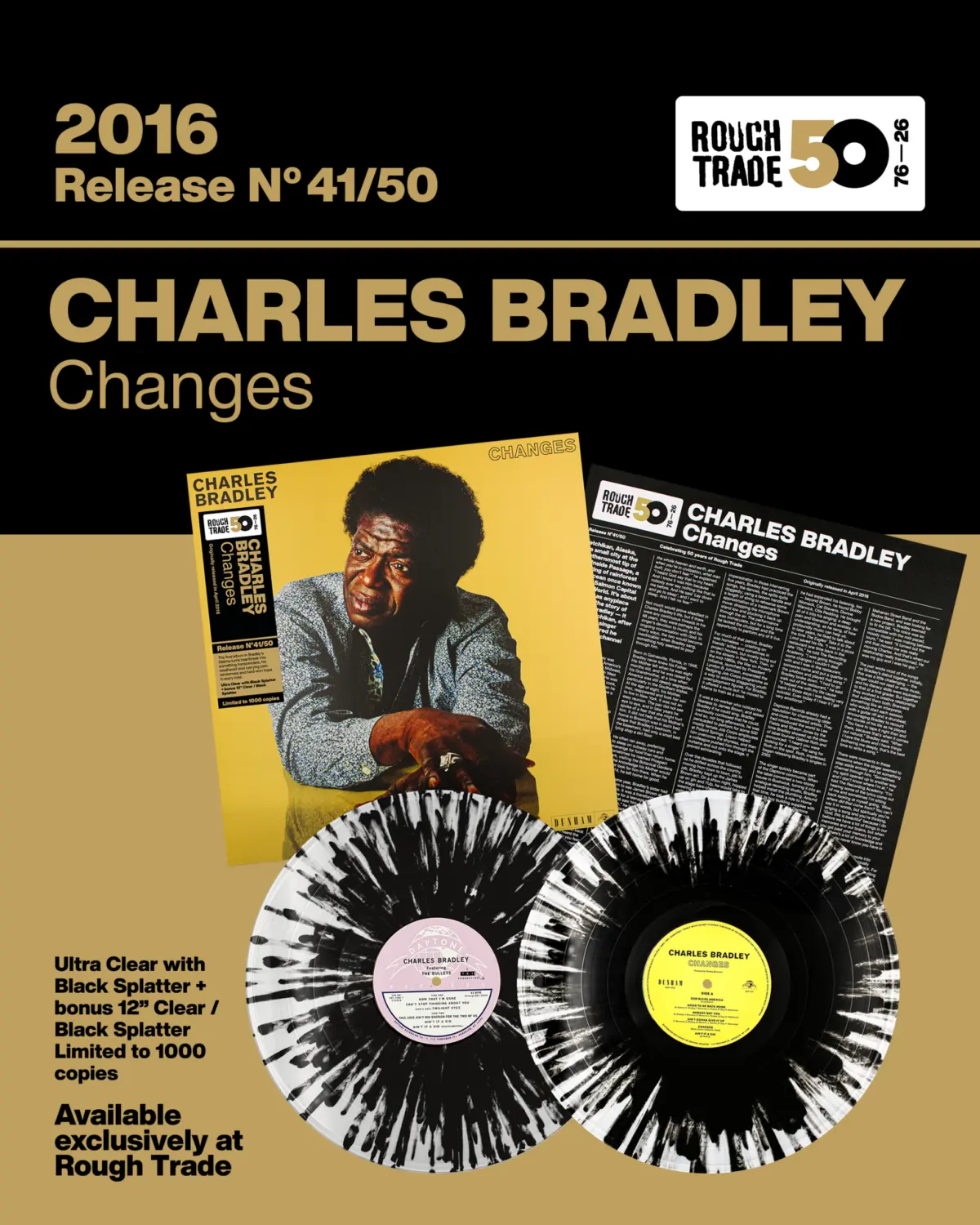
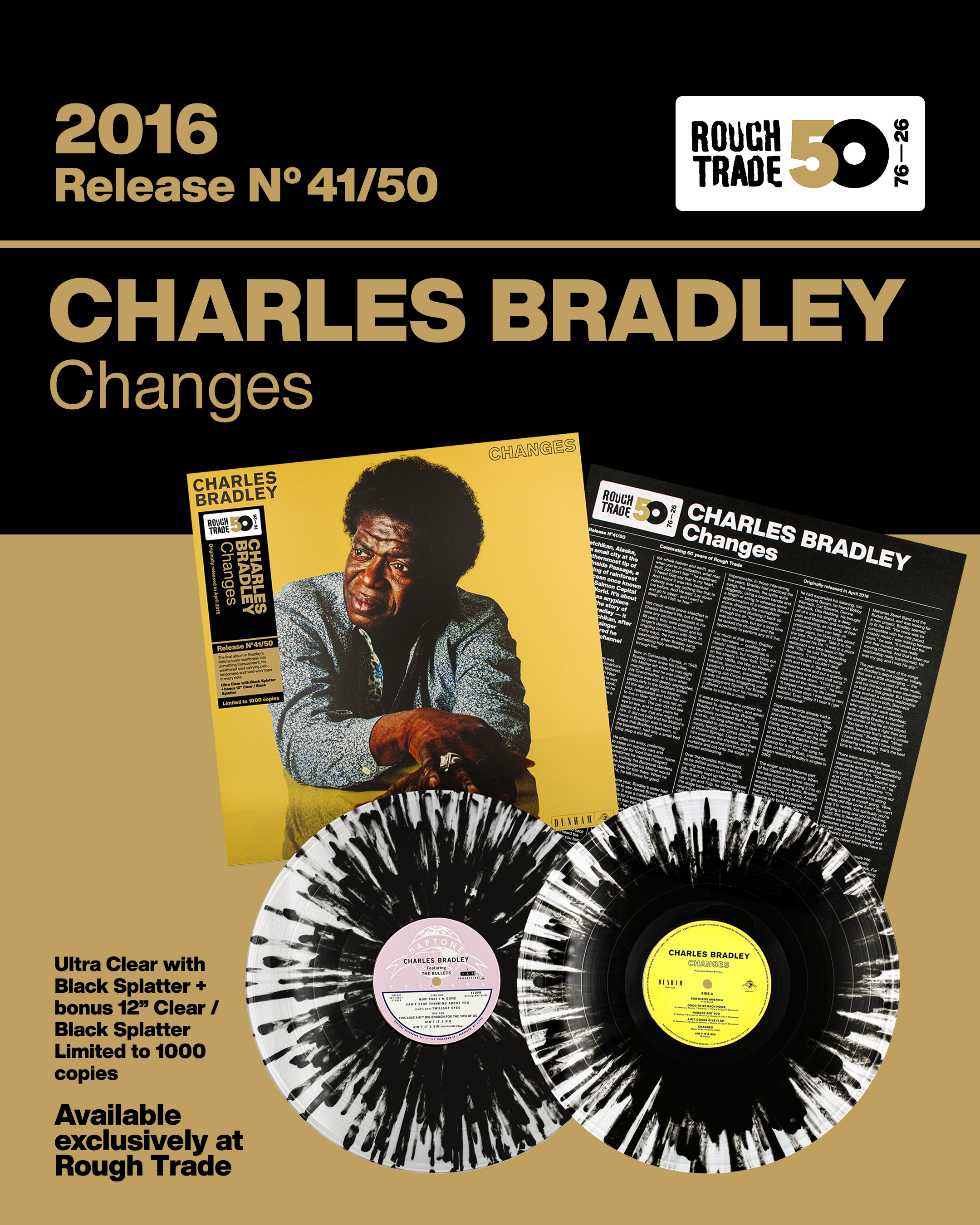
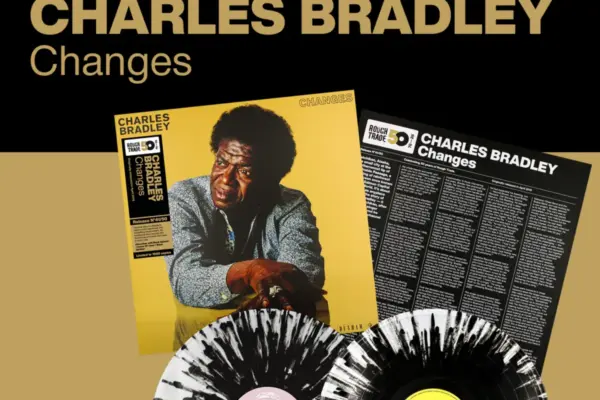
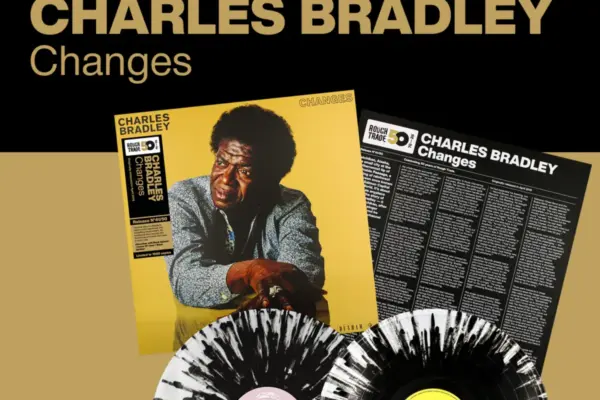
2016: Charles Bradley – Changes
The decade’s sonic journey fittingly mirrors the lived resilience of Charles Bradley, affectionately dubbed "The screaming eagle of soul." Bradley’s trajectory—from surviving childhood homelessness and personal tragedies to being discovered by Daptone Records co-founder Gabriel Roth at age 62 while performing as a James Brown impersonator—imbued every note he sang with seismic emotional weight. Released in 2016, his album Changes stands as a monumental soul record. Its title track, a haunting, deeply personal cover of Black Sabbath’s heavy metal anthem, transformed the original into a stirring lament that cemented Bradley as one of modern soul’s most commanding and irreplaceable voices.
2017: IDLES – Brutalism
When Bristol five-piece IDLES unleashed their debut album Brutalism in 2017, it hit record store racks like a clenched fist. Addressing grief, toxic masculinity, class disparity, and existential frustration with an unyielding directness, the band announced themselves on the national stage with a fiery refusal to whisper. It was an opening salvo that signaled a profound shift in British rock: vulnerability could be aggressive, and social commentary could be intensely physical.
2018: Confidence Man – Confident Music For Confident People
Proving that the underground was just as interested in hedonism as it was in angst, Brisbane-formed Confidence Man delivered an absolute masterclass in dancefloor escapism with their 2018 debut. Merging 1990s Ibiza dance euphoria, camp lyricism, electro-punk synths, and driving disco beats, the record weaponized sardonic humor to demand one simple listener reaction: get up and dance.
2019: Fontaines D.C. – Dogrel
Whispers had circulated across the pavement outside Rough Trade’s Notting Hill store for months, but the arrival of Fontaines D.C.’s Dogrel in 2019 sparked a generational phenomenon. An urgent, fiercely poetic debut, the record was a slick-witted masterpiece from five Dublin musicians who understood precisely when to grip an audience by the collar and when to let them run wild. It crowned Rough Trade’s Albums of the Year list, forging a deep, lasting bond between the band and the global indie community.
2020: Rina Sawayama – SAWAYAMA
As maximalist hyperpop accelerated, exaggerating 2000s bubblegum aesthetics, Rina Sawayama shattered the existing template with her 2020 self-titled milestone. SAWAYAMA was an ambitious, dazzling collision of pop, nu-metal, R&B, rock, and electronic experimentation, underscored by electrifying guitar riffs and synthetic brilliance. As a Japanese-British artist, Sawayama used the record to dissect identity, family, capitalism, and the immigrant experience, producing career-defining anthems like "XS" that redefined the boundaries of modern pop.
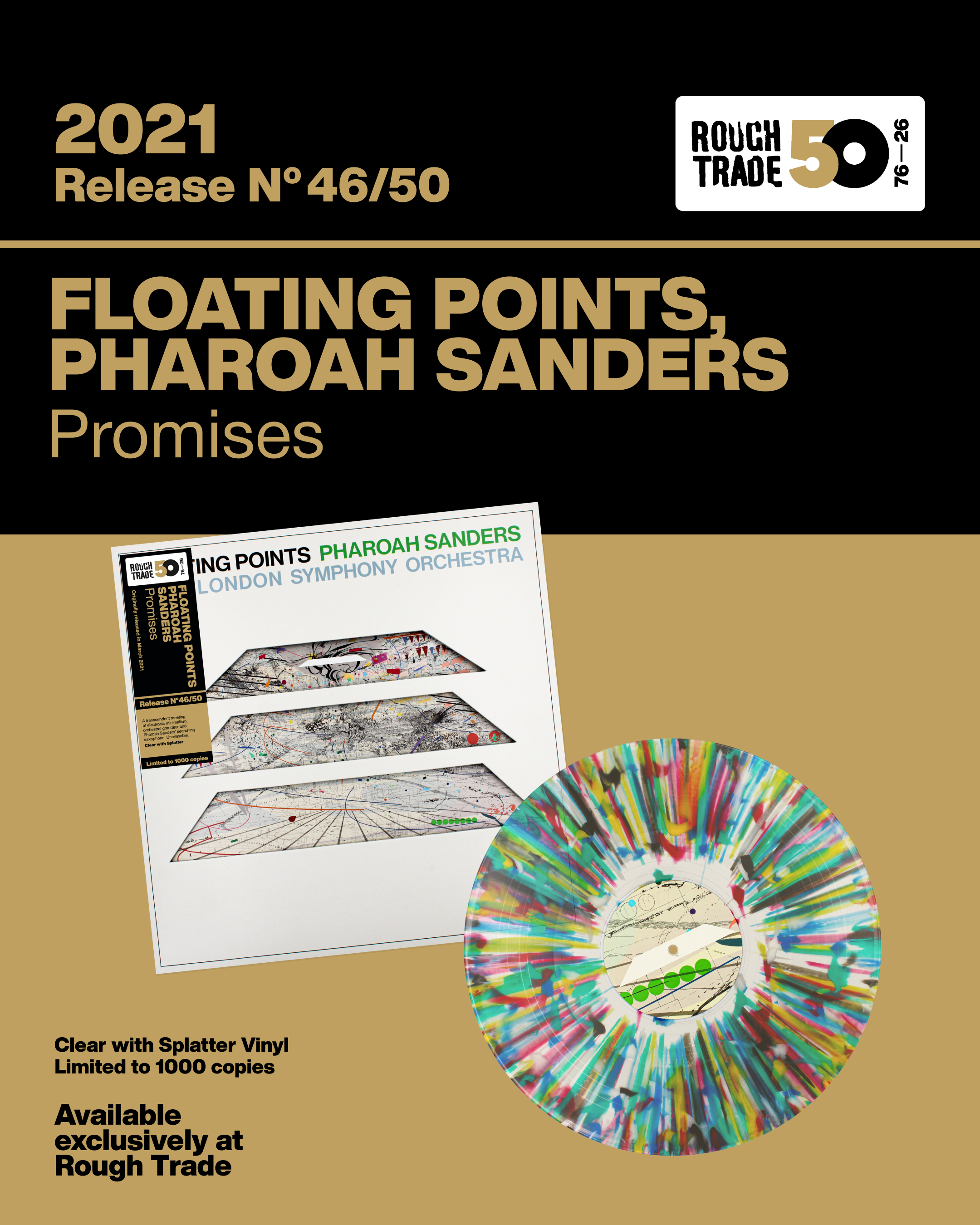
2021: Floating Points, Pharoah Sanders, & The London Symphony Orchestra – Promises
Conceived during the quiet isolation of the 2019 pandemic, Promises emerged as one of the most transcendent and unpredictable collaborative works of the decade. Uniting free jazz pioneer Pharoah Sanders, electronic producer Floating Points, and the world-renowned London Symphony Orchestra, the album offered nine connected, minimalist movements. Sanders’ saxophone lines, intertwined with the warm, humming ambience of the production, created an auditory space suited for collective meditation—and a magnificent final career masterpiece for the legendary Pharoah Sanders.
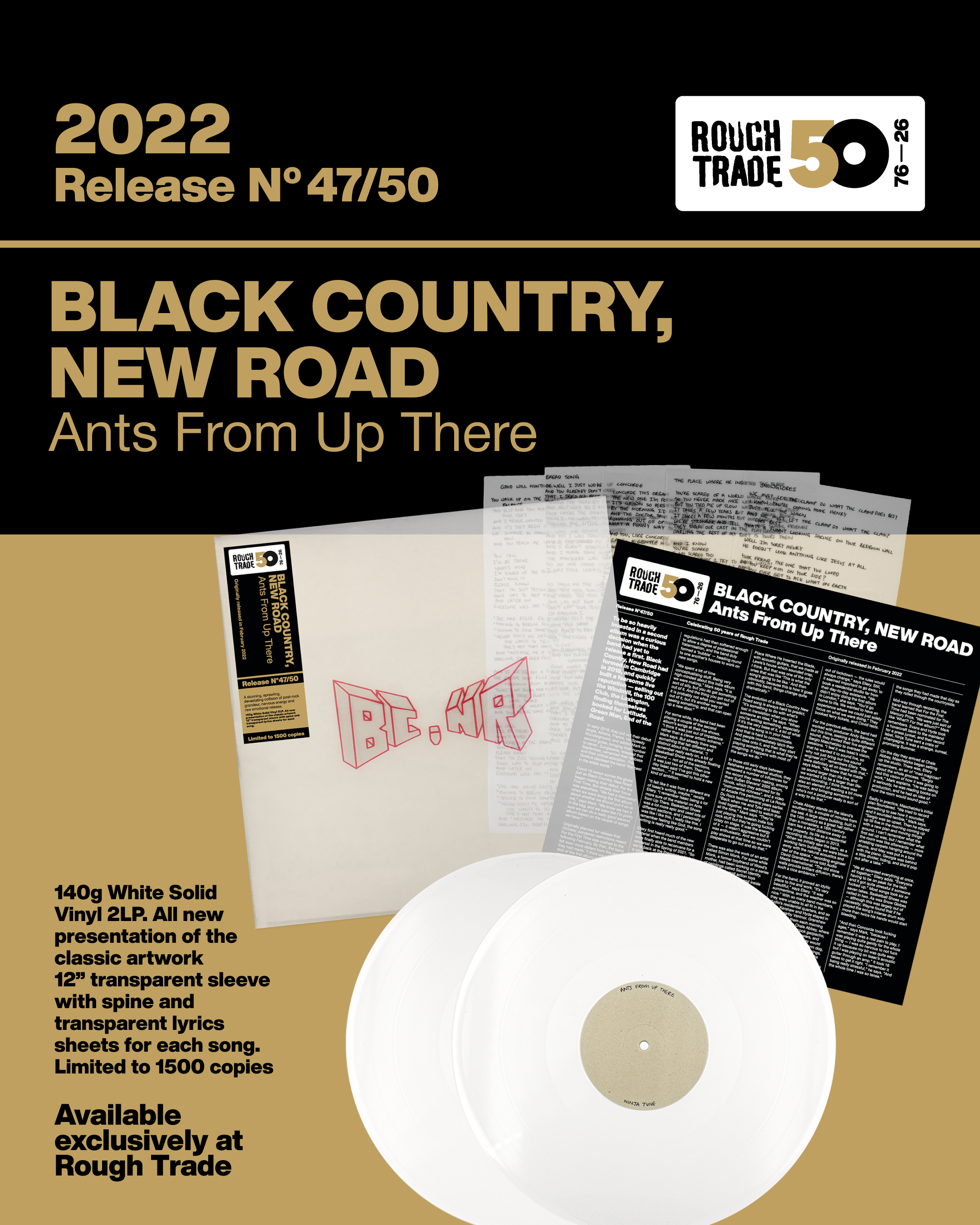
2022: Black Country, New Road – Ants From Up There
Undoubtedly standing as a compositional pinnacle of 2022, Black Country, New Road’s Ants From Up There captured the zenith of South London’s Windmill scene. Isaac Wood’s raw, vulnerable vocal delivery, paired with the band’s sweeping, orchestral grandeur, yielded one of the most devastating break-up records of the modern era. Released just days after Wood’s departure from the group, it remains a gut-wrenching, magnificent monument to human emotion and artistic ambition.
2023: Lankum – False Lankum
Irish folk experimentalists Lankum proved with False Lankum that boundary-pushing avant-garde music could remain deeply anchored in centuries of tradition. Released via Rough Trade Records, the quartet saturated twelve darkly cinematic tracks with heavy drones and piercing industrial distortion. Anchored by Radie Peat’s ancestral, haunting vocals, the album cultivated an addictive, unsettling atmosphere that swayed effortlessly between suffocating darkness and fragile light.
2024: MJ Lenderman – Manning Fireworks
Mark Jacob Lenderman’s Manning Fireworks captured the mundanity of contemporary life with wry, self-deprecating humor, immediately elevating him to the upper echelons of modern alt-country songwriting. Weaving together themes of materialism, Catholicism, heartbreak, and isolation across a nine-track Americana masterclass, Lenderman proved that poetic subtlety remains one of the most potent tools in independent music.
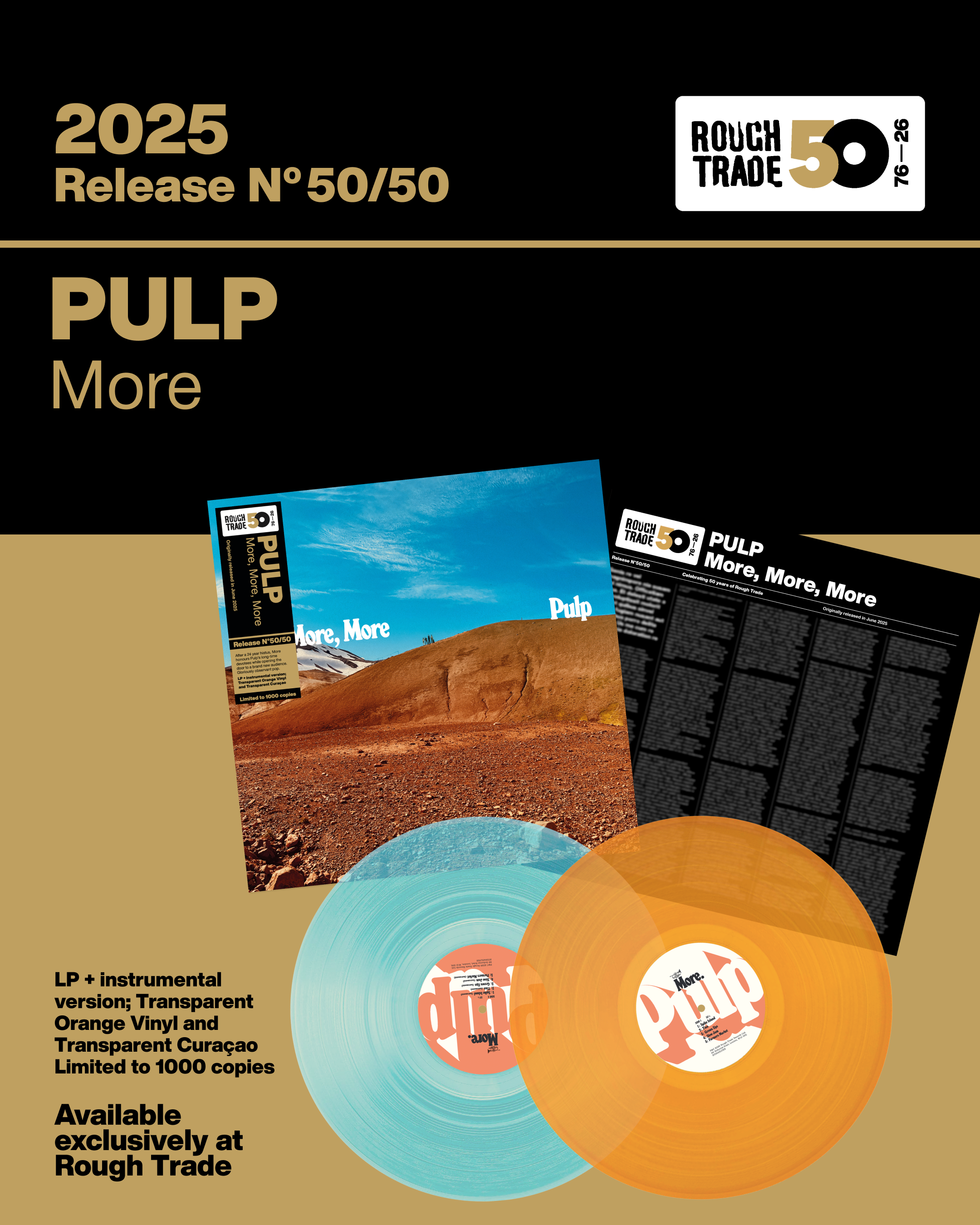
2025: Pulp – More
Marking a triumphant return after nearly twenty-four years without new material, Pulp’s More demonstrated that Jarvis Cocker’s observational genius had lost none of its razor-sharp wit. Embracing a wiser, more mature perspective while retaining the band’s signature mix of melancholy, romanticism, and everyday absurdity, the album reaffirmed that Britain’s most distinctive voices still have vital stories to tell.
Supporting Context, Grassroots Movements, and Metrics
The past decade of music cannot be understood solely through isolated masterworks; it was fundamentally shaped by the physical communities that nurtured them.
In London, the epicenter of this creative revival throomed around Brixton’s Windmill venue. A fertile grassroots ecosystem characterized by radical experimentation, cross-pollination, and a devotion to live performance, the Windmill birthed an extraordinary lineage of acts including Goat Girl, Shame, black midi, Squid, Jockstrap, and Black Country, New Road. Though lazily bundled together by media outlets as a "post-Brexit new wave," these artists shared a singular appetite for steering guitar music into uncharted waters. Concurrently, the clipped, deadpan vocal delivery known as Sprechgesang (spoken-word singing) infiltrated the indie lexicon, defining the dry social commentary of Yard Act and Dry Cleaning, while Wet Leg engineered a supersonic rocket ride from the Isle of Wight to international stardom.
This was not merely a localized British phenomenon. New York injected wiry art-punk via Bodega, Stockholm contributed the infectious absurdity of Viagra Boys, and Melbourne delivered unadulterated pub-rock velocity through Amyl and the Sniffers—whose legendary second-ever London appearance took place at Rough Trade East in 2018.
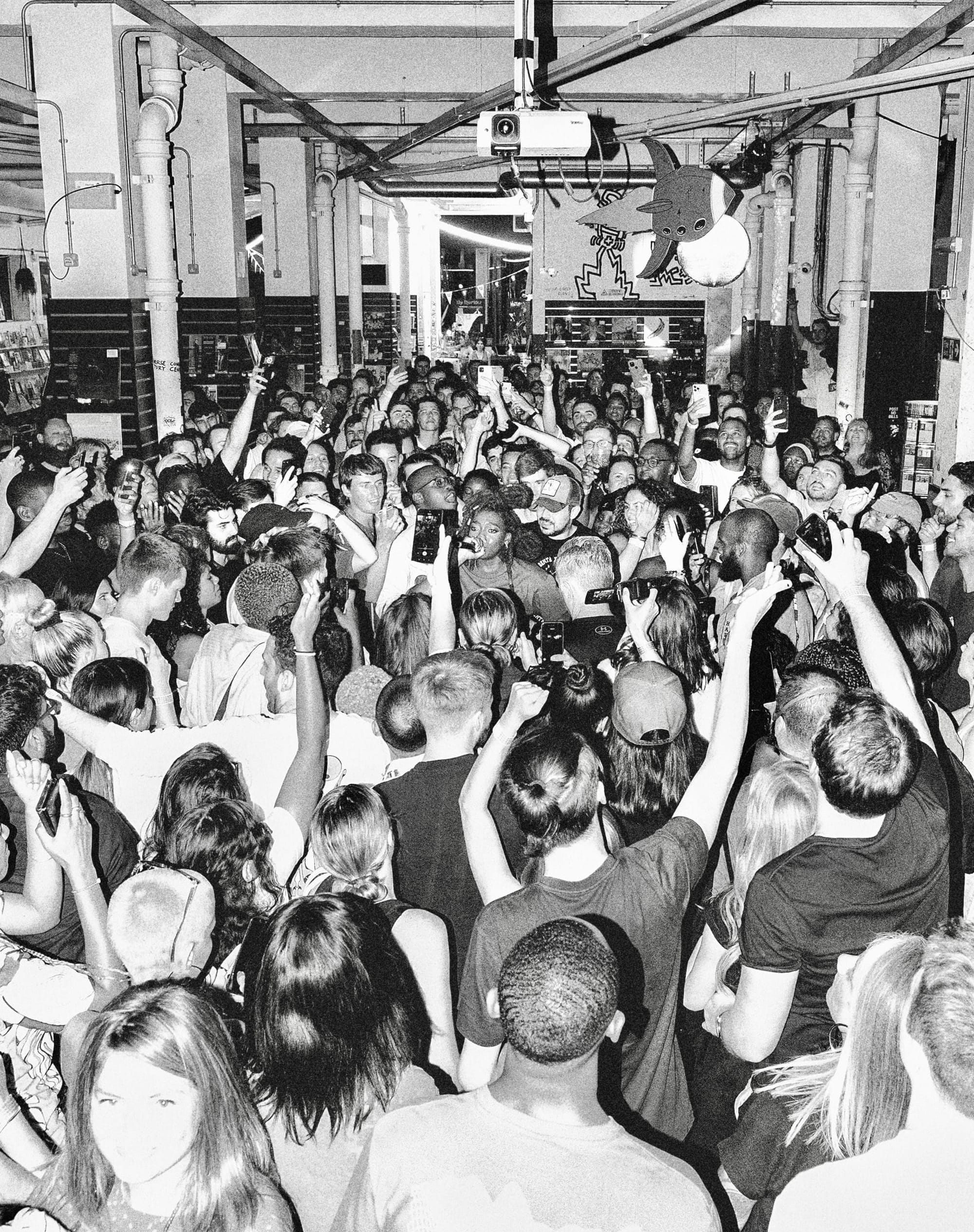
Parallel to this guitar-driven renaissance, independent rap underwent one of the most significant modern ascents in British music history. Little Simz systematically expanded the parameters of independent hip-hop through a critically untouchable run of records: GREY Area, Sometimes I Might Be Introvert, NO THANK YOU, and Lotus. Her intimate 2021 live performance at Rough Trade East stands as an enduring testament to witnessing a visionary artist reach stratospheric creative heights at arm’s length from her audience.
Furthermore, the stylistic walls separating genres entirely dissolved. Charli xcx redefined world-building with her cultural touchstone BRAT, merging music, fashion, language, and collective attitude into an inescapable force. Charli’s ongoing dismantling of pop boundaries—a lineage deeply indebted to the pioneering, tragic genius of SOPHIE (who passed away in 2021)—echoes directly through boundary-pushing producers like Arca and vocalists like Vince Staples, signaling a generation of listeners and creators utterly uninterested in artificial divisions between pop, electronic music, rap, and the avant-garde.
Official Statements and Store Evolution
As the musical landscape shifted, Rough Trade itself underwent significant physical and philosophical expansion. Over the past decade, the institution broadened its international footprint, opening new brick-and-mortar flagships in Bristol, Liverpool, Berlin, establishing a permanent home in Nottingham, and relocating Rough Trade NYC from its historic Brooklyn roots to the heart of Manhattan.
Reflecting on this era of unprecedented artistic growth, the ethos of independent retail remains unchanged. As store staff frequently note:
"There are few better pleasures in running a record store than seeing something genuinely exciting flourish. The venues get bigger, the crowds wilder and the records more ambitious, but that first spark of discovery remains much the same."
Whether nurturing the early steps of Phoebe Bridgers, Fontaines D.C., CMAT, and Geese as they transitioned from cramped club stages to sold-out arenas, or curating intimate in-store performances that bridge the gap between creator and consumer, the core mission of Rough Trade has remained entirely consistent: building a physical sanctuary where curiosity is rewarded, communities intersect, and a chance recommendation across a wooden counter can introduce a listener to a record they never knew they desperately needed.
Future Outlook: The Physical Renaissance in a Digital Era
As the music industry navigates the mid-2020s, the relationship between digital technology and physical consumption has evolved into a fascinating paradox. On one hand, algorithmic platforms like TikTok possess the instantaneous power to catapult a decades-old deep cut back into the global charts or turn a bedroom recording into an overnight international phenomenon.
Yet, against all predictions of a purely dematerialized digital future, physical music has experienced its own remarkable, sustained renaissance. Vinyl records, cassette tapes, and compact discs have reclaimed their cultural cachet, driven by a collective yearning for tactile interaction in an increasingly frictionless digital world. An album can exist everywhere simultaneously in the cloud, yet possess an entirely different emotional weight the moment it is pulled from a cardboard sleeve and placed onto a turntable.
Fifty years after Rough Trade first opened its doors, and standing at the threshold of its next half-century, the landscape of independent music is broader, bolder, and more vital than ever before. As long as artists continue to push the boundaries of sound and listeners retain their insatiable appetite for discovery, the record store counter will remain the beating heart of music culture—a place where the past meets the future, one physical groove at a time.