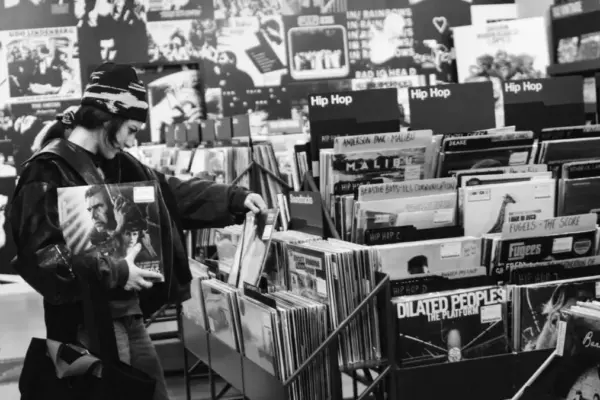
The past decade of contemporary music has been defined by a profound paradox: it is an era where global algorithms can effortlessly resurrect a decades-old track into mainstream chart dominance, yet physical music—specifically the tactile luxury of the vinyl record—has experienced an unprecedented and sustained resurgence. Celebrating five decades of cultural curation, iconic independent record retailer Rough Trade marks its milestone anniversary by examining an extraordinary ten-year epoch spanning from 2016 to 2025.
This period opened with collective mourning and closed with triumphant legacy reunions, radical genre-defying experimentation, and the unstoppable ascendance of grassroots artistic communities. From the haunting, prophetic final statements of David Bowie to the neon-soaked, world-building pop dominance of Charli xcx, the past ten years have proven that the boundaries separating indie rock, electronic experimentation, avant-garde composition, and mainstream pop are not merely porous—they have entirely dissolved. Through global retail expansions, historic vinyl reissues, and the enduring magic of the counter-culture record store recommendation, this feature explores how independent music survived, thrived, and ultimately redefined the modern sonic landscape.
Detailed Chronology: A Decade in Sound (2016–2025)
To understand the trajectory of contemporary music over the last ten years is to trace a map of constant reinvention, grassroots insurrection, and profound emotional resonance. The journey of the modern era can be meticulously tracked year by year through the defining records that shaped the racks of independent record stores worldwide.
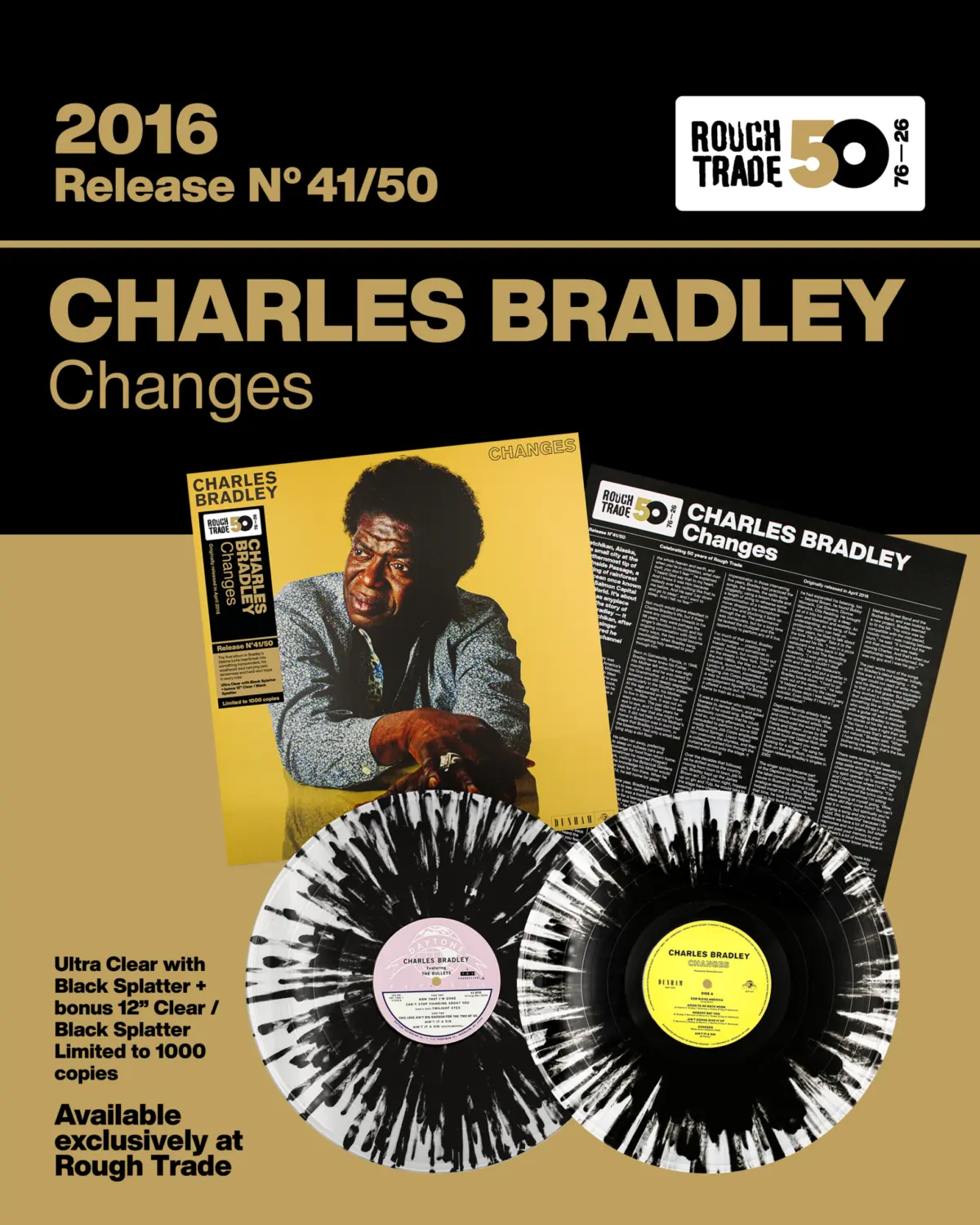
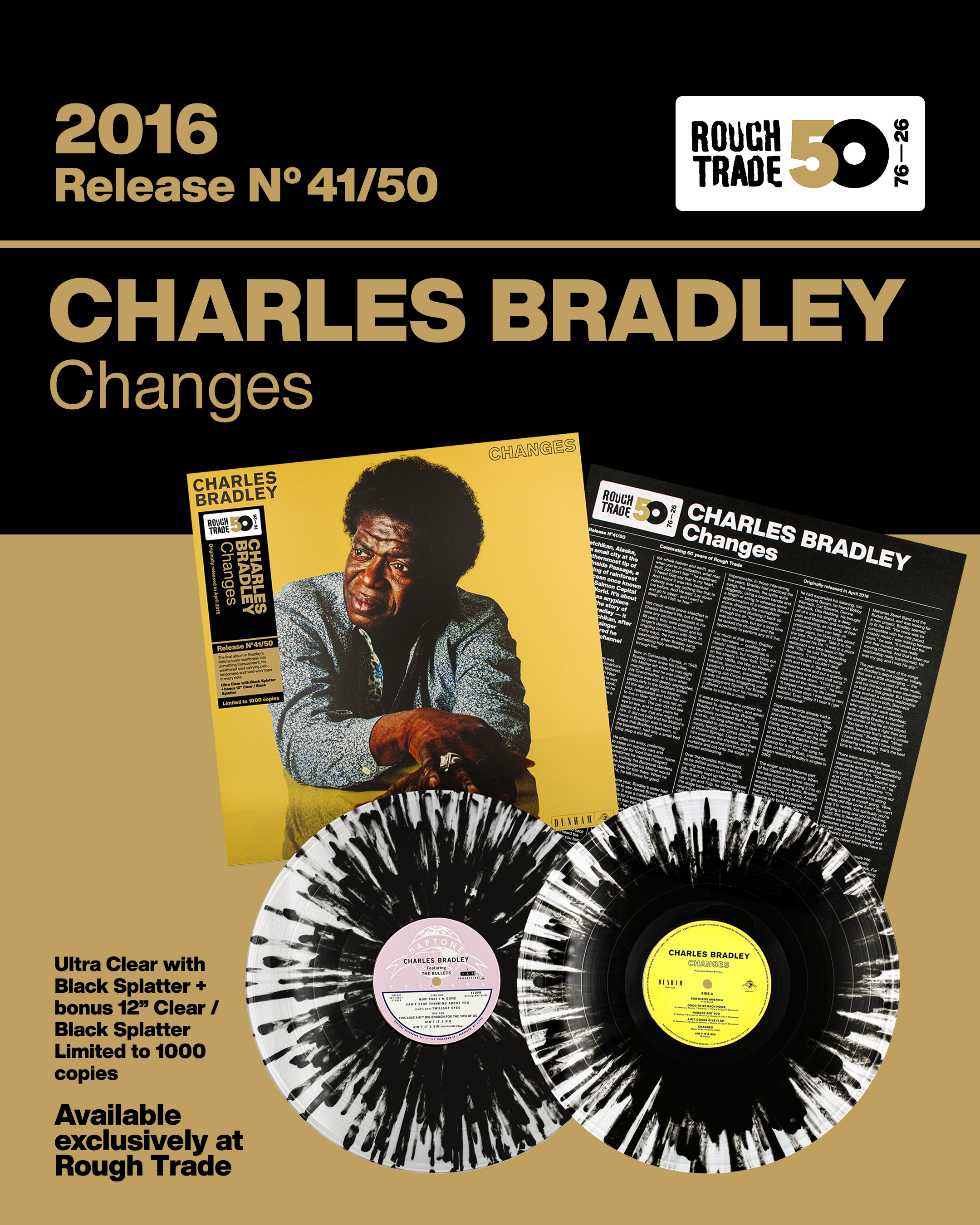
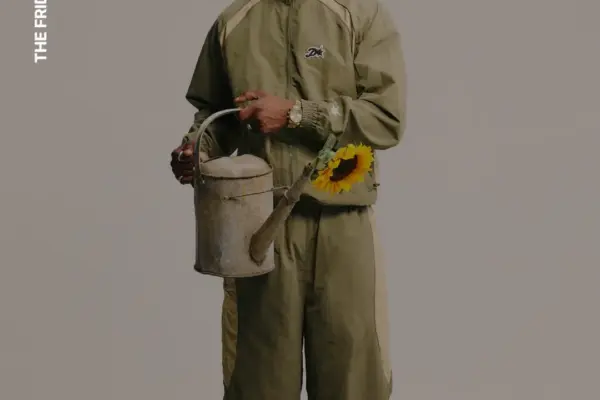
2016: Charles Bradley – Changes
The decade began under the heavy shadow of loss. Released on his 69th birthday, David Bowie’s 26th studio album, Blackstar, arrived just two days before his death from cancer, instantly transforming from a thrilling new work into a magnificent, haunting final testament. Yet, amidst the grief, soul music found an equally raw, triumphant voice in Charles Bradley. Nicknamed "The Screaming Eagle of Soul," Bradley was a once-in-a-generation talent whose every rasp, howl, and vocal break carried the grueling weight of an extraordinary life story. Having spent stretches of time homeless, lost his first band when members were drafted into the Vietnam War, and suffered the tragic murder of his brother, Bradley chased his musical dream late in life, channeling the relentless passion of James Brown.
Discovered at age 62 by Gabriel Roth—co-founder of funk and soul revivalist label Daptone Records—while performing as a James Brown impersonator, Bradley delivered a masterpiece with 2016’s Changes. Drawing heavily on classic soul, funk, and gospel, the famed title track—a breathtaking, deeply personal cover of Black Sabbath’s Changes—cemented Bradley as one of modern soul’s most compelling figures, leaving an indelible, heartbreaking mark before his passing.
2017: IDLES – Brutalism
When Bristol five-piece IDLES dropped their debut album, Brutalism, it landed in record store racks like a clenched fist. Addressing grief, toxic masculinity, class disparity, and generational frustration with uncommon, unfiltered directness, the record announced a band with plenty to say and absolutely no intention of whispering. It captured the anxieties of a fractured Britain with blistering punk velocity and intellectual depth, signaling a seismic shift in how heavy, guitar-driven music could engage with socio-political realities.
2018: Confidence Man – Confident Music For Confident People
Proving that the underground was equally invested in unadulterated euphoria, Brisbane’s Confidence Man delivered a masterclass in hedonism with their debut record. Fusing 1990s Ibiza danceability, camp lyricism, electro-punk synths, and driving disco beats, the album was a joyful lesson in uninhibited release. Hilariously tongue-in-cheek, the record forced listeners to meet its sardonicism with a "get up and dance" lightheartedness, instantly establishing the band as the ultimate global dancefloor-fillers.
2019: Fontaines D.C. – Dogrel
Whispers had circulated for months, and fans hung onto every early single, but the arrival of Fontaines D.C.’s debut album, Dogrel, sparked a cultural firestorm. Emerging from the pavements of Dublin and London, the record topped end-of-year lists with fierce, unyielding momentum. Dogrel was an urgent, insistent, and powerful poetic brawl—a slick-witted, self-assured masterpiece structured by five musicians who understood precisely when to pull an audience close and when to let them loose.
2020: Rina Sawayama – SAWAYAMA
As maximalist hyperpop began to dominate avant-garde circles by exaggerating early-2000s dance-pop and bubblegum aesthetics, Rina Sawayama entirely shattered the existing templates. SAWAYAMA was an ambitious, genre-blending collision of pop, nu-metal, R&B, rock, and electronic music, punctuated by electrifying guitar solos and ultra-synthetic production. A deeply personal exploration of identity, family, capitalism, and the immigrant experience, tracks like "XS" proved that modern pop could possess both massive commercial gloss and fierce, razor-sharp conceptual weight.
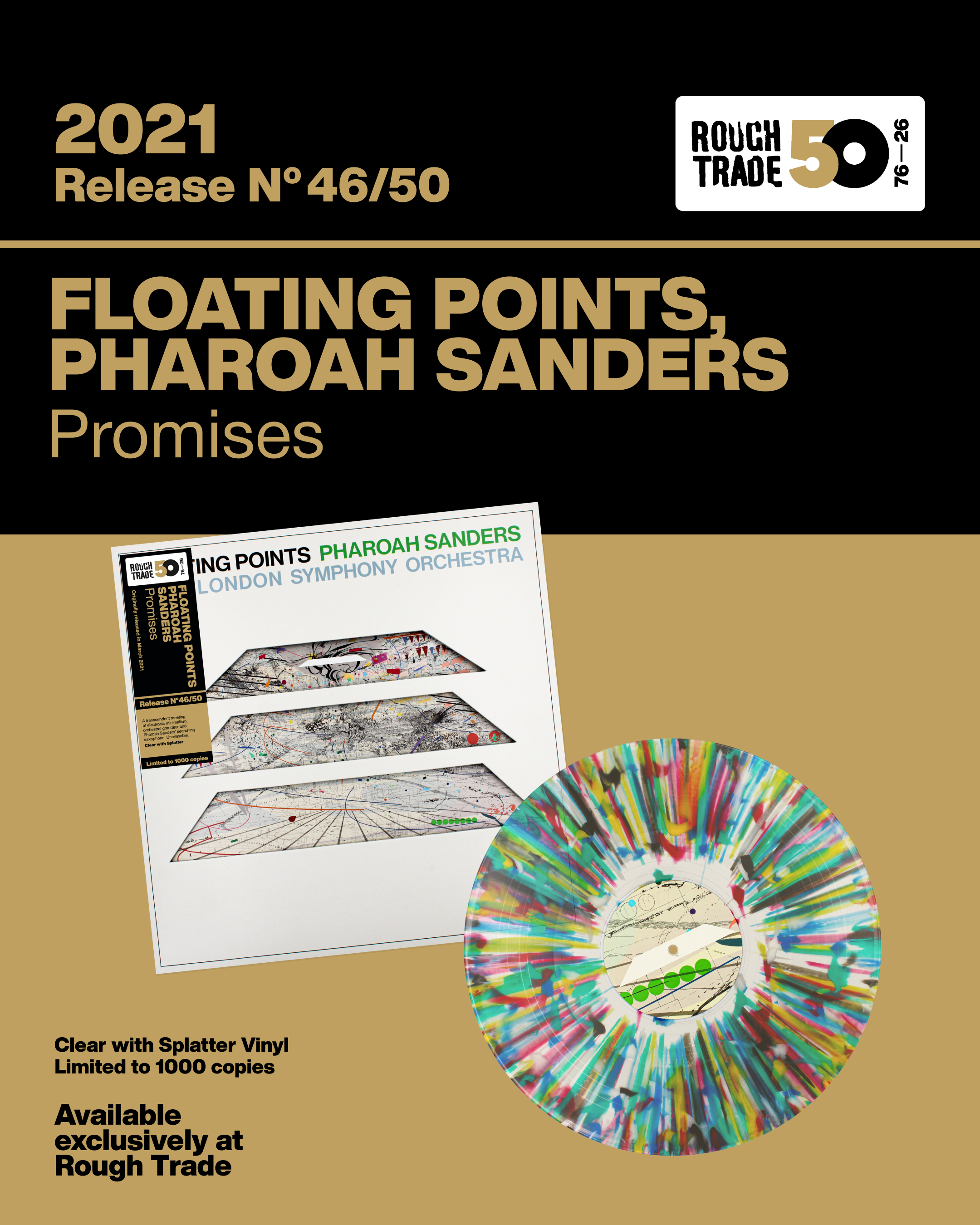
2021: Floating Points, Pharoah Sanders & The London Symphony Orchestra – Promises
Conceived during the quiet isolation of the 2019 pandemic, Promises emerged as one of the most transcendent and unpredictable collaborative works of the decade. Uniting free jazz pioneer Pharoah Sanders, electronic visionary Floating Points (Sam Shepherd), and the world-renowned London Symphony Orchestra, the record offered nine connected movements of meditative minimalism. The unification of Sanders’ ethereal saxophone with Shepherd’s warm, humming electronic ambience created pure magic—serving as a fitting final masterpiece for the late, legendary Pharoah Sanders.
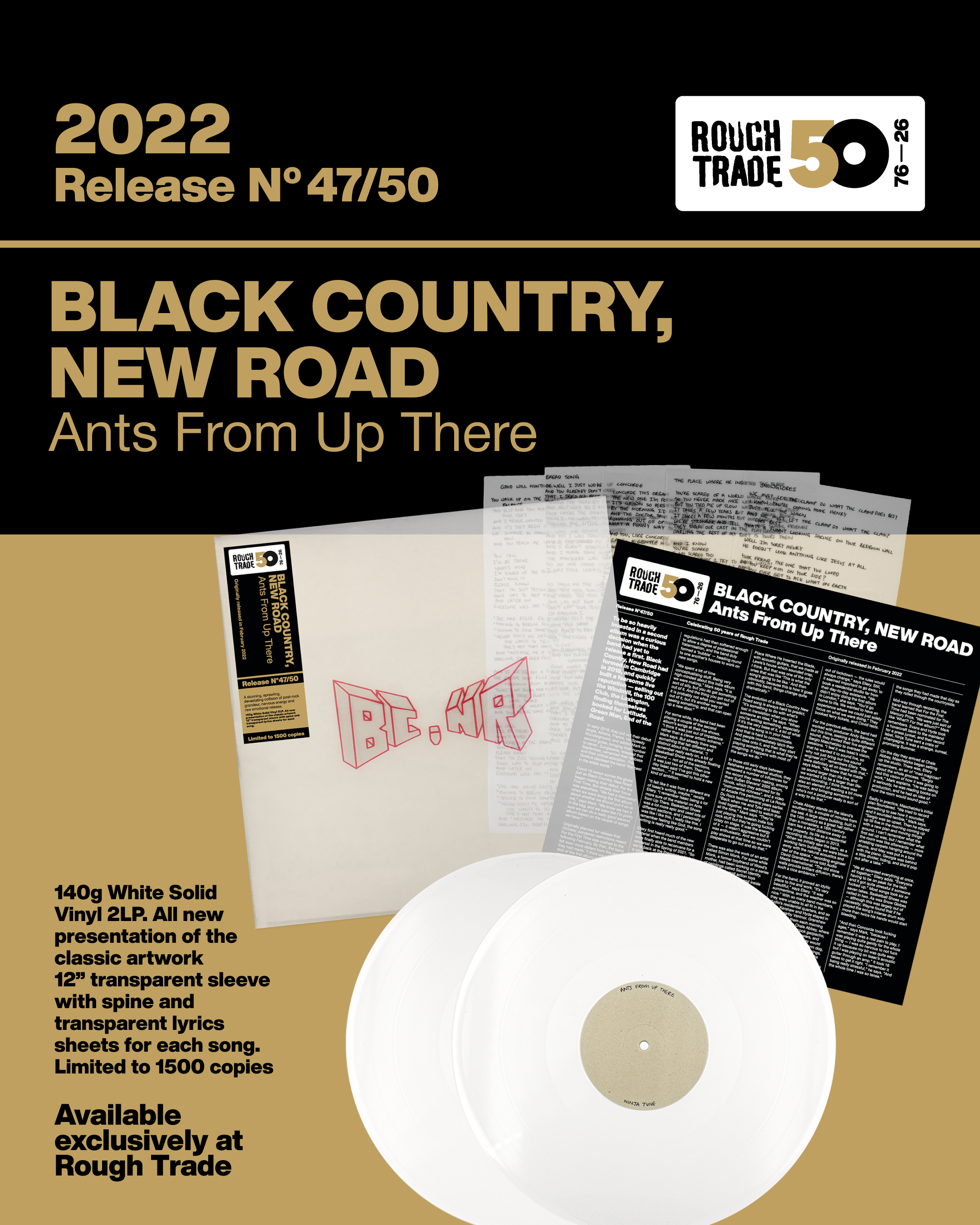
2022: Black Country, New Road – Ants From Up There
Undoubtedly the emotional pinnacle of 2022, Black Country, New Road’s Ants From Up There stands as one of the most powerful and bitterly beautiful break-up records of the modern era. Isaac Wood’s devastatingly vulnerable vocals, paired with the band’s sweeping, orchestral grandeur, created a gut-wrenching tour de force. Arriving as a farewell following Wood’s departure from the band just days before its release, the album remains the undisputed masterwork of London’s fertile Windmill grassroots scene.
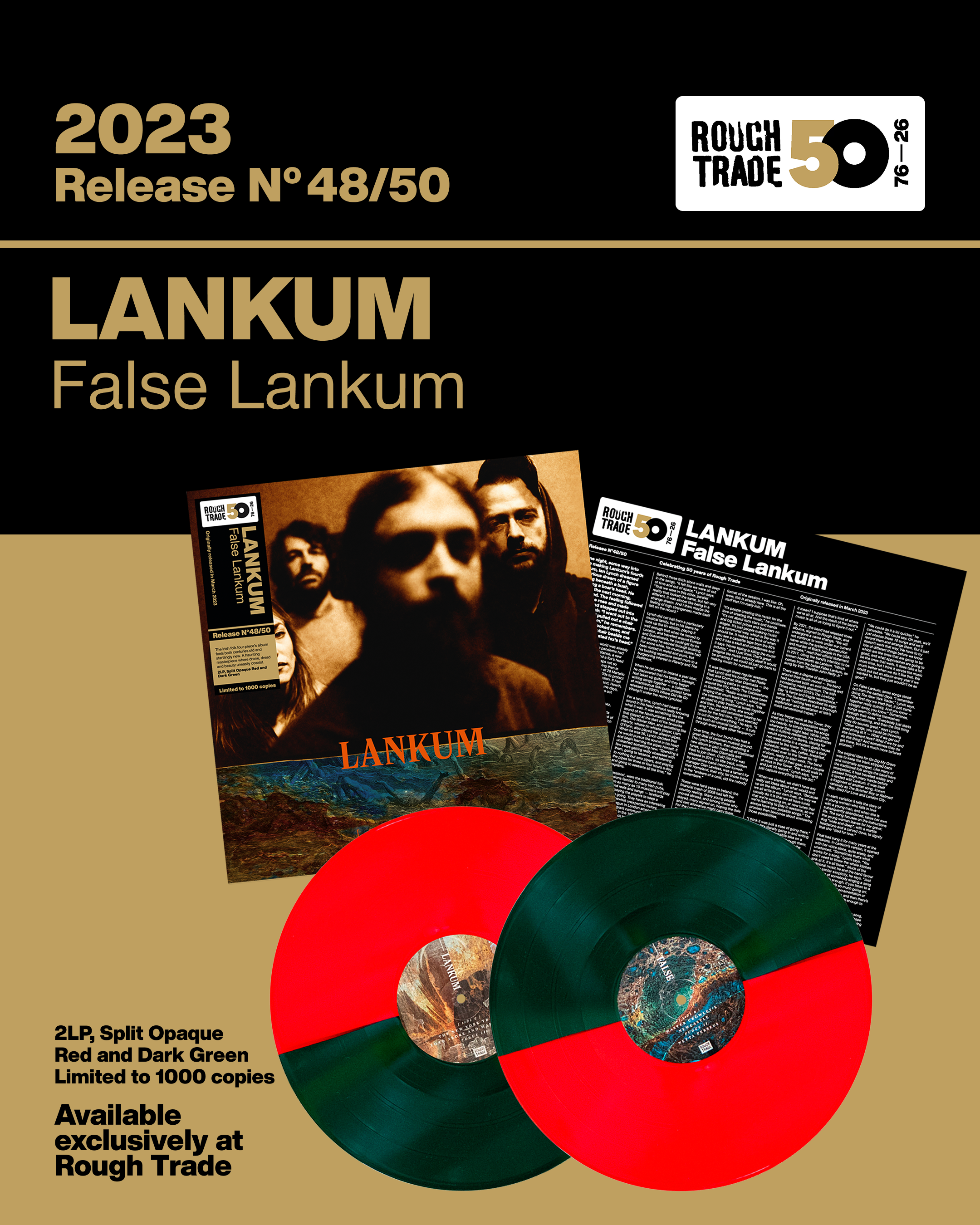
2023: Lankum – False Lankum
Irish folk experimentalists Lankum demonstrated how an artist can remain deeply rooted in centuries of tradition while forging an entirely singular sonic identity. Released via Rough Trade Records, False Lankum was defined by heavy, whirring drones and dark, industrial distortion stretching across twelve haunting tracks. Radie Peat’s ancestral vocals imparted an addictive, lingering unease, beautifully balancing terrifying dark moments with transcendent glimmers of light.
2024: MJ Lenderman – Manning Fireworks
Mark Jacob Lenderman captured the collective consciousness of the alt-country world by chronicling the mundane absurdities of everyday life with wry, self-deprecating humor. Addressing materialism, Catholicism, heartbreak, and profound isolation, Lenderman packaged these themes into a brilliantly crafted Americana masterpiece that immediately cemented his status as a generational songwriting talent.
2025: Pulp – More
Marking one of the most anticipated returns in British music history, Pulp released their first album of brand-new material in nearly 24 years. Jarvis Cocker’s observational songwriting proved as sharp, strange, and characterful as ever, embracing a more mature perspective while retaining the classic Britpop blend of melancholy, romance, and everyday absurdity. More proved beyond a shadow of a doubt that Britain’s most distinctive provocateurs still had vital stories to share.
Supporting Context & Metrics: The Grassroots Engine and Global Expansion
The triumphs of these individual records were fueled by a broader, interconnected ecosystem of grassroots venues, independent record shops, and cross-pollinating international scenes.
The Brixton Catalyst and Global Soundscapes
In London, some of the decade’s most vital music took shape in and around Brixton’s legendary Windmill venue. Bands such as Goat Girl, Shame, black midi, Squid, Jockstrap, and Black Country, New Road emerged from a collaborative community where experimentation and live performance reigned supreme. Often umbrellaed under the media-coined moniker ‘post-Brexit new wave’, these artists shared an appetite for pushing guitar music into strange, uncharted territory. Sprechgesang—spoken-song delivery—dominated indie music lexicons, driving the brilliantly dry social observations of Yard Act and Dry Cleaning, while Wet Leg charted a meteoritic path from the Isle of Wight to global acclaim.
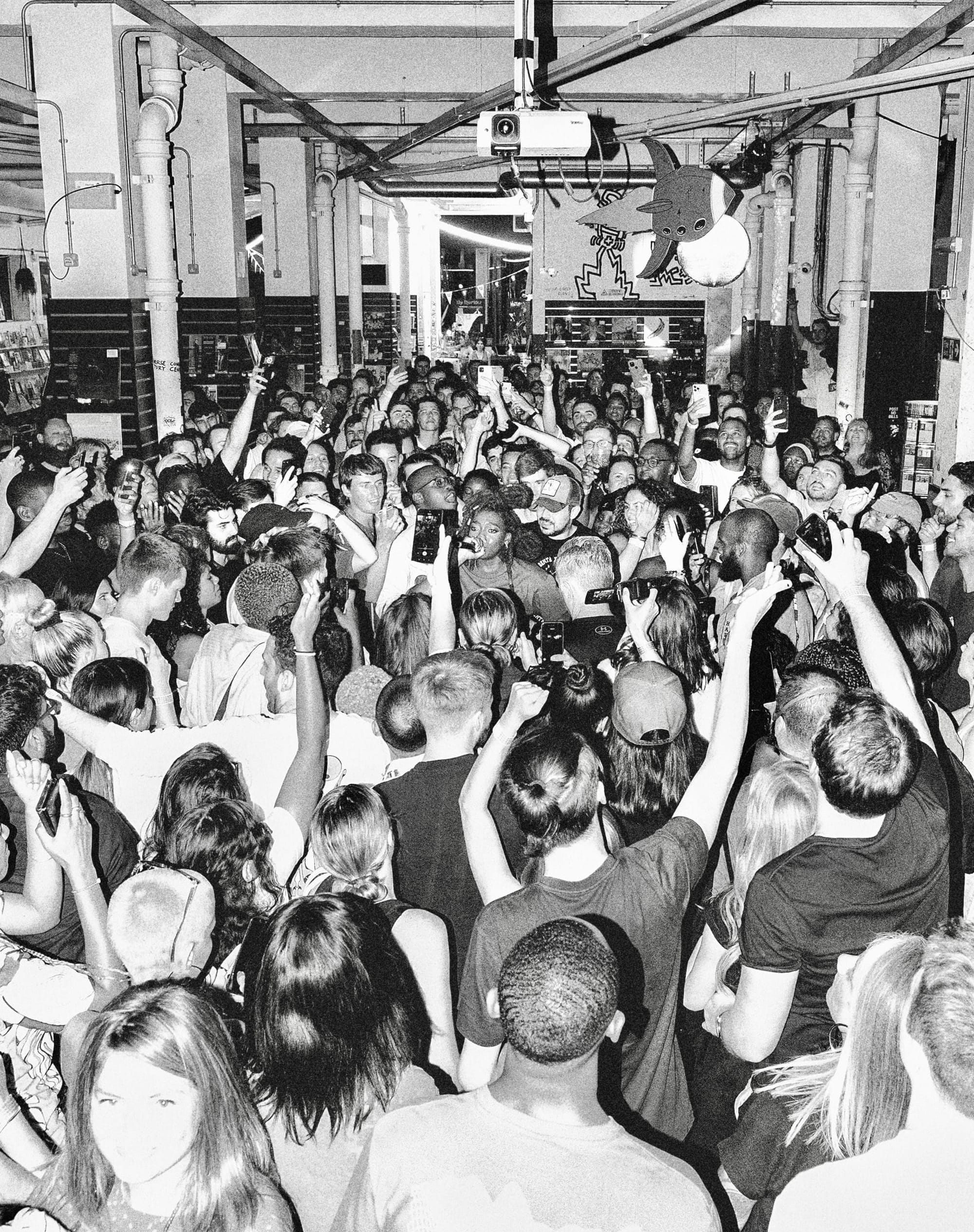
This sonic revolution was not isolated to the United Kingdom. Bodega injected wiry New York art-punk into the discourse, Viagra Boys channeled Stockholm absurdity, and Amyl and the Sniffers delivered Melbourne pub rock at blistering, full-throttle velocities. Rough Trade East served as a vital melting pot for this international community, hosting intimate in-store performances—such as Amyl and the Sniffers’ legendary 2018 appearance—that brought fans, labels, and emerging artists into direct physical contact.
Rap Ascendance and Genre Convergence
Concurrently, British rap underwent one of its most important modern ascents. Little Simz spent the decade methodically expanding the boundaries of independent hip-hop, culminating in her extraordinary trilogy of albums: GREY Area, Sometimes I Might Be Introvert, NO THANK YOU, and Lotus. Her 2021 live performance at Rough Trade East remains etched in local history as a masterclass by an artist hitting unprecedented creative heights.
Similarly, artists like Michael Kiwanuka, Big Thief, IDLES, SAULT, Ezra Collective, Aldous Harding, Weyes Blood, Tyler, The Creator, Angel Olsen, Solange, Mitski, Young Fathers, Caroline Polachek, Kae Tempest, and Billy Woods proved that modern independent music was infinitely expansive.
Global Footprint Expansion
As the music evolved, so too did Rough Trade’s physical footprint. Over the decade, the institution expanded domestically and internationally, opening vibrant new cultural hubs in Bristol, Liverpool, London, and Berlin, establishing a firm presence in Nottingham, and relocating Rough Trade NYC from Brooklyn to a flagship Manhattan location.
Official Statements & Industry Reflections
Reflecting on a decade marked by both commercial growth and intimate artistic triumphs, Rough Trade team members emphasize the core philosophy that has sustained the institution for half a century:
"There are few better pleasures in running a record store than seeing something genuinely exciting flourish. The venues get bigger, the crowds wilder, and the records more ambitious, but that first spark of discovery remains much the same."
This sentiment is echoed across every department, from the retail floors of Rough Trade East to the international head offices. The mission has remained stubbornly, beautifully consistent: to create physical sanctuaries where artists and audiences meet, where intellectual and sonic curiosity is handsomely rewarded, and where a spontaneous recommendation across a wooden counter can send a customer home with a life-changing record they never knew they needed.
Future Outlook: The Unstoppable Ascent of Physical Music
As the music industry navigates the mid-2020s, the cultural landscape is viewed through an acid-lime lens, largely thanks to Charli xcx. With BRAT, Charli demonstrated the staggering power of total world-building—seamlessly fusing music, fashion, language, community, and attitude into an instantly recognizable, endlessly adaptable cultural phenomenon. Though the tragic 2021 death of pioneer SOPHIE robbed the electronic pop world of one of its most visionary architects, her fearless approach to sound continues to echo through boundary-pushing artists like Arca and Vince Staples, signaling a generation completely uninterested in arbitrary genre borders.
Looking toward the horizon, the resurgence of physical media stands as a testament to human resilience in a hyper-digitized age. While TikTok algorithms retain the power to catapult decades-old deep cuts back into global charts or turn bedroom demo recordings into overnight sensations, the vinyl record offers something the digital ether cannot replicate: physical presence.
As Rough Trade celebrates its 50th anniversary—highlighted by the exhaustive 50 Records for 50 Years campaign featuring exclusive vinyl pressings, rare bonus materials, and deep-dive retrospective essays—the core truth of music retail remains unchanged. An album can exist everywhere simultaneously in the cloud, but it feels entirely different the moment it sits in your hands. Fifty years after opening its doors, the crates are still full, the recommendations are still personal, and there has truly never been more music left to discover.