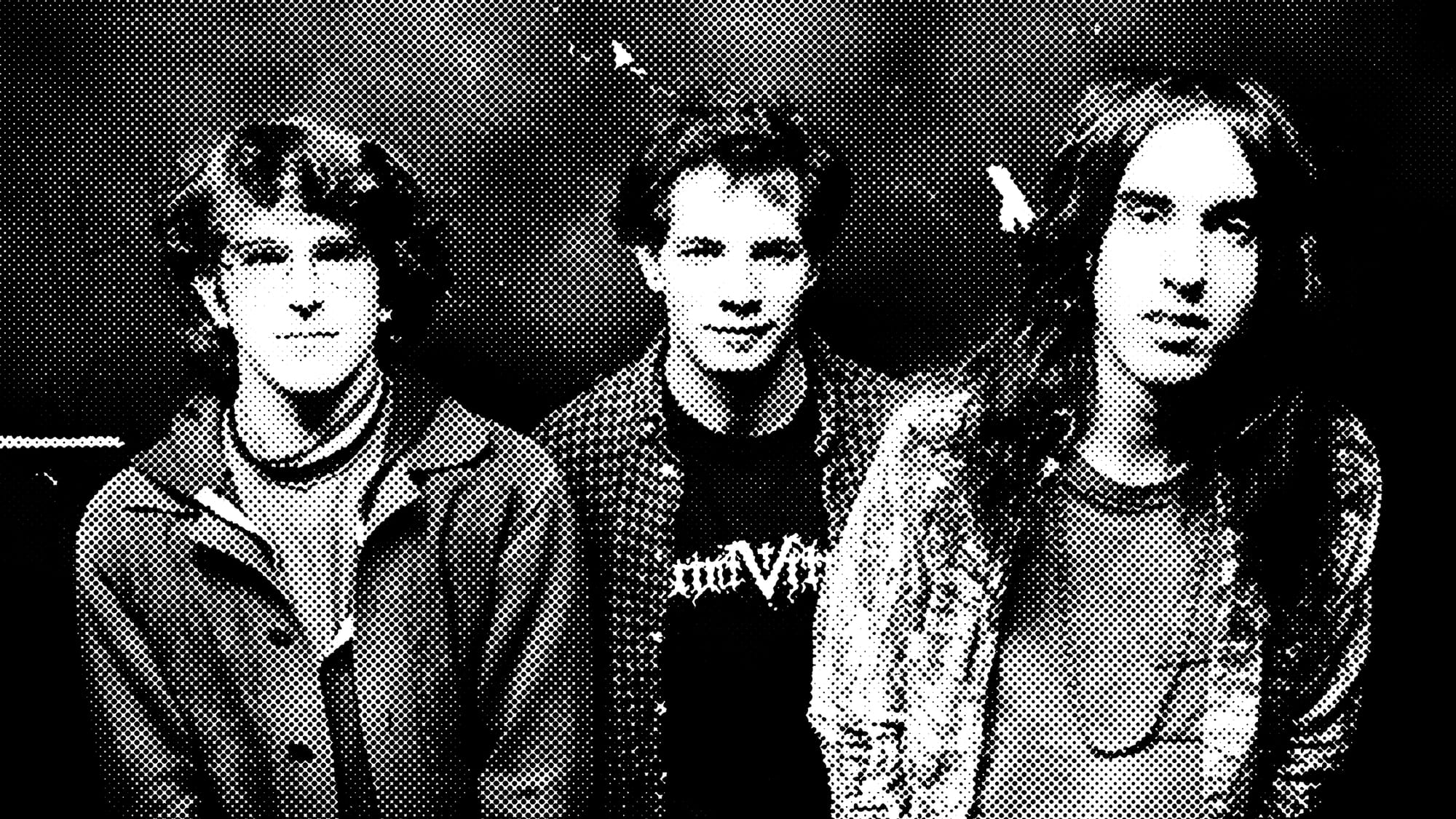
Few bands in the history of alternative rock have managed to make sheer, physical volume sound quite as profoundly melodic as Dinosaur Jr. Formed in Amherst, Massachusetts, in the mid-1980s, the pioneering trio of J Mascis, Lou Barlow, and Murph forged an entirely unique sonic blueprint. By fusing towering, Neil Young-esque guitar solos with bruised, subterranean pop melodies and a level of amp-stack distortion that feels tactile in the chest, they created a template that would echo through generations of underground rock, grunge, and indie.
Yet, the discography of Dinosaur Jr. has never stood still. From the combustible energy of their original run to J Mascis’s idiosyncratic major-label excursions in the 1990s, and a triumphant second-act reunion that has now remarkably outlasted their initial tenure, every era of the band offers something vital.
To make sense of a catalog featuring thirteen studio albums, Rough Trade’s Head of Partnerships, Wes Lyons, took on the formidable task of ranking the band’s ten greatest records. Born out of a university dorm-room discovery—sparked by a poster, a cloud of smoke, and a healthy dose of curiosity—Lyons’s fandom has since crossed generations and continents. Fresh off catching three intimate New York City shows following the release of the band’s latest material, Lyons breaks down the noise, melody, and glorious guitar excess of Dinosaur Jr., counting down from great to absolute masterwork.
Detailed Chronology: The Top Ten Albums Ranked
10. Give a Glimpse of What Yer Not (2016)
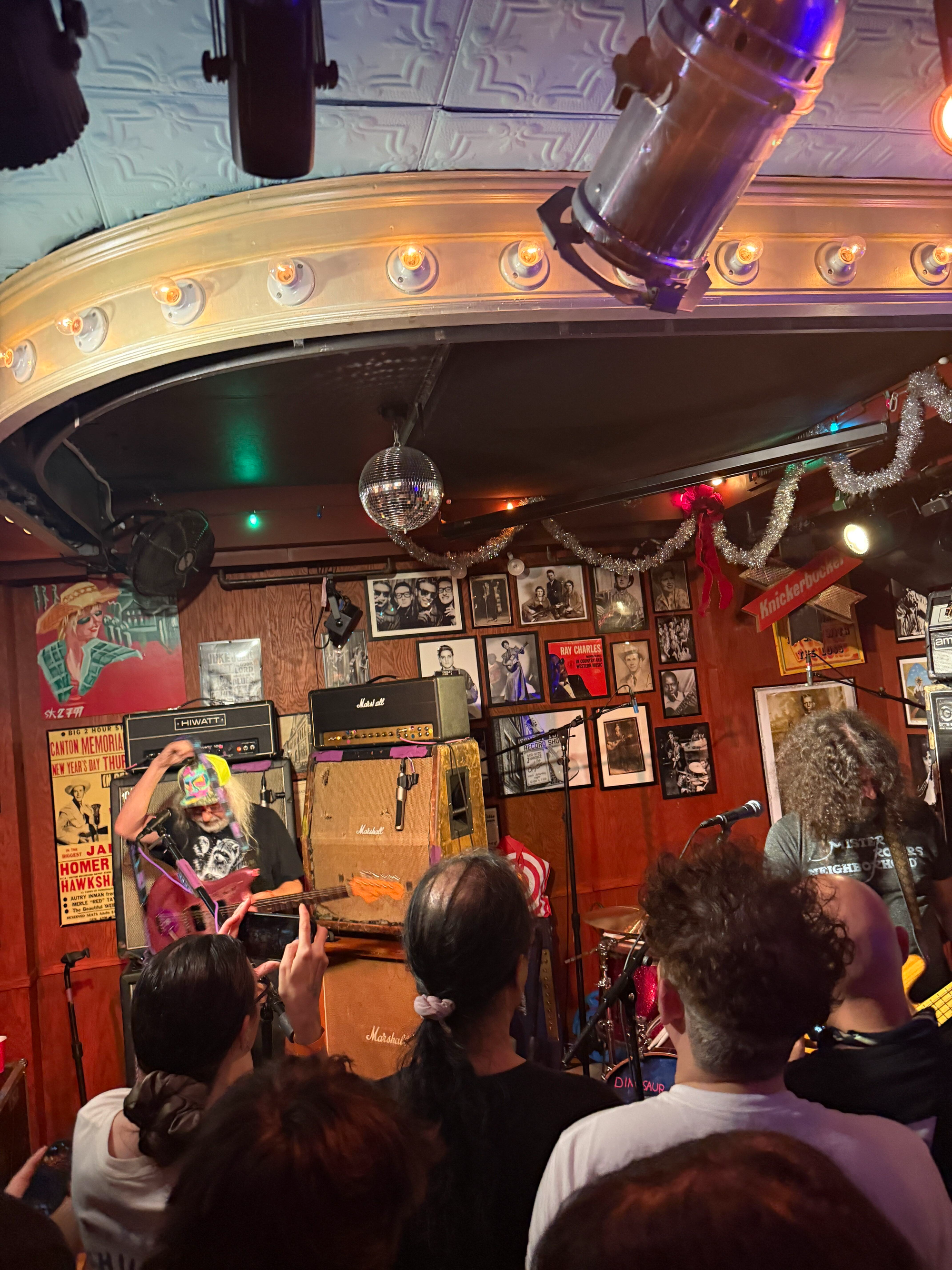
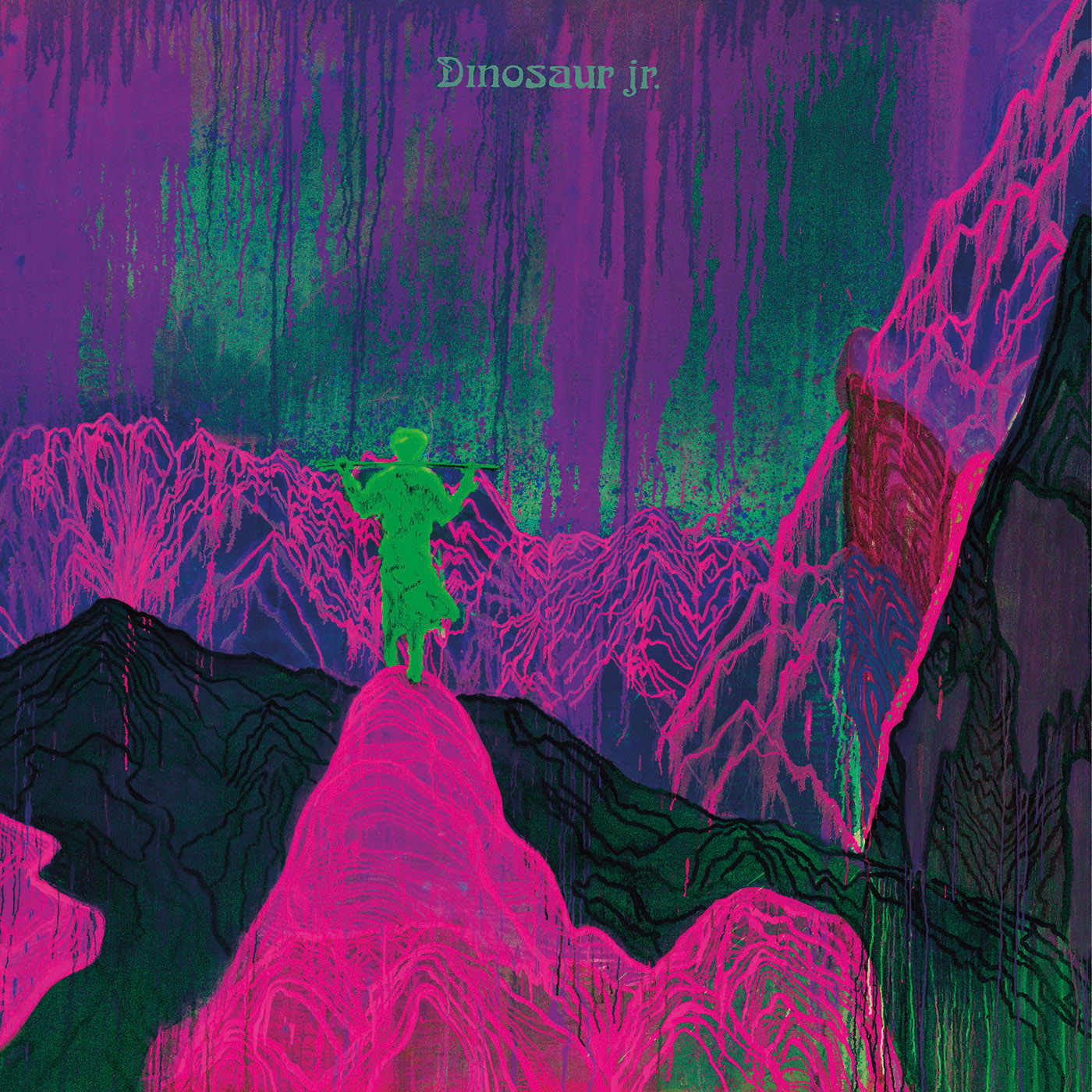
Opening the countdown is the band’s stellar 2016 release, an album carrying personal significance for Lyons, who witnessed it celebrated during a deafening, packed in-store performance at Rough Trade’s historic Brooklyn location. From the skate-ramp visuals of the Goin Down music video to the bruising, muscular guitar work J Mascis forces to the forefront on tracks like I Walk for Miles, this record decisively proved that even a decade into their celebrated reunion, the trio had lost none of their creative fire.
9. There Near (2026)
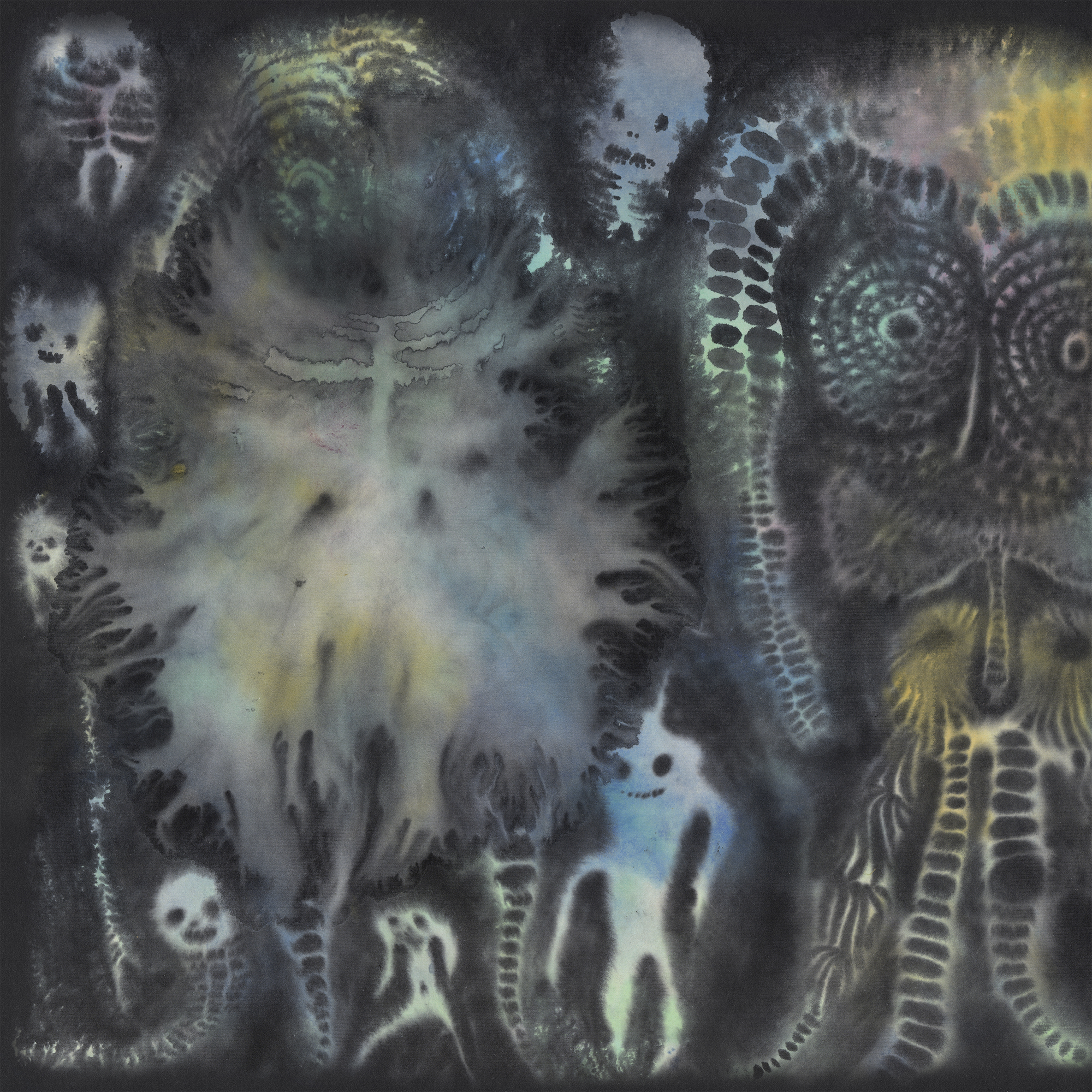
Picking up the torch nearly a decade after the previous entry, There Near demonstrates that Dinosaur Jr.’s internal well of ideas remains inexhaustible. Standout tracks like Clam Along and the infectious, Lou Barlow-fronted highlight Blowin’ Up showcase a band still pushing boundaries. While it builds on the sonic architecture of its predecessor, Sweep It Into Space, There Near stands as a vital, contemporary addition to an already towering legacy.
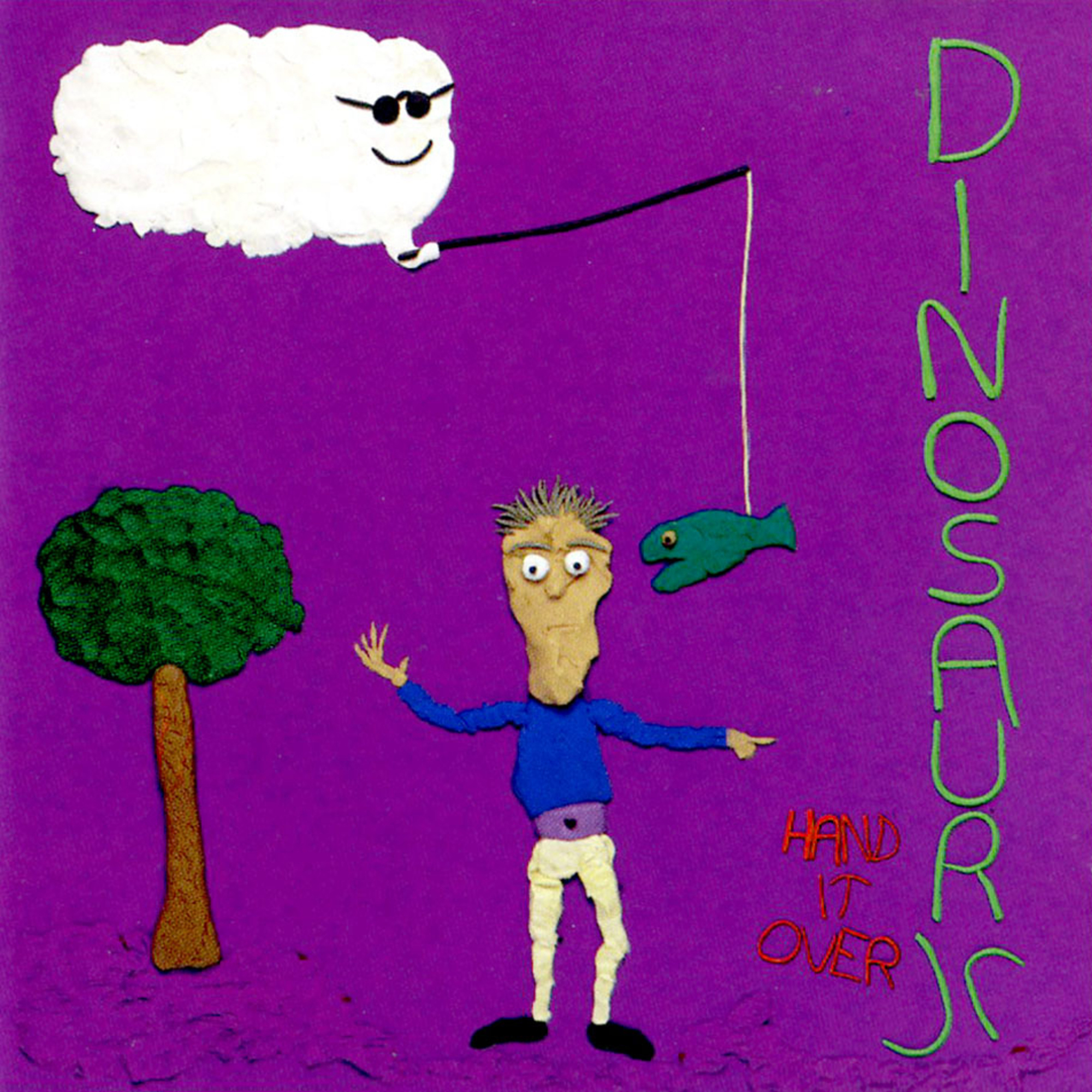
8. Hand It Over (1997)
An ambitious, slow-burn masterpiece, Hand It Over is a record that historically required patience from listeners navigating the band’s late-90s evolution. The surprising inclusion of horns on I’m Insane subverted expectations, illustrating Mascis’s willingness to take bold stylistic detours. Furthermore, the track Alone briefly held the title for the longest song in the Dinosaur Jr. canon before being dethroned in 2009.
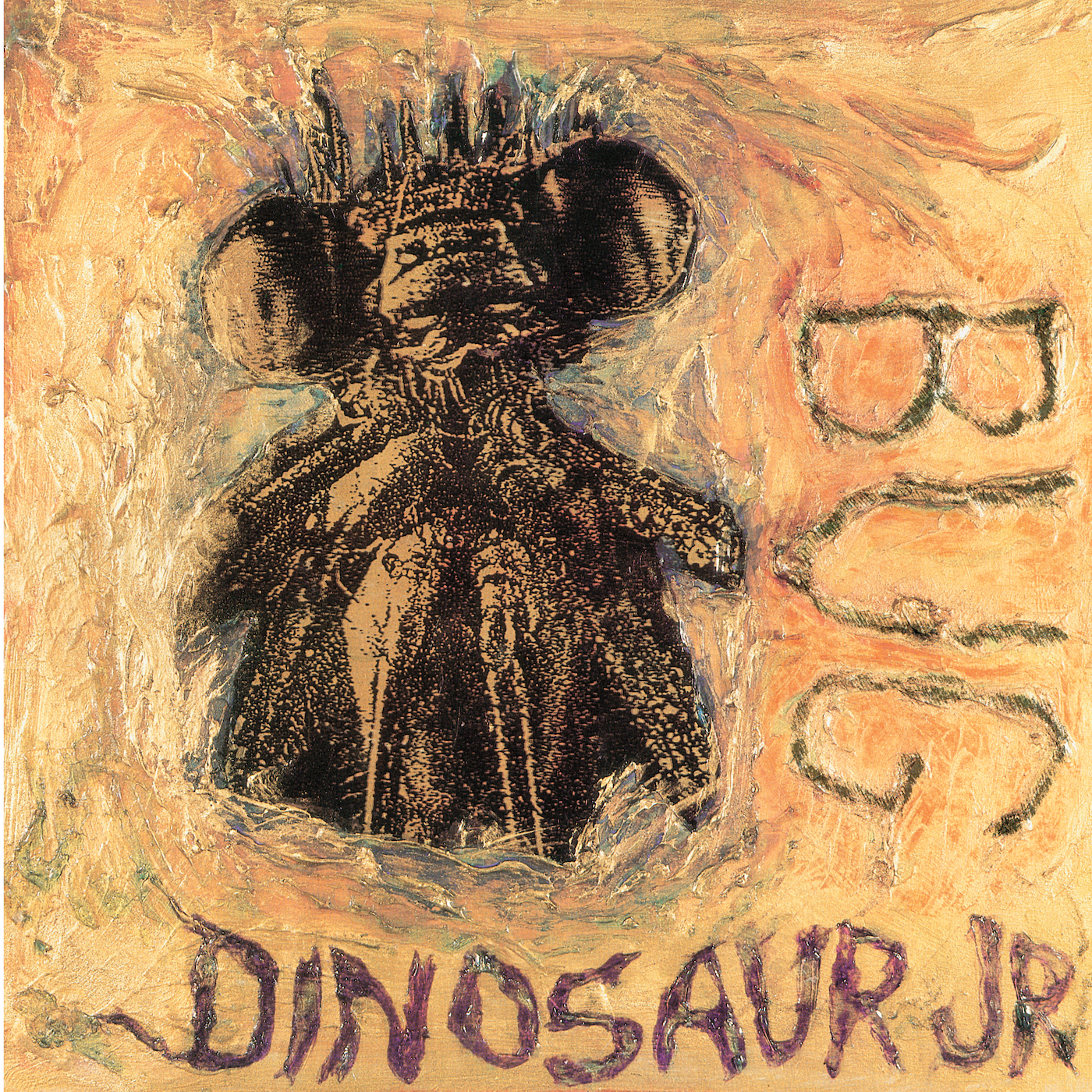
7. Bug (1988)
Anchored by the generation-defining anthem Freak Scene, Bug captured the original lineup of Mascis, Barlow, and Murph operating at a blistering peak of raw, unbridled energy. The record remains an underground touchstone, a fact cemented in live settings—such as when Sonic Youth’s Kim Gordon delivered a spine-shattering, thunderous rendition of Don’t at the band’s 25th-anniversary retrospective for their sophomore release.
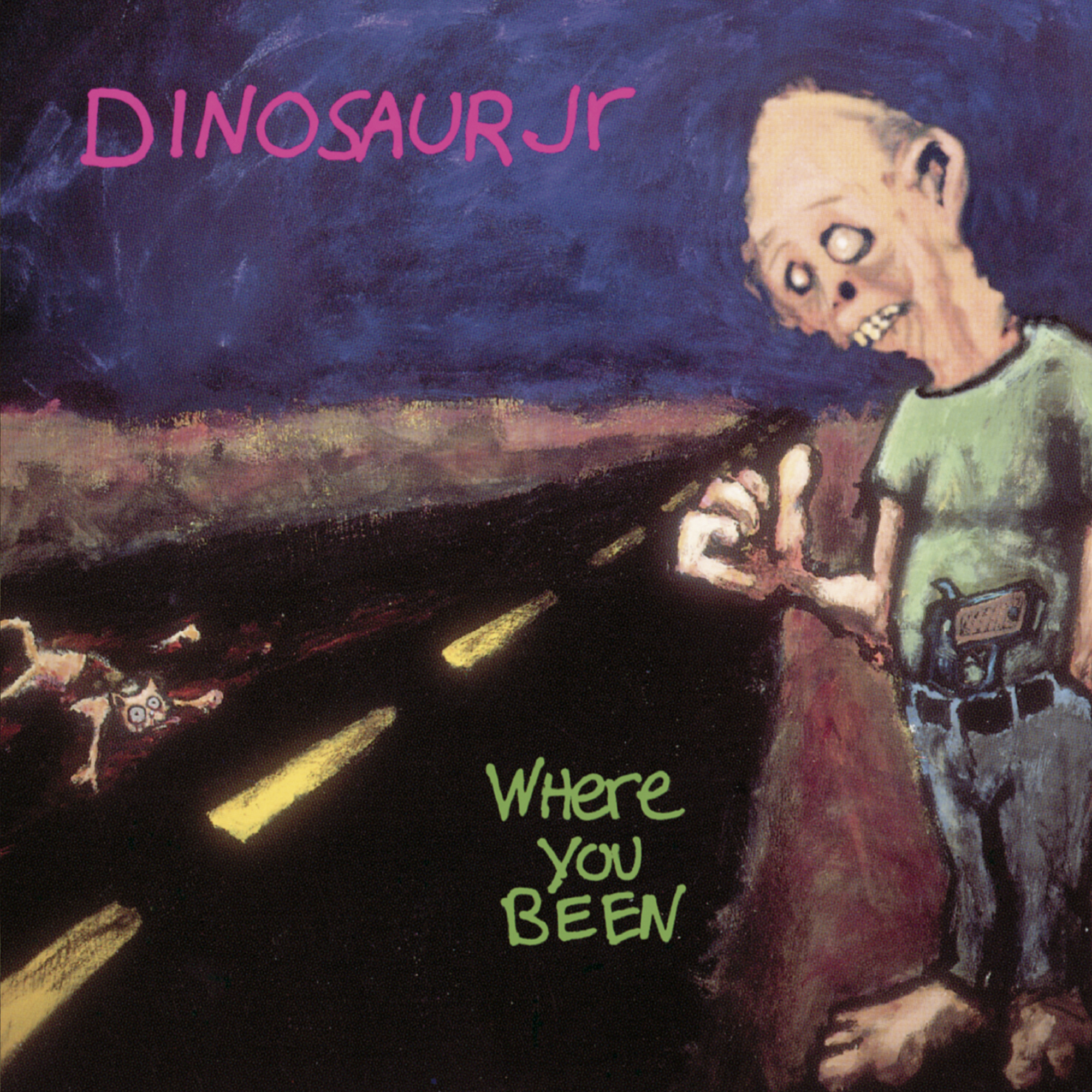
6. Where You Been (1993)
Undeniably one of the most purely joyous listens in the entire Dinosaur Jr. catalog, Where You Been pairs heavy amplification with irresistible hooks. It is virtually impossible to remain still when the opening chords of Start Choppin ring out. Brimming with iconic music videos and era-defining imagery, the album houses several tracks that comfortably rank among the finest songwriting achievements of Mascis’s career.
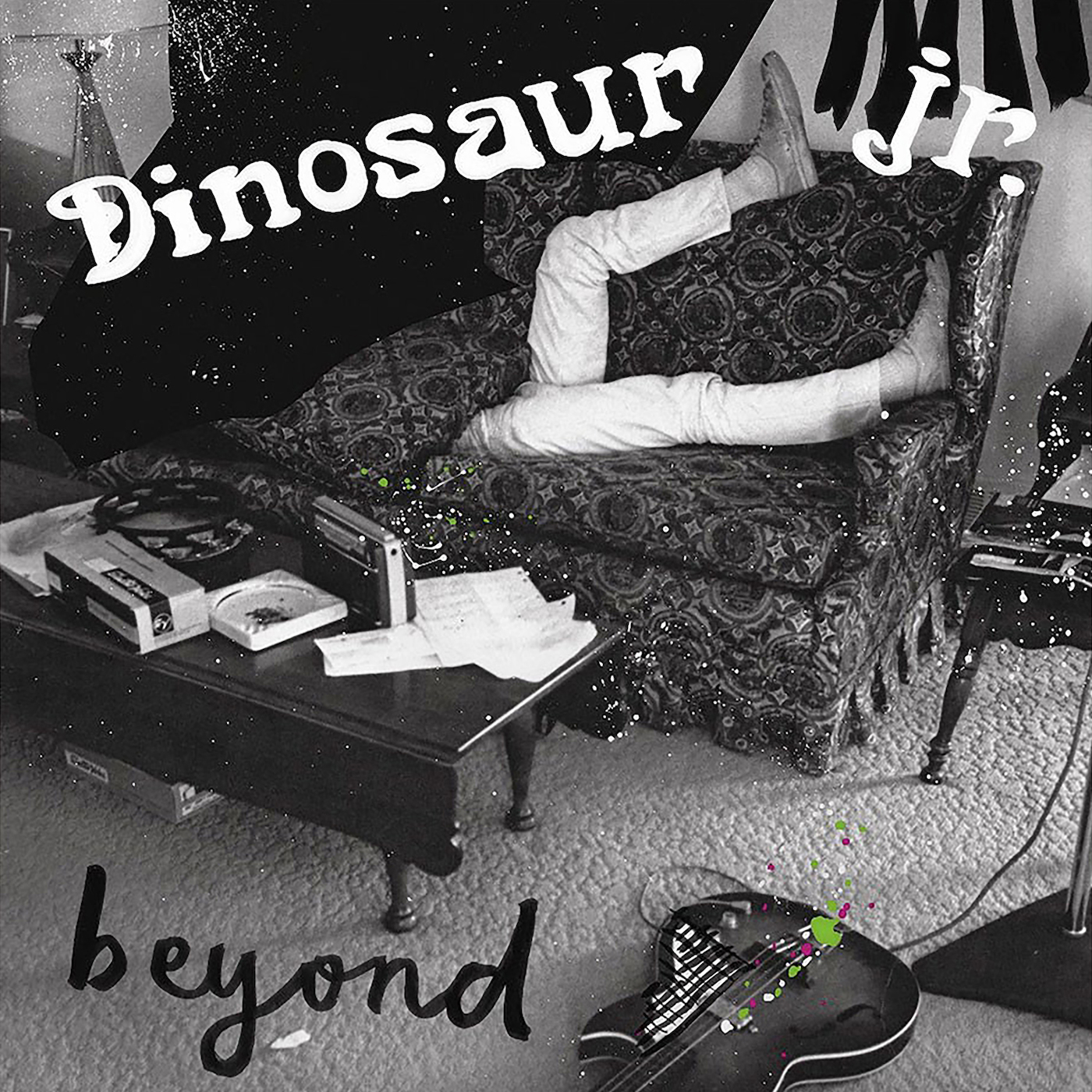
5. Beyond (2007)
Reuniting an estranged, legendary 1980s lineup is fraught with peril; expectations are often impossibly high, and the risk of tarnishing a pristine legacy is ever-present. Yet Beyond arrived as an emphatic statement of purpose—the musical equivalent of Michael Jordan’s legendary two-word fax: "I’m back." Both Mascis and Barlow turned in career-best songwriting moments here, most notably on the soaring, melancholic tracks Crumble and Back to Your Heart.
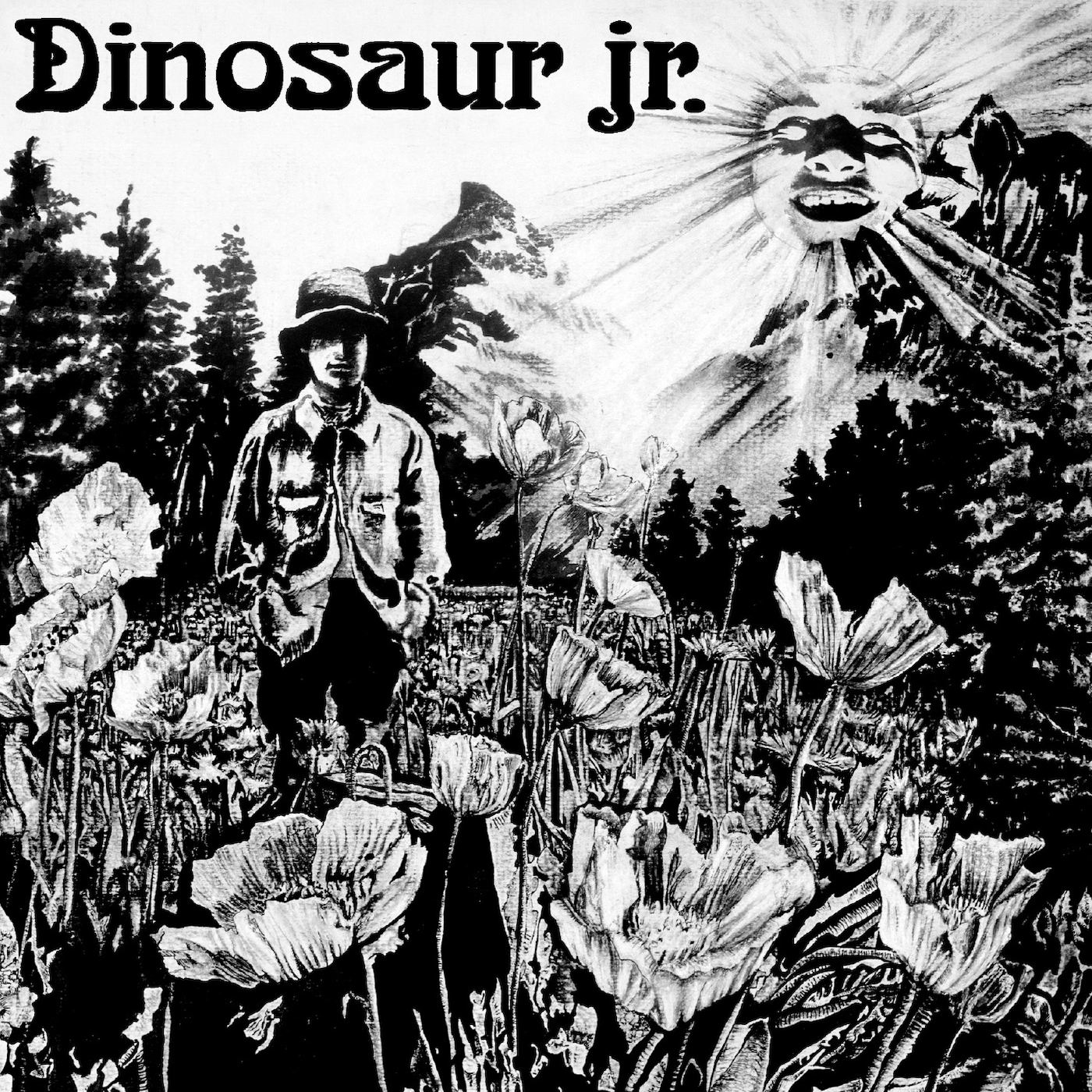
4. Dinosaur (1985)
The black-and-white cover art is iconic, but the music contained within is seismic. This is the origin point. The sheer potential captured on their self-titled debut was mind-blowing, laying the foundational bricks for every wall of sound that followed. Live performances of early cuts like Mountain Man—stretched out into sprawling, psychedelic jams—serve as a reminder of the awe-inspiring impact this band had from day one.
3. Green Mind (1991)
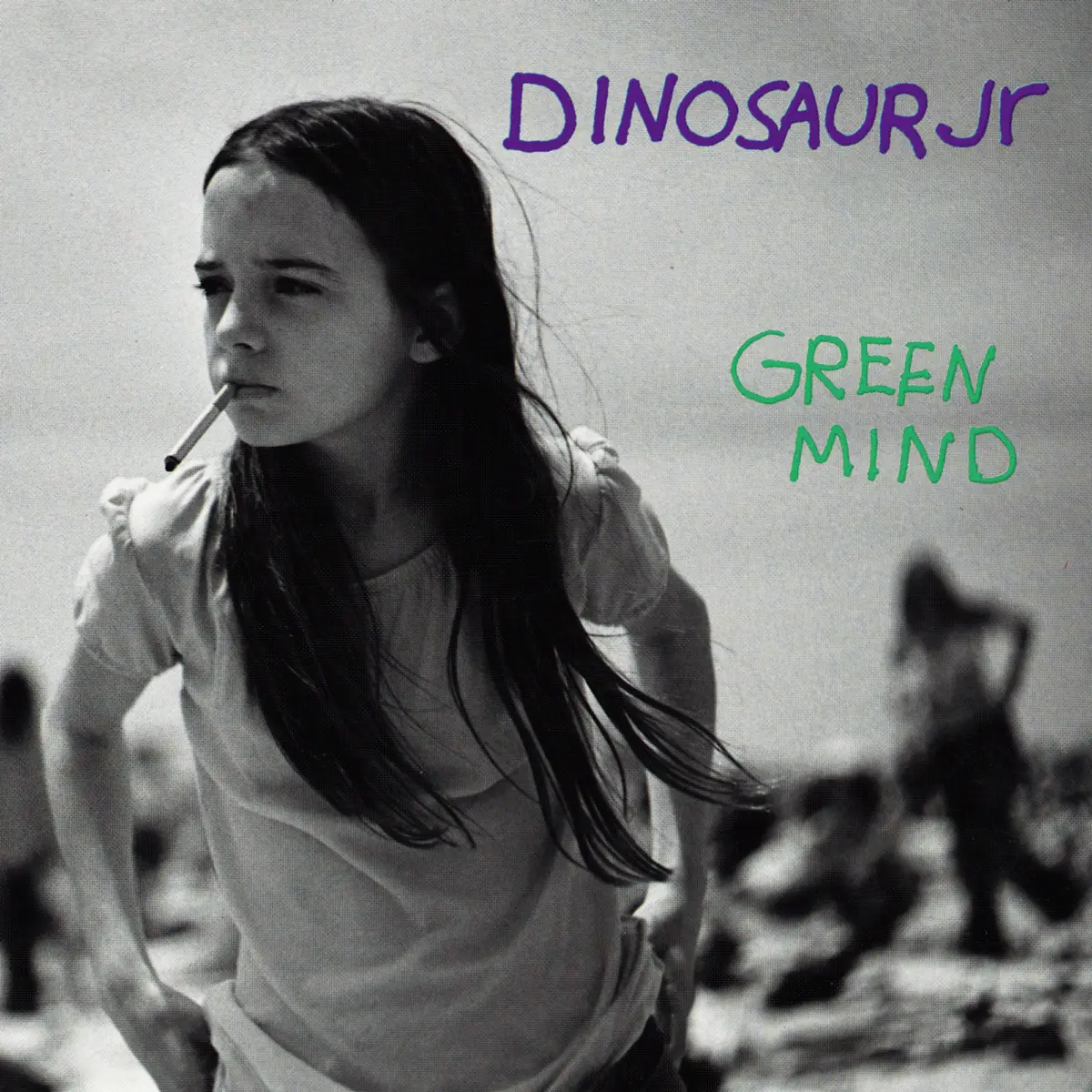
Sporting one of the most recognizable album covers in alternative rock history, Green Mind represents a major pivot. Following the bitter departure of Lou Barlow and with Murph appearing on only a handful of tracks, the album functioned essentially as a solo vehicle for J Mascis. The result was a brilliant major-label debut that successfully bridged the gap between underground noise-rock orthodoxy and a bid for broader mainstream resonance.
2. Farm (2009)
If You’re Living All Over Me defines the untouchable purity of the original 1980s era, Farm stands as the definitive masterpiece of the reunion era. It takes every hallmark of the Dinosaur Jr. sound and pushes the dials past the maximum. The soaring, transcendent guitar solo on Said the People remains a near-religious experience—a masterclass in texture, emotion, and amplification.
1. You’re Living All Over Me (1987)
Nothing else on earth sounded like this in 1987. The central paradox of Dinosaur Jr. is locked safely inside these grooves: how can music simultaneously be punishingly, physically loud and achingly, beautifully melodic? Serving as the foundational blueprint for the entire alternative and indie rock explosion that followed, You’re Living All Over Me is not merely a great record; it is quite simply one of the greatest rock albums ever committed to tape.
Supporting Context & Metrics
To understand the enduring cultural footprint of Dinosaur Jr., one must examine the intersection of critical acclaim, longevity, and commercial influence. Emerging from the American hardcore punk scene of the early 1980s via Deep Wound, Mascis and Barlow consciously slowed the tempos down, injected massive pop hooks, and cranked Marshall stacks to stadium levels in small club environments.
Catalog Scope: Spanning 13 studio albums across four distinct decades, the band’s output demonstrates a remarkably low attrition rate in quality.
The Reunion Era Longevity: Remarkably, the post-2007 reunion era featuring the permanent return of the original Mascis-Barlow-Murph lineup has now officially lasted longer than the band’s initial, volatile 1984–1989 run.
Critical Reception: Pitchfork, Rolling Stone, and various international music outlets have consistently placed You’re Living All Over Me and Bug on their respective "Best Albums of the 1980s" lists, proving that their initial underground aesthetic has long since been validated by mainstream rock historians.
Official Statements & Industry Perspective
Reflecting on his deep-rooted obsession with the band, Wes Lyons summarizes the alchemy that continues to draw fans into their orbit:
"Nothing else sounded like this at the time. How can something be so loud and melodic at the same time?" Lyons notes, recalling the exact moment he fell down the rabbit hole via a university dorm room poster.
Speaking on the evolution from their formative years to their modern incarnation, Lyons emphasizes that the band’s creative engine has never stalled:
"Curiosity and weed caused me to stumble into the world of Farm from a poster in my friend’s dorm room while we were at university. I’ve been hooked ever since… From the combustible original trio and J Mascis’s major-label years to a reunion that has now outlasted the band’s first run, every Dinosaur Jr. era has something worth turning up."
Future Outlook
As Dinosaur Jr. continues to tour extensively—bringing their legendary wall of amplifiers to iconic independent venues and record stores alike—the release of recent material proves that their creative trajectory remains upward. Far from being a heritage act content to coast on 1980s nostalgia, Mascis, Barlow, and Murph are actively writing new chapters in a storied career.
With a catalog that bridges the gap between blistering noise-rock and sublime pop classicism, Dinosaur Jr. stands today not just as survivors of the indie rock underground, but as architects who built its modern foundation. As long as there are amplifiers left to push past the red, their legacy—and their volume—will continue to reverberate.