Executive Overview
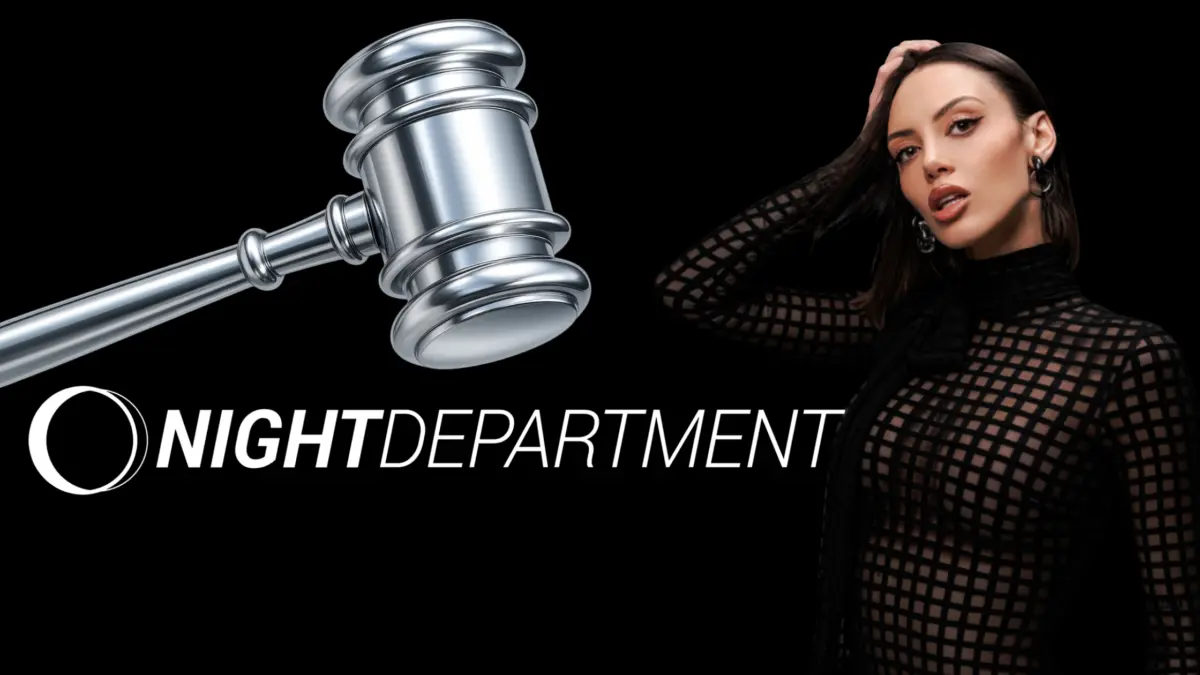
The intersection of electronic music artistry and high-stakes business management has once again erupted into a bitter, multi-jurisdictional legal war. Techno DJ, producer, and label head Sara Landry finds herself locked in a complex, transatlantic legal dispute with her former representatives at the UK-based artist management firm The Night Department. What began as a standard artist-manager relationship has metastasized into a web of lawsuits spanning both the London courts and the United States District Court in New York.
At the heart of the litigation is a fundamental disagreement over the ownership, revenue, and equity of Hekate Records, the imprint founded by Landry. While The Night Department—led by Matthew Verovkins—maintains that their extensive operational involvement in the label entitled them to a 50% stake in both revenues and underlying copyrights, Landry contends that her former team has overstepped legal and ethical bounds. The conflict touches on complex issues regarding unwritten provisional agreements, the evolving economic models of modern electronic music management, and trademark exploitation in the wake of a professional termination.
However, the legal filings have also injected a bizarre and widely discussed human element into the proceedings. Landry’s New York trademark lawsuit includes explosive allegations regarding the professional conduct of her former day-to-day manager, Harry Glaisher. Specifically, the suit highlights an incident at the Coachella Valley Music and Arts Festival where Glaisher allegedly urinated publicly within festival grounds—an episode Landry argues severely damaged her professional reputation and brand equity. In contrast, The Night Department has pushed back against these claims, characterizing the incident as an obscure, private occurrence that caused zero appreciable harm.
As this high-profile dispute unfolds across two continents, it serves as a cautionary tale for the modern music industry. It highlights the dangerous legal and financial pitfalls of operating major business ventures—such as independent record labels—on handshake agreements and provisional arrangements, while exposing the volatile nature of artist-manager relationships in the hyper-competitive global techno scene.
Detailed Chronology of the Dispute
To understand how a powerhouse artist and her management team descended into mutual litigation, one must trace the timeline of their professional entanglement from its collaborative origins to its ultimate dissolution.
2020: The Genesis of the Partnership
The professional relationship between Sara Landry and The Night Department began in 2020. At a time when Landry’s hard-hitting, high-BPM industrial techno sound was beginning to capture a massive global following, she enlisted the UK-based firm to steer her career. Concurrently, Landry launched her independent record label, Hekate Records, designed to serve as a primary vehicle for her own releases and music from emerging artists in the genre.
Because the management company assisted in the foundational setup and day-to-day operations of Hekate Records from its inception, the partnership operated under an informal understanding. Crucially, this operational collaboration commenced without a comprehensive, executed written contract detailing the exact parameters of the label’s ownership or profit-sharing mechanisms. At the time, verbal discussions leaned toward a 50/50 arrangement regarding the label’s administration and financial output, while Landry allegedly understood that she would retain absolute, unencumbered control over the enterprise.
2023–2024: Formalizing Agreements and Creeping Tensions
As Landry’s international profile scaled exponentially—cemented by festival headline slots and massive streaming numbers—both parties recognized the need to formalize their relationship on paper. In 2023, a formal management contract governing standard services was finally executed.
However, the more complex issue of The Night Department’s stake in Hekate Records remained unaddressed until a provisional agreement was drafted in 2024. It was during this formalization process that the structural fault lines in the relationship violently cracked open.
According to legal filings, a profound semantic and contractual misunderstanding came to the surface. Landry asserts she was originally promised "full control" of Hekate Records in 2020. She interpreted this phrase as signifying full ownership of the corporate entity and 100% of the underlying copyrights in the sound recordings released under the imprint. Conversely, The Night Department interpreted the arrangement through a different commercial lens: they believed that their extensive labor in running, distributing, and scaling the label entitled them not only to 50% of the label’s incoming revenue streams, but also to a permanent 50% equity stake in the underlying master copyrights.
The Coachella Incident (2025)
As negotiations around the label’s equity stalled and professional friction intensified, operational incidents began to strain the interpersonal dynamic. One such flashpoint occurred during Landry’s performance at the Coachella Valley Music and Arts Festival in 2025.
According to Landry’s New York legal complaint, her day-to-day manager, Harry Glaisher, engaged in unacceptable professional misconduct while on festival grounds. The lawsuit alleges that Glaisher publicly urinated within the festival perimeter in full view of multiple witnesses, culminating in an altercation where a Coachella security guard threatened to confiscate his festival credential.
Landry’s legal team argues that this public spectacle became a talking point within the closed-circuit electronic music community, directly linking her brand with unprofessional behavior and eroding the consumer goodwill tied to her trademarks. The Night Department, however, has vehemently defended Glaisher, asserting in their prior London filings that the urination incident took place strictly out of public view on a private supply road, with no more than two or three people present, thereby generating zero actionable reputational harm.
The Breaking Point and Sacking
The cumulative weight of the copyright dispute, administrative friction, and behavioral grievances finally came to a head when The Night Department attempted to legally cement their 50/50 rights claim over Hekate Records. Refusing to sign away half of her label’s master rights, Landry officially terminated her contract with The Night Department, severing all professional ties with Matthew Verovkins and his team.
In response, The Night Department acknowledged the termination but immediately initiated legal action. The firm filed suit in the London courts in August, alleging that Landry had committed a material breach of her management contract and seeking substantial damages representing the commissions they would have accrued over the remainder of the agreement. Landry retaliated with robust counterclaims in London and subsequently launched a separate trademark infringement lawsuit in the United States District Court in New York.
Supporting Context & Industry Metrics: The Label-Management Economic Model
To fully contextualize the Landry-Night Department feud, one must examine the shifting economic realities of the contemporary music business, particularly within the electronic music ecosystem.
The Rise of Artist-Run Imprints
Historically, electronic music artists relied on major independent labels or major label distribution networks to release their music. However, the advent of digital service providers (DSPs) like Spotify, Apple Music, and specialized digital distributors like Believe—which is referenced in Landry’s New York filings—has democratized music distribution. Today, artists frequently choose to bypass traditional gatekeepers by founding and operating their own independent labels.
Running a modern independent label, however, is a labor-intensive enterprise. It requires:
- Managing digital distribution pipelines and metadata.
- Coordinating global marketing and PR campaigns.
- Overseeing physical manufacturing (such as vinyl pressings, which remain highly lucrative in the techno community).
- Handling sync licensing, publishing administration, and legal compliance.
The Economics of Managerial Label Involvement
Because these operational duties fall far outside the traditional scope of a standard artist management agreement—which typically commands a 15% to 20% commission on gross artist earnings—managers who take on the heavy lifting of running an artist’s imprint frequently negotiate enhanced compensation packages.
Industry standards dictate that when a management team acts as an operational label partner, a 50/50 split of the label’s net revenues is a common market rate. However, a critical legal and financial distinction exists between revenue-sharing and copyright ownership:
- Revenue Share: Entitles the manager to a percentage of the profits or gross income generated by the label’s catalog during the term of the agreement (or in perpetuity for releases during the term, depending on the contract).
- Copyright Assignment: Grants the manager co-ownership of the underlying master rights (intellectual property) of the sound recordings.
When managers attempt to claim 50% of the copyrights rather than just 50% of the revenues without an explicit, signed, and legally vetted contract, it routinely invites catastrophic litigation. The Landry case is a textbook illustration of the dangers inherent in conflating artistic control, revenue participation, and intellectual property ownership.
Official Statements and Legal Positions
The legal strategies deployed on both sides of the Atlantic reveal starkly contrasting narratives regarding who is the aggrieved party in this high-profile fallout.
The Night Department’s Position (London Litigation)
Led by Matthew Verovkins, The Night Department maintains that they acted in good faith to build Landry’s career and scale Hekate Records from its infancy. Their London lawsuit is built upon the premise of contractual breach.
- The Breach of Contract Claim: The firm argues that Landry unilaterally terminated a valid management agreement without legal justification, depriving them of the long-term financial returns they were contractually and equitably promised.
- The Label Equity Claim: The management company asserts that their exhaustive labor justified a 50/50 split of both the financial output and the associated rights of Hekate Records, pointing to years of uncompensated or under-compensated administrative output.
- Dismissal of the Coachella Allegations: Addressing the bizarre public urination claims raised by Landry, The Night Department’s initial filings dismissed the episode as an inconsequential, private event that occurred away from festival-goers, arguing that it represents a manufactured distraction designed to smear the firm’s professional character.
Sara Landry’s Position (Transatlantic Counterclaims & New York Trademark Lawsuit)
Landry, now based in Amsterdam while retaining significant American business operations, has taken an aggressive multi-pronged legal approach.
- The Trademark Infringement Suit: Filed in New York, Landry’s lawsuit alleges that following her termination of the firm, The Night Department continued to improperly exploit her personal brand and the Hekate Records brand. Specifically, the suit challenges the continued distribution of her catalog via distributors like Believe and the commercial use of her name and label to promote the management firm itself.
- Reputational Damages: Landry’s legal team leans heavily on the alleged unprofessional conduct of her former handlers—most notably Harry Glaisher’s festival incident—arguing that such behavior directly injured the "goodwill and reputation" of her business enterprises and violated the baseline fiduciary duties expected of professional artist managers.
- Defense of Intellectual Property: Landry fiercely rejects the notion that her management team holds any permanent equity or copyright stake in Hekate Records, maintaining that any provisional operational agreements never translated into a legal transfer of her master recordings.
Future Outlook and Industry Implications
As the legal battles in London and New York grind forward, the ultimate resolution of the Sara Landry v. The Night Department saga will likely set important legal precedents and send shockwaves through the electronic music management community.
1. The Viability of Trademark Claims in Management Fallout
Legal experts tracking the New York trademark lawsuit have noted that Landry faces an uphill battle in proving traditional trademark infringement based solely on post-termination distribution activities and promotional references. Generally, distributors route music based on existing catalog agreements, and managers historically retain the right to reference past clients in promotional portfolios—provided they do not imply a current, active representation. How the New York federal court interprets these boundaries will be closely watched by entertainment litigators.
2. The Definitive Need for Written Agreements
The most profound takeaway from this high-stakes dispute is an old adage in the entertainment industry: Get everything in writing. The multi-million-dollar fallout between Landry and The Night Department stems directly from relying on handshake understandings, verbal assurances, and delayed provisional drafting regarding Hekate Records. As managers increasingly evolve into entrepreneurial partners—launching labels, merchandise lines, and tech ventures alongside their artists—the necessity for airtight, unambiguous, written contracts has never been more absolute.
3. Reputational Fallout in the Techno Community
Beyond the courtroom, the public airing of grievances—ranging from millions in label equity to festival restroom etiquette—highlights the intense pressures of the global techno touring circuit. While techno culture prides itself on underground authenticity and counter-cultural ethos, the business surrounding its biggest stars is governed by cold corporate law.
Whether Landry can successfully defend her independent master rights in London and halt what she views as brand exploitation in New York remains to be seen. What is certain, however, is that this legal war has permanently altered the professional landscape for both artist and management, serving as a stark reminder of what happens when creative partnerships disintegrate without a safety net.