Though uncredited, this timeless maxim resonates with the physical force of a heavy bassline rolling through a towering wall of custom-built loudspeakers. For nearly a century, the history of reggae, dub, and sound system culture has been defined by a singular, unyielding momentum. Originating in the Caribbean during the 1940s, the movement began when portable, high-powered stacks of speakers were loaded onto the back of flatbed trucks and hauled through the vibrant streets of Kingston, Jamaica. Operated by tight-knit collectives of DJs, vinyl record collectors, and self-taught audio engineers, these mobile rigs created a shared, communal experience rooted in a profound devotion to reggae music and its subcultural offshoots.
As ska and rocksteady mutated into the hypnotic grooves of roots reggae and dub, the Windrush generation transported this visceral culture to Great Britain. Here, it embedded itself deeply into the fabric of Black British life and the burgeoning underground music scene. By the late 1970s, a potent, symbiotic relationship had formed between reggae and punk. This cross-pollination thrived within independent record shops, DIY squats, and regional labels that operated entirely outside the mainstream gaze. Landmark releases such as Junior Murvin’s Police and Thieves (later famously covered by The Clash), Bob Marley and the Wailers’ Punky Reggae Party, and The Slits’ Dennis Bovell-produced masterpiece Cut stand as permanent testaments to this vital creative exchange.
This expansive feature examines ten foundational reggae and dub albums that not only defined an era of sonic rebellion but continue to inform modern dance music, hip-hop, and global club culture. Through the lens of personal history, cultural milestone tracking, and musicological analysis, we trace how these foundational records built the bass-heavy architecture of modern alternative music.
Detailed Chronology: Ten Essential Reggae and Dub Masterpieces
1. Jimmy Cliff – The Harder They Come (1972)
Far more than a standard movie soundtrack, The Harder They Come served as the sonic anchor for Perry Henzell’s legendary feature film. The album is structured like an authentic sound-system session, seamlessly interspersing tracks from solo vocalists, harmony groups, and deejays. Alongside Cliff’s defiant title track and "You Can Get It If You Really Want," the compilation features Toots and the Maytals’ "Pressure Drop," The Melodians’ Rastafarian standard "Rivers of Babylon," and Desmond Dekker’s "Shanty Town."
When Island Records—and later its Mango imprint in North America—distributed the record internationally, it brilliantly repackaged music originally engineered for Jamaican dances and local jukeboxes into a cohesive global statement. Industry historians frequently credit the commercial success of this compilation with paving the way for Island’s subsequent monumental signings of Bob Marley and the Wailers and Toots and the Maytals.
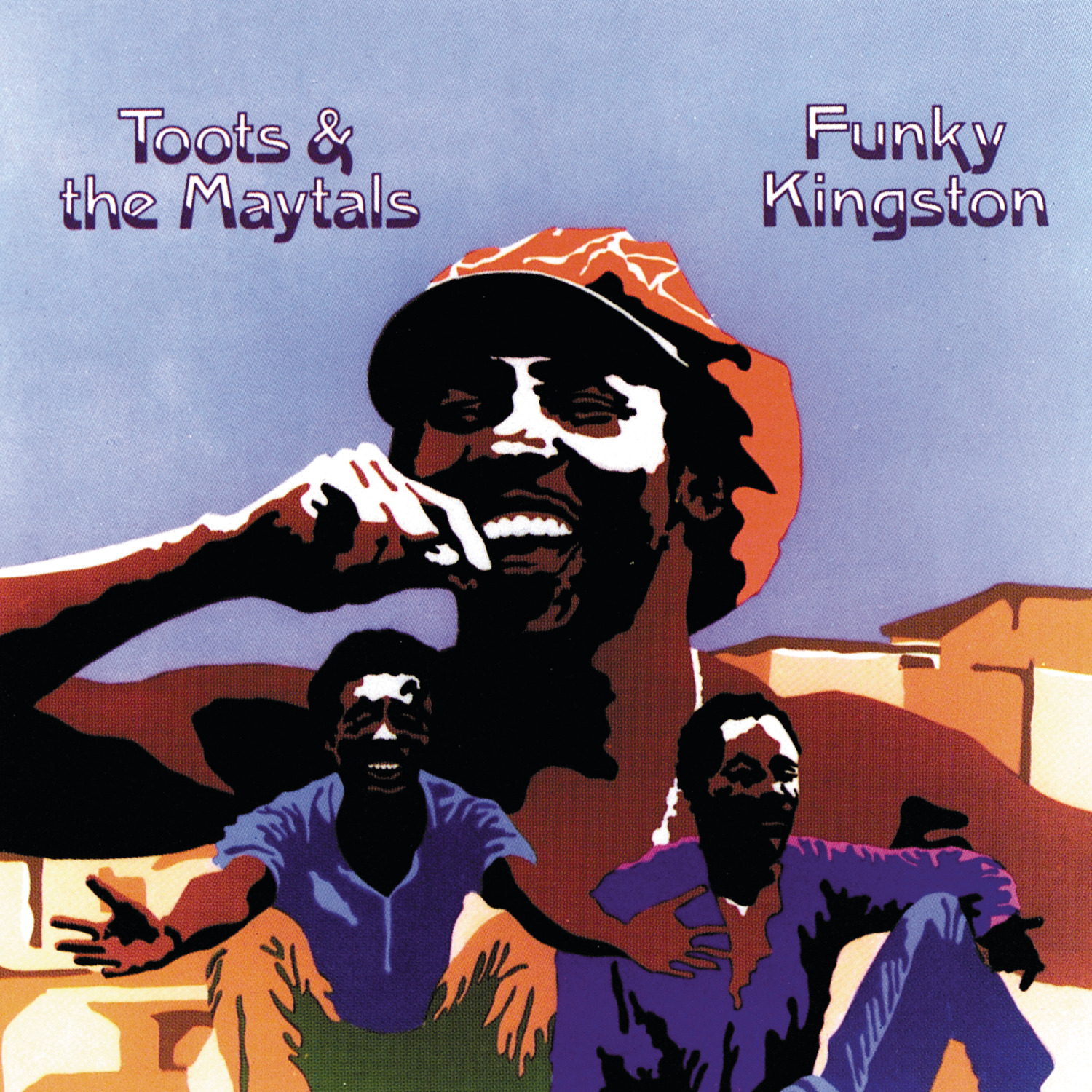
2. Toots and the Maytals – Funky Kingston (1973)
"Almost heaven, West Jamaica / True ridge mountains, shining down the river…"
Recorded primarily at Dynamic Sounds in Kingston and produced by Warwick Lyn, Dave Bloxham, and Island founder Chris Blackwell, Funky Kingston stands as a definitive full-length artistic statement by Toots Hibbert, Raleigh Gordon, and Jerry Matthias. Long before this release, The Maytals were venerated veterans of Clement “Coxsone” Dodd’s Studio One—Jamaica’s first Black-owned recording studio, established in Kingston in 1963. They had already driven the evolution from ska to rocksteady before helping coin the very term "reggae" with their seminal track "Do the Reggay."
Driven by Hibbert’s church-honed, gospel-infused vocal delivery, the group effortlessly merged disciplined Jamaican rhythm sections with elements of American soul, funk, rock, and country, proving that roots music could transcend cultural boundaries.
3. Marcia Griffiths – Sweet and Nice (1974)
Originally issued in Jamaica under the title Play Me Sweet and Nice, Marcia Griffiths’ 1974 solo debut bridges the stylistic gap between rocksteady, soul-reggae, and the nascent language of lovers rock.
The album’s profound importance to sound system culture lies in its emotional atmosphere: lush, romantic vocal arrangements designed to cool down dancehall crowds following aggressive roots and dub sets. Griffiths forged her career at Studio One before teaming up with Bob Andy to form the duo Bob and Marcia. Their international cover of Nina Simone’s "Young, Gifted and Black," distributed via Trojan Records, demonstrated how Jamaican arrangements could successfully reshape American soul music on a global scale. In the same year her debut dropped, Griffiths joined Rita Marley and Judy Mowatt to form the I-Threes, solidifying her legacy as an enduring pillar of a male-dominated industry.
4. King Tubby – Dub From The Roots (1975)
Osbourne Ruddock, universally known as King Tubby, fundamentally transformed the studio mixing desk from a mere recording utility into a primary instrument. By stripping reggae compositions down to their skeletal drum-and-bass foundations and reconstructing them using tape delay, heavy reverb, and sudden dropouts, Tubby pioneered a radical new sonic lexicon.
Dub from the Roots captures this avant-garde studio methodology, presenting a live, fluid mix that invites total abstraction. Tubby’s innovations provided selectors with exclusive, instrumental "version" sides of popular 45s, granting deejays the expansive sonic canvas needed for live toasting. His techniques not only reshaped Jamaican sound system performance but also laid the foundational framework for remix culture across hip-hop, post-punk, and modern electronic dance music.
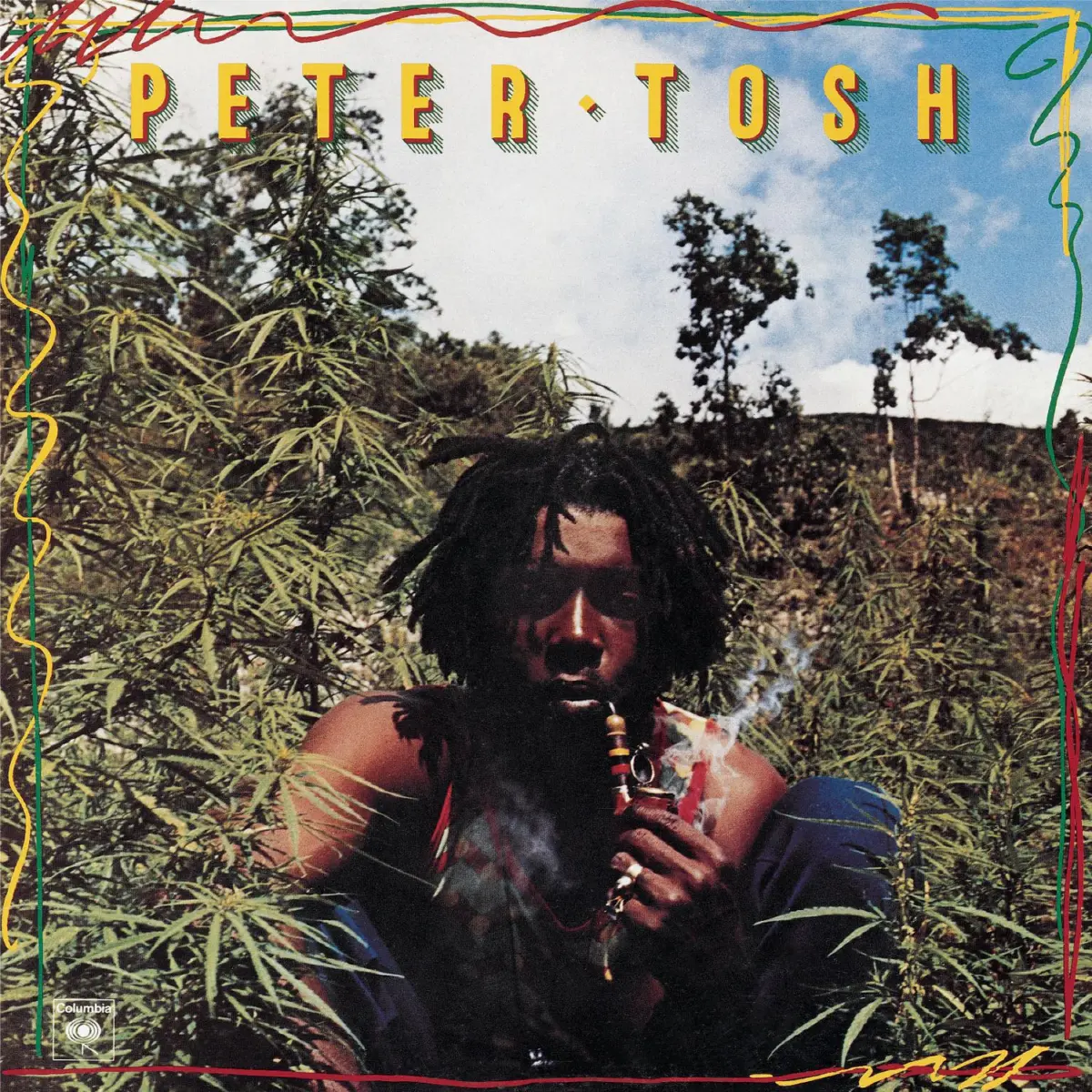
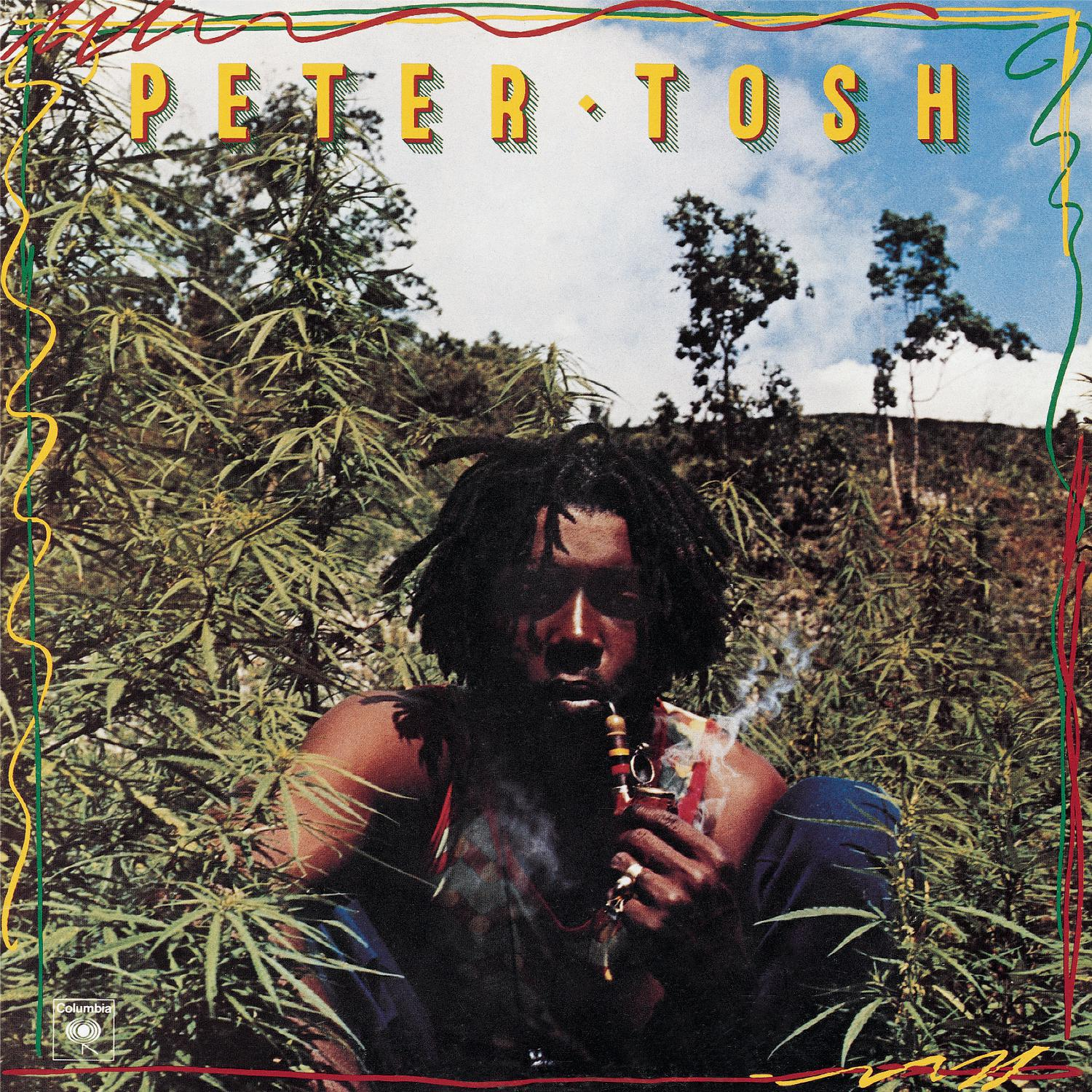
5. Peter Tosh – Legalize It (1976)
Peter Tosh honed his immaculate vocal harmonies alongside Bob Marley and Bunny Wailer in the original lineup of The Wailers, cutting tracks at Studio One before collaborating with Lee "Scratch" Perry and Chris Blackwell. When the original triumvirate dissolved, Tosh embarked on a fierce solo career.
His debut solo outing became an ultimate sound-system staple, driven by uncompromising lyrical attacks against corrupt drug laws, political hypocrisy, and systemic injustice. Earning the moniker the "Stepping Razor" for his razor-sharp sociopolitical commentary, Tosh fought tirelessly against human rights abuses and police brutality. Although the album was initially banned in Jamaica due to its explicit advocacy for the legalization of cannabis, this institutional censorship only served to amplify its subversive message, transforming it into a universal anthem for personal autonomy.
6. Lee "Scratch" Perry and the Upsetters – Super Ape (1976)
Lee "Scratch" Perry possessed an unmatched intuition for making a recording studio behave like an extension of a sound system. Conjured at his legendary Black Ark studios, Super Ape is a masterclass in spatial dynamics, blending heavy bass frequencies, live percussion, fragmented vocals, and unorthodox sound effects. For instance, the track "Croaking Lizard" playfully reworks his production for Max Romeo on the seminal "Chase the Devil"—a bassline famously sampled years later by The Prodigy on their breakthrough 1992 hit "Out Of Space."
Perry treated the mixing console as a performance instrument in its own right, actively dropping instrumentation in and out just as a live selector would manipulate versions and microphone effects during a dancehall session. His utilization of tape saturation, analog delay, and recycled rhythms directly anticipated hip-hop production, trip-hop, jungle, and dubstep.
7. Bob Marley and the Wailers – Exodus (1977)
Crafted in the wake of the politically motivated 1976 assassination attempt on Bob Marley’s life, Exodus is an exploration of displacement and spiritual resilience. The record propelled roots reggae directly into major international rock arenas and mainstream radio rotation.
The title track remains a cornerstone of global dance culture, anchored by a hypnotic bassline that commands physical movement. Tracks like "Jamming" celebrate the communal power of collective music-making, while "Waiting in Vain," "Three Little Birds," and "One Love/People Get Ready" illustrate the band’s astonishing versatility. Bolstered by the transcendent gospel harmonies of the I-Threes, Exodus stands as Marley’s global masterpiece, cementing his status as the undisputed international ambassador of reggae.
8. Dr Alimantado – Best Dressed Chicken in Town (1978)
Born Winston Thompson, Dr Alimantado operated primarily as a deejay rather than a traditional melodic singer, constructing dynamic performances through boasting, sharp social commentary, and rhythmic speech.
Best Dressed Chicken in Town compiles essential 7-inch singles recorded between 1972 and 1978 across Jamaica’s most storied studios, including Black Ark, Channel One, Randy’s, and King Tubby’s. The record features vocal contributions from luminaries such as Horace Andy, John Holt, and Gregory Isaacs. Notably, it became the inaugural long-player issued by Greensleeves Records—the West London record shop-turned-label that went on to champion artists like Yellowman, Eek-A-Mouse, Barrington Levy, and Scientist. Admired by punk icons like Johnny Rotten, Alimantado successfully bridged the gap between Jamaican dancehall culture and the London punk underground.
9. The Slits – Cut (1979)
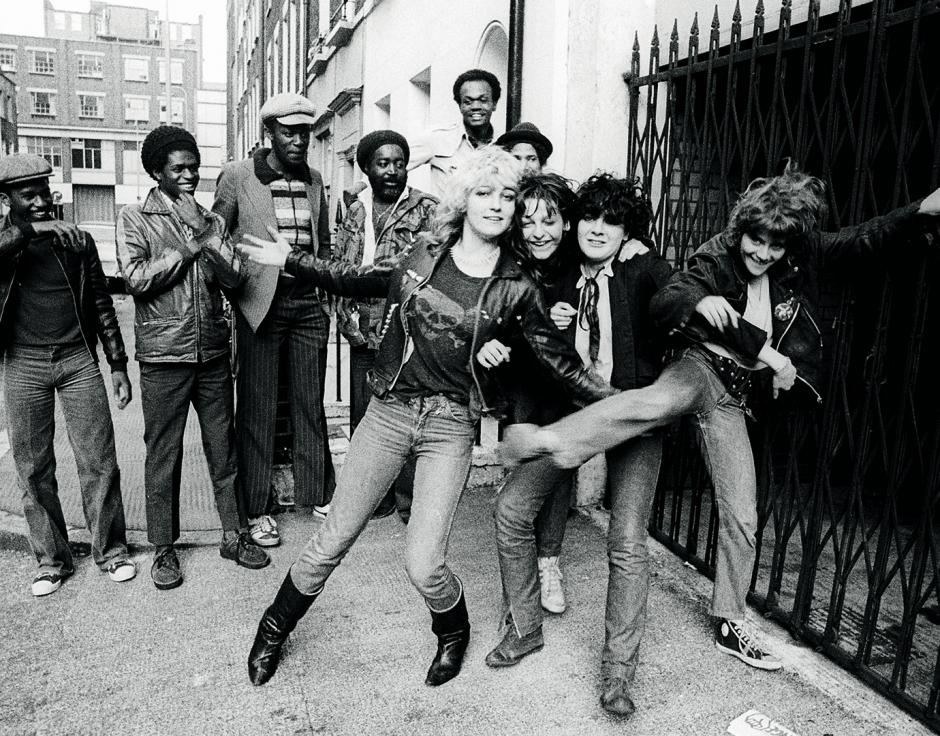
While Cut is not strictly a traditional Jamaican reggae album, it remains one of the most brilliant examples of sound-system culture fundamentally transforming British post-punk. Comprising Ari Up, Viv Albertine, and Tessa Pollitt—bolstered in the studio by drummer Budgie—The Slits emerged directly from the London punk ecosystem surrounding The Clash and the Sex Pistols.
The album’s distinct sonic identity is largely attributable to Dennis Bovell, the renowned producer, dub engineer, and member of Matumbi. Bovell applied authentic Jamaican studio techniques to the band’s raw instrumentation, pushing the bass into a melodic, dominant position while wrapping drums and percussion in cavernous tape echoes. As Viv Albertine noted in The Guardian (2013), Bovell possessed the rare empathy required to guide four unconventional young women without compromising their fierce artistic vision.
10. Sister Nancy – One Two (1982)
"I’m a lady, I’m not a man / MC is my ambition…"
Recorded at Channel One Studios in Kingston—the facility that directly inspired the renowned UK sound system Channel One, founded in London in 1979 by Mikey Dread and Jah T—One Two captures the pivotal transition from roots reggae to early dancehall. Ophlin Russell, performing as Sister Nancy, developed her deejaying chops alongside her brother, Brigadier Jerry, within the formidable sound system circles of Jah Love Muzik.
Entering a notoriously male-dominated arena, Sister Nancy proved that a female MC could command a riddim just as effectively as any male counterpart. The album’s defining track, "Bam Bam," birthed an immortal riddim that has since underpinned hundreds of subsequent recordings, embedding itself permanently into hip-hop, electronic music, and global club culture as one of the most sampled reggae compositions in history.
Supporting Context & Metrics
The influence of sound system culture extends far beyond nostalgic retrospection; it forms the infrastructural backbone of contemporary British music production.
The Notting Hill Catalyst: Established in 1976 on Kensington Park Road, the original Rough Trade shop sat directly within the multicultural counterculture of Notting Hill and Ladbroke Grove. Here, Caribbean immigrant communities, Jamaican sound systems, and anti-establishment punks shared physical space, staging ground-breaking political and artistic alliances.
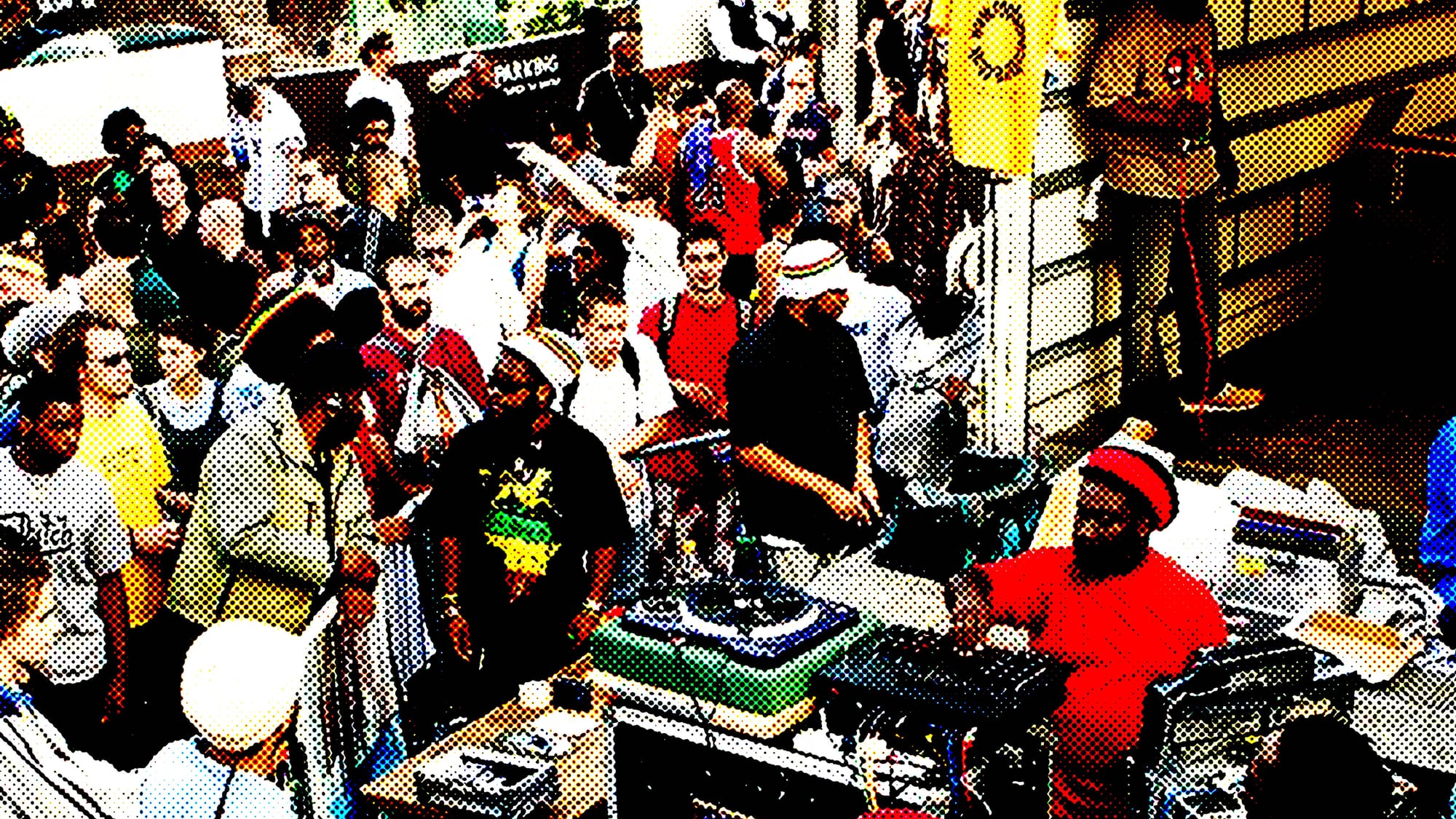
Carnival Longevity: The annual Notting Hill Carnival—celebrating its 60th anniversary in 2026—grew out of both cultural jubilation and direct political resistance against racial tensions, which tragically boiled over following the racially motivated murder of Antiguan carpenter Kelso Cochrane in Notting Hill in 1959. Today, multi-generational sound systems like Aba Shanti-I’s East Row residency continue to provide the physical, bass-heavy heartbeat of the event.
The Cross-Pollination Metric: Between 1976 and 1982, independent British labels such as Rough Trade, Greensleeves, and Island released dozens of cross-genre records that permanently altered the UK charts, proving that underground Jamaican production techniques could successfully commercialize countercultural dissent.
Official Statements & Cultural Reflections
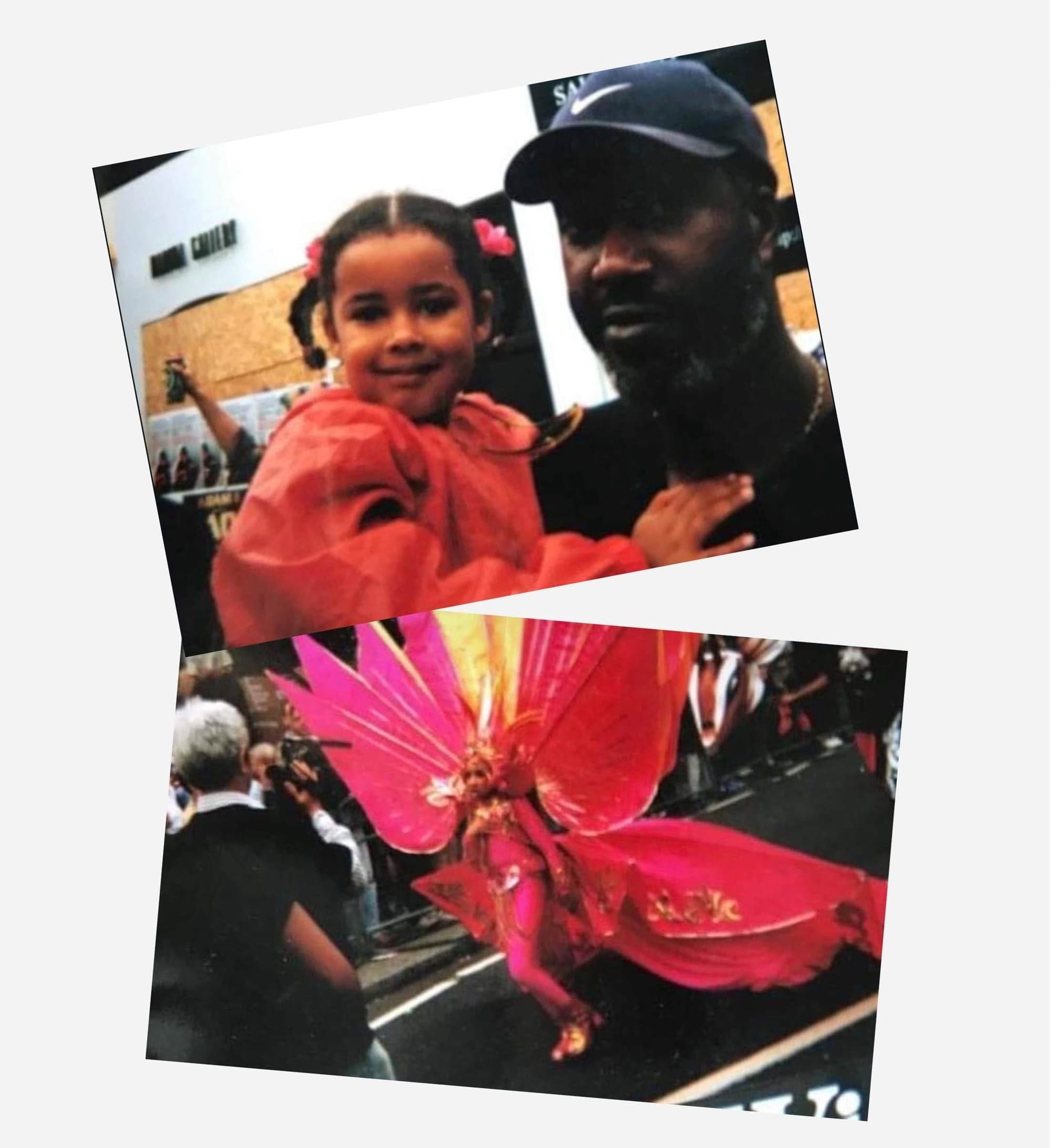
Reflecting on her lifelong immersion in sound system culture, Rough Trade Marketing and Content Manager Georgia Mulraine recalls her earliest encounters with the movement:
"I have hazy memories of going to my first carnival aged 5, tooting on whistles with coloured straps and being carried around to avoid being trampled on by the crowds. I was amazed by the parades, the bright, colour-themed crews with people in satin, feathers and headdresses… Over two decades on, I am still heading to Carnival, usually settling in at East Row to see British reggae and dub icon Aba Shanti-I operate his legendary sound system, which has been a resident of Notting Hill since 1993. The volume is not for the fainthearted, but I truly believe there’s not much better feeling than physical bass so heavy it moves through your entire body rather than just your ears."
Similarly, reflecting on the collaborative studio environment behind The Slits’ Cut, guitarist Viv Albertine observed:
"Dennis [Bovell] corralled us into shape and tidied up all the ends, but without trampling on creativity. It was so rare for a man in the 1970s to put himself inside the heads and hearts of four crazy young women."
Future Outlook
As sound system culture approaches its ninth decade of continuous global evolution, its foundational tenets—communal listening, sonic innovation, and physical bass immersion—remain as vital as ever. The massive, custom-built speaker stacks that once lined the streets of 1940s Kingston have successfully populated international festivals, underground squats, and modern concert halls, educating successive generations of audio engineers and producers.
In an era dominated by compressed digital streams and headphone isolation, the enduring legacy of the sound system serves as a powerful reminder that music is meant to be felt collectively. Whether through the timeless dub wizardry of King Tubby, the socio-political defiance of Peter Tosh, or the modern electronic adaptations found in contemporary bass music, the culture pioneered by Caribbean vinyl collectors and self-taught technicians continues to dictate the cutting edge of global counterculture. The bassline rattles on, louder and truer than ever.