Executive Overview
By the mid-2000s, the global music ecosystem was hurtling through an unprecedented era of acceleration. The monolithic structures of traditional record labels, physical distribution networks, and terrestrial radio began to fracture, replaced by a hyper-connected, borderless digital landscape. What had once begun as a disruptive, underground tech force evolved rapidly into the beating heart of music culture.
This digital pivot did not merely change how listeners consumed records; it fundamentally rewired the mechanics of artist discovery, community building, and creative output. Geographic isolation became an obsolete barrier: an artist recording in a bedroom could find a passionate, global audience on the opposite side of the planet before ever playing a local venue. As music blogs, early social networks, and peer-to-peer sharing networks laid the groundwork for modern streaming architectures, the industry experienced a tectonic shift.
Concurrently, independent music entered a gilded age of relentless experimentation. Guitar-driven indie rock blurred seamlessly with electronic club culture, alternative pop expanded its stylistic boundaries, and hip-hop leveraged the internet’s speed to democratize production and distribution. To celebrate this transformative epoch, Rough Trade has curated its landmark 50 Records for 50 Years series, spotlighting the defining albums of Drop Four (2006–2015)—a ten-year stretch that permanently altered our relationship with recorded sound.
Detailed Chronology: The Decade That Reshaped Sound
The transition from physical-first dominance to digital ubiquity played out across a fiercely creative decade. Below is the definitive chronology of the era’s pivotal releases, as chronicled by Rough Trade’s international team of experts.
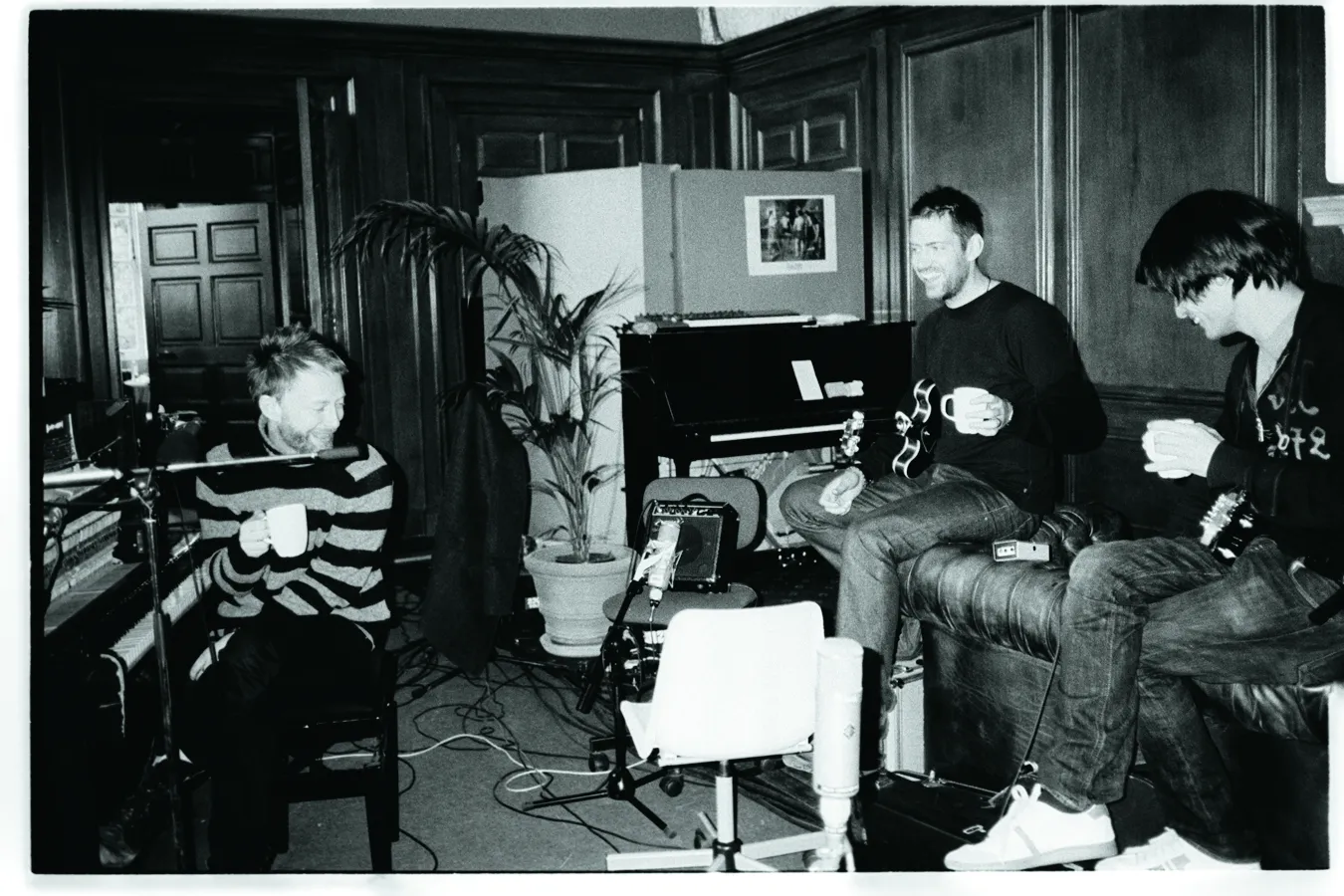
2006: Burial – Burial
Released on May 15, 2006, via Kode9’s Hyperdub imprint, Burial stands as a monumental pillar of the mid-2000s UK dubstep and electronic underground. Crafted in relative anonymity, the self-titled record redefined the emotional potential of dark, atmospheric textures within electronic music. As cultural theorist Mark Fisher famously observed, "This album is London after the rave and still sounds just as modern as it did two decades ago." It transformed the physical imprint of city nightlife into a haunting, ghostly masterwork.
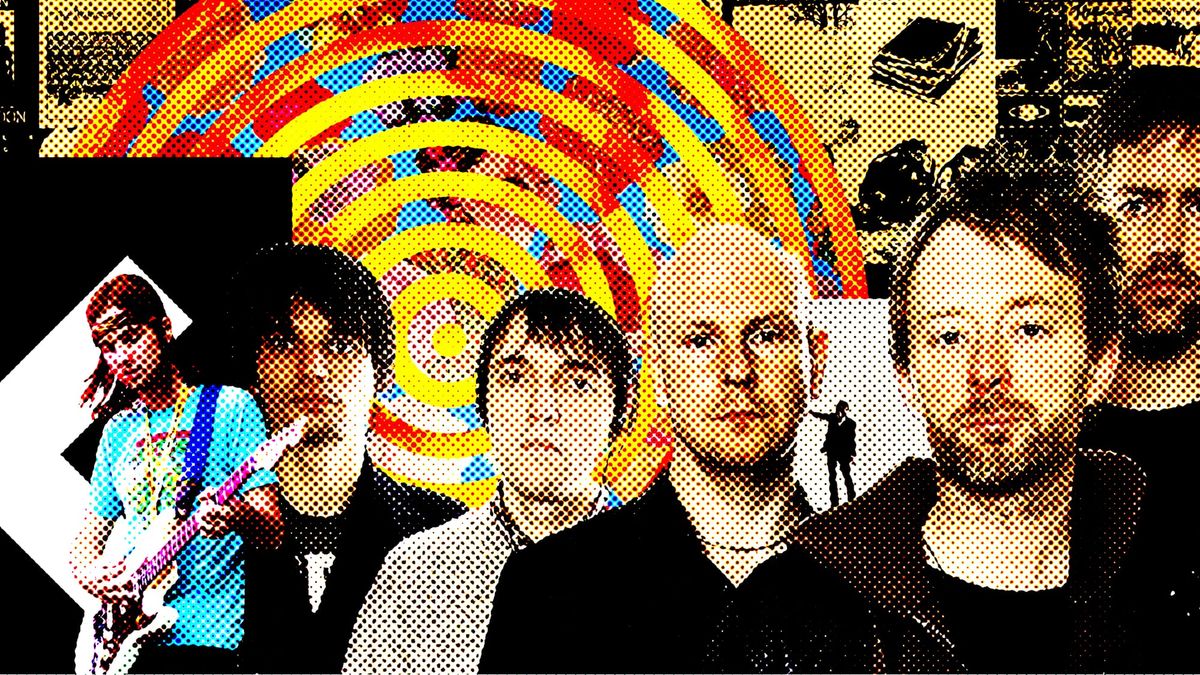
2007: Radiohead – In Rainbows
Arriving at a time when CD sales were hemorrhaging due to rampant internet piracy, alt-rock titans Radiohead threw down a gauntlet to the traditional music industry. Their seventh studio album debuted via a revolutionary "pay-what-you-want" digital model. While the move sparked intense industry debate—praised by some for forging direct artist-fan connections, criticized by others for threatening the livelihoods of emerging acts—the music itself transcended commercial politics. In Rainbows is an undisputed holy grail of modern alternative music, balancing epic scope with devastating, minimalist beauty, epitomized by the oceanic, shifting currents of "Weird Fishes/Arpeggi."
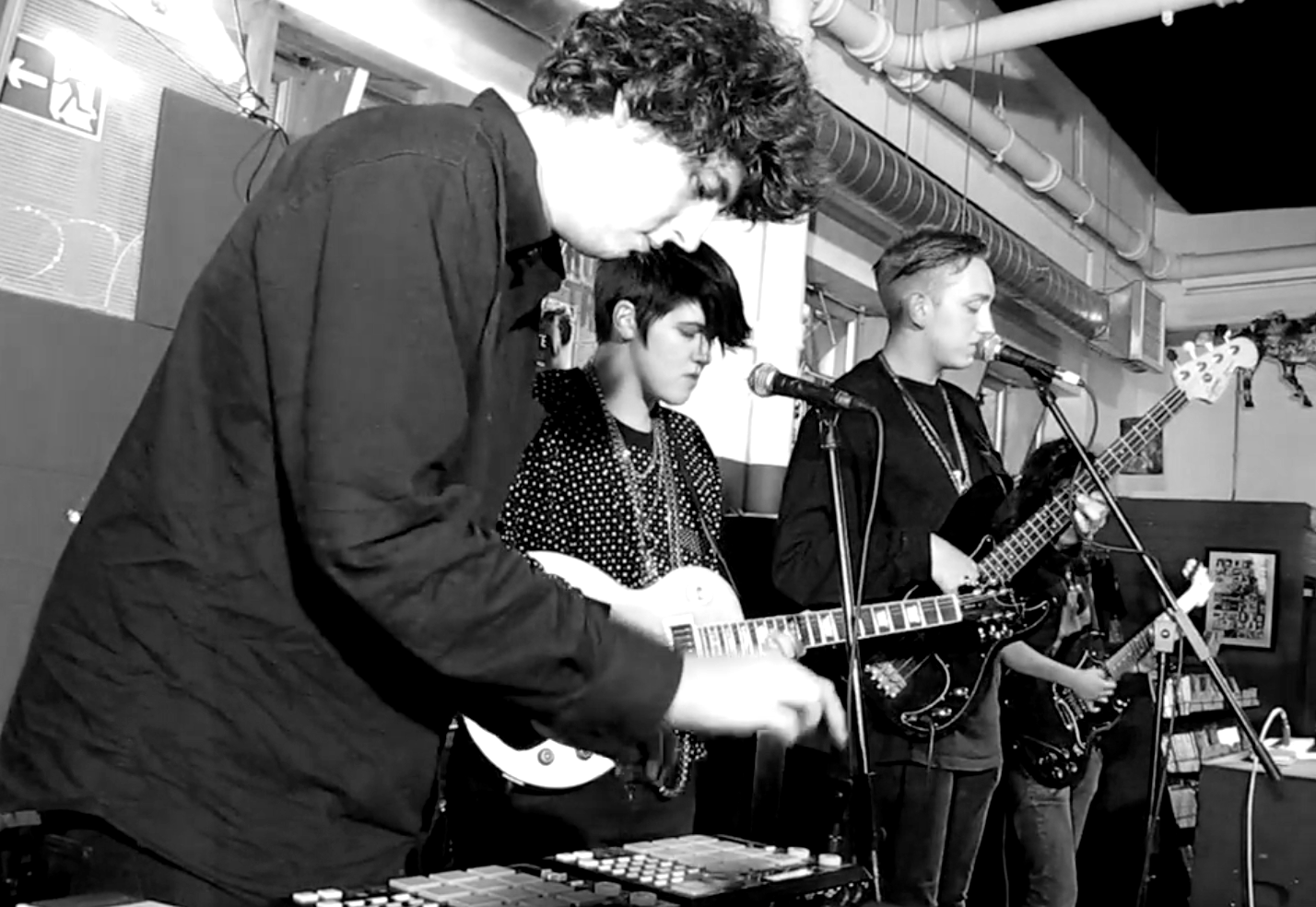
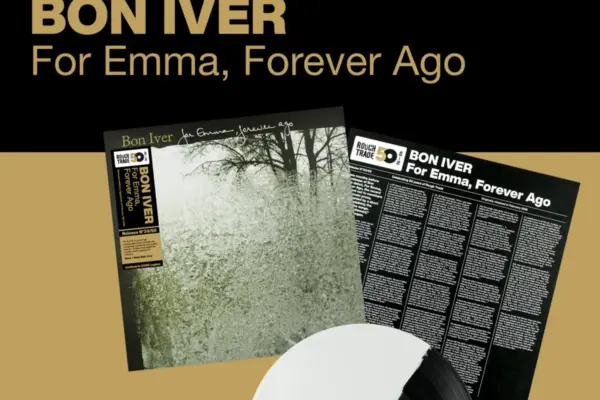
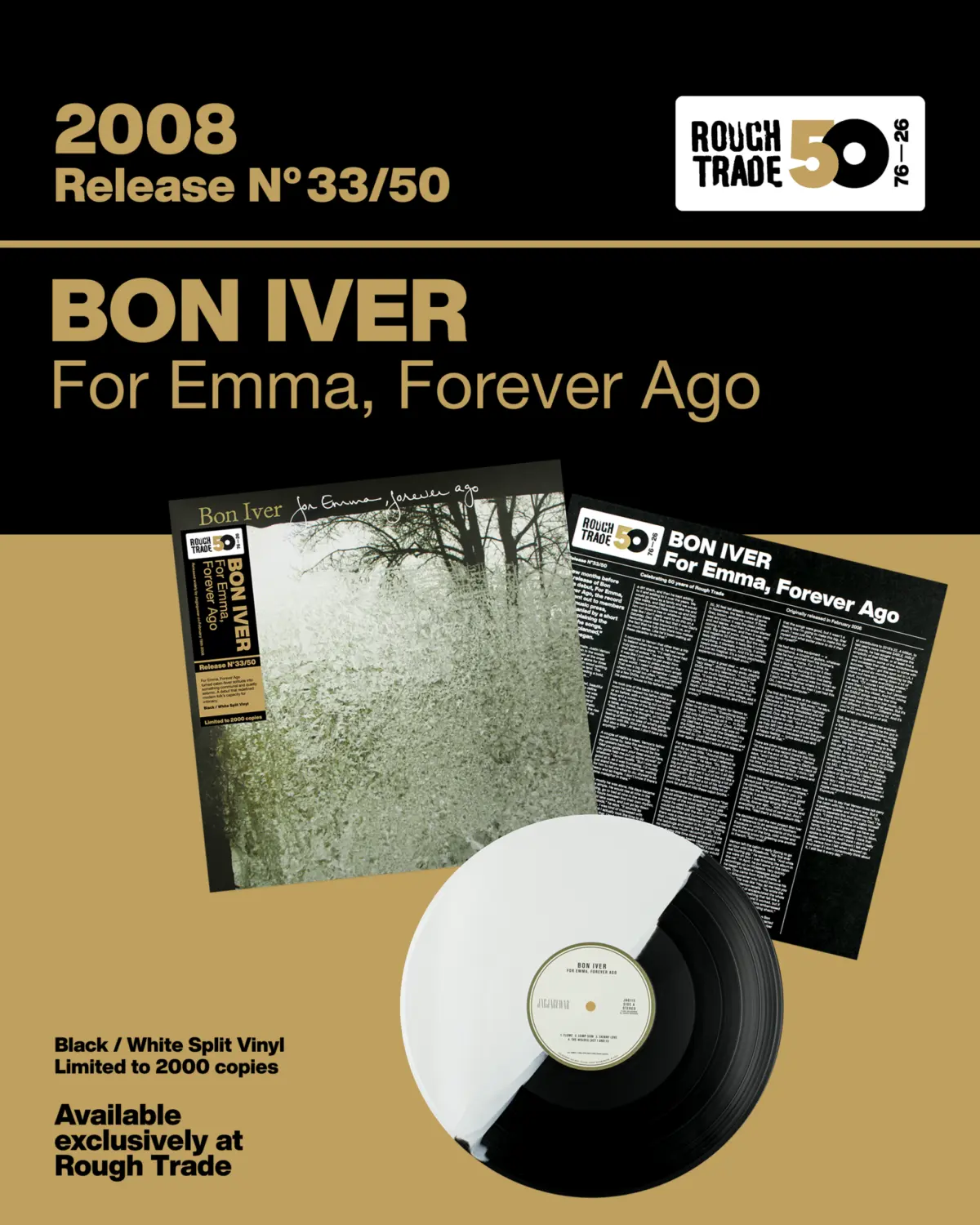
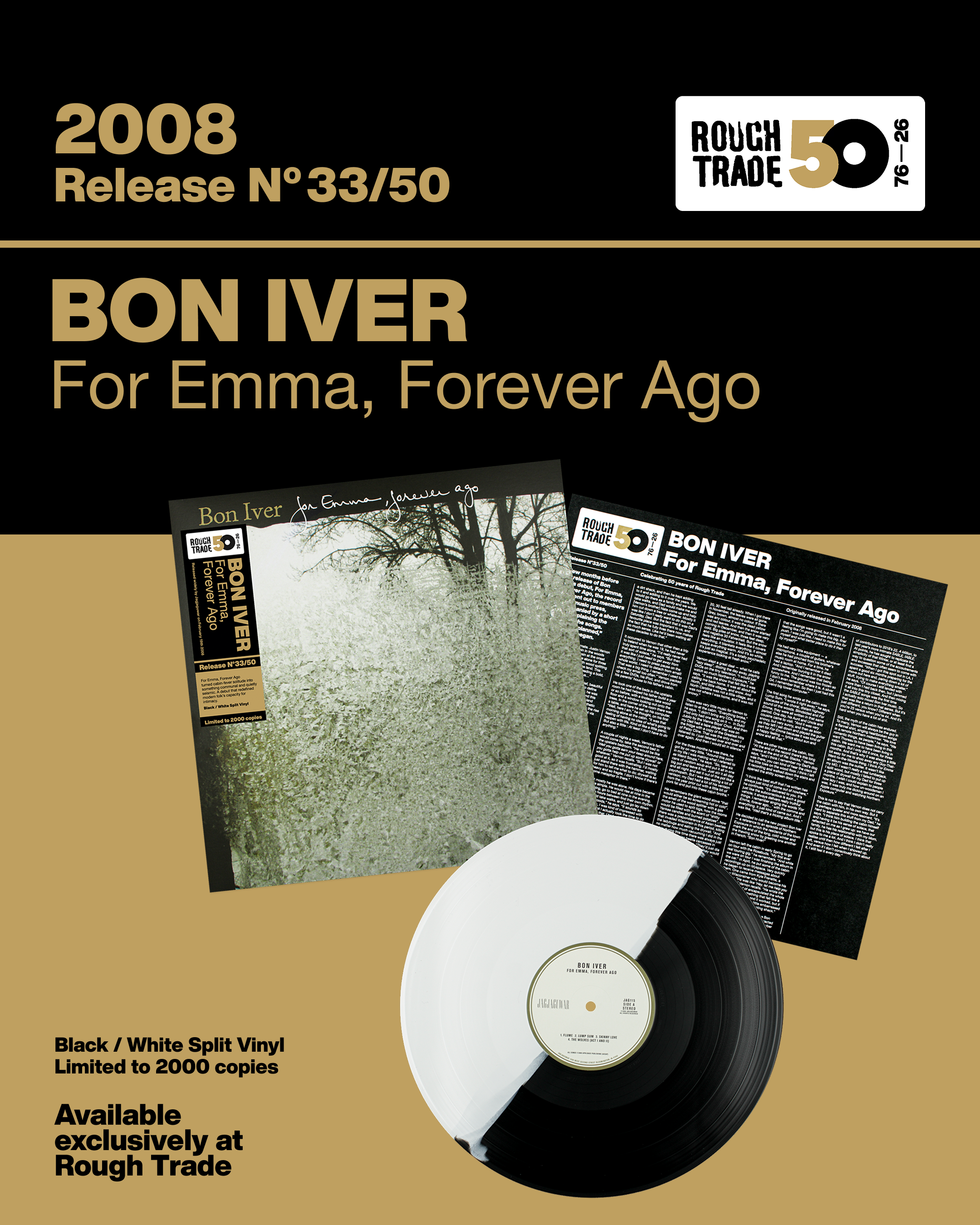
2008: Bon Iver – For Emma, Forever Ago
Winter melancholy pressed directly into vinyl. Following a harrowing period marked by illness, relationship heartbreak, and profound isolation, Justin Vernon retreated to his father’s remote hunting cabin in Wisconsin. Recorded over three grueling winter months, For Emma, Forever Ago was initially self-released in 2007 before receiving a wider, acclaimed reissue via Jagjaguwar in 2008. It proved that profound emotional vulnerability, captured through multi-tracked falsettos and acoustic minimalism, could resonate across global stadiums.
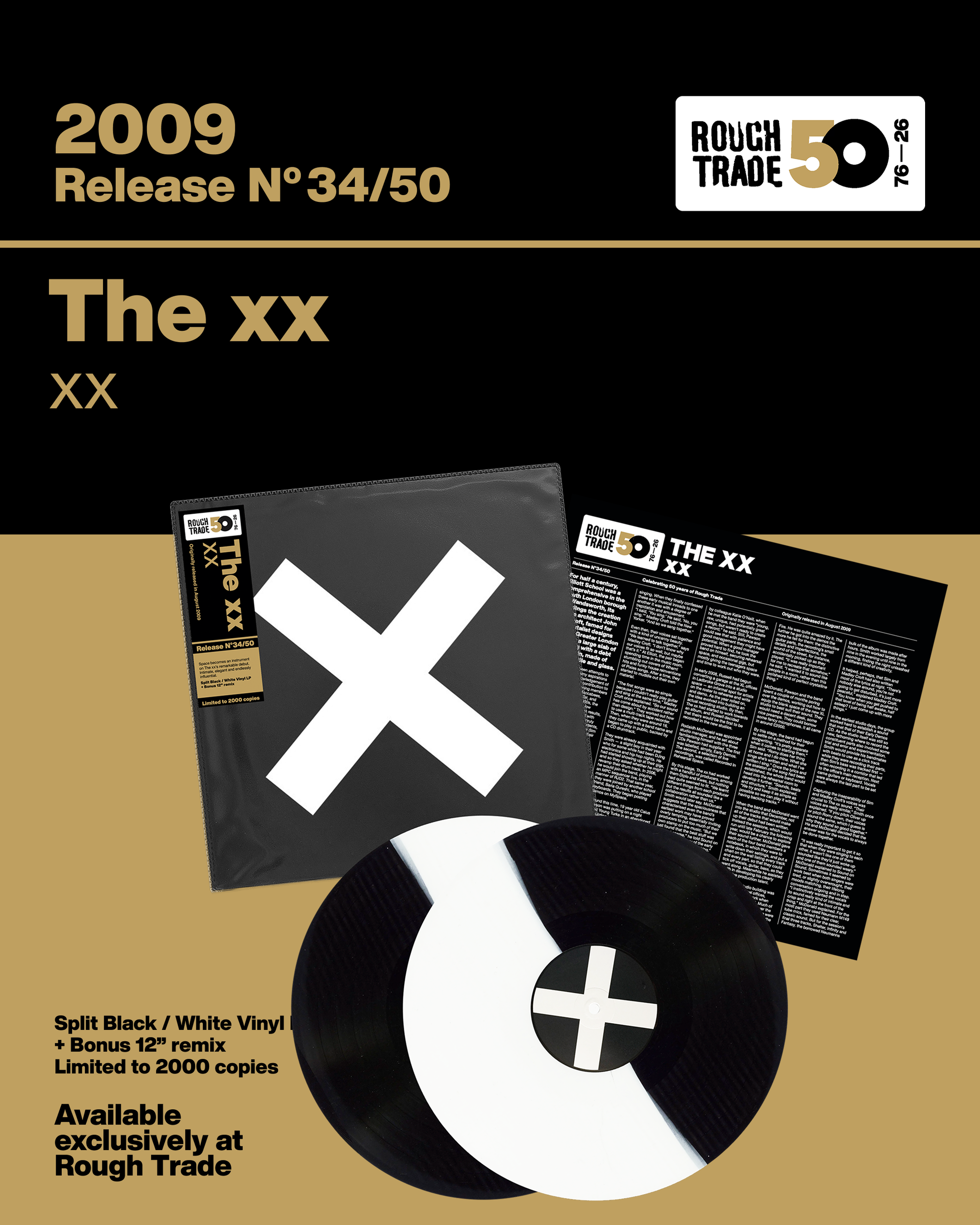
2009: The xx – xx
At a cultural moment when mainstream music seemed locked in an escalating volume war, London’s The xx did the exact opposite. Their mercury-dosed, minimalist debut, xx, left expansive empty spaces for songs to breathe, amplifying their psychological weight. Tracks like "Crystalised," "VCR," and "Islands" became instant touchstones, while the instrumental "Intro" evolved into one of the most widely recognizable pieces of modern audio. xx stands as a masterclass in tension and release, and held the title of Rough Trade’s highest-selling catalog title for years.
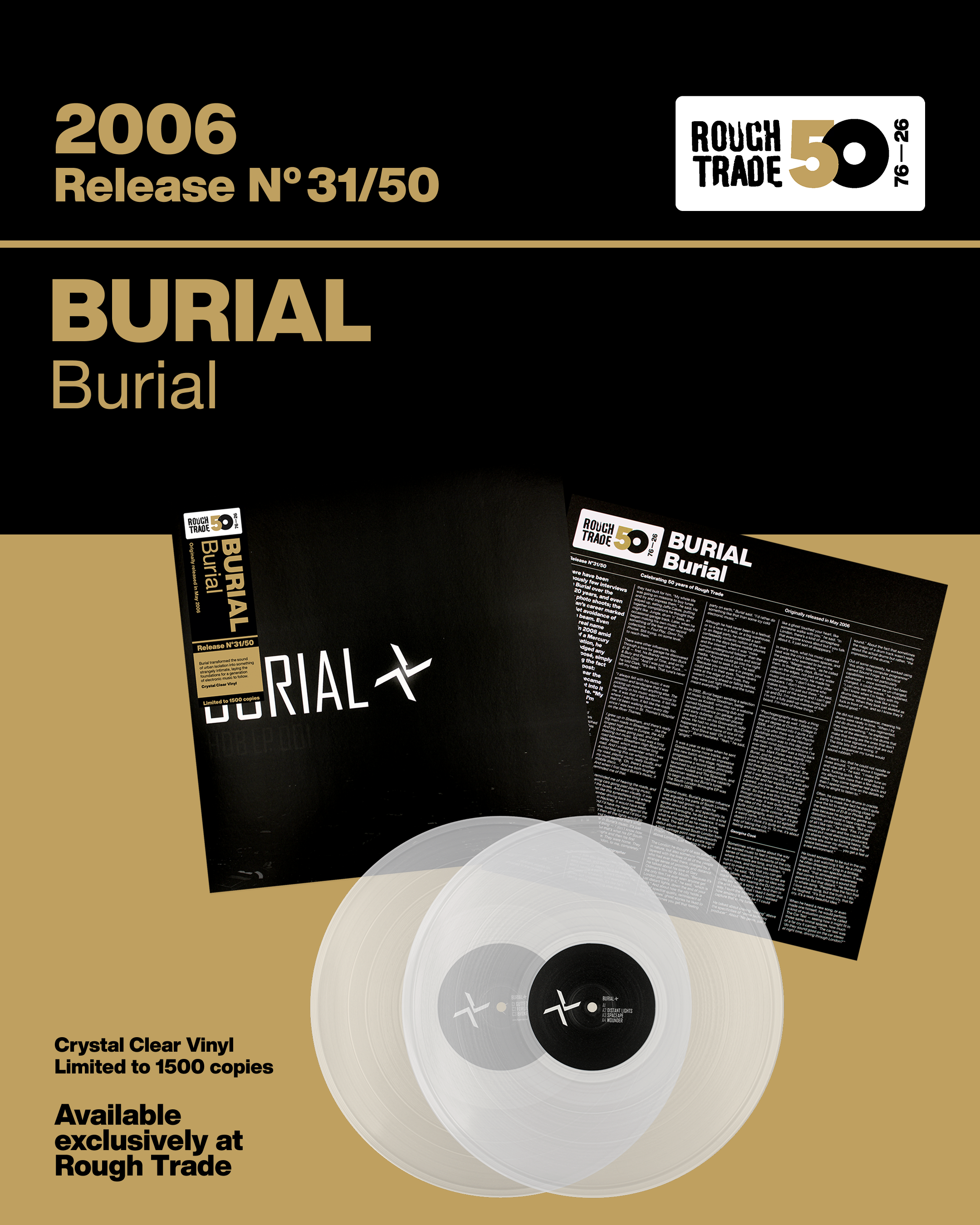
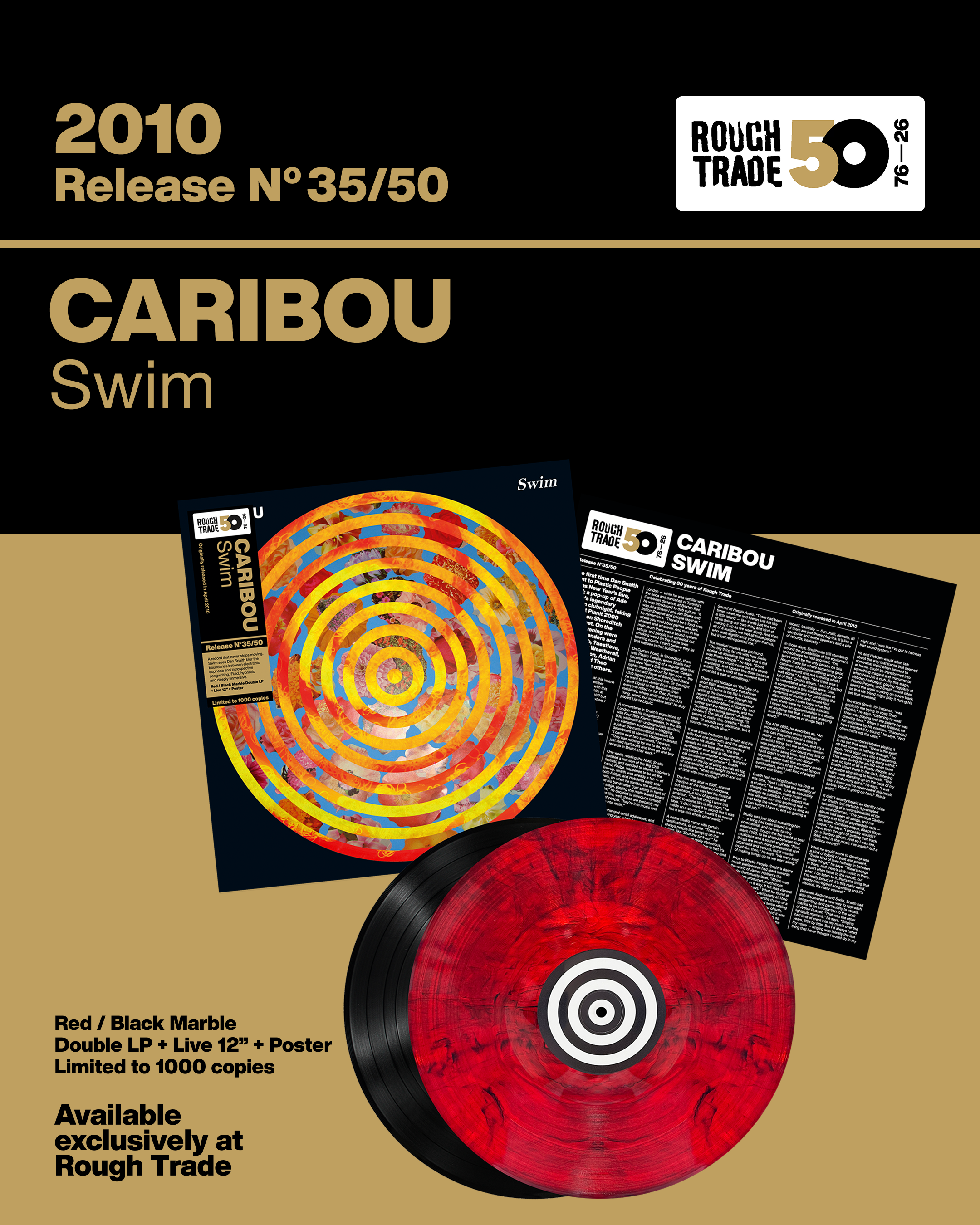
2010: Caribou – Swim
While the 2000s electronic and indie scenes had largely been tethered to the dark, sweaty basements of club culture, Dan Snaith (recording as Caribou) flung open the windows and dragged electronic music out into the sunlight. Swim delivered hypnotic rhythms, multi-dimensional mixing, and richly textured organic-electronic hybrids that induced a state of unshackled euphoria. The record deservedly claimed the number-one spot in Rough Trade’s Albums of the Year list in 2010.
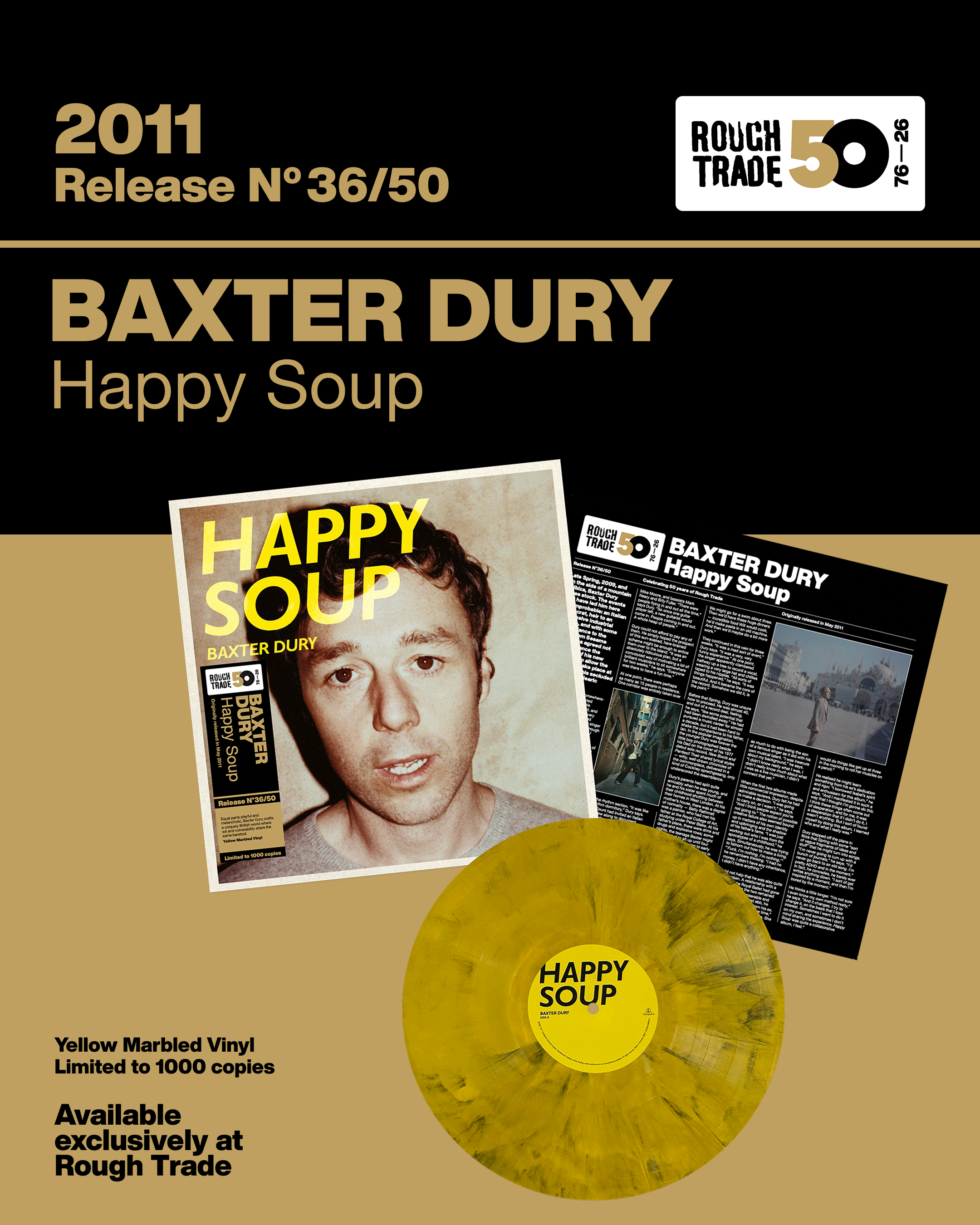
2011: Baxter Dury – Happy Soup
A masterclass in dry wit and infectious electro-pop, Baxter Dury’s Happy Soup delivered precisely what its title promised: a restorative, psychedelic-tinged sonic tonic. Driven by deadpan lyricism, propulsive synth loops, and a distinctly British seaside melancholy, Dury carved out a singular lane in contemporary independent songwriting.
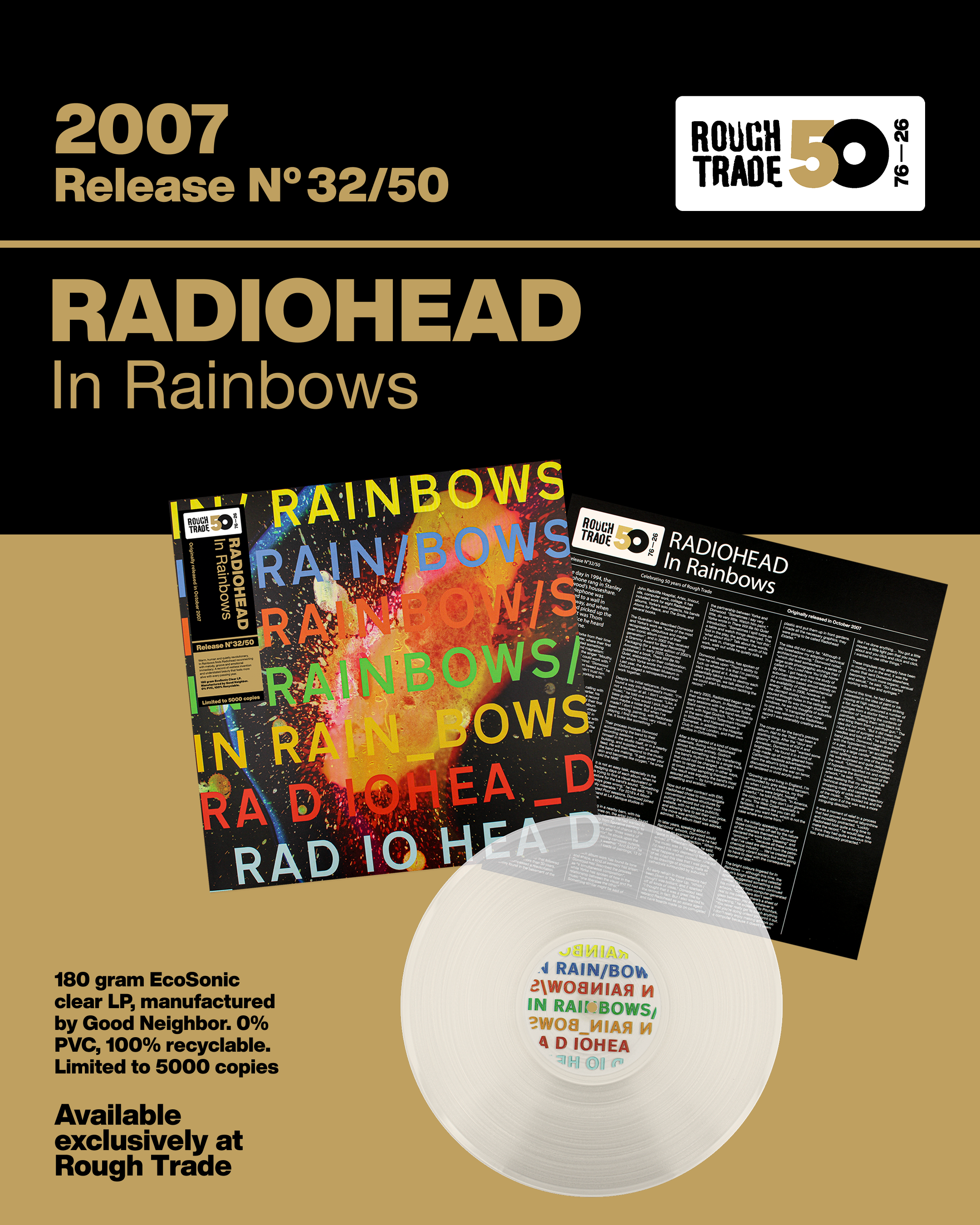
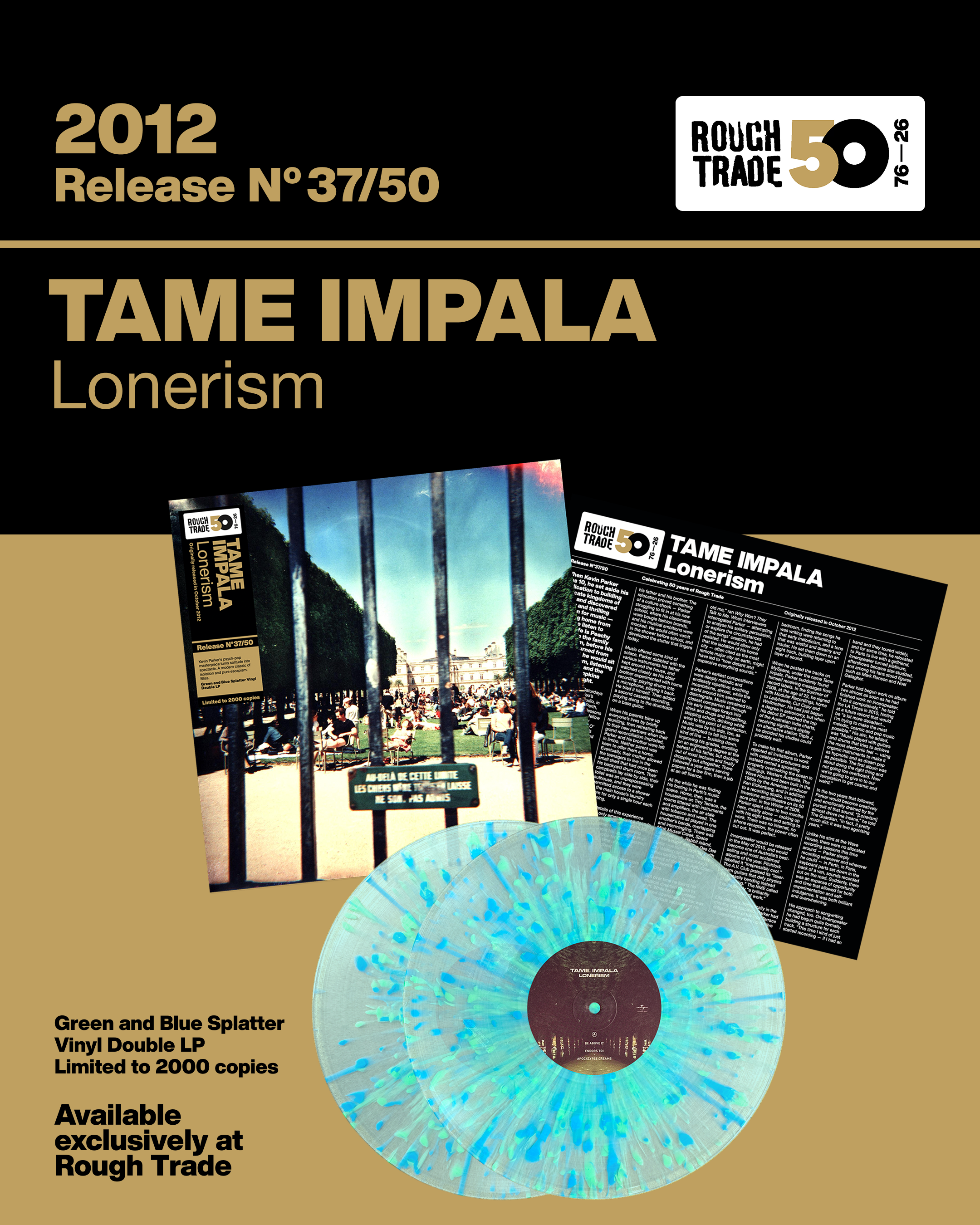
2012: Tame Impala – Lonerism
Spearheaded by Kevin Parker, Australian psych-rock outfit Tame Impala captured the exact moment an artist’s internal world became universal. Building on early fan favorites like "Half Full Glass of Wine," Lonerism bridged the gap between raw garage psychedelia and pristine pop immediacy. From the punchy, stomping bravado of "Elephant" to the dizzying, dream-laden hooks of "Feels Like We Only Go Backwards," the record acted as the definitive precursor to the band’s global domination.
2013: Nick Cave & The Bad Seeds – Push The Sky Away
Sited squarely between the raw garage-rock abrasiveness of Dig, Lazarus, Dig!!! and the lush, spoken-word-dominated compositions of their later career, Push The Sky Away represents a creative peak for the post-punk veterans. The album possesses a rare maturity: it is deeply beautiful without drifting into sentimentality, maintaining nerve without melodrama. Cave’s lyricism traded biblical grimness for a sweeping, airy metaphysical spirituality.
2014: Mac DeMarco – Salad Days
The definitive Canadian slacker-pop anthem. Written in the immediate aftermath of a punishing global tour schedule, Mac DeMarco’s Salad Days achieved the rare feat of being musically intricate while maintaining an easygoing, janky charm. Steeped in a warm, melancholic haze of tape saturation and chorus pedals, the record remains the ultimate soundtrack to youth, nostalgia, and late-night reflection.
2015: Father John Misty – I Love You, Honeybear
Josh Tillman’s second outing as Father John Misty captured the dizzying vertigo of falling hopelessly in love while maintaining a running commentary on modern existential dread. Seamlessly wedding biting social sarcasm, sweeping grand romance, and lush, cinematic orchestration, I Love You, Honeybear is a modern masterwork. From the dark political satire of "Bored in the USA" to the urgent plea of "True Affection" to put down our screens and reconnect as humans, it remains a defining triumph of mid-2010s alternative culture.
Supporting Context & Metrics: The Mechanics of Digital Discovery
The decade between 2006 and 2015 was defined by radical structural shifts in how music was consumed, categorized, and monetized.
The Blogosphere and Tastemaker Ecosystem
Before algorithms dictated listening habits via personalized daily playlists, the internet ran on human curation. Tastemaker websites and influential music blogs—most notably Pitchfork, Stereogum, and Hype Machine—formed a powerful new ecosystem of discovery. A glowing review or a curated collection of downloadable MP3s could catapult an entirely unknown band from obscurity onto major international festival stages within 48 hours.
Social Media as a Promotional Engine
Concurrently, the digital landscape transformed artists into their own publicists.
- MySpace gave musicians a direct, customizable storefront to stream tracks and build localized fan communities.
- Facebook and Twitter overhauled the mechanics of artist-fan engagement, turning one-way celebrity broadcasts into interactive conversations.
- Instagram, arriving later in the decade, introduced an essential visual dimension to live music performance and band branding.
The Streaming Revolution
The wild-west era of LimeWire, Napster, and the physical dominance of the Apple iPod gradually yielded ground to structured legal streaming models. Spearheaded initially by services like Spotify, the industry underwent a fundamental shift. Independent artists saw historical geographical barriers to distribution continue to crumble, while everyday fans gained access to a virtually limitless global record library stowed safely inside their pockets.
Yet, paradoxically, as digital convenience peaked, the desire for tangible, physical connections with music intensified. Independent retailers like Rough Trade served as vital cultural anchors, champions of physical vinyl culture, and physical hubs for community discovery far away from increasingly portable, blue-lit screens.
Official Statements & Industry Perspectives
Reflecting on this transformative decade, industry veterans and cultural insiders emphasize the tension between technological convenience and human connection.
- On the Death of Geography: "Discovery became instantaneous, scenes were no longer bound by geography, and artists could find audiences on the other side of the world before they’d even played a show outside their hometown." — Rough Trade Editorial Archive
- On Electronic Evolution: "Indie and electronica had been stuck to the dancefloors of seedy clubs throughout the 2000s, but Dan Snaith cracked open the windows, let the light in and dragged us out to wide open fields to dance in the sun." — Paddy, Rough Trade Office (on Caribou’s Swim)
- On Minimalist Power: "At a time when everything seemed to be getting louder, The xx did the opposite. They left space for the songs to breathe, and somehow that made them even more powerful." — Nina, Rough Trade Berlin (on The xx’s xx)
Future Outlook: Preserving the Tangible in a Digital Age
As we look back on the decade spanning 2006 to 2015, its legacy is one of boundless hybridity. The rigid genre boundaries of the 20th century—separating rock from electronic music, hip-hop from indie, and mainstream pop from underground art-rock—were permanently dissolved in the crucible of internet culture.
Looking forward, the lessons of this era remain acutely relevant. While hyper-personalization, streaming algorithms, and digital delivery systems continue to dominate commercial markets, the appetite for physical interaction has only deepened. Destination festivals, independent record stores, and limited-edition vinyl pressings—such as Rough Trade’s 50th Anniversary series—prove that music fans still crave tactile, shared communal experiences. The internet may have built the digital highway of modern music culture, but it is our shared human obsession with tangible records that continues to drive the vehicle forward.