Executive Overview
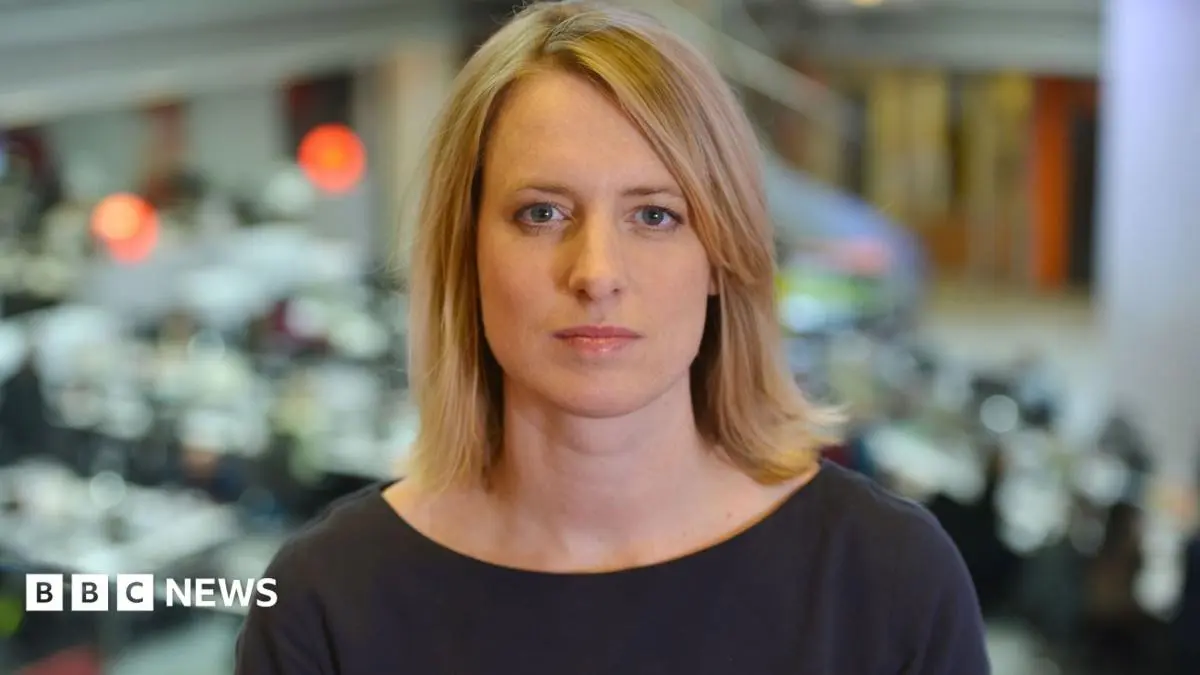
In a development set to shape the future of British public-service broadcasting, the British Broadcasting Corporation has officially appointed Rachel Jupp as the new Director of BBC News. This high-stakes leadership transition arrives nearly a year after the abrupt departure of her predecessor, Deborah Turness, who stepped down in the wake of a severe editorial controversy involving a manipulated broadcast of a speech by United States President Donald Trump.
Jupp, a seasoned broadcast journalist with deep roots inside the corporation—including previous tenures as deputy editor of BBC Two’s Newsnight and editor of the investigative flagship Panorama—takes the helm at a profoundly turbulent juncture for the UK’s national broadcaster. BBC News is currently navigating an unprecedented wave of structural downsizing. The organization is enacting sweeping cuts across its entire news division, having already announced approximately 550 job closures, with further contraction anticipated.
These localized cuts form part of a broader, organization-wide austerity drive. The wider BBC is targeting the elimination of between 1,800 and 2,000 positions—equating to nearly one in ten roles across the workforce—as management scrambles to shave £500 million from its operating budget over a strict two-year window. Facing existential threats from shifting audience habits, fragmented media consumption, and intensifying political scrutiny, Jupp assumes command with a mandate to stabilize the division, champion impartial journalism, and spearhead a digital modernization program.
Detailed Chronology: The Road to the Appointment
The path to Jupp’s appointment has been paved by a series of crises that tested the institutional resilience of the BBC throughout late 2024 and 2025.
The turbulence traces back to November of the previous year, when then-CEO Deborah Turness announced her resignation following the explosive fallout of an internal memo leaked to The Telegraph. The leaked document laid bare editorial failures within an episode of Panorama broadcast a year prior, which had selectively edited a speech delivered by Donald Trump in 2021, shortly before the events at the United States Capitol on January 6.
The fallout from the Panorama controversy was immediate and systemic. The documentary had spliced together two distinct sections of the former US president’s address in a manner that critics—and ultimately independent observers—argued fundamentally distorted his remarks. The resulting scandal triggered widespread allegations of institutional bias, prompting Turness to issue a formal resignation letter in which she defended the integrity of her staff while acknowledging grave mistakes: "While mistakes have been made, I want to be absolutely clear recent allegations that BBC News is institutionally biased are wrong."
The shockwaves were not contained within the news division alone. The scandal claimed the scalp of the corporation’s top executive, with then-Director-General Tim Davie resigning over the affair. Davie’s departure precipitated a broader executive restructuring, leading to the appointment of Matt Brittin as the new Director-General earlier in the year. Brittin’s primary task has been steering the institution out of the legal and reputational quagmire left by the Trump broadcast.
President Trump subsequently launched a massive $10 billion (£7.6 billion) defamation lawsuit against the BBC in response to the deceptive edit. While the corporation issued a formal public apology—conceding that the edit created "the mistaken impression that President Trump had made a direct call for violent action"—it firmly rejected the exorbitant financial demands laid out in the lawsuit. Legal maneuvers have dragged on, with the high-stakes case currently scheduled to proceed to a full jury trial in the United States in 2027.
It was against this volatile backdrop that the search for a new Director of BBC News commenced. The corporation required an editorial leader untainted by the editorial lapses of the Trump broadcast yet intimately familiar with the complex machinery of the BBC. Rachel Jupp, who had departed her role as Panorama editor several years prior to the controversial episode airing, emerged as the ideal candidate to steady the ship.
Supporting Context & Metrics: Navigating Financial Pressures and Structural Cuts
While the governance scandals of the past year captured media headlines, the operational reality facing Rachel Jupp is defined by severe fiscal austerity and structural contraction.
The BBC as a whole is locked in a desperate race to secure long-term financial viability against a backdrop of frozen licence fee settlements, high inflation, and declining linear television viewing figures. To achieve its target of saving £500 million over a two-year period, executive leadership has mandated a reduction of 1,800 to 2,000 jobs across the entire corporation—slashing nearly 10 percent of its total workforce.
The news division, traditionally regarded as the crown jewel of the BBC’s global public service mission, has not been spared. To date, approximately 550 job closures have been officially announced within BBC News, with union leaders and media analysts warning that further cuts are all but guaranteed as the division restructures to meet digital-first demands.
This downsizing occurs at a time when the BBC’s journalistic output is needed more than ever, yet paradoxically faces unprecedented hostility. In his formal address welcoming Jupp, Director-General Matt Brittin highlighted the macro-environmental hazards confronting modern journalism:
"In a world of infinite choice, audiences are fragmenting, trust is scarce and facts are contested. It is our duty to recommit to the BBC’s distinctive journalistic mission while reinventing how we serve audiences, and to rise to these challenges."
Compounding these domestic economic pressures is the ongoing legal liability tied to the Trump lawsuit. With a potential $10 billion legal judgment looming over the corporation ahead of the 2027 US trial, the BBC’s risk management and legal reserves face extraordinary stress tests, making Jupp’s fiscal stewardship just as critical as her editorial oversight.
Official Statements and Industry Reaction
The formal announcement of Jupp’s appointment was accompanied by endorsements from the BBC’s highest echelons, emphasizing her reputation for rigorous journalism, impartiality, and strategic foresight.
Director-General Matt Brittin did not mince words when praising his new news chief, highlighting the unique combination of skills required to lead the division through its current trials. In a statement released to staff and media, Brittin noted:
"Rachel is widely regarded for her news judgement, fairness and high standards. She brings a clarity of vision for the future, and the determined, collaborative approach needed to strengthen BBC News. In Rachel, we have someone who can do both [recommit to the journalistic mission while reinventing how we serve audiences], with a fresh perspective to lead BBC News into a new era."
Jupp herself struck a conciliatory yet resolute tone in her inaugural statement as Director of BBC News, directly addressing the core challenges of trust, independence, and digital transformation:
"I am deeply honoured to be asked to lead BBC News. I want to champion our vital, independent and impartial journalism, deepen the trust people have in the BBC and meet our audiences wherever they are. I’m grateful to Matt for this opportunity, and I’m looking forward to working with our dedicated, brilliant teams across the UK and around the world."
A Distinguished Journalistic Pedigree
Jupp’s professional background provides a clear window into the editorial philosophies she is expected to champion. Her career is characterized by deep immersion in high-impact investigative and hard-news programming:
- Channel 4 News (2005–2013): Jupp built her early reputation during a productive tenure at Channel 4 News, eventually ascending to the role of head of home news, where she oversaw domestic investigative coverage.
- BBC Newsnight (2013–2016): Recruited by the BBC in 2013, she served as the deputy editor of BBC Two’s flagship analytical and investigative current affairs program, Newsnight, navigating complex political stories during a period of intense domestic and international upheaval.
- BBC Panorama (2016–2020): Jupp took the helm as editor of Panorama in 2016, managing the investigative strand for four years. Crucially, media observers have noted that her tenure concluded years before the editorial missteps that led to the controversial Trump documentary and the subsequent resignation of her predecessor.
- BBC Content & Generative AI Strategy (2020–Present): Following her time at Panorama, Jupp served as an editorial executive for BBC Content, before taking on pioneering work leading the BBC’s editorial strategies regarding generative artificial intelligence, operating primarily out of the United States.
Future Outlook: Challenges and Strategic Imperatives
As Rachel Jupp steps into her expansive corner office at Broadcasting House, she confronts a daunting checklist of strategic imperatives that will define the legacy of her tenure.
1. Restoring Trust and Impartiality
The primary operational mandate for Jupp is the absolute rehabilitation of the BBC’s editorial credibility, particularly in the international arena and within the United States. With the $10 billion defamation trial scheduled for 2027, Jupp must ensure that every piece of investigative and political output is bulletproof against partisan attack. Rebuilding the public trust eroded by the Panorama editing scandal requires transparent editorial guidelines, rigorous fact-checking protocols, and visible leadership that champions absolute political neutrality.
2. Managing Deep Structural Attrition
Morale across the BBC newsroom has been severely tested by the rolling waves of job losses. Cutting over 500 roles—with more reductions expected as part of the broader £500 million savings target—risks institutional burnout and a hollowing out of frontline reporting capacity. Jupp will need to manage this painful transition with empathy and strategic clarity, ensuring that structural downsizing does not impair the BBC’s ability to cover breaking news, local communities, and global conflicts effectively.
3. Accelerating Digital Transformation
The traditional broadcast model is facing terminal erosion among younger demographics. Jupp’s recent experience leading the BBC’s editorial work on generative AI in the US positions her well to accelerate the corporation’s digital pivot. Her stated goal to "meet our audiences wherever they are" requires sophisticated deployment of AI-driven personalization, mobile-first news formats, and robust strategies to capture fragmented audiences across social media platforms without sacrificing journalistic standards for click-driven metrics.
4. Preserving Global Reach
Amid domestic financial tightening, BBC News remains one of the United Kingdom’s most potent soft-power assets. Jupp must safeguard the global newsgathering apparatus against localized budgetary cuts, ensuring that the World Service and international bureaux maintain their edge in an increasingly crowded, misinformation-saturated global media landscape.
Ultimately, Rachel Jupp’s appointment marks a pivotal turning point. Whether she can successfully navigate the crosswinds of severe financial austerity, lingering legal threats, and rapid digital disruption will determine not only the health of BBC News, but the future viability of public-service journalism in the digital age.