Executive Overview
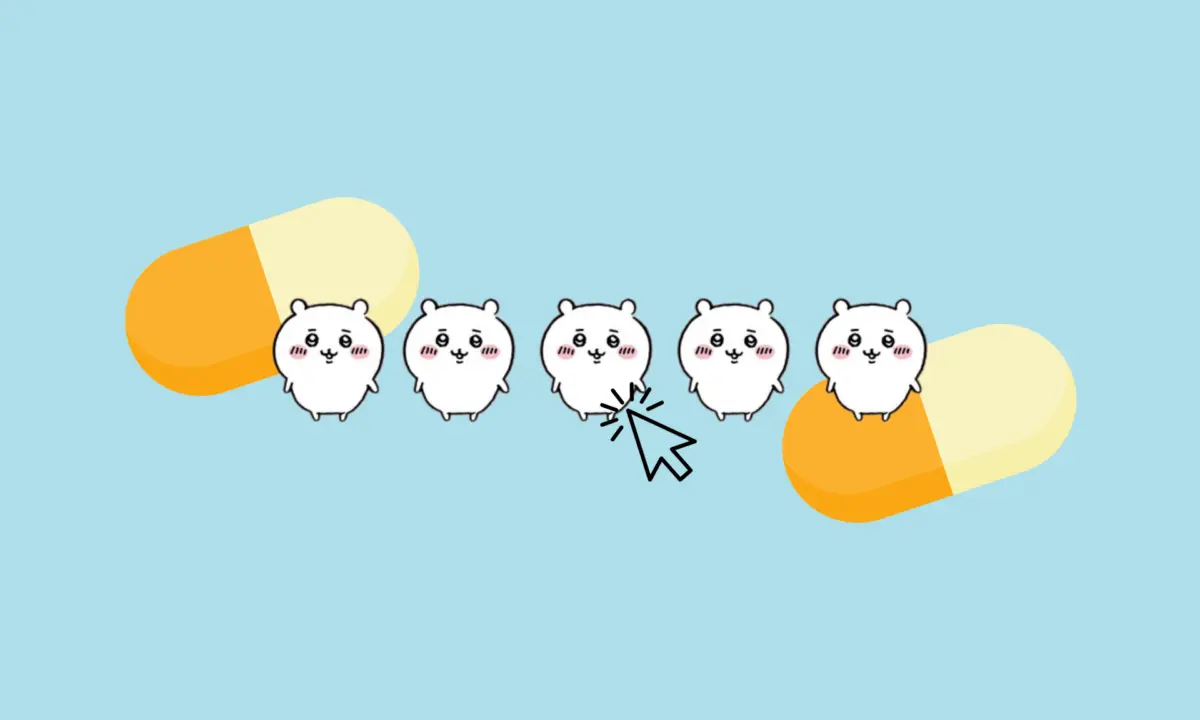
Across urban China, a generation of young adults is confronting a psychological and socio-economic landscape unlike any seen in decades. Hemmed in by hyper-competitive academic systems, relentless employment expectations, economic deceleration, and pervasive digital surveillance, millions of Gen-Z and millennial citizens are experiencing unprecedented levels of burnout. In response to these compounding pressures, a distinct cultural phenomenon has taken root across the nation’s internet: the pursuit of "digital ibuprofen."
This evocative phrase describes a vast ecosystem of soothing, highly accessible online content designed to temporarily numb the anxieties of modern existence. At the epicenter of this movement is Chiikawa, a deceptively sweet Japanese webcomic set within a brutal "post-apocalyptic gig economy." Alongside cultural touchstones like the overworked red panda Aggretsuko and the apathetic egg yolk Gudetama, Chiikawa has become a vital emotional balm for millions of disaffected young people.
Rather than adopting the overt cynicism or aggressive anti-establishment satire characteristic of Western animation, this movement reflects a distinctly East Asian strategy of social commentary. By weaponizing cuteness (kawaii) and surrealism, young people and creators are engaging in "soft rebellion"—a quiet, passive resistance that circumvents strict state censorship and traditional Confucian hierarchies while offering solace, community, and psychological survival in an increasingly hostile world.
Detailed Chronology: From Post-Bubble Healing to the Gig-Economy Survival
To understand the rise of digital ibuprofen in contemporary China, it is essential to trace the historical lineage of East Asian coping mechanisms. The impulse to seek refuge in gentle, low-conflict media is not entirely new; rather, it represents the digital-age evolution of well-documented socio-cultural phenomena that date back several decades.
1. The Roots of Iyashi (Late 1990s–Early 2000s)
Following the collapse of Japan’s economic "bubble economy" in the early 1990s, a generation of workers faced sudden financial instability and the erosion of lifetime employment guarantees. In response, a massive cultural shift occurred, known as the iyashi (healing) boom.
- The Rise of Comfort Goods: Markets flooded with goods and services designed to de-stress exhausted laborers, ranging from early cat cafés and aromatherapy to specialized massage therapies.
- Peaceful Media Landscapes: Japanese creators produced manga and anime focused entirely on low-stakes environments and peaceful daily routines. A prime example is Aria (2001), a series following a young woman training as a gondola tour guide on a terraformed, water-covered Mars, which championed the therapeutic value of small, everyday joys.
2. The Millennium of Cute (2010s)
As digital connectivity expanded globally, characters like Sanrio’s Hello Kitty paved the way for "pink globalization," demonstrating that cuteness could transcend linguistic and cultural borders to offer comfort. By the 2010s, this aesthetic evolved to directly reflect institutional fatigue.
- Gudetama (2013): Introduced by Sanrio, this depressed, lazy egg yolk that constantly laments the exhausting nature of being eaten or cooked struck a massive chord with young adults overwhelmed by societal expectations.
- Aggretsuko (2016): This Netflix-adapted character—a corporate red panda who quietly endures misogyny and micro-management at a soul-crushing office job by day, only to scream death metal at a karaoke booth by night—became an international anthem for modern office burnout.
3. The Chinese Digital Ecosystem and Chiikawa (2020–Present)
As China transitioned into a technological powerhouse characterized by pervasive digital infrastructure, its youth encountered a unique convergence of hyper-modern connectivity and severe structural pressure.
- The Birth of Chiikawa (2020): Created by Japanese illustrator Nagano, the webcomic follows emotionally fragile, small creatures (chiisai + kawaii) navigating a nightmarish gig economy. They take on menial labor like weeding and monster hunting, study frantically for high-stakes certification exams, and dodge predatory scams—all while maintaining their bonds through shared meals.
- Mainland Adoption: Chinese youth rapidly embraced Chiikawa across platforms like Weibo, Xiaohongshu, and Douyin. What began as a niche foreign webcomic transformed into a dominant cultural lexicon, providing the ultimate template for "digital ibuprofen."
Supporting Context & Metrics: The Pressures of Modern Chinese Youth
The viral consumption of soothing, cute media is a direct symptom of measurable socio-economic stress. Today’s young Chinese citizens are navigating structural hurdles that make upward mobility feel increasingly out of reach.

The Educational and Labor Gauntlet
- The Gaokao: Long before entering the workforce, Chinese students endure years of intense, high-stakes studying for the gaokao (national college entrance examination), a single test that historically dictates their academic and professional future.
- The "996" Work Culture: Upon graduation, millions enter hyper-competitive corporate environments where "996" has become shorthand for grueling expectations: working from 9:00 AM to 9:00 PM, six days a week. Despite official legal pushback against this overtime culture, deep-seated corporate pressures persist.
- Economic Slowdown and Burnout: As China’s rapid post-millennial economic expansion cooled, the traditional "Chinese Dream" of homeownership and steady career advancement receded for many.
The Rise of Quiet Defiance: Tang Ping and Full-Time Children
Faced with systemic exhaustion, young people have pioneered lifestyle movements that reject traditional markers of success:
- "Lying Flat" (Tang Ping): A counter-cultural philosophy advocating for doing the bare minimum required to survive, actively rejecting the rat race of home-buying, marriage, and corporate ambition.
- Full-Time Children: A trend where young adults take career breaks to return home, living with their parents while handling domestic chores in exchange for room, board, and psychological sanctuary.
The Digital Panopticon and Censorship
Compounding economic anxiety is the reality of China’s hyper-surveilled digital environment. While the nation boasts cutting-edge internet infrastructure, online spaces are heavily monitored.
- Self-Censorship: Users are acutely aware that public speech is strictly controlled. A thoughtless social media post or an online critique can lead to deleted content, account bans, or—in more severe cases—informal police questioning, colloquially known as being invited for "a cup of tea" at the local station.
Official Perspectives and Sociological Analysis
Sociologists and cultural analysts view the phenomenon of digital ibuprofen and soft rebellion as a rational, adaptive response to an uncompromising social contract.
Academic research highlights how extreme passivity functions as an alternative political voice. In a society historically anchored in Confucian principles of order, filial piety, and hierarchical duty, open confrontation with institutional authority carries profound personal and professional risks.
"Extreme cuteness and infantile regression have a long history of functioning as a shield," notes cultural theorist commentary from recent sociological studies on East Asian subcultures. "From 1960s Japanese students openly reading manga in lecture halls to contemporary Chinese youth obsessing over vulnerable animal cartoons, retreating into the aesthetic of childhood signals a clear refusal to become efficient, unquestioning economic cogs in a system perceived as stacked against them."
Furthermore, experts emphasize that digital ibuprofen is not merely an escapist drug, but a psychological mechanism for resilience. By projecting their anxieties onto fictional, suffering creatures who nevertheless find comfort in a warm bowl of soup or a trusted friend, young people validate their own struggles without triggering the mechanisms of state censorship or corporate retaliation.
Future Outlook: The Longevity of Soft Rebellion
As China navigates its economic transition and the digital landscape continues to evolve, the psychological need for soothing online spaces shows no signs of abating.
- Commercialization of Comfort: Brands and retailers are quickly capitalizing on the digital ibuprofen trend. Pop-up stores for Chiikawa merchandise in major Chinese metropolises routinely generate hours-long queues, proving that "cuteness" is both a psychological sanctuary and a powerful economic driver.
- The Evolution of Youth Discourse: While "lying flat" and "digital ibuprofen" may be criticized by traditionalists as forms of quiet defeatism, they represent a fundamental renegotiation of the relationship between the individual and the state. Young people are carving out autonomous emotional spaces where productivity is no longer tied to human worth.
Ultimately, Chiikawa and its companion phenomena offer a realistic yet comforting philosophy for a stressed generation. As the narrative of these cute, suffering creatures suggests, the systemic pressures of the adult world may be inescapable, but dignity and survival do not require immense wealth or relentless ambition. They require friendship, shared moments of joy, and—at the end of a long, exhausting day—the simple reassurance that there is always cake to share.