Executive Overview
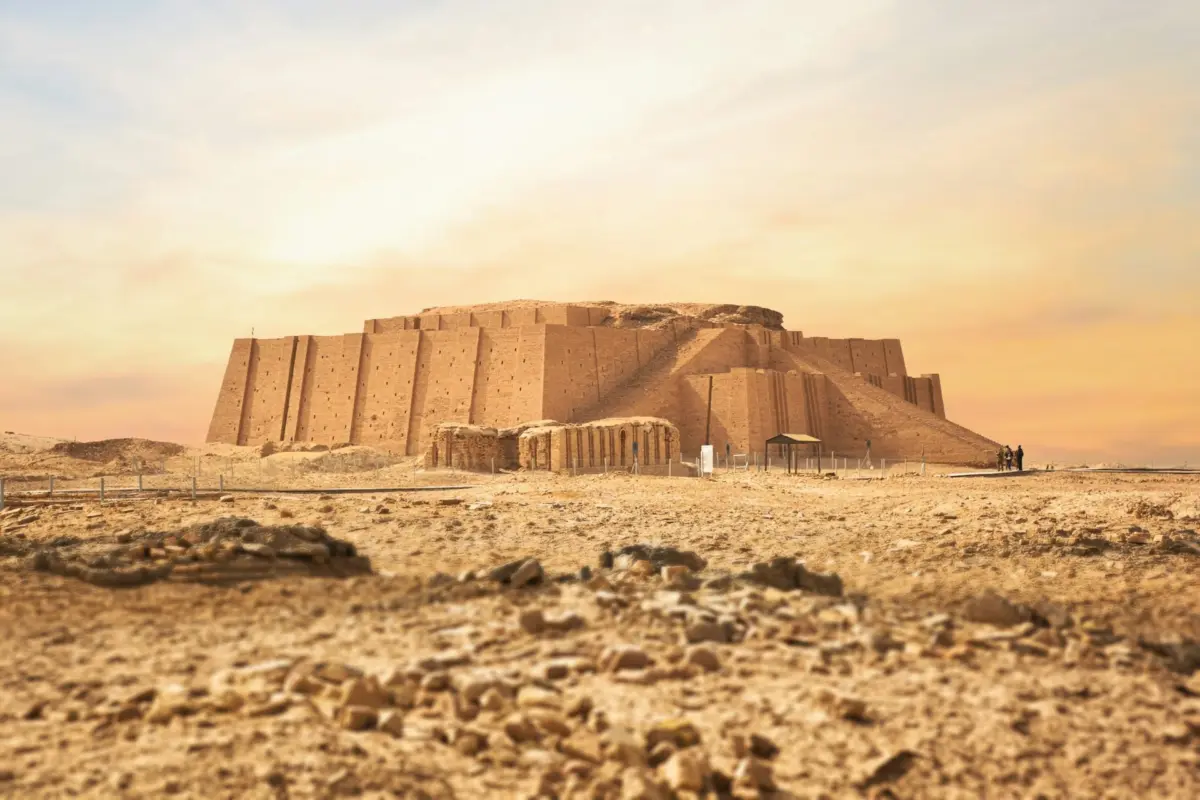
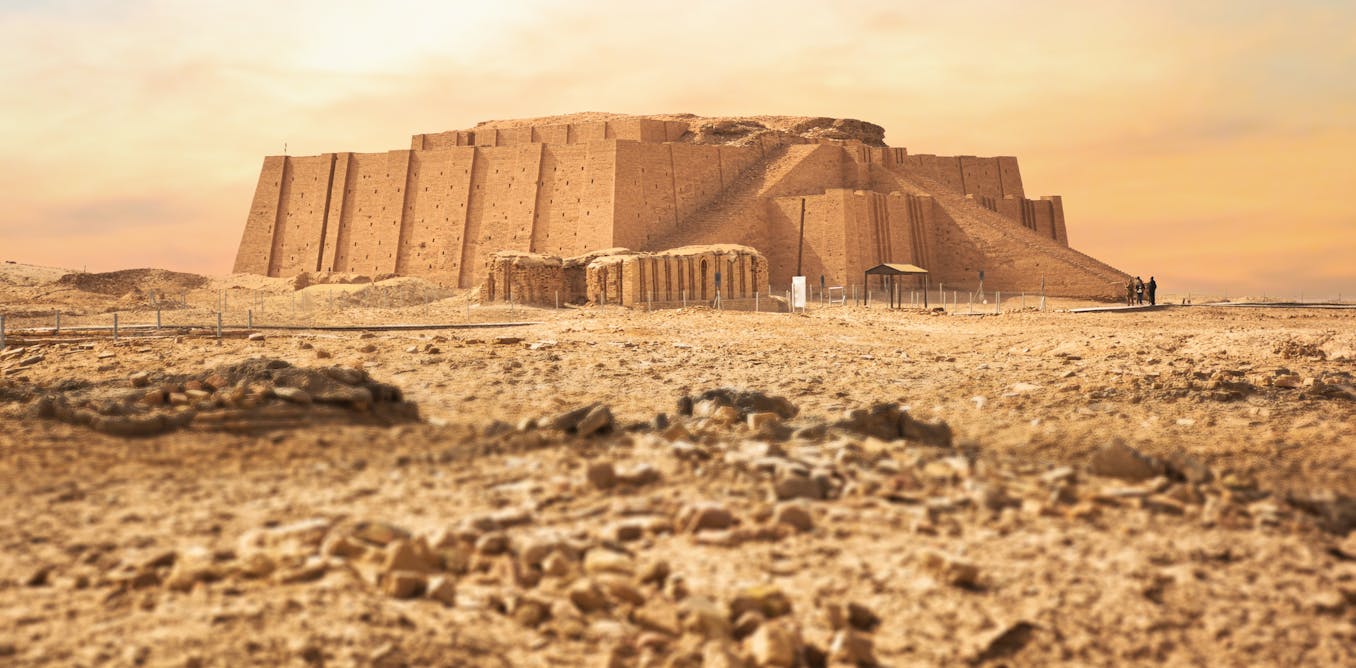
For over a century, international interest in Iraq’s rich archaeological heritage has been framed by milestone anniversaries, spectacular discoveries, and profound crises. From the foundational excavations at Ur that revolutionized our understanding of early urban life, trade, and burial customs, to a century of scholarship surrounding the Jemdet Nasr period—which proved pivotal to the emergence of early administrative systems and writing—Iraq has rightfully been celebrated as the cradle of civilization. Yet, contemporary discourse regarding this irreplaceable heritage has long been trapped in a narrow narrative of loss, catastrophe, and emergency rescue.
Dominated by the haunting imagery of post-2003 looting, the calculated destruction wrought by the Islamic State, and the steady degradation of vulnerable sites, international reporting has often relegated local Iraqi scientists and institutions to the role of passive recipients of foreign expertise. This structural imbalance has meant that funding priorities, theoretical frameworks, and research methodologies have disproportionately been directed from outside the country’s borders.
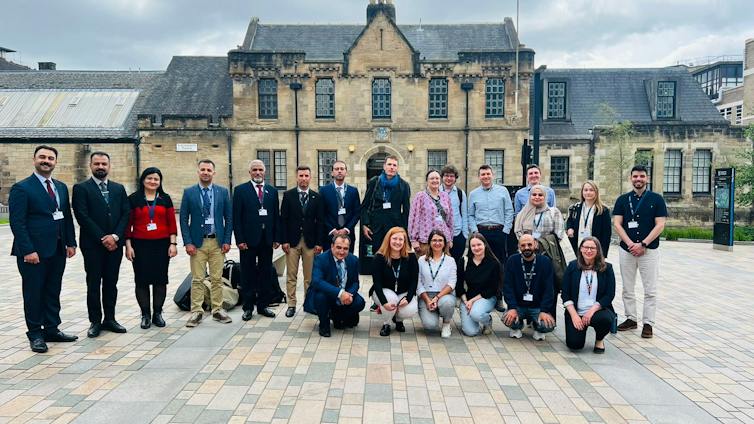
A transformative shift is now underway. In May 2025, a landmark gathering in Glasgow brought together 20 archaeologists, heritage professionals, government officials, and university leaders from Iraq and the Kurdistan Region of Iraq to collaborate with international peers. Far from simply reacting to past destruction, these professionals confronted systemic inequalities within their field, challenging gender disparities, confronting the existential threat of climate change, and demanding a leading voice in setting national research agendas. This pivotal moment underscores a broader decolonial movement: redefining Iraqi archaeology not merely as the recovery of a distant past, but as a vital tool for forging sustainable futures and claiming sovereign agency over a shared human history.
Detailed Chronology: A Century of Discovery, Crisis, and Transformation
To understand the current paradigm shift in Iraqi archaeology, it is necessary to trace the trajectory of exploration, international intervention, and local institutional development across the past century.
The Centenary Era of Discovery (1920s–1930s)
The interwar period marked the golden age of foreign-led Mesopotamian excavation. The joint expedition of the British Museum and the University of Pennsylvania Museum at Ur, led by Sir Leonard Woolley between 1922 and 1934, unearthed the Royal Tombs, fundamentally changing how scholars understood early urbanism, social stratification, and monumental architecture. Concurrently, archaeological interest solidified around sites like Jemdet Nasr, establishing a chronological framework for the dawn of literacy and complex administration. These foundational decades established Iraq as the epicenter of global archaeological training, but they also firmly established a top-down model where foreign institutions held monopoly control over excavation permits, artifact distribution, and historical interpretation.
The Post-Invasion Catastrophes and Emergency Interventions (2003–2017)
Decades of political instability culminated in catastrophic humanitarian and cultural crises at the turn of the 21st century. Following the 2003 US-led invasion, the Iraq Museum in Baghdad was heavily looted, resulting in the loss or displacement of tens of thousands of invaluable antiquities. This disaster was compounded a decade later by the Islamic State’s deliberate destruction of monumental heritage sites such as Nimrud, Hatra, and the Mosul Museum. The international archaeological community responded with emergency rescue operations, digitization campaigns, and capacity-building programs. While vital for saving what remained, these interventions deeply entrenched the global media narrative of Iraqi archaeology as an ongoing tragedy requiring external salvation, further marginalizing the agency of local scholars who were often fighting these battles on the ground with minimal resources.
The Modern Academic Renaissance and Regional Projects (2018–2024)
As security conditions gradually stabilized in various parts of the country, local universities and regional directorates began asserting greater autonomy. Collaborative ventures—such as the University of Glasgow’s recent work at the archaeological site of Shakhi Kora in the Kurdistan Region of Iraq, and long-term surveys in southern Iraq investigating human relationships with the marshes—began to yield fresh insights into the rise and fall of the earliest public institutions. However, despite these scientific advancements, structural inequities persisted. Iraqi researchers remained starkly underrepresented on international editorial boards, funding committees, and project steering groups.
The Glasgow Paradigm Shift (May 2025)
A critical turning point occurred in May 2025, when Iraqi and Kurdish heritage professionals convened in Glasgow for an intensive dialogue with British and international colleagues. Eschewing traditional academic silos, the workshop tackled systemic vulnerabilities head-on. Discussions ranged from the weaponization of social media and archaeological misinformation to the glaring underrepresentation of women in fieldwork and the compounding crises of regional climate change. Most importantly, the gathering asked a fundamental, long-overdue question: Who gets to decide what archaeology in Iraq should focus on today? This milestone event initiated a self-determined agenda, moving the discipline away from externally imposed foreign priorities and toward locally driven research questions.
Supporting Context & Metrics: The Gender Disparity and Environmental Crisis
A truly decolonized archaeological practice requires examining the internal societal structures that shape the profession, as well as the contemporary environmental realities threatening the landscape.
The Gender Paradox in Iraqi Academia
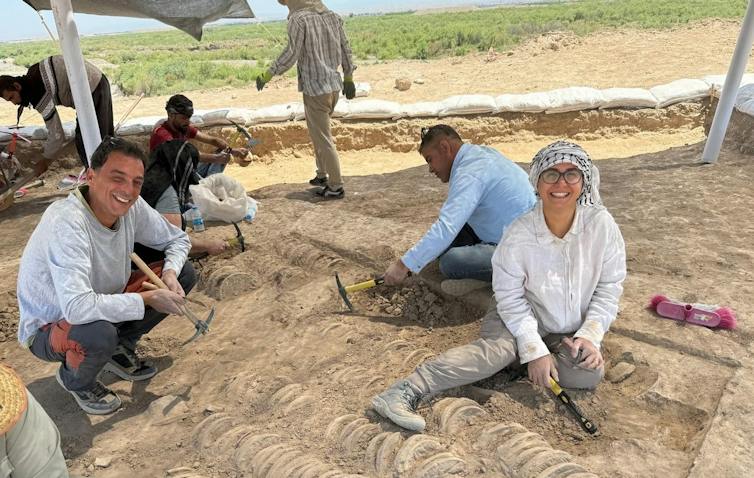
While international discussions frequently center on North-South disparities, internal dynamics within Iraq reveal striking contradictions regarding gender inclusion. At the University of Al-Qadisiyah in Al Diwaniyah, women constitute an overwhelming majority—approximately 70%—of all enrolled undergraduate and postgraduate archaeology students. This statistic demonstrates that Iraqi women are deeply drawn to the study of their national heritage and possess high levels of academic qualification.
Yet, this demographic strength at the university level fails to translate into professional representation. Government and academic metrics indicate that:
- Only ~2% of active Iraqi excavation team members are women.
- Only ~15% of academic leadership positions within university archaeology departments and heritage boards are held by women.
This stark chasm between student enrollment and professional field participation has profound implications for the nature of the knowledge produced. Traditional Mesopotamian archaeology has historically prioritized the monumental: royal dynasties, military conquests, grand temples, and the exploits of elite male rulers. Workshop participants argued that increasing the active field participation and leadership of women will inherently broaden the scope of research questions. A more diverse workforce encourages scholarly attention toward the neglected social history of antiquity—such as labor organization, community resilience, domestic life, care networks, and the economic roles of non-elite populations.
The Climate Crisis and the Redefinition of Heritage
Iraq is currently designated by international bodies as one of the nations most vulnerable to climate change. The southern landscapes that cradle the earliest human civilizations are facing an unprecedented environmental emergency characterized by:
- Spiraling regional temperatures.
- Severe, toxic dust storms driven by desertification.
- Extreme water scarcity resulting from upstream damming and mismanagement.
- Rapid soil salination and agricultural degradation.
- The catastrophic drying and ecological collapse of historic marshlands, such as Chibayish.
These environmental catastrophes do more than threaten modern communities; they actively erode unexcavated archaeological strata, washing away fragile historical data before it can be recorded. Consequently, the Glasgow workshop redefined "heritage." Preservation is no longer viewed merely as the passive curation of dead stone and clay artifacts in air-conditioned museums. Rather, the ancient, adaptive strategies developed by indigenous communities over millennia to cope with shifting river courses and marsh ecologies offer invaluable blueprints for modern survival. In this light, archaeology ceases to be an inward-looking retrospective science and transforms into a forward-looking discipline designed to help vulnerable populations imagine sustainable futures.
Official Statements and Stakeholder Perspectives
The momentum generated by the May 2025 workshop has been amplified by key voices within the Iraqi and international heritage sectors, emphasizing that structural reform is both achievable and already underway.
Reflecting on the historic nature of the Glasgow gathering, Rozhen Mohammed-Amin, president of the Cultural Heritage Organisation in the Kurdistan Region of Iraq, highlighted the psychological and institutional barriers that the event managed to dismantle:
"One of the most significant achievements was bringing together people who are often disconnected due to political and institutional divisions. By creating a unified platform, we are no longer waiting for external agendas to dictate our heritage management; we are defining our own paths forward."
Scholars addressing the intersection of environmental studies and heritage preservation have likewise stressed the urgency of localized oversight. Dr. Jaafar Jotheri, a prominent Iraqi geoarchaeologist and co-researcher on marshland projects, has repeatedly emphasized that local universities and the State Board of Antiquities and Heritage (SBAH) must be placed at the intellectual vanguard of excavation and survey strategies. In academic analyses reflecting on the workshop, Jotheri and his collaborators noted that reforming excavation methodologies in Iraq is a prerequisite for genuine decolonization—ensuring that the expertise of local scientists is not co-opted, but recognized as authoritative.
International partners in the United Kingdom have similarly championed this shift toward equity. University of Glasgow project leads emphasized that collaboration must be reciprocal. Rather than foreign institutions importing research designs and utilizing local workers merely as manual labor, modern projects must integrate Iraqi scholars as principal investigators, co-authors, and equal partners in shaping the theoretical imperatives of the field.
Future Outlook: Modest Steps Toward Lasting Reform
Transforming a global academic discipline entrenched in over a century of asymmetrical power relations is a gradual process. The developments emerging in the wake of the Glasgow workshop may not generate the immediate, sensational headlines associated with the discovery of a golden hoard or the emergency extraction of a threatened relief sculpture. Yet, the systemic changes taking root within Iraqi institutions may prove infinitely more consequential for the future health of the discipline.
Institutional Progress and Administrative Shifts
Tangible progress has already materialized within months of the 2025 meetings. Following focused institutional dialogues on representation and leadership, two prominent female scholars were promoted to senior administrative positions at the University of Al-Qadisiyah, marking a vital step toward closing the gender gap in academic governance. Furthermore, participants report enhanced, institutionalized channels of communication between regional Iraqi universities and the central State Board of Antiquities and Heritage, streamlining permit processes, resource sharing, and joint research initiatives.
Looking Ahead: Priorities for the Next Decade
As Iraqi archaeology looks toward the future, several core objectives define the roadmap for self-determined heritage management:
- Decentralized Research Agendas: Ensuring that all foreign archaeological missions operating within Iraq and Kurdistan align their research questions with the strategic priorities identified by local universities and heritage boards.
- Grassroots Community Engagement: Expanding public archaeology programs that connect local populations—particularly in rural and marshland regions—with their ancestral history, fostering local custodianship and economic resilience.
- Climate-Resilient Archaeology: Integrating geoarchaeological monitoring and climate adaptation strategies into every active excavation and regional survey, using ancient data to combat modern desertification and water crises.
- Professional Equity: Institutionalizing mentorship programs, equitable publication standards, and funding frameworks that actively support women and early-career Iraqi scholars in assuming leadership roles on international excavation teams.
Ultimately, the story of Iraqi archaeology is shedding its dependency on the tropes of rescue and ruin. By reclaiming the narrative, fostering internal diversity, and connecting the ancient triumphs of Mesopotamia to the pressing environmental and social realities of the 21st century, Iraqi scientists are proving that the cradle of civilization is also the crucible of its modern renewal.