Executive Overview
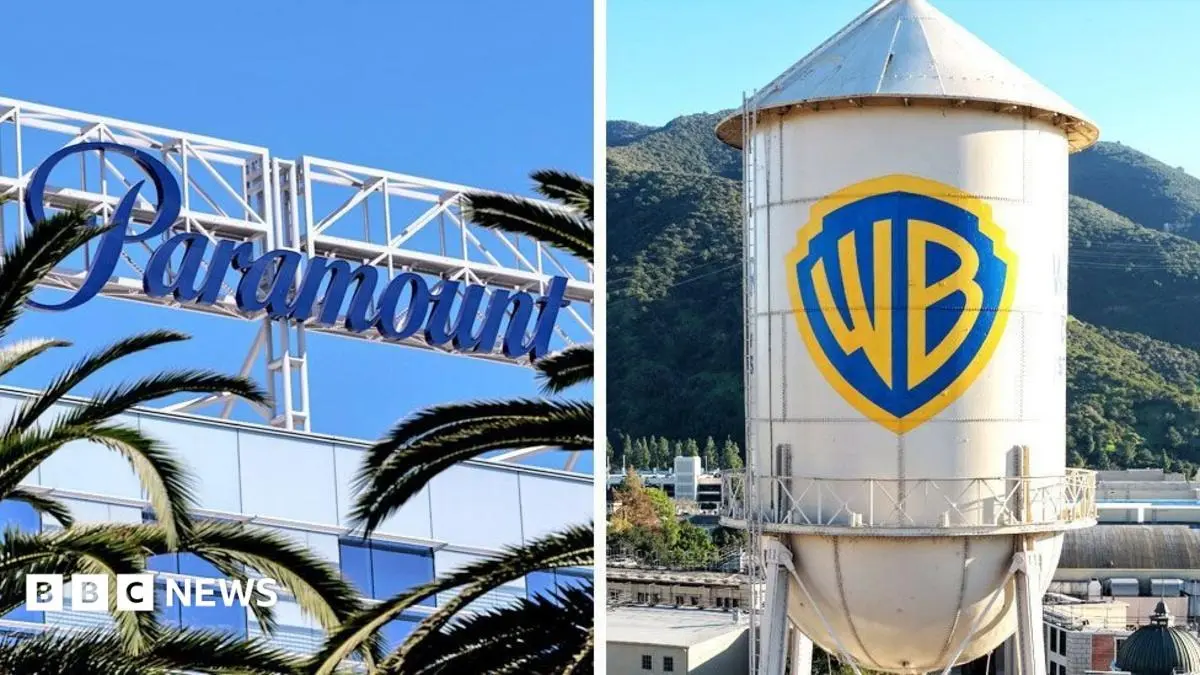
In what is unquestionably the most consequential corporate consolidation in the history of modern media, Paramount and Warner Bros. Discovery have officially finalized a massive, industry-altering merger. The newly formed entertainment behemoth will operate under the banner of the Skydance Corporation, carrying forward the corporate identity of the studio originally founded by David Ellison.
This historic union brings together two of the oldest and most storied powerhouses in American cinema: a 103-year-old Warner Bros. legacy and a 113-year-old Paramount heritage. The scale of the newly acquired intellectual property portfolio is staggering. Skydance Corporation now exercises absolute ownership over some of the most culturally defining and commercially lucrative franchises in global entertainment history, including Harry Potter, Game of Thrones, and The Lord of the Rings. These crown jewels are now combined with Paramount’s existing stable of blockbuster hits, which features heavy-hitting franchises like Indiana Jones, Mission: Impossible, and Shrek.
David Ellison, who now serves as the chairman and chief executive officer of the newly enlarged Skydance Corporation, hailed the completion of the multi-billion-dollar transaction as a transformative moment for the film and television sectors.
However, this unprecedented consolidation of cultural assets has not arrived without considerable friction. The path to finalization was fraught with fierce bidding wars, intense regulatory scrutiny, antitrust lawsuits filed by coalitions of state attorneys general, and contentious debates over the future of journalistic integrity and creative labor. As Wall Street analysts weigh the heavy debt burdens facing the newly formed entity, and as industry observers debate the future of theatrical distribution and streaming integration, Skydance Corporation stands at a defining crossroads. It is a company blessed with unparalleled creative resources, yet burdened by the immense pressures of modern media economics, high interest rates, and the looming demands of global profitability.
Detailed Chronology
The Bidding War and Netflix’s Retreat
The saga that ultimately culminated in the birth of the new Skydance Corporation began with fierce corporate maneuvering and high-stakes financial chess. Initially, streaming pioneer Netflix had positioned itself to acquire a significant portion of Warner Bros. Discovery, a move that would have further consolidated streaming dominance under a single digital banner.
Recognizing the existential threat this posed to the traditional studio system and its own long-term viability, Paramount Skydance aggressively intervened. Launching a heavily capitalized, hostile counter-bidding war, Ellison’s camp outmaneuvered the streaming giant. Faced with mounting regulatory questions and a rapidly escalating financial commitment, Netflix ultimately walked away from the negotiating table, clearing the path for the Paramount-WBD consolidation to take shape.
Antitrust Battles and State-Level Pushback
Despite securing corporate buy-in, the merger faced severe headwinds from legal and regulatory authorities. Alarmed by the unprecedented market concentration—uniting two of Hollywood’s "Big Five" major studios—attorneys general from roughly a dozen US states, spearheaded by California Attorney General Rob Bonta, mobilized.
In late 2024 and early 2025, these state prosecutors filed sweeping antitrust lawsuits aimed at entirely blocking the transaction. The legal challenges argued that the merger would drastically stifle competition, inflate consumer subscription and ticket prices, and inflict "substantial" and irreparable harm on movie theaters, independent cable distributors, and, ultimately, television and film audiences nationwide.
The standoff persisted for months until a crucial legal breakthrough occurred last month. Paramount and David Ellison reached a comprehensive settlement with the coalition of US states. This hard-won agreement bypassed federal blockades and paved the legal highway necessary for the merger to be officially finalized.
Guardrails, Production Quotas, and the AI Ban
To satisfy the stringent conditions of the state-level settlement and secure approval from competition authorities worldwide, the newly structured Skydance Corporation was forced to agree to a series of binding regulatory guardrails.
California Attorney General Rob Bonta emphasized that the core objective of the settlement was to ensure the newly merged studio continues to produce "real, robust movies" that stimulate regional economic activity and keep thousands of industry professionals employed. Key elements of this unprecedented settlement include:
- The Anti-AI Clause: To prevent the studio from circumventing its creative obligations through low-budget or automated shortcuts, the agreement includes strict, legally binding prohibitions against the production of entirely "AI-generated" films to meet studio quotas.
- Annual Production Quotas: Paramount is legally mandated to release a minimum of 30 theatrical feature films each year. Failure to hit this annual benchmark carries a severe corporate penalty: the immediate forced sale of the studio’s 49% equity stake in Miramax, the legendary indie film company originally founded by Harvey and Bob Weinstein.
- Domestic Production Mandates: To safeguard American film jobs, the settlement requires that at least 20% of all studio film production take place within the United States for the initial two-year period following the merger. This domestic production threshold is scheduled to scale upward, rising to more than 30% through the subsequent three years.
Supporting Context & Metrics
A Clash of Legacies: Century-Old Studios Face Off
The structural merging of Warner Bros. and Paramount represents the convergence of two distinct cinematic dynasties, each with divergent historical trajectories over recent decades.
- Warner Bros. Discovery: Tracing its origins back 103 years, Warner Bros. has long been recognized as a powerhouse of critical acclaim and awards-season dominance. The studio has accumulated well over 100 Academy Awards. This dominance was vividly illustrated during the most recent Oscar cycle, where Warner Bros. swept the field by capturing a record-tying 11 Oscars across acclaimed titles such as One Battle After Another, Sinners, and Weapons.
- Paramount Pictures: Founded in 1912, Paramount boasts an equally illustrious heritage, anchoring cinematic history with timeless classics ranging from The Godfather to Titanic. However, the studio has experienced a noticeable slump in contemporary Academy recognition. Paramount failed to secure a single major studio project nomination from the Academy during the previous awards cycle. Its last major Oscar milestone remains the 2022 triumph of Top Gun: Maverick.
Executive Leadership Structure
David Ellison moved quickly to assemble a high-powered management team capable of steering the multi-faceted global conglomerate. The executive roster bridges Silicon Valley-style technological ambition with traditional Hollywood operational expertise:
- David Ellison: Chairman and Chief Executive Officer, focusing on overarching corporate strategy, long-term vision, and technological integration.
- Ynon Kreiz: Appointed as Co-Chief Executive Officer following his departure from Mattel. Kreiz is tasked with overseeing day-to-day corporate operations and executing the complex internal integration of the newly combined businesses.
- Casey Bloys: Transitioning from his leadership of HBO and Max Content, Bloys has been named Co-Chair and Chief Content Officer for Direct-to-Consumer content.
- Mark Thompson: The former BBC Director-General remains in his position as Chairman and Editor-in-Chief of CNN Worldwide.
- Bari Weiss: Continues her role as Editor-in-Chief of CBS News.
Financial Pressures and Market Realities
While the cultural cachet of owning franchises like Harry Potter and The Lord of the Rings is undeniable, financial analysts warn that the road ahead is fraught with economic peril.
Dan Coatsworth, Head of Markets at investment firm AJ Bell, highlighted the precarious financial architecture underpinning the merger. The newly formed Skydance Corporation inherits substantial corporate debt liabilities accumulated during a prolonged macroeconomic cycle of elevated interest rates.
"The combined entity, now called Skydance, needs to cut costs and make bigger profits to be able to get the debt down to more manageable levels," Coatsworth noted.
Compounding these financial anxieties is the unpredictable nature of modern theatrical exhibition. Coatsworth pointed to the performance of Digger, a high-profile Tom Cruise vehicle distributed by Warner Bros. as its final release prior to the merger. The film’s major box office underperformance served as a stark, sobering reminder that the film industry offers no guaranteed ticket to riches, even for the most seasoned studios.
Official Statements
David Ellison on "Historic" Ambition
Announcing the culmination of the deal, David Ellison emphasized that the merger represents the fulfillment of a long-held strategic vision for the film industry:
"From the start, our ambition was to bring these two storied studios together and create a stronger competitor, with the talent, resources, and reach to tell great stories in every genre, on every platform, for audiences everywhere. Now that ambition is a reality," Ellison stated.
White House Reaction
The political weight of the transaction drew immediate attention from Washington. Asked about the multi-billion-dollar merger following its official finalization, US President Donald Trump offered a glowing endorsement, describing the deal in unambiguous terms:
"They’re terrific people and it’s going to be a great company," the President remarked.
Journalistic Independence and the CNN/CBS Editorial Board
The intersection of media consolidation, corporate governance, and political influence has emerged as a central point of public anxiety. Questions regarding editorial independence have dogged CBS News since its initial 2025 takeover under a prior Skydance Media-Paramount arrangement—scrutiny further heightened by David Ellison’s reported hosting of a dinner for Donald Trump earlier this year.
To quell fears of partisan interference or corporate self-censorship, Paramount agreed as part of the merger conditions to establish an independent "news editorial independence board." This oversight body is mandated to safeguard and guarantee "independent, objective, fact-based reporting" across both CNN and CBS News. Ellison has repeatedly moved to reassure the public, stakeholders, and newsroom employees that strict journalistic firewalls will be maintained.
Future Outlook
Streaming Consolidation and the HBO Playbook
The appointment of Casey Bloys as Co-Chair and Chief Content Officer for Direct-to-Consumer content signals a massive strategic pivot for Skydance’s digital platforms.
Mike Proulx, Research Director at Forrester Research, analyzed the structural shift, noting that the management transition "essentially means the HBO leadership team is now in charge of Skydance’s combined streaming operation."
While Proulx acknowledged that this development bodes exceptionally well for the prestige and creative reputation of the HBO brand, he issued a sharp cautionary note regarding the realities of corporate integration:
"While that bodes well for the HBO brand, make no mistake, Bloys will be pressured to find and deliver cost efficiencies that could affect content quality," Proulx warned.
The Road Ahead for Skydance Corporation
As the dust settles on the corporate battlefield, Skydance Corporation faces the monumental challenge of unifying disparate company cultures, rationalizing heavy debt loads, and managing an unparalleled empire of intellectual property.
The success of the enterprise will ultimately hinge on its ability to strike a delicate balance: satisfying Wall Street’s demands for aggressive cost-cutting and fiscal discipline, while simultaneously honoring the creative guardrails mandated by regulators to protect theatrical output, cinematic employment, and artistic innovation. If David Ellison and his executive team can successfully navigate these competing pressures, the newly minted Skydance Corporation will not merely dominate the modern entertainment landscape—it will define it for generations to come.