Executive Overview
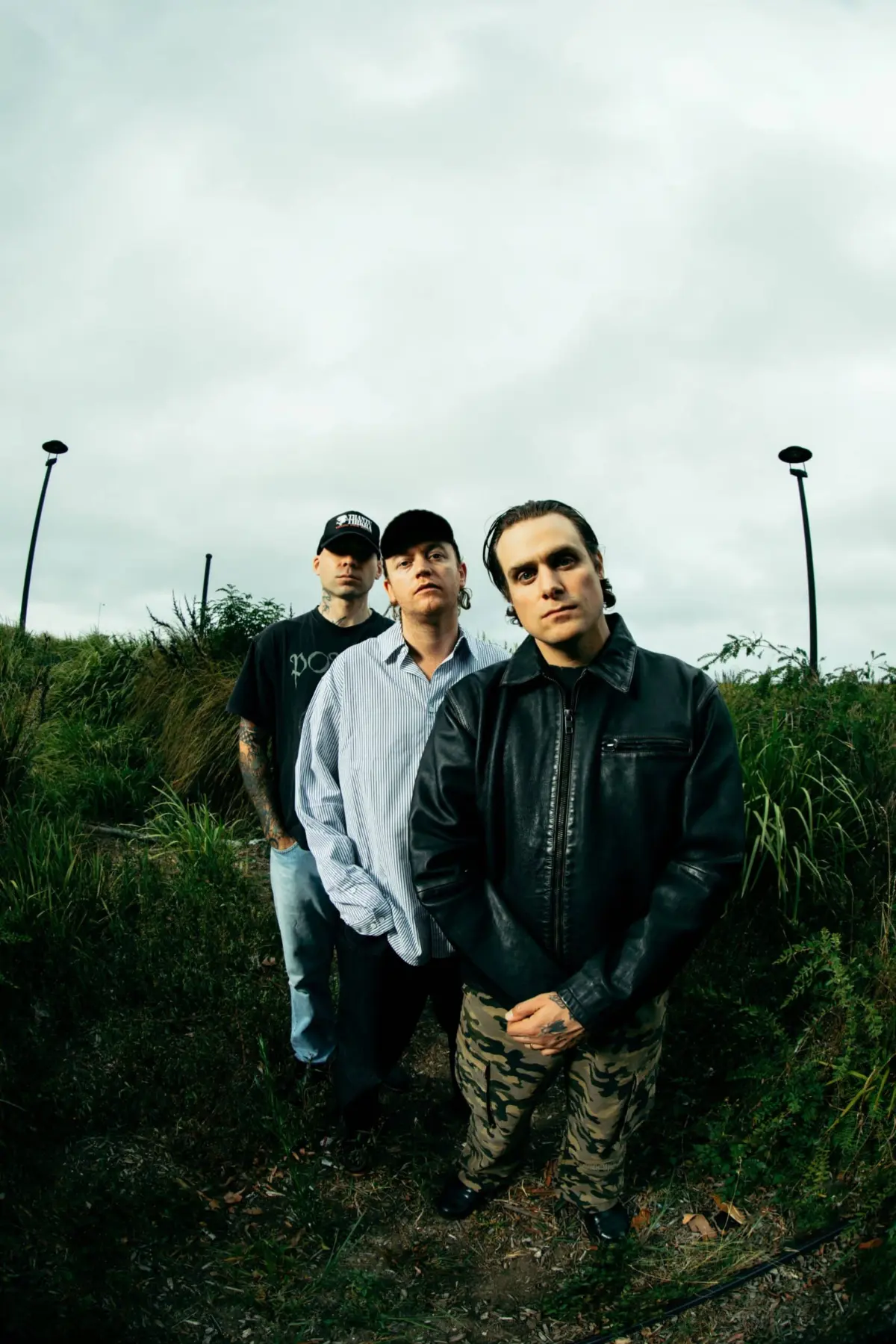
Over the past decade, Sydney’s DMA’S have quietly established themselves as one of the most reliable and enduring exports in modern alternative rock. Melding the sun-bleached grit of their Australian origins with the classic, anthemic sweep of British indie and Britpop, the trio—comprising guitarist Matt Mason, frontman Tommy O’Dell, and acoustic player Johnny Took—has traversed a fascinating sonic landscape. From the acoustic-driven nostalgia of their 2016 debut, Hills End, to the expansive, rave-inflected electronic textures of 2020’s The Glow and 2023’s How Many Dreams?, the band has never stayed musically static.
Now, with their fifth, self-titled studio album, the DMA’S are executing a sharp course correction. Stripping away the synthesisers and digital effects that characterized their previous era, DMA’S is a deliberate, guitar-first "return-to-home" moment. Born out of a disastrous recording session in San Francisco that forced the band to take the reins back into their own hands, this self-produced record reconnects the trio with the raw magic and accidental brilliance of their early days.
In this exclusive interview, guitarist Matt Mason unpacks the arduous yet liberating road to album five, the unexpected structural crossover between hardcore punk and Britpop, how post-pandemic crowds have shifted the live landscape, and why the band refuses to compromise on their foundational instinct: undeniable melody.
Detailed Chronology: From San Francisco Stalls to a Self-Produced Renaissance
The genesis of DMA’S is a tale of creative friction, high stakes, and ultimate artistic reclamation. For a band that spent years working with external producers on their middle LPs, the shift back to an in-house model wasn’t initially part of some grand, calculated strategy—it was born of sheer necessity.
The process began when Mason, O’Dell, and Took traveled to San Francisco to record with an established American producer. Instantly, the sessions hit a brick wall.
"We went to San Francisco to work with a producer, and we really didn’t like the songs," Mason recalls. "We were looking at each other going, ‘Oh my gosh, this doesn’t sound like us at all,’ and they were pretty stubborn. We were pretty stubborn as well, because it’s our fifth album, so we knew what we wanted. We decided to come home and do it ourselves."
The fallout left the band in a precarious position. They had lost a significant amount of money on the aborted American sessions, and their record label was understandably anxious. Yet, stepping back into their own studio in Sydney proved to be the catalyst they needed. Working without external interference, the band spent a grueling 12 months chipping away at the material, utilizing the absolute minimum of guitar effects.
The resulting record—titled simply DMA’S—ditching the synths in favor of organic, raw-sounding instruments. It is a sonic snapshot of a band reclaiming their identity after years of electronic experimentation.
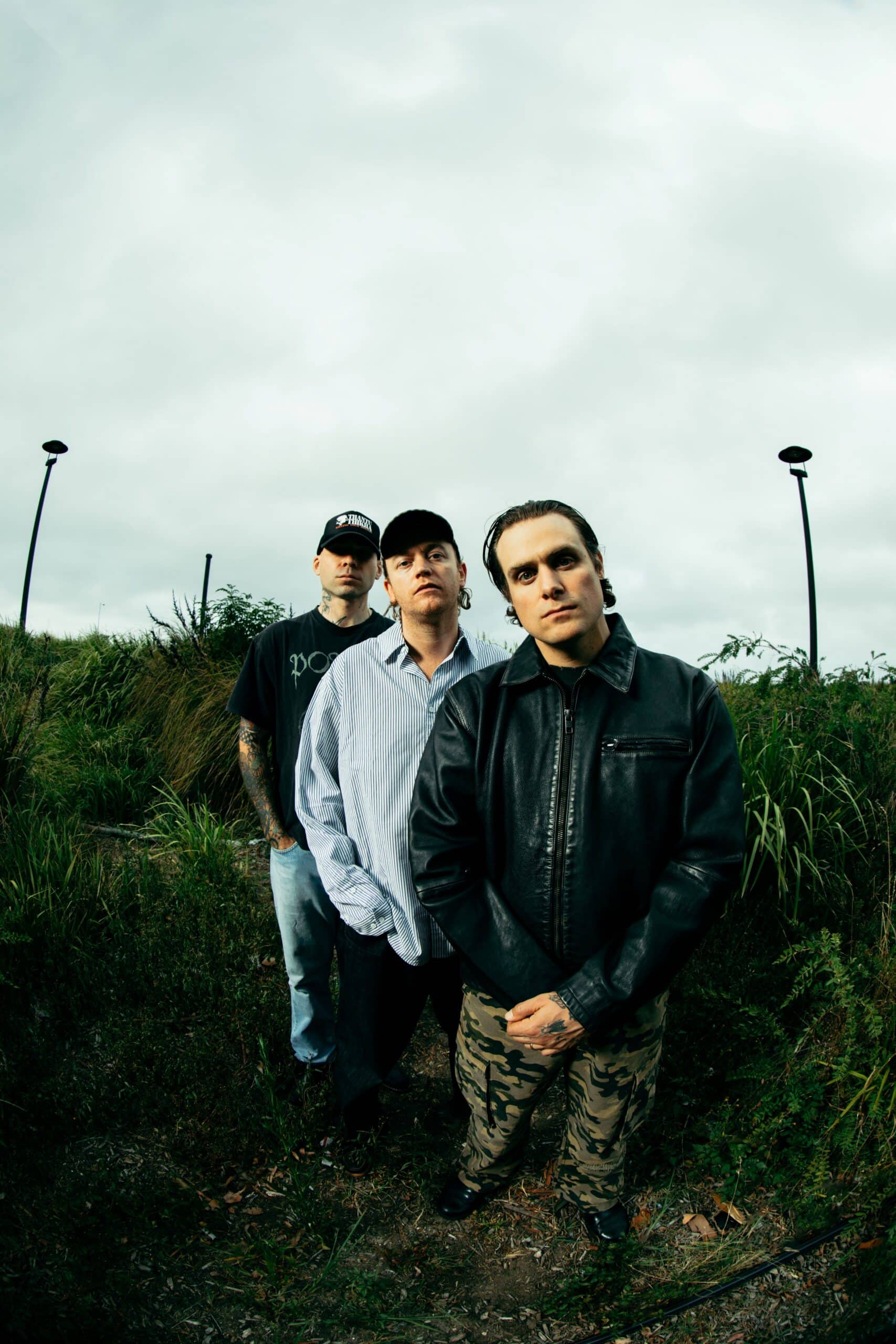
"That last record, that push for that sound was led by Johnny," Mason explains, reflecting on the synth-heavy direction of How Many Dreams?. "I spearheaded a lot of the sonics on this album, and I didn’t really that involved in the electronic side of the other albums. We’ve had different members taking different roles at different times, so the fact that I was more involved on this record, and I’m less of a synth guy, I think that’s probably why."
The decision to self-title the record was the final punctuation mark on this homecoming. After struggling to find a working moniker that everyone could agree upon, the band realized that stepping back into their original aesthetic made the title undeniable.
Supporting Context & Metrics: The Endurance of DMA’S
To understand the weight of the DMA’S fifth album, one must examine the decade-long trajectory that preceded it. Emerging in the mid-2010s with immediate comparisons to Oasis and the Stone Roses, the Sydney trio quickly transcended the "derivative" tag thanks to an intrinsic, effortless knack for songwriting.
Key Milestones & Metrics
- Critical & Commercial Breakthrough: Their 2016 debut, Hills End, established their template, blending acoustic strumming with driving electric leads.
- The Streaming Titan: Their internet-shaking, emotionally charged acoustic cover of Cher’s "Believe"—recorded for Australian radio station triple J—remains their undisputed streaming juggernaut, bridging generational gaps and introducing them to a global audience.
- Global Sync & Live Footprint: High-profile FIFA video game sync placements, regular marquee support slots with the Courteeners, and massive festival appearances—including headlining sets and repeated performances at Manchester’s historic Heaton Park—have cemented their status as UK festival favorites.
- The Evolution Loop: 2020’s The Glow pushed them into rave-rock territory, while 2023’s How Many Dreams? yielded fully-fledged electronic cuts like “De Carle,” proving they could command a dancefloor just as easily as a mosh pit.
Yet, despite these sonic shifts, Mason insists that their underlying DNA has never altered. "Even though, sonically, the last couple of albums were a bit different, to me it didn’t feel very different, because the way that we were writing the songs was the same," he notes.
Crucially, an early 2026 tour where the band performed their debut album in full directly influenced the mindset behind DMA’S. Revisiting those early tracks forced Mason to confront the imperfections of their youth—mistakes, out-of-tune notes, and instinctive stabs in the dark that later, more technically proficient musicianship might have smoothed over.
"There is a magic to that," Mason reflects, "and I think that’s one of the reasons that people so often like [an artist’s] earlier stuff, because later down the line you’ll have learnt things that might actually be to the detriment of the music you’re making. That has something to do with why we decided to try that again, to see if we could still do it."
Official Statements & Insights from the Studio
Throughout the conversation, Mason provides profound insights into the mechanics of the band’s songwriting, the unexpected intersections of musical genres, and the changing demographics of their audience.
On the Secret of the DMA’S Sound
When asked to pinpoint the band’s "secret sauce," Mason admits to a healthy degree of humility, returning repeatedly to the supremacy of a great vocal line and chord progression.
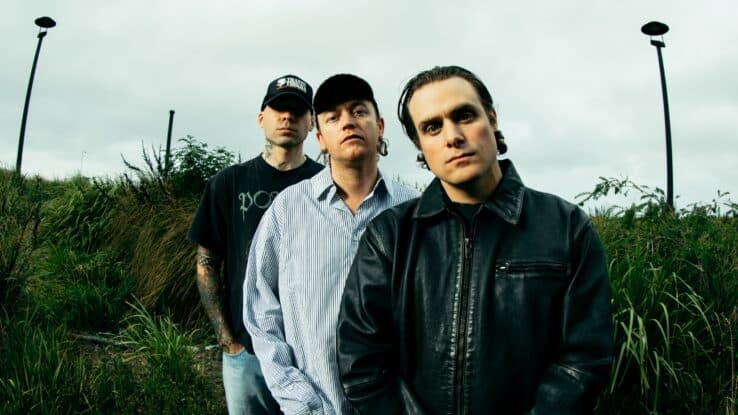
"If you’re singing a melody and you like it, I guess that’s enough. Sounds and genres aren’t as important to me as the songs themselves. When I’m listening to music, I’m listening to the melody. That’s the most important thing, to me."
On the Unexpected Roots: Hardcore Punk, Country, and Britpop
In an era where modern guitar bands like High Vis, Militarie Gun, and Yungblud are celebrated for infusing Britpop with alternative textures, Mason reveals a surprising personal history that predates his time in DMA’S. Far from being strictly raised on 1990s Manchester records, his musical upbringing was rooted in aggressive subcultures.
"It’s funny that you mention High Vis and Militarie Gun, because I love hardcore. I grew up on it and was listening to that genre before I met the guys in DMA’S. There’s a really clear connection between Britpop and hardcore, and I’ve been trying to figure it out for ages. You get a lot of guys in hardcore bands wearing Stone Island and CP Company… and there’s also a crossover between country music and Britpop; we also played a lot of country music a while ago. A lot of the chord progressions and tempos are really similar to country. There’s a big country-hardcore-Britpop thing going on!"
Contrasting Tommy O’Dell’s Vocals with Gritty Lyrical Themes
The juxtaposition between Tommy O’Dell’s naturally sweet, melancholic vocal delivery and the harsher, more abrasive lyrical metaphors on tracks like "Killing Time" ("My head louder than the speakers") and "Hurracane" ("Crashing through my mind like a hurricane") was a deliberate studio choice.
"Tommy has such a sweet voice. The way he sings has this real bittersweet melancholy sound to it. So for this record, we were intentionally trying to write more abrasive lyrics to make the songs sound a bit more gritty, more angsty. You do need to counteract Tommy’s sweet vocal with that lyrical angst to give it a bit of edge."
The Evolution of the Live Crowd
Having toured the UK relentlessly for a decade, the band has witnessed firsthand how post-pandemic social consciousness has altered the physical reality of rock concerts.
"When we first started touring there in our early to mid-twenties, we were quite different people… Instead of going out and finding fans that wanted to party all night, the fan interactions are a lot less turbulent these days. Before COVID, gigs were a bit crazier, it was more dangerous looking out into the crowd, but I feel like people are more respectful of other people around them after social distancing."
Furthermore, the generational shift within their fanbase is palpable: "We had fans that had 10-year-old kids that they would listen to their music with, and now those kids are 20, they’re coming to shows, and so it’s almost like there’s another generation of people coming in."
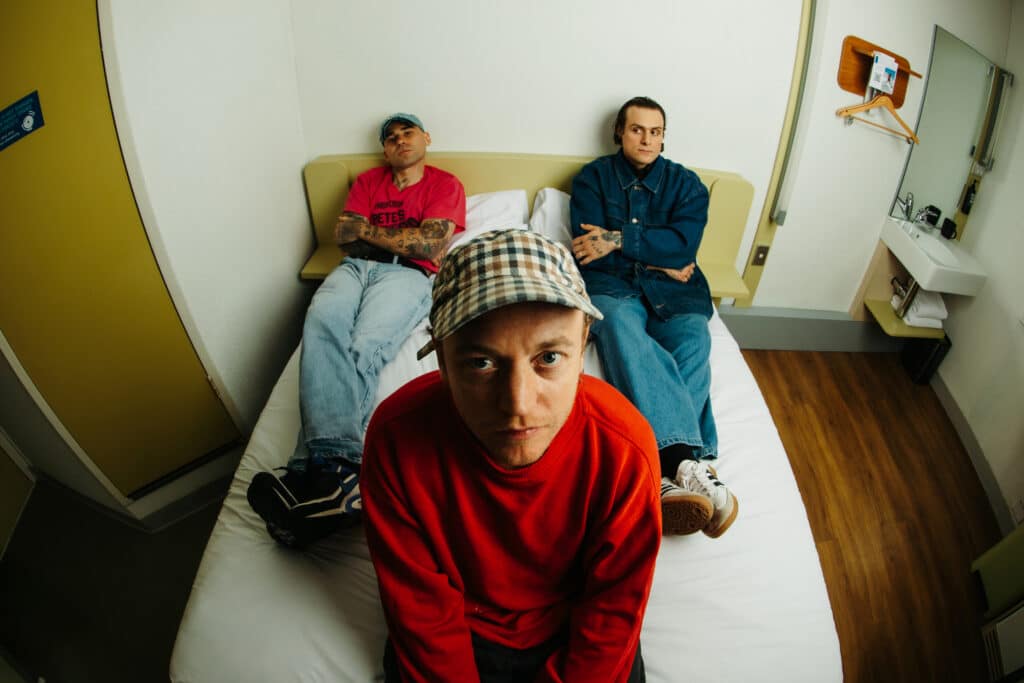
Future Outlook: The UK Tour and Beyond
As DMA’S prepares for the release of their self-titled fifth album, the narrative surrounding the band has shifted from cautious up-and-comers to grizzled veterans of the alternative scene who successfully navigated the trap of mid-career stagnation.
By turning their back on a multi-national producer pipeline, absorbing the financial hit of a failed overseas session, and locking themselves in a room to rediscover the raw power of unadorned guitars, the trio has re-established their core identity.
For the fans who fell in love with Hills End a decade ago, DMA’S offers a deeply satisfying homecoming. For the newer generations discovering them via festival fields and streaming platforms, it stands as a masterclass in songwriting integrity.
What’s Next?
Following the album’s release, DMA’S are gearing up to take these raw, guitar-driven cuts back to the live circuit. The band will embark on an extensive headline tour across the UK throughout February 2027, bringing a decade’s worth of anthems—and a renewed sense of visceral rock energy—back to the venues that helped shape their story.
Tickets for DMA’S upcoming UK tour are on sale now via Ticketmaster.