Executive Overview
In the fast-paced, high-stakes environment of live television, the margin for human vulnerability is razor-thin. For decades, broadcasters, presenters, and crew members have operated under the unwritten rule that the show must go on, regardless of personal trials, physical ailments, or psychological distress. However, a profound cultural shift is underway across the British media landscape—one that prioritizes mental health, transparency, and authentic self-care over stoic endurance.
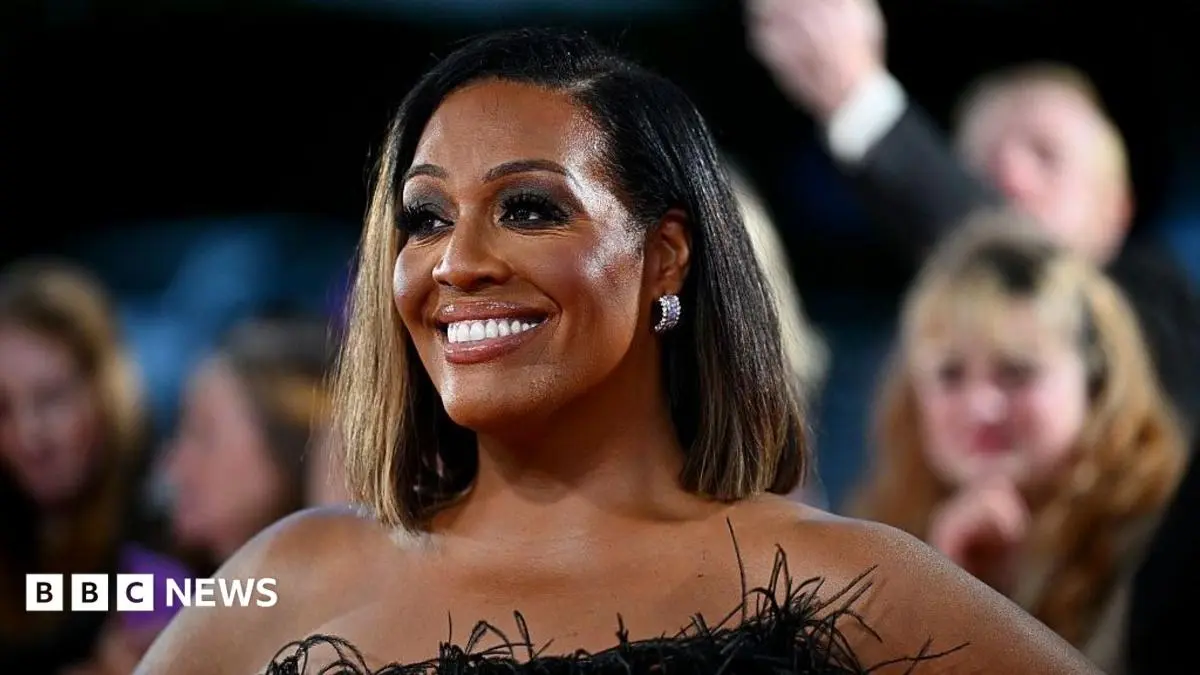
This paradigm shift was starkly illustrated during a routine Friday broadcast of ITV’s flagship daytime program, This Morning. Beloved Birmingham-born presenter and television personality Alison Hammond was forced to depart the set mid-broadcast after experiencing what she later described as a sudden and overwhelming panic attack. The incident occurred approximately ninety minutes into the live show during a segment dedicated to household pets, catching both viewers and her co-host, Dermot O’Leary, by surprise.
Hammond, who rose to national prominence as a vibrant and irrepressible contestant on Channel 4’s Big Brother in 2002 before cementing her status as a broadcasting heavyweight, handled the subsequent public revelation with characteristic candor. Rather than concealing the medical emergency behind vague statements of fatigue or routine illness, the multi-award-winning presenter chose to address the situation head-on. In her subsequent public statements, Hammond admitted that she is relatively new to navigating panic attacks, expressing a humble desire to educate herself about the physiological and psychological underpinnings of anxiety.
The episode has since triggered a widespread national conversation regarding the hidden pressures faced by media personalities, the increasing prevalence of anxiety disorders in high-stress professions, and the critical importance of creating supportive workplace environments within the broadcasting industry. From the immediate, empathetic response of her colleagues at ITV to the outpouring of solidarity from viewers and mental health advocates across the United Kingdom, Hammond’s experience has cast a vital spotlight on the realities of mental health in the public eye. This comprehensive report examines the detailed chronology of the broadcast, the broader context of Hammond’s illustrious career, official statements from key stakeholders, and the future outlook for the presenter as she takes a much-needed period of rest and reflection.
Detailed Chronology of the Broadcast
To fully understand the gravity of the incident, one must examine the precise timeline of the Friday edition of This Morning. The broadcast commenced at 10:00 BST under the usual high-energy auspices that viewers have come to expect from the program. Hammond, radiating her signature warmth and charisma, took her place at the helm alongside her regular Friday co-host, Dermot O’Leary. The opening segments proceeded smoothly, featuring the customary mix of lighthearted banter, current affairs, and lifestyle features that define the two-hour-and-thirty-minute live production.
However, beneath the polished exterior of daytime broadcasting, a sudden physiological shift was taking place. According to production insiders and subsequent statements, Hammond began experiencing acute symptoms of distress as the morning progressed. By 11:30 BST, approximately midway through a segment focusing on domestic pets, the situation reached a critical juncture. Visibly overwhelmed and recognizing the acute onset of a panic attack, Hammond made the difficult decision to step away from the live cameras and leave the studio floor.
The departure occurred swiftly and quietly, designed to avoid unnecessary disruption to the live broadcast while ensuring the presenter’s immediate physical and emotional safety. For the viewing audience at home, the transition was subtle. Following a scheduled commercial break, O’Leary addressed the audience to account for his co-host’s sudden absence. Maintaining a calm and professional demeanor, the 53-year-old presenter informed viewers:
"Welcome back to This Morning, Alison is feeling a little unwell, so she’s just had to duck out. Hopefully she’ll be back."
As the program continued toward its conclusion, it became increasingly clear that Hammond would not be in a condition to return to the studio environment. During a later segment in the broadcast, O’Leary provided a transparent update to the audience, easing concerns while confirming her prolonged absence for the remainder of the show. "She won’t be returning," O’Leary told viewers, adding reassuringly, "so I’ll be here for the rest of the show."
Behind the scenes, ITV’s production staff, medical personnel, and executive producers mobilized immediately to support Hammond. Rather than facing the labyrinth of live television alone, she was met with immediate compassion from her colleagues. The swift coordination between on-air talent and behind-the-scenes crew underscored the evolving duty of care protocols within modern British television production, ensuring that human health is consistently prioritized over broadcast continuity.
Supporting Context & Metrics: The Ascent of a Broadcasting Icon
To contextualize the public reaction to Hammond’s panic attack, one must examine her unique stature within the British media ecosystem. Alison Hammond is not merely a presenter; she is a national treasure whose career trajectory represents a masterclass in longevity, adaptability, and authentic audience connection.
Hammond’s journey into the public consciousness began in 2002 when she entered the house on the third series of Channel 4’s groundbreaking reality television phenomenon, Big Brother. Though her time in the house was relatively brief, her infectious personality, quick wit, and unapologetic self-assurance left an indelible mark on British popular culture. Eschewing the fleeting nature of reality television celebrity, Hammond leveraged her initial platform to carve out a sustainable and influential career in mainstream broadcasting.
Over the ensuing two decades, she became a ubiquitous and beloved presence across British television networks. Her resume includes memorable stints on ITV’s I’m a Celebrity… Get Me Out of Here! and BBC One’s glitter-drenched entertainment juggernaut Strictly Come Dancing. However, it was her work as a roving reporter and eventual main presenter on This Morning that solidified her status as television royalty.
In 2021, Hammond was appointed as a regular Friday co-host on This Morning, partnering initially with Dermot O’Leary. The pairing proved to be a masterstroke of casting, blending O’Leary’s seasoned journalistic professionalism with Hammond’s irrepressible comedic timing and emotional intelligence. The chemistry resonated deeply with audiences and critics alike. The following year, Hammond was part of the dedicated This Morning team that claimed the prestigious National Television Award (NTA) for Best Daytime Programme, a testament to the show’s enduring appeal and the specific warmth that Hammond brought to the screen.
Her professional footprint expanded significantly in subsequent years. In 2023, Hammond was announced as the new co-host of Channel 4’s The Great British Bake Off, joining comedian Noel Fielding in the iconic white tent. Her appointment was universally praised for injecting a fresh, nurturing dynamic into the culinary competition, proving her cross-network appeal. Furthermore, in 2024, Hammond took over the reins of the beloved ITV series For the Love of Dogs, succeeding the late, irreplaceable Paul O’Grady. Taking on a show so deeply associated with animal welfare and public grief required immense sensitivity, a challenge that Hammond met with characteristic grace and empathy.
These milestones highlight the sheer volume of high-pressure environments Hammond navigates on a daily basis. From live morning television and competitive baking tents to emotional animal welfare programs, her schedule is relentlessly demanding. The accumulation of these professional responsibilities, combined with the microscopic scrutiny of public life, provides essential context for the physiological exhaustion and anxiety that manifested on that Friday morning.
Official Statements and Public Reaction
In the hours and days following her departure from This Morning, Hammond broke her silence regarding the incident, offering a candid and vulnerable reflection that resonated deeply with mental health advocates across the United Kingdom. Speaking openly about her experience, Hammond demystified the often-misunderstood nature of panic attacks.
"It felt very real to me," Hammond shared in subsequent statements. "I’m really new to panic attacks, so I need to learn more about it."
The admission highlights a common reality for many adults who experience panic disorders or acute anxiety later in life: the sheer terror of the unknown physical symptoms—such as a racing heart, shortness of breath, and a sense of impending doom—can be profoundly disorienting for someone who has never encountered them before. By openly acknowledging her lack of familiarity with the condition, Hammond normalized the learning curve associated with managing mental health crises.
Hammond was quick to express her profound gratitude to the infrastructure that supported her during her hour of need. She directed specific praise toward the NHS staff who offered guidance and medical support, as well as her colleagues at This Morning, with a particular nod to Dermot O’Leary for his steady hand and protective handling of the live broadcast.
Reflecting on the overwhelming wave of support she received from the public and media peers, Hammond admitted to being deeply moved:
"It’s really warmed my heart actually. I didn’t necessarily want to be on the news or anything like that, but this is a new world to me. I’m going to take stock, take some rest, and I’ll see you soon."
The public response was immediate and compassionate. Social media platforms flooded with messages of solidarity from fans, fellow television presenters, and mental health charities. Many praised Hammond for her bravery in speaking out, noting that public figures discussing their vulnerabilities plays a crucial role in dismantling the enduring stigma surrounding mental health issues in the workplace.
Mental health organizations emphasized that panic attacks are physiological events triggered by the body’s "fight or flight" response, entirely divorced from personal strength or professional competence. By speaking about her experience without shame or obfuscation, Hammond provided a masterclass in authentic communication, reassuring countless viewers who may have experienced similar episodes in their own lives that they are not alone.
Future Outlook: Rest, Recovery, and the Road Ahead
As the dust settles on the events of that Friday morning, the immediate priority for Alison Hammond is unequivocal: rest and recuperation. In an industry that notoriously demands relentless output from its primary talents, taking an intentional pause is a courageous and necessary intervention.
Industry analysts and broadcasting insiders anticipate that Hammond will take a brief, well-deserved hiatus from her hosting duties across This Morning, The Great British Bake Off, and her various other commitments to focus entirely on her well-being. This period of deceleration will afford her the necessary space to consult with medical professionals, develop coping mechanisms for anxiety, and process the immense physical and emotional demands of her multi-faceted career.
The television landscape has evolved significantly over the past decade, moving away from a culture of quiet suffering toward a more holistic understanding of duty of care. ITV’s leadership and production teams have demonstrated a clear commitment to accommodating Hammond’s recovery timeline, signaling that her health remains the absolute priority.
When Hammond eventually returns to the studio—whether seated beside Dermot O’Leary on the sofa of This Morning, stepping into the bustling tent of The Great British Bake Off, or continuing her advocacy for animal welfare—she will do so not just as a beloved entertainer, but as a visible advocate for mental health awareness. Her willingness to share her vulnerabilities has transformed a moment of acute personal distress into a powerful public conversation.
Ultimately, Alison Hammond’s handling of this incident reaffirms why she holds such a treasured place in the British public’s affections. By facing the unknown territory of panic attacks with humility, honesty, and grace, she has demonstrated that true strength lies not in never falling, but in having the courage to pause, take stock, and ask for support when the weight of the world becomes momentarily too heavy to bear.