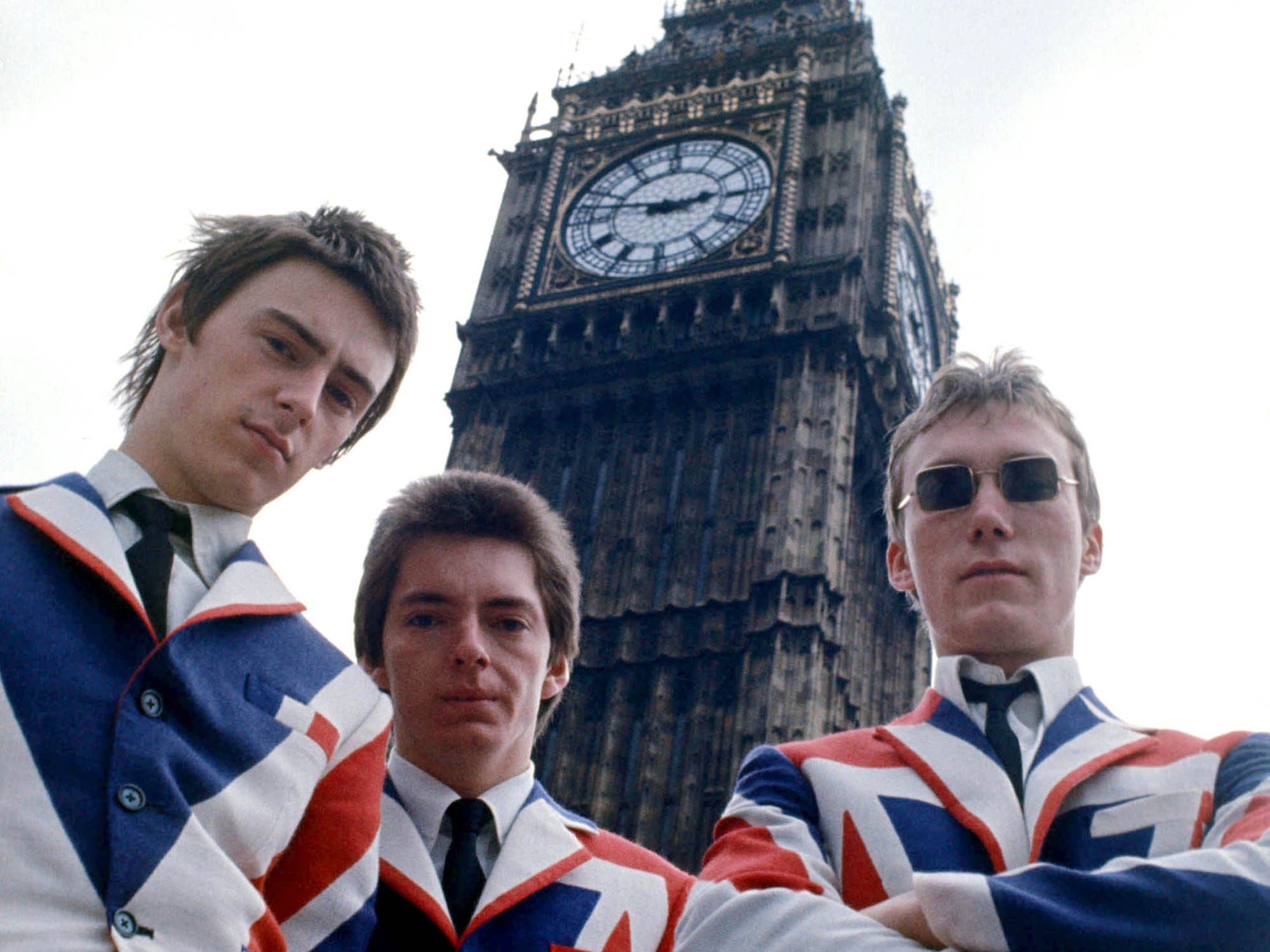
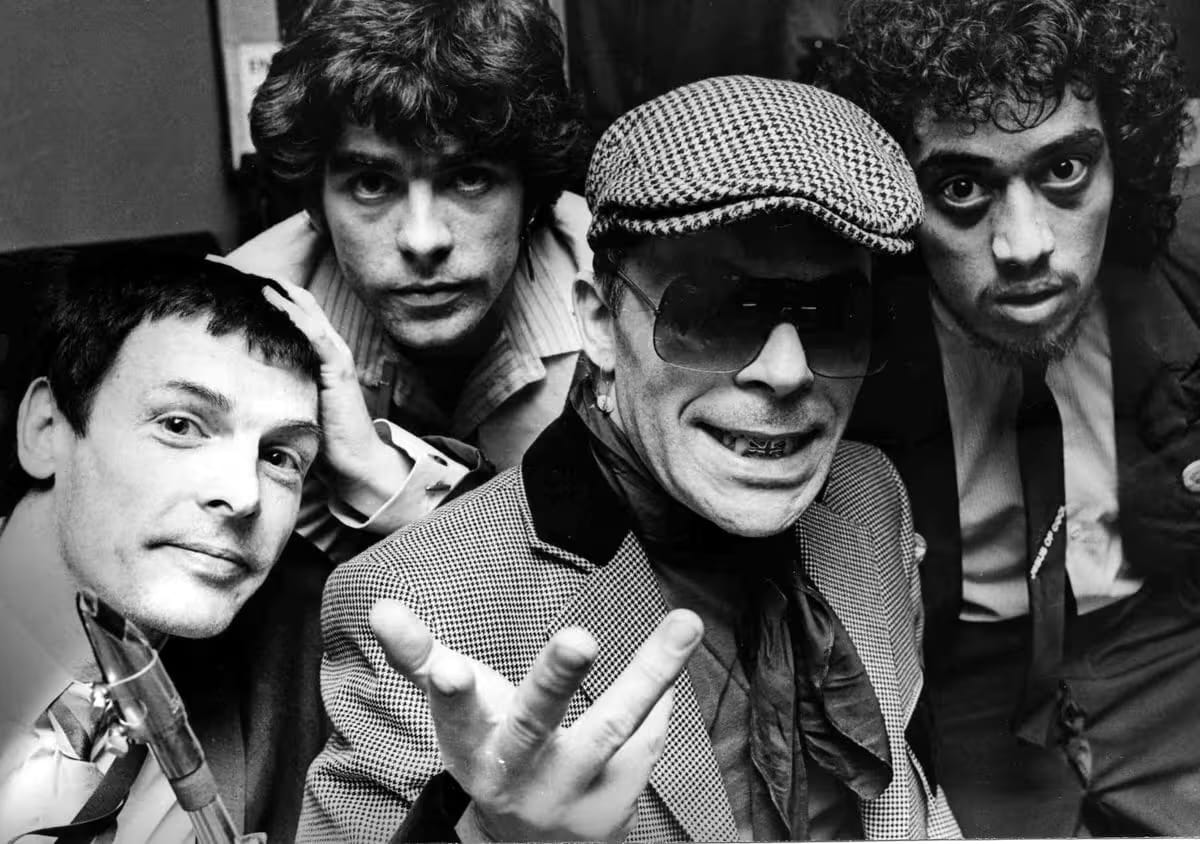
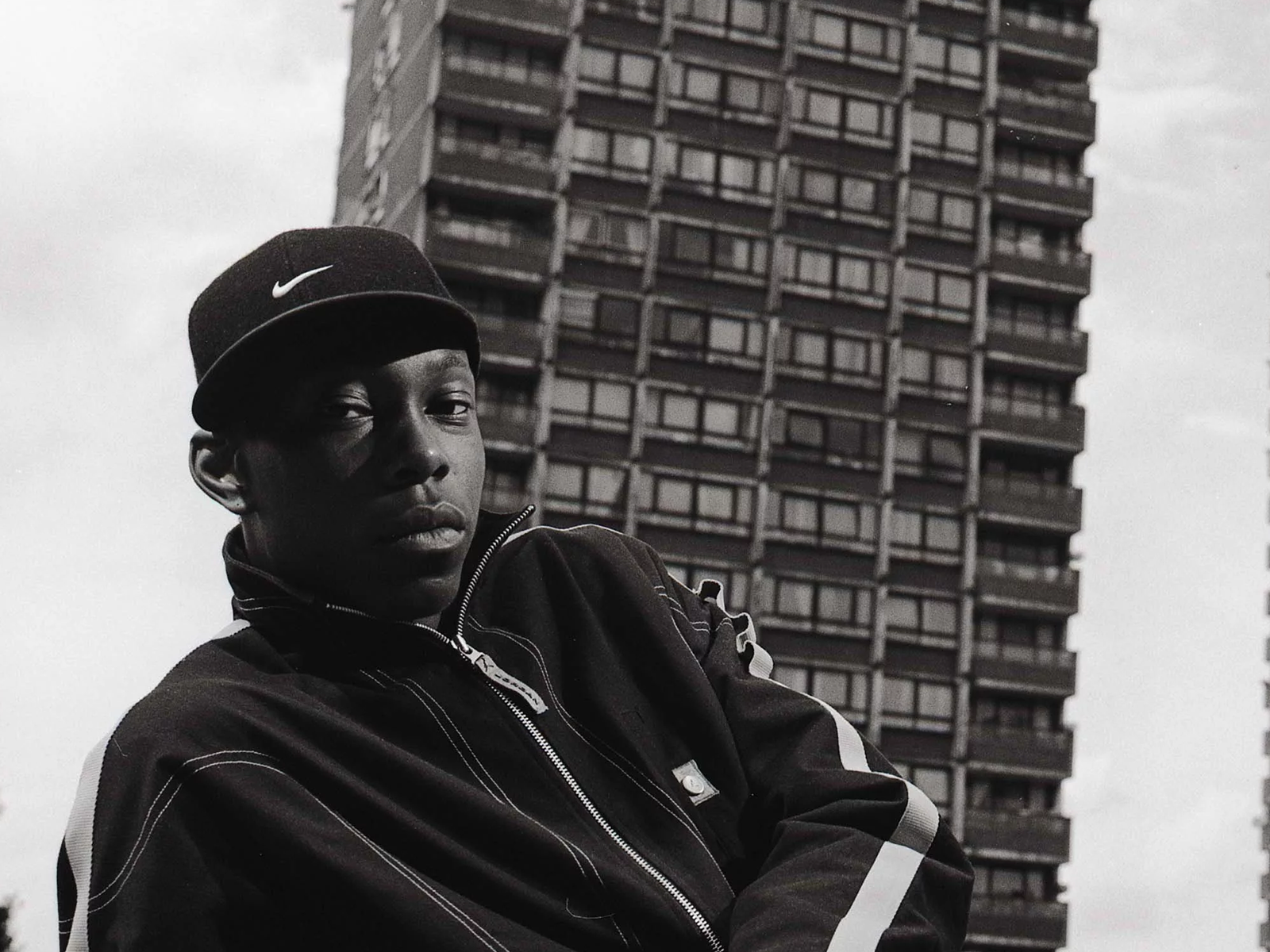
Few global urban centers have exerted as profound and transformative an influence on modern popular music as London. For generations, the British capital has acted as a vast, hyper-creative petri dish—a metropolis where disparate cultures, immigrant communities, socioeconomic struggles, and countercultural movements intersect, collide, and continuously interweave. From the pioneering Caribbean sound system cultures brought ashore by the Windrush generation in the post-war era, to the ferocious, anti-establishment punk explosion of the late 1970s; and onward through the hyper-urban innovations of jungle, UK garage, grime, and modern electronic experimentation, London’s musical DNA is defined by perpetual evolution.
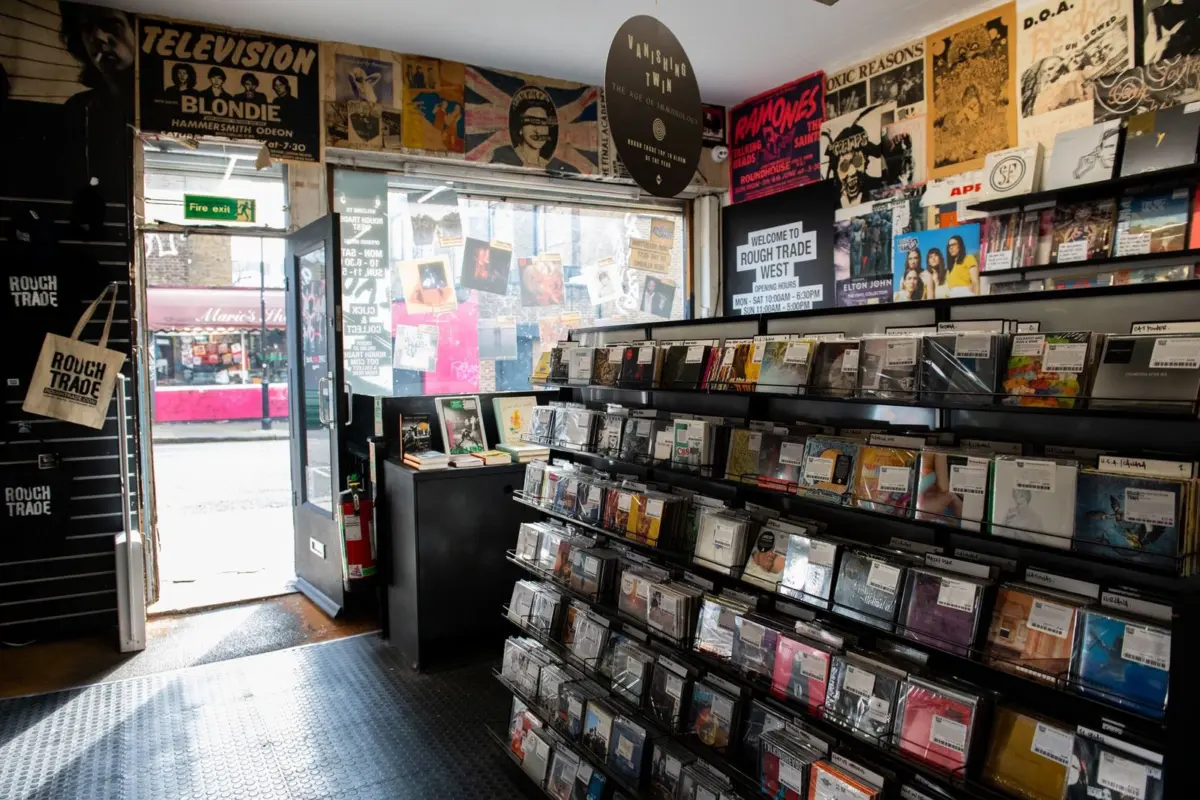
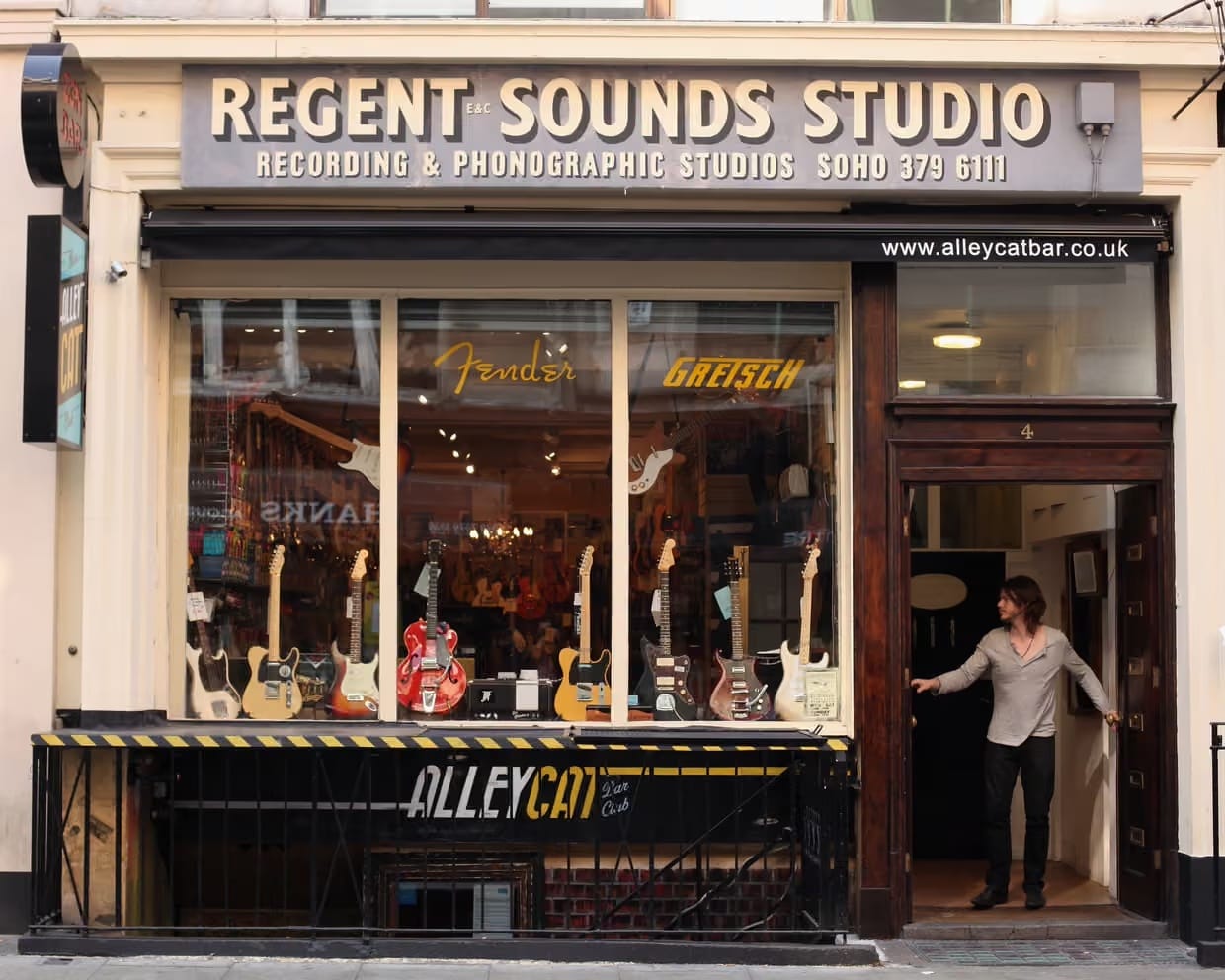
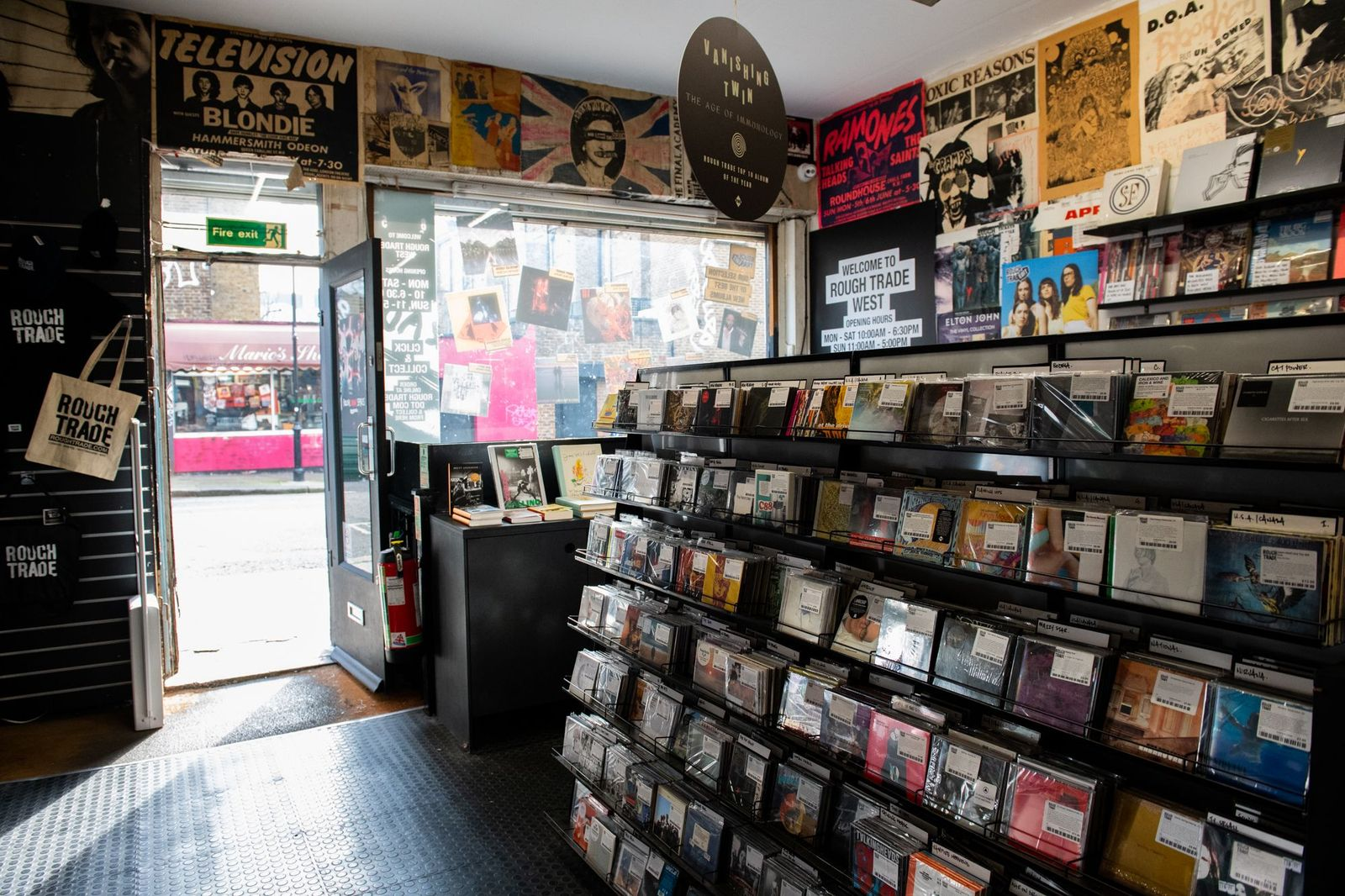
Crucial to this ongoing cultural renaissance has been the city’s foundational infrastructure: independent record stores, clandestine pirate radio stations, legendary underground clubs, and storied rehearsal spaces. Among these institutional pillars, Rough Trade stands as a towering monument. First opening its doors in West London’s Kensington Park Road in 1976—right at the eye of the punk storm—Rough Trade evolved from a modest, independent record shop into an expansive, global network of artists, labels, and passionate listeners. Cementing its historic ties to the city’s geography, the iconic retailer expanded its presence to Soho’s legendary Denmark Street—affectionately known as ‘Tin Pan Alley’—in 2024, embedding itself further into a thoroughfare whose musical lineage spans rock, pop, and punk.
To honor this rich heritage, the staff at Rough Trade has curated a monumental, chronological journey: 100 Songs About London. Spanning over a century of recorded history from 1924 to 2026, this expansive playlist captures the socio-political triumphs and tribulations of the capital through the lenses of artists as varied as Stanley Holloway, The Clash, Lily Allen, Little Simz, Pulp, M.I.A., and RAYE. Available now in its entirety on Qobuz and Spotify, this auditory archive serves as a masterclass in urban anthropology.
Detailed Chronology: A Century of London in Sound
The 100-track collection is more than a mere mixtape; it functions as a chronological mirror reflecting the changing face, pace, and pulse of London across ten distinct decades.
The Interwar and Post-War Eras (1924–1959)
The journey begins in the roaring era of 1924 with Stanley Holloway’s evocative London Town (You Haunt Me). Holloway, a veteran music hall performer whose career bridged pre-First World War entertainment and a 1980 Royal Variety performance alongside Rowan Atkinson, captures a wistful, theatrical melancholy of the early twentieth century.
As the decades progressed, the city’s romantic and infrastructural identities took shape. Vera Lynn’s 1940 standard A Nightingale Sang in Berkeley Square paints an achingly beautiful portrait of a wartime love affair set against the refined backdrop of Mayfair. Soon after, the post-war demographic shift arrived with resounding cultural impact. Lord Kitchener’s 1948 calypso classic London Is the Place for Me encapsulates the optimistic, if challenging, arrival of the Windrush generation, setting the stage for a multicultural metropolis.
By the mid-1950s, everyday civic life found its soundtrack. Flanders and Swann’s breathless 1956 tribute A Transport of Delight celebrated the iconic London double-decker bus, a quintessential piece of urban machinery embedded deep within the British public consciousness.
The Swinging Sixties and Psychedelic London (1960–1969)
The 1960s transformed London into the cultural capital of the Western world. Lionel Bart’s satirical rock-and-roll number Fings Ain’t Wot They Used t’Be (1960), performed by Max Bygraves, bemoaned a changing commercial landscape where traditional East End pubs were giving way to frothy coffee bars.
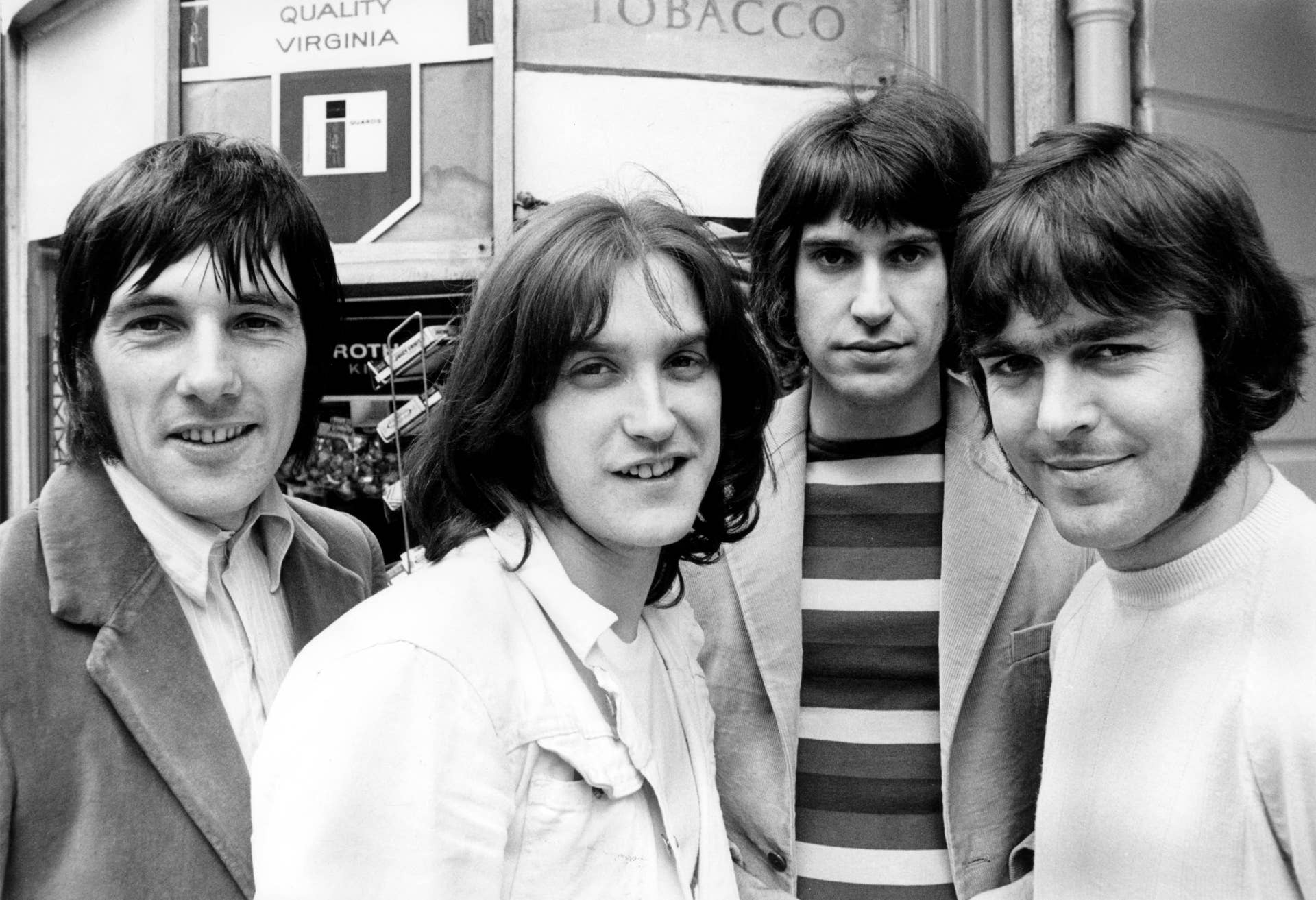
As the decade hit its stride, songwriters found poetry in the city’s institutions and topography. Petula Clark’s 1965 mod-inflected rendition of A Foggy Day reimagined the George and Ira Gershwin classic around the British Museum, shifting from brooding minor keys to a triumphant final chorus. Simultaneously, The Kinks’ Ray Davies drew upon childhood memories convalescing at St Thomas’ Hospital to pen Waterloo Sunset (1967), widely celebrated as one of the most exquisite compositions in the English language.
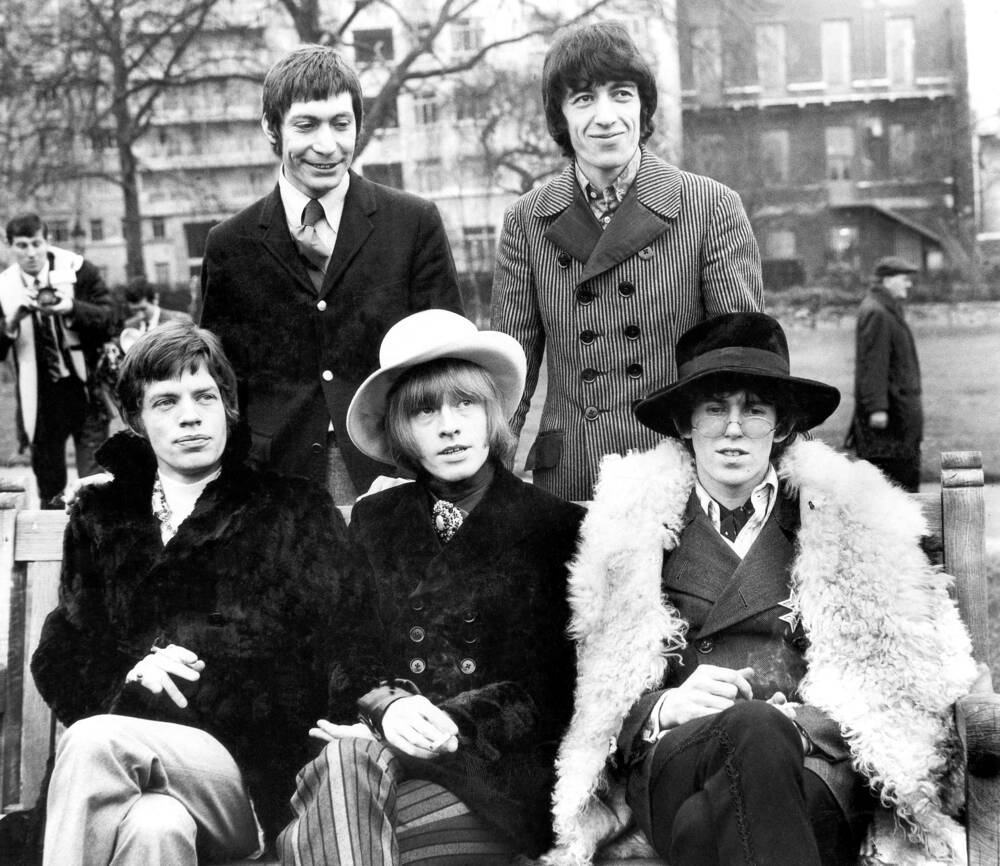
The decade closed out with seismic countercultural shifts. The Rolling Stones captured the eclectic hedonism of the era in You Can’t Always Get What You Want (1969), immortalizing the King’s Road’s multi-story countercultural palace, the Chelsea Drugstore. Meanwhile, Brazilian artists Caetano Veloso and Gilberto Gil, exiled by their nation’s military dictatorship, channeled their displacement into haunting psychological reflections on the British capital with London, London (1971).
Punk, Protest, and Social Tensions (1970–1989)
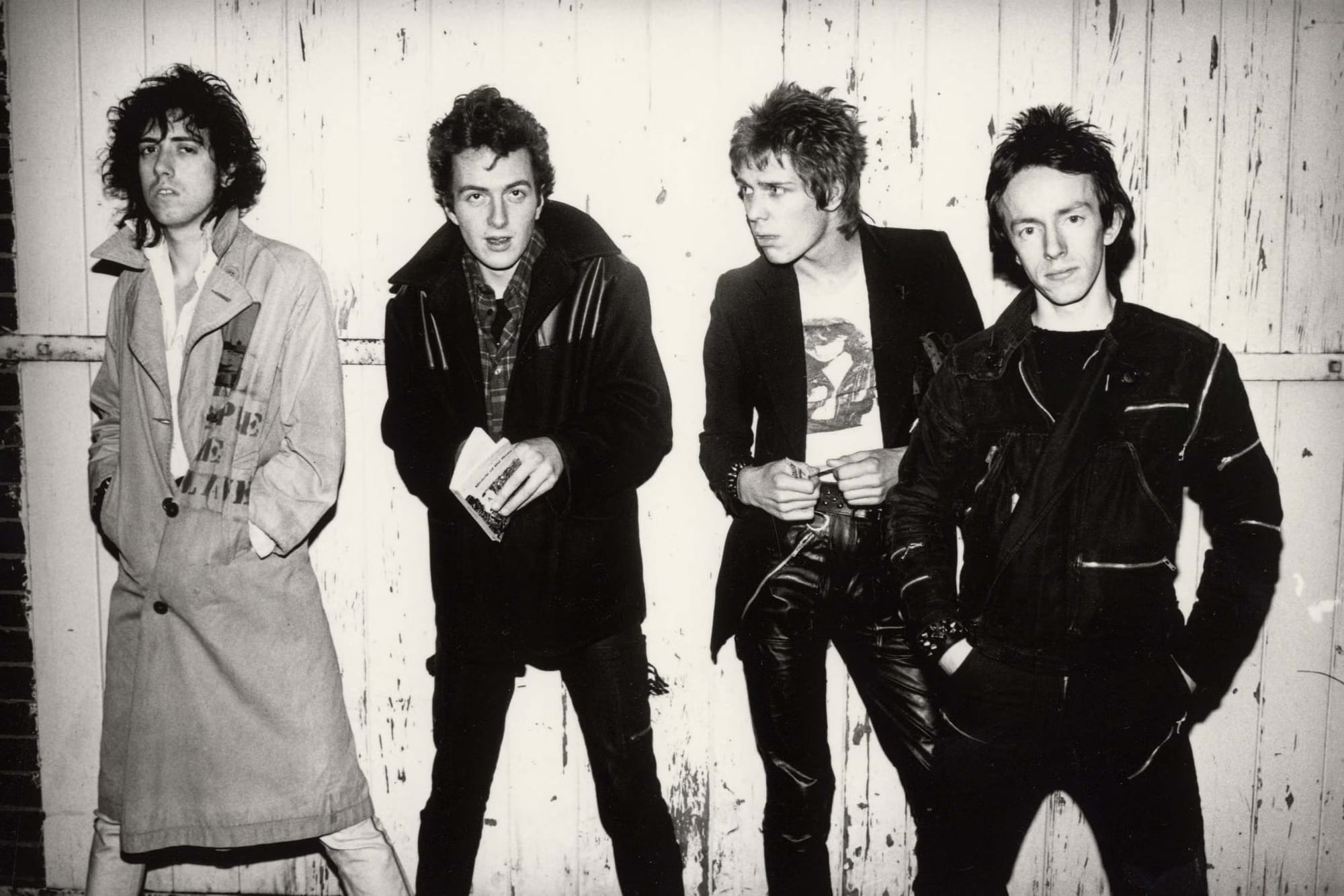
The late 1970s replaced psychedelic optimism with the raw, jagged energy of punk and the heavy, bass-driven vibrations of sound system culture. Junior Murvin’sPolice and Thieves (1976)—subsequently radicalized by The Clash—documented the boiling racial and social tensions that erupted during the 1976 Notting Hill Carnival.
The Clash dominated this era of London-centric songwriting. Tracks like (White Man) In Hammersmith Palais (1978) and the monumental title track of London Calling (1979) utilized punk as an investigative journalistic tool, examining institutional racism, impending nuclear dread, and the crumbling socio-economic fabric of the city.
Parallel to punk’s abrasive honesty, the 2nd-wave ska and 2-Tone movements offered rhythmic escapism. Madness delivered working-class realism with Our House (1982), while Janet Kay made British chart history in 1979 by steering the Dennis Bovell-produced Silly Games into the UK Top 10, cementing Lovers Rock as an indomitable pillar of Black British musical identity.
Cool Britannia, Rave Culture, and the Underground (1990–1999)
Entering the 1990s, London’s sonic identity fragmented into electronic euphoria and indie-rock introspection. Flowered Up’s 17-minute epic Weekender (1992) emerged as the definitive anthem for the capital’s weekend ravers, capturing the hedonistic pursuit of escapism against the backdrop of Camden Town.
The underground club circuit thrived on pirate radio waves and back-alley warehouse parties. Garage tracks like Scott Garcia’sA London Thing (1997) and Double 99’sRipgroove (1997)—forged in a North London kitchen—provided the high-octane soundtrack for souped-up hatchbacks tearing down urban high streets.
Conversely, the era’s alternative scene captured urban alienation. Sinéad O’Connor’s searing 1990 protest ballad Black Boys on Mopeds shattered the sanitised veneer of pre-millennial England, offering a sobering look at police brutality and systemic injustice on London’s streets.
The New Millennium: Grime, Indie Sleaze, and Modern Realism (2000–Present)
The 21st century witnessed the birth and global dominance of homegrown electronic genres: grime, dubstep, and modern UK rap. Dizzee Rascal’s seminal Sittin’ Here (2003) and Skepta’s gritty early street anthems documented postcode politics and working-class survival in East London with unflinching candor.
Indie rock also offered its own romanticized realism. The Libertines soundtracked youthful volatility with Time for Heroes (2002), while Amy Winehouse’sYou Can’t Always Get What You Want follow-up, You Know I’m No Good (2006), cemented itself as the ultimate late-night anthem for messy nights ending in kebab shops across Camden and Kentish Town.
In recent years, contemporary torchbearers have continued to map the city’s changing topography. Little Simz paid homage to the pirate radio legends of her youth on 101 FM (2018), Dave chronicled his formative years in South London on Streatham (2019), and Yussef Dayes blended jazz instrumentation with familial homage on Crystal Palace Park (2023). Most recently, artists like RAYE (Nightingale Lane, 2026) continue to immortalize local historic landmarks, ensuring that London’s ongoing narrative remains etched in vinyl and digital streaming alike.
Supporting Context & Metrics
To truly comprehend the depth of this musical catalog, one must examine the institutional and geographic networks that sustained these artists:
Geographic Spread: The 100 tracks span representations from all corners of the capital—from the historic political hubs of Westminster and Mayfair to the multicultural epicenters of Brixton, Hackney, Camden, Ladbroke Grove, and Streatham.
Format Accessibility: The complete curated playlist is hosted across international streaming platforms Qobuz and Spotify, allowing listeners worldwide to trace the city’s sonic evolution sequentially.
Retail Expansion: Rough Trade’s physical footprint mirrors this musical journey. From its historic origins on Kensington Park Road (West London) in 1976, the brand expanded to East London (Brick Lane) and internationally, culminating in its landmark 2024 opening on Soho’s Denmark Street—a historic alleyway that previously hosted recording sessions for Jimi Hendrix, David Bowie, and The Rolling Stones.
Official Statements & Curator Insights
The compilation is heavily informed by the personal anecdotes and frontline experiences of Rough Trade’s nationwide staff. Curator commentary throughout the project underscores a deep, lived-in affection for the capital:
"From the reggae and soundsystem culture brought to Britain by the Windrush generation… through the punk explosion of the 1970s… to the grime, garage, jungle and electronic scenes, the city’s musical DNA has always been constantly evolving."
— Rough Trade Editorial Team
Reflecting on individual tracks, staff members highlight the intimate connection between urban geography and personal memory. Commenting on The Jam’s 1978 cinematic masterpiece Down in the Tube Station at Midnight, staff note how Paul Weller’s vivid storytelling:
"…reflects the city’s social tensions at the time, transforming an everyday London experience into something cinematic and claustrophobic."
Similarly, reflecting on the enduring legacy of Sinead O’Connor’s 1990 protest song Black Boys on Mopeds, staff at Rough Trade West observe:
"…she denies England of the image it projects to the rest of the world, and tells listeners of the sobering truth of England’s relationship with police brutality."
Future Outlook
As London faces contemporary challenges—including the pressures of gentrification, the commercial pressures squeezing out grassroots live music venues, and the shifting economics of the digital music landscape—its cultural resilience remains entirely unbroken.
The inclusion of modern releases up to 2026 (such as Wolf Alice’s Gospel Oak and RAYE’s Nightingale Lane) proves that the capital’s well of inspiration is inexhaustible. New generations of artists continue to migrate to London, drawn by the same magnetic, chaotic energy that magnetized folk singers in the 1960s, punks in the 1970s, and grime MCs in the 2000s.
Through ongoing archival projects like Rough Trade’s 100 Songs About London, the city’s history is preserved not merely as static museum pieces, but as a living, breathing soundtrack that continues to soundtrack the lives of millions. Whether experienced through the crackle of a vintage vinyl record in a Soho basement or streamed through digital platforms across the globe, London’s sonic heartbeat remains as vital, defiant, and revolutionary as ever.