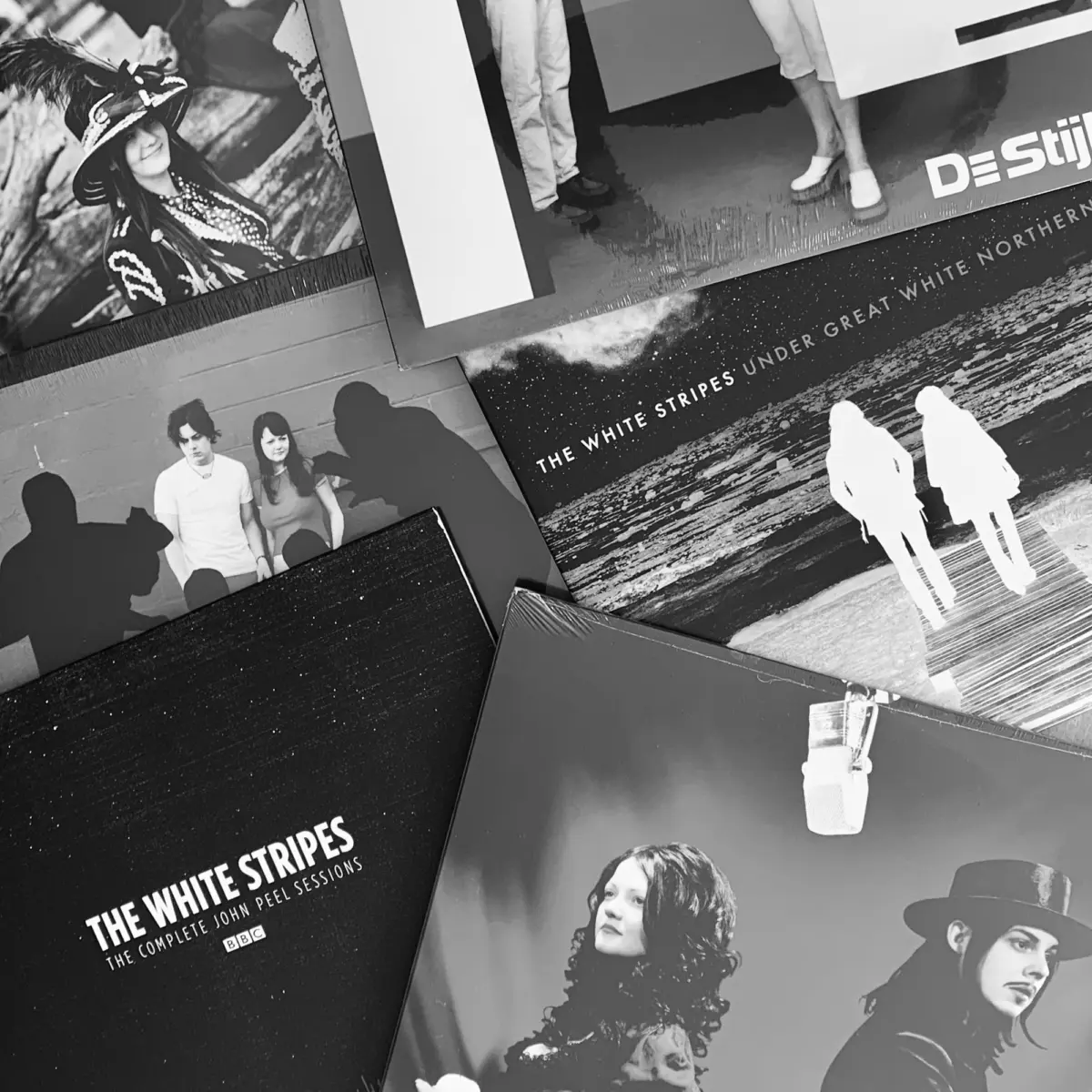
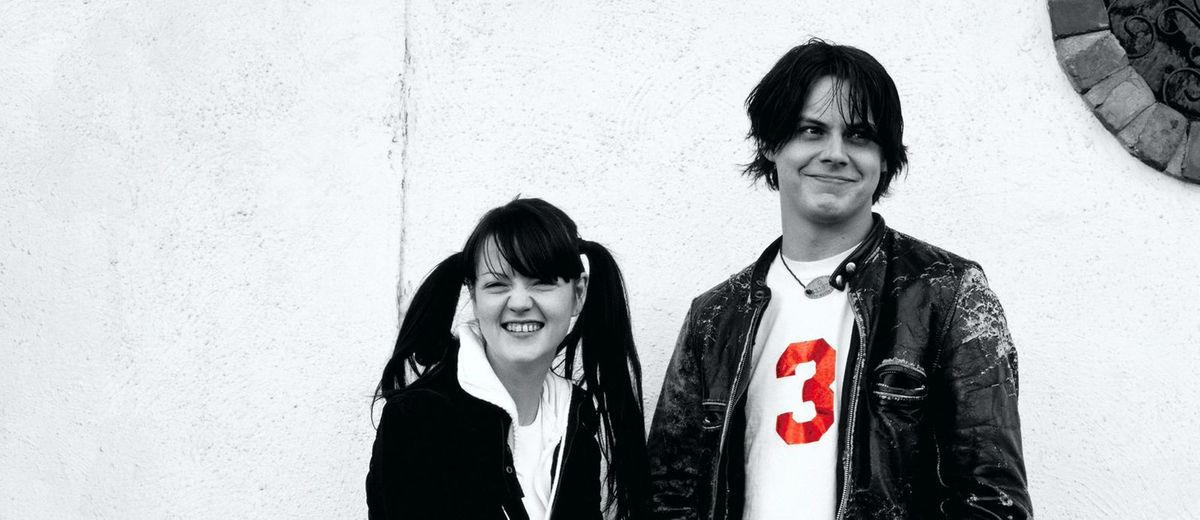
For fourteen years, six studio albums, and an accumulation of countless accolades, awards, and industry-defining nominations, The White Stripes stood as the standard-bearer for garage-rock innovation. Emerging from the gritty, blue-collar backdrop of Detroit, Jack and Meg White crafted a minimalist aesthetic that punched well above its numerical weight. They were the architects of a modern alternative-mainstream movement, sharing sonic DNA with contemporaries like Radiohead, Björk, and Nick Cave, yet operating under a deliberately stripped-down banner of white blues and punk-infused garage-rock.
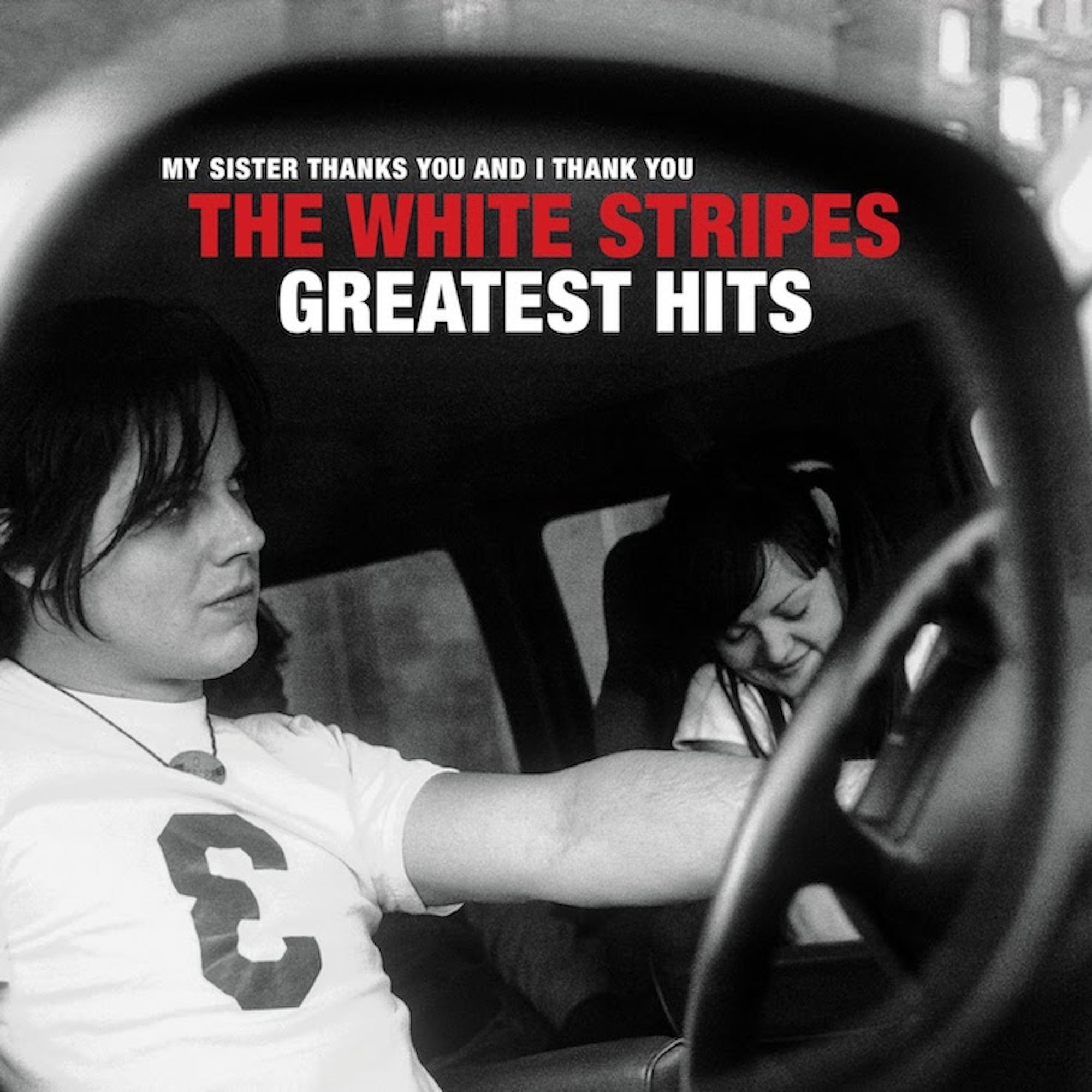
Their legacy is not merely one of nostalgic reverence; it is a foundational pillar of modern rock architecture. When Greatest Hits—the first-ever official anthology of recordings from the iconic rock duo—was released, it provided both a nostalgic victory lap for aging indie purveyors and a masterclass in economy of sound for a new generation. As Jack White famously quipped, capturing the exhausted romanticism of the modern listener, "Maybe we should all just listen to records and quit our jobs."
The band’s enduring cultural footprint was cemented further when the Detroit legends earned a long-overdue induction into the Rock & Roll Hall of Fame. Demonstrating their cross-genre gravitational pull, Jack White subsequently joined forces with Eminem for a surprise duet at the Detroit Lions’ Thanksgiving Halftime Show, proving that the rousing, distorted roar of White Stripes guitar anthems remains as culturally potent as ever.
Detailed Chronology: Ranking The White Stripes Greatest Hits
To understand the trajectory of The White Stripes is to trace an arc from raw, feedback-drenched delta tributes to stadium-sized anthems that border on the mythical. Here is the definitive, track-by-track dissection of their career-spanning anthology.
26. "You’re Pretty Good Looking (For A Girl)" (From De Stijl)
All great retrospectives must start with a reality check. While pivotal to understanding Jack White’s expanding songwriting palette on De Stijl, this rapid pop track ultimately falls flat when sequenced alongside the heavier hitters of the anthology. It remains the tamest offering in the Greatest Hits catalogue—someone always has to take the bottom step.
25. "I Just Don’t Know What To Do With Myself" (From Elephant)
A collision of Dusty Springfield sensibilities with minimalist, alternative moping. On paper, it sounds like an inspired conceptual stretch; in practice, Jack’s occasionally self-indulgent, theatrical delivery borders on the melodramatic rather than the sublime.
24. "I Think I Smell a Rat" (From White Blood Cells)
A primitively unorganized shambles from 2001’s watershed White Blood Cells. While it rarely aspires to transcendent heights, its primal energy and chantable one-liner chorus make it an undeniable crowd-pleaser for those seeking unpolished grit.
23. "My Doorbell" (From Get Behind Me Satan)
A bouncy, piano-driven oddity where Jack White sings almost exclusively about ringing doorbells. Bizarrely, this minimalist exercise earned the band a 2006 Grammy nomination for "Best Pop Performance by a Duo or Group with Vocals," proving that even their throwaway experiments commanded global attention.
22. "The Nurse" (From Get Behind Me Satan)
Arguably the least urgent track on the otherwise idiosyncratic and rhythmically shifting Get Behind Me Satan. That said, its eerie, xylophone-laced pulse makes it an oddly comforting, cinematic soundtrack for a late-night bath.
21. "Hello Operator" (From De Stijl)
The sophomore record’s secondary standout, built around a snappy rhythm tailor-made for street-strutting. Featuring a stellar mouth-organ solo and typewriter-sharp percussion, it captures the nervous, twitchy brilliance of the duo’s early era.
20. "I’m Slowly Turning Into You" (From Icky Thump)
Clunky, loud, and boasting a delightfully questionable squeak at the 2:55 mark, this track embraces the yelped fade-outs that defined the mid-2000s guitar scene (sharing spiritual space with The Hives and Black Rebel Motorcycle Club). It is aggressively imperfect, yet entirely effective.
19. "Screwdriver" (From The White Stripes)
Proof that writing a modern rock hit sometimes requires nothing more than a massive guitar riff in the key of D and an afternoon to burn. The twelfth track of their self-titled debut is the squawking, high-energy love-child of Robert Plant’s vocal swagger and garage-rock abandon.
18. "Fell In Love With A Girl" (From White Blood Cells)
Clocking in at a brisk one minute and fifty seconds, this blistering punk-blues sprint breaks boredom with lethal efficiency. Heralded by Rolling Stone as "one of the forty songs that changed the world," its cultural impact is matched only by Michel Gondry’s legendary Lego-brick stop-motion music video.
17. "The Big Three Killed My Babe" (From The White Stripes)
While most of their garage-rock peers wallowed in apolitical, youthful hedonism, The White Stripes aimed their crosshairs squarely at the American automotive industry with this anthemically howled protest song. It remains an uncompromising blast of industrial blues-punk.
16. "Conquest" (From Icky Thump)
A radical reinvention of the Patti Page original. Jack White’s mariachi-infused, bullfight-style rendition sounds like getting your hair caught in the eye-socket of a mechanical bull—chaotic, theatrical, and entirely in a league of its own.
15. "Let’s Shake Hands" (From Let’s Shake Hands)
Opening the Greatest Hits collection with their very first independent single was a masterclass in career curation. As a statement of intent, it reminds listeners precisely where the mythos began: raw, unadulterated urgency.
14. "We’re Going To Be Friends" (From White Blood Cells)
A masterclass in acoustic simplicity. Its disarming, childlike stream-of-consciousness cuts through critical cynicism with effortless warmth, establishing itself as one of the most endearing indie folk-rock cuts of the decade.
13. "The Hardest Button to Button" (From Elephant)
Immortalized by a Simpsons parody and a mind-bending, multi-cam music video featuring Beck, this track pulses with a low-end, paranoid groove that dances on the razor’s edge of "Psycho Killer" tension.
12. "Hotel Yorba" (From White Blood Cells)
"Well, it’s one, two, three, four / Take the elevator at the Hotel Yorba." Jack White’s lyrical couplets here are endlessly quotable. Mastering the words to this acoustic romp was a rite of passage for early-2000s indie kids seeking instant street cred.
11. "Jolene" (Cover)
When country royalty Dolly Parton states in a 2016 interview with The Guardian that "The White Stripes did one of the greatest versions ever of Jolene," further commentary becomes entirely redundant. Their live-wire reading infuses the classic with genuine terror and visceral urgency.
10. "Seven Nation Army" (From Elephant)
It is rumored that modern children are born with this iconic bass-riff (achieved via a semi-acoustic guitar run through a Whammy pedal) imprinted on their DNA. Though its ubiquitous football stadium chants have made it a global cultural artifact, placing it firmly at number ten nods to the duo’s deeper, more subversive cuts.
9. "Blue Orchid" (From Get Behind Me Satan)
So rhythmically innovative that legendary choreographer Wayne McGregor staged an entire ballet (Chroma) around its mechanical, distorted pulse. Meg White’s drumming here is a masterclass in structural economy and conceptual athleticism.
8. "Dead Leaves and the Dirty Ground" (From White Blood Cells)
Loud, proud, and paying explicit homage to Delta blues hero Son House’s "Death Letter," this track captures anthemic swagger at its absolute zenith. It is the gold standard of modern garage-rock dynamics.
7. "Death Letter" (From De Stijl)
The White Stripes never indulged in casual homage; they wore their blues influences like a badge of honor. This blistering, skeletal cover of Son House’s Delta standard boom-booms with raw self-control, offering an unvarnished masterclass in modern blues interpretation.
6. "Astro" (From The White Stripes)
Equal parts cosmic roll-call and rhythmic exercise, "Astro" proves that the secret to a life well-lived is simply finding music you can relentlessly stomp your feet to.
5. "I Fought Piranhas" (From The White Stripes)
A slow-burning, slide-guitar-driven lament that receives an automatic placement boost purely for its unforgettable inclusion in the cinematic universe of Peaky Blinders.
4. "The Denial Twist" (From Get Behind Me Satan)
Boasting one of the greatest lyrical openings in modern rock history—"If you think that a kiss is all in the lips, c’mon, you got it all wrong, man"—this piano-led strut challenges the listener to find a more effortlessly suave couplet.
3. "Ball and Biscuit" (From Elephant)
Clocking in at over seven minutes, this is the longest studio track The White Stripes ever recorded. It is a lawless, 12-bar blues beast that roars gospel fire into the depths of debauchery. Crucially, it remains the only song of the 21st century covered by Bob Dylan, and serves as a towering monument to Meg White’s hypnotic, divine sense of timing.
2. "Apple Blossom" (From De Stijl)
Accompanied by a whimsical Wartella-animated music video in their trademark red-and-white palette, this track evokes pure, unadulterated delight. Jack’s soaring six-string solo, preceded by a charmingly casual ad-libbed "Alright," remains a masterclass in understated pop-blues craftsmanship.
1. "Icky Thump" (From Icky Thump)
The undisputed crown jewel. If the Greatest Hits sequence were a live setlist, "Icky Thump" is that final, pyrotechnic explosion before the band departs the stage, leaving the crowd screaming for an encore. It fuses Celtic folk motifs, screaming fuzz-pedals, and unbridled Detroit rock-and-roll into a singular, career-defining masterpiece.
Supporting Context & Metrics: The Architecture of Minimalism
The enduring brilliance of The White Stripes relies heavily on a strict adherence to self-imposed limitations. By restricting their color palette to red, white, and black—and maintaining a skeletal two-piece lineup consisting of Jack on guitar, piano, and vocals, and Meg on percussion—they manufactured a tension that standard four-piece bands could never replicate.
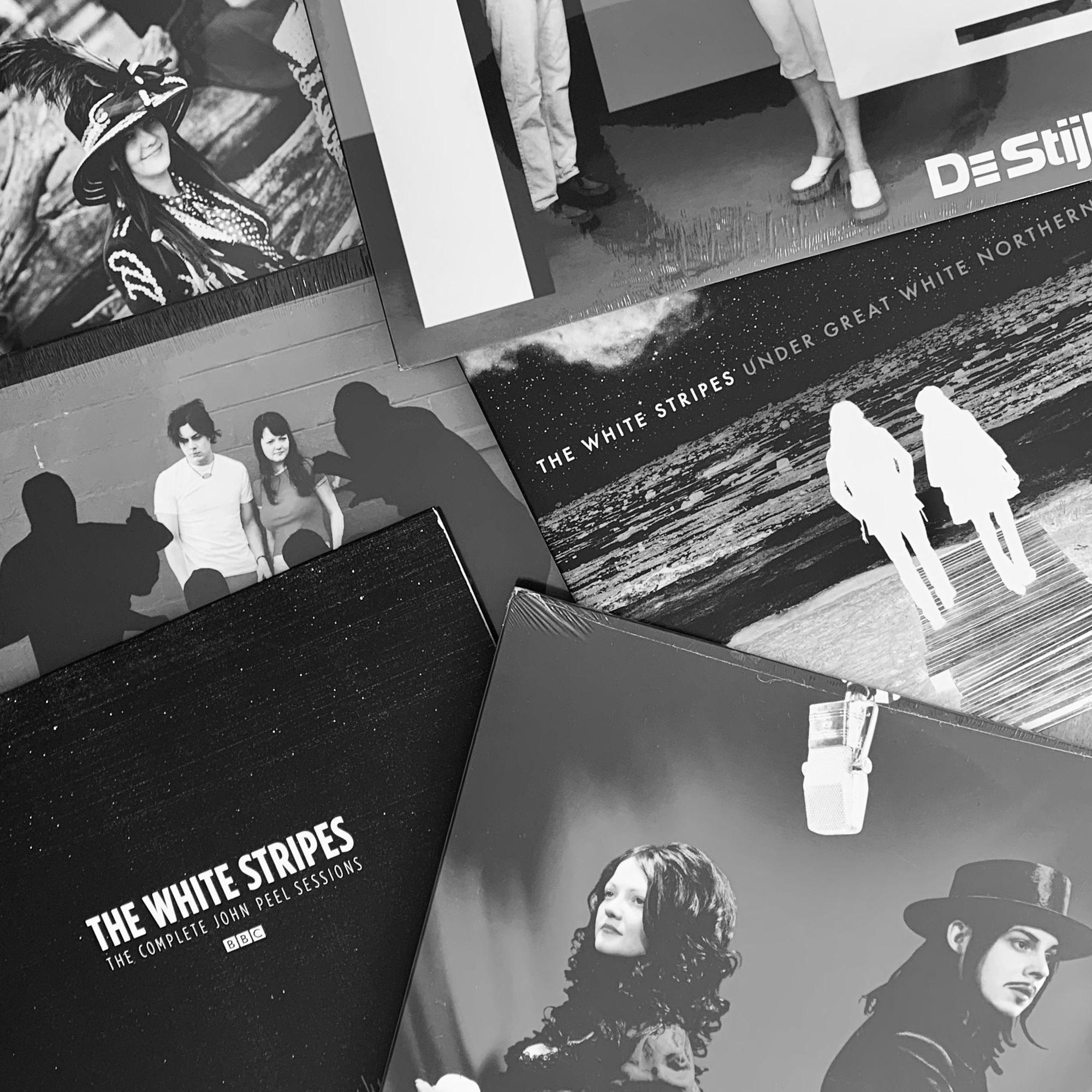
Market metrics and cultural retrospectives consistently place the duo at the epicenter of the early-2000s garage-rock revival. However, their influence transcends mere genre revivals. Their vinyl sales, streaming longevity, and critical consensus across platforms like Rough Trade underscore a sustained community engagement that spans over two decades. Their records are not treated as relics of a bygone era, but as enduring blueprints for independent artistry.
Official Statements & Industry Reception
The critical consensus surrounding Jack and Meg White has always been characterized by reverence from both their peers and the elder statesmen of rock history.
- Bob Dylan’s Endorsement: By selecting "Ball and Biscuit" to cover in the 21st century, Dylan validated the band not merely as contemporary hitmakers, but as authentic torchbearers of the American blues tradition.
- Dolly Parton on "Jolene": "The White Stripes did one of the greatest versions ever of Jolene," Parton noted in a 2016 interview with Mark Guarino of The Guardian, highlighting the duo’s ability to strip a classic down to its emotional core and rebuild it with terrifying intensity.
- Jack White on the Process: Summarizing the philosophy that carried the band through their prolific career, Jack White once offered a directive that resonates with music lovers worldwide: "Maybe we should all just listen to records and quit our jobs."
Future Outlook
As the dust settles on their recorded output and their rightful place in the Rock & Roll Hall of Fame is secured, the cultural resonance of The White Stripes continues to evolve. Jack White’s post-Stripes career—marked by acclaimed solo ventures, prolific vinyl pressing plants via Third Man Records, and a continuous exploration of analog recording techniques—ensures that the ethos of the Detroit duo remains alive and well.
Furthermore, Jack’s 2022 output (which saw him cheekily "cover himself" twice with tracks like "Taking Me Back") and his recognition by Rough Trade as a cornerstone of modern music innovation prove that his creative engine shows no sign of slowing down. Whether through surprise stadium appearances with hip-hop icons like Eminem or the enduring spin of vinyl on living room coffee tables worldwide, the ghost of The White Stripes lingers—a reminder of what can be achieved when raw passion meets uncompromising artistic vision.