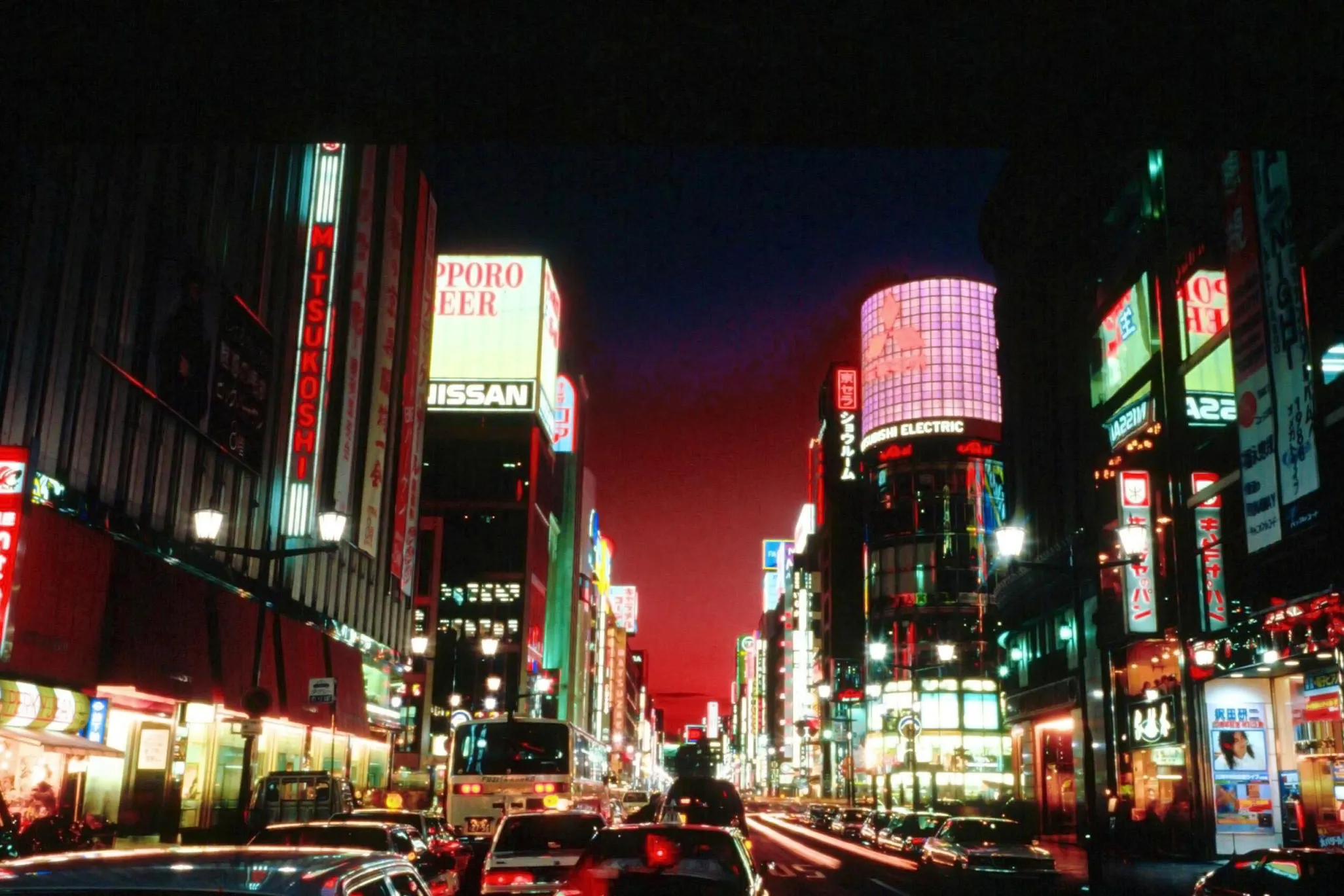
Sun-soaked geometric vistas stretch unmarred across the horizon, where artificially pristine palm trees stand as silent sentinels against skies of impossibly deep azure. Iridescent pink neon signs bleed into the dusk, towering skyscrapers pierce the night air, and meticulously maintained freeways promise an urban existence defined by endless romance and limitless possibility.
Perhaps more so than any other genre in modern music history, "city pop" transcends simple auditory boundaries. It is an era, an aesthetic, a psychological atmosphere, a tactile vibe, and an entire lifestyle.
Japanese city pop has traveled far beyond its 1970s and 1980s archipelago origins, captivating an entirely new global audience with its sophisticated, sleek synthesis of jazz, funk, soul, disco, boogie, and sunlit pop. This extraordinary international revival reaches a historic watershed moment in August 2026, when legendary guitar virtuoso Masayoshi Takanaka headlines City Pop Waves at the Crystal Palace Bowl—London’s first-ever major outdoor festival dedicated exclusively to the genre. Today’s international revivalist audience rightly venerates Takanaka as a foundational pioneer of the scene. Though his precise sonic signature leans closer to jazz fusion and instrumental rock centered on immaculate fretwork, Takanaka’s meteoric rise occurred within the exact same cultural epoch. His work shares the smooth, tropical, and aggressively upbeat aesthetic that characterizes the definitive city pop canon.
In celebration of this unprecedented cultural resurgence, we delve into ten essential Japanese city pop albums, guided by the expert hand of Rough Trade Nottingham’s resident city pop enthusiast, Jono Beard. From Takanaka’s breezy masterwork Seychelles to cult-status masterworks by Taeko Ohnuki, Haruomi Hosono, Junko Yagami, and beyond, this deep dive maps the trajectory of a sound that defined Japan’s economic bubble era and continues to intoxicate the modern digital age.
Supporting Context & Metrics: The Anatomy of a Genre
To understand city pop, one must first deconstruct the paradox of its existence. It is an enigma of compelling dualities: at once quaint yet hyper-aspirational, delightfully superficial yet profoundly resonant, retroactively nostalgic yet deeply futuristic. It belongs to a specific time and geographic coordinate that most Western fans will never personally experience—and which, perhaps, never truly existed outside the glossy pages of high-fashion magazines and architectural blueprints.
For purists and scholars of Japanese music, the terminology itself remains a subject of amiable debate. During its contemporary moment in the late 1970s and 1980s, the music was broadly categorized domestically as "New Music." This movement was spearheaded by an underground vanguard of singers, musicians, and songwriters heavily influenced by the American folk revival of the 1960s. Over time, these artists absorbed an eclectic cocktail of jazz, funk, soul, disco, boogie, and nascent synth-pop. The umbrella term "city pop" was coined in the late 1970s precisely to commercialize and distinguish this sophisticated, metropolitan sound from traditional enka and domestic pop ballads.
During this golden era, Japan boasted the second-largest music market in the entire world. The sheer volume of output, artistic cross-pollination, and studio budget allocation means that countless brilliant artists, groups, and LPs inevitably escape standard anthologies. What follows is a chronological examination of ten monumental records that helped shape—and continue to define—some of the finest popular music ever recorded.
Detailed Chronology: Ten Essential City Pop Masterpieces
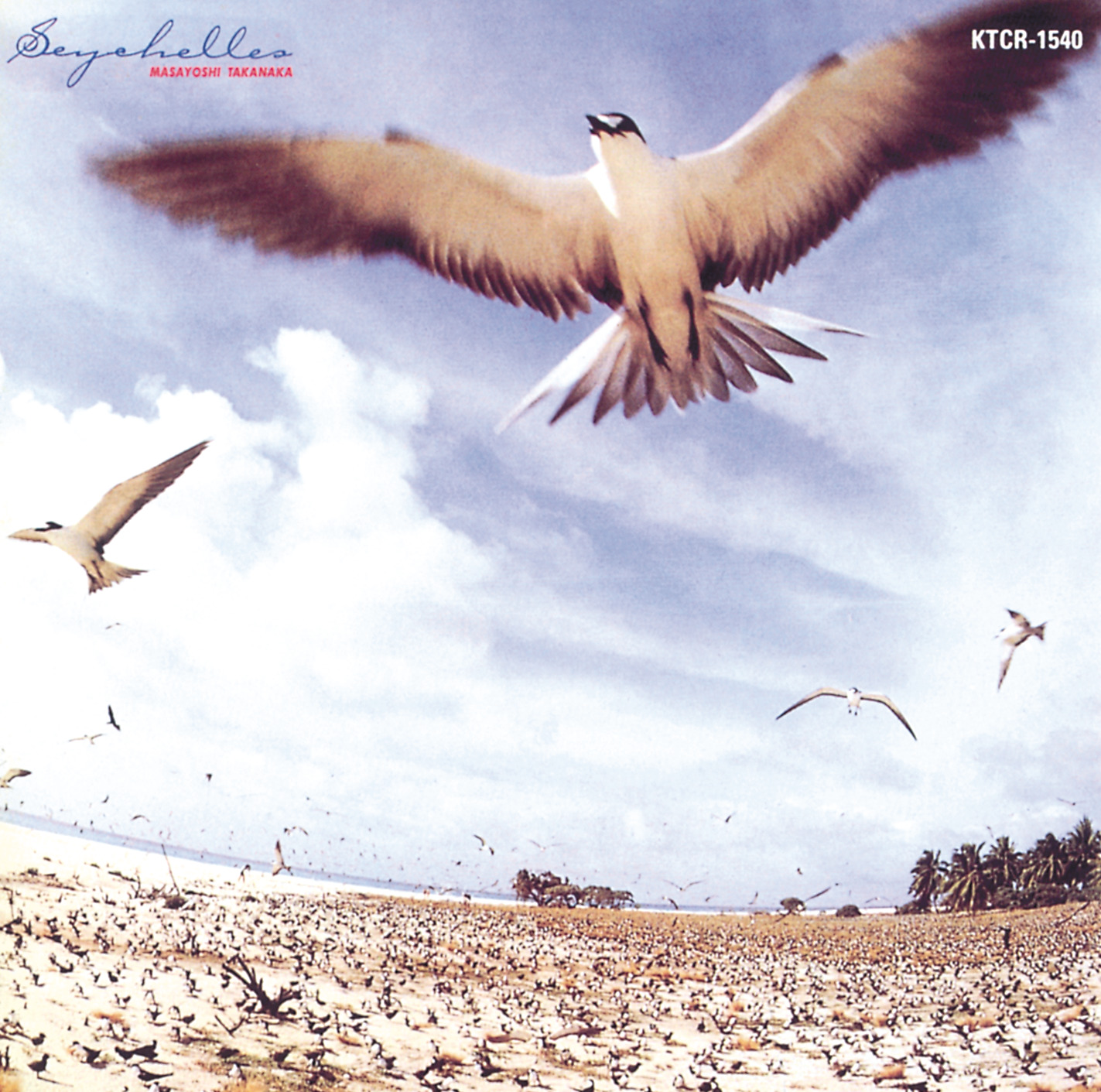
1. Masayoshi Takanaka – Seychelles (1976)
Released in the shimmering summer of 1976, Seychelles is a quintessential cornerstone of the genre and one of its earliest definitive expressions, pipped to the post by only a handful of seminal records from the previous year, including Sugar Babe’s Songs. While Takanaka’s virtuoso guitar lines—reminiscent of Carlos Santana—lean heavily into jazz fusion, the album’s vibrant, breezy, funky, and tropical atmosphere arguably codified much of the sonic vibe the world would later identify as city pop. Much like Western yacht rock, these compositions are light, effortless, and sophisticated, with the true star of the show being elite musicianship. Takanaka’s intricate arrangements showcase an auteur operating at the height of his powers right out of the gate, setting a standard he would meet across a storied career.
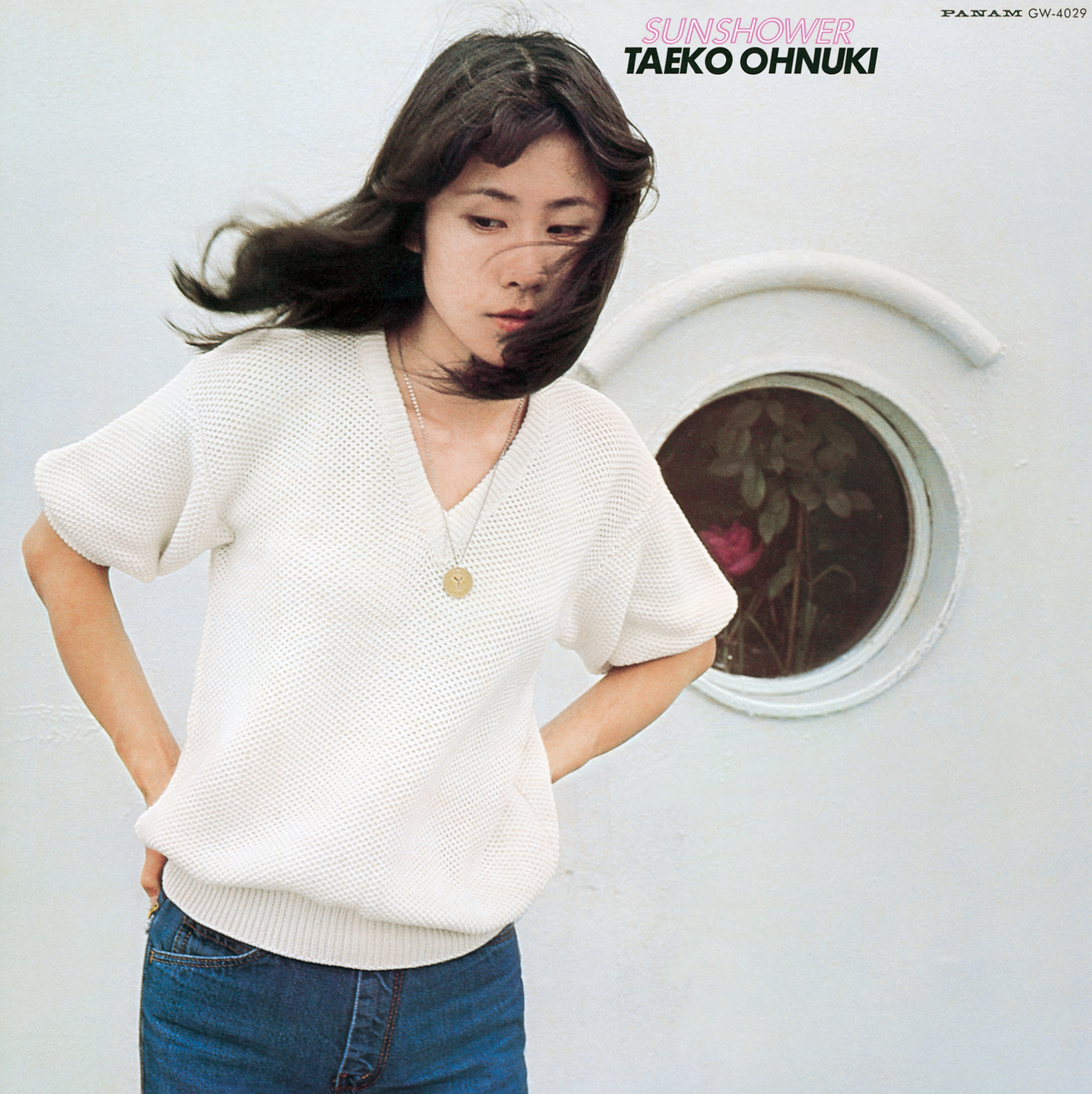
2. Taeko Ohnuki – Sunshower (1977)
As a founding member of the aforementioned Sugar Babe, Taeko Ohnuki parlayed the critical goodwill of that band and her 1976 solo debut, Grey Skies, into her sophomore masterwork, Sunshower. Long before the internet unlocked these archives for Western listeners in the early 2010s, Sunshower had earned an international reputation. While still technically rooted in the "New Music" paradigm, the record points decisively toward the more commercial, funky sonic architecture that would dominate the next decade of city pop. The intricate funk arrangements—orchestrated by a pre-Yellow Magic Orchestra Ryuichi Sakamoto—provide a thrilling counterpoint to Ohnuki’s vocal delivery: pure, airy, and refreshingly quirky rather than conventionally sensual. Sakamoto also contributes the rippling, eerie synthesizers on the haunting penultimate track, "Sargasso Sea."
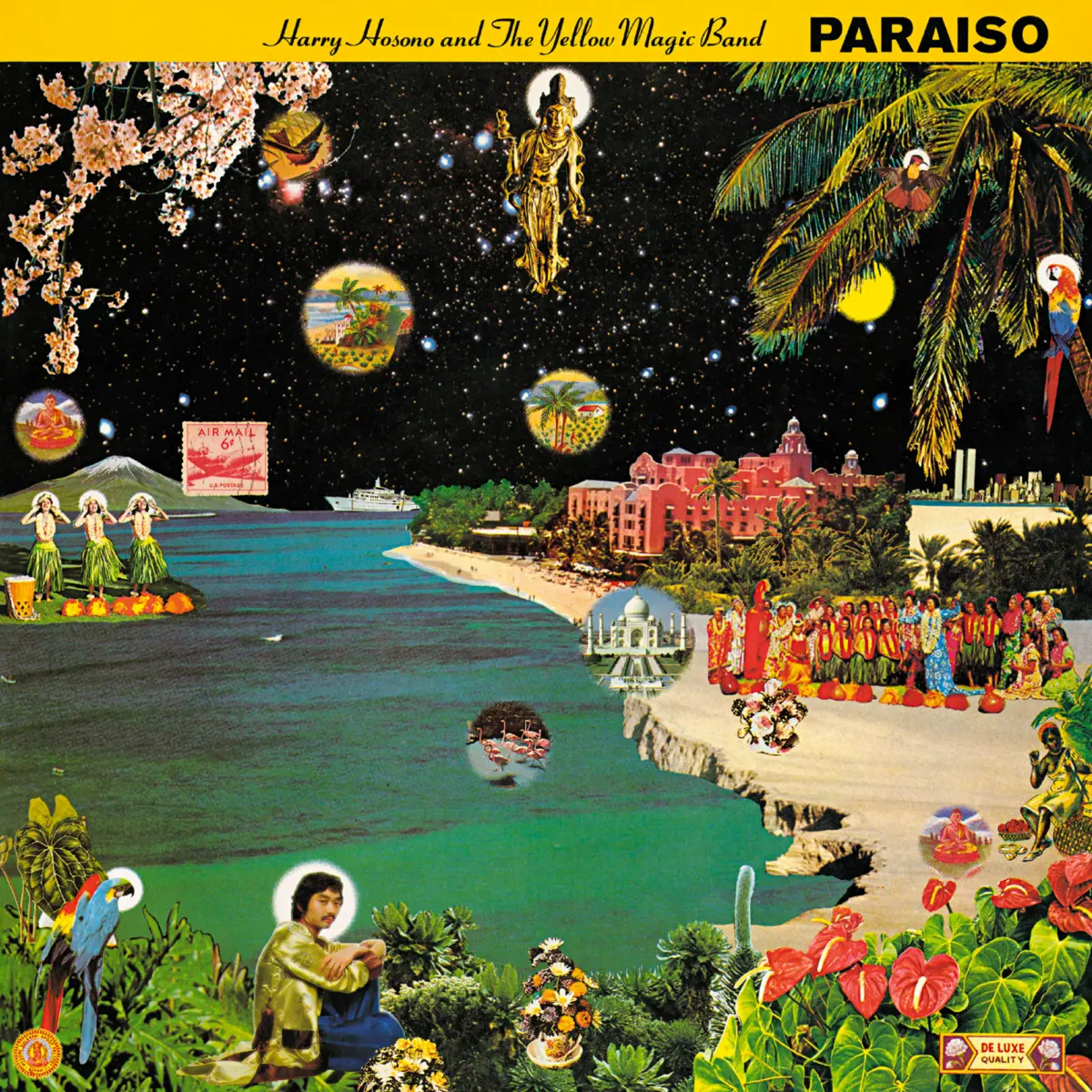
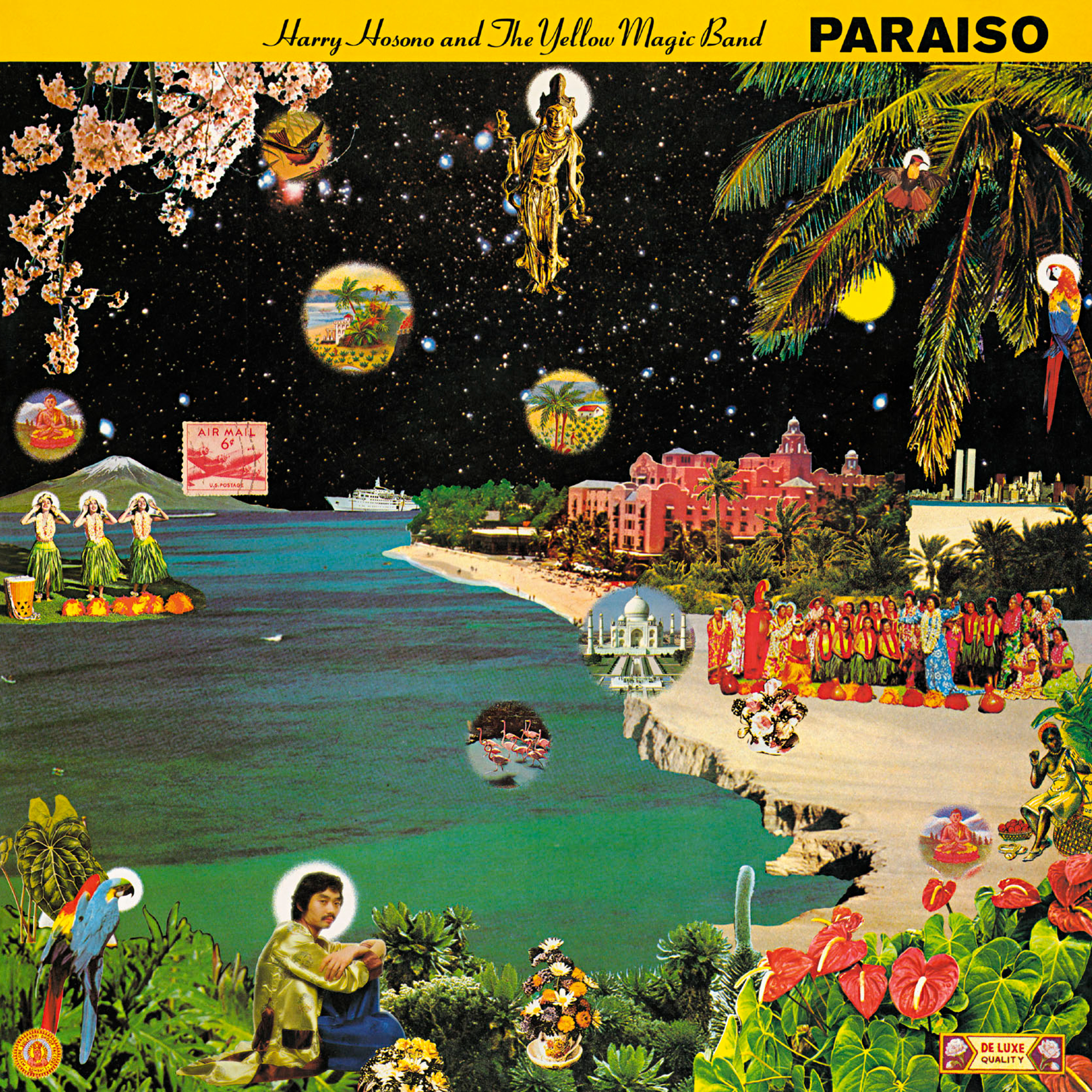
3. Haruomi Hosono – Paraiso (1978)
Easily one of the more eccentric releases in the canon, Haruomi Hosono’s Paraiso leans into the playful, slightly goofy avant-garde reputation that often flavors Western perceptions of Japanese pop culture. Yet beneath its playful exterior lies a supremely uplifting, psychedelic pastiche of exotica and tropicalia that city pop rarely visited. Imagine a sonic collision between Little Feat fronted by Bill Withers and produced by mid-century lounge maestro Les Baxter. As a pioneering multi-instrumentalist, producer, composer, and co-founder of both Yellow Magic Orchestra and Happy End, Hosono was constantly breaking new ground.
(Note: Hosono’s enduring influence continues to ripple outward today, coinciding with the arrival of his studio output like Yours Sincerely).
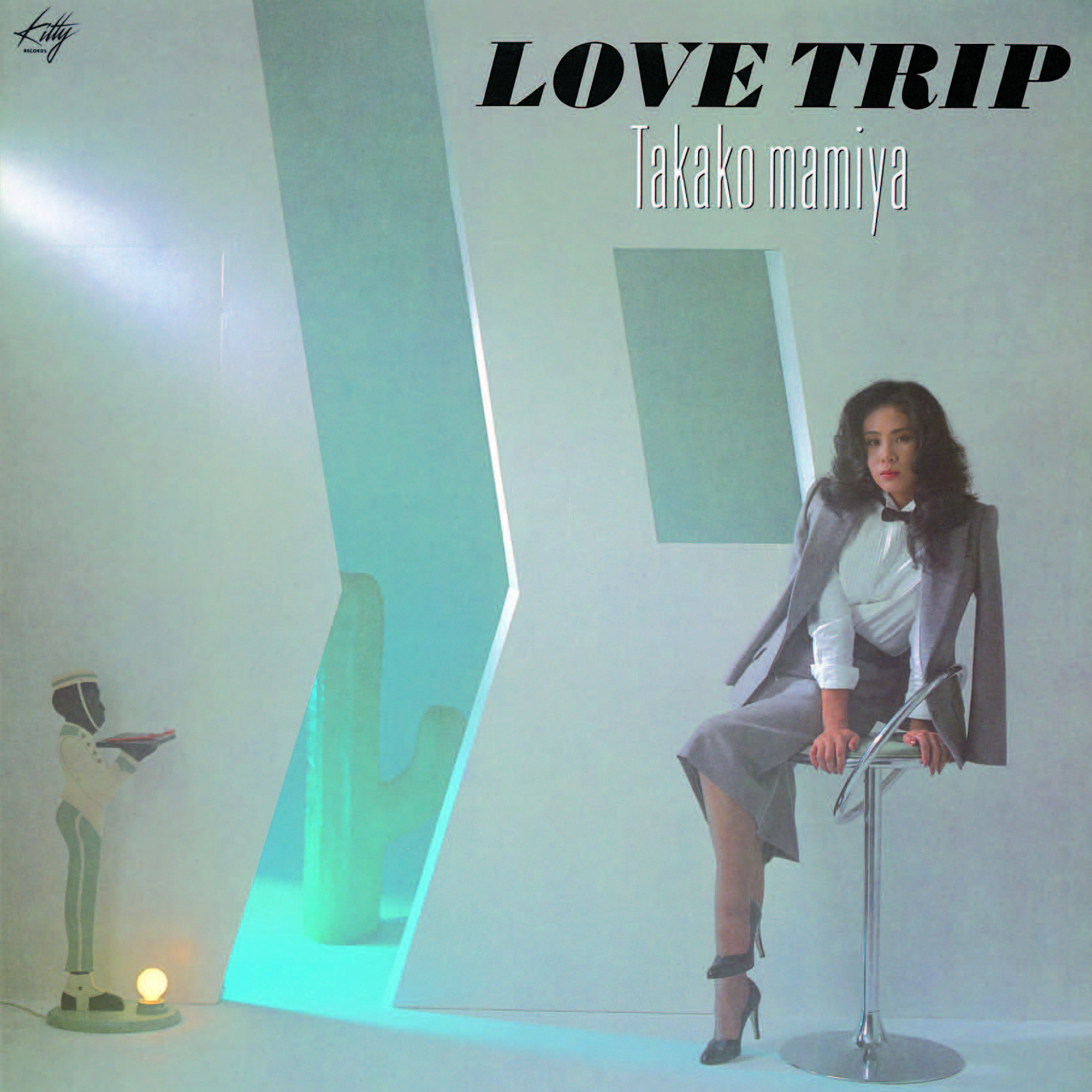
4. Takako Mamiya – Love Trip (1982)
From its effortlessly classy, minimalist sleeve art to the iconic Kitty Records center label, Love Trip possessed all the visual markers of an instant cult classic. Factor in the enigmatic biography of Mamiya herself—this remains the only full-length studio album she ever released—and you have all the necessary ingredients for an internet-era legend. Fortunately, the music inside completely justifies the hyper-fixation. Straddling the intersection of city pop, sophisti-pop, and smooth jazz, these tracks would sit comfortably on a playlist alongside Roxy Music’s Avalon, Randy Crawford’s Secret Combination, or Everything But The Girl’s The Language Of Life. It is opulent, impeccably arranged, and dripping with sophisticated yuppie ennui.
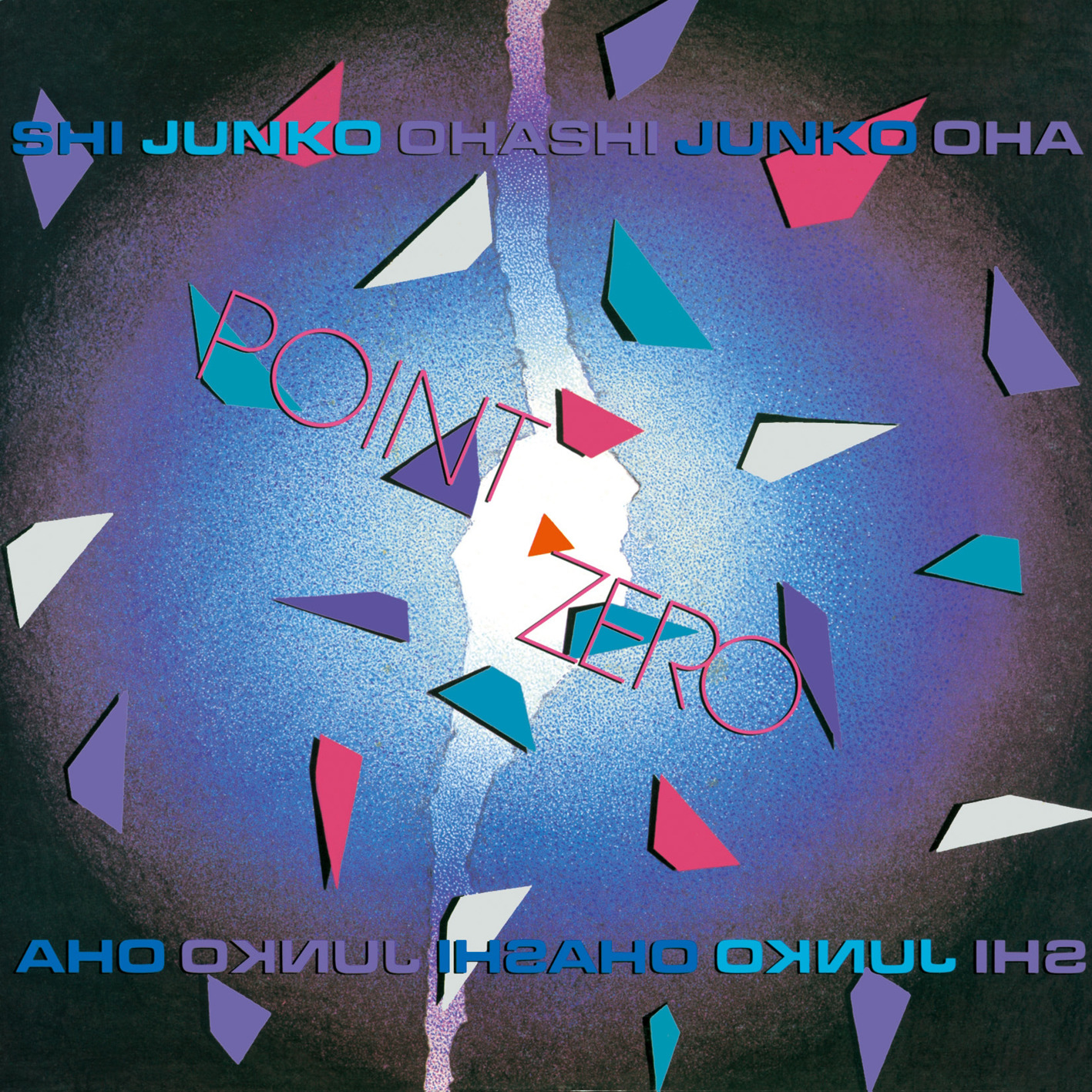
5. Junko Ohashi – Point Zero (1983)
While Junko Ohashi is widely celebrated for her powerhouse vocals—frequently highlighted on her definitive compilation Magical—her 11th studio album, Point Zero, remains her most adventurous artistic statement. Recorded in New York City alongside legendary American session players, it is a kaleidoscopic, high-energy post-disco triumph. Bookended by the gold-standard boogie classic "Dancin’" and the impossibly catchy closer "Sugao no Mama de" (arguably a top contender for the ultimate city pop anthem), the record also features the futuristic "Sensual Night," proving Ohashi possessed a stylistic compass operating years ahead of its time.
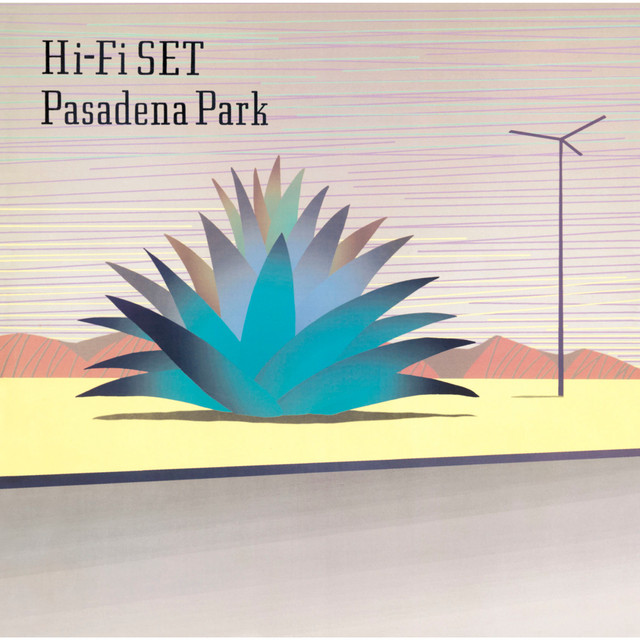
6. Hi-Fi Set – Pasadena Park (1984)
Rising from the ashes of the folk-oriented vocal group Akai Tori (The Red Birds), Hi-Fi Set transitioned toward lush, jazz-inflected funk rhythms laced with theatrical sophistication, evoking comparisons to Manhattan Transfer. By the mid-1980s, their records had embraced the decadent, maximalist production values that came to define the decade. From the minimalist Japanese-Americana cover art to sophisticated vocal arrangements recalling a cross-pollination of Swing Out Sister and The Carpenters, Pasadena Park stands as an archetypal city pop triumph.
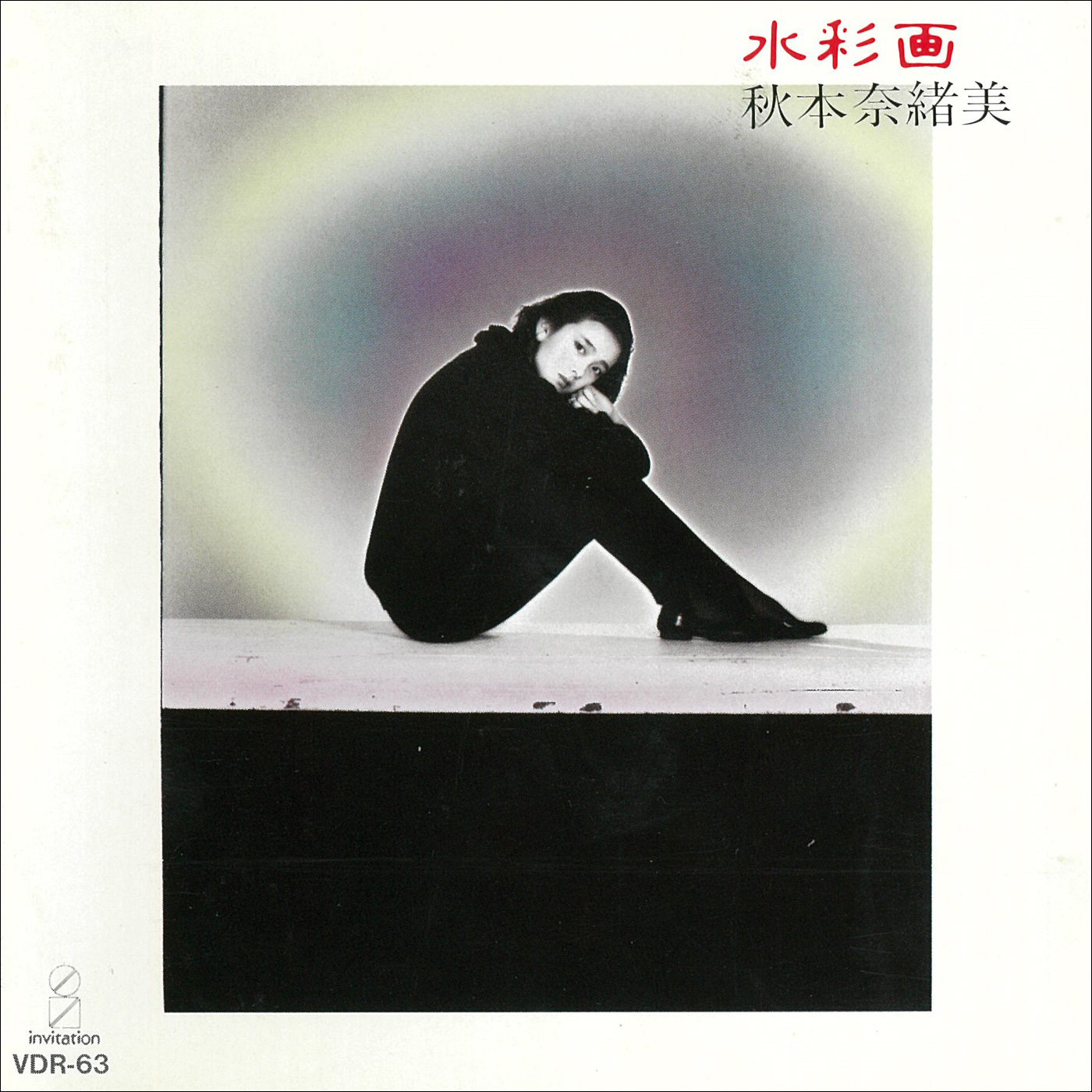
7. Naomi Akimoto – Suisaiga (1984)
While Akimoto’s name commands respect within dedicated collector circles, Suisaiga (translating to "Watercolour Painting") remains criminally underrated and astonishingly unique. Its sonic palette defies easy categorization—imagine a skeletal dub mix of the backing track to Jennifer Rush’s "The Power of Love," stripped down to pure synthesizers and a cavernous drum machine, drenched in heavy reverb and anchored by deeply understated vocals. Eschewing standard funk rhythms or sunny optimism, Suisaiga is an ethereal, ghostly precursor to modern alternative R&B that demands personal discovery.
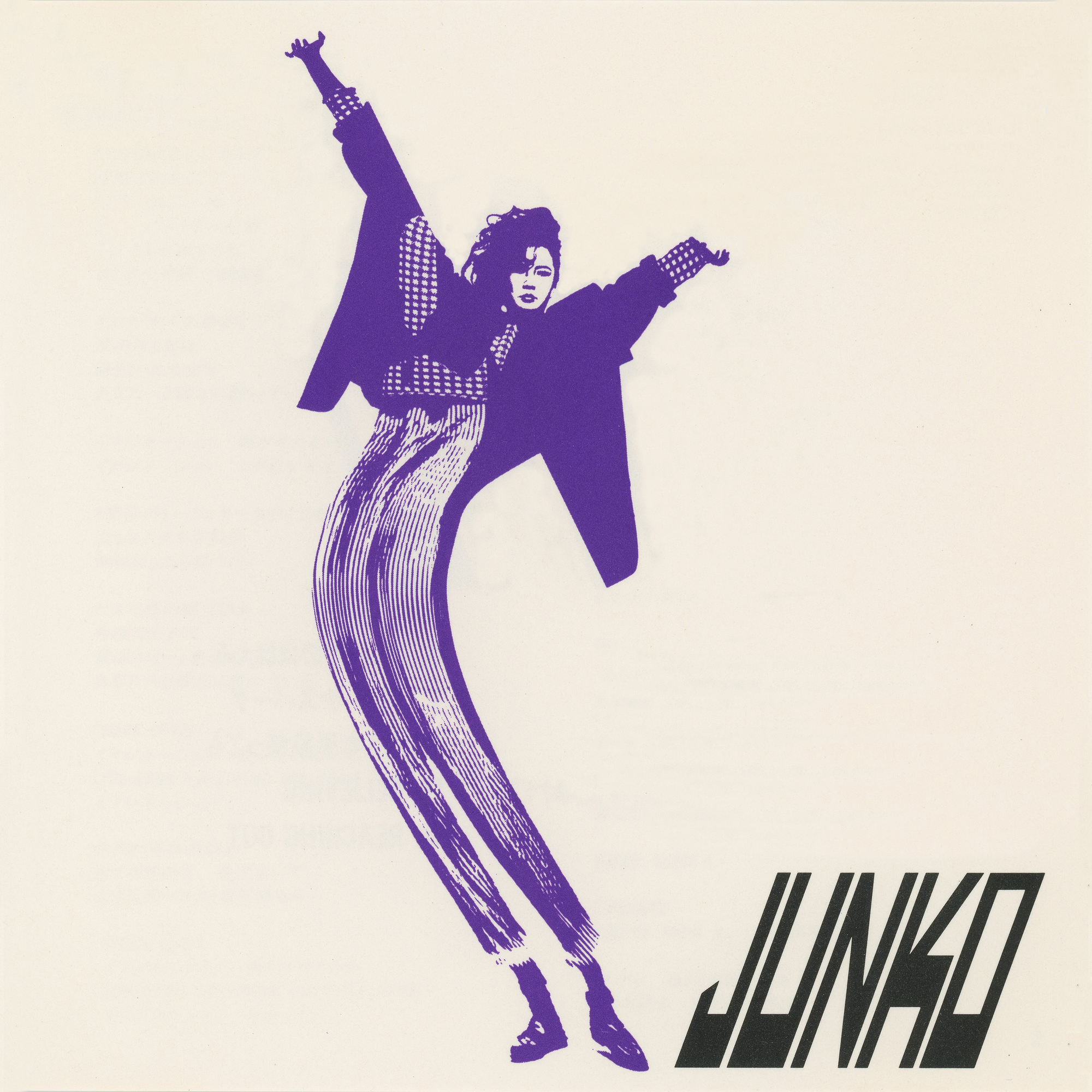
8. Junko Yagami – Communication (1985)
Junko Yagami’s discography is littered with masterworks (The Best, Lonely Girl, Full Moon), but Communication stands as her most cohesive full-length statement. Following her departure from Discomate Records and her signing with Moon Records, Communication aggressively steered her sound into a digital, Hi-NRG, synth-funk arena. Featuring a striking, Jean-Paul Goude-inspired cover, a Madonna-esque title track, and the electronic reggae-pop of "Johannesburg," this LP is a joyful, futuristic teleportation device straight into an idealized mid-1980s Tokyo.
9. Rajie – Espresso (1985)
Emerging from the initial New Music wave, Rajie crafted several classic city pop tracks earlier in her career, but her seventh and final studio album, Espresso, represents a radical departure. On this record, she essentially invented a uniquely Japanese, wintry iteration of dream pop, predating Akina Nakamori’s brilliant Fushigi by a full year. Driven by ethereal vocals, chorus-drenched guitars, and towering pillars of reverb, Espresso maintains a buoyant pop foundation beneath its otherworldly atmosphere, ensuring accessibility without sacrificing depth.
10. RA MU – Thanks Giving (1988)
For veteran city pop aficionados, the absence of Momoko Kikuchi from standard genre roundups is always conspicuous. While her solo efforts like Ocean Side and Adventure lean heavily on city pop DNA while operating within the 1980s Idol matrix, her musical evolution culminated in the short-lived supergroup RA MU (a transliteration of l’amour). Fronted by Kikuchi alongside powerhouse backing vocalists Rosalyn Renee Keel and Darelle-Foster Holden—whose voices populated thousands of 80s Japanese recordings—RA MU fused traditional pop sensibilities with American R&B and new jack swing, creating a dazzling, high-gloss finale to the golden era.
Official Statements & Industry Perspectives
Reflecting on the enduring legacy of the movement and its triumphant contemporary revival, Jono Beard of Rough Trade Nottingham shares his overarching perspective:
"Japan had the second-largest music market in the world during this time, meaning there are countless artists, groups, and albums that simply defy full cataloging in a single space. The overarching goal is not to present an exhaustive textbook, but to share a chronological curation of some of the greatest music ever committed to tape. With the global appetite for vinyl surging, major distributors and independent labels are finally repressing and importing these masterworks to meet unprecedented international demand. I hope these selections serve as a gateway to a lifelong appreciation of this extraordinary musical landscape."
Future Outlook
As the calendar points toward the landmark August 2026 City Pop Waves festival at Crystal Palace Bowl, it is clear that city pop is no longer merely a nostalgic internet meme or an isolated algorithm-driven trend. It has solidified itself as a permanent, highly respected pillar of global music culture.
Naturally, any list of ten albums leaves notable omissions—omissions that in no way diminish the worthiness of artists like Tatsuro Yamashita, Anri, Miki Matsubara, Spectrum, EPO, Minako Yoshida, Tomoko Aran, Hitomi Tohyama, or Yuming. Yet, this very abundance is the greatest asset for contemporary listeners. With physical distribution networks expanding rapidly across the globe, accessing these sun-drenched architectural marvels on high-fidelity vinyl has never been easier. The neon streets of 1980s Tokyo may belong to another time, but thanks to this ongoing cultural renaissance, their soundtrack belongs to the entire world, forever.