Executive Overview
At the turn of the millennium, British comedy witnessed a seismic shift. For years, Rob Brydon had been a journeyman broadcaster, toiling in the regional confines of Radio Wales and enthusiastically selling lawnmowers on a television shopping channel. Then came the breakthrough he had long yearned for: Human Remains and Marion and Geoff, both launched on the BBC in 2000. These critically acclaimed programs instantly became award-winning cult favorites and cemented his status in the public consciousness. To any outside observer, he had officially "made it."
Yet, behind closed doors, his personal life was disintegrating. While journalists from The Sunday Times were beating a path to his door and he was collecting the Best Newcomer trophy at the British Comedy Awards, Brydon was navigating a painful separation from his wife. The stark juxtaposition of professional triumph and domestic turmoil left an indelible mark on his psychology. It taught him a profound, enduring lesson: public adulation does not inoculate an individual against private grief.
Today, more than two decades later, Brydon has evolved into a quintessential pillar of British entertainment. His expansive resume features BAFTA-winning television series (Gavin & Stacey, Would I Lie to You?), Hollywood blockbusters (Barbie, Cinderella), high-concept game shows (Destination X, The Floor), ubiquitous commercial campaigns, a hit podcast (Brydon &), relentless stand-up tours, musical performances with an eight-piece band, an autobiography (Small Man in a Book), and now, his debut children’s book, The Cat in the Cupboard.
Yet, despite an illustrious career that spans genres and continents, Brydon’s most defining characteristic remains his steadfast refusal to chase international stardom at the expense of his family. Now in his sixties, he represents a rare breed of entertainer: a showman who has mastered the delicate equilibrium between public performance and private contentment, choosing the comfort of home over the glittering allure of Broadway and Hollywood.
Detailed Chronology: From Regional Radio to Cultural Omnipresence
To fully appreciate Rob Brydon’s current standing in the British cultural landscape, one must trace the arduous trajectory of his early career. Born in South Wales, Brydon’s entry into the entertainment industry was far from meteoric.
The Formative Years and the Turning Point of 2000
Throughout the 1990s, Brydon ground out a living through local broadcasting and commercial voice work. His stint hawking garden furniture and lawnmowers on a TV shopping channel showcased his innate theatricality—even then, he was not merely selling a product; he was performing. However, his ambitions were far loftier.
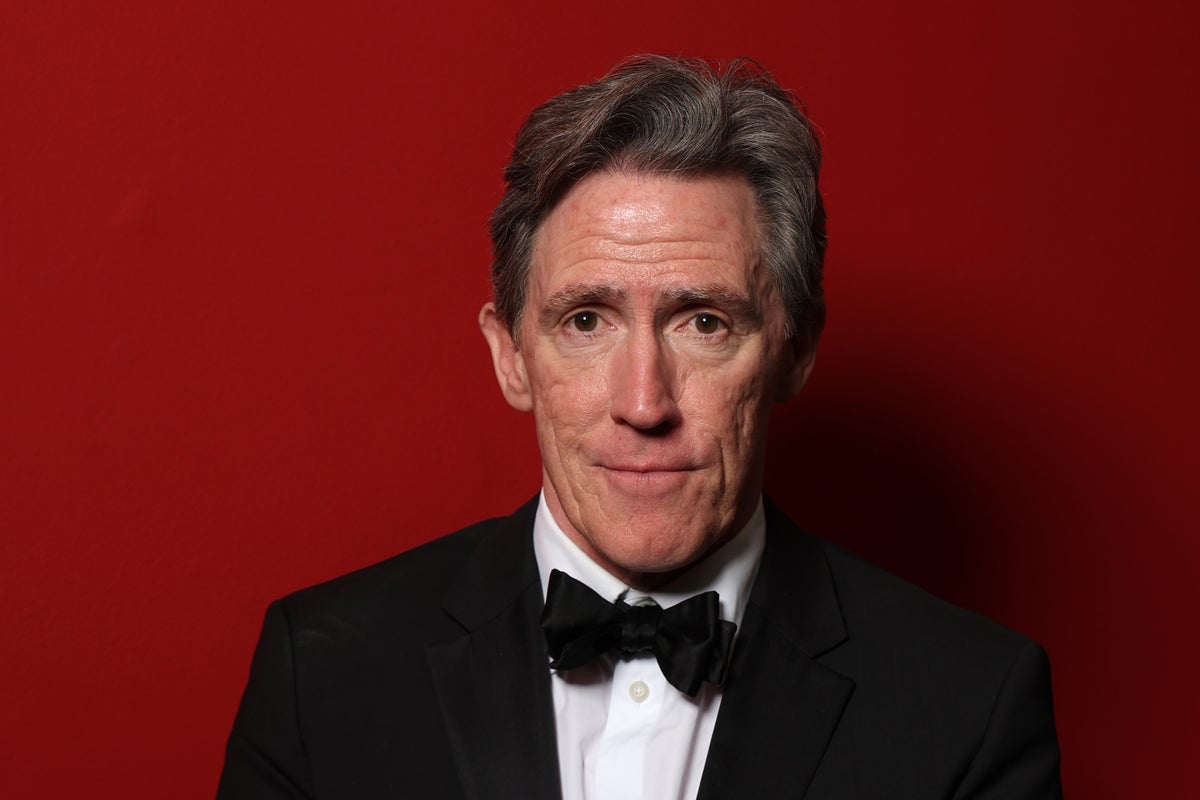
The watershed moment arrived in 2000 with the simultaneous release of Human Remains (co-created with Julia Davis) and Marion and Geoff. These mockumentary-style character studies explored desperation, self-delusion, and heartbreak with surgical precision. While the comedy was razor-sharp, the emotional undercurrents were melancholic.
It was during this exact period of professional vindication that his marriage dissolved. Reflecting on that era, Brydon notes the surreal nature of his existence at the time:
"I suddenly had the success that I’d wanted for so long. I was being interviewed in The Sunday Times and I won Best Newcomer at the Comedy Awards. But I was also in the process of separating from my wife and it was very upsetting, certainly in relation to the children. I learnt that professional success does not necessarily mean peace of mind and happiness. I was up on the stage, with everyone going, ‘You’re fantastic!’, but I was very unhappy."
The Evolution of a Comic Persona
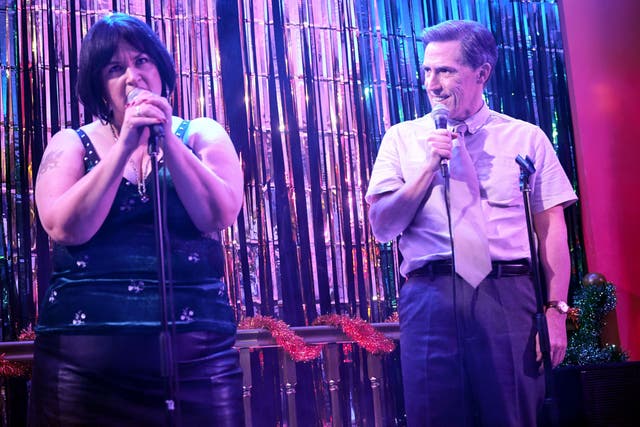
This early dichotomy between public validation and private sorrow proved to be the crucible for Brydon’s signature comedic creations. Whether playing the brow-beaten, desperate cabbie Keith in Marion and Geoff, the devoted yet naive family man Bryn West in Gavin & Stacey, or the posh, long-suffering Peter in Human Remains, Brydon specializes in characters who are hurting, yet determined to smile through the pain.
As he readily admits, these characters are drawn from deep within his own psyche. When reviewing his early struggles for his autobiography, Small Man in a Book, even his father was stunned by the severity of the hardship he had endured. Yet, Brydon’s characteristic optimism—a trait that borders on the pathological—carried him through.
Maturity and the Current Era
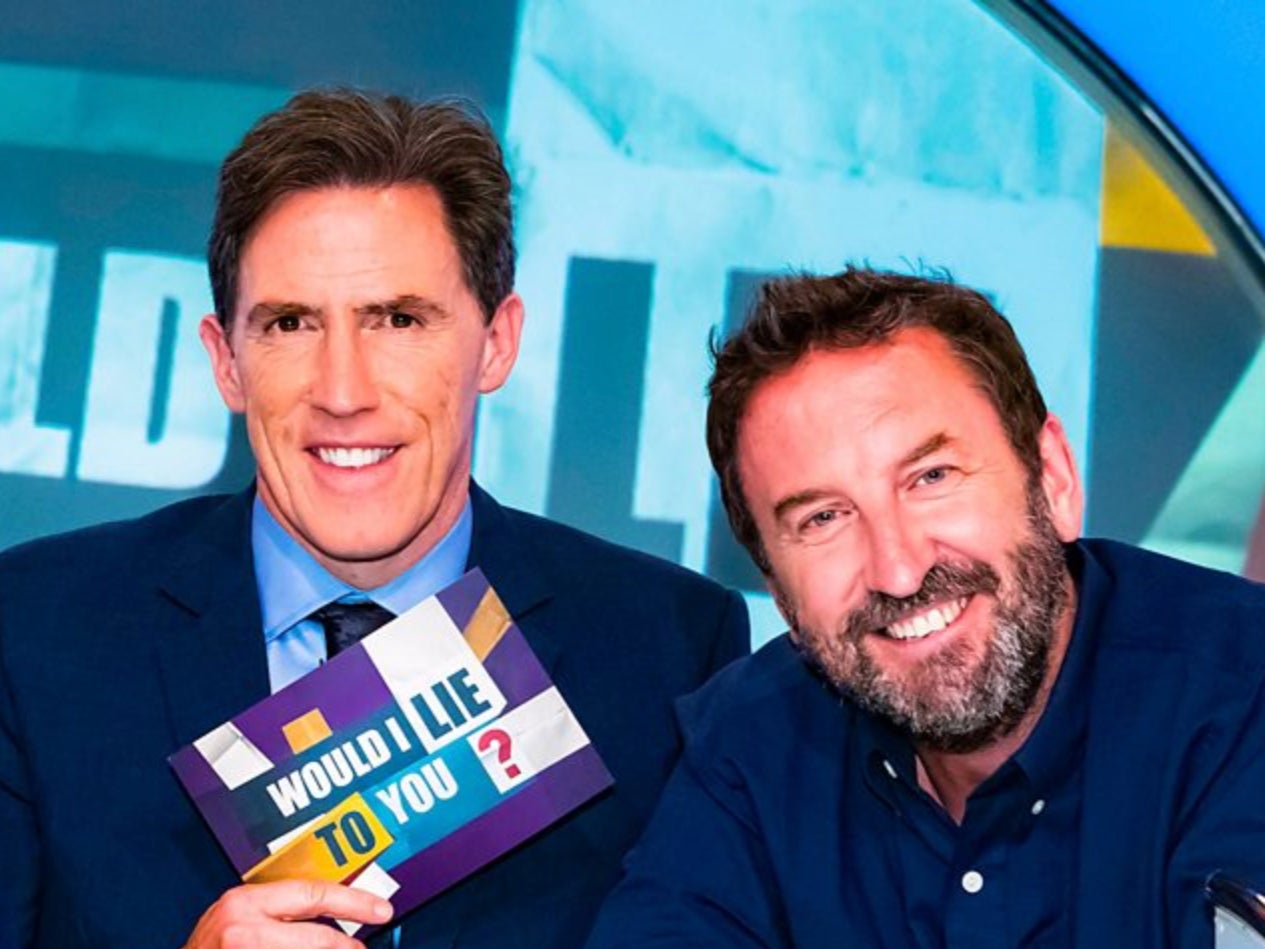
As he entered his sixties, Brydon deliberately stepped into a new phase of his professional life. He began jettisoning his historical reservations, culminating in the publication of The Cat in the Cupboard, a rhyming children’s book inspired by his family cat, Crumble. Concurrently, he has grown increasingly weary of traditional, out-and-out screen acting, citing the tedious realities of long film sets filled with downtime and catering truck food. Instead, he has leaned into immediate, fast-paced formats, hosting high-concept game shows and venturing into documentaries, all while maintaining his anchor as the unflappable host of Would I Lie to You?.
Supporting Context & Metrics: The Anatomy of Brydon’s Career
To quantify Brydon’s cultural footprint is to examine a masterclass in longevity and versatility across diverse media channels.
| Medium / Project | Notable Titles / Roles | Key Metrics & Significance |
|---|---|---|
| Television Sitcoms | Gavin & Stacey, Human Remains, Marion and Geoff | Multi-BAFTA winning; Gavin & Stacey remains one of the most-watched comedy events in modern British television history. |
| Panel & Game Shows | Would I Lie to You?, Destination X, The Floor | Brydon has anchored Would I Lie to You? for 17 years, establishing it as a comforting bedtime staple for millions. |
| Film & Hollywood | Barbie, Cinderella, The Trip series | Successfully bridges high-art British character comedy with major global cinematic franchises. |
| Publishing & Audio | Small Man in a Book, The Cat in the Cupboard, Brydon & (Podcast) | Expanding literary footprint into children’s fiction; robust digital engagement through his interview podcast. |
The Philosophy of Family Over America
Unlike many British contemporaries who aggressively pursue crossover success in the United States, Brydon has consciously resisted the siren song of Hollywood and Broadway. As a father of five children ranging from ages 15 to 31—three from his first marriage to Martina Fitchie, and two with his second wife, producer Clare Holland—his priorities remain steadfastly domestic.
Recounting a recent offer for a Broadway run, Brydon’s rationale was unequivocal:
"I like my family… And I like being at home. Some actors don’t, and maybe they just want to get away, but I like it. So yes, I’ve had a few opportunities I’ve turned down—there was a Broadway thing recently and I said, ‘I can’t do that and be in bloody New York for however many months.’ I don’t know how you can be Dad if you’re not there, but people manage it, you know, maybe it’s just me."
Official Statements and Industry Perspectives
Meeting in a west London office, Brydon exudes an avuncular, problem-solving energy—spending precious minutes adjusting a recalcitrant air-conditioning unit while offering self-deprecating dad jokes about his age. Yet, beneath the jovial veneer lies a sharp, authoritative perspective on the mechanics of the entertainment industry.
On Comedy, Controversy, and the BBC
Unlike his frequent collaborator Steve Coogan—who is famously combative and deeply engaged in political activism—Brydon maintains a distinct boundary between his work as an entertainer and the socio-political arena. Discussing the strict impartiality guidelines enforced by the BBC, particularly in the wake of high-profile controversies involving figures like Gary Lineker, Brydon is pragmatic:
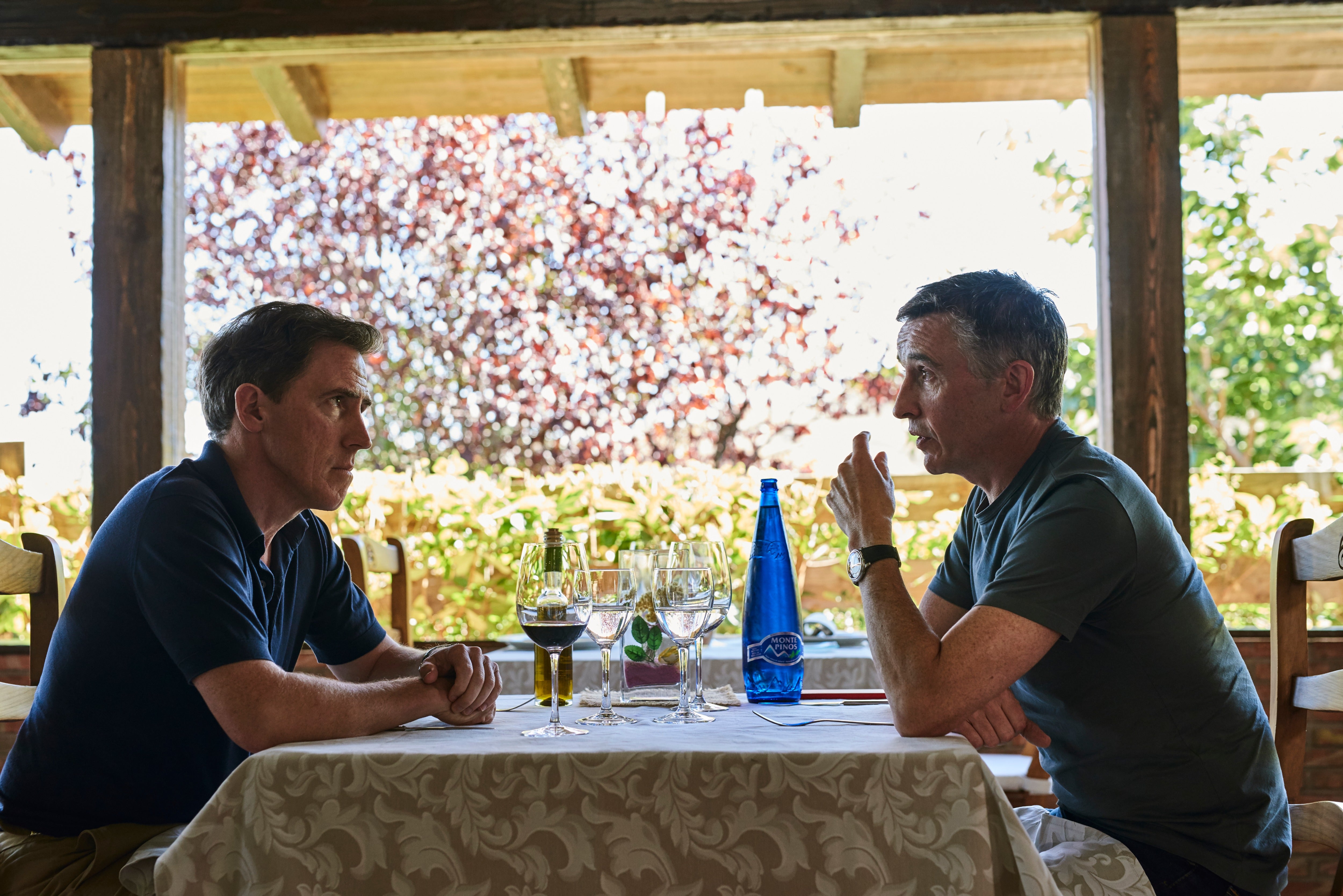
"I do, more than him [Coogan], because I have a career as me, right? He’s always hiding behind a character and is famously combative with his political campaigning, whereas I’m hosting family shows for the BBC. You can’t have your cake and eat it, and there are guidelines within the BBC… I don’t have that appetite anyway for controversy. I don’t think I’ve ever ranted about anything in my life, it’s just not me. But equally, I am just an entertainer. I’m just here to make people laugh, smile. That’s all. And in these times now, of unrest, I take a quiet satisfaction and pride that I try to put things in the world that entertain people. My contribution is to try and make people forget about all that. There are plenty of people out there campaigning, that is not me."
On the BBC and Longevity
Regarding the ongoing funding crises and institutional shifts at the BBC—the network responsible for his defining television moments—Brydon remains fiercely loyal yet realistic about the shelf life of television properties:
"I’m a huge supporter and fan of the BBC… It seems to be something that Britain does very well. But I never really get into politics… No show is here forever, so it’ll finish at some point. I just turn up and do it."
Reflecting on the cancellation of Live at the Apollo after a 22-year run, he observes with characteristic equilibrium: "Maybe it had run its course. Twenty-two years, that’s a very successful show. Nothing lasts forever."
Future Outlook
As Rob Brydon moves deeper into his sixties, his professional trajectory is defined by a curated liberation. Rather than lamenting the shifting tides of the television landscape or chasing the exhausting physical demands of traditional film acting, he is embracing new challenges on his own terms.
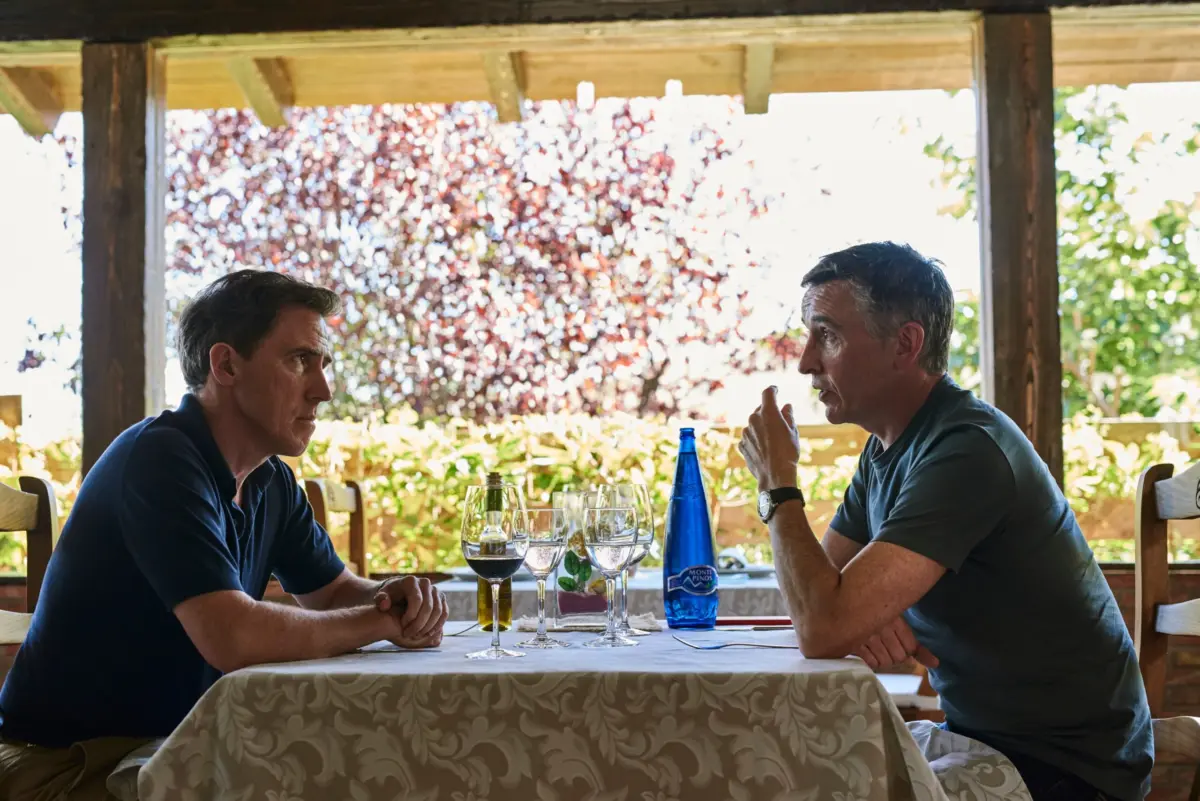
With the upcoming release of a Northern Lights edition of The Trip alongside Steve Coogan, fans can expect the continuation of a comedic partnership that has mellowed and warmed with age. As Brydon notes regarding his dynamic with Coogan:
"We know we’re going to die… When I was your age, I didn’t think it’d happen, for whatever reason. Once you get to 50, you start to get an inkling… Well, we’re never as spiky as we are on screen. If we were, we wouldn’t work with each other."
Simultaneously, his literary debut, The Cat in the Cupboard, published by Puffin Books, signals an openness to exploring new creative avenues that harmonize with his domestic reality. Having dismissed reality television behemoths like Strictly Come Dancing and The Celebrity Traitors due to his aversion to public judgment and deteriorating knees, Brydon remains firmly committed to his foundational mission: pure, unadulterated entertainment.
In an era defined by cultural polarization, media anxiety, and relentless self-seriousness, Rob Brydon’s enduring appeal lies in his unapologetic commitment to the craft of making people smile. As he flashes his signature dimpled showman’s grin, his philosophy remains as simple as it is effective: to bring a momentary pause to the turmoil of the world, and to leave his audience wishing, just for a moment, that the curtain would never fall.