Executive Overview
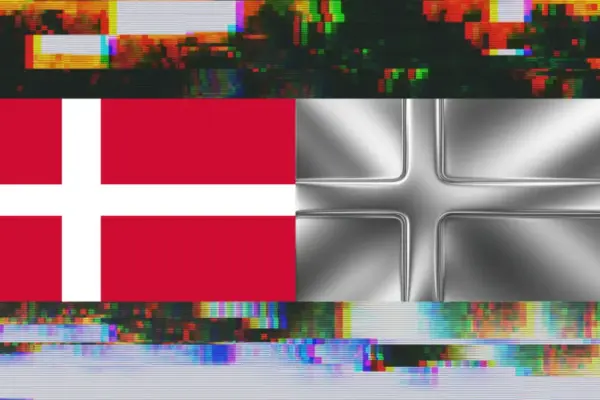
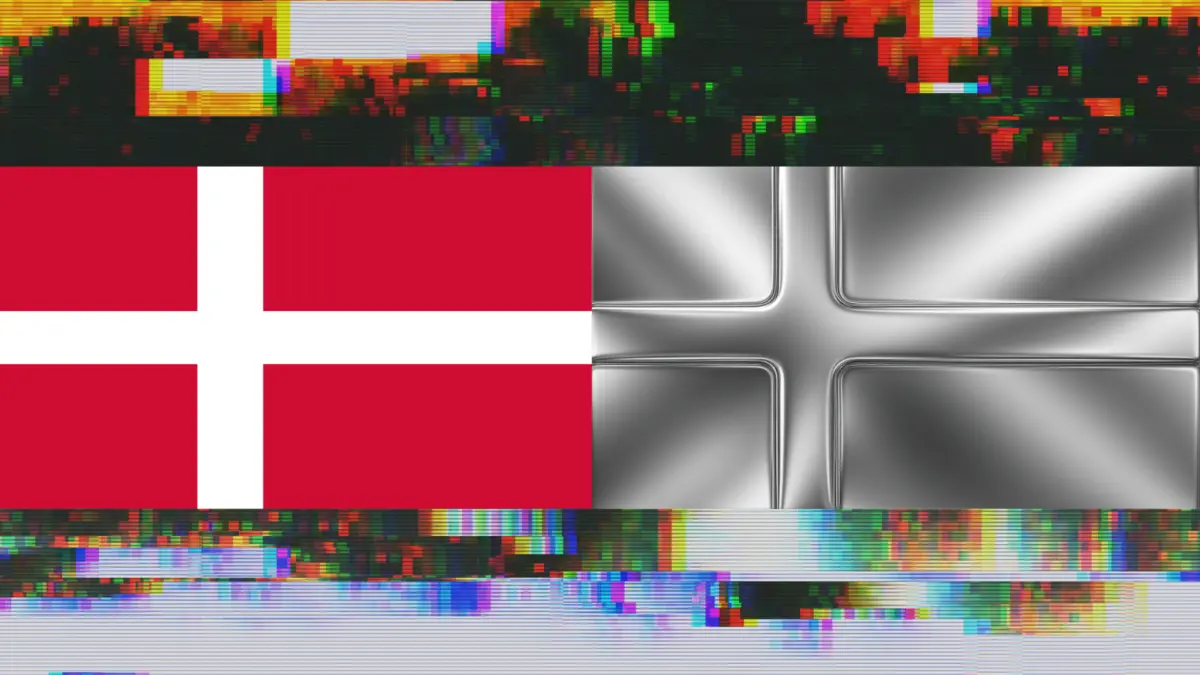
In a decisive legislative maneuver that could establish a vital international benchmark for the regulation of artificial intelligence, the Danish government has formally unveiled revised proposals to grant performers and everyday citizens robust legal safeguards against unauthorized digital replicas. Introduced to the Danish parliament by newly appointed Culture Minister Zenia Stampe, the proposed bill seeks to amend existing copyright frameworks to criminalize the public dissemination of realistic AI-generated or digitally manipulated likenesses and voices without explicit consent.
As the global creative and technological landscapes grapple with the proliferation of hyper-realistic deepfakes—ranging from unauthorized vocal cloning in the music industry to malicious political disinformation—Denmark’s legislative blueprint offers a rare, proactive solution. The initiative bridges a crucial gap in modern jurisprudence, treating personal identity not merely as a matter of commercial exploitation, but as an inherent right to one’s own body and voice.
While lawmakers in the United States Congress debate similar federal frameworks, Denmark’s legislation is positioned to serve as a critical test case. Its architecture—balancing strict prohibitions against digital identity theft with targeted exceptions for satire and free expression—will likely be closely analyzed by policymakers across Europe and the United Kingdom. With an aggressive implementation timeline targeting enactment by early next year, the Danish proposal underscores a shifting global consensus: the unchecked wild west of generative AI must be met with stringent legal boundaries.
Detailed Chronology
The journey toward Denmark’s groundbreaking digital replica legislation has been shaped by rapid technological acceleration, shifting political landscapes, and escalating demands from the creative sector.
1. The Genesis of the Debate (2022–2023)
As generative AI tools shifted from esoteric research laboratories into consumer-grade applications, the ease with which bad actors could fabricate hyper-realistic video and audio shocked the public. Musicians, actors, and public figures found their voices and faces synthesized into unauthorized tracks and videos with terrifying fidelity. Early last year, initial discussions began within Danish legislative circles regarding how existing legal frameworks—traditionally ill-equipped to handle algorithmic impersonation—might be adapted to protect citizens and artists.
2. Political Transition and Ministerial Mandate (Mid-2024)
Following a general election and a subsequent realignment of the Danish government, the nation’s political leadership shifted. In June, Zenia Stampe assumed the role of Culture Minister. Identifying the protection of human creativity and personal integrity as a foundational pillar of her ministry, Stampe prioritized the unfinished digital replica proposals. Her administration took the preliminary concepts from the previous year and refined them into an actionable, comprehensive legislative package designed to withstand the rapid evolution of synthetic media.
3. Parliamentary Introduction (Yesterday)
The culmination of these efforts materialized yesterday when Culture Minister Stampe officially presented the revised bill to the Danish parliament. The legislative text formally restarts the nation’s push for a dedicated digital replica right, integrating feedback from legal experts, trade organizations, and civil liberties advocates.
4. Anticipated Implementation (Late 2024–Early 2025)
With technology developing at what Stampe describes as "lightning speed," the Danish government is fast-tracking the legislative process. Officials are aiming to secure parliamentary approval in the coming months, with the goal of bringing the new protections into full legal effect by the start of next year.
Supporting Context & Metrics
To fully understand the weight of Denmark’s new legislation, one must examine the legal mechanics of the bill, the economic pressures facing the creative industries, and the broader international regulatory environment.
Legal Mechanics: Beyond Traditional Copyright
A common misconception regarding the new bill is that it establishes a traditional intellectual property right. According to Jakob Plesner Mathiasen, a partner at Danish law firm Gorrissen Federspiel and a director at record industry trade group IFPI Denmark, the protections operate on an entirely different plane.
Writing in a legal analysis shared on LinkedIn, Mathiasen clarified that the provision "does not constitute a copyright or a related right." Instead, it functions as a "separate protection of personal characteristics." This distinction is vital: it decouples the right from commercial publication requirements, extending immediate protection to any individual whose likeness or voice is subjected to unauthorized, realistic duplication.
Key parameters of the legal framework include:
- Scope of Technology: The provisions apply universally to both advanced AI-generated deepfakes and imitations crafted through traditional digital editing and manipulation tools.
- The Threshold of Infringement: The law specifically targets realistic imitations that create an "obvious likelihood of confusion with the actual person."
- Exceptions for Free Expression: To safeguard democratic discourse and artistic freedom, explicit exceptions are carved out for caricature, parody, and criticism. However, these protections evaporate if an imitation constitutes misinformation that poses a serious threat to the rights of others, or creates a direct danger to life or property.
Economic and Livelihood Pressures in the Creative Sector
The music and entertainment industries have borne the brunt of early generative AI experimentation. Voice cloning technologies have allowed malicious entities to release unauthorized tracks featuring world-renowned artists, while visual deepfakes threaten actors with the prospect of uncompensated digital resurrection or background performance cloning.
Beyond defense, however, the bill introduces vital commercial clarity. By establishing definitive ownership over one’s voice and likeness, the legislation empowers artists to actively monetize their digital identities. Rather than fighting an endless game of whack-a-mole against rogue platforms, musicians and performers can enter into legitimate, lucrative licensing agreements with AI platforms and commercial partners, transforming a technological threat into a structured revenue stream.
The Global Regulatory Chessboard
Denmark’s initiative does not exist in a vacuum. On the other side of the Atlantic, lawmakers in the United States Congress have introduced corresponding measures—such as the federal No AI FRAUD Act—designed to establish a baseline right against unauthorized digital replicas.
As regulatory bodies in the UK and the European Union grapple with the implementation of the broader EU Artificial Intelligence Act, the Danish model provides a pragmatic template. By focusing specifically on the civil and criminal liability of identity theft via synthesis, Denmark offers a surgical intervention that complements broader omnibus AI regulations.
Official Statements
The introduction of the bill has elicited strong support from government officials, legal scholars, and industry stakeholders, all of whom emphasize the urgency of reclaiming digital autonomy.
Addressing the Danish parliament, Culture Minister Zenia Stampe did not mince words regarding her priorities and the cultural stakes involved:
"Protecting human creativity is one of my most important tasks as Minister of Culture. That’s why I’m very pleased that one of my first bills is about securing the right to one’s own body and voice."
Expounding on the societal dangers posed by generative technologies, Stampe highlighted the erosion of shared reality and the direct threat to working professionals:
"With AI, you can create manipulated videos and images with just a few clicks and share them on social media. This can lead to misinformation and create doubt about what is real. Now we’re stopping digital identity theft and helping artists whose livelihoods are being threatened."
Highlighting the enforcement mechanism embedded within the legislation, Stampe added:
"One of the main goals of the bill is to get the tech giants to take down manipulated content quickly, so that it causes the least possible harm."
Providing expert legal context on the nuances of the text, Jakob Plesner Mathiasen of Gorrissen Federspiel and IFPI Denmark underscored the breadth of the regulation:
"The provision covers both AI-generated deepfakes and imitations created using more traditional digital editing tools, though it only applies to realistic imitations that create an obvious likelihood of confusion with the actual person."
Future Outlook
As Denmark races toward an anticipated early-next-year implementation date, the international community will be watching closely to evaluate the real-world efficacy of the legislation.
The primary test for the new law will lie in its enforcement. Minister Stampe’s explicit demand that major technology platforms act swiftly to purge unauthorized and deceptive content places the onus on multinational tech conglomerates to deploy robust content-moderation tools. Failure or sluggishness on the part of these platforms could trigger high-stakes legal battles over liability, setting crucial precedents for corporate accountability in the age of algorithmic media.
Furthermore, the success of Denmark’s "personal characteristics" protection could inspire neighboring European nations to adopt similar statutory rights, bypassing the slower, more cumbersome process of amending pan-European copyright directives. For artists, creators, and citizens alike, Denmark’s bold legislative step signals the dawn of a new era—one where technological innovation is no longer permitted to trample upon individual dignity, bodily autonomy, and the fundamental right to one’s own identity.