Executive Overview
The intersection of legendary hip-hop heritage and modern independent streaming platforms has once again birthed a high-stakes legal dispute. High Schoolers LLC—the corporate entity entrusted with managing the intellectual property and extensive trademark portfolio of the iconic multi-platinum hip-hop duo Outkast—has officially filed a federal lawsuit against the rising underground rapper and producer Silas Wilson, who performs under the moniker Ovrkast.
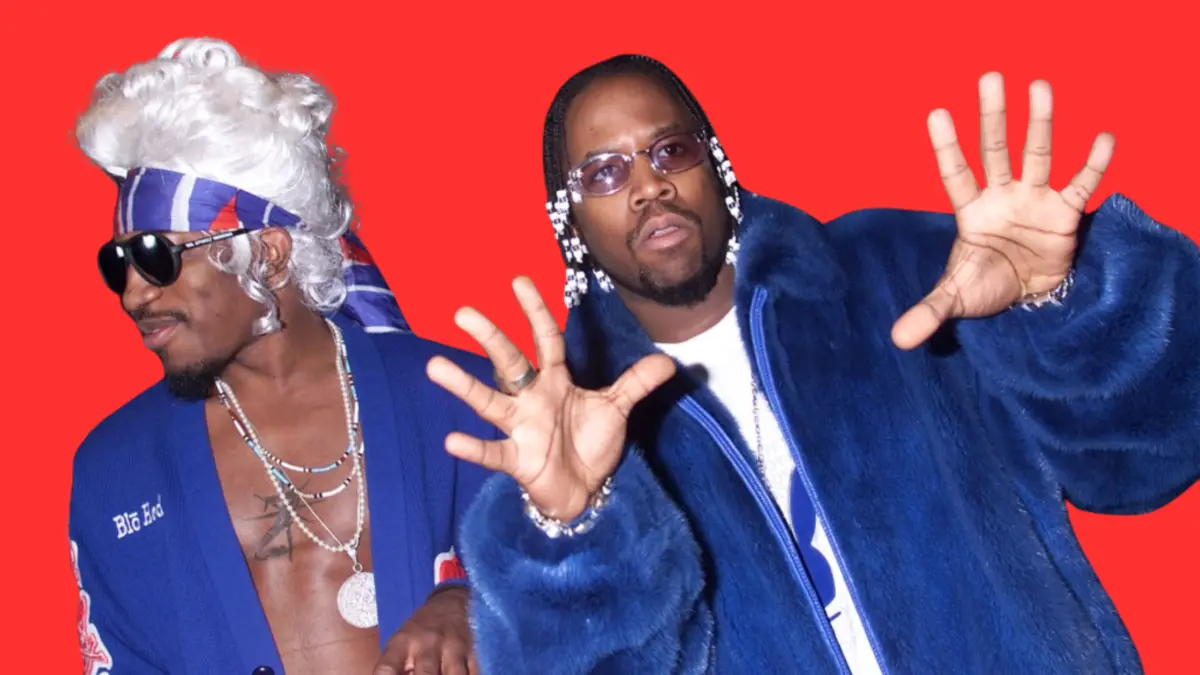
At the center of this legal battle is a straightforward claim of trademark infringement, unfair competition, and breach of contract. Representatives for Outkast members Antwan Patton (Big Boi) and André Benjamin (André 3000) argue that Wilson’s chosen stage name is phonetically, visually, and conceptually too similar to the legendary brand they established over three decades ago. Despite Outkast being inactive in terms of recording new studio material together, their commercial footprint, cultural legacy, and protected intellectual property remain fiercely guarded commodities.
This lawsuit is not merely a sudden strike by legacy artists against an up-and-coming creator; it represents the culmination of months of tense cease-and-desist warnings, precarious settlement negotiations, a missed rebranding deadline, and, crucially, inadvertent admissions of consumer confusion by Wilson himself. As independent artists increasingly leverage digital distribution platforms, the boundaries of intellectual property protection continue to blur, making this case a fascinating watershed moment for modern music law.
Detailed Chronology: From First Warning to Federal Court
To fully understand how a dispute between a Diamond-certified Southern rap duo and a modern underground beatmaker escalated to federal litigation, one must trace the timeline of events that brought the two parties to this juncture.
The Foundation and Rise of Outkast
The legacy of Outkast began in East Point, Georgia, in 1993, when Big Boi and André 3000 burst onto the scene with their groundbreaking sound. Over the course of their storied career, the duo released critically acclaimed and commercially dominant albums, accumulated multiple Grammy Awards, and achieved Diamond certification for their 2003 double album Speakerboxxx/The Love Below. Throughout this journey, High Schoolers LLC has rigorously protected the "Outkast" name, securing a diverse assortment of registered trademarks across music, entertainment, merchandise, and associated commercial ventures.
Ovrkast’s Emergence and the Spark of Conflict
Silas Wilson began releasing music under the moniker Ovrkast around 2017. He gradually cultivated a dedicated following within the underground hip-hop community, earning broader critical acclaim through high-profile collaborations with notable artist Earl Sweatshirt in 2019.
Despite Wilson operating under this name for several years, representatives for Outkast did not officially raise formal legal objections until June of last year. Armed with federal trademark registrations, High Schoolers LLC identified the moniker as a direct threat to the distinctiveness of the Outkast brand, setting off a chain reaction of legal correspondence.
The Cease-and-Desist and the "Overkxst" Compromise
Following the initial notice of infringement sent by Outkast’s legal counsel, both parties entered into settlement discussions to avoid the costly and public friction of federal court. During these negotiations, a potential resolution seemed within reach.
Wilson was reportedly offered an alternative that allowed him to retain a stylized version of his identity while distancing himself from the Outkast trademark. The proposed compromise involved Wilson amending his performer name by adding an "e" and swapping the "a" for an "x"—transforming Ovrkast into Overkxst.
While critics and legal observers might argue that "Overkxst" sounds remarkably similar to the original moniker, Outkast’s management team accepted this compromise. Under the terms of the settlement agreement, Wilson was legally bound to execute the rebrand and transition all public-facing profiles to Overkxst by mid-July.
The Collapse of the Agreement
The fragile truce dissolved just as the contractual deadline approached. At the eleventh hour, representatives for Wilson informed Outkast’s legal team that the rapper had a sudden change of heart and no longer wished to adopt the Overkxst moniker.
Instead, Wilson’s camp proposed two alternative stage names. However, this maneuver quickly stalled: High Schoolers LLC noted in the lawsuit that one of the newly proposed names had already been flatly rejected earlier in the negotiation process, while the second alternative was deemed an unacceptably close variation of a previously dismissed idea.
With the mid-July deadline passed, the agreed-upon rebrand unfulfilled, and Wilson continuing to release music and perform under the contested Ovrkast banner, Outkast’s management exhausted their diplomatic options. Consequently, High Schoolers LLC filed a comprehensive lawsuit in federal court, leveling formal charges of trademark infringement, unfair competition, and breach of contract.
Supporting Context & Metrics: The Anatomy of Brand Confusion
In trademark law, the cornerstone of any infringement claim rests upon the likelihood of consumer confusion. High Schoolers LLC does not merely have to prove that the names sound alike; they must demonstrate that a reasonable consumer in the marketplace is likely to be deceived, mistaken, or misled into believing that Ovrkast’s work is affiliated with, endorsed by, or connected to Outkast.
The Rolling Stone Admission
Perhaps the most damaging piece of evidence cited in the plaintiff’s legal filing comes directly from the defendant’s own mouth. In an interview with Rolling Stone magazine in July of last year, Wilson openly discussed the persistent friction surrounding his moniker.
During the conversation, Wilson complained that members of the public frequently accused him of "thinking he’s Outkast." Elaborating on the recurring mix-up, Wilson admitted:
"They read Ovrkast [as] Outkast. They’re like, ‘oh my God, I thought they said Outkast’. And it’s like, ‘it don’t, so…’ "
For High Schoolers LLC’s legal team, this quote was a goldmine. Translating the artist’s colloquial frustrations into formal legalese, the federal complaint argues that Wilson’s own admissions prove the inherent market confusion:
"Defendant’s use of the Ovrkast mark is likely to cause confusion, to cause mistake or to deceive the public into the false belief that the services offered by defendant come from or are otherwise sponsored by, connected with, or affiliated with Outkast, which they are not."
Brand Equity and Digital Discovery
In the digital era, search engine optimization, algorithmic music recommendations, and streaming metadata play massive roles in an artist’s discoverability. When a user searches for "Ovrkast" on platforms like Spotify, Apple Music, or YouTube, the phonetic and visual overlap can easily misdirect casual listeners. Furthermore, festival billings, merchandise sales, and press coverage all operate within an ecosystem where brand distinctiveness is paramount.
While Outkast has not released a studio album since 2006’s Idlewild (aside from occasional festival reunion dates in 2014), the duo’s catalog generates hundreds of millions of streams annually. Their brand equity is treated by High Schoolers LLC as a multi-million-dollar corporate asset that requires relentless, unyielding defense to prevent "genericide" or dilution of their trademark rights.
Official Statements and Legal Arguments
While formal statements from the primary artists—Big Boi and André 3000—have remained muted, the legal filings submitted by High Schoolers LLC articulate a clear, uncompromising stance regarding intellectual property enforcement.
The Plaintiff’s Position
High Schoolers LLC asserts that the deliberate phonetic similarity of "Ovrkast" exploits the goodwill, reputation, and immense commercial value built by Patton and Benjamin over nearly three decades. The lawsuit emphasizes that:
- Prior Use: Outkast has utilized their trademark continuously since 1993, establishing undeniable priority in commerce.
- Federal Registrations: The duo holds extensive, valid trademark registrations across multiple international and domestic classes related to musical recordings, live entertainment, and merchandise.
- Breach of Contract: By backing out of the negotiated settlement agreement to rebrand as Overkxst after the execution of a binding contract, Wilson incurred direct liability for breach of contract alongside standard intellectual property violations.
The Defendant’s Dilemma
From Silas Wilson’s perspective, the legal challenge presents a devastating existential threat to a career he has spent years building. Having established his identity as Ovrkast—collaborating with heavyweights like Earl Sweatshirt under that specific banner—forcing a sudden, court-mandated rebrand threatens to sever ties with his established fanbase, disrupt his catalog’s metadata, and erase years of independent branding equity.
While Wilson previously acknowledged the public confusion in his Rolling Stone interview, his legal defense will likely focus on proving that his target demographic—underground hip-hop aficionados—is sophisticated enough to distinguish between a 1990s southern rap legendary duo and a contemporary underground producer, thereby minimizing the legal "likelihood of confusion."
Future Outlook: Implications for the Music Industry
As this lawsuit proceeds through the federal court system, the implications extend far beyond the immediate parties involved, serving as a cautionary tale for independent artists and legacy acts alike.
1. The Perils of Stage Name Selection
For emerging artists, this case underscores the critical importance of exhaustive trademark searches prior to adopting a moniker. In an oversaturated digital marketplace, securing a unique name is no longer just a matter of checking if a social media handle is available; it requires deep diligence across trademark databases to avoid infringing upon the registered marks of legacy acts who may aggressively defend their turf.
2. The Limits of Out-of-Court Settlements
The breakdown of negotiations between High Schoolers LLC and Wilson highlights the volatility of settlement agreements in intellectual property disputes. When an artist agrees to a compromise under duress—such as adopting a clunky variation like "Overkxst"—subsequent cold feet can quickly transform a manageable rebranding discussion into an expensive federal lawsuit.
3. Potential Outcomes
Looking ahead, several pathways remain possible for resolution:
- A Consent Judgment and Forced Rebrand: The court may rule in favor of Outkast, issuing a permanent injunction that forces Wilson to cease all commercial activity under the Ovrkast name and compelling him to adopt an entirely new moniker without favorable terms.
- Monetary Damages: Beyond injunctive relief, High Schoolers LLC may pursue statutory damages or a disgorgement of profits earned under the infringing name, potentially crippling an independent artist financially.
- A Late-Stage Settlement: Despite the breakdown of the previous agreement, legal costs often drive parties back to the negotiating table. Wilson may ultimately accept a stricter, non-negotiable rebranding deadline to avoid the catastrophic expense of a full federal trial.
Ultimately, the clash between Outkast and Ovrkast serves as a stark reminder that in the modern music business, legacy brands do not fade quietly—and the legal machinery protecting hip-hop history remains as formidable as ever.