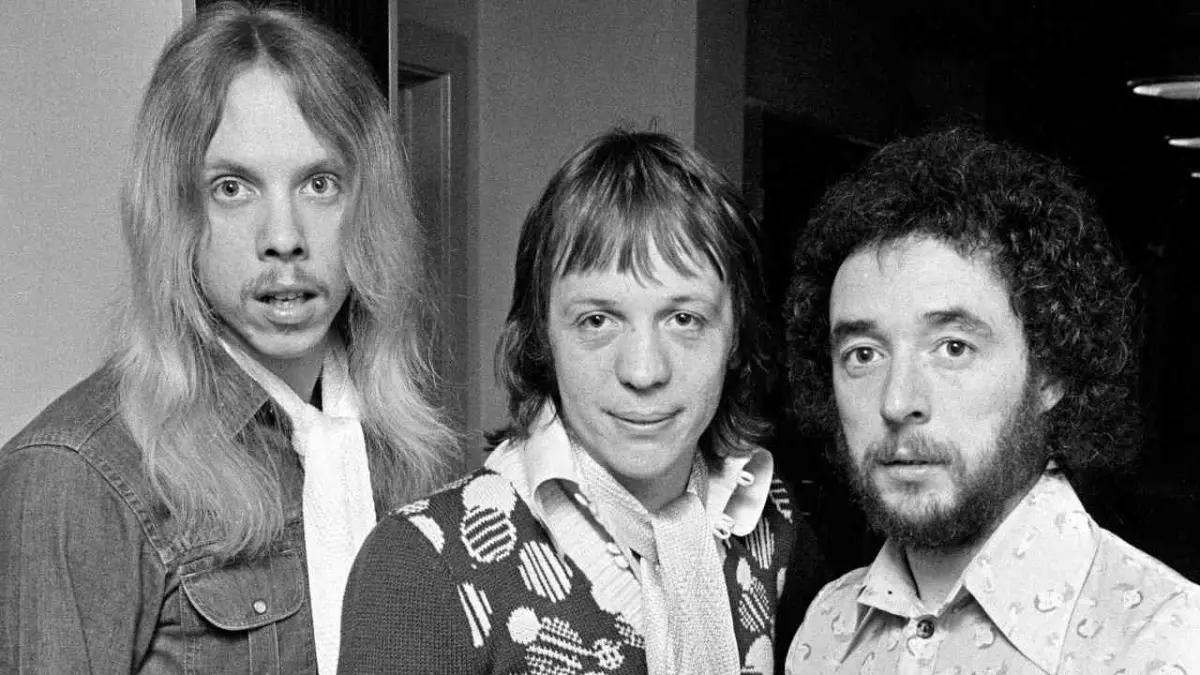
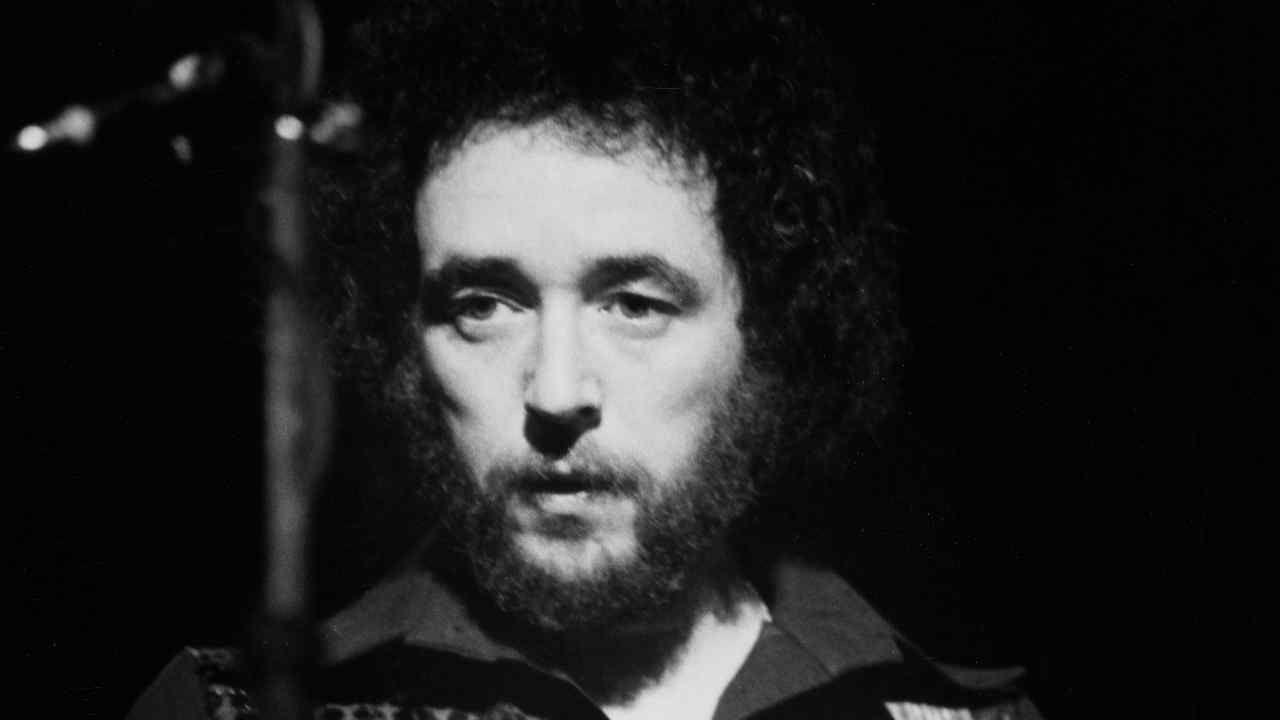
In the history of classic rock, certain vocalists command immediate, universal recognition. Names like Paul Rodgers, Robert Plant, and Freddie Mercury routinely anchor lists celebrating the greatest singers of all time. Yet, nestled within the golden era of 1970s blues-rock is a performer whose vocal warmth, range, and emotional depth equaled—and in key respects surpassed—his most celebrated peers: James "Jimmy" Dewar.
As the lead vocalist and bassist for the Robin Trower Band, as well as a pivotal contributor to British blues outfit Stone the Crows, the Glasgow-born musician possessed a voice characterized by rich resonance, effortless soulfulness, and a vibrato capable of conveying profound vulnerability. Despite fronting albums that defined an era of heavy, atmospheric blues-rock—most notably 1974’s iconic Bridge of Sighs—Dewar remains an understated figure in mainstream rock history.
This retrospective examines Dewar’s career trajectory, his unique dual role as a frontman and rhythm section anchor, the vocal technique that elevated Robin Trower’s guitar work into legendary territory, and why his legacy demands a formal reassessment among rock historians and music enthusiasts alike.
Detailed Chronology
  [Early 1960s]         [Late 1960s - Early 70s]            [1973 - 1980s]                 [1998 / 2002]
The Gleneagles &   --->  Power / Stone the Crows     --->  Robin Trower Band       ---> Solo Album Released /
Lulu & The Luvvers       (Discovered by Peter Grant)       (Peak Classic Rock Era)      Passing at Age 59
Early Career and Glasgow Foundations (1960s)
James Dewar’s musical journey began during the fertile Scottish beat movement of the early 1960s. Operating out of Glasgow, Dewar initially honed his craft playing bass and performing vocals with local act The Gleneagles. His early exposure to the working-class club circuit provided a rigorous training ground, demanding versatility, pitch control, and vocal endurance.
Dewar subsequently joined Lulu and the Luvvers, contributing bass and backing vocals during a pivotal period in British pop-rock history. While the group achieved commercial visibility, Dewar’s artistic inclinations leaned far closer to American rhythm and blues, soul, and hard-edged rock.
The Stone the Crows Era and Peter Grant’s Patronage
By the late 1960s, Dewar co-founded the blues-rock ensemble Power alongside guitarist Leslie Harvey. The group caught the attention of Peter Grant, the formidable manager of Led Zeppelin. Impressed by the band’s raw power and vocal dynamics, Grant took on their management and renamed them Stone the Crows.
In Stone the Crows, Dewar shared vocal duties with the powerhouse singer Maggie Bell while maintaining his post on bass guitar. The group’s self-titled 1970 debut and subsequent releases established them as heavyweights within the British blues movement. Dewar’s smooth, soulful tone served as an effective counterweight to Bell’s raspy, Janis Joplin-esque belting, highlighting his capacity for nuanced vocal harmony and understated lead performances.
+-----------------------------------------------------------------------+
|                       STONE THE CROWS LINEUP                          |
+-----------------------------------------------------------------------+
|  Maggie Bell (Co-Lead Vocals)  |  James Dewar (Bass / Co-Lead Vocals) |
|  Leslie Harvey (Guitar)        |  Colin Allen (Drums)                 |
|  Manager: Peter Grant (Led Zeppelin Management)                       |
+-----------------------------------------------------------------------+
The Robin Trower Partnership (1970s Breakthrough)
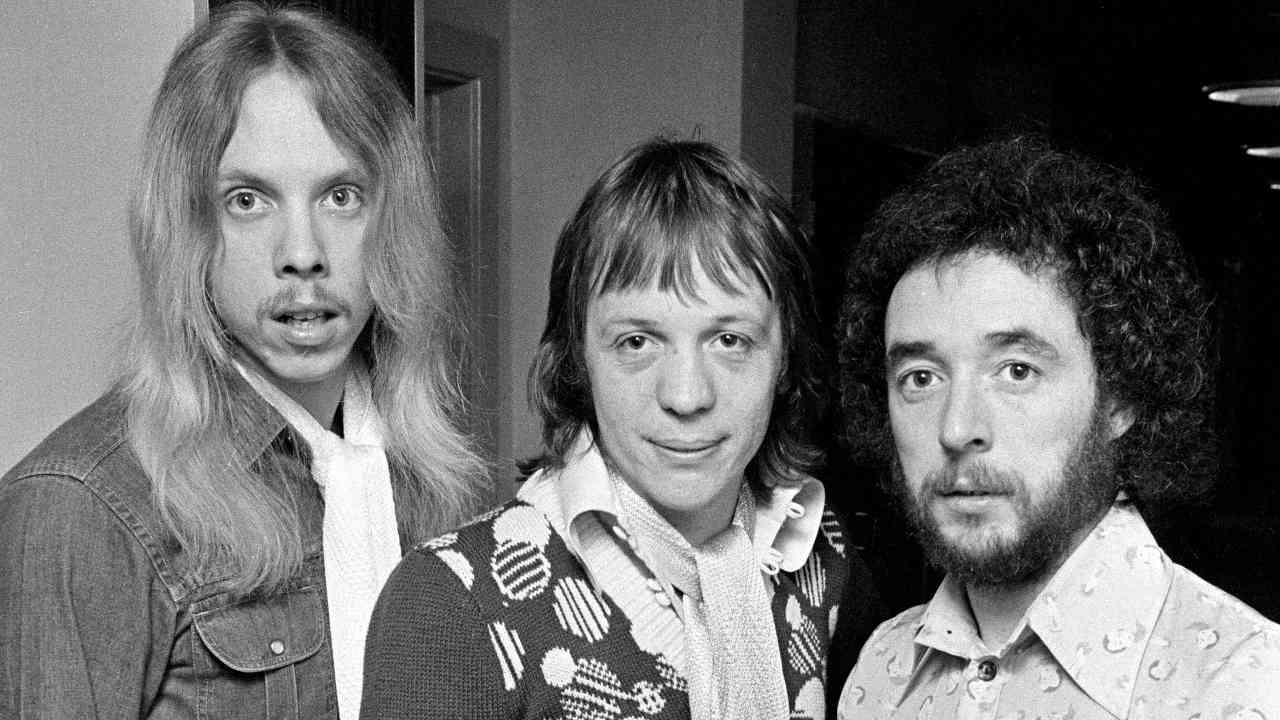
Dewar’s defining musical partnership began in 1972 when former Procol Harum guitarist Robin Trower departed his previous group to form a power trio. Seeking a vocalist who could anchor the band’s heavy, psychedelic blues grooves without overwhelming the soundscapes, Trower recruited Dewar to handle both bass guitar and lead vocals. Joined initially by drummer Reg Isidore (and later Bill Lordan), the Robin Trower Band created a sonic template that relied heavily on Dewar’s vocal gravity.
Between 1973 and 1980, the trio released a sequence of classic rock albums:
Twice Removed from Yesterday (1973): Established the group’s signature blend of heavy blues riffs, atmospheric space, and soulful vocals.
Bridge of Sighs (1974): A commercial and critical triumph that reached the top 10 on the U.S. Billboard charts and earned gold certification.
For Earth Below (1975): Consolidated the band’s arena-status footprint in North America, driven by Dewar’s reliable vocal presence.
Solo Work and Later Years
As music industry trends shifted toward punk and new wave in the late 1970s and early 1980s, the classic Robin Trower lineup began to fracture. Dewar recorded a solo album, Stumbledown Romancer, in the late 1970s, though its release was delayed for years, eventually surfacing decades later.
In his later years, Dewar faced severe medical setbacks, including disability following a stroke and subsequent health complications. On May 16, 2002, James Dewar passed away at the age of 59 due to complications from pneumonia. Though his passing was mournfully noted by peers across the rock landscape, his extensive catalog remains a high-water mark for 1970s vocal performance.
Supporting Context & Metrics
Vocal Ergonomics and Stylistic Analysis
To understand Dewar’s vocal caliber, one must evaluate his tone, phrasing, and range relative to his 1970s contemporaries. While many frontmen of the era relied on high-pitched screaming or aggressive rasp to cut through heavy drum and guitar amplification, Dewar used resonance, chest-voice power, and control.
===================================================================================
                       VOCAL STYLE COMPARISON MATRIX
===================================================================================
Vocalist          Primary Style             Key Character Traits
-----------------------------------------------------------------------------------
James Dewar       Soulful Blues-Rock        Warm timbre, deep vibrato, low-end weight
Paul Rodgers      Hard Rock / Blues         Punchy phrasing, crisp attack, mid-range drive
Robert Plant      Hard Rock / Heavy Metal   High-register shrieks, bluesy bends, vocal dynamics
David Coverdale   Blues-Heavy Hard Rock     Deep baritone shifting to high-register rasps
===================================================================================
Dewar’s signature vocal features included:
Warmth and Timbre: A natural baritone warmth that added emotional gravity to slow-tempo ballads like "Daydream" and "About to Begin."
Controlled Vibrato: A rich, deep vibrato that provided sustaining power at the end of long phrasing lines, particularly noticeable on the title track "Bridge of Sighs."
Phrasing and Space: An intuitive sense of timing that allowed Robin Trower’s Fender Stratocaster work to breathe, stepping forward during vocal passages and laying back during extended guitar improvisations.
Essential Discography Highlights
+-------------------------------------------------------------------------------+
|                      ESSENTIAL JAMES DEWAR TRACKS                             |
+-------------------------------------------------------------------------------+
| Album                            | Key Tracks                                |
+----------------------------------+-------------------------------------------+
| Twice Removed from Yesterday     | "Daydream", "Rock Me Baby"                |
| Bridge of Sighs                  | "Day of the Eagle", "Bridge of Sighs",    |
|                                  | "About to Begin", "Lady Love"             |
| For Earth Below                  | "Alethea", "For Earth Below"              |
| Stumbledown Romancer (Solo)      | "Stumbledown Romancer"                    |
+----------------------------------+-------------------------------------------+
The Dual-Threat Dynamic: Bass and Vocals
Performing lead vocals while maintaining a locked-in, low-end bass rhythm is a demanding technical feat in rock music, shared by a small group of musicians including Paul McCartney, Jack Bruce, Geddy Lee, and Glenn Hughes. Dewar executed this dual role effortlessly. His bass playing was steady and melodic, serving as the connective tissue between Robin Trower’s heavy guitar riffage and the percussive drive of drummers Reg Isidore and Bill Lordan.
Official Statements & Peer Consensus
Throughout his lifetime and in the years following his death, Dewar earned profound respect from fellow musicians, critics, and bandmates, even as broader mainstream recognition eluded him.
Musician and Industry Appraisal
Robin Trower has repeatedly credited Dewar as the fundamental voice that brought his guitar compositions to life. Reflecting on their collaborative years, Trower emphasized that Dewar’s innate vocal soulfulness gave the power trio its distinct identity, elevating the material beyond standard blues-rock jam tracks into fully realized, emotionally resonant songs.
Music journalists writing for publications such as Classic Rock Magazine have noted the stark discrepancy between Dewar’s talent and his media profile:
"It’s often said that most people can become proficient on a musical instrument if they are prepared to put in the time, effort, and sweat. But to become even a decent singer you first have to be born with at least a decent voice. James ‘Jimmy’ Dewar possessed one of the greatest rock voices of them all… Warm, rich, sonorous, resonant, deeply soulful—his was what many would categorize as the classic rock voice."
The Anomaly of Critical Omission
Despite featuring prominently on albums that sold millions of copies worldwide and routinely broadcast across classic rock radio networks, Dewar is often omitted from high-profile rankings, such as Rolling Stone’s periodic "Greatest Singers of All Time" lists.
Historians attribute this oversight to several key factors:
The Band Name Paradigm: Because the group was branded as the "Robin Trower Band," passive listeners often assumed Trower himself was the vocalist, obscuring Dewar’s identity.
Reserved Stage Demeanor: Unlike flamboyant frontmen of the era, Dewar maintained an understated, unassuming presence on stage, focusing his energy on his bass playing and vocal delivery rather than theatrical showmanship.
Shy Personal Nature: Offstage, Dewar eschewed the press spotlight, preferring to let his musical output speak for itself.
Future Outlook
Legacy Preservation and Reappraisal
As the landscape of music discovery shifts toward digital streaming, high-definition remasters, and archival video footage, James Dewar’s work is undergoing a steady, grassroots revival among younger generations of rock fans and musicians.
+-------------------------------------------------------------------------------+
|                       FACTORS DRIVING DEWAR'S REVIVAL                         |
+-------------------------------------------------------------------------------+
| 1. High-Definition Remasters & BBC Session Archives                           |
| 2. Reassessment of 1970s Power Trios in Music Journalism                      |
| 3. Digital Streaming Algorithms Elevating Classic Deep Cuts                   |
| 4. Peer Endorsements from Modern Blues-Rock Artists                           |
+-------------------------------------------------------------------------------+
Archival Reissues and BBC Sessions: The release of restored live performances, including mid-1970s BBC Radio broadcasts and television appearances, provides clear visual and auditory proof of Dewar’s flawless live execution.
Blues-Rock Renaissance: Modern purveyors of soul, blues, and hard rock frequently cite the Robin Trower Band’s mid-70s run as a foundational influence, leading directly back to Dewar’s vocal technique.
Critical Re-evaluation: Music historians are increasingly challenging the legacy lists of the past, making the case for Dewar’s inclusion alongside figures like Paul Rodgers, Steve Marriott, and Frankie Miller as part of the elite pantheon of British soul-rock singers.
James Dewar’s recorded legacy remains permanently etched in the grooves of classic albums like Bridge of Sighs. Though the artist himself was modest and understated, his vocal output stands as an undeniable benchmark of natural talent, soul, and timeless rock-and-roll artistry.